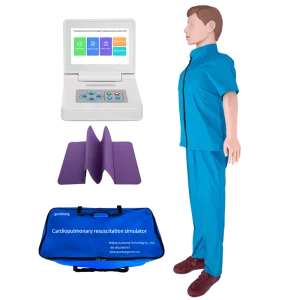
Precision Simulation Tools for Lifesaving Interventions: Advanced Heimlich Maneuver Vests, CPR Manikins, and Infant Choking Simulation Models Manufactured by Beijing Guanbang Medical Technology.
Explore our premium factory-direct airway obstruction, choking rescue, and basic life support (BLS) training systems.
Understanding Foreign Body Airway Obstruction (FBAO) management through tactile, high-fidelity mechanical feedback systems.
Foreign Body Airway Obstruction (FBAO) remains a leading cause of accidental morbidity globally, particularly among infants and the elderly. Effective treatment demands immediate execution of the Heimlich Maneuver (abdominal thrusts) or back blows. However, teaching these life-saving procedures requires simulation tools that can mimic human anatomy, chest compliance, and airway resistance without exposing live human subjects to injury.
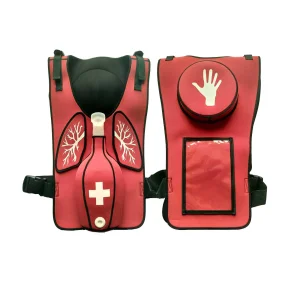
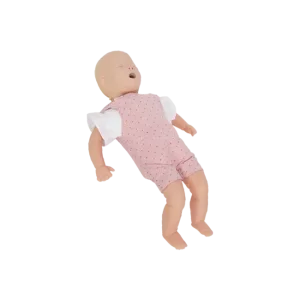
Our advanced Heimlich Training Vests and Infant Airway Infarction Models are engineered to replicate the tactile feedback required to dislodge a foreign object. When a trainee applies the correct amount of force at the proper anatomical location, the simulated obstruction (usually a foam plug) is ejected from the oral cavity. This creates a powerful sensory connection between correct technique and successful rescue outcomes, drastically shortening the learning curve for professional first responders, healthcare workers, and public safety personnel.
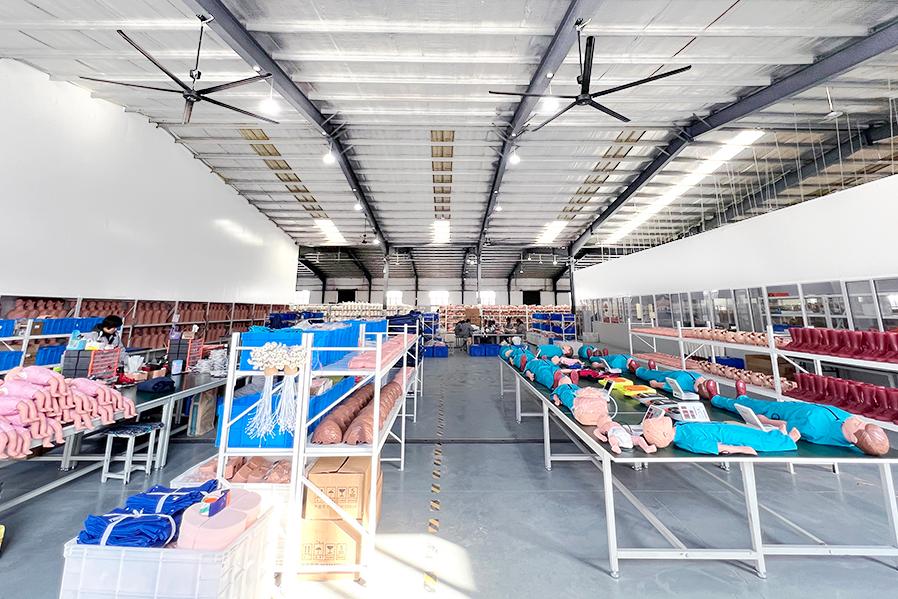
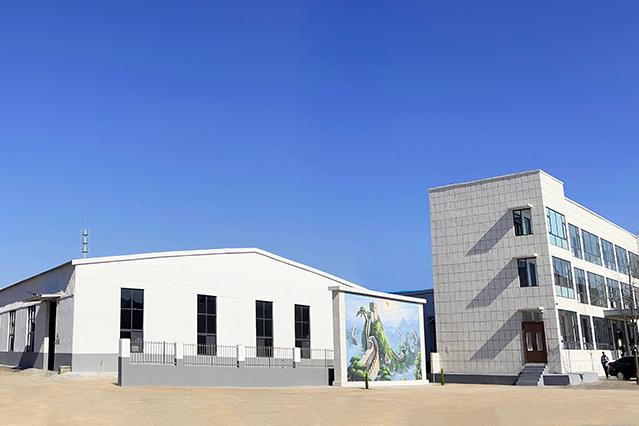
At Beijing Guanbang Medical Technology Co., Ltd., we align our manufacturing protocols with international resuscitation criteria set by the International Liaison Committee on Resuscitation (ILCOR) and the American Heart Association (AHA). Our internal core technical team comprises specialists holding advanced master's and doctoral degrees from prestigious institutions including the Chinese Academy of Sciences (CAS), Tsinghua University, and the Beijing University of Technology.
This deep academic pedigree allows us to push boundaries in material engineering. Resuscitator manikins must feel realistic. We solve this by leveraging proprietary formulations of thermoplastic elastomers (TPE) and premium silicones, ensuring skin texture, muscle elasticity, and joint articulation replicate human anatomy as closely as possible. Our structures undergo rigorous mechanical testing to ensure they withstand hundreds of thousands of chest compressions without degradation, providing unparalleled long-term reliability for institutional buyers.
Why international distributors, medical training universities, and government relief agencies source directly from Guanbang.
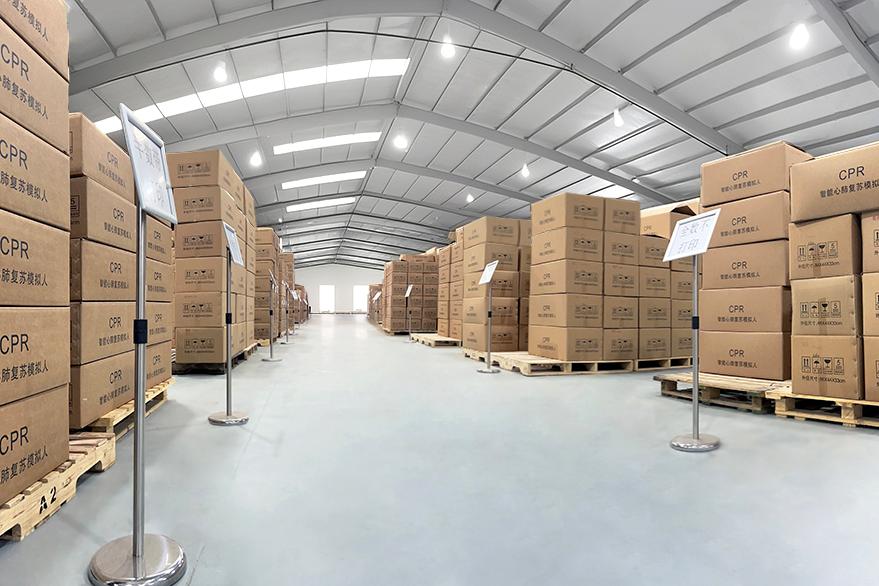
Located in China's high-tech manufacturing hub, our facility integrates vertical production lines from raw polymer blending and mold design to electronic sensor assembly and final quality assurance. This eliminates middleman costs and guarantees stable quality control across production batches.
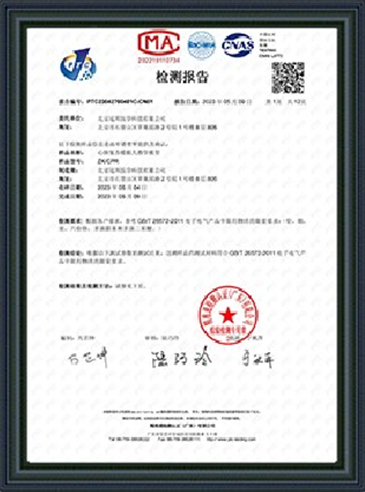
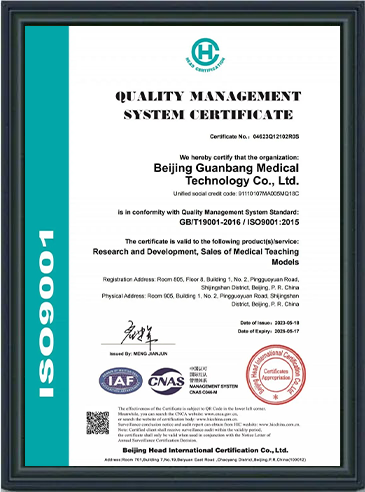
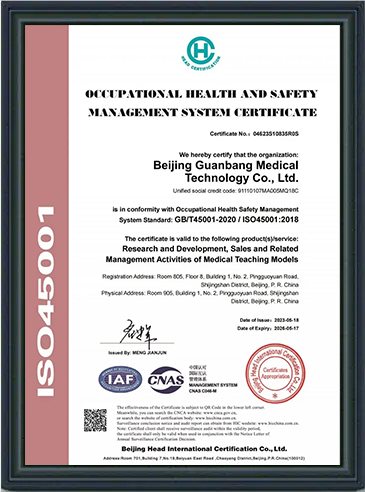
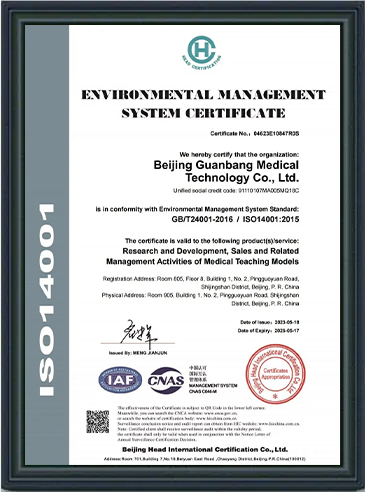
We strictly comply with environmental management, quality management, and occupational health and safety standards. Our products carry CE declarations, professional testing compliance reports, and independent software copyrights for digital sensor feedback loops.
From infant anti-choking systems to adult full-body simulators equipped with touchscreens, our product portfolio spans 30+ distinct models. We custom-engineer structural densities, incorporate localized language interfaces, and develop custom firmware for smart controllers.
Bridging the gap between emergency readiness requirements and realistic training environments.
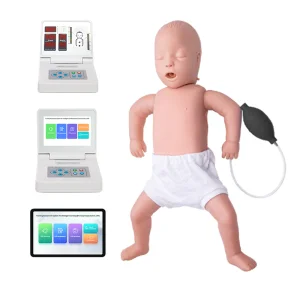
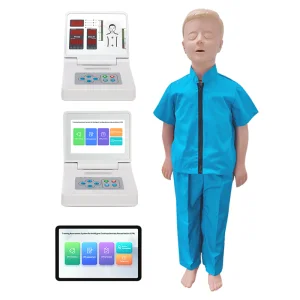
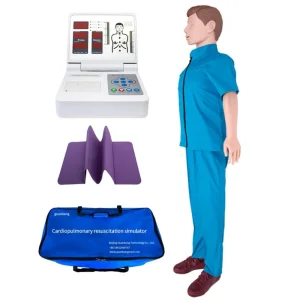
Higher education institutions require structured curriculum integration. Our simulators offer advanced digital feedback (pressure depth, frequency, chest recoil, and inflation volume) through PC software and color touchscreen interfaces, providing objective performance data grading for medical students.
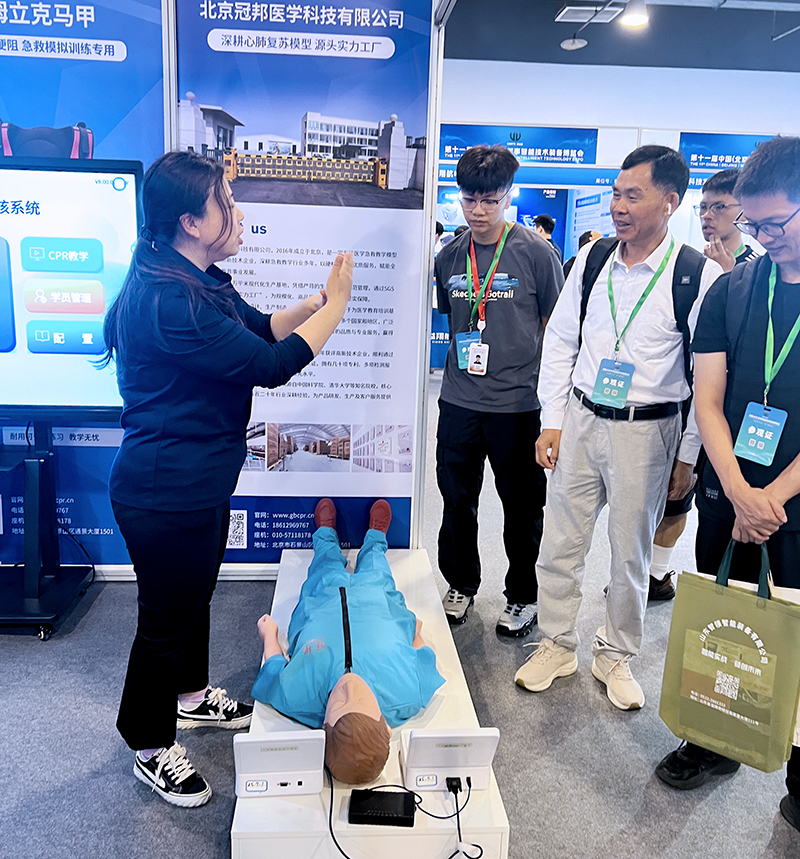
As showcased at the 11th China (Beijing) Military Intelligent Technology & Equipment Expo, our high-durability simulators are utilized by defense agencies for tactical combat casualty care (TCCC) drills. Designed to operate in harsh field conditions, these simulators withstand heavy physical handling.
We partner with public emergency teams and community centers (such as the Zhengzhou Feiniao Emergency Team) to set up free public CPR training kiosks. Features like voice guidance assist lay rescuers in gaining self-rescue confidence and perfecting basic life-saving procedures.
Premium intelligent simulators featuring software integration, voice guidance, and diagnostic feedback loops.
How the internet of things (IoT) and polymer sciences are reshaping first aid simulation systems.
Modern emergency response training is transitioning from qualitative visual observation to quantitative digital analysis. Traditional manikins simply clicked when compressions reached the right depth. Today, high-end institutions demand digital validation. Our system utilizes a color touchscreen monitor to track compression rate, depth, hand position, and real-time ventilation metrics. This feedback loop ensures that medical students master the correct muscle memory, preparing them to respond under pressure.
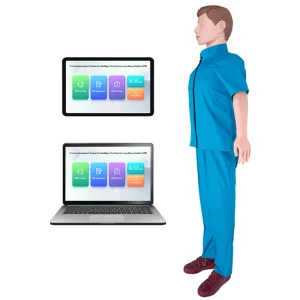
Large classrooms benefit from one-to-many CPR manikin systems. Leveraging custom software, a single instructor can monitor up to 10 trainees simultaneously on a central tablet or monitor. If a student applies incorrect pressure or compression frequency, the dashboard alerts the instructor, maximizing educational efficiency. This setup reduces training costs and allows schools to scale their emergency certification programs.
We are continuously advancing our polymer engineering. Resuscitator models are subject to friction, moisture, and variable temperatures. By utilizing eco-friendly, non-toxic thermoplastic elastomers (TPE), we produce structures that resist degradation. The skin is easily cleanable, and airway modules can be sanitized or replaced quickly, maintaining a hygienic and safe environment for group learning.
Detailed technical advice on sourcing, material composition, and application configurations.
Our manikins utilize premium imported thermoplastic elastomers (TPE) for the skin and muscle layers, along with durable ABS plastics for the internal skull and skeletal frameworks. These materials mimic the elasticity and resistance of human tissue, are non-toxic, and are certified under global environmental health standards.
Yes. All adult and pediatric CPR/BLS simulators are built in compliance with the latest AHA and ILCOR guidelines. They support standard 30:2 compression-to-ventilation ratios, chest recoil metrics, and airway clearing protocols.
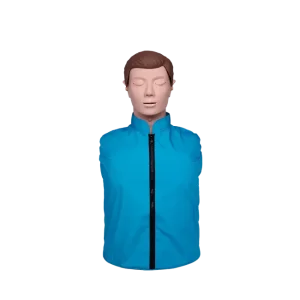
The vest features a simulated airway cavity. Trainees apply abdominal thrusts or back blows. If correct pressure is applied, the air within the thoracic bladder expands, expelling a foam plug from the mouth opening, indicating a successful rescue.
Yes. We offer deep customization capabilities, including custom branding, foreign language voice packaging, specialized digital feedback parameters, and specific skin-tone variations. Our R&D team can develop custom mock-ups within 15-30 days depending on complexity.
Our commitment to manufacturing safety, public welfare, and professional certification.
We organized a community campaign in Shijingshan District to raise early awareness of emergency self-rescue methods. Using specialized pediatric and child simulators, parents and children practiced hands-on techniques together.
We delivered custom CPR and choking simulators to school campuses, giving students hands-on practice in responding to airway obstructions and sudden cardiac arrest.
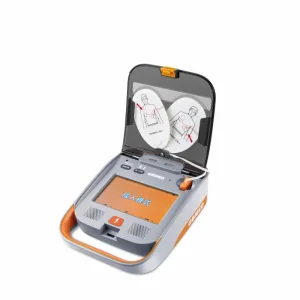
In partnership with the Zhengzhou Feiniao Emergency Team, we launched a public rescue training center featuring voice-assisted CPR manikins and simulated AEDs.
 Guanbang Medical