In the realm of emergency response training, a high-quality CPR mannequin is essential. Studies indicate that 70% of individuals trained in CPR retain skills longer when using realistic mannequins. Providers like the American Heart Association emphasize the significance of effective training tools. A dependable CPR mannequin offers a tactile, lifelike experience that enhances learner engagement.
Consider the varying designs and features of CPR mannequins available. While some provide feedback on compression depth and rate, others focus solely on realism. This variation can confuse instructors, leading to less effective training sessions. Therefore, it's crucial to evaluate options thoroughly.
Investing in a suitable CPR mannequin can result in more confident responders during emergencies. As reported by a survey, responders who practiced with high-fidelity mannequins were 30% more likely to perform effective CPR in real situations. Yet, not all mannequins meet these standards, raising questions about the best choice. Reflect on these insights as you seek the optimal mannequin for training and certification.
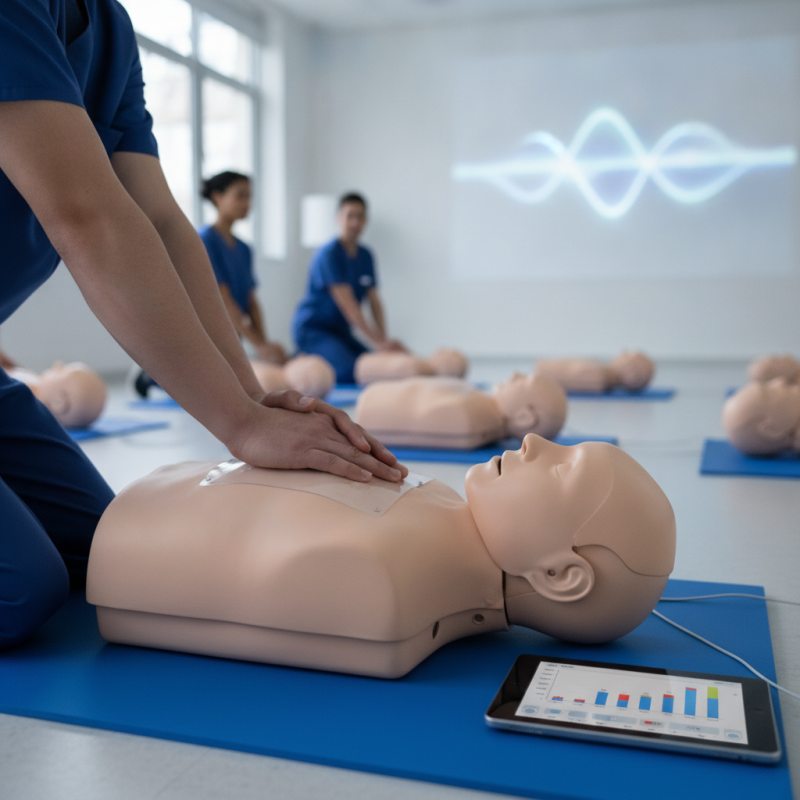
When selecting the best CPR mannequin for effective training, several criteria come into play. Realism is crucial. A mannequin that mimics human anatomy provides a more authentic experience. Trainees need to feel the difference between chest compressions and breaths. This realism can boost confidence during actual emergencies.
Next, consider durability. Frequent use demands a robust design. A mannequin should withstand repeated training sessions without deteriorating. This resilience ensures that your investment pays off over time. Additionally, ease of cleaning is important. Contaminants can linger, so a design that facilitates quick sanitization is essential.
Another factor is feedback capability. Mannequins with built-in feedback systems guide trainees. They can indicate compression depth and frequency. This immediate response helps trainees correct mistakes on the spot. Not every mannequin offers this feature, making it a critical aspect to consider.
Lastly, think about weight and portability. A lightweight mannequin is easier to transport, allowing for flexibility in training locations. However, a lightweight design shouldn’t compromise realism or stability. Striving for the perfect balance can be challenging, highlighting the need for reflection during the selection process.
: There are adult mannequins, pediatric mannequins, and advanced mannequins with feedback technology.
Realistic mannequins help build confidence and understanding of adult anatomy during resuscitation.
It provides real-time data on compression depth and rate, helping trainees refine their technique.
Overconfidence may arise, making it vital to practice without feedback for instinctual skill development.
Consider your group's training needs and focus on what will yield the best outcomes for patients.
Regular cleaning with mild soap and water is necessary to maintain hygiene and prolong their life.
Keep mannequins in a cool, dry place to prevent damage from heat and moisture.
Trainees may notice issues instructors don’t see, leading to better care practices for the mannequins.
Some models may not withstand extensive use, highlighting the need for regular reassessment.
Regularly assess the condition of your mannequins and address any damages to ensure effective training.
When selecting the best CPR mannequin for effective training and certification, several key criteria should be considered. These criteria include realism in terms of anatomical accuracy, ease of use, and portability. Understanding the types of CPR mannequins available for resuscitation training is also vital, as options range from basic models to advanced systems with feedback mechanisms. High-quality CPR mannequins come equipped with features like realistic chest rise and fall, adjustable airway positions, and replaceable parts to enhance the training experience.
Furthermore, maintaining and caring for CPR mannequins is crucial to ensure their longevity and effectiveness. Regular cleaning and proper storage will help preserve the functionality of these training tools. A comparative analysis of various CPR mannequin brands can also assist trainers in making informed decisions based on their specific training needs. By considering these factors, instructors can select the best CPR mannequin to provide effective training and prepare individuals for emergency situations.

 Guanbang Medical