Choosing the right Cpr Manikins in 2026 requires more than comparing prices, brands, or realistic skin textures. Training quality depends on measurable performance. The American Heart Association’s 2020 Guidelines emphasize high-quality chest compressions, correct ventilation, early defibrillation, and immediate feedback. These priorities should guide every purchasing decision.
Dr. Michael Sayre, a leading CPR education expert, has stated, “High-quality CPR is the foundation of resuscitation.” That principle makes feedback technology especially important. AHA guidance recognizes that audiovisual feedback can improve compression depth, rate, recoil, and hand position. However, evidence linking feedback directly to better patient outcomes remains limited. That uncertainty matters.
The best Cpr Manikins should match the learner, course, and teaching environment. A compact adult model may suit workplace training. A modular system may serve hospitals, where infant, child, and adult scenarios are required. Look for compression sensors, ventilation monitoring, realistic recoil, replaceable lungs, and software that records performance. Check cleaning procedures, warranty coverage, battery life, and compatibility with current training platforms.
No single mannequin wins every classroom. A high-end model can still fail when instructors lack time or technical support. That is an uncomfortable reality. Market research from Grand View Research and MarketsandMarkets also indicates continued growth in simulation-based medical education, driven by skills assessment and digital feedback. Yet growth does not guarantee quality. Buyers should test several models with real instructors before committing. The most realistic option may not be the most teachable one.
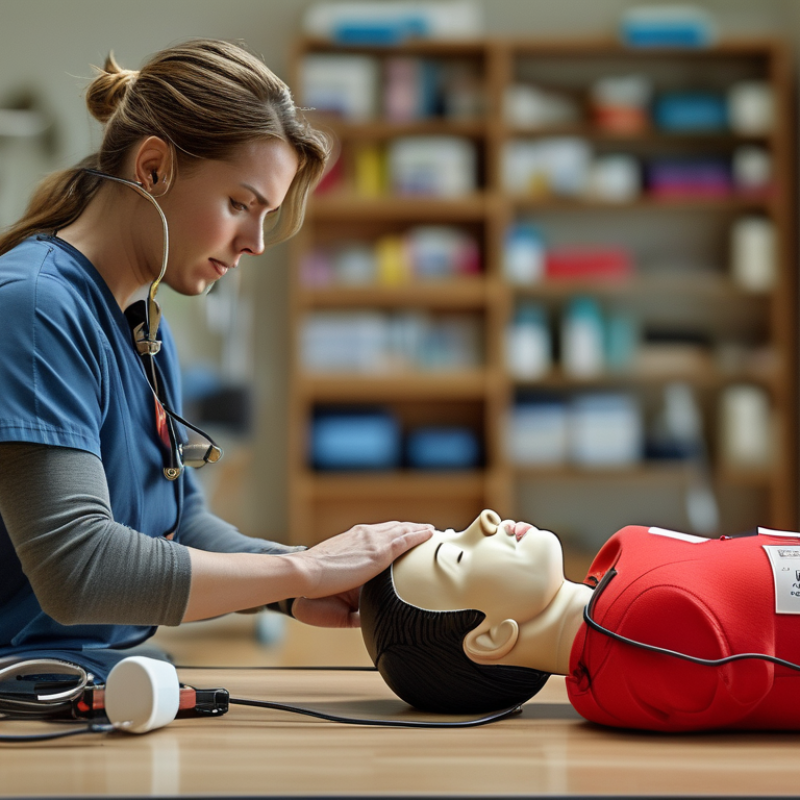
How to Choose the Best CPR Manikins in 2026?
A CPR manikin should match the learner, the lesson, and the expected clinical task. Adult manikins suit workplace and community courses. Child and infant models teach different compression depth, hand position, and ventilation technique. These differences matter. A torso manikin saves space and supports basic chest compressions. A full-body model offers more realistic positioning and airway practice. Choose the format that reflects the training environment.
For introductory classes, a durable manikin with visible chest rise can teach rhythm, recoil, and rescue breaths. Advanced learners may need airway-management features, interchangeable lungs, or feedback sensors. Feedback can show compression rate, depth, release, and hand placement. It improves correction during practice. Still, technology cannot replace instructor observation. A screen may report acceptable numbers while the learner’s posture looks tense or unstable.
Hygiene design deserves close attention. Removable face pieces, replaceable airways, and simple cleaning surfaces reduce cross-contamination risks when used correctly. Check that materials withstand frequent training and inspection. In practical sessions, learners sometimes compress too shallowly because they fear damaging the model. That hesitation is useful to discuss, but it may reveal unrealistic resistance. A manikin can feel convincing and still expose a training gap. Review current resuscitation guidance, instructor qualifications, and local course requirements before purchasing. Realism is helpful, not perfect.
| CPR Manikin Type | Primary Training Purpose | Recommended Learners | Core Skills Practiced | Feedback and Features | Airway and Breathing Realism | Portability | Best Use Case |
|---|---|---|---|---|---|---|---|
| Basic Adult CPR Manikin | Teaching the essential sequence of adult cardiopulmonary resuscitation. | First-time learners, community groups, schools, and workplace responders. | Scene assessment, emergency activation, chest compressions, rescue breaths, and recovery position practice. | Usually includes audible or tactile compression-depth indicators. Some models provide simple visual feedback. | Basic head-tilt/chin-lift airway positioning; ventilation capability may be included depending on the model. | High | Large introductory classes and basic life support demonstrations. |
| Adult CPR Feedback Manikin | Improving compression quality through immediate performance feedback. | Healthcare students, workplace responders, instructors, and learners preparing for skills assessment. | Compression rate, depth, recoil, hand placement, ventilation timing, and compression-to-ventilation coordination. | Electronic or app-connected feedback may display rate, depth, recoil, interruptions, hand position, and ventilation volume. | Typically supports airway opening and ventilation practice; some systems detect excessive ventilation volume. | Medium to High | Structured courses where measurable performance and remediation are important. |
| Infant CPR Manikin | Training for resuscitation of infants under approximately one year of age. | Parents, childcare providers, pediatric staff, students, and emergency responders. | Two-finger or two-thumb compression techniques, infant rescue breathing, choking response, and pulse-check discussion. | May include compression-depth indicators and feedback designed for infant-specific techniques. | Small airway anatomy and chest movement can support age-appropriate ventilation practice. | High | Pediatric first aid, childcare training, and family-focused CPR education. |
| Child CPR Manikin | Teaching CPR and choking-response techniques for children beyond infancy and before adulthood. | School staff, childcare professionals, healthcare learners, and emergency responders. | Child-sized compressions, rescue breathing, choking relief, and age-specific response decisions. | May provide visual or electronic indicators for compression depth and rate; advanced versions record performance data. | Supports airway positioning and ventilation practice with child-sized chest and airway proportions. | High | Courses that must cover infant, child, and adult age groups. |
| Adult-Child-Infant Combination Manikin | Delivering multi-age CPR training with one integrated training system. | Schools, workplaces, community training centers, and instructors with limited storage space. | Age-specific compression techniques, ventilation, choking response, and recognition of different body sizes. | Feedback availability varies; some models use interchangeable components or selectable training modes. | Provides multiple airway and chest configurations, although realism may be less specialized than dedicated models. | High | General-purpose programs that need broad age coverage and efficient storage. |
| Full-Body CPR and AED Manikin | Combining CPR, automated external defibrillator training, and complete-body resuscitation scenarios. | Healthcare providers, first responders, security teams, and workplace emergency teams. | CPR, AED pad placement, rhythm-analysis workflow, team communication, patient movement, and post-shock care. | May support compression feedback, AED training pads, scenario controls, and event recording. | Usually provides airway opening, ventilation, and visible chest rise; some models support more advanced airway tasks. | Medium | Integrated BLS courses and realistic emergency-response simulations. |
| Advanced Airway Management Manikin | Practicing airway assessment and ventilation techniques beyond basic mouth-to-mouth CPR. | Paramedic students, nurses, physicians, respiratory therapists, and advanced life support teams. | Bag-mask ventilation, supraglottic airway insertion, endotracheal intubation, suction, and airway positioning. | May detect esophageal intubation, excessive ventilation, incorrect tube placement, and airway pressure. | High airway realism with anatomical landmarks and selectable airway complications, depending on configuration. | Low to Medium | Advanced clinical skills laboratories and airway management assessments. |
| Trauma or Scenario-Based Manikin | Recreating complex emergencies in which CPR is combined with injury assessment and team coordination. | Emergency medical technicians, paramedics, hospital teams, military personnel, and rescue organizations. | CPR, bleeding control, patient assessment, immobilization, communication, transport, and coordinated resuscitation. | May include vital-sign simulation, programmable scenarios, injury modules, and instructor-controlled changes. | Often supports airway, breathing, and circulation assessment; realism depends on the scenario system. | Low | High-level simulation, team training, and decision-making under pressure. |
| Half-Body or Compression-Only Manikin | Focusing on hands-only CPR and high-volume compression practice. | Public awareness programs, schools, workplaces, and short-duration training sessions. | Hand placement, compression rate, depth, recoil, and minimizing pauses. | Often provides simple clickers, lights, or visual indicators; advanced feedback may be available. | Limited or no airway and ventilation functionality. | Very High | Mass training events and programs emphasizing immediate chest-compression skills. |
| Connected or Data-Recording Manikin | Using digital records to evaluate individual and group CPR performance over time. | Professional instructors, training centers, healthcare education programs, and quality-improvement teams. | Compression quality, ventilation, hands-off time, teamwork, timing, and repeated skills assessment. | May provide real-time dashboards, learner reports, session storage, instructor review, and wireless connectivity. | Varies from basic ventilation to advanced airway simulation, depending on the manikin platform. | Medium | Evidence-based instruction, formal assessment, and documented competency tracking. |
Adult manikins fit workplace, community, and general emergency training. Choose one with visible chest rise and consistent chest resistance. It should support compressions, recoil, hand placement, and rescue breaths. Simple is sometimes better.
Use child and infant models for age-specific compression depth, hand position, and ventilation practice. Their smaller bodies create different training demands. Adult equipment cannot fully replace them.
A torso model saves space and supports basic compressions and ventilation. It suits small classrooms or limited storage areas. A full-body model offers better positioning and airway practice. The torso may feel incomplete.
Useful feedback measures compression depth, rate, recoil, and hand placement. Visual indicators can reveal mistakes immediately. Digital records may help instructors track progress. Numbers alone are not enough.
No. A screen may show acceptable results while posture remains tense or unstable. Instructors should watch hand position, body control, and hesitation. Human observation catches details.
Removable face pieces, replaceable airways, and smooth surfaces support easier cleaning. Check whether components withstand frequent practice and inspection. Follow the manufacturer’s cleaning instructions. Clean equipment matters.
Press the chest repeatedly and check for consistent resistance. Test feedback accuracy during longer sessions. Confirm that lungs, face coverings, and protective parts are replaceable. Try the setup in a real classroom.
Small classrooms need lightweight models that instructors can move easily. Outdoor responders may need strong carrying cases and simple setup. Large courses benefit from quick resets and clear controls. Convenience affects actual use.
No. Realism can support engagement, but it cannot reproduce fear, noise, or physical limitations. Choose measurable feedback, durability, and easy maintenance. I would avoid buying software alone.
Record practice results and review technique regularly. Discuss shallow compressions, weak recoil, and unstable posture openly. Learners may hesitate because they fear damaging the manikin. That hesitation reveals a useful training gap.
Choosing the best Cpr Manikins in 2026 starts with understanding the purpose of training and the learners involved. Different manikin types support different goals, from basic chest-compression practice to advanced scenarios involving ventilation, realistic anatomy, and emergency response skills. Effective models should provide stable positioning, lifelike resistance, clear airway access, and reliable feedback on compression depth, rate, recoil, and hand placement. These features help learners build confidence while allowing instructors to identify and correct mistakes efficiently.
A thorough comparison should also consider feedback technology, durability, cleaning requirements, replacement parts, and storage needs. The ideal design will vary between schools, healthcare facilities, professional courses, and community training programs. Buyers should balance safety, purchase price, operating costs, and expected service life rather than focusing only on initial expense. A well-selected manikin can support repeated practice, simplify instruction, and deliver stronger long-term training value across different skill levels and learning environments.

 Guanbang Medical