In today's fast-paced world, effective training is crucial. A CPR simulator provides a realistic experience for learners. It allows individuals to practice life-saving skills in a safe environment. This hands-on approach fosters confidence and readiness during emergencies.
Using a CPR simulator can highlight the importance of proper technique. Participants can receive immediate feedback on their performance. This instant assessment encourages improvement and mastery of critical skills. Moreover, practicing with a simulator eliminates the fear of making mistakes on a real patient.
However, not all training tools are created equal. Some simulators may lack essential features or realistic scenarios. It's vital to choose a reliable CPR simulator that meets industry standards. By investing in quality training equipment, individuals and organizations can ensure effective learning outcomes. This commitment to excellence can ultimately save lives when it matters most.
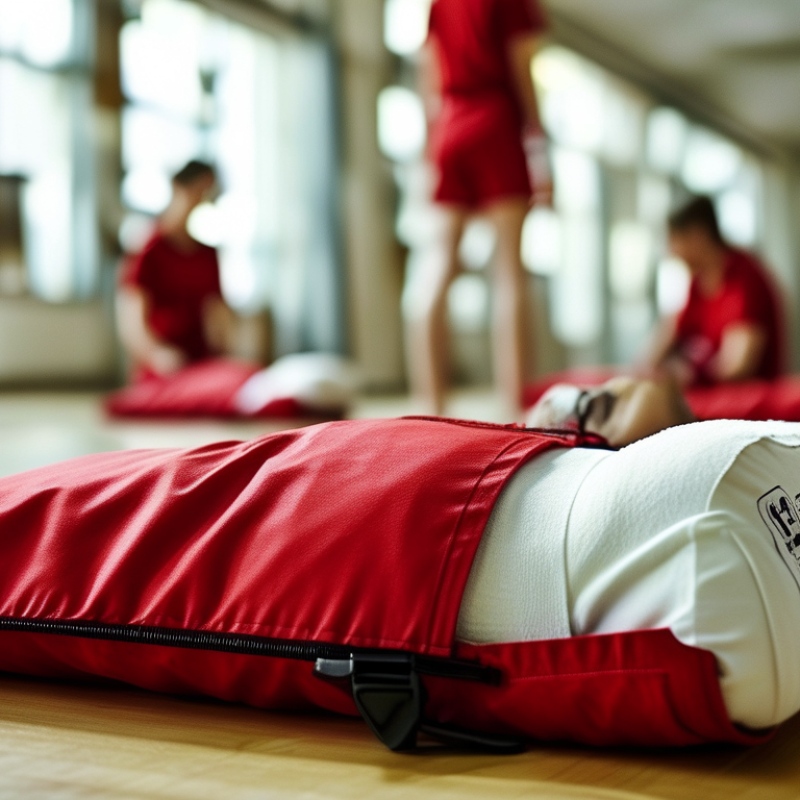
Effective training in CPR is crucial for saving lives. According to the American Heart Association, immediate CPR can double or triple a victim's chance of survival. However, the skills must be practiced regularly. The human brain tends to forget specifics over time, making it essential to maintain proficiency. A study found that around 70% of people do not feel confident in their CPR skills, highlighting the need for effective training methods.
Using a CPR simulator enhances training effectiveness. It provides realistic scenarios where trainees can practice skills in a safe environment. Research shows that hands-on experience improves retention and confidence significantly. Trainees report a 40% increase in skill recall after using simulators compared to traditional methods. However, the choice of simulator matters. Not all simulators replicate real-life situations accurately, which can lead to gaps in knowledge.
Tips: Practice different scenarios in training sessions. Evaluate what techniques work best for your group. Encourage open discussions about mistakes and areas for improvement. Remember, the goal is to build confidence and readiness. Revisit basic skills regularly to avoid skill fade, ensuring everyone can respond effectively when needed.
CPR simulators are essential tools in effective training programs. They provide a realistic environment for learning lifesaving techniques. These simulators mimic human anatomy and response, allowing trainees to practice CPR skills without the risks associated with real-life scenarios. According to a report from the American Heart Association, hands-on practice is critical. It states that students who use simulators score 20% higher on CPR assessments than those learning from traditional methods.
The functionality of CPR simulators extends beyond basic compression techniques. Many advanced models offer feedback on performance. They track compression depth and rate, helping trainees make real-time adjustments. A study published in the Journal of Emergency Medical Services found that trainees using feedback-equipped simulators demonstrated better retention of skills. Yet, it's important to note that reliance solely on simulators can be limiting. Hands-on practice with live instructors is still invaluable for developing intuition and confidence.
Moreover, while technology enhances training, it can also create gaps. Simulators cannot replicate emotional responses seen in real emergencies. Trainees might feel prepared, but actual situations involve stress and unpredictability. Practicing in realistic settings is crucial. Feedback from instructors serves to fill these gaps. Focusing on both simulator and instructor-led training fosters a more comprehensive learning experience.
CPR simulators play a crucial role in training. They provide a realistic experience that enhances learning. Studies show that hands-on practice improves retention. One report indicated that participants retain over 80% of CPR skills when using simulators. Traditional training methods often lack this effectiveness.
Using simulators allows trainees to make mistakes in a safe environment. This practice can lead to better emergency responses. A survey found that 70% of instructors believe simulators are essential for teaching CPR. Trainees gain immediate feedback from these devices. Immediate feedback helps learners correct errors right away. This dynamic process fosters a deeper understanding of CPR techniques.
Moreover, CPR simulators come with advanced features. Many models can assess the quality of chest compressions and ventilations. Such technology provides data that can enhance training sessions. Yet, some protocols around using simulators may still feel outdated. Instructors must adapt lessons to integrate new findings. It’s vital for training to evolve alongside technology to remain effective.
When it comes to CPR training, traditional methods often rely heavily on lectures and demonstrations. These methods can lack engagement, leaving students passive and less likely to retain vital skills. In a traditional setting, trainees watch instructors perform CPR but miss out on practical, hands-on experience. This may create a gap in understanding how to react in real-life emergencies.
In contrast, CPR simulators offer a more immersive experience. Trainees can practice in real-time, receiving feedback on their technique. This immediate response helps learners correct their mistakes on the spot. Moreover, simulators can mimic various scenarios that students might face, making training more relevant and effective. However, there are challenges. Some trainees may find the technology intimidating or may not fully engage due to over-reliance on the simulator.
The comparison highlights a critical point: effective training must adapt to individual needs. While simulators enhance learning, they should complement traditional methods rather than replace them. Balancing both approach allows for a comprehensive understanding of CPR. This combination can better prepare trainees for real emergency situations, addressing common hesitations and weaknesses in skills.
| Aspect | Traditional CPR Training | CPR Simulator Training |
|---|---|---|
| Realism | Low - manikins may not accurately simulate real-life scenarios | High - realistic feedback and scenarios |
| Immediate Feedback | Delayed - feedback received after training | Instant - real-time feedback during practice |
| Engagement | Moderate - can become repetitive | High - interactive and immersive |
| Retention of Skills | Varies - skills may diminish over time | Higher - enhanced skill retention |
| Cost of Training | Lower upfront costs | Higher initial investment, but more effective long-term |
The landscape of CPR training is rapidly evolving, shaped by advancements in simulation technology. Future trends emphasize the integration of virtual reality (VR) and augmented reality (AR) into training programs. This immersive approach enhances the learning experience, making it more engaging and impactful. Trainees can practice in realistic scenarios without the anxiety of real-life emergencies.
Tips: Consider hands-on experiences as fundamental. They help reinforce skills that often get lost in theory. In this new era, feedback is key. Digital simulators offer instant assessments, allowing users to correct mistakes promptly.
Another trend is the focus on mobile and accessible simulations. As technology advances, simulations will become more portable. Trainers can utilize devices that fit in their pockets. This flexibility makes it easier to reach diverse populations and communities. It encourages more people to learn CPR and be prepared for emergencies.
Tips: Regularly update your training. Repeating simulations ensures skills remain sharp. Evaluate your comfort level in performing CPR. Recognition of one’s limitations drives growth and better preparation for real situations. Embrace every opportunity for practice.
This bar chart compares the effectiveness of traditional CPR training methods versus CPR training using simulators. As indicated, simulator training shows a significant increase in effectiveness, highlighting the importance of technology in modern CPR training.
: Effective training can double or triple a victim's survival chances.
Skills need regular practice to maintain proficiency and prevent forgetting.
About 70% of individuals do not feel confident in performing CPR.
Simulators provide realistic scenarios that enhance skill retention and confidence.
No, some simulators do not accurately reflect real-life emergencies, leading to knowledge gaps.
The integration of virtual and augmented reality enhances the learning experience.
Instant assessments from digital simulators allow trainees to correct mistakes quickly.
Mobile simulations make training more accessible to diverse communities, encouraging preparedness.
Regularly revisiting basic skills will help prevent skill fade over time.
Acknowledging limitations drives growth and prepares individuals for real-life situations.
The article "Why Choose a CPR Simulator for Effective Training?" emphasizes the critical importance of effective CPR training in saving lives. It explores the functionality of CPR simulators, which provide a realistic training environment that enhances the learning experience for trainees. By utilizing a CPR simulator, learners can practice techniques with interactive feedback, leading to improved skills and retention.
Furthermore, the article compares traditional CPR training methods with the advantages offered by simulators. It highlights how simulation technology can cater to various learning styles and adapt to different training scenarios. Looking ahead, the piece also discusses future trends in CPR simulation technology, suggesting that these innovations will continue to revolutionize CPR training and improve emergency response capabilities in diverse settings. Overall, the use of CPR simulators is presented as a powerful tool for effective training in lifesaving techniques.

Guanbang Medical