Effective Cpr Teaching Model for Global Buyers How to Choose?

Time:2026-08-23 Author:Charlotte
0%

In today's rapidly changing environment, acquiring lifesaving skills is vital. The demand for an effective CPR teaching model is higher than ever. Global buyers face varied options, making the selection process challenging. Choosing the right CPR teaching model requires careful consideration of content, methodology, and outcomes.

A reliable CPR teaching model offers practical applications. It incorporates real-life scenarios to enhance learning retention. Buyers should seek programs that focus on hands-on training and interactive techniques. This engagement can lead to improved confidence and skill proficiency among learners. However, not all models meet these essential criteria.

Understanding the nuances of different models is crucial. Some may prioritize theory over practice, while others might lack updated protocols. Potential buyers should evaluate effectiveness metrics. Reflecting on previous training experiences can help refine choices. With the right approach, educators can foster a culture of safety and preparedness through effective CPR teaching models.
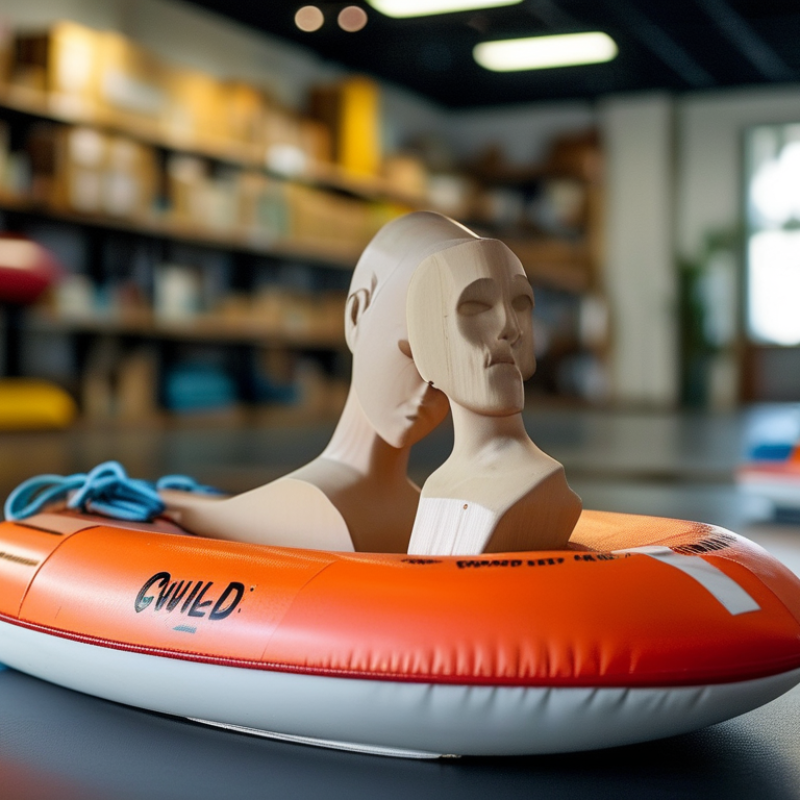
Effective Cpr Teaching Model for Global Buyers How to Choose?

Overview of Effective CPR Teaching Models for Global Buyers

When looking for effective CPR teaching models, it is essential to prioritize real-world applicability. Methods should encompass hands-on practice. This allows learners to apply CPR techniques in scenarios they may face. Engage instructors who possess substantive experience in emergency response or healthcare. Their insights can bridge the gap between theory and practice.

In addition, the curriculum should reflect diverse learning styles. Visual aids, videos, and interactive simulations can enhance understanding. Keeping sessions dynamic helps maintain interest. However, it's vital to assess learners' comprehension regularly. Unaddressed gaps can undermine training effectiveness.

Consider the importance of feedback. Instructors should promote a culture of open communication. Learners may struggle with certain techniques and should feel comfortable voicing concerns. This level of engagement often reveals areas needing improvement in instructional methods. Effective teaching goes beyond merely presenting information; it includes fostering an environment conducive to open dialogue and reflection.

Key Considerations for Selecting a CPR Teaching Method

When choosing a CPR teaching method, it’s important to focus on a few key factors. Different learners have different needs. Some may prefer hands-on practice, while others benefit from visual aids. Assess the audience's background and learning preferences first. This can impact their engagement levels during training.
Another consideration is the expertise of the instructor. An experienced trainer can provide real-world insights. Furthermore, they can adapt lessons on the fly. This flexibility can enhance the learning experience. It also helps students retain critical information. Look for instructors with a proven track record in teaching CPR effectively.

Course materials also matter significantly. Clear instructions and realistic scenarios are essential. They help learners connect the theory to practice. While some programs offer comprehensive manuals, others might fall short. Review the content of the course materials. Seek those that provide scenario-based learning. This approach often leads to better retention. Make sure the method chosen aligns with your goals. It may require some trial and error to find the best fit.

Adapting CPR Training for Diverse Cultural Contexts

Adapting CPR training for diverse cultural contexts is essential. Different cultures have unique perspectives on emergencies and health. This can affect how individuals engage with training. Understanding these cultural nuances is key to designing effective CPR teaching models. Tailoring sessions to reflect local customs can foster greater participation. When trainers respect cultural beliefs, learners feel valued.

Incorporate scenario-based learning. Use examples relevant to the community's daily life. For instance, demonstrate CPR with props commonly found in the region. Role-playing can build confidence and comfort. This method often resonates more than theoretical discussions alone. Provide space for questions and discussions. Participants may have valuable insights based on their background.

Engage local experts to co-facilitate workshops. They can bridge gaps in understanding. Local trainers offer credibility and familiarity. Creating a safe space for dialogue encourages openness. Sometimes, misconceptions about CPR exist. Addressing these openly fosters trust and ensures better learning. Always seek feedback after training sessions. This will highlight areas for improvement. Adjusting your approach based on participant feedback shows commitment to their learning needs.

CPR Training Adaptation for Diverse Cultural Contexts

Evaluating Training Effectiveness and Learner Engagement

Choosing an effective CPR teaching model is crucial for global buyers. Evaluating training effectiveness is a multifaceted process. It involves assessing how well learners engage with the material. Active participation can significantly enhance retention and application of skills. Interactive simulations often lead to better outcomes than traditional lectures.

Many training programs rely on assessments to gauge effectiveness. However, feedback from learners is equally important. Gathering insights on their experience helps identify gaps. For instance, did they find the scenarios realistic? Were they comfortable during practical exercises? Reflecting on these questions is vital.

Learner engagement can be challenging. Some students may feel anxious or uninterested. Techniques like group discussions or hands-on practice can help. Creating a supportive environment is essential. Instructors must adapt their methods to meet diverse needs. Continuous evaluation will lead to improvements. Developing a more engaging curriculum is an ongoing process that benefits all parties involved.

Effective CPR Teaching Model for Global Buyers: Evaluating Training Effectiveness and Learner Engagement

Training Program Location Duration (Hours) Learner Engagement (%) Effectiveness Rating (1-5)
Basic CPR for Healthcare Professionals New York, USA 4 85% 4
CPR for Lay Rescuers London, UK 2 78% 3
Advanced Cardiac Life Support (ACLS) Tokyo, Japan 8 90% 5
CPR and First Aid Skills Sydney, Australia 5 82% 4
Child CPR and Safety Toronto, Canada 3 88% 4

Resources for Finding Certified CPR Instructors and Programs

Finding certified CPR instructors and programs requires careful consideration. Start by checking local hospitals or community centers. These places often host training sessions led by experienced instructors. They provide essential hands-on training.

Online platforms also offer resources. Look for websites that list certified instructors. Many online courses are available, but it’s crucial to verify their accreditation. After all, not all programs meet industry standards. Make sure to read reviews from previous participants. This feedback can highlight the strengths and weaknesses of each program.

Be aware of your specific needs. Are you looking for certification for personal knowledge or professional requirements? The program should match your goals. Some programs might focus more on theory while others emphasize practical skills. Some might lack flexibility in scheduling. Reflect on what works best for your learning style and availability. Choose wisely, as the right training can save lives.

FAQS

: What factors should I consider when choosing a CPR teaching method?

: Focus on learners' needs and preferences. Some prefer hands-on practice, while others benefit from visual aids.

Why is the instructor's expertise important in CPR training?

Experienced trainers offer real-world insights and can adapt lessons. This flexibility enhances learning and retention.

How do course materials affect CPR training?

Clear instructions and realistic scenarios help connect theory to practice. Review materials to ensure they provide effective learning.

Where can I find certified CPR instructors?

Check local hospitals or community centers for training sessions. They often host experienced instructors.

Are online CPR courses reliable?

Verify accreditation of online programs. Not all meet industry standards, so read participant reviews before enrolling.

How do I determine my specific CPR training needs?

Reflect on whether you need certification for personal knowledge or professional purposes. This will guide your choice.

Why might I need to try multiple CPR training methods?

Finding the best fit requires trial and error. Different methods resonate differently with each learner.

What is a common pitfall in CPR training courses?

Some courses lack flexibility or practical skills focus. Choose a program that meets your style and schedule.

How can feedback influence my choice of CPR program?

Reviews from previous participants reveal strengths and weaknesses. Use this feedback to inform your decision.

Why is alignment with goals important in CPR training?

The training method should match your specific objectives. Mismatched goals can lead to a less effective learning experience.

Conclusion

The article "Effective CPR Teaching Model for Global Buyers How to Choose?" provides a comprehensive overview of CPR teaching models tailored for a diverse audience. It emphasizes the importance of selecting an appropriate CPR teaching model that considers various cultural contexts and learner needs. Key factors include evaluating the effectiveness of training methods and ensuring learner engagement, which are crucial for successful outcomes in CPR training.

Furthermore, the article discusses how adapting CPR training to different cultural perspectives can enhance understanding and retention of life-saving techniques. It also offers resources for identifying certified CPR instructors and programs, making it easier for buyers to access effective training solutions. By following these guidelines, global buyers can effectively choose a CPR teaching model that meets their specific requirements and ensures that they are well-equipped to save lives.


Charlotte

Charlotte

Charlotte is a seasoned marketing professional with a deep understanding of the company's portfolio and a passion for elevating its presence in the market. With a keen eye for detail and a commitment to excellence, she ensures that our professional blog is regularly updated with insightful articles......