In the evolving field of emergency medical training, the demand for high-quality AED Trainer products is on the rise. Renowned expert Dr. Emily Carter, a leading figure in cardiac resuscitation training, emphasizes the importance of realistic simulation in AED instruction: "An effective AED trainer should mirror real-life scenarios to enhance learning outcomes." As we look toward 2026, global buyers need to consider the best options available.
AED Trainers serve a crucial role in preparing individuals for emergencies. Many products on the market offer different features and functionalities. Factors like realism, ease of use, and adaptability are significant. However, not every product meets these essential criteria. The challenge lies in identifying those that do.
Some trainers are overly complicated, which can hinder learning. Others lack realistic scenarios that are vital for effective training. Evaluating the best AED Trainer products is necessary for improving lifesaving skills. As we explore the top ten picks, we must keep in mind what truly matters in training effectiveness.
Emerging Trends in AED Trainer Products for 2026 Market
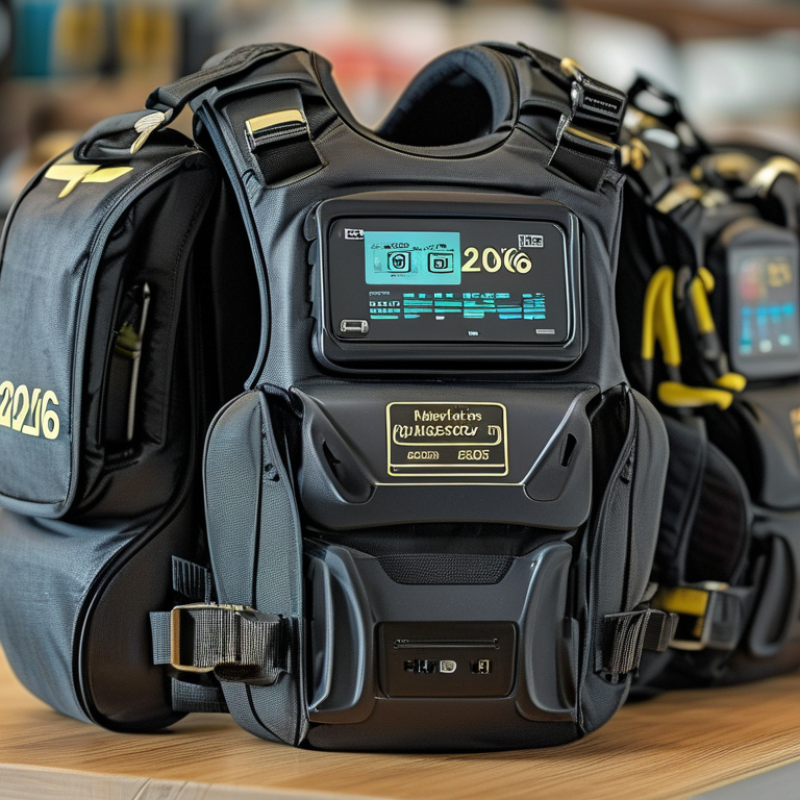
The demand for AED trainer products is evolving rapidly. In 2026, buyers will seek equipment that enhances training effectiveness and learner confidence. One emerging trend is the integration of technology. Advanced simulation software is becoming common, allowing trainees to practice in realistic environments. This immersion facilitates better retention of knowledge.
Another notable trend is the emphasis on portability. Many instructors require trainers that are easy to transport. This means lightweight materials and compact designs are in high demand. Additionally, customization options allow trainers to cater to specific audiences. Tailored experiences can enhance engagement and understanding during training sessions.
However, there are challenges to consider. Not all trainers can effectively simulate real-life scenarios. Some products may lack essential features that reflect current protocols. Buyers need to be discerning. They should evaluate options carefully, focusing on reliability and instructional quality. Ensuring that training is as close to reality as possible is vital for preparedness.
Key Features to Look for in AED Trainers for Global Buyers
When selecting an AED trainer for global markets, certain features stand out. Realistic training scenarios are crucial. These scenarios help trainees experience life-like situations. A 2023 study showed that effective training increases retention by 60%. The ability to simulate various emergency situations enhances learner engagement.
Another vital feature is user-friendliness. An intuitive design allows instructors to focus on teaching. A report by the International Resuscitation Council indicated that user-friendly interfaces improve training outcomes. Excessive complexity can overwhelm trainees and detract from vital learning.
Moreover, non-disposable pads and multiple training modes encourage repeated practice. Data shows that frequent practice boosts confidence. However, some products face criticism for reliability. Variability in performance can hinder preparedness. Future designs must address these shortcomings. Understanding users' needs, including accessibility features, is essential for effective training tools.
Top Brands and Their Unique Offerings in AED Training Devices
In the realm of AED training devices, specific brands are pushing boundaries to enhance user experience. Unique offerings are crucial for global buyers in 2026. Many brands focus on realistic simulation. This helps trainees feel they are engaged in real-life scenarios. Enhanced feedback mechanisms assist users in improving their skills effectively.
Some devices now include mobile applications. These apps often provide additional training resources and tracking features. They encourage learners to practice regularly in a comfortable setting. The design of training devices is also evolving. Modern aesthetics can inspire more individuals to undertake AED training. Looks can matter, especially in promoting safety training.
However, challenges remain. Not all manufacturers ensure consistent quality across regions. Variability may lead to confusion among users. This inconsistency requires buyers to do thorough research. Reviews and testimonials are vital for making informed choices. Ensuring reliability is paramount. Training is a life-saving skill that must be approached with seriousness.
Top 10 AED Trainer Products for Global Buyers in 2026
| Product Model |
Type |
Key Features |
Price Range (USD) |
Target Audience |
| Model A1 |
Classic AED Trainer |
Realistic shock indication, voice prompts |
$200 - $300 |
Schools, Corporations |
| Model B2 |
Compact AED Trainer |
Portable, lightweight for easy use |
$150 - $250 |
Community Centers, Small Businesses |
| Model C3 |
Advanced AED Trainer |
Multiple scenarios, real-time feedback |
$300 - $400 |
First Responder Training Schools |
| Model D4 |
Interactive AED Trainer |
Touchscreen interface, gamification features |
$350 - $450 |
Healthcare Facilities, Universities |
| Model E5 |
Outdoor AED Trainer |
Weather-resistant, easy transport |
$250 - $350 |
Outdoor Events, Parks |
| Model F6 |
Economical AED Trainer |
Basic functions, affordable training |
$100 - $200 |
Non-Profits, Small Groups |
| Model G7 |
High-Fidelity AED Trainer |
Simulates real-life scenarios vividly |
$500 - $600 |
Medical Professionals, Paramedics |
| Model H8 |
Digital AED Trainer |
Digital statistics, upload progress |
$400 - $500 |
Training Institutions, Corporations |
| Model I9 |
Multilingual AED Trainer |
Multiple language support for diverse learners |
$350 - $450 |
Multicultural Organizations, Schools |
| Model J10 |
Family AED Trainer |
Designed for family home training |
$200 - $300 |
Families, Home Care Providers |
Comparative Analysis of AED Trainer Pricing Across Different Regions
In 2026, the demand for AED trainers continues to rise globally. Pricing varies significantly across different regions. For instance, data indicates that North America sees prices ranging from $1,200 to $1,800. This is influenced by strong regulatory frameworks and high-quality standards. Meanwhile, in Europe, prices hover between $1,000 and $1,500. The difference is often attributed to varying import tariffs and local market conditions.
Asia presents a distinct picture. Prices can range from $800 to $1,200. This lower range is primarily due to competitive manufacturing costs. However, disparities may still exist. For instance, countries like Japan often have higher prices due to stringent safety regulations. In contrast, emerging markets may offer lower prices but raise questions about product reliability and training support.
Understanding these regional pricing frameworks is vital for global buyers. Companies must weigh the benefits against potential trade-offs in quality and support. This highlights the need for thorough research. Accurate comparisons can lead to wiser purchasing decisions, despite the complexities involved in the global marketplace. Failing to consider these aspects may result in unintended consequences, such as inadequate training or subpar equipment.
Top 10 AED Trainer Products Pricing Comparison Across Regions in 2026
Best Practices for Selecting AED Trainers for Various Training Needs
Selecting the right AED trainer is crucial for effective training. Look for trainers that closely mimic actual AEDs. This ensures trainees gain practical experience. Choose models with realistic voice prompts and lights. These features enhance learning by simulating real-life scenarios.
Consider your training audience. Different groups require different approaches. For schools, opt for user-friendly designs. For healthcare professionals, advanced models may be necessary. Think about flexibility. Trainers that allow for various scenarios teach valuable skills.
Training needs might change over time. Interacting with different AED trainers can identify gaps in knowledge. Stay open to feedback from trainees. It’s important to adapt training materials accordingly. Regularly updating your equipment ensures relevance. This reflection improves the overall training experience.
Conclusion
The article discusses the emerging trends and key features of AED trainers that global buyers should consider for 2026. As the demand for effective training devices grows, it highlights the necessity of incorporating advanced technology and realistic simulation capabilities in AED trainers. Buyers are encouraged to look for essential features such as portability, ease of use, and multi-functionality to meet various training needs.
Additionally, the article provides a comparative analysis of AED trainer pricing across different regions, enabling buyers to make informed decisions based on their budget. Best practices for selecting the right AED trainer are also outlined, emphasizing the importance of understanding the specific requirements of the training environment. Overall, the insights presented aim to assist global buyers in navigating the evolving landscape of AED training products effectively.

 Guanbang Medical