High-fidelity medical simulation equipment designed for clinical validation and emergency training compliance.
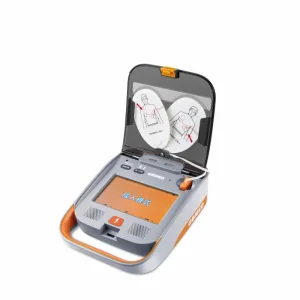
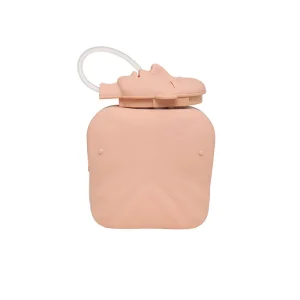
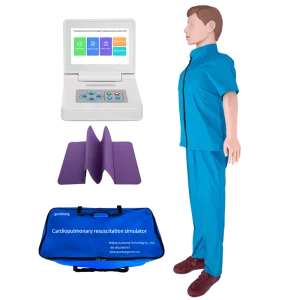
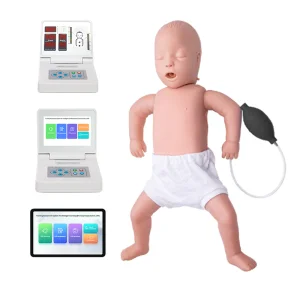
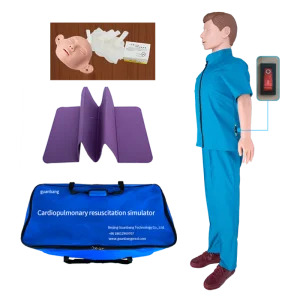
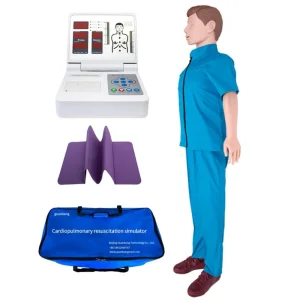
Founded in the innovation hub of Beijing in 2016, Beijing Guanbang Medical Technology Co., Ltd. has established itself as an authoritative pioneer in the global medical simulation landscape. Our integrated operations unite cutting-edge scientific R&D, structural industrial design, precision high-capacity manufacturing, and proactive global customer service under one cohesive system.
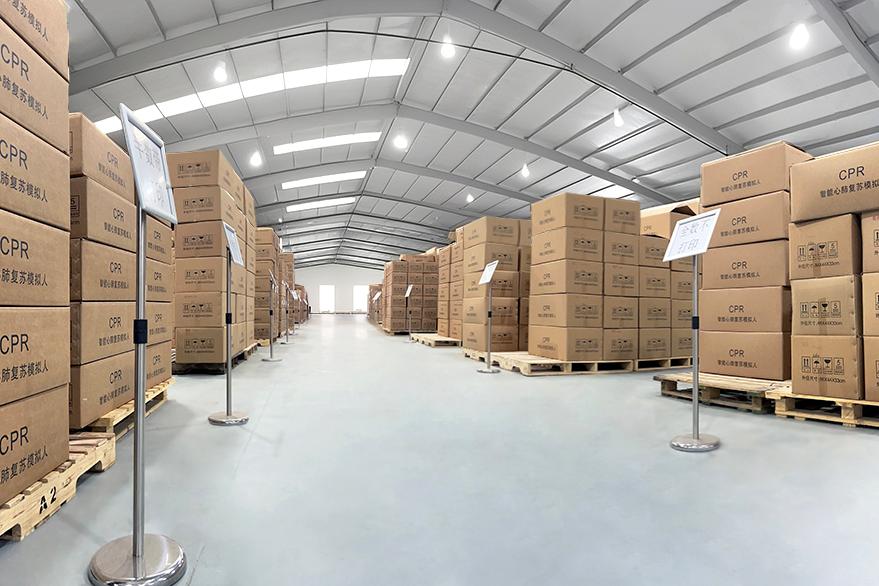
At the core of our technical prowess is a high-caliber R&D cohort featuring master's and doctoral graduates from world-renowned institutions, including the Chinese Academy of Sciences (CAS), Tsinghua University, and Beijing University of Technology. Backed by a modernized 10,000 square meter production facility, we maintain absolute quality control over every stage of manufacturing.
Our solutions serve critical training modules worldwide, covering pediatric, child, and adult categories. We meet the rigorous requirements of hospital simulation centers, military rescue fleets, corporate health initiatives, and public welfare training organizations globally.
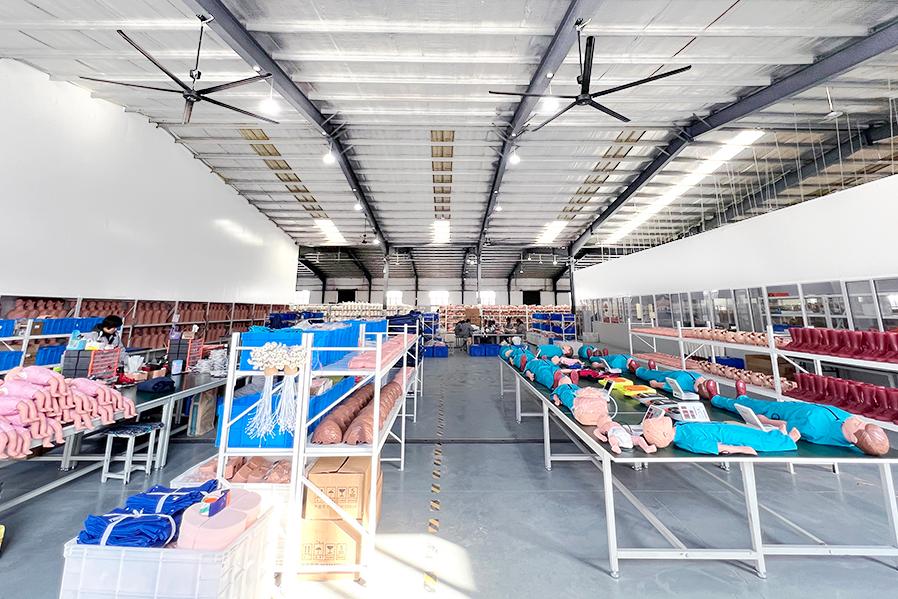
Why leading global medical suppliers choose Chinese industrial capabilities for emergency training equipment.
From high-precision metal molds and skin-like TPE elastomers to responsive feedback circuits, China's centralized supply chain allows rapid turnaround, minimizing transit delays for raw components.
Chinese factories lead in integrating IoT sensors into physical manikins. Real-time Bluetooth monitoring, interactive software suites, and automated voice prompts are engineered directly into high-fidelity products.
Manufacturing lines calibrate mechanical feedback mechanisms to ensure compression depth limits (5cm-6cm for adults) and decompression dynamics strictly align with the latest AHA guidelines.
Historically, emergency training relied on mechanical simulators that lacked diagnostic feedback. Trainees pushed down on internal metal springs with no way to measure depth accuracy or rate consistency. The contemporary market requires digital control, physiological realism, and intelligent assessment systems.
Modern intelligent simulators utilize high-accuracy photoelectric sensors, optical encoders, and microcontroller units (MCUs). These systems evaluate the physical dynamics of a chest compression—including rate, depth, hand placement, and complete recoil—along with ventilation volume, speed, and timing. Through interactive touch-screen software, trainers can pinpoint structural errors immediately, reducing the decay of life-saving skills.
Emergency response training requirements vary widely across industries. An adaptable manufacturer must offer tailored solutions for diverse physical and digital environments:
A high-fidelity simulator must replicate human anatomical features. The "skin" is developed from imported thermoplastic elastomers (TPE), providing a lifelike texture and feel. Standardized molds reproduce anatomical landmarks, including the sternal notch, rib cage, xiphoid process, and carotid pulse.
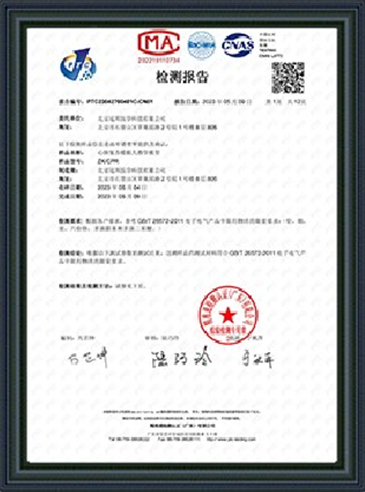
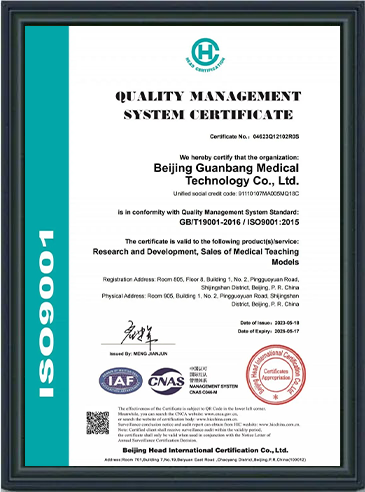
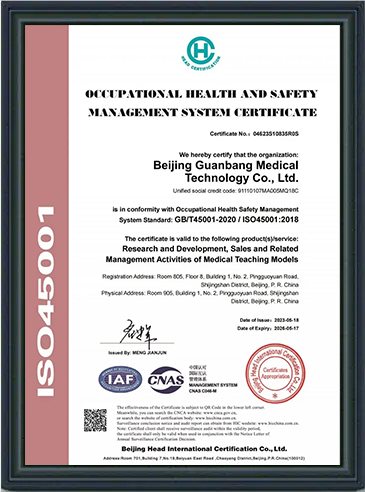
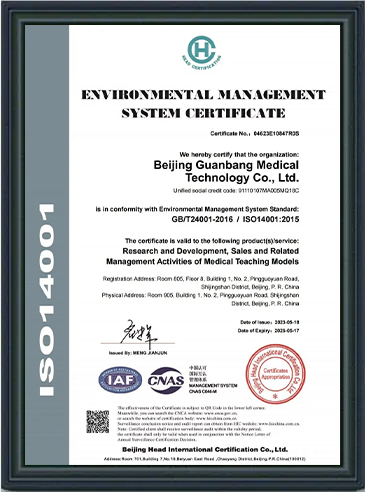
To ensure environmental and occupant safety, manufacturing processes comply with ISO 9001 (Quality Management System), ISO 14001 (Environmental Management), and ISO 45001 (Occupational Health & Safety). This makes the simulators safe for mouth-to-mouth resuscitation and intense mechanical wear.
Demonstrated compliance with international safety, environmental, and engineering standards.
Guanbang's production facility handles in-house mold design and advanced material processing, which reduces dependencies on external suppliers. This vertical integration lets us custom-engineer simulator features to meet client specifications.
By managing our production molds, we can rapidly customize internal chest dynamics, change skin thickness, adjust respiratory airway pathways, and construct tailored sensor mounts for OEM clients.
We hold multiple utility patents, design patents, and software copyrights. Our team can quickly configure digital control software to support multiple languages and varying guideline parameters.
Demonstrating utility and reliability in real-world public welfare and commercial applications.
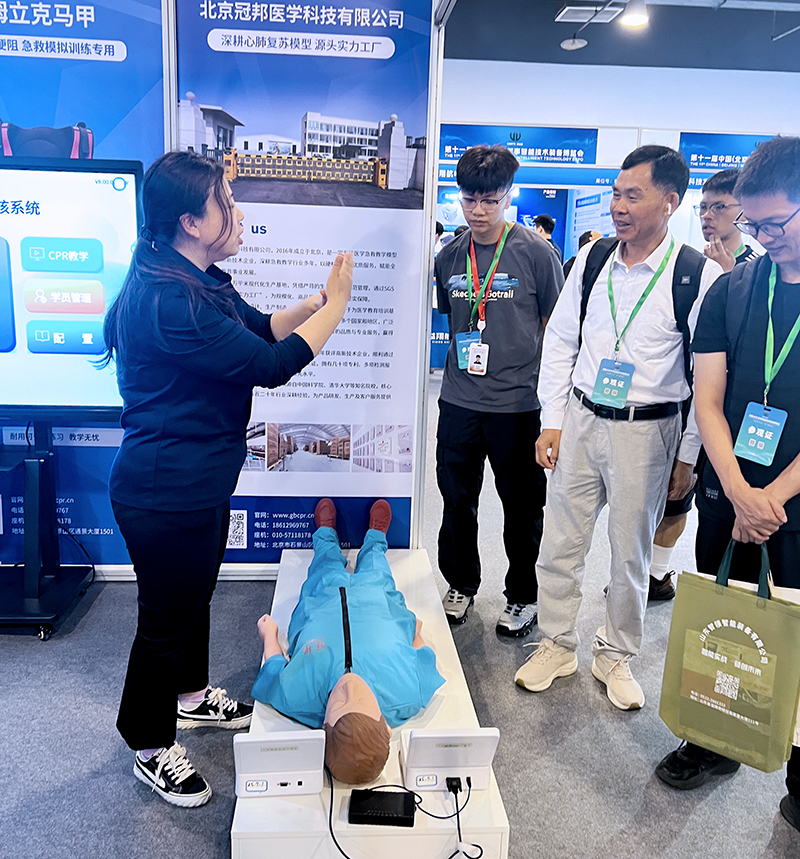
Guanbang showcased our software-based CPR simulation systems at the 11th China (Beijing) Military Intelligent Technology & Equipment Expo, demonstrating how modern digital rescue models support national defense training.
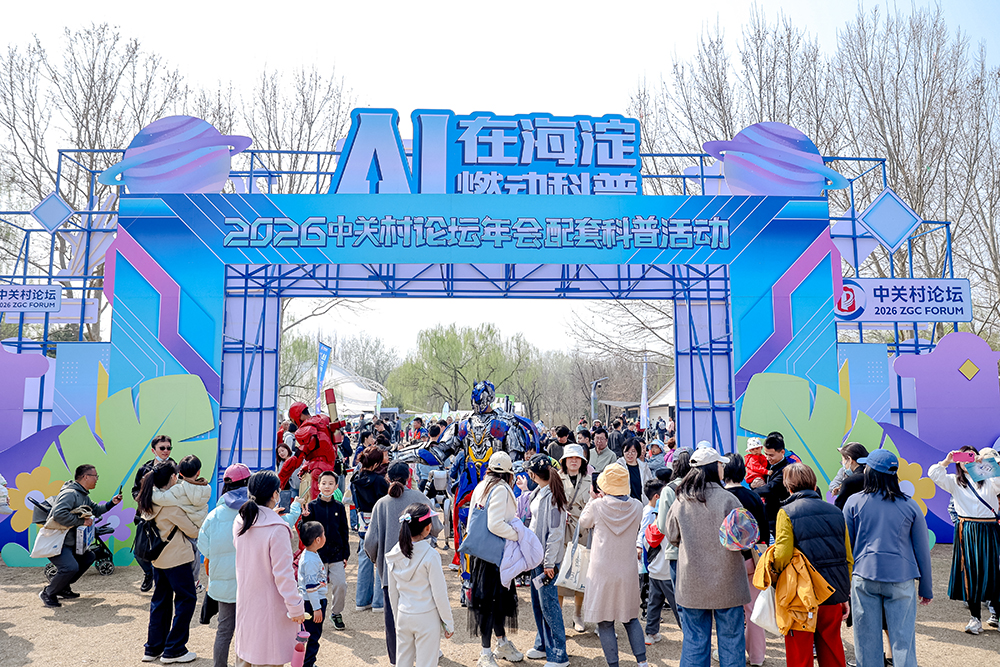
At the Zhongguancun Forum, Guanbang demonstrated our "One-to-Many" software-based CPR manikins. This technology allows a single instructor to monitor and evaluate multiple trainees simultaneously.
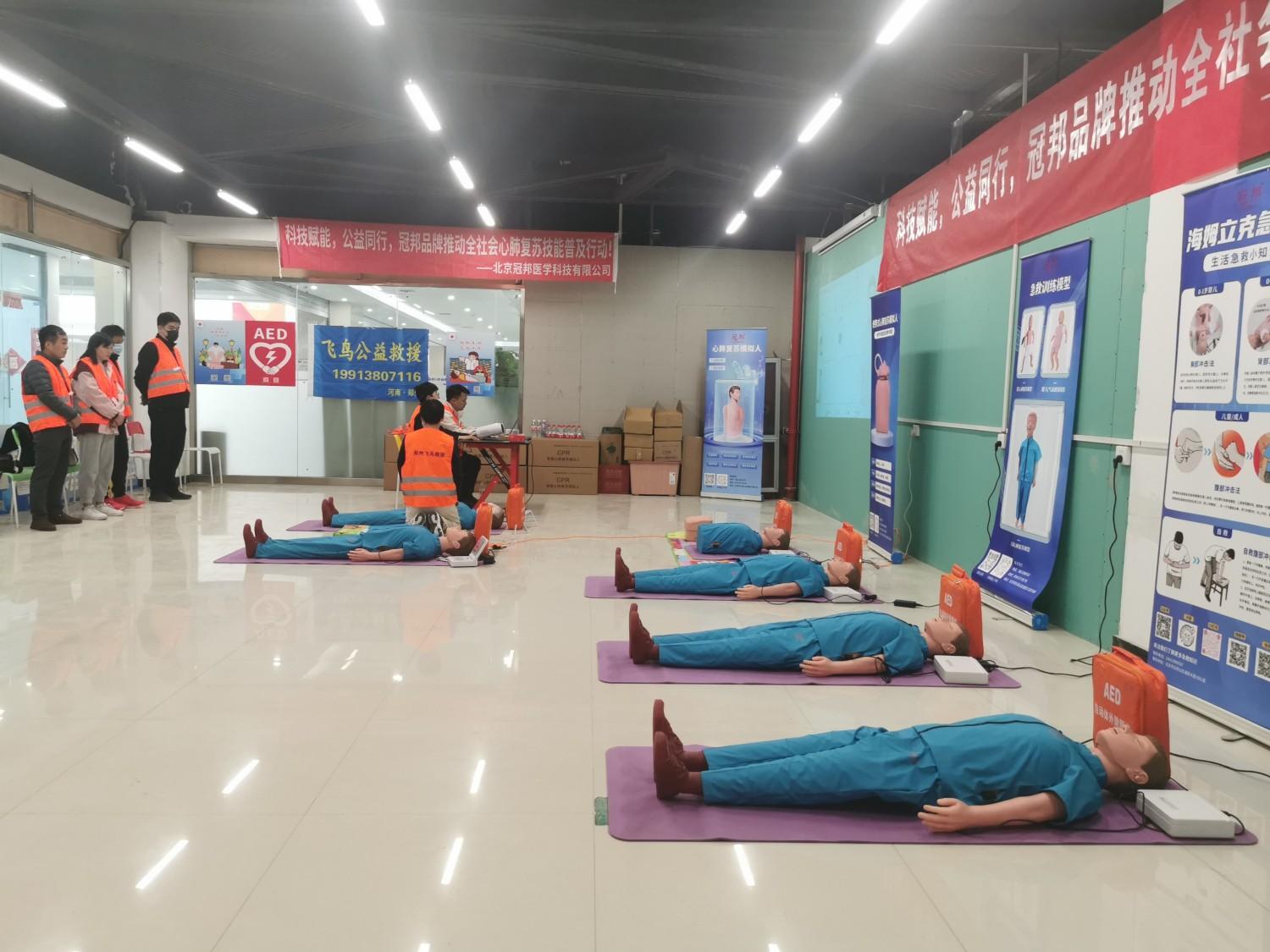
Partnering with the Zhengzhou Feiniao Emergency Team, Guanbang established a public welfare first aid center. This site provides free resuscitation training to the community, building public safety skills.
Detailed technical answers for global procurers, clinical instructors, and emergency equipment buyers.
Our intelligent CPR simulators feature built-in optoelectronic sensors that measure compression depth (calibrated for the AHA standard of 5-6 cm in adults) and compression rate (100-125 bpm). The software provides real-time feedback on chest recoil and hand positioning, helping trainees meet international training standards.
Yes. Our in-house software development team can customize GUI systems, voice prompts, and evaluation reports. We support English, Spanish, French, and Chinese, and can modify guidelines to align with ERC or local resuscitating council frameworks.
We use non-toxic, skin-like Thermoplastic Elastomers (TPE) imported for our molds. This material replicates the elasticity and texture of human skin, is durable under repeated chest compressions, and is safe for sanitization and mouth-to-mouth resuscitation training.
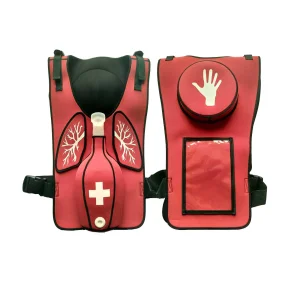
The Heimlich training vest features an internal airway chamber. When a trainee performs abdominal thrusts (the Heimlich Maneuver) or back slaps with the correct force and angle, a soft foam foreign object is expelled from the simulator's airway, providing tactile reinforcement.
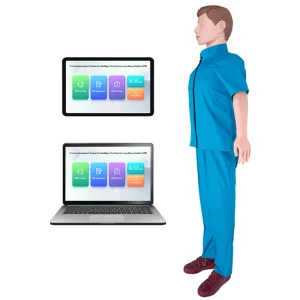
Our intelligent software system allows a single central tablet or monitor to connect wirelessly to multiple CPR manikins. The instructor can monitor compression graphs for up to 10 trainees in real time, making large-scale corporate and school training programs more efficient.
For standard orders, our 10,000-square-meter facility supports quick delivery. Custom OEM/ODM requests (such as custom sensor configurations or brand molding) typically have a lead time of 25 to 45 days, depending on structural complexity.
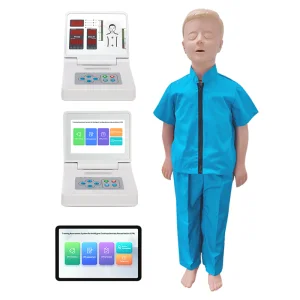
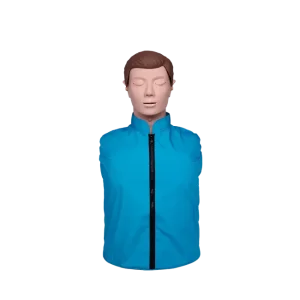
Select from our range of pediatric, adolescent, and adult simulators for specialized clinical training.
 Guanbang Medical