Discover our signature line of clinical-grade emergency simulation systems engineered for healthcare institutions, academic hubs, and industrial safety compliance.
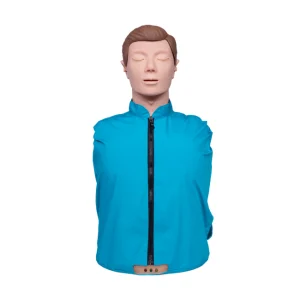
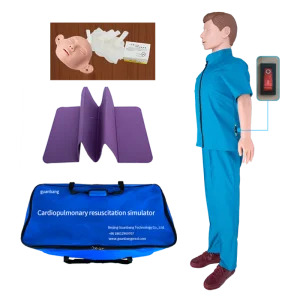
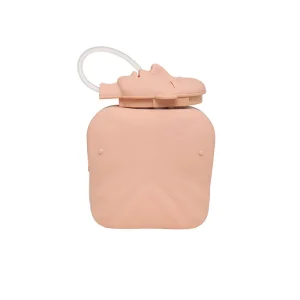
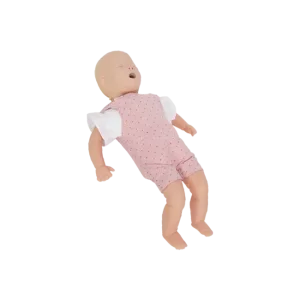
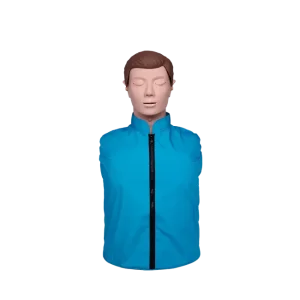
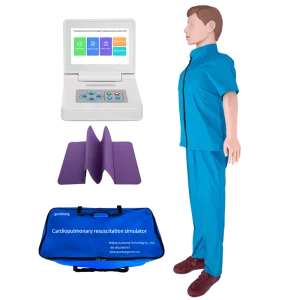
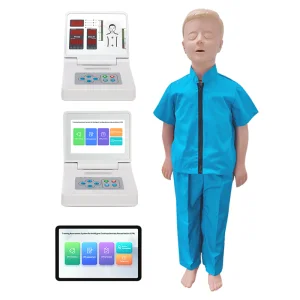
Medical simulation and emergency response training are undergoing a profound global shift. Historically regarded as simple compliance mandates, cardiopulmonary resuscitation (CPR) and airway management simulators are now recognized as foundational elements of public safety infrastructures. Driven by strict regulatory frameworks from organizations like the American Heart Association (AHA) and the European Resuscitation Council (ERC), sectors ranging from maritime and heavy industries to defense and K-12 education are implementing large-scale training setups.
The global demand for high-fidelity medical simulation equipment is scaling exponentially. Modern organizations require more than basic anatomical dummies; they demand advanced training solutions that provide real-time feedback, algorithmic precision assessment, and seamless digital integration. High-end training models, integrated with sensor technologies and color touch-screen indicators, help transition emergency training from arbitrary visual grading to verifiable, data-backed skill mastery.
Key regulatory compliance metrics include:
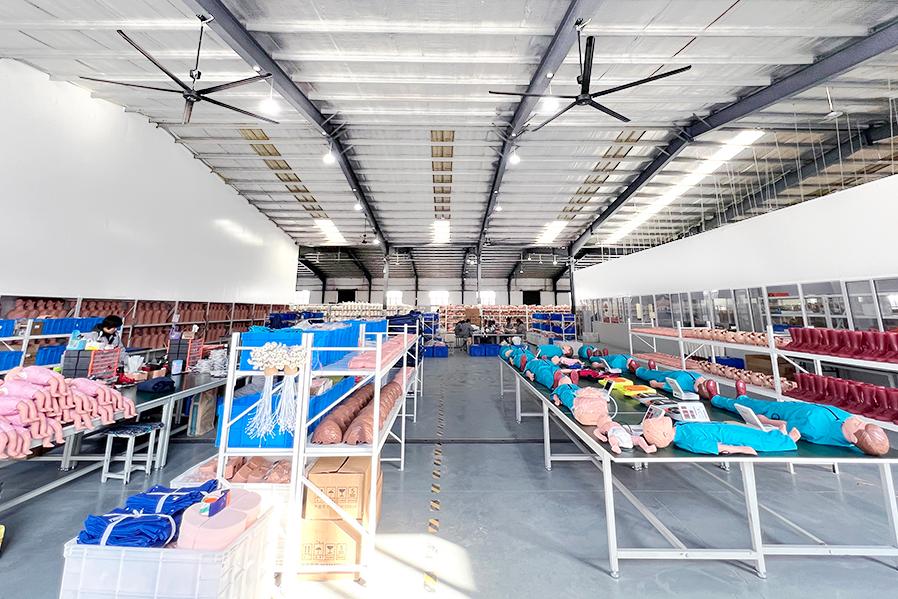
Harnessing advanced manufacturing facilities and expert-driven design methodologies to deliver global-scale first aid simulators.
Our R&D team features master's and doctoral experts from the Chinese Academy of Sciences, Tsinghua University, and Beijing University of Technology, ensuring medical simulation accuracy at the highest scientific level.
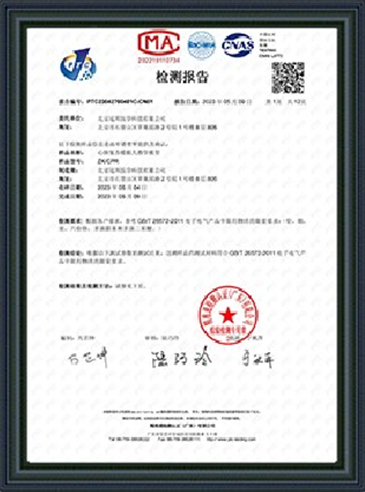
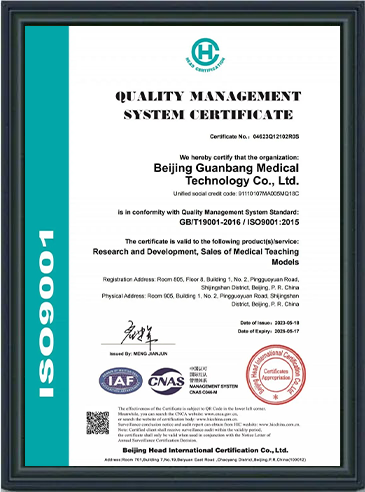
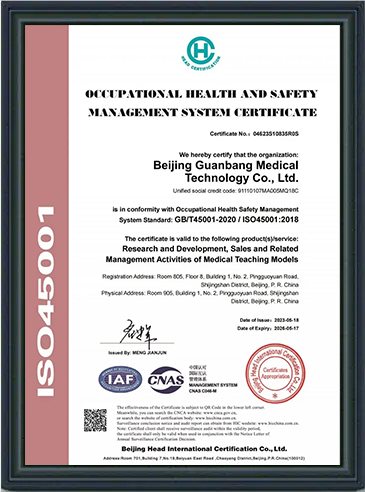
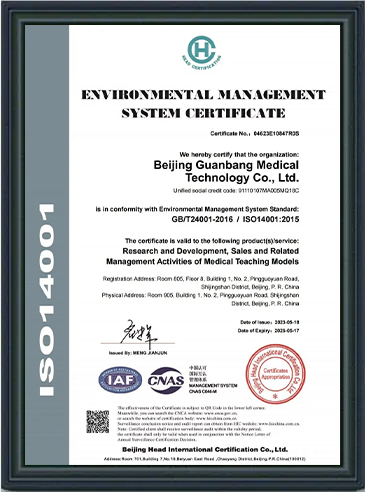
Engineered to comply with ISO Quality Management Systems. Our products boast extensive design patents, software copyrights, and international certification credentials.
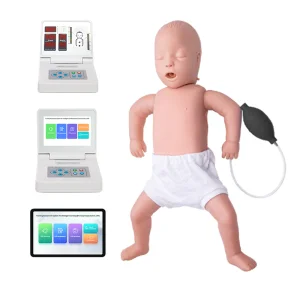
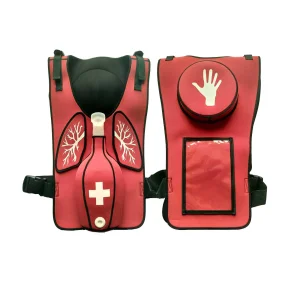
Over 30 distinct specifications of emergency trainers—covering adult, infant, and pediatric CPR models, Heimlich maneuver vests, and advanced AED training systems—customizable to client requirements.
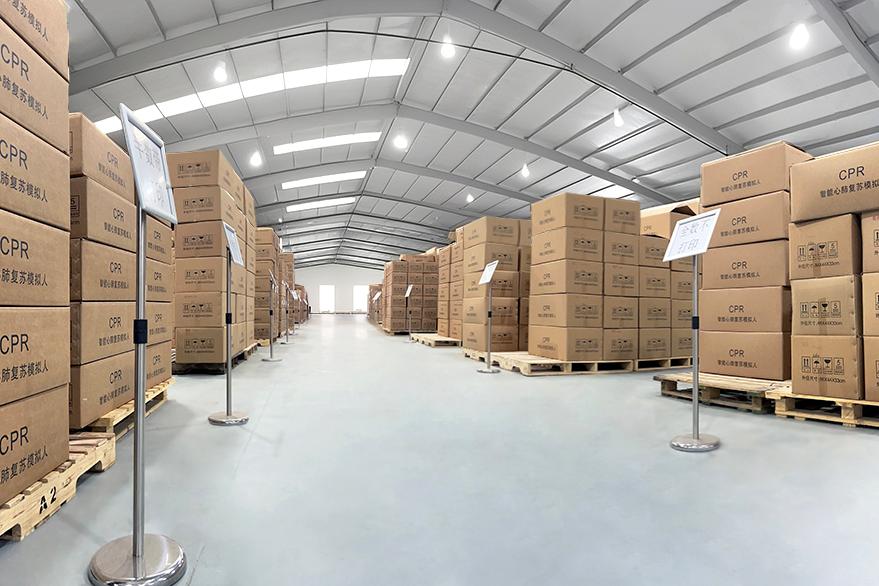
Beijing Guanbang Medical Technology Co., Ltd. has established itself as an industry leader in clinical simulation innovation since its inception in 2016. Spanning a modern 10,000 square meter production facility, we control the entire lifecycle of emergency medical models—from the initial mechanical drawing and custom mold fabrication to final software development and quality testing.
Our material processing innovation sets a new benchmark for anatomical realism. By adopting medical-grade thermoplastic elastomer materials and proprietary injection molding techniques, our simulator models accurately mimic human chest compliance, airway resistance, and tactile anatomical landmarks (such as the sternum, ribcage, and suprasternal notch). This guarantees that trainees experience authentic feedback during life-support maneuvers.
Additionally, our digital control architecture transitions simulation from basic mechanical indicators to integrated visual dashboards. Utilizing high-fidelity touch screen systems and software algorithms, trainers can monitor compression depth, compression rate, hand placement accuracy, and ventilation volume in real-time, providing immediate performance metrics for assessment.
Providing customized simulators that address distinct clinical, commercial, and public safety scenarios across global industries.
Universities and hospitals utilize our high-fidelity, software-based CPR models to train medical professionals. The multi-manikin training systems allow a single instructor to manage and evaluate up to 10 trainees simultaneously, reducing training overhead while maintaining high pedagogical standards.
Military personnel train under high-stress situations using our rugged, portable CPR simulators. These models are designed to withstand challenging environments, allowing field medics to build muscle memory under field conditions.
Corporate offices, aviation teams, and public transit systems utilize our integrated AED trainer packages and Heimlich maneuver vests to ensure compliance with occupational safety laws and to prepare staff for emergency situations.
Emergency medical preparedness is essential for community resilience. Our simulators support regional safety initiatives by facilitating hands-on, high-volume public training. We actively collaborate with schools, volunteer first responders, and emergency response teams to design programs that make life-support education accessible to all.
Through community safety events and university-level partnerships, Guanbang simulators help bridge the gap between classroom theory and hands-on response. This ensures that students and local residents learn correct compression rhythms and choking rescue maneuvers through practical, hands-on experience.
As advanced computing and cloud architectures integrate into educational frameworks, the future of first aid training lies in intelligent, interconnected systems. At Guanbang, our engineering roadmap focuses on transitioning standard resuscitation models into smart IoT nodes that communicate directly with cloud learning platforms.
Over the next five years, our R&D initiatives focus on three primary pillars:
Our commitment to regulatory quality control, medical authenticity, and technical excellence is backed by international certifications.
A review of our latest public engagements, defense expos, and community-focused emergency training programs.
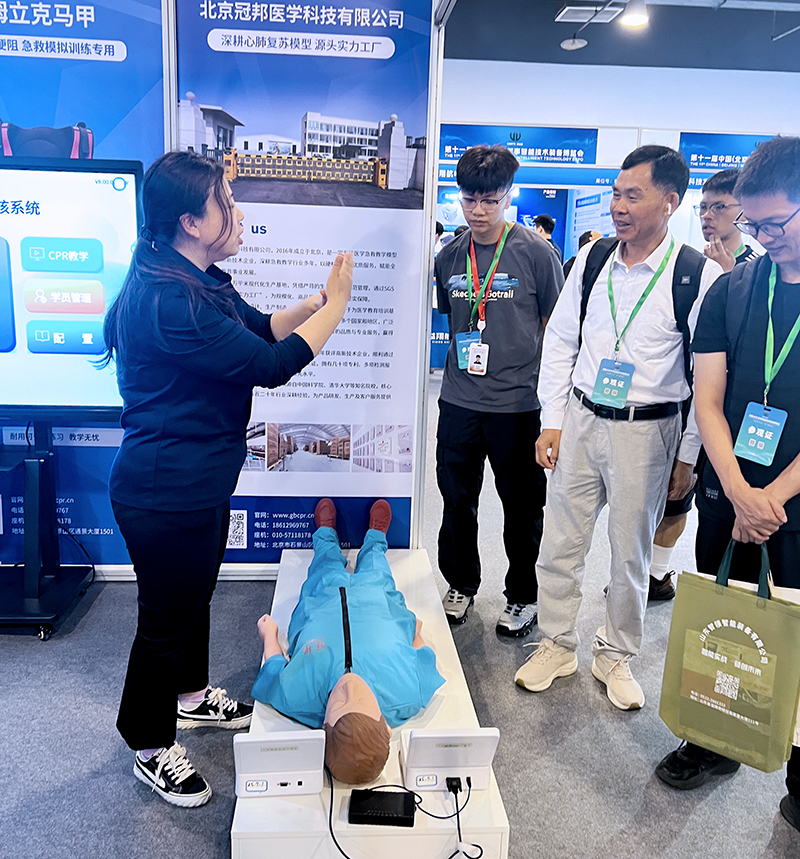
Showcasing state-of-the-art military emergency response training systems and tactical combat casualty care simulation at the Beijing National Convention Center.
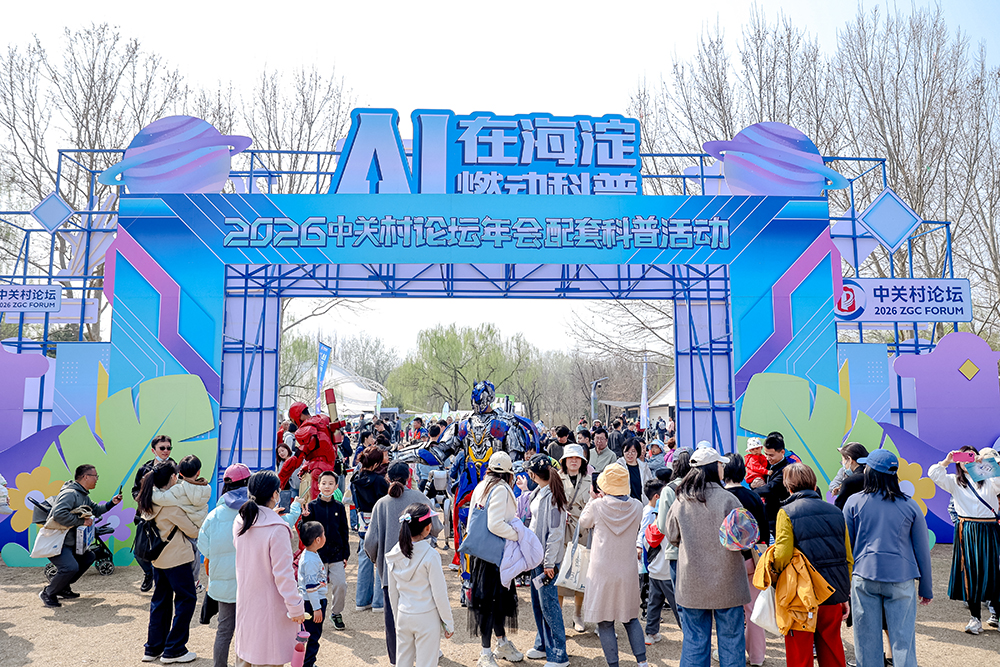
Guanbang presented its proprietary multi-manikin training software during the Zhongguancun Forum, demonstrating technology that allows one instructor to monitor several training stations.
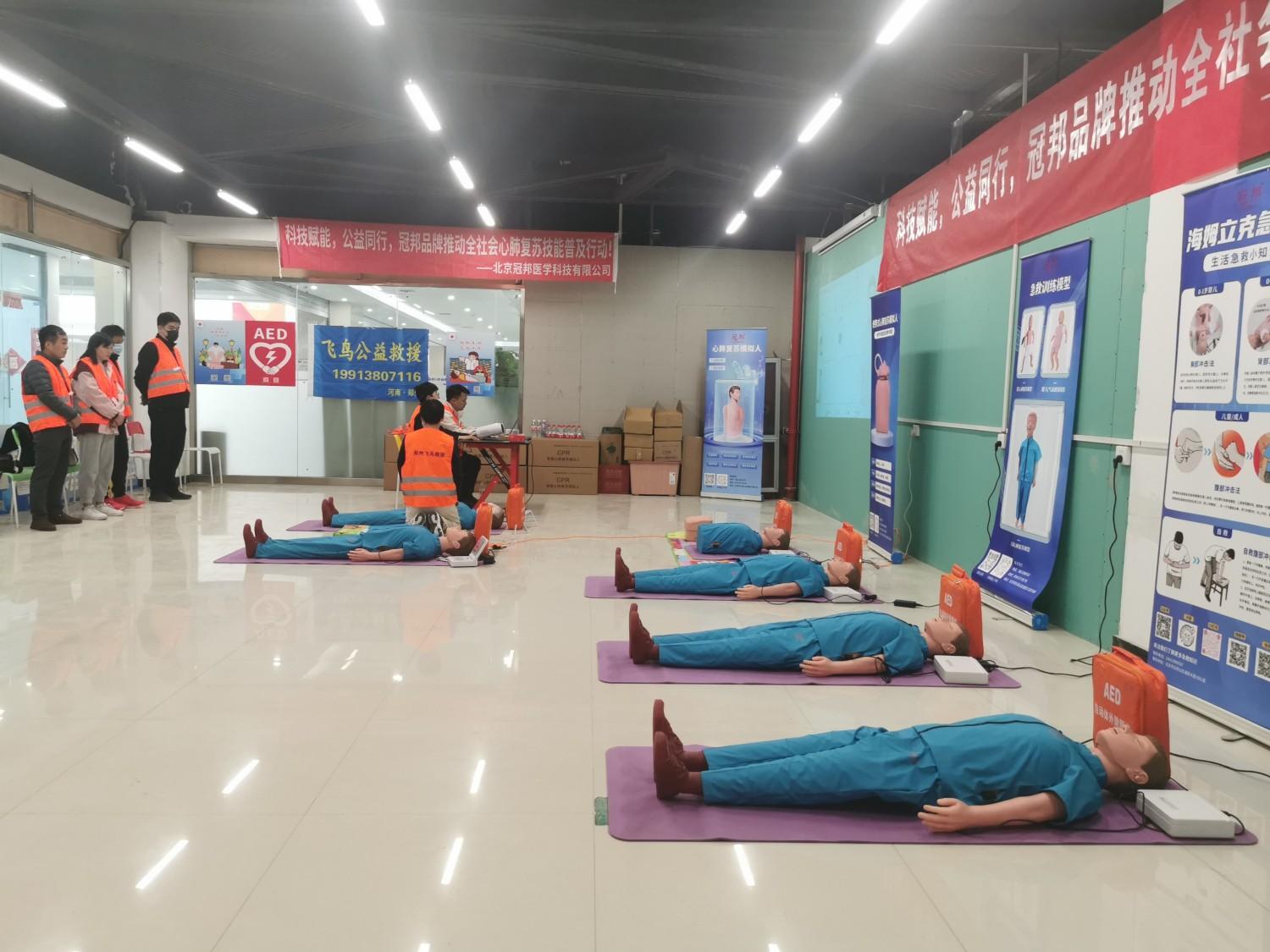
Collaborating with the Zhengzhou Feiniao Emergency Team to establish a public welfare experience center, offering free CPR classes and emergency training to community members.
Addressing technical, operational, and regulatory questions from clinical instructors and procurement officers.
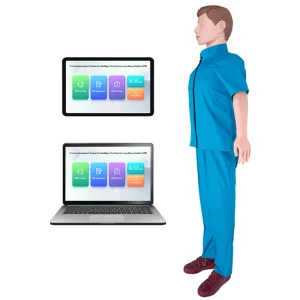
High-performance adult, child, and infant simulators with touch-screen telemetry and real-time electronic assessment tools.
 Guanbang Medical