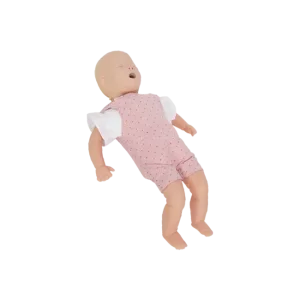
Engineered for precise choking rescue and infant airway obstruction simulation training.
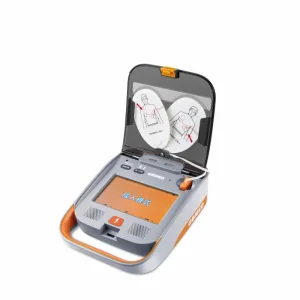
Designed for basic life support (BLS) training with multi-scenario simulations.
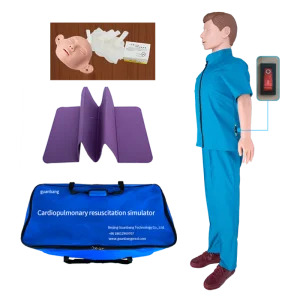
Fully compliant with the latest AHA guidelines, featuring real-time audio coaching.
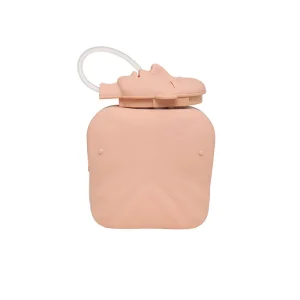
Lightweight design optimized for onsite institutional first aid education.
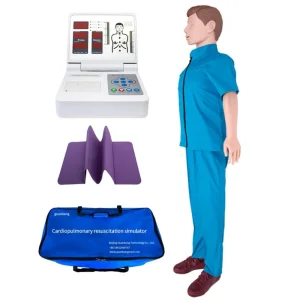
Advanced monitoring display measuring compression depth and ventilation volume.
Durable pediatric model delivering accurate chest-rise feedback during training.
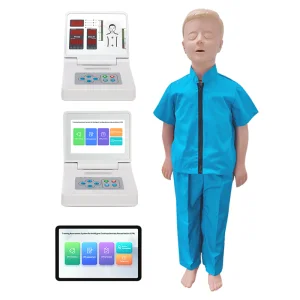
Realistic anatomical landmarks suited for school emergency response training.
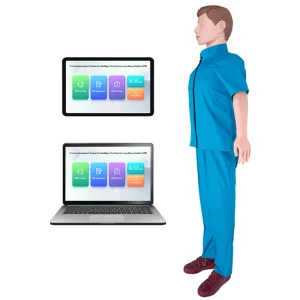
Integrates custom analytics software to track trainee score curves.
In critical medical emergency sectors, the phrase "Cheap AED Defibrillator" represents a profound economic paradox. While price competitiveness is crucial for scaling public access defibrillation (PAD) programs, there can be absolutely no compromise on clinical efficacy, algorithmic speed, or reliability. From a global procurement standpoint, evaluating an AED factory requires a scientific understanding of how cost-efficiencies are realized. Achieving lower price points without eroding the quality threshold is not a matter of using cheaper components; rather, it is a product of supply chain optimization, advanced manufacturing tooling, and massive volume processing capacity.
This industry report acts as a B2B whitepaper, explaining how global medical tech factories, especially those in specialized industrial clusters in China, align with strict clinical demands. Understanding the operational matrices of an AED factory—ranging from circuit board SMT processes to automated testing protocols—allows procurement directors to source devices that meet the highest standards of safety, quality, and E-E-A-T (Experience, Expertise, Authoritativeness, and Trustworthiness).
Unlike generic buyers' guides, we dissect the actual technological barriers in AED factories: high-voltage capacitor life, biphasic waveform algorithms, and digital feedback integration for realistic simulation trainers.
Our solutions incorporate American Heart Association (AHA) and European Resuscitation Council (ERC) guidelines directly into the structural firmware of all AED training models.
Beijing Guanbang Medical Technology Co., Ltd. applies standard medical quality metrics (ISO 9001, ISO 14001, OHSAS 18001) across all manufacturing loops.
Defibrillation technology is undergoing a paradigm shift. Modern factories are moving away from passive shock-delivery designs to active, intelligent emergency ecosystems. The integration of technology in modern factories focuses on three distinct pillars:
Historically, monophasic high-energy shocks were standard. Modern AED production lines focus on Biphasic Truncated Exponential (BTE) waveforms. Advanced algorithms dynamically measure patient thoracic impedance (from 25 to 200 ohms) and adjust shock energy levels (from 150J to 360J) in real time. This minimizes myocardial damage while maximizing resuscitation success rates.
The biggest challenge in public-access AED systems is unit readiness. Future-proof factories integrate Narrowband IoT (NB-IoT), Wi-Fi, or LTE-M modules directly onto the system board. This allows municipal operators to monitor battery health, pad gel status, and self-test logs remotely, reducing human maintenance cycles to near zero.
Developing AI models that instantly differentiate between ventricular fibrillation (VF), ventricular tachycardia (VT), and non-shockable rhythms (like asystole) is the modern standard. By incorporating machine learning libraries on chip, modern AEDs can complete analysis in under 5 seconds, minimizing CPR pre-shock pause times.
Understanding why Chinese factories can produce cost-effective, high-quality AED trainers and medical simulation products requires looking at their manufacturing infrastructure. Beijing Guanbang Medical Technology Co., Ltd. operates a modern 10,000 square meter facility that exemplifies this operational model.
The synergy between R&D and production is enhanced by a team of specialists holding master's and doctoral degrees from institutions such as the Chinese Academy of Sciences, Tsinghua University, and Beijing University of Technology. This expertise drives innovation in mold design, polymer materials processing, and electronic hardware layout.
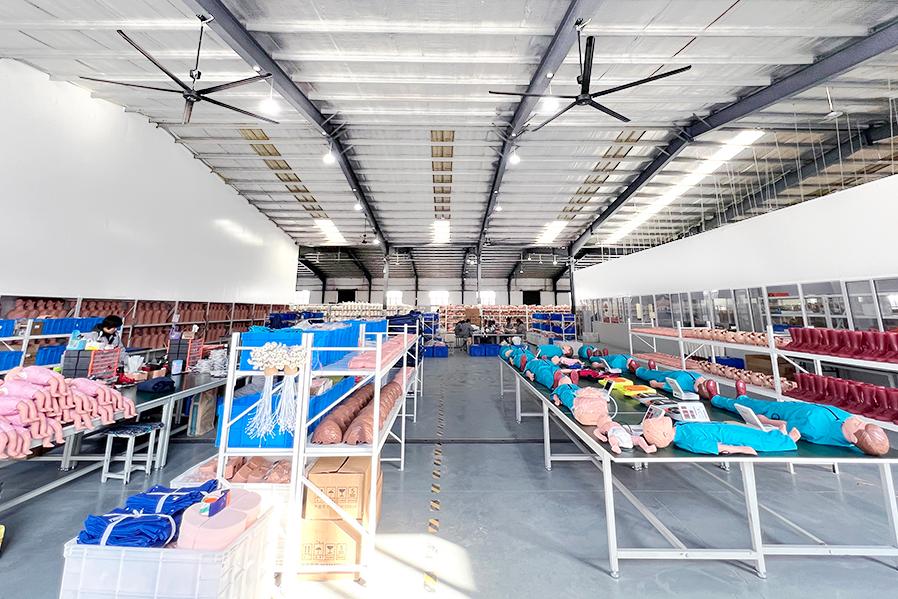
By bringing mold design, injection molding, electronic assembly (SMT lines), and final quality control under a single roof, the company reduces outsourcing costs and guarantees material consistency.
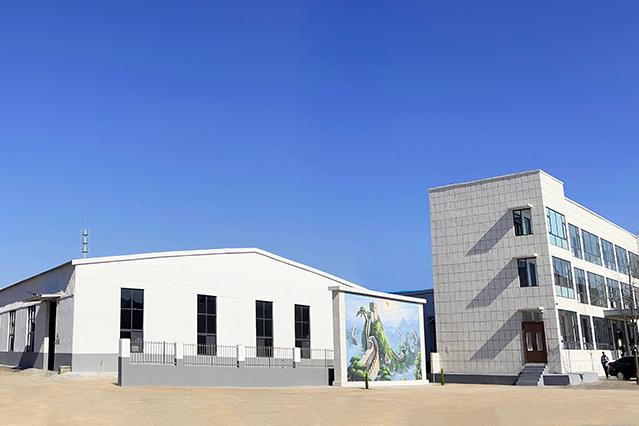
Using proprietary elastomer skin compounds in our CPR and AED training models guarantees high durability, resisting degradation through thousands of repeated chest compression cycles.
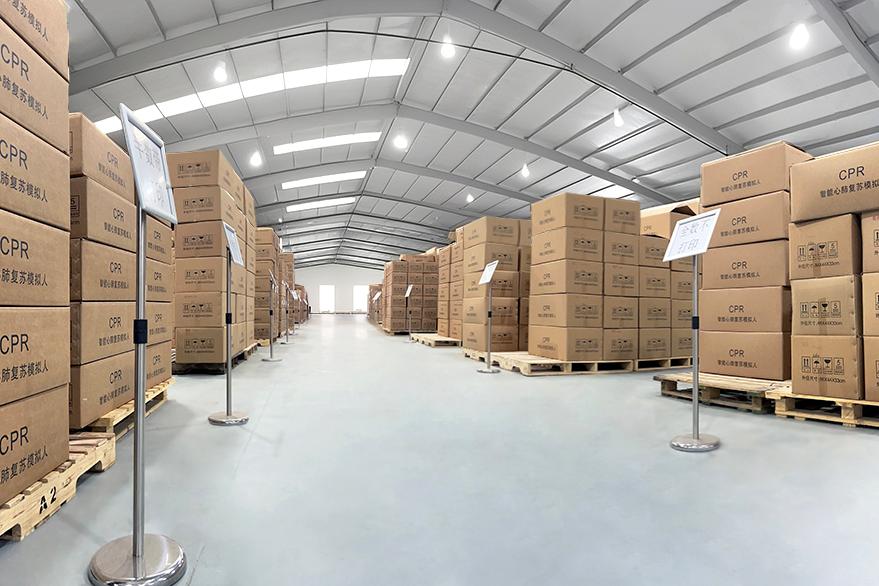
Every batch undergoes mechanical stress tests, temperature/humidity testing, and calibration audits to meet international standards (ISO 9001 and ISO 14001).
Modern resuscitation tools are not deployed as isolated devices; they are integrated components of broader organizational workflows. Factories must offer comprehensive solutions tailored to diverse industries:
Tailored configurations for mass-transit hubs, schools, and civic offices. Focused on ease-of-use with multi-lingual audio cues and rapid deployment status indicators.
Designed for field operations. Simulators and response gear are ruggedized to IP56 or MIL-STD-810G standards, ensuring performance in extreme dust, moisture, and temperatures.
High-end digital interface training models with built-in evaluation software. Allows medical universities to track ventilation ratios and compression depth data.
Scalable packages combining AED training units, Heimlich vests, and CPR manikins to facilitate regular internal compliance training for multinational offices.
For medical devices and training aids, compliance is the ultimate foundation of E-E-A-T. Beijing Guanbang Medical Technology Co., Ltd. operates under strict international production frameworks, ensuring global market access.
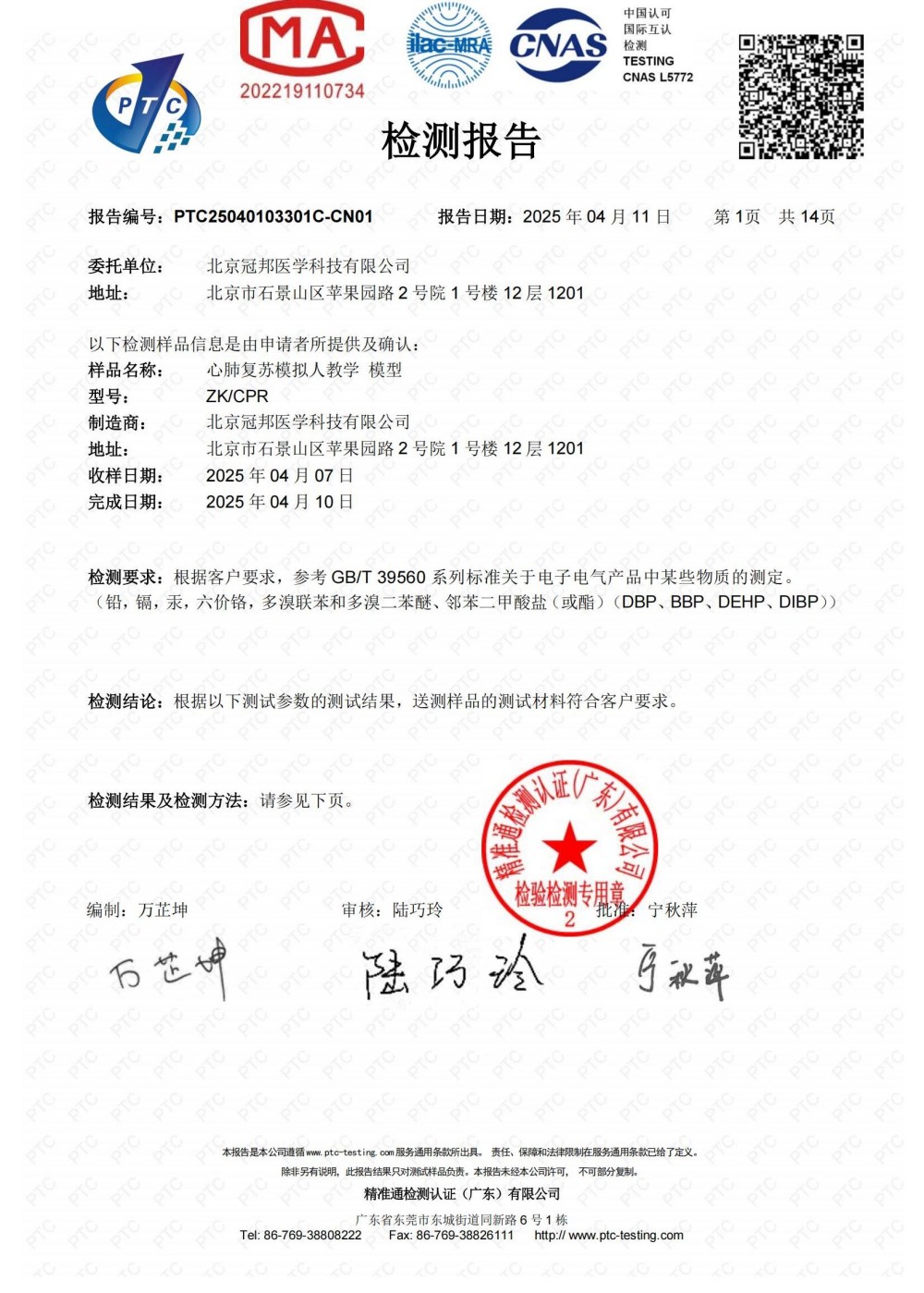
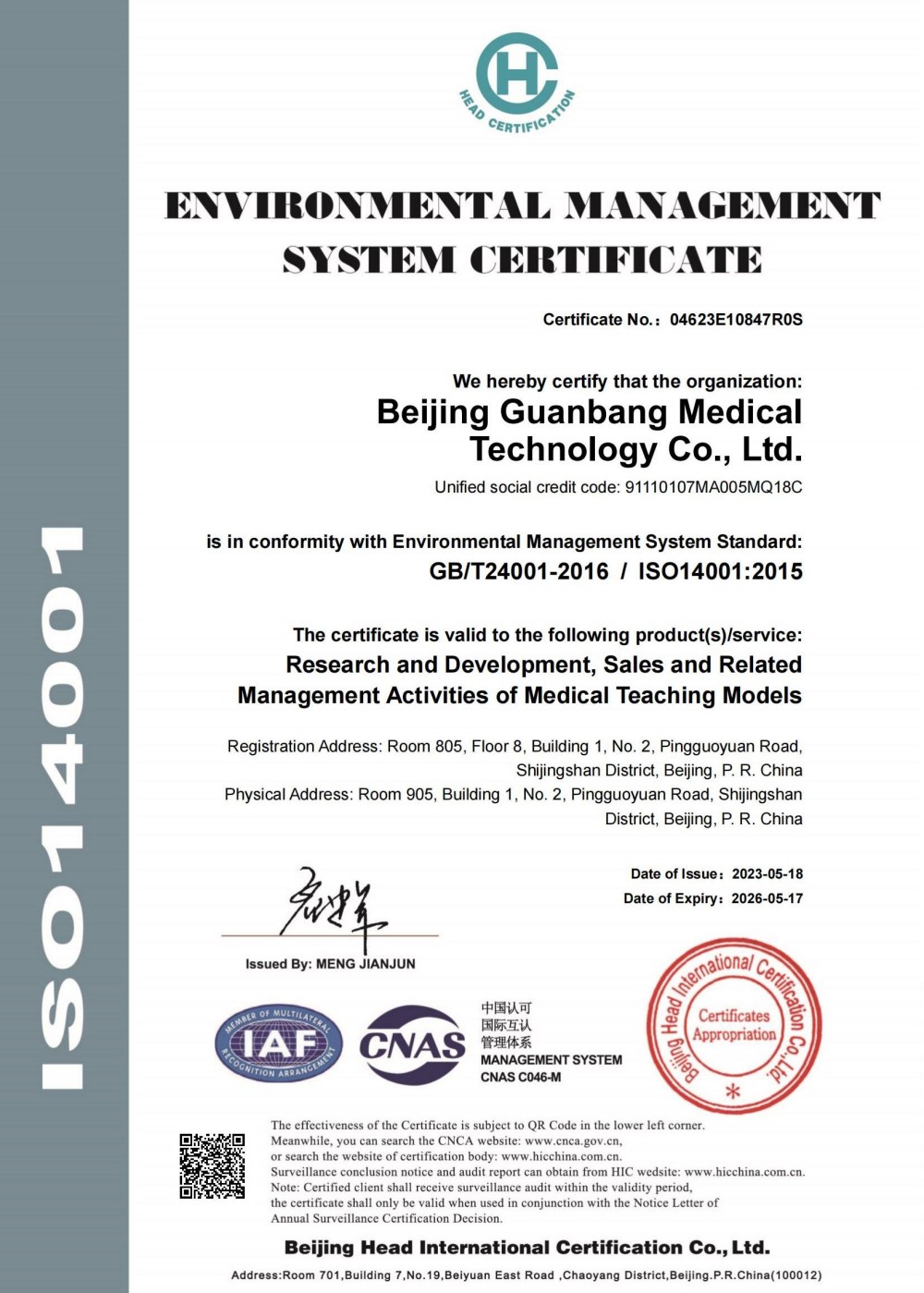
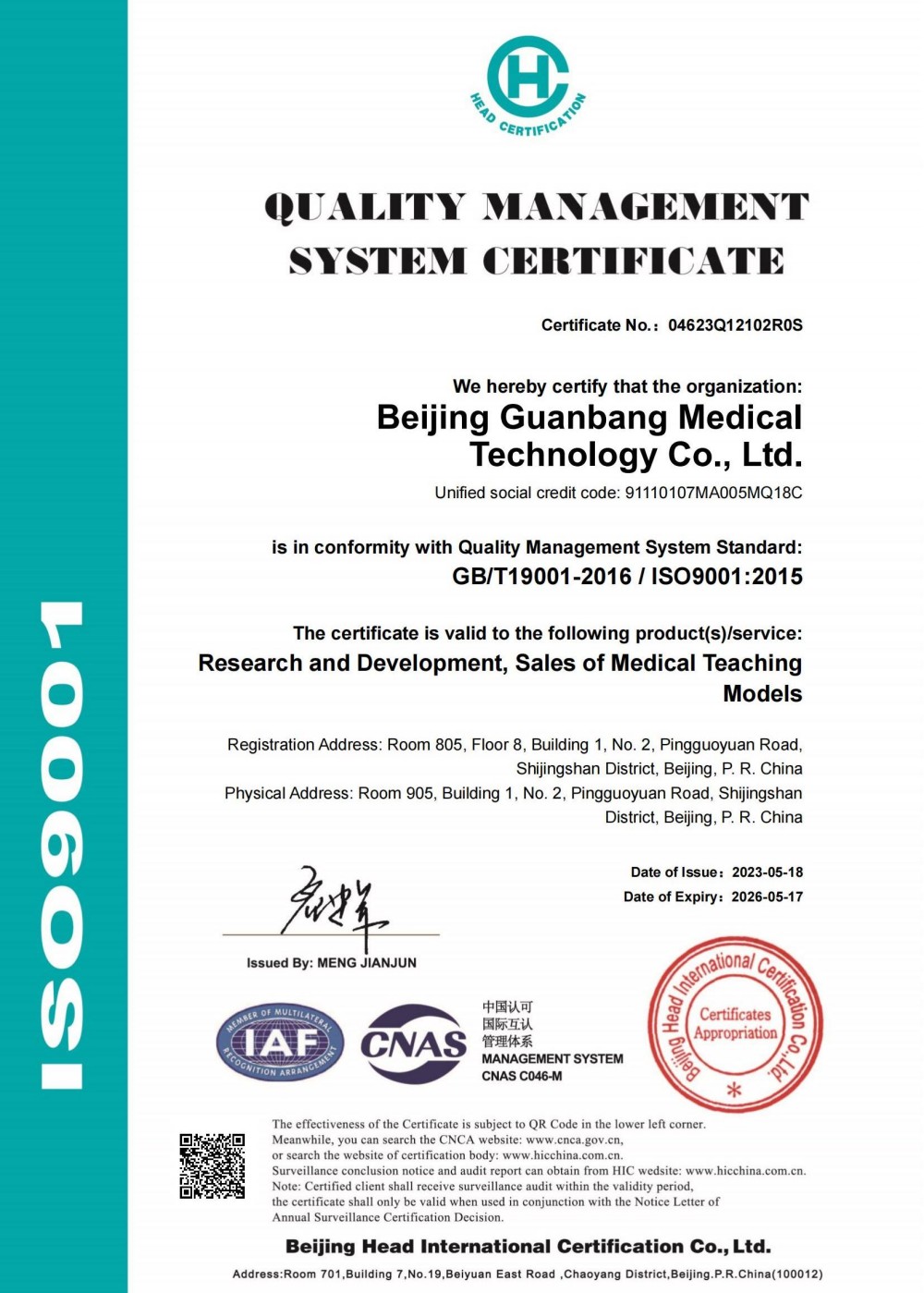
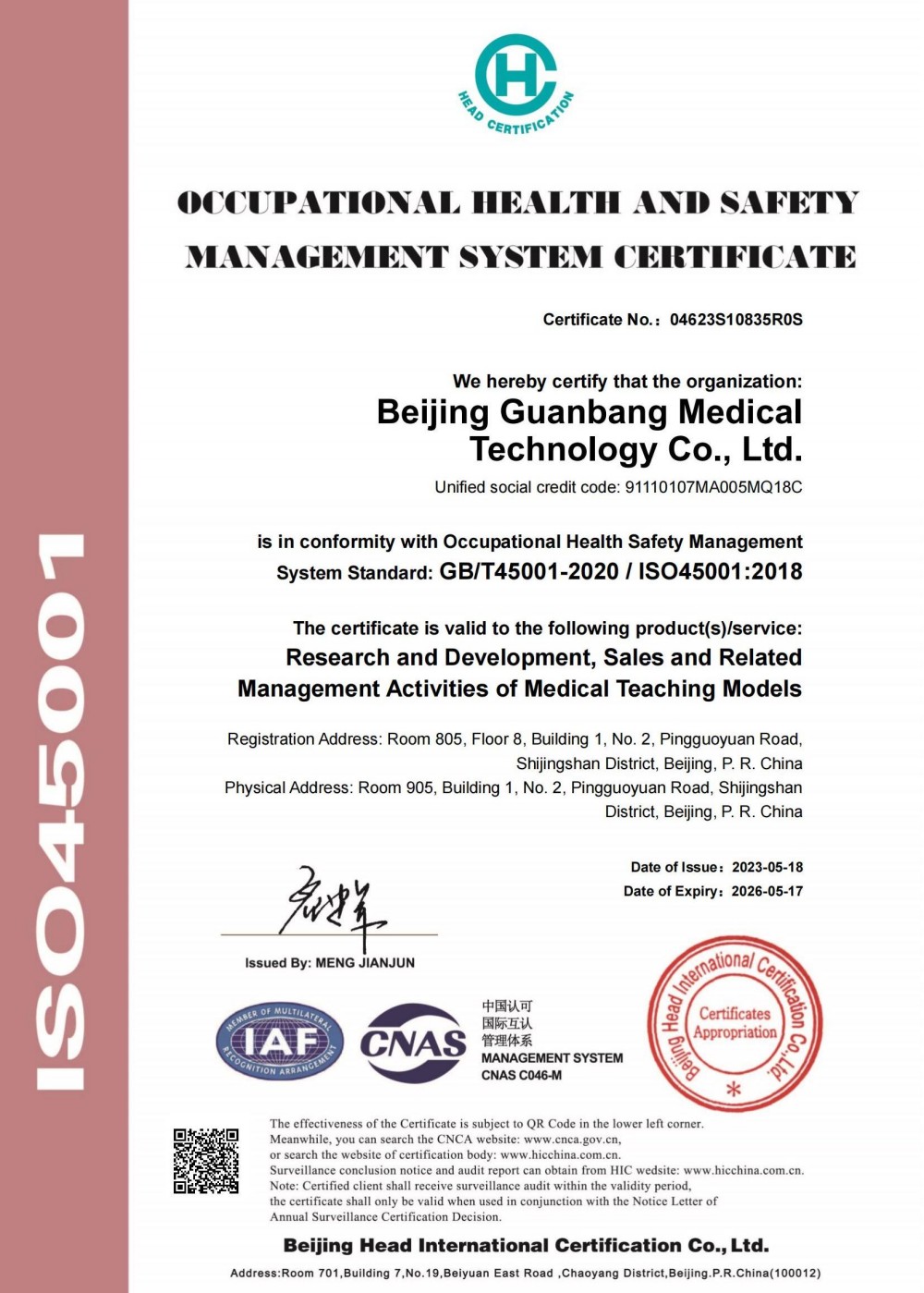
All CPR and AED training systems are calibrated to real-time protocols, teaching the critical 30:2 compression-to-ventilation ratio at a rate of 100-120 compressions per minute.
Our environmental and occupational health systems are audited periodically, meeting standards such as ISO 9001 and ISO 14001 for sustainable production.
Our digital interfaces include built-in evaluation software and certifications, securing intellectual property rights for custom global software modifications.
Authority is earned through real-world applications. Our medical simulation devices and emergency systems have played central roles in public events, military showcases, and academic partnerships.
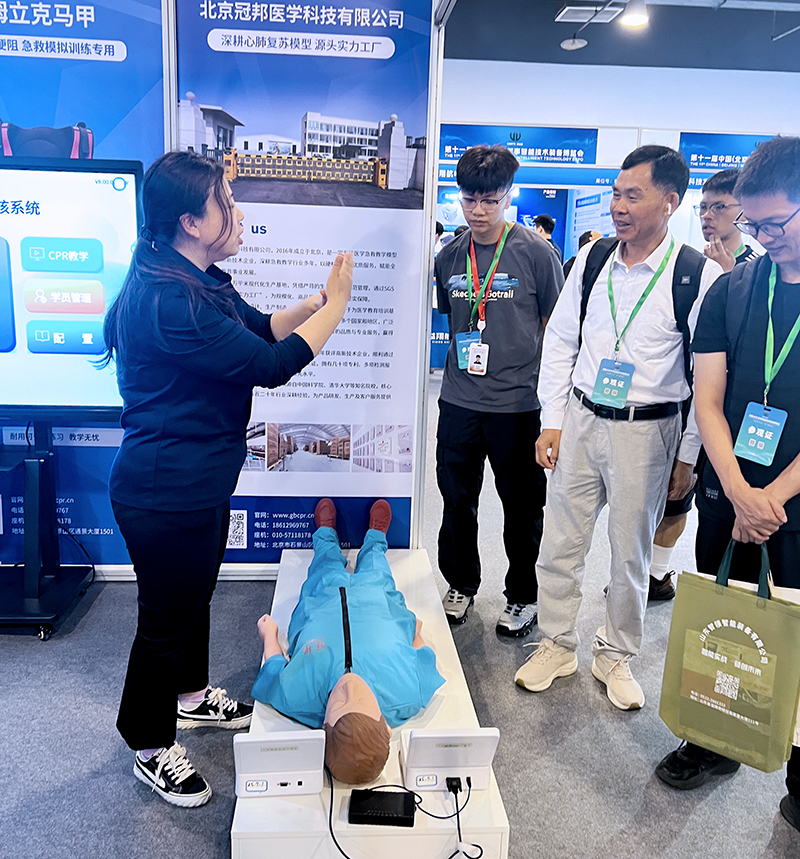
Guanbang demonstrated its advanced battlefield first aid simulation solutions at the 11th China (Beijing) Military Intelligent Technology & Equipment Expo, earning accolades for tactical response accuracy.
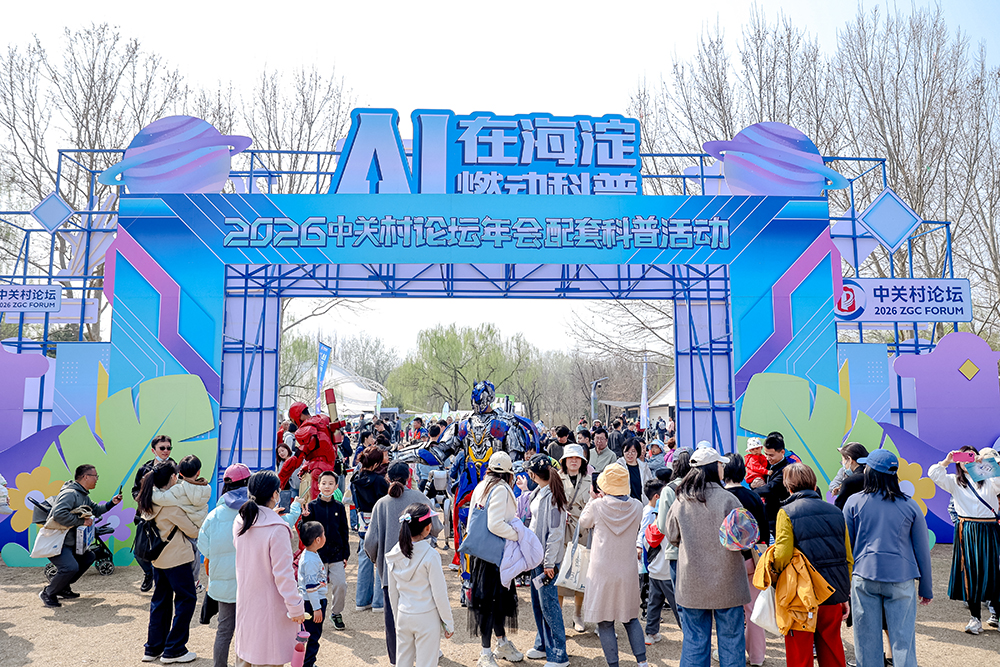
Demonstrating our multi-functional CPR training systems, supporting digital assessment tools that allow one instructor to monitor multiple trainees simultaneously.
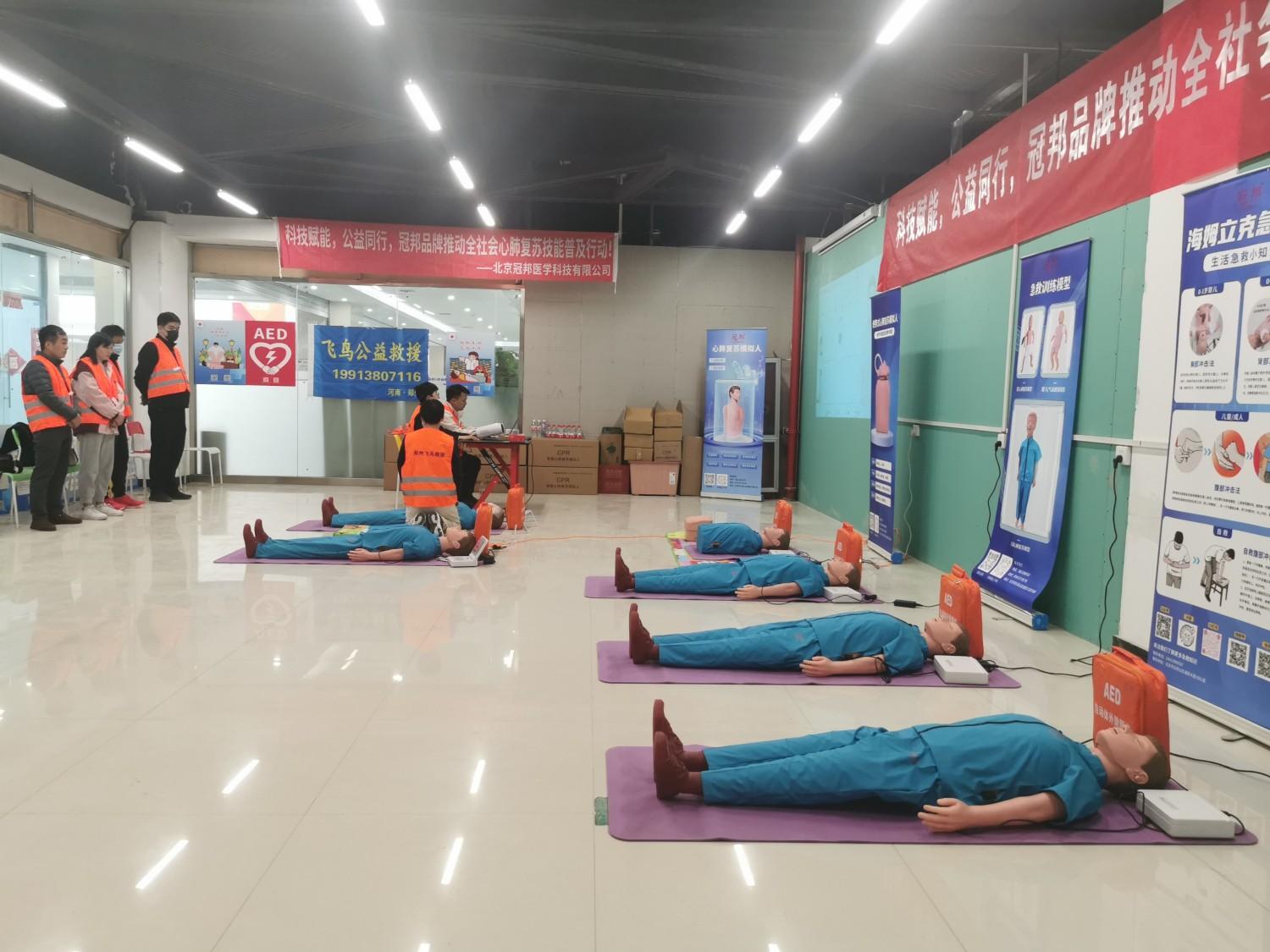
Guanbang co-established a public first aid experience center in Zhengzhou, offering free emergency training to raise community-wide resuscitation literacy.
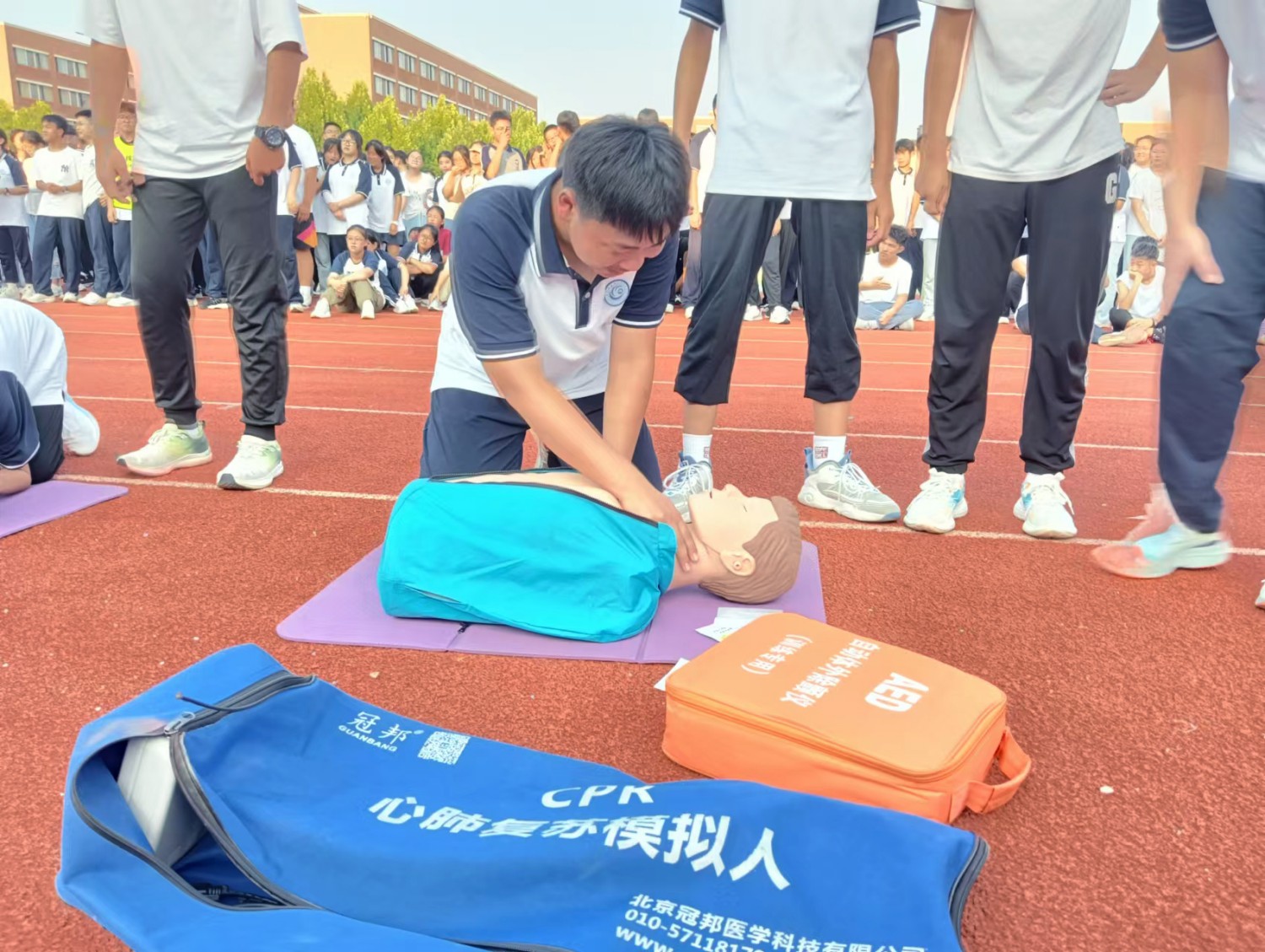
Integrating specialized pediatric and adult CPR simulators into regional curricula to improve survival readiness in schools.
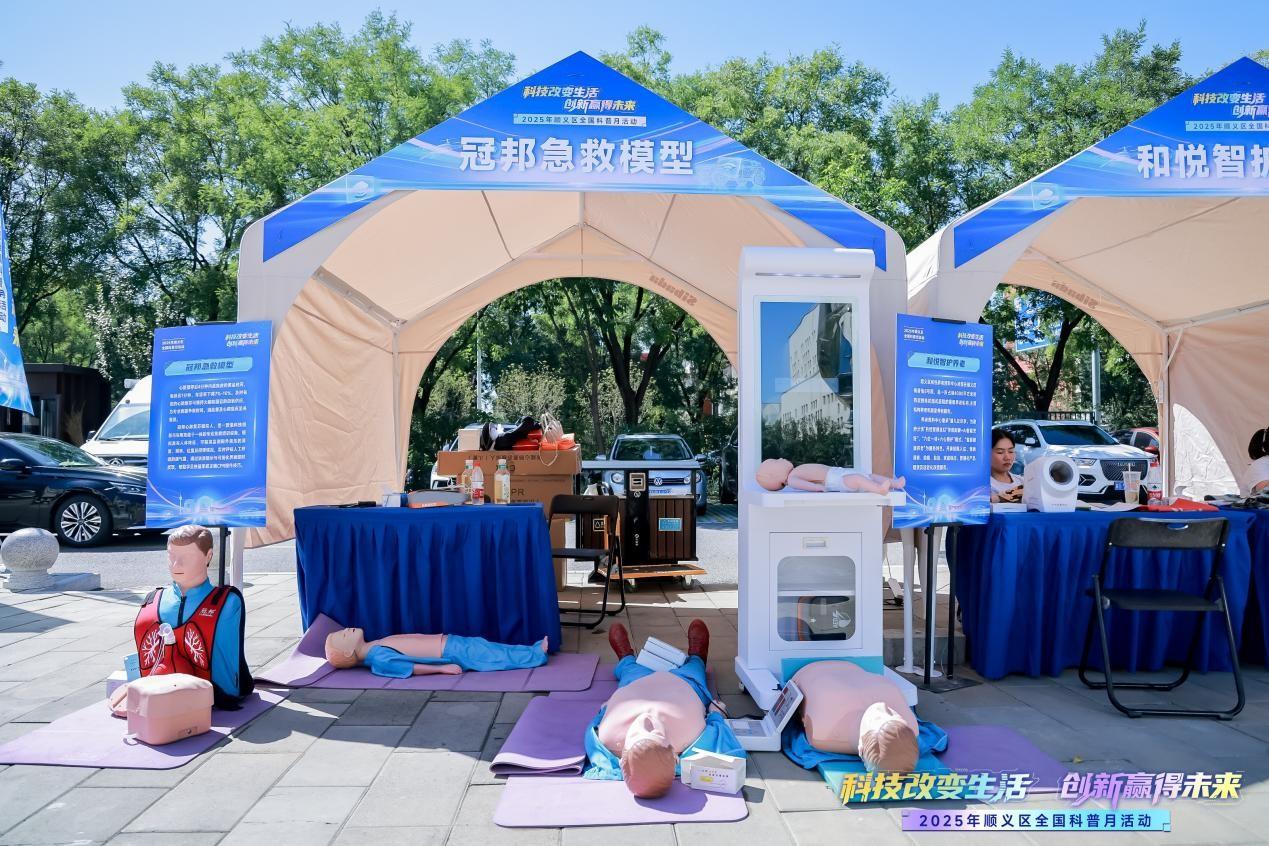
Our intelligent cardiopulmonary simulators served as hands-on learning stations, training hundreds of attendees on correct shock pads placement.
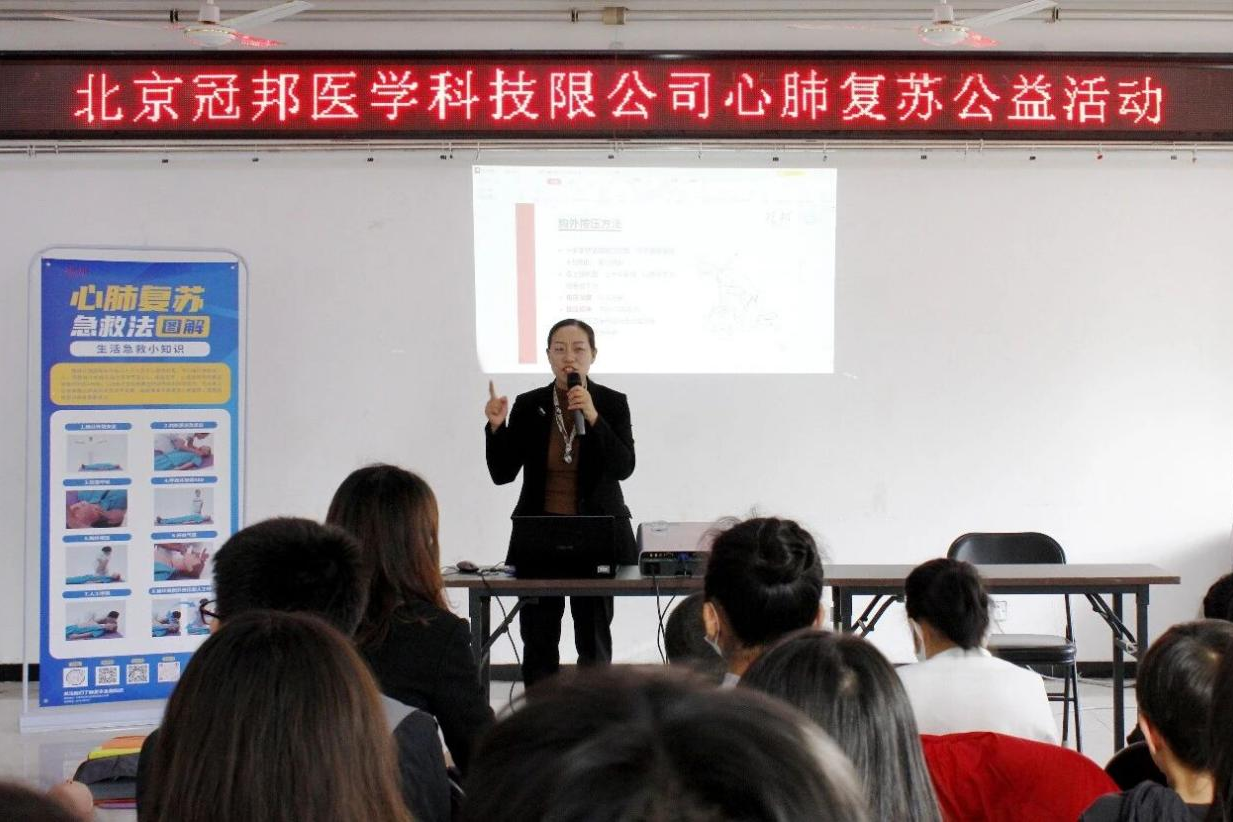
Guanbang organized the "Cherish Life" public welfare training project in local districts, helping bridge the gap between emergency systems and civil capability.
Industrial buyers must look past simple unit pricing to understand the total cost of ownership (TCO) and supply chain continuity. When evaluating factory profiles for volume purchase of AED trainers, simulator models, or active emergency devices, verify the following core milestones:
Select a factory equipped with dedicated R&D engineering divisions capable of custom firmware scripting. This allows you to integrate local language menus, custom audio voice prompt guidelines, and modify shock waveform patterns based on regional medical regulations.
A reliable manufacturer documents every stage of board assembly. SMT lines must verify the performance parameters of key integrated circuits and capacitors, ensuring that backup systems run correctly even after extended periods of inactivity.
Navigating global clinical equipment shipping requires proper documentation, including MSDS certifications for high-capacity lithium batteries and certificates of compliance. Working with a factory experienced in global logistics ensures smooth clearance at customs ports.
Designed for first aid classes, providing high fidelity in a compact package.
Premium trainer with pre-programmed shock scenarios for rescue workers.
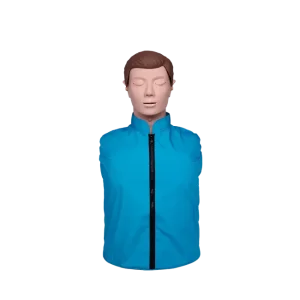
Features anatomically correct airway and chest landmarks to refine chest compression techniques.
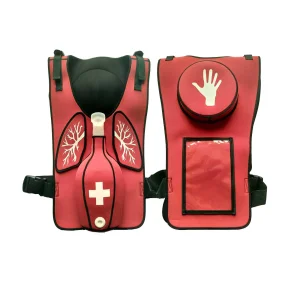
Designed for teaching the Heimlich maneuver safely and effectively.
An essential model for pediatric first-responder certifications and nurseries.
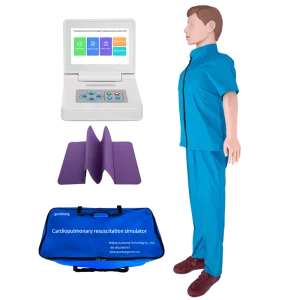
Combines affordability with high-end color screen evaluations.
Integrates clear voice instructions to guide users step-by-step.
Comprehensive assessment tool with real-time feedback printouts.
 Guanbang Medical