AHA-compliant cardiopulmonary resuscitation and airway obstruction simulators engineered for professional training clinics.
A Whitepaper on Global Supply Chain Dynamics, Clinical Fidelity, and Strategic Cost Allocation
In the global market for medical education products, search configurations using the term "Cheap CPR Heimlich Factories & Factory" represent a critical economic and clinical pivot. Discerning procurement directors, medical institutions, and training academies are no longer merely seeking the lowest cost. Instead, they seek *cost-effective manufacturing optimization*—achieving the precise calibration of anatomical fidelity, digital feedback capabilities, and regulatory compliance at scale. True efficiency in simulation product manufacturing is achieved not by reducing functional quality, but by implementing strategic industrial processes, smart material selection, and high-volume production structures.
Clinical Significance Notice: Advanced airway clearance training (utilizing the Heimlich maneuver) and cardiopulmonary resuscitation (CPR) simulation are structural foundations of Basic Life Support (BLS) training. Substandard training devices lead to incorrect pressure metrics and poor muscle-memory acquisition, presenting a direct risk to public health. Real engineering optimization bridges this gap without exceeding budgets.
Historically, medical simulators were separated into two distinct categories: highly complex, cost-prohibitive clinical manikins from European and American brands, or low-cost, anatomically incorrect plastic forms with no compliance standards. Today's global market demand has shifted dramatically. Global health initiatives require scalable community training systems, which has led to high demand for intermediate models: robust, AHA-compliant, digitised, and affordable simulators.
China has established itself as the center for this development due to its integrated raw material ecosystems, electronic supply networks, and advanced plastic injection tooling processes. High-quality factories leverage these regional systems to supply products that feature real-time digital monitoring and anatomical realism, all while maintaining competitive wholesale pricing structures.
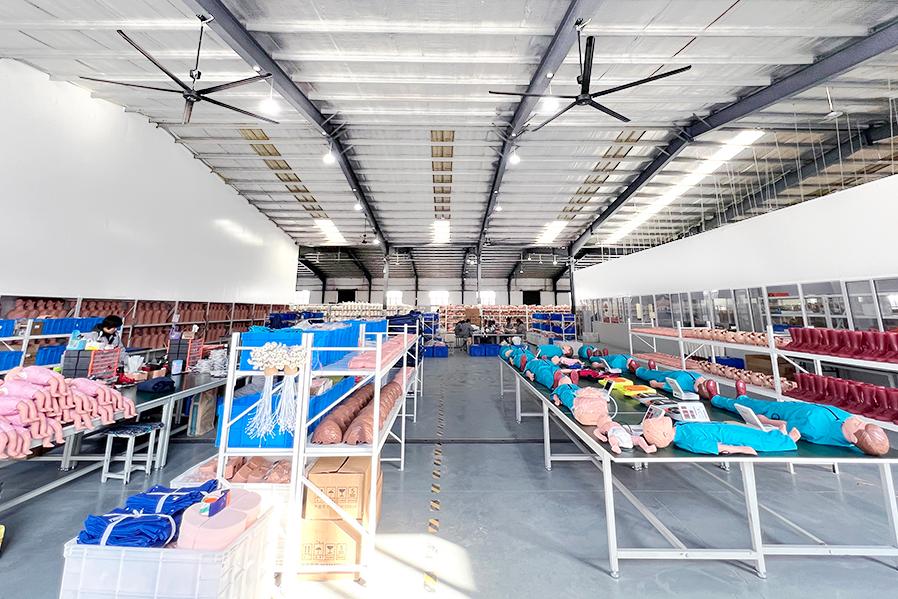
An integrated manufacturing complex housing precision molds, electronic assembly lines, and rigorous quality check centers.
Core technology developed by experts and PhDs with specialized training in biomechanics and medical sensory interfaces.
High production volume that allows for significant bulk discount structures, stabilizing unit costs for global distributors.
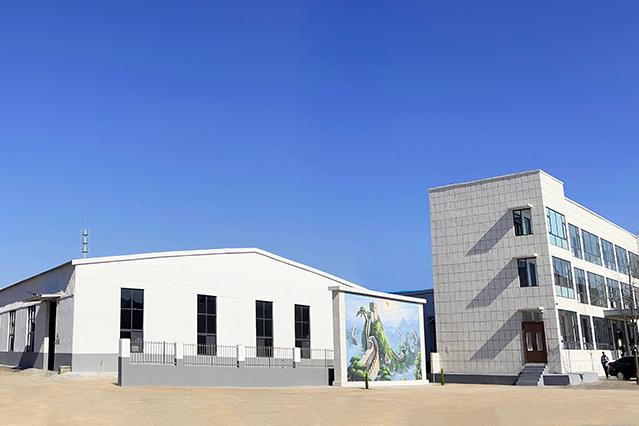
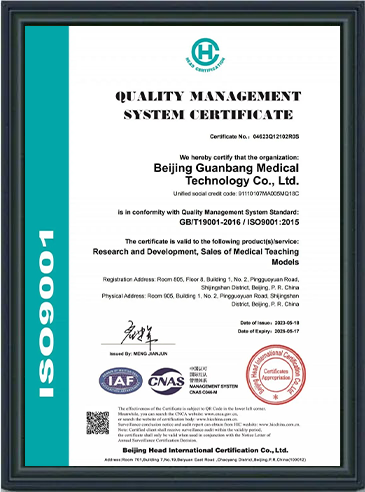
Founded in Beijing in 2016, Beijing Guanbang Medical Technology Co., Ltd. is an innovative enterprise dedicated to the research, development, design, manufacturing, and distribution of high-fidelity medical simulation training products. Operating from a modern production facility of approximately 10,000 square meters, we have built a comprehensive operational structure. This setup links initial anatomical concept design directly with software calibration and volume manufacturing.
Our solutions are used globally by medical training facilities, emergency rescue groups, schools, government civil defense units, and corporate safety departments. With an focus on clinical accuracy and cost efficiency, we have established ourselves as a reliable partner in the global life support training sector.
How our R&D team integrates advanced electronics with high-grade thermoplastic elastomers (TPE).
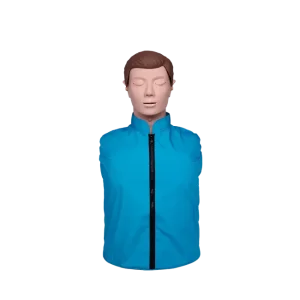
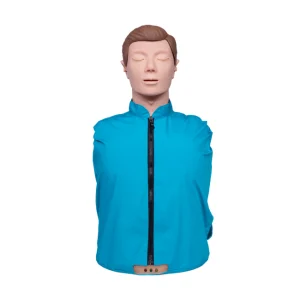
Our material processing mimics real human tissue density and chest compliance. This ensures realistic tactile feedback during chest compressions, while maintaining high durability for over 100,000 compression cycles.
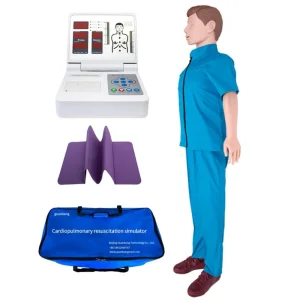
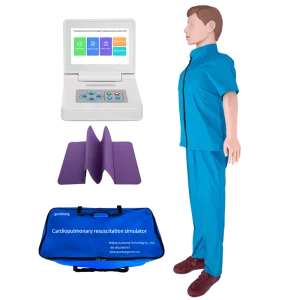
Micro-sensors embedded in the thoracic cavity measure compression depth (5-6cm standard) and recoil speed in real time. Systems are paired with electronic indications, voice prompts, or touch screen panels.
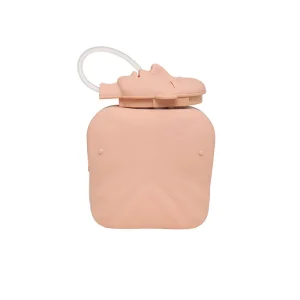
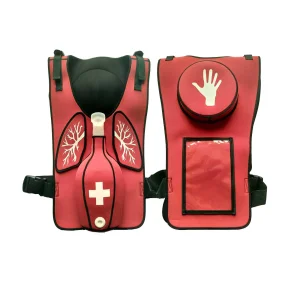
Our Heimlich training vests use a dual-chamber mechanical system that provides visual feedback (expelling an airway obstruction plug) only when the correct subdiaphragmatic upward thrust is performed.
From academic centers to emergency teams: Guanbang simulators in field action.
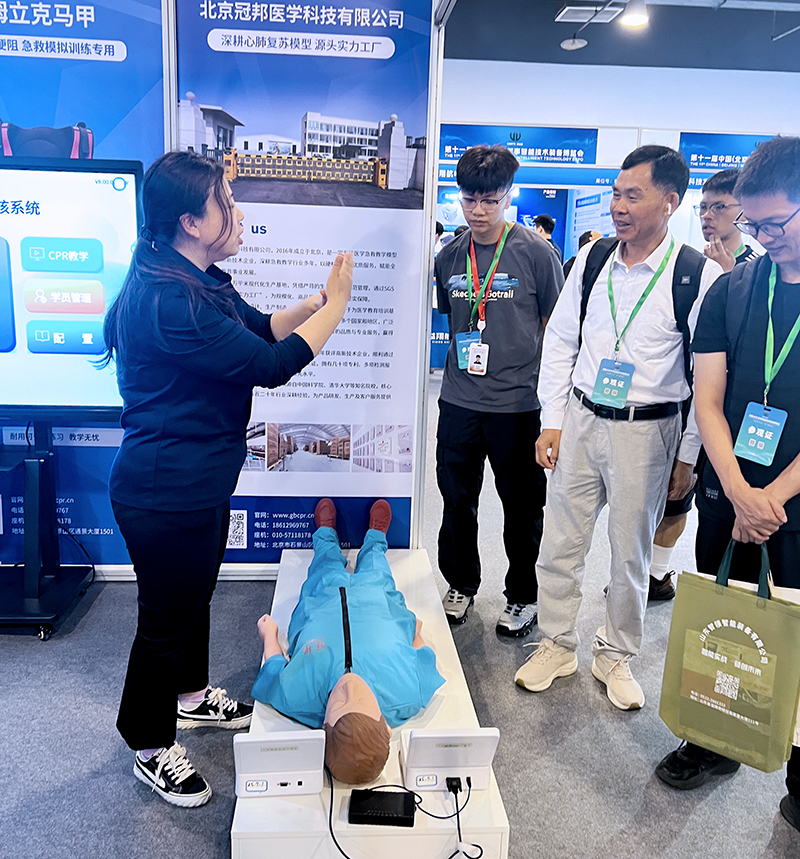
Guanbang presented its emergency medical simulation systems, demonstrating how high-durability training manikins assist field medics in rapid battlefield response training under high-stress conditions.
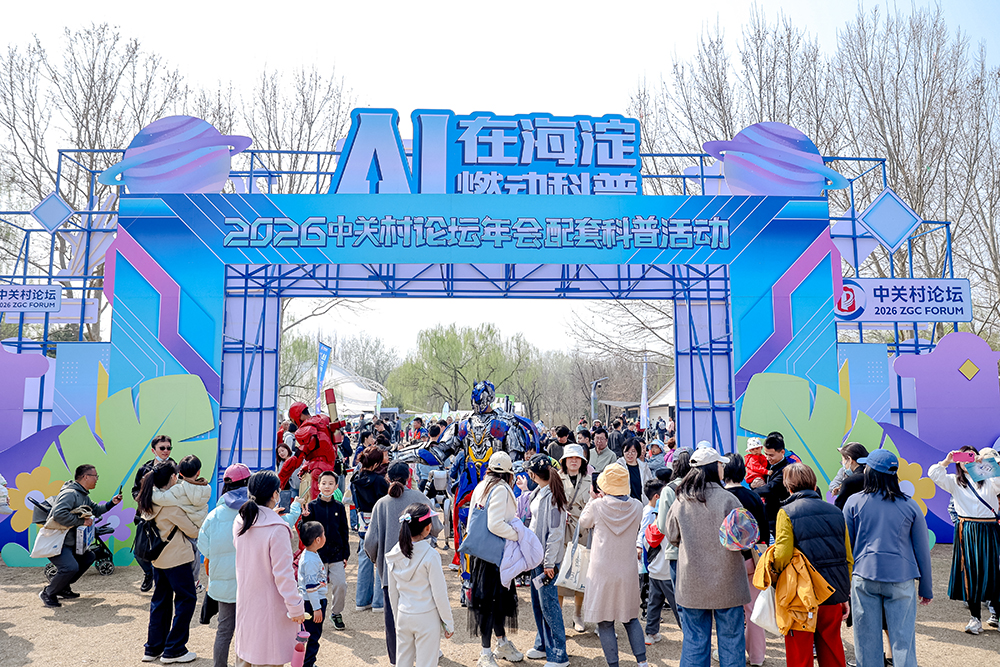
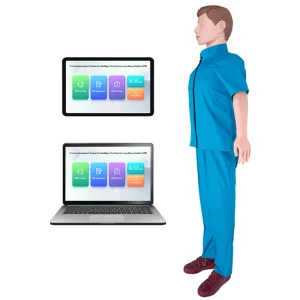
Demonstrating our multi-connection wireless software integration at the Zhongguancun Forum. Educators can monitor up to 10 trainees simultaneously from a single central tablet device.
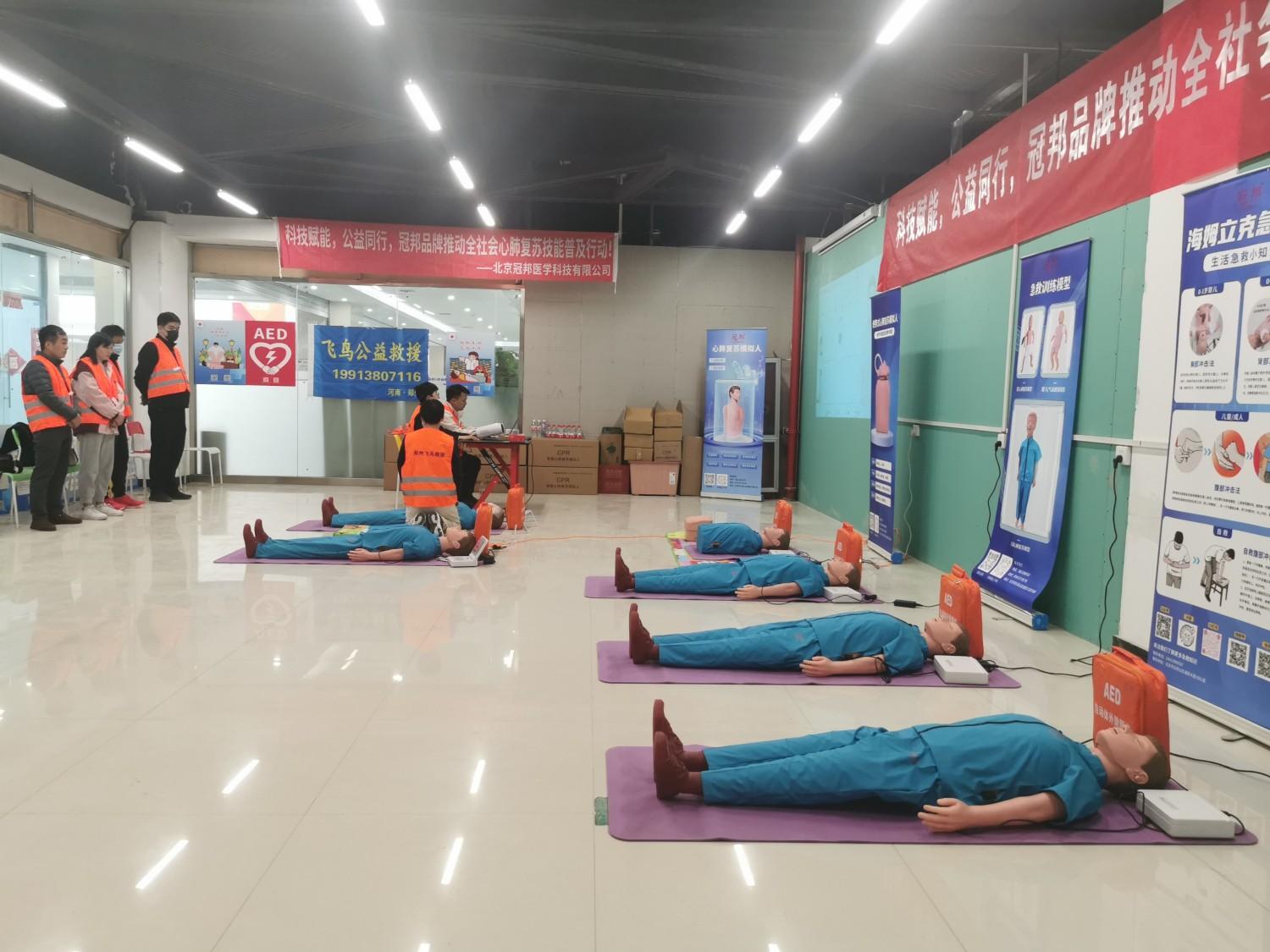
Co-established a public training space in Zhengzhou. The center offers free BLS training using Guanbang CPR simulators and Heimlich vests to improve community emergency response rates.
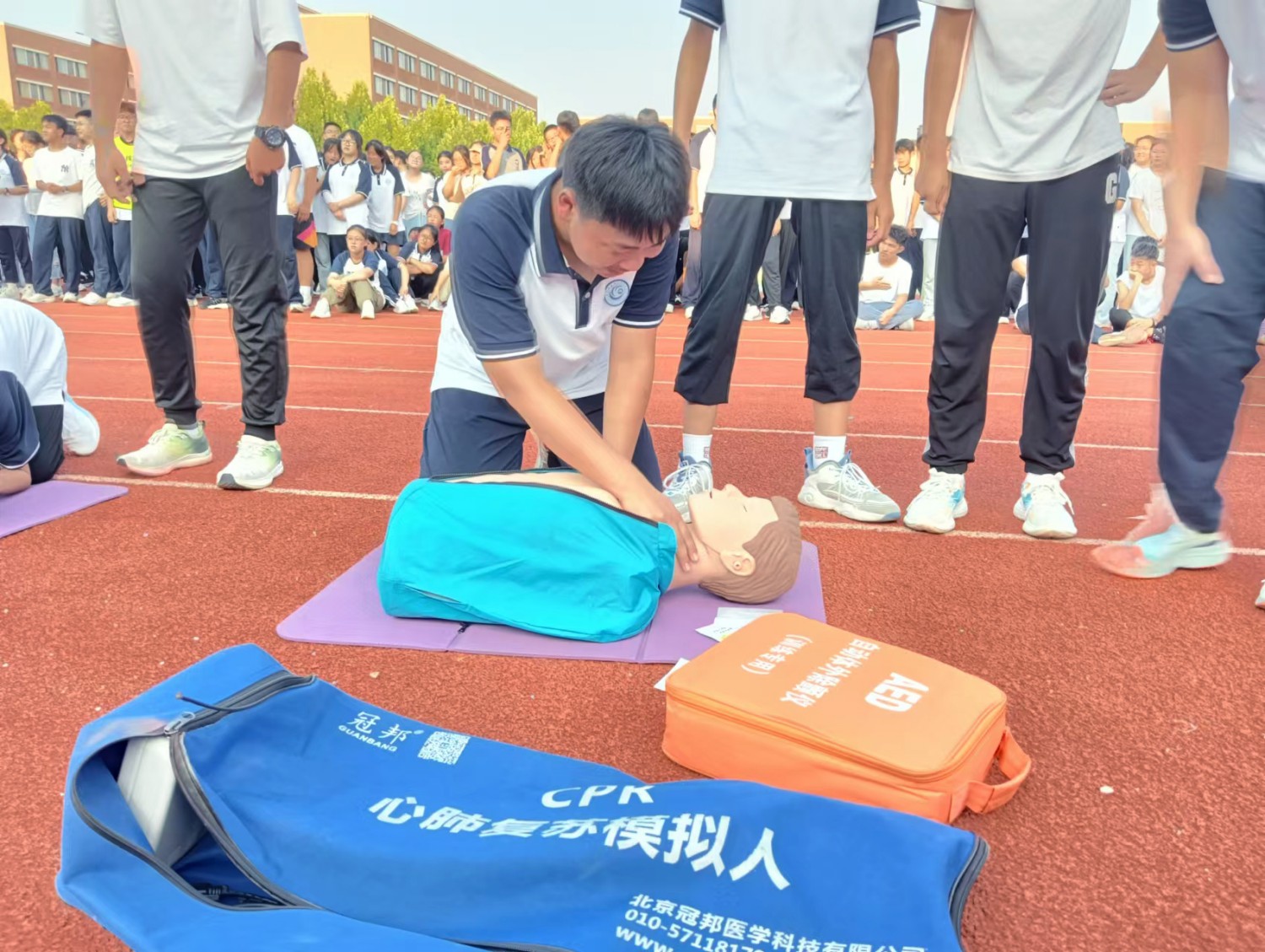
Collaborating with school districts to bring CPR simulators into health classes. This partnership teaches young students accurate chest compression depths using simple visual feedback systems.
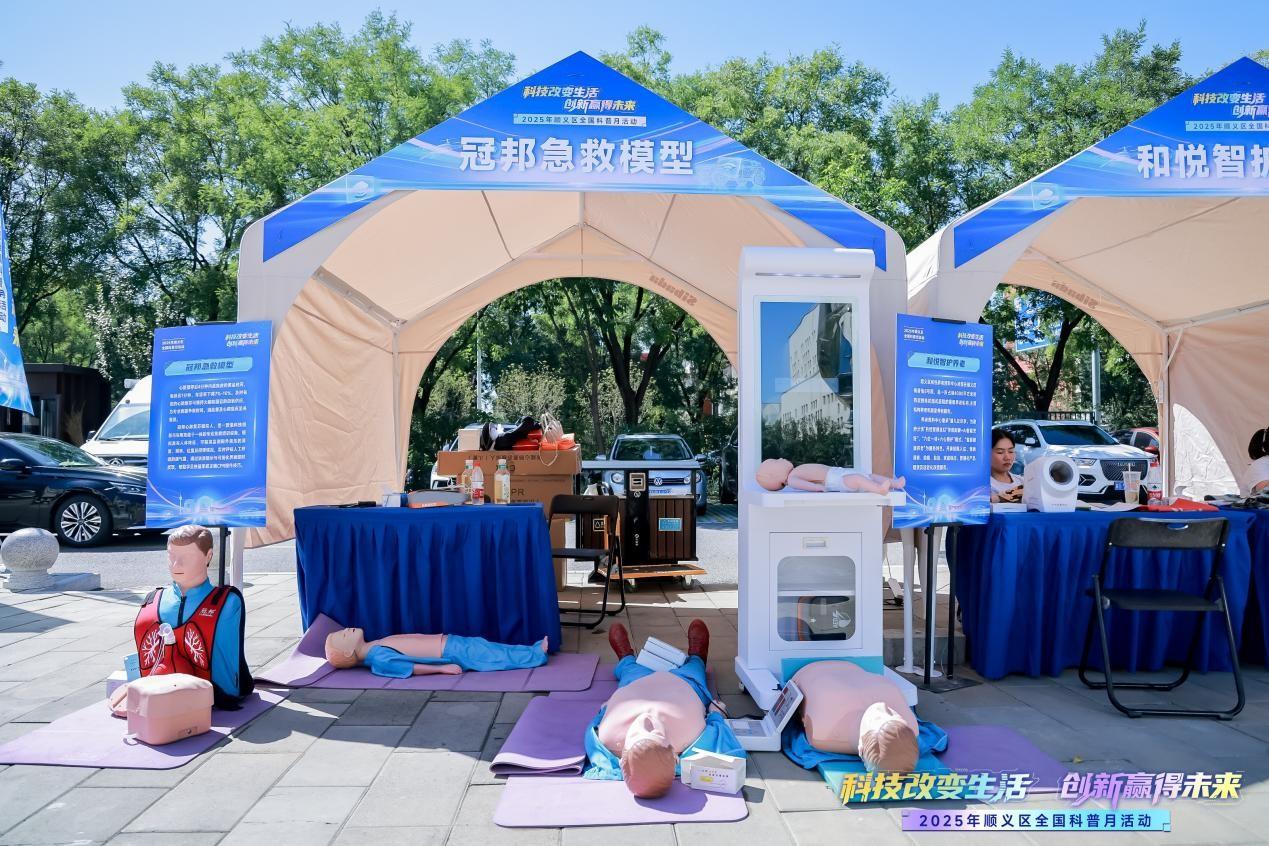
Our intelligent simulators became a focal point at the science festival. Interactive digital touchscreens allowed visitors of all ages to test their CPR compression techniques.
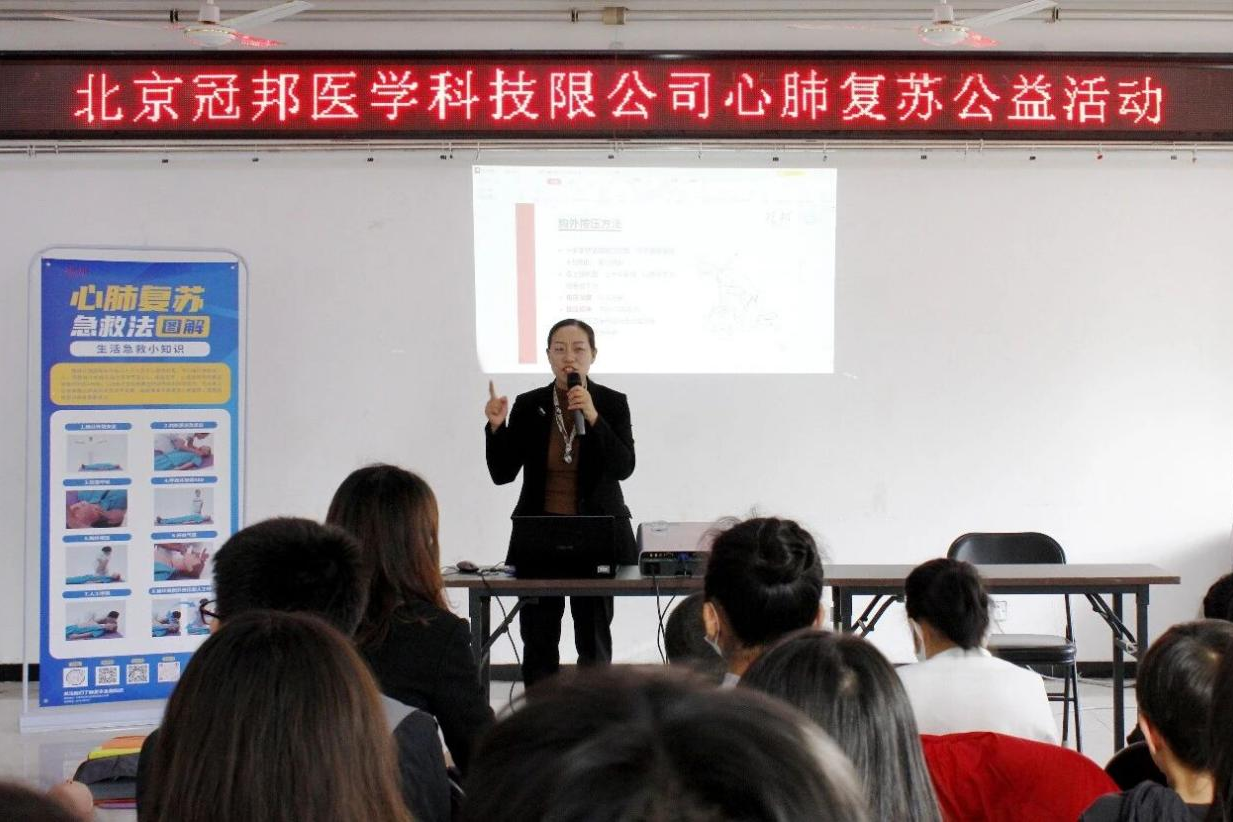
Organized a community workshop in Shijingshan District, focusing on choke rescue using our child-sized Heimlich vests and baby CPR manikins.
Integrating artificial intelligence, IoT, and cloud-based medical simulators.
Upgrading Bluetooth mesh systems to connect up to 50 local training units to a single smart console, allowing instructors to monitor large-scale training sessions in real time.
Developing a unified, multi-functional trainer that allows quick switches between CPR compressions and abdominal thrust resistance training, reducing overall equipment costs for buyers.
Integrating AI analysis systems that evaluate historical compression performance, offering trainees specific, personalized feedback on improving posture and hand placement.
Expert technical and manufacturing insights regarding CPR and airway clearance simulators.
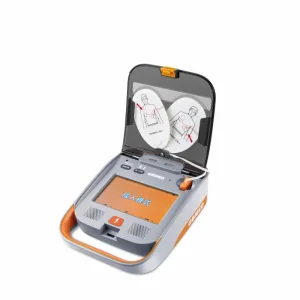
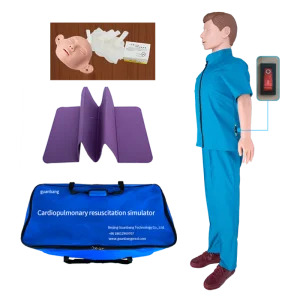
Explore our full line of training models, from voice-guided adult simulators to choking intervention vests.
 Guanbang Medical