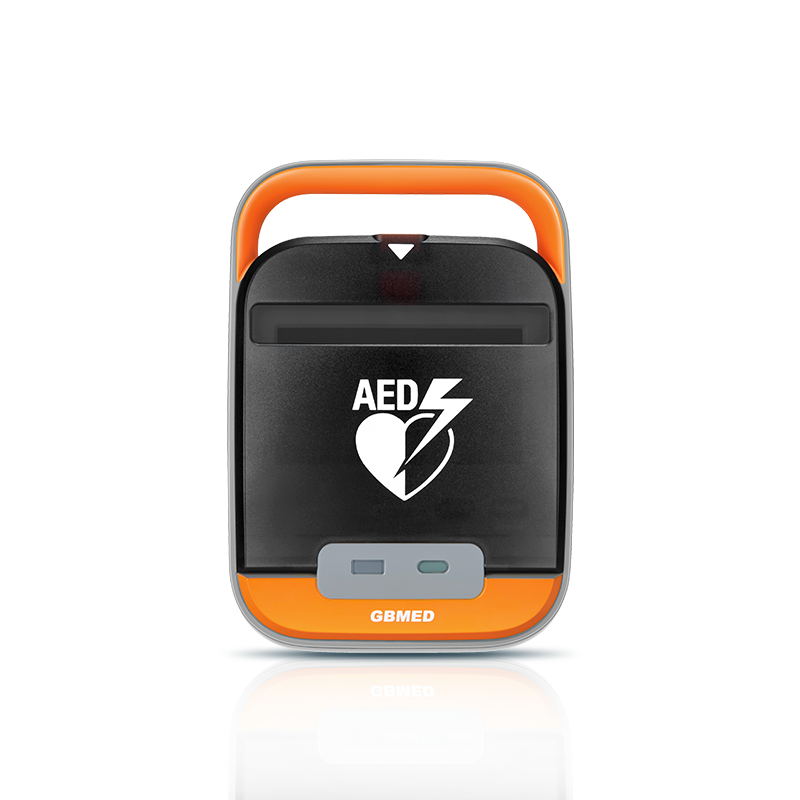
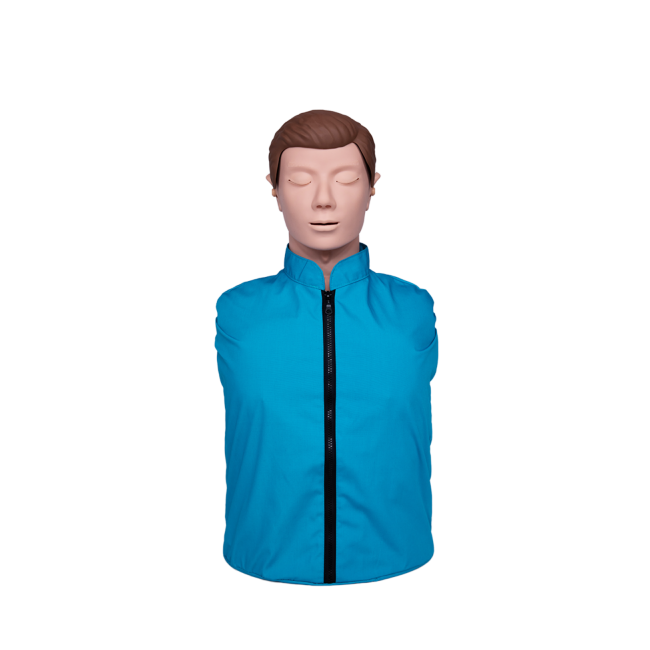
Engineered for durability and strict compliance, our high-volume production models offer the optimal cost-to-performance ratio for medical schools, corporate training programs, and emergency responders.
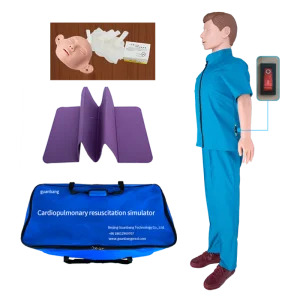
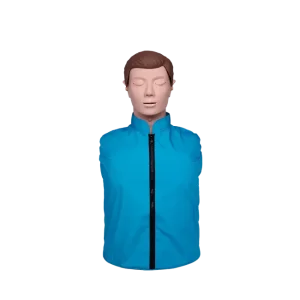
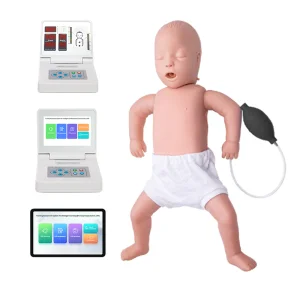
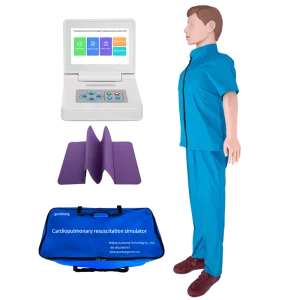
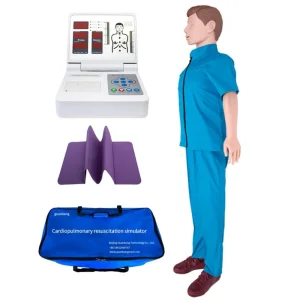
The global demand for high-quality cardiopulmonary resuscitation (CPR) simulators and Automated External Defibrillator (AED) trainers has grown exponentially over the past decade. Driving this change is a universal emphasis on community-level first-aid readiness, regulatory policies inside global workplaces, and updated mandates by cardiac councils. Organizations such as the American Heart Association (AHA) and the European Resuscitation Council (ERC) periodically revise guidelines, forcing medical training centers, schools, and military forces to modernize their training hardware.
Traditionally, procurement teams faced a binary choice: purchase extremely expensive, top-tier simulation manikins from a limited set of Western legacy brands, or purchase cheap, low-fidelity, static models that lacked accurate compression measurement and real-time correction systems. This compromise often created a skills gap, as trainees failed to develop muscle memory for the exact 5 to 6 cm compression depth or the correct compression rate of 100 to 120 beats per minute.
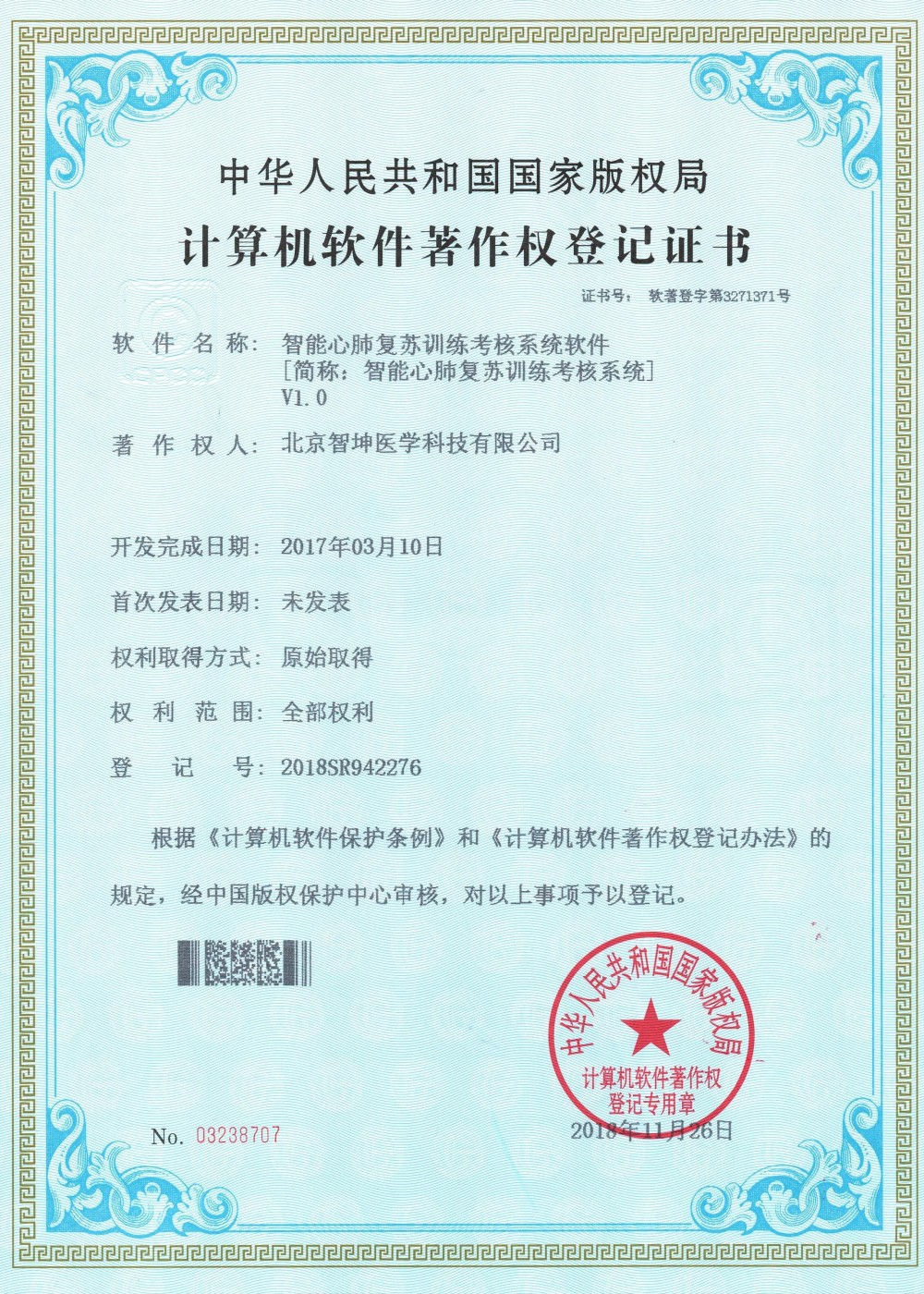
Today, advances in optical sensors, integrated microcontroller units, and synthetic skin materials have transformed the industry. Manufacturers like Beijing Guanbang Medical Technology Co., Ltd. bridge this market divide. By optimizing material sourcing, structural molding, and sensor integration, Guanbang supplies state-of-the-art simulators globally. Institutional buyers can secure premium features—like voice feedback, electronic indication panels, color touch screens, and multi-model configuration support—at direct-from-factory pricing.
Worldwide health and safety administrations (such as OSHA in the US) now mandate regular first-aid training. This requires cost-efficient, durable CPR models suitable for heavy, repetitive training scenarios without mechanical failures.
Universities, nursing colleges, and high schools are shifting to large-scale, one-to-many training classrooms. Budget considerations make direct factory supply crucial to equipping entire classes within budget.
In the global medical simulation landscape, the phrase "cheap CPR supplies" is frequently misunderstood. When utilizing China's high-tech manufacturing corridors, cost-efficiency does not imply compromised durability. Rather, it represents structural advantages in localized production systems, vertical component integration, and advanced mold design.
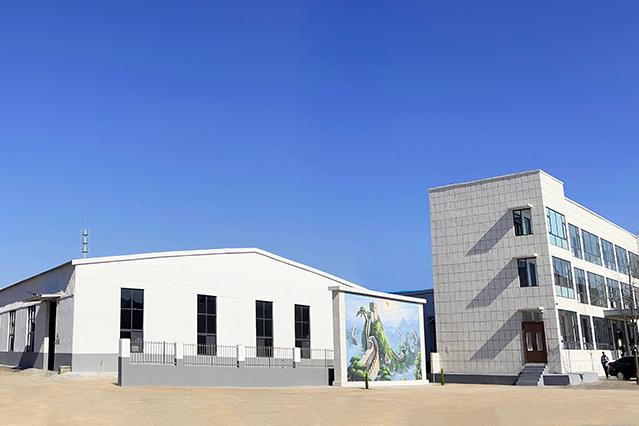
Located in Beijing with a modern 10,000 square meter production facility, Guanbang Medical Tech demonstrates these advantages. China's industrial ecosystem consolidates electronics, medical-grade elastomer molding, and sensor technology in close proximity. This localized network minimizes logistics friction, lowers overhead, and speeds up product iteration cycles.
Furthermore, our technical leadership—featuring specialists holding graduate and doctoral degrees from prestigious institutions like the Chinese Academy of Sciences and Tsinghua University—allows us to design complex internal sensor systems. By processing raw materials and fabricating molds in-house, we eliminate intermediate vendor markups. The resulting cost savings are passed directly to international distributors, training centers, and public health entities.
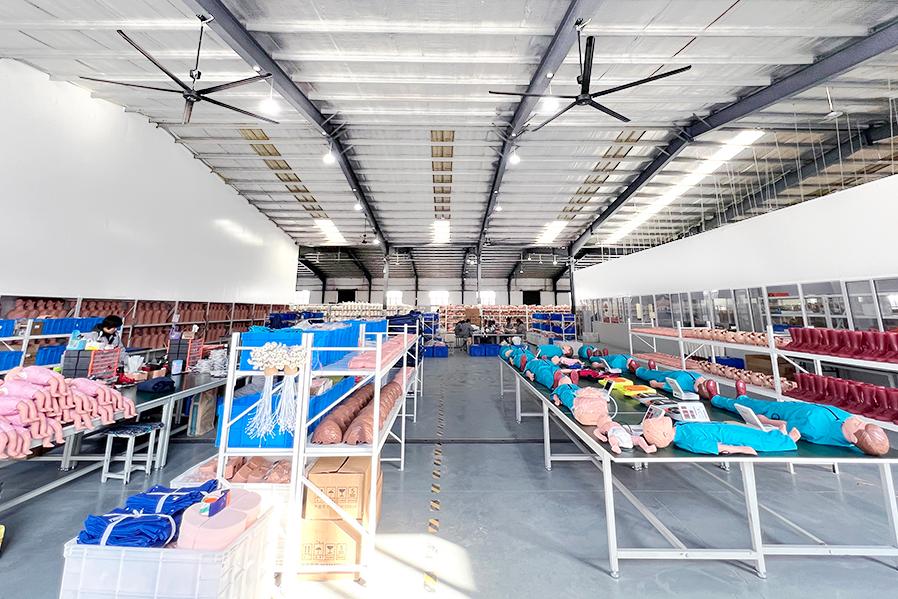
Cardiopulmonary resuscitation simulation is evolving beyond basic mechanical spring manikins. Standard training procedures require detailed assessment metrics to ensure high-quality CPR performance. Guanbang's technological roadmap integrates digital components to provide quantitative performance analytics.
Moving from basic spring tension to digital optical sensors. Our simulators measure compression depth, hand position, and decompression rate, generating instant visual or voice-guided correction prompts.
Advancements in high-tensile, non-toxic thermoplastic elastomers. These mimic human tissue texture and resistance, enduring over a million compressions without structural warping or tearing.
Replacing traditional plastic display boxes with high-resolution color touch screens and wireless software interfaces. Facilitates multi-student monitoring and simplifies data downloads for testing and certification.
In the future, CPR trainers will increasingly rely on virtual instruction interfaces. By building software structures that sync with mobile apps and centralized assessment dashboards, we enable instructors to oversee dozens of trainees simultaneously. This eliminates individual manual testing, saving time and resources for training schools and organizations.
Importing medical simulation products requires strict alignment with local health guidelines and national certifications. A CPR simulator that fails to meet local resuscitation standards is unusable for professional certification.
Guanbang addresses compliance by engineering products to align with regional standards:
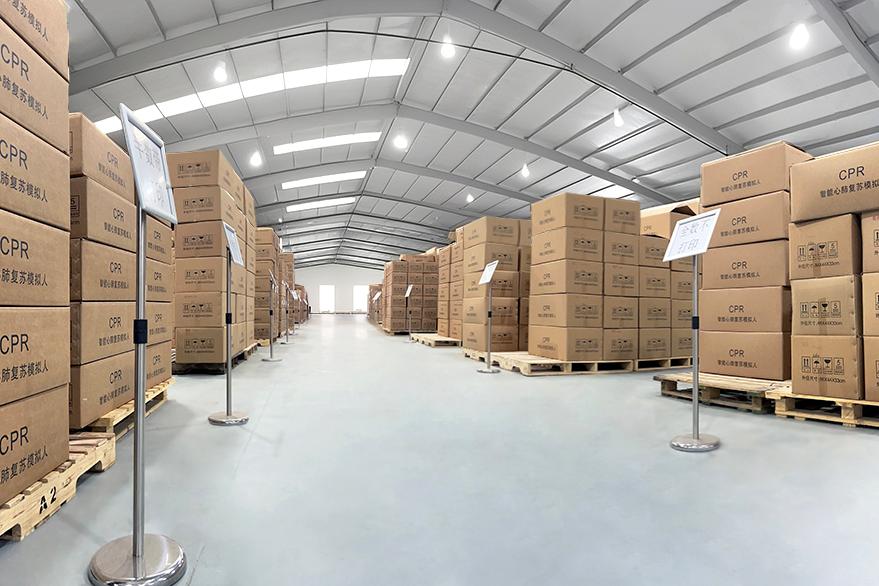
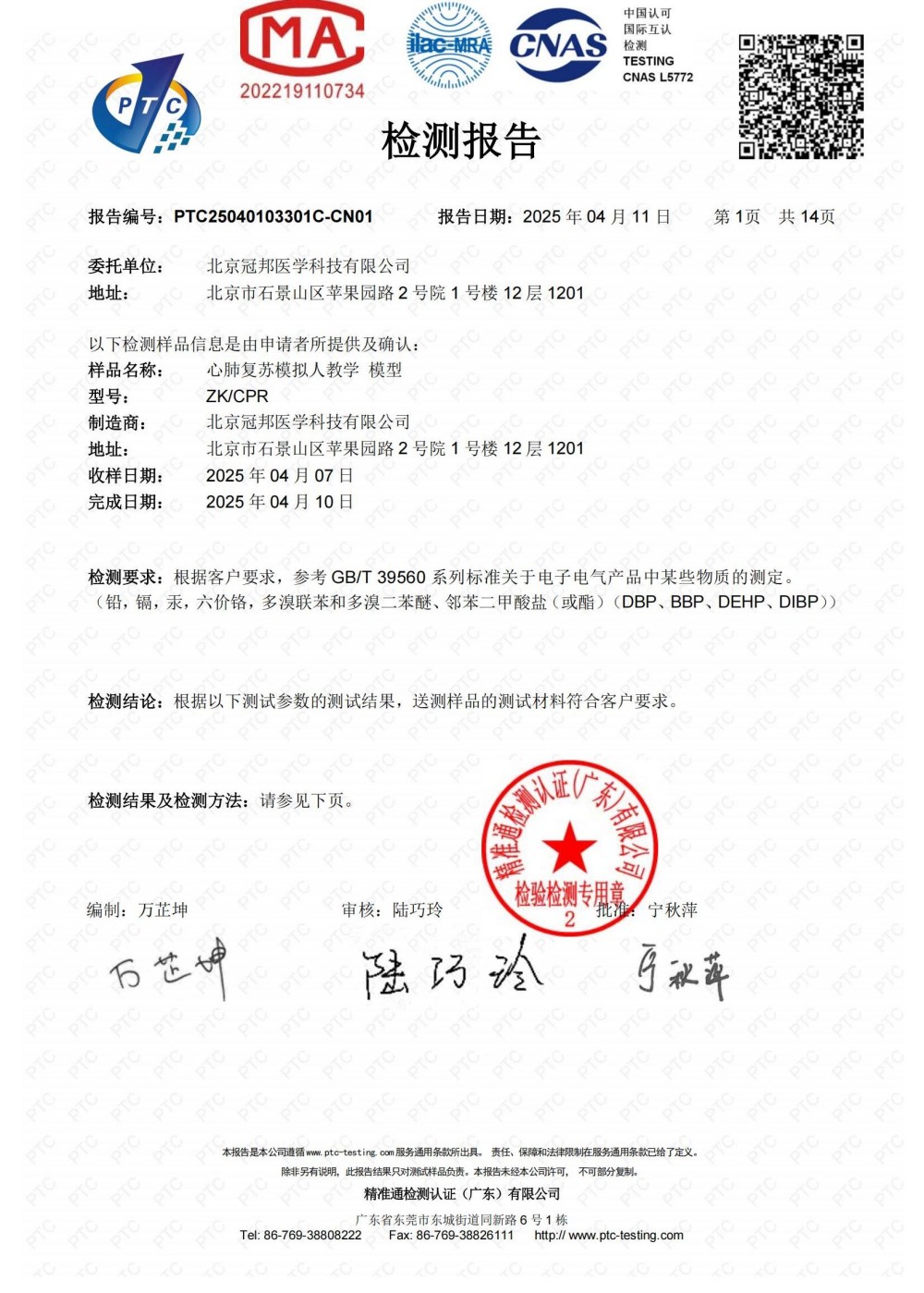
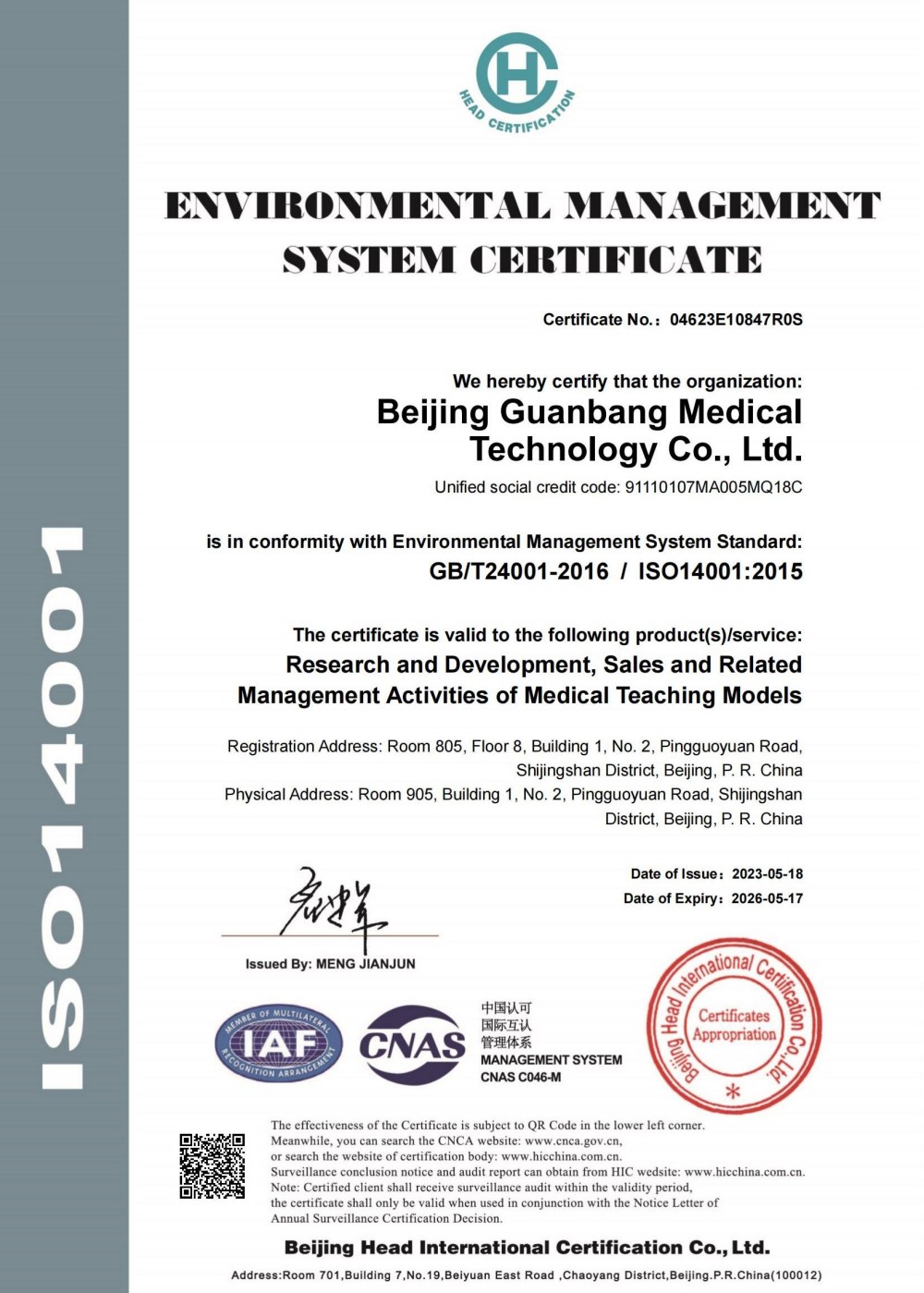
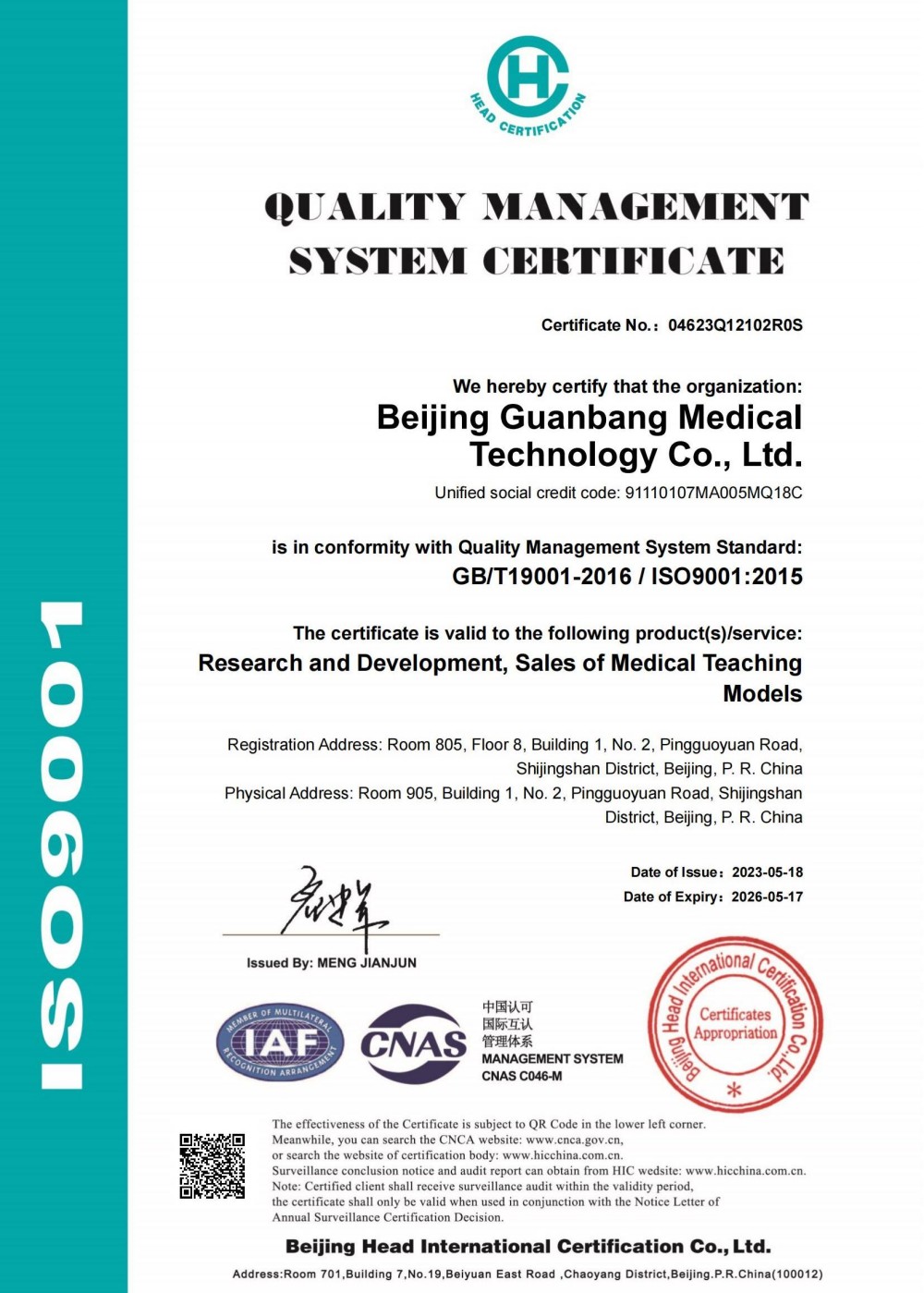
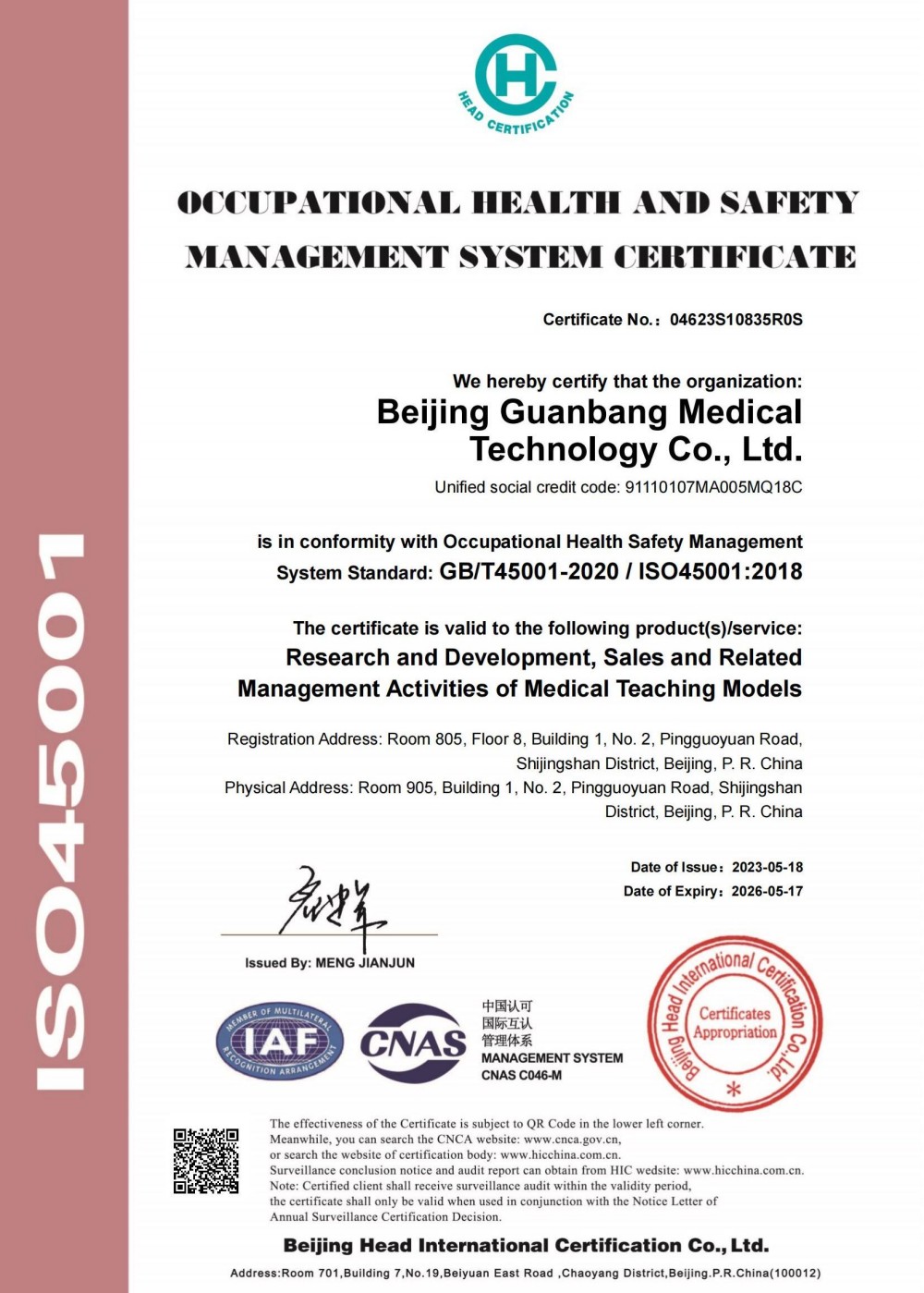
Every CPR manikin and AED trainer we produce undergoes multi-level quality inspections and complies with global quality management standards.
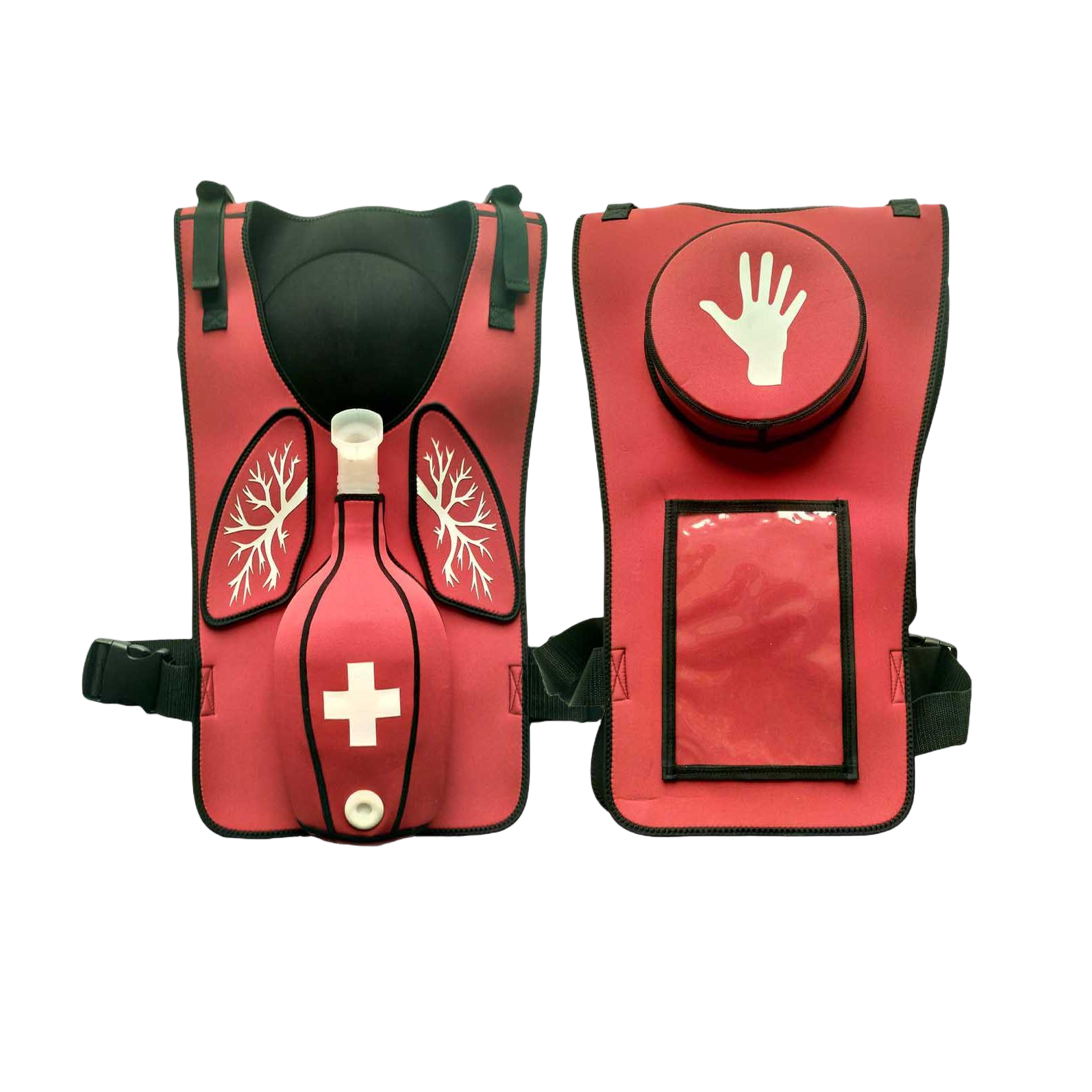
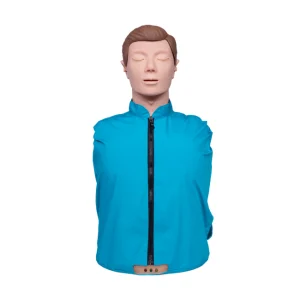
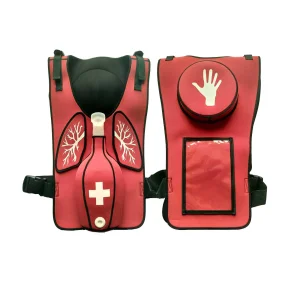
Explore our diverse lines of first-aid simulators, covering cardiopulmonary resuscitation, airway management, and choking emergencies.
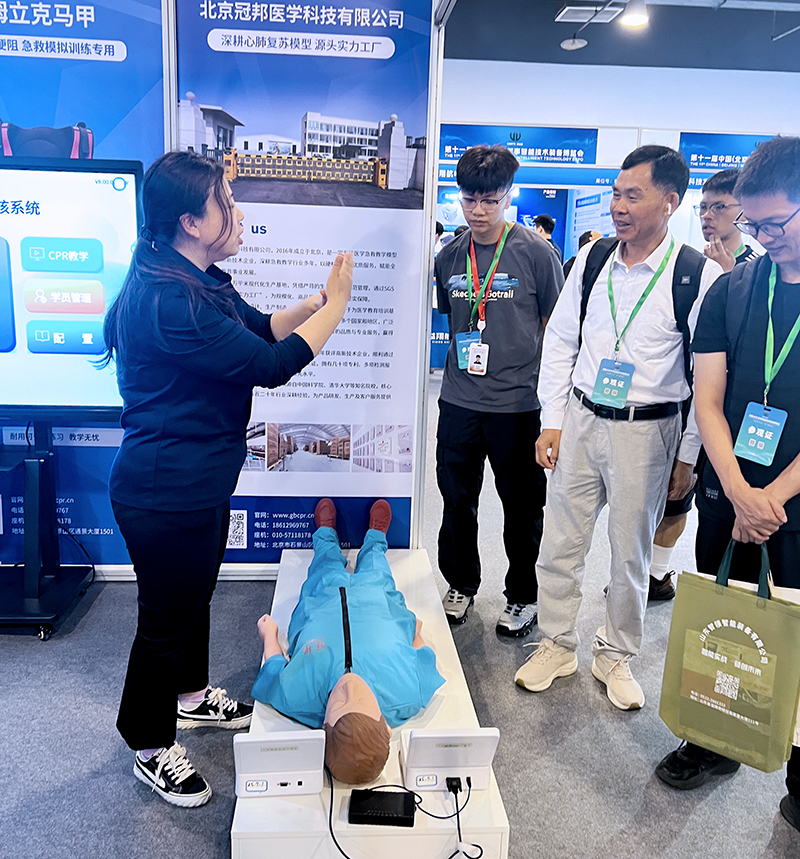
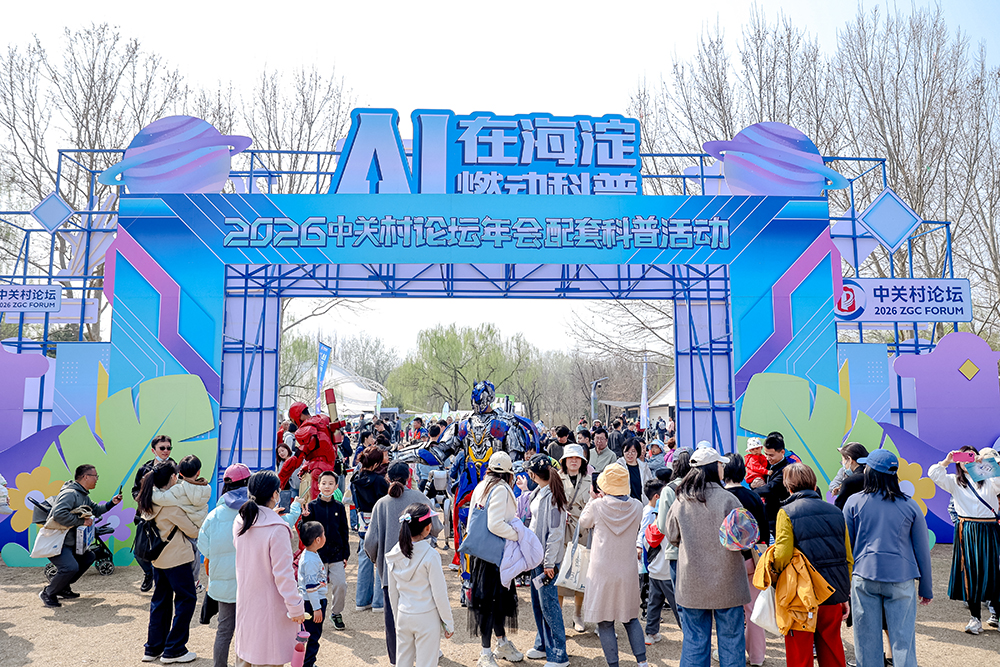
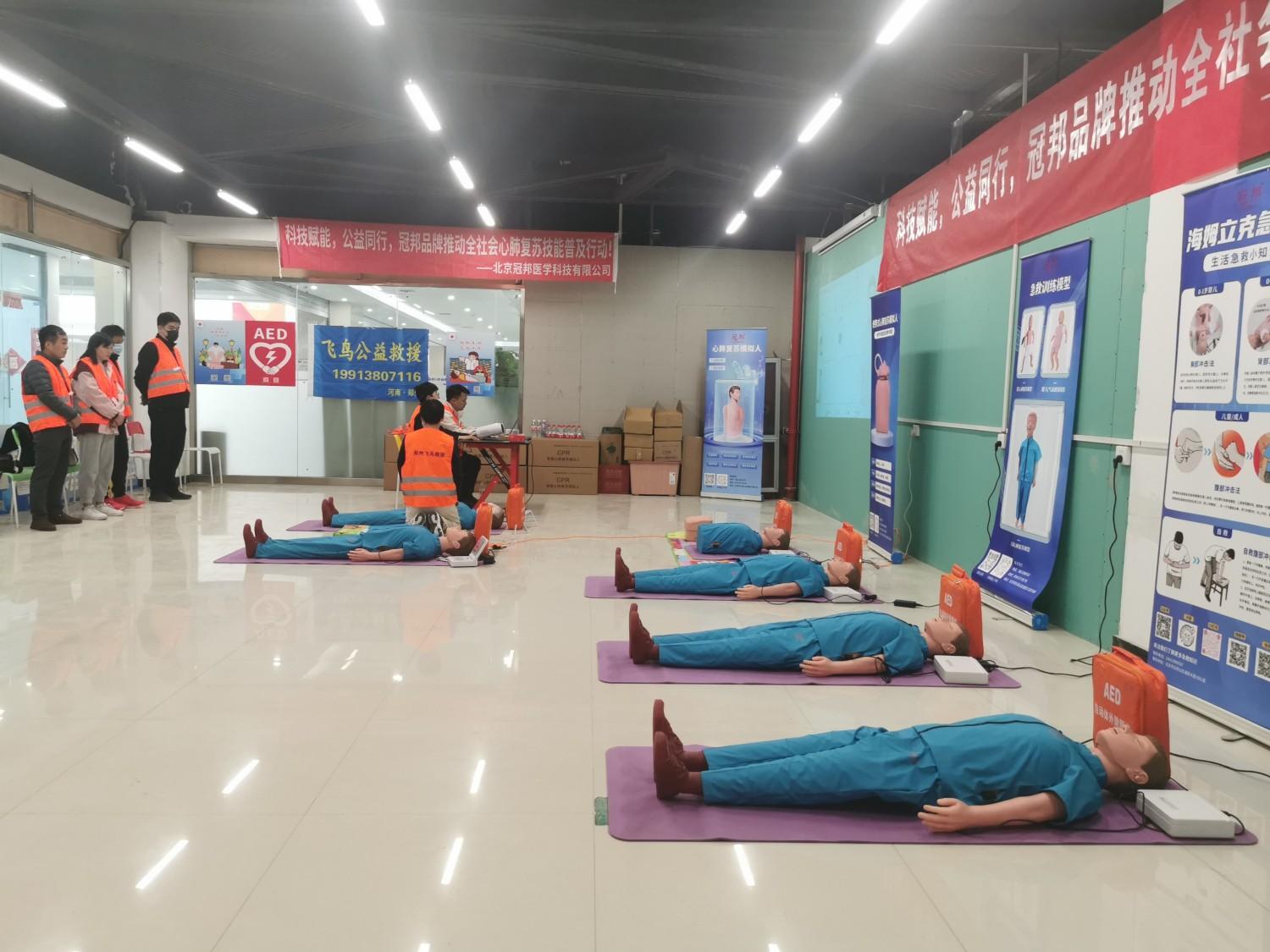
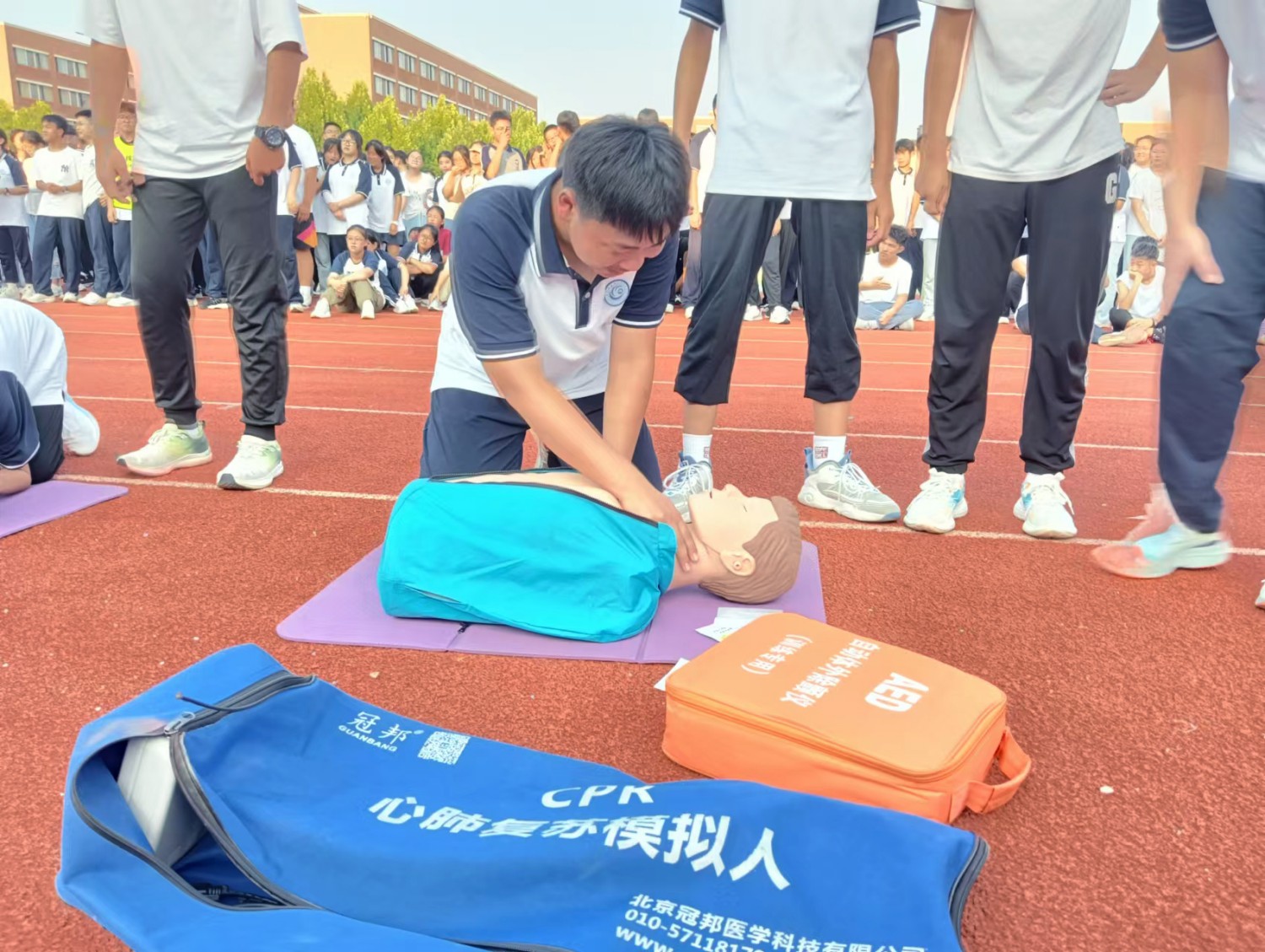
Guanbang's CPR simulation hardware is utilized in diverse training environments globally, including military expos, community training centers, and corporate public welfare campaigns.
Browse our advanced resuscitation and choking-rescue simulators, direct from our production facility to your training site.
 Guanbang Medical