Explore our foundational range of cardiopulmonary resuscitation models and automated external defibrillator trainers designed for healthcare professionals, institutions, and home use.
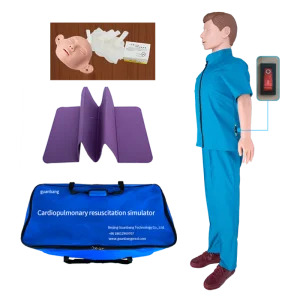
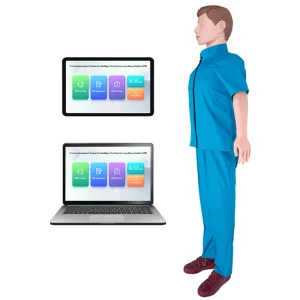
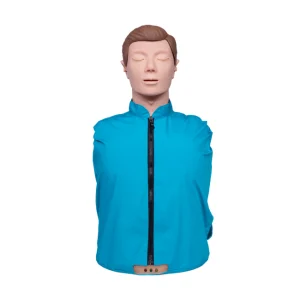
Analyzing global commercial developments, technological trajectories, and the clinical importance of high-fidelity simulators in self-rescue airway clearance training.
Foreign body airway obstruction (FBAO) remains one of the leading causes of accidental death globally, particularly among infants, toddlers, and the elderly. While the standard Heimlich Maneuver is widely taught in basic life support (BLS) modules, the real-world challenge lies in executing the Heimlich Maneuver by yourself when choking alone. Historically, public health initiatives focused solely on bystander resuscitation. Today, the rise of home healthcare, remote labor, and single-living dynamics has driven massive market demand for affordable, accessible self-rescue training tools, simulation wear, and specialized emergency suction or pressure devices.
The industrial landscape for simulator models has shifted from simple, low-fidelity plastic manikins to smart, feedback-driven simulation systems. As global regulatory bodies emphasize public safety readiness in corporate offices, logistics hubs, and educational environments, manufacturing cost-efficiencies have made specialized first-aid models commercially viable. By leveraging advanced plastic fabrication, precision injection molding, and eco-friendly synthetic polymers, Chinese manufacturers now provide high-durability training simulators at a fraction of Western historical pricing, making critical emergency preparedness highly affordable.
Performing the Heimlich Maneuver on oneself presents distinct physiological hurdles. Unlike a bystander-delivered abdominal thrust, which utilizes external leverage, a self-rescue thrust requires the victim to position their own hands under the ribcage or manually impact their epigastrium against an external object (e.g., a chair back, railing, or table corner). This maneuver relies on creating a sudden increase in intra-thoracic pressure to force the foreign object out of the trachea.
To train individuals on this vital distinction, advanced simulation systems utilize specially calibrated compression mechanisms. Trainees must apply force in an upward, inward trajectory, learning the precise angle and force thresholds required to expel a foreign body without causing internal soft-tissue damage. The development of tactile airway clearance models has allowed schools, factories, and corporate campuses to introduce realistic training programs without exceeding tight budget constraints.
The future of first-aid simulators lies in digitalization, Internet of Things (IoT) integration, and intelligent haptic feedback. Modern simulators are evolving past simple physical feedback indicators. Our R&D division has mapped out a development pathway that transitions simulator systems from passive educational models to interactive, AI-driven learning tools.
Incorporating custom-calibrated pressure sensors within the simulator's abdomen. These sensors communicate directly with external software to report whether a trainee's thrust met the optimal pressure gradient required for successful airway clearance.
Utilizing proprietary synthetic polymers that closely resemble the density and resistance of human soft tissues, muscle layers, and cartilage. This ensures realistic tactile resistance during training maneuvers.
Enabling first-aid simulators to sync with mobile applications and centralized educational software platforms, facilitating large-scale testing, real-time performance evaluation, and group certification tracking.
Emergency medical training needs vary dramatically across different demographics and environments. High-quality training models allow organizations to build tailored solutions for specific risk profiles:
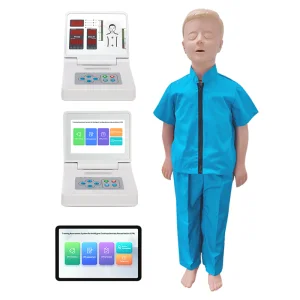
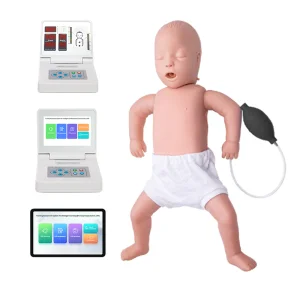
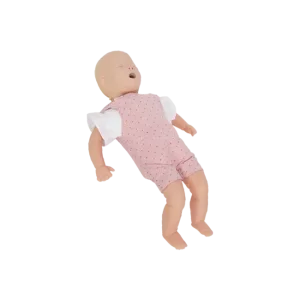
Deploying specialized pediatric and infant airway models alongside CPR simulators to train teachers, administrators, and students in identifying and resolving pediatric choking hazards.
Equipping corporate offices and factories with hybrid training kits. These kits empower remote workers and industrial teams to confidently perform self-rescue thrusts when emergency response times may be delayed.
Integrating rugged, multi-functional emergency simulators into field medic toolkits. These durable, weatherproof models are designed to handle demanding tactical field training scenarios.
Beijing Guanbang Medical Technology Co., Ltd. is an innovative enterprise founded in Beijing in 2016. Our business encompasses research and development, design, manufacturing, sales, and service, dedicated to providing high-quality simulation training models and services for medical education and training institutions. The company has a modern production base covering an area of approximately 10,000 square meters. It has established a complete business system that encompasses the entire process from research and design, production and manufacturing to after-sales support.
Our products have been distributed globally, serving numerous healthcare institutions, educational facilities, enterprises, and government agencies. With superior products and services, we have earned widespread acclaim and trust from our clients, establishing a stable and loyal customer base.
Our company boasts a highly skilled research and development team, with core technical personnel holding master's or doctoral degrees from esteemed institutions such as the Chinese Academy of Sciences, Tsinghua University, and Beijing University of Technology. With nearly two decades of industry experience, our core technical and management team provides a solid foundation for the company while delivering comprehensive medical emergency training solutions to our clients.
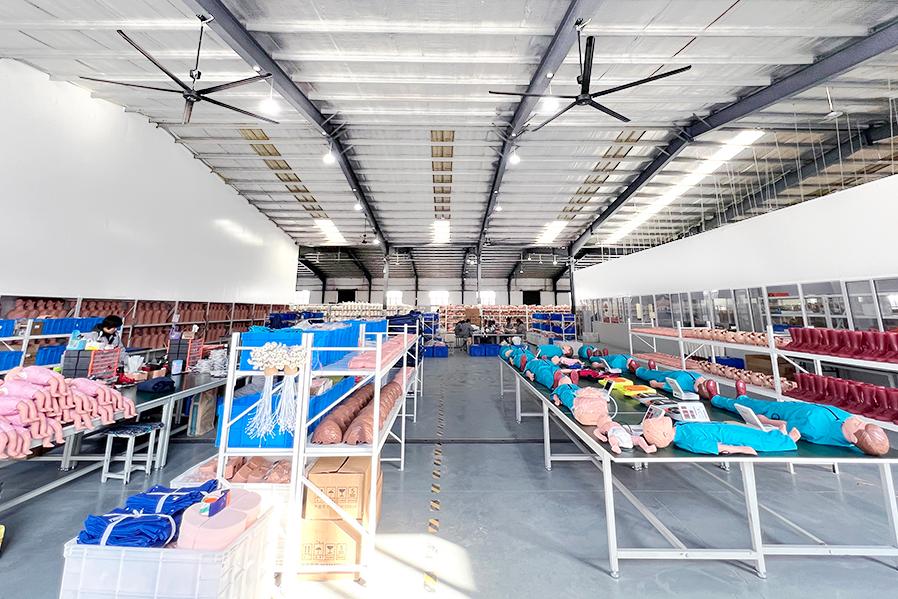
In recent years, we have leveraged our strengths in independent innovation and talent development to drive technological advancements and management innovation. Our company has achieved groundbreaking progress in mold design and material processing technology, significantly enhancing our core R&D capabilities. We have obtained certifications in environmental management, quality management, and occupational health and safety management, along with multiple utility model and design patents, professional testing reports, and software copyrights, ensuring that our products remain at the forefront of technological excellence.
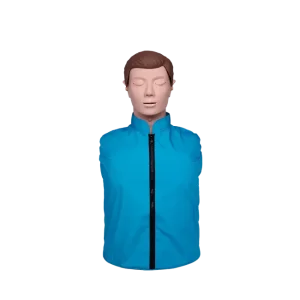
The Guanbang brand specializes in emergency medical training models, covering a wide range of products such as AED trainers, CPR manikins, and Heimlich maneuver training models. Our product lineup includes infant, adult, and pediatric series, each offering multiple model variations-from basic models to high-end comprehensive versions-with approximately 30 different specifications to meet the diverse needs of our customers. We also offer customization services to accommodate specific requirements.
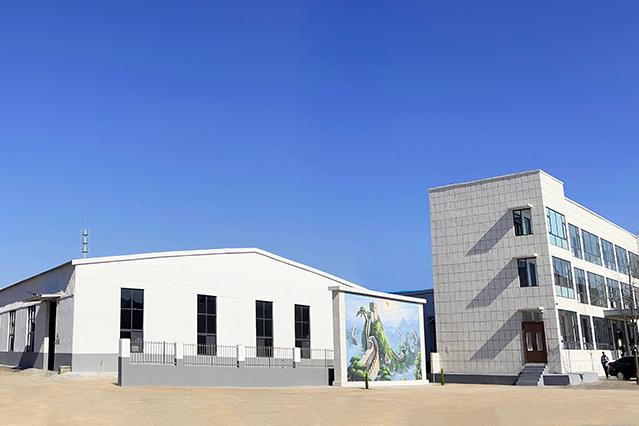
Our commitment to manufacturing safety is verified by internationally recognized quality management systems and industrial design certifications.
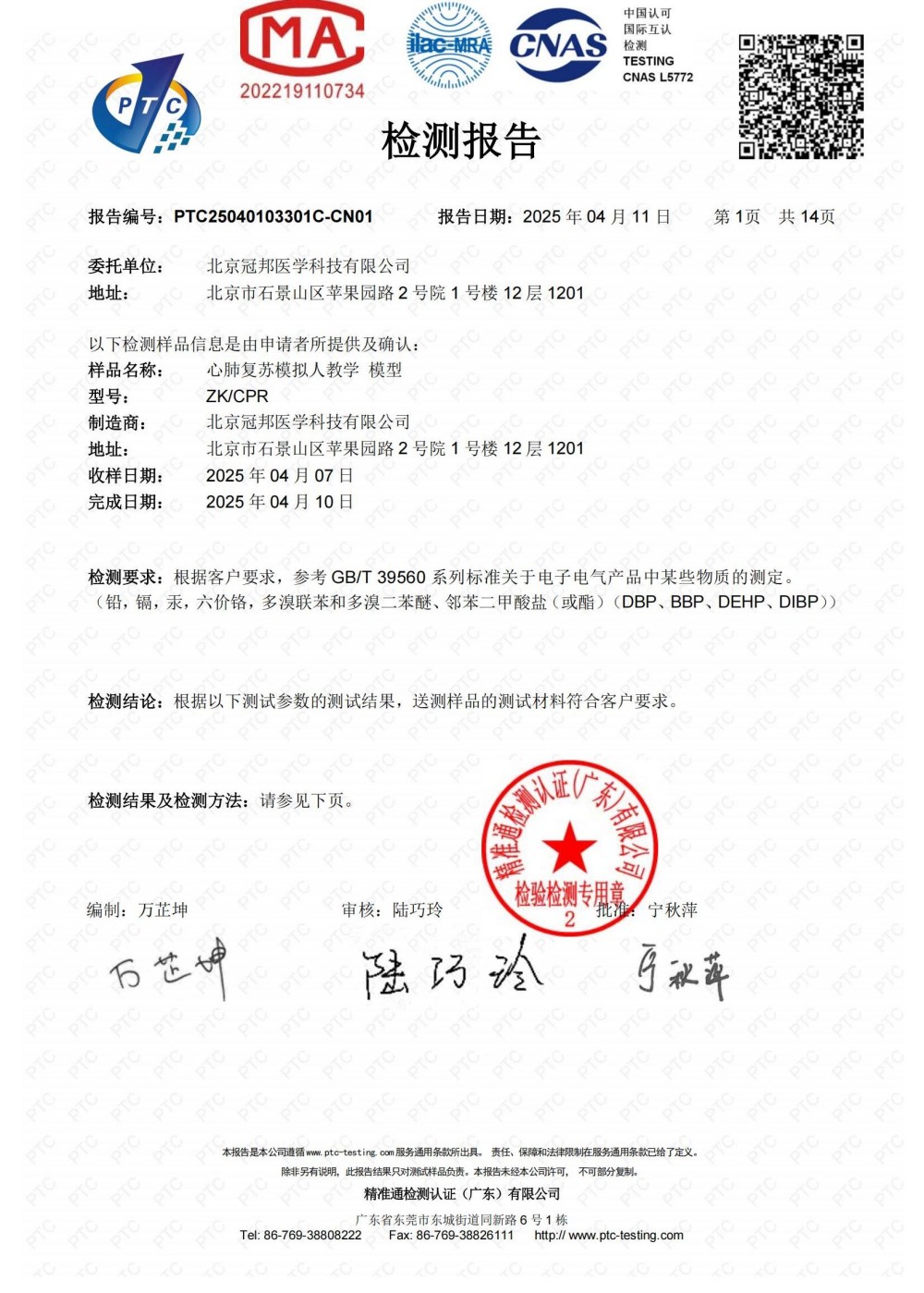
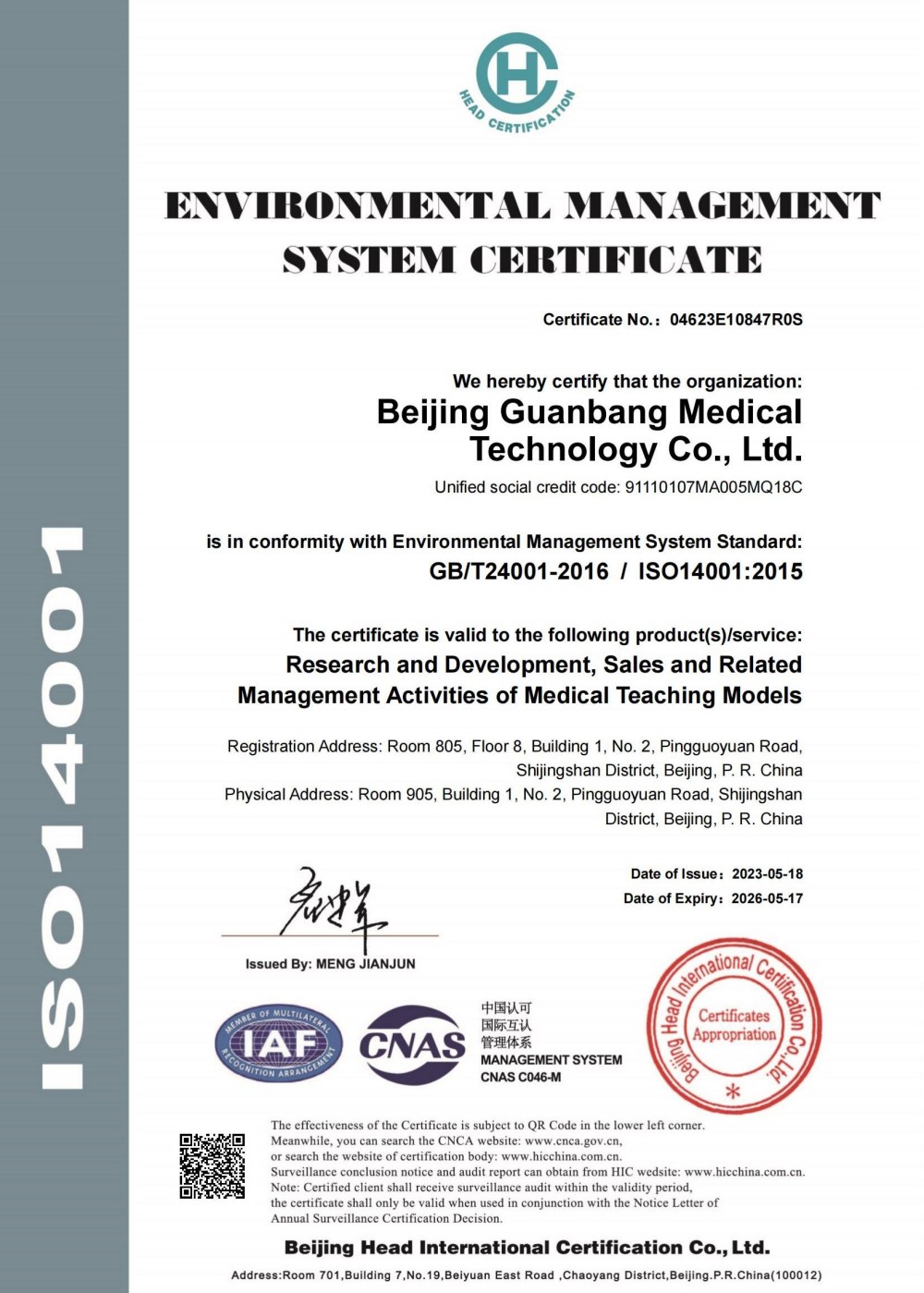
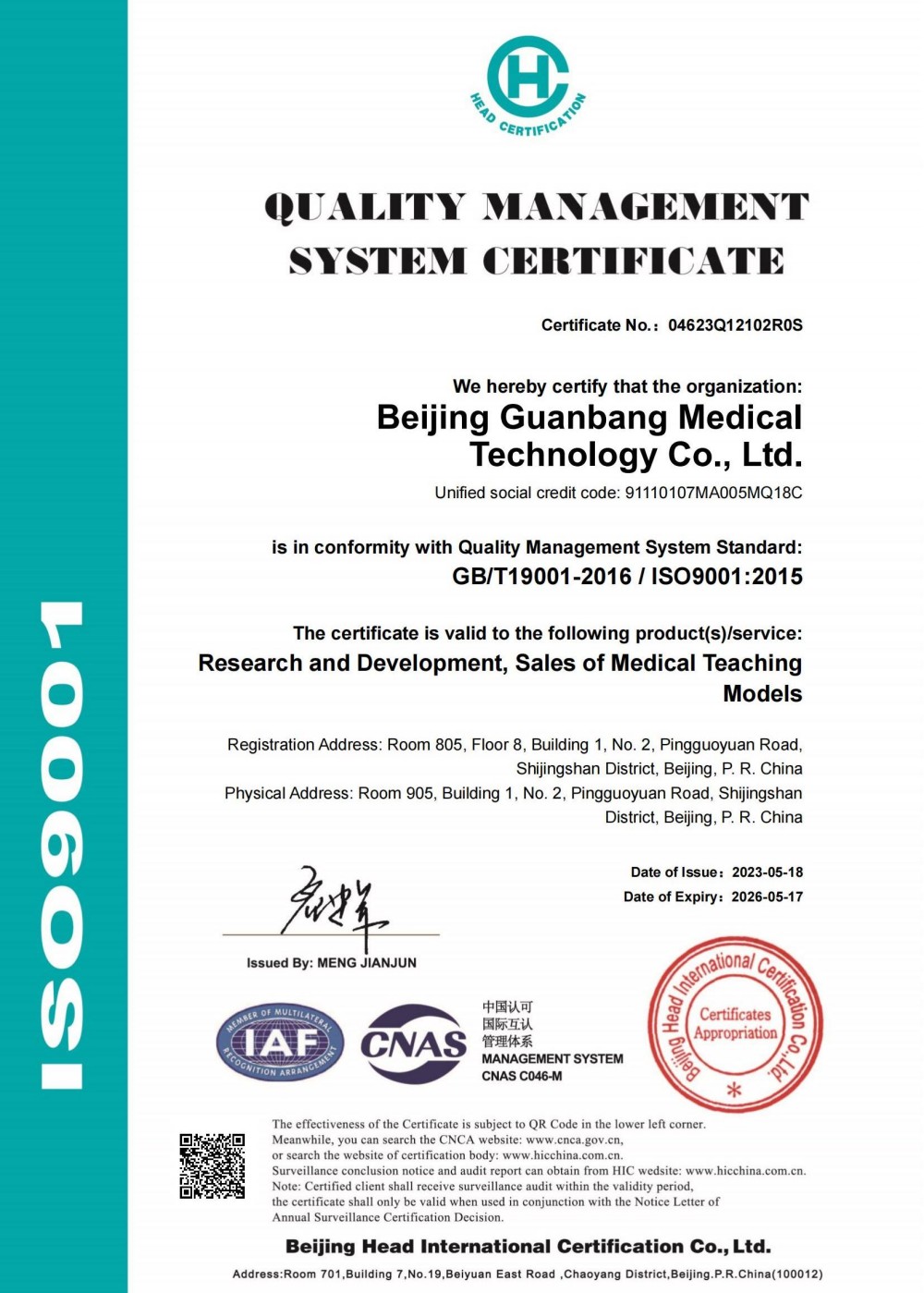
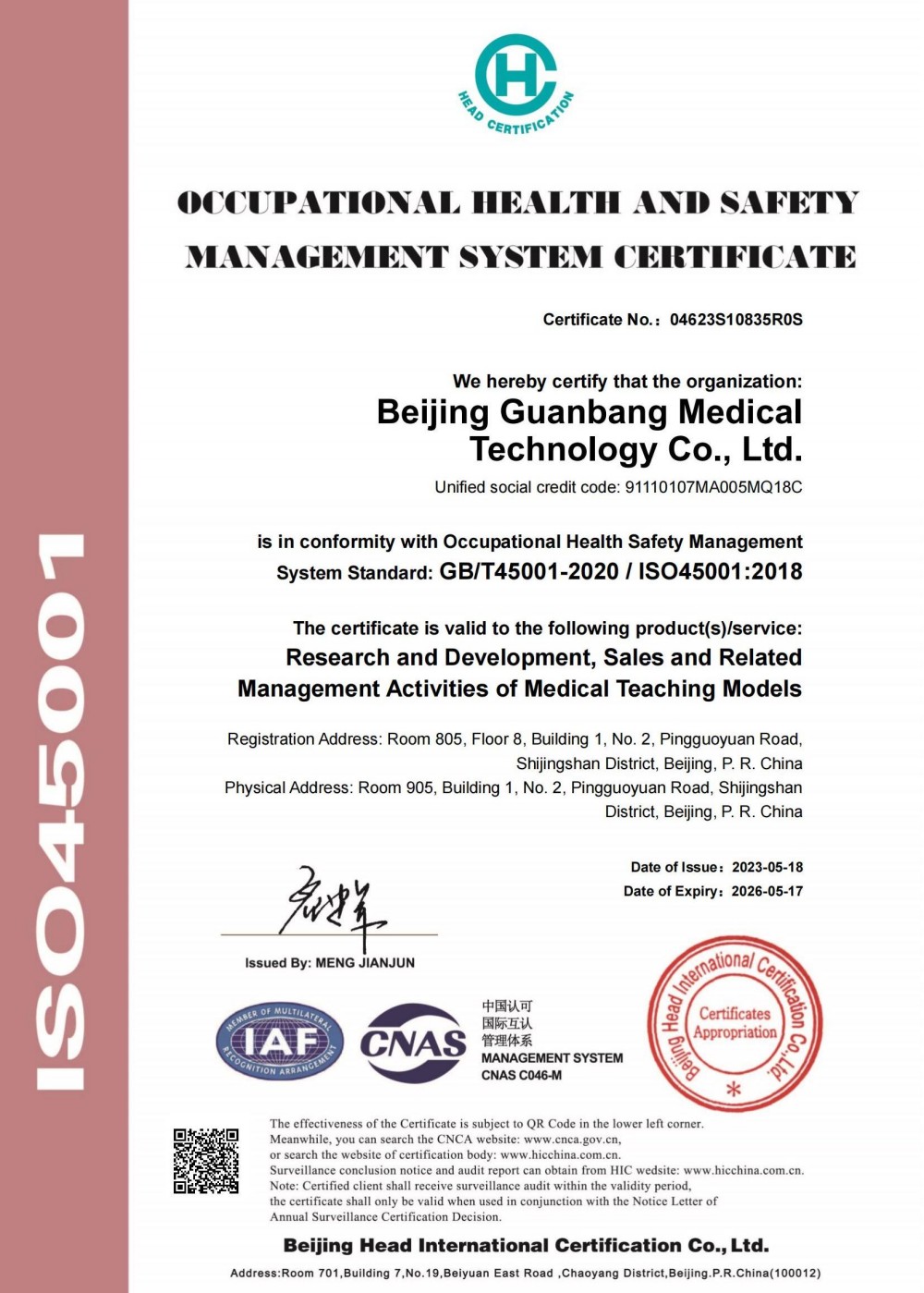
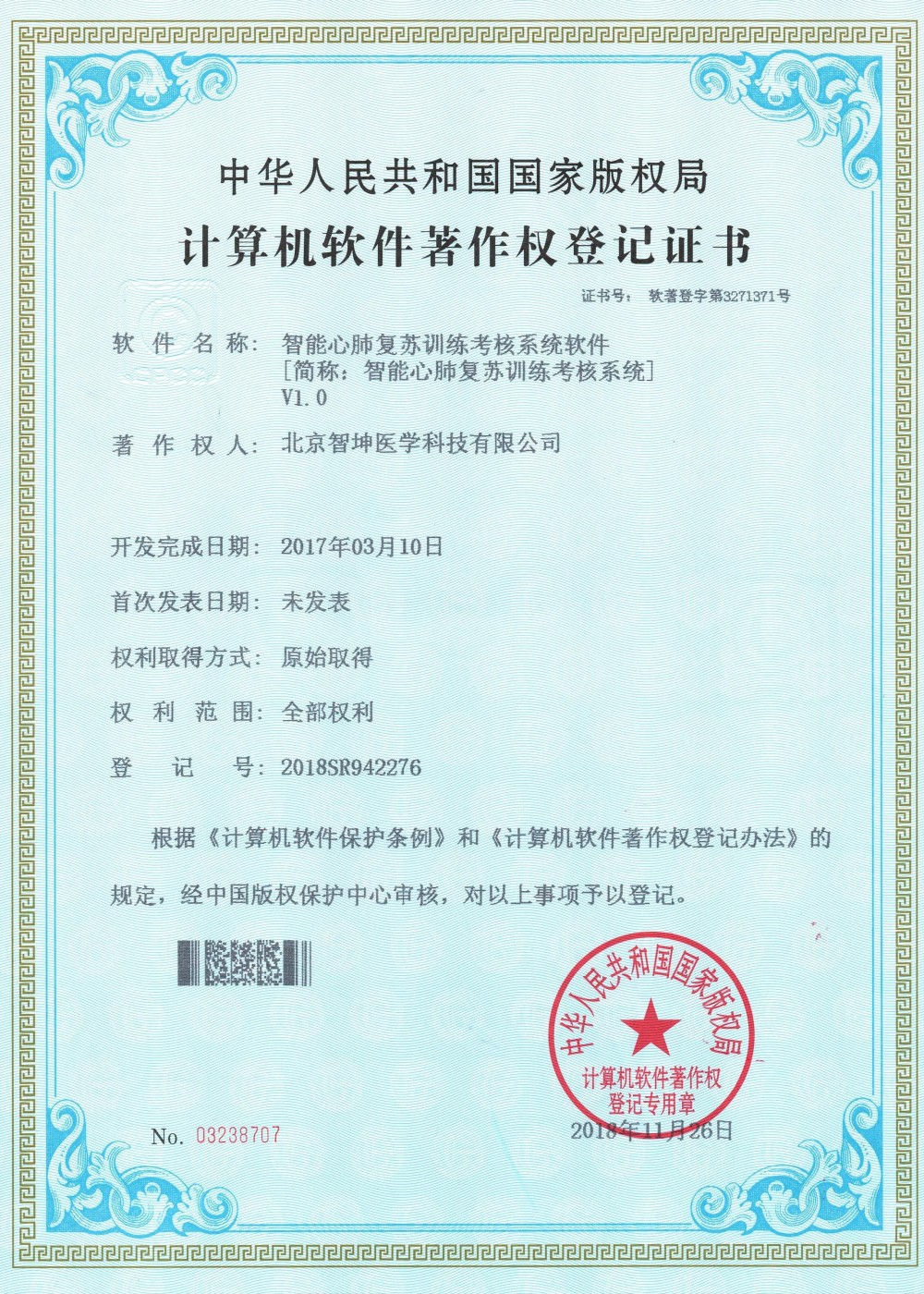
Guanbang provides three specialized segments of resuscitation and rescue training equipment, designed to meet rigorous medical training standards.
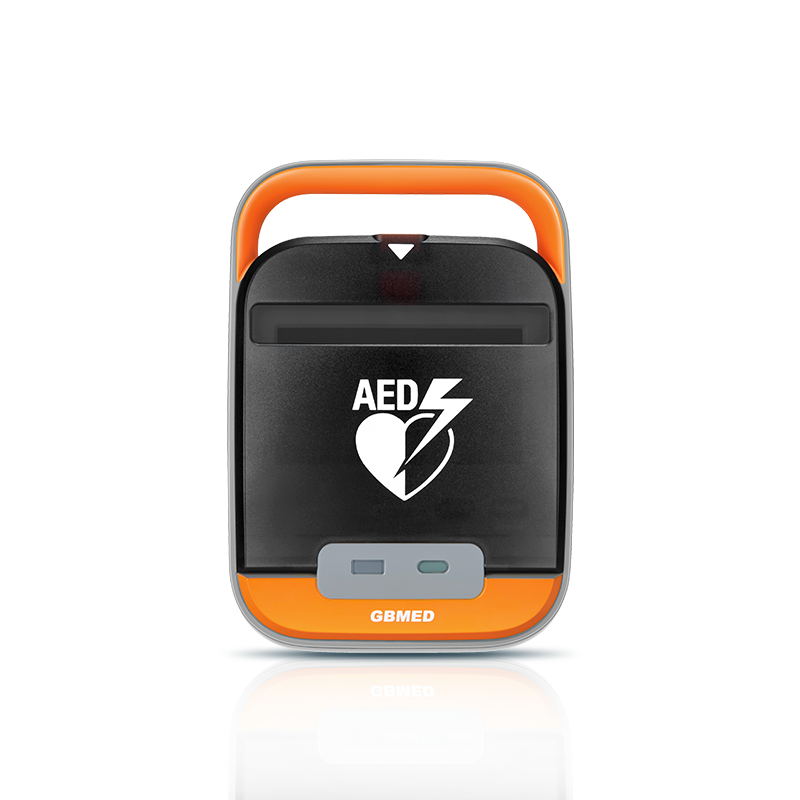
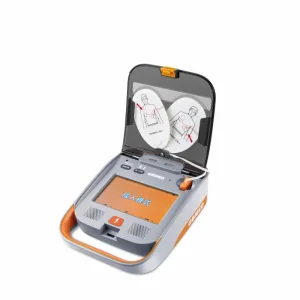
Realistic electronic simulation with programmable rescue scenarios for cardiac defibrillation training.
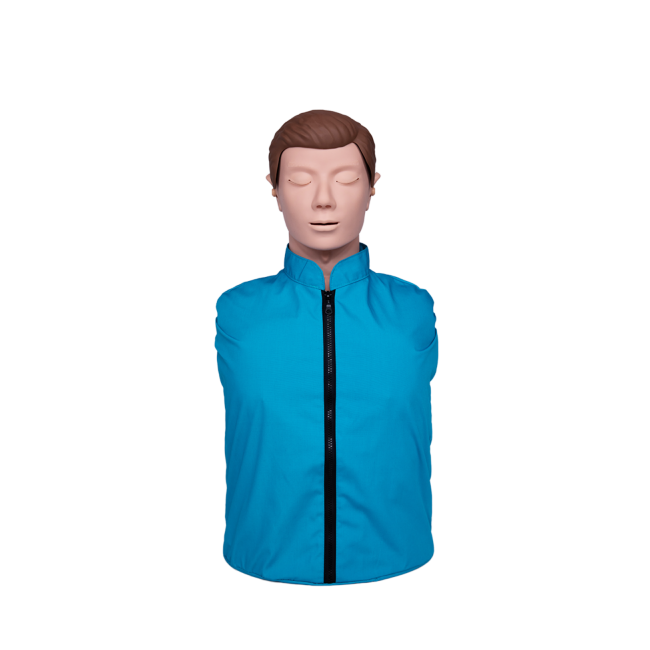
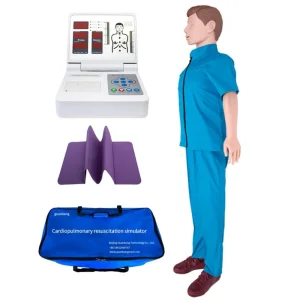
Full-body and half-body CPR manikins featuring intelligent software, tactile resistance, and voice prompts.
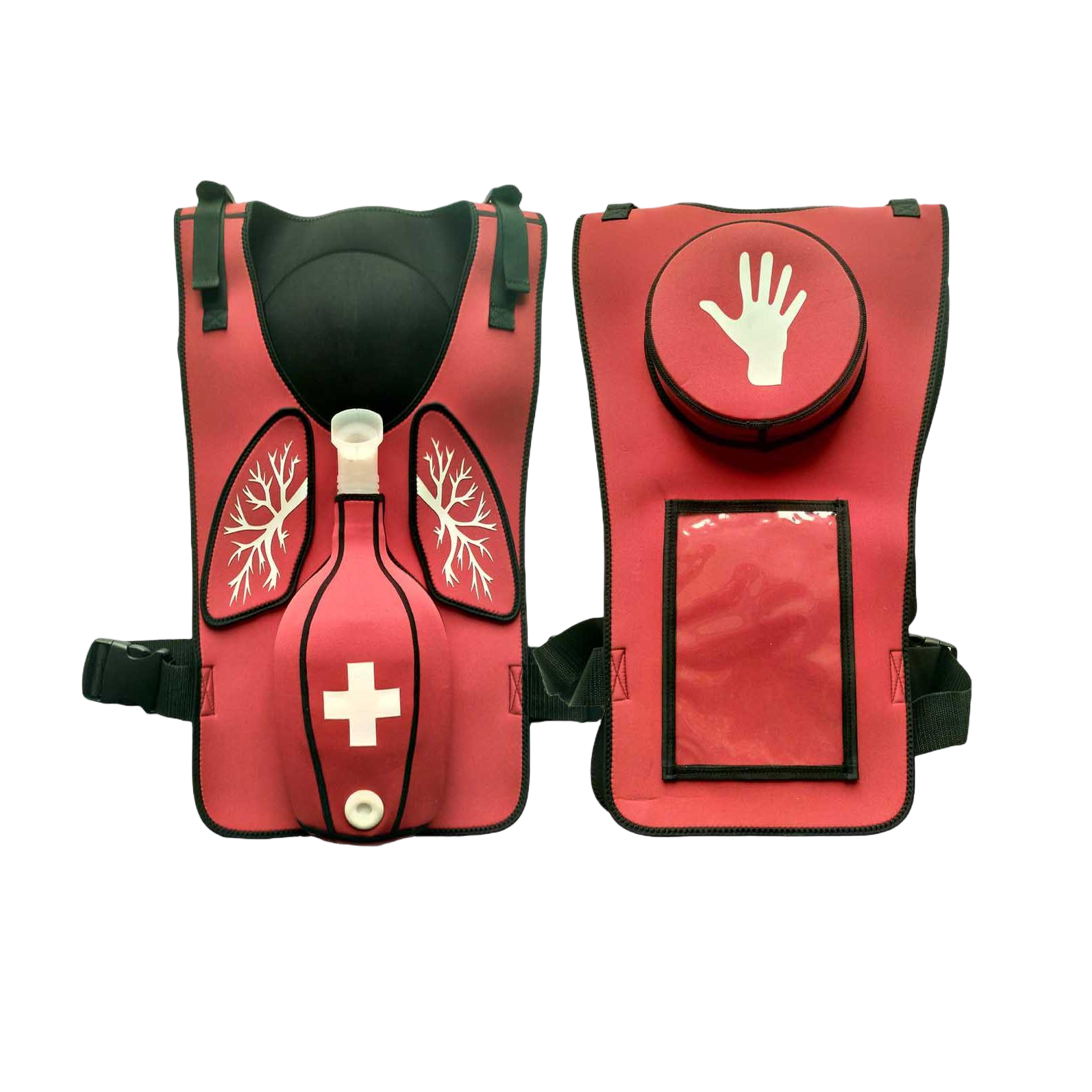
Physiologically accurate models designed to practice the Heimlich Maneuver and choking self-rescue techniques.
Follow our global presence, community training initiatives, and recent first-aid awareness breakthroughs.
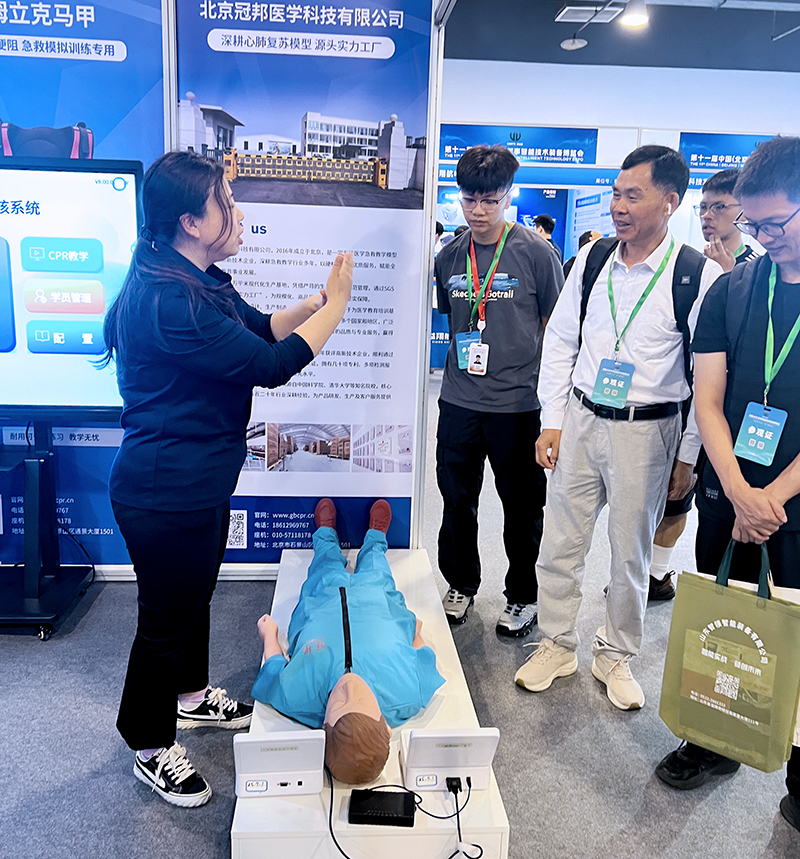
Guanbang, a national high-tech enterprise, successfully showcased medical skills training models and recognized emergency solutions to defense and security experts.
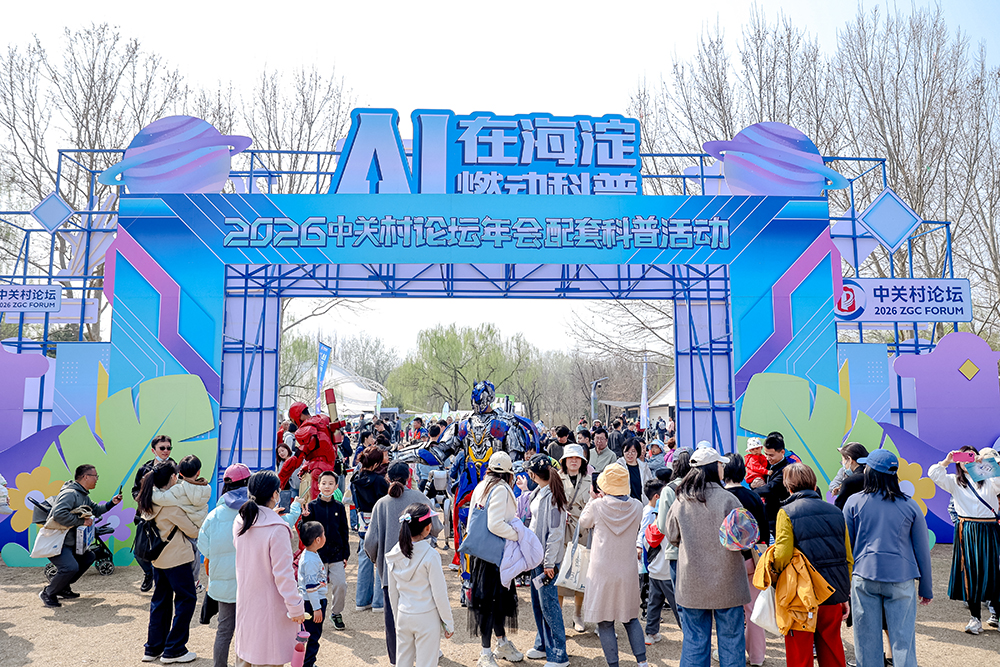
Guanbang presented its software-based CPR simulation mannequins (featuring multi-functional control software) at the Zhongguancun Forum support event, driving AI-supported medical education.
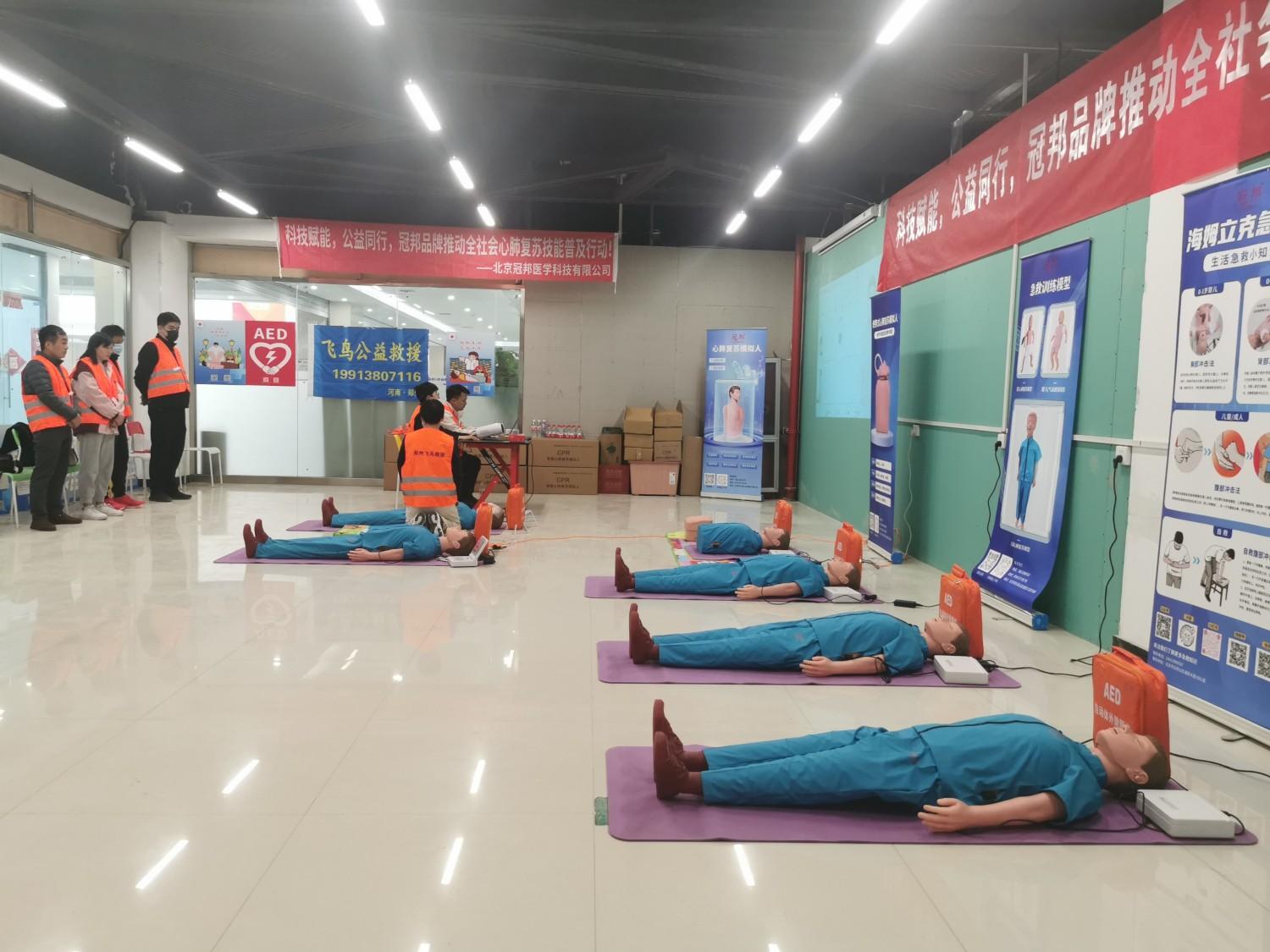
This collaborative center is open to the public for free, helping local citizens practice resuscitation and choking relief techniques using real simulators.
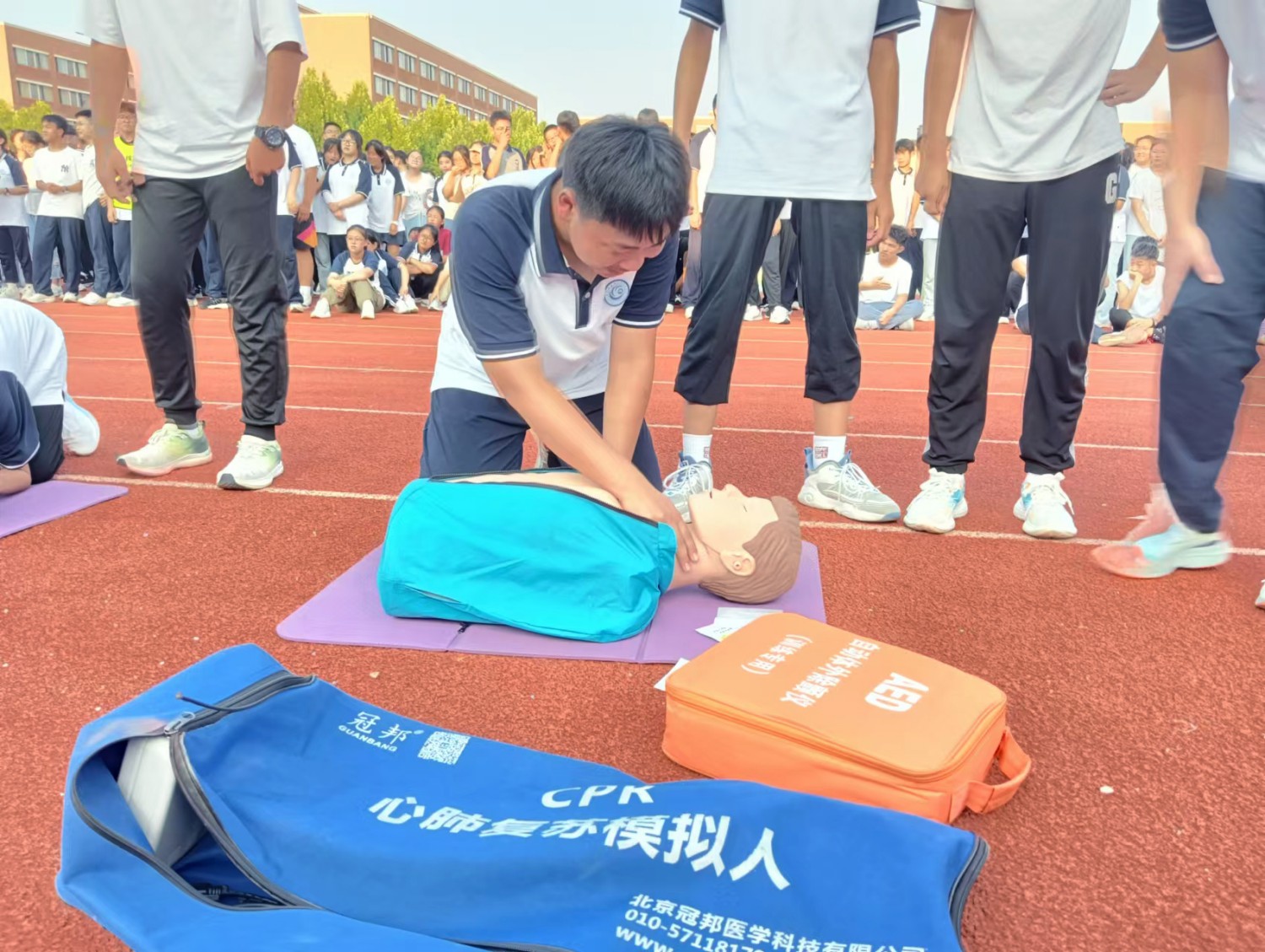
A batch of advanced CPR and choking models was introduced to local schools to run mock first-aid courses and build student emergency-response capabilities.
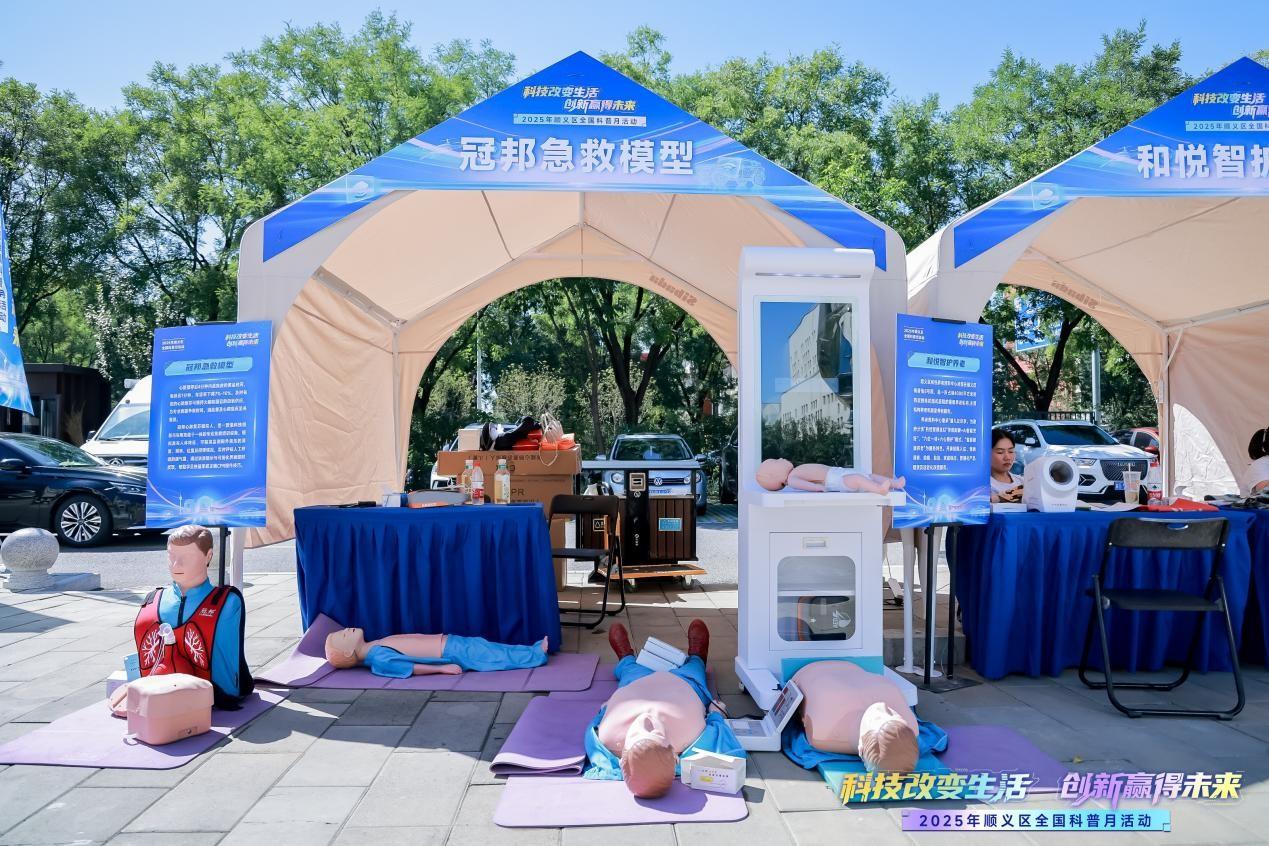
Guanbang's interactive simulators generated significant community engagement, helping citizens of all ages practice critical life-saving techniques.
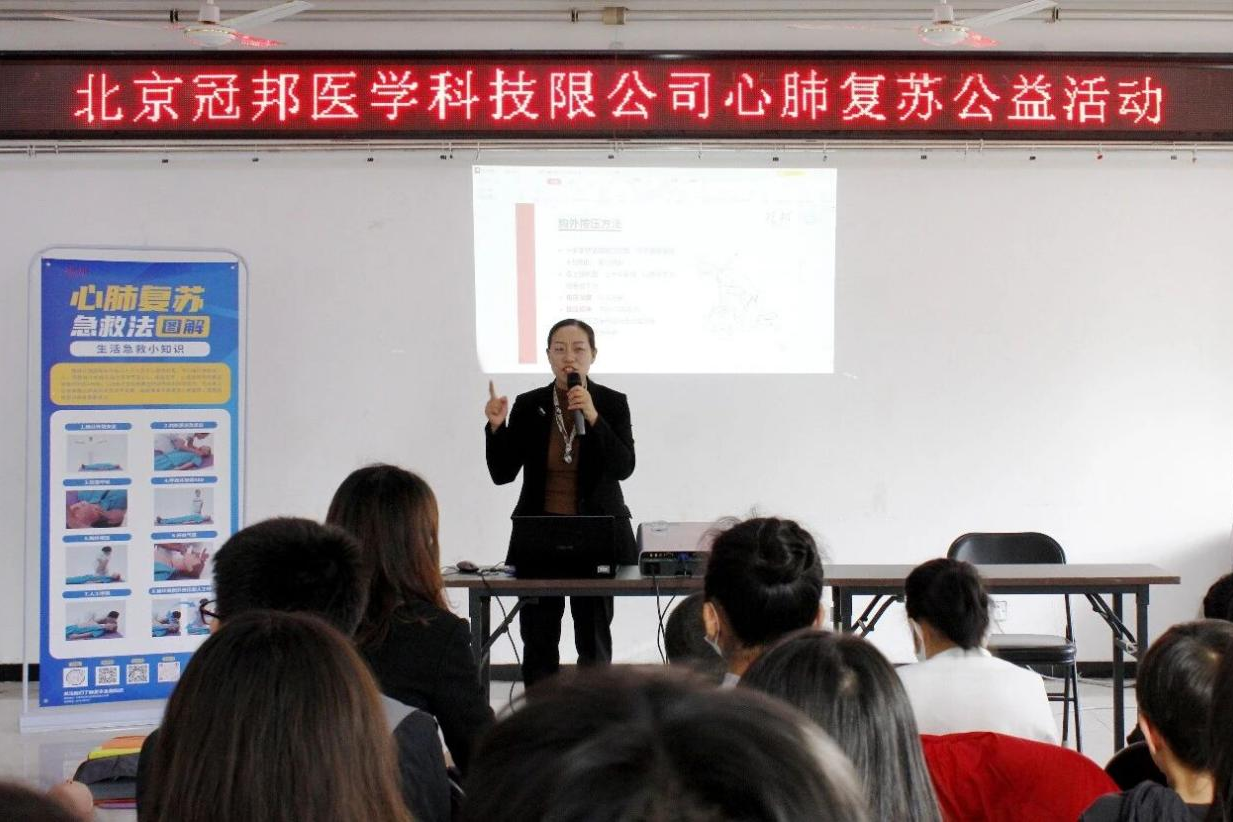
Organized in collaboration with the Shijingshan District community, this hands-on workshop focused on teaching children basic choking relief and emergency response skills.
Get professional answers to common questions about performing choking rescue techniques independently, and explore the benefits of simulation-based training.
Explore our advanced range of pediatric choking models, portable CPR simulators, and software-connected training systems designed for comprehensive first-aid education.
 Guanbang Medical