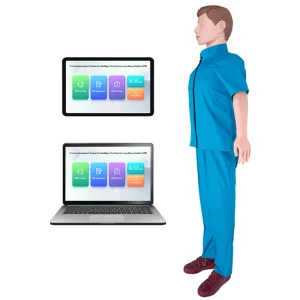
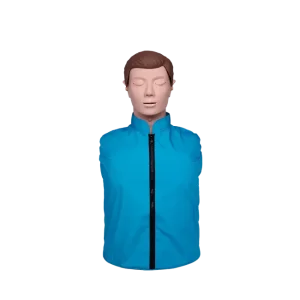
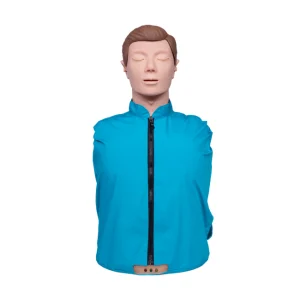
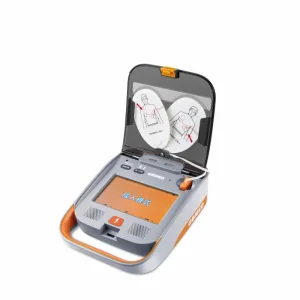
Premium emergency care simulators engineered to strict international guidelines for medical academies and professional training centers.
Beijing Guanbang Medical Technology Co., Ltd. is a national high-tech enterprise established in Beijing in 2016. Our operation brings together scientific research, product design, precise manufacturing, global logistics, and comprehensive technical services. From our 10,000 square meter modernized factory, we supply high-fidelity clinical training simulators and emergency care simulators to top-tier medical academies, hospital departments, defense groups, and municipal emergency response teams worldwide.
We pride ourselves on an expert R&D team comprising engineering specialists, clinicians, and software developers, many holding advanced degrees from prestigious organizations such as the Chinese Academy of Sciences (CAS), Tsinghua University, and the Beijing University of Technology. Through this combined academic and engineering expertise, Guanbang ensures that every simulator produced functions as a high-precision medical-grade evaluation tool.
Browse through our specialized product lines designed to elevate educational delivery and medical skills proficiency.
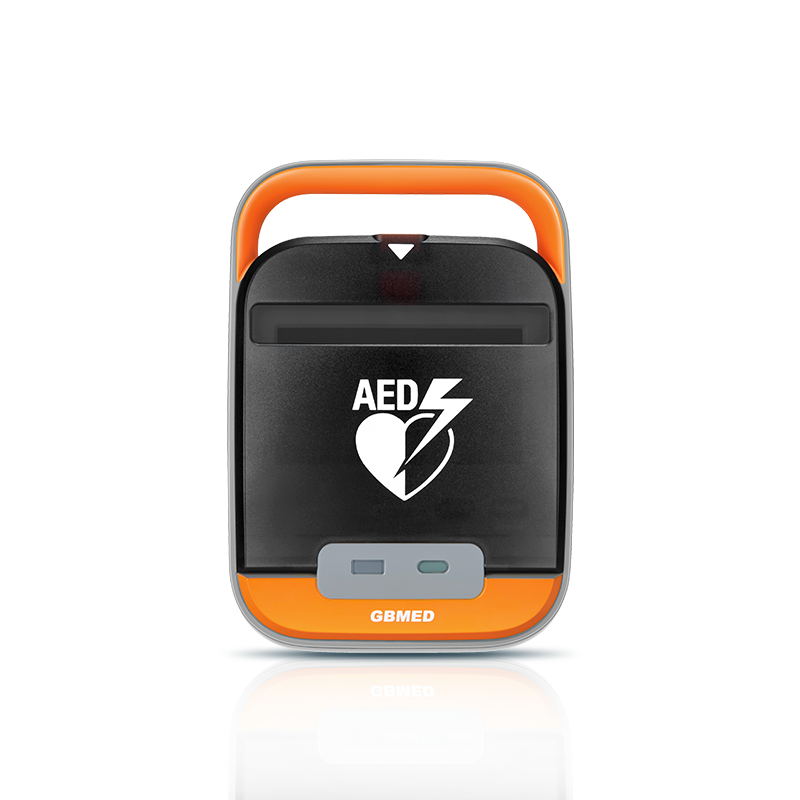
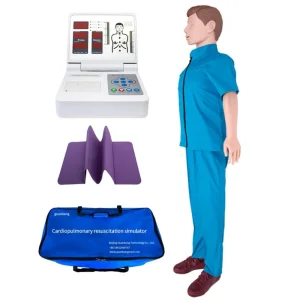
Fully programmable simulator units providing safe teaching scenarios matching current AED brands.
Explore Products →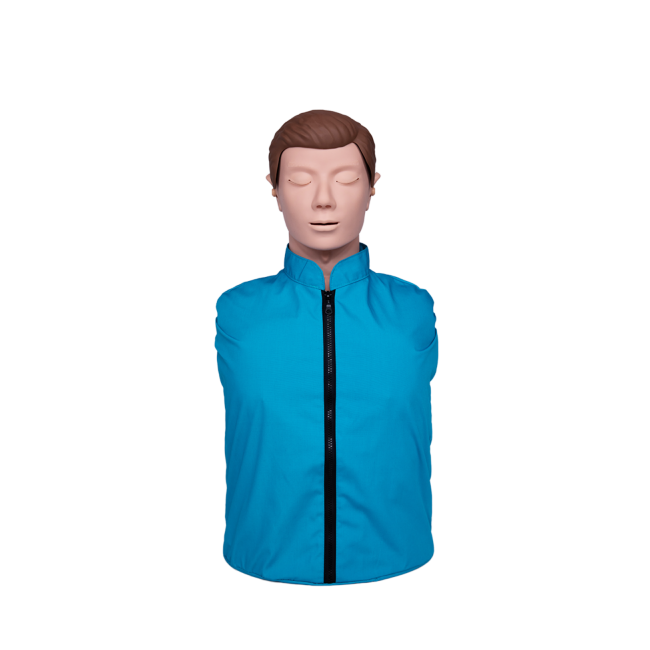
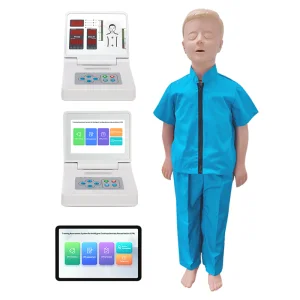
From simple anatomical feedback models to advanced systems featuring software telemetry.
Explore Products →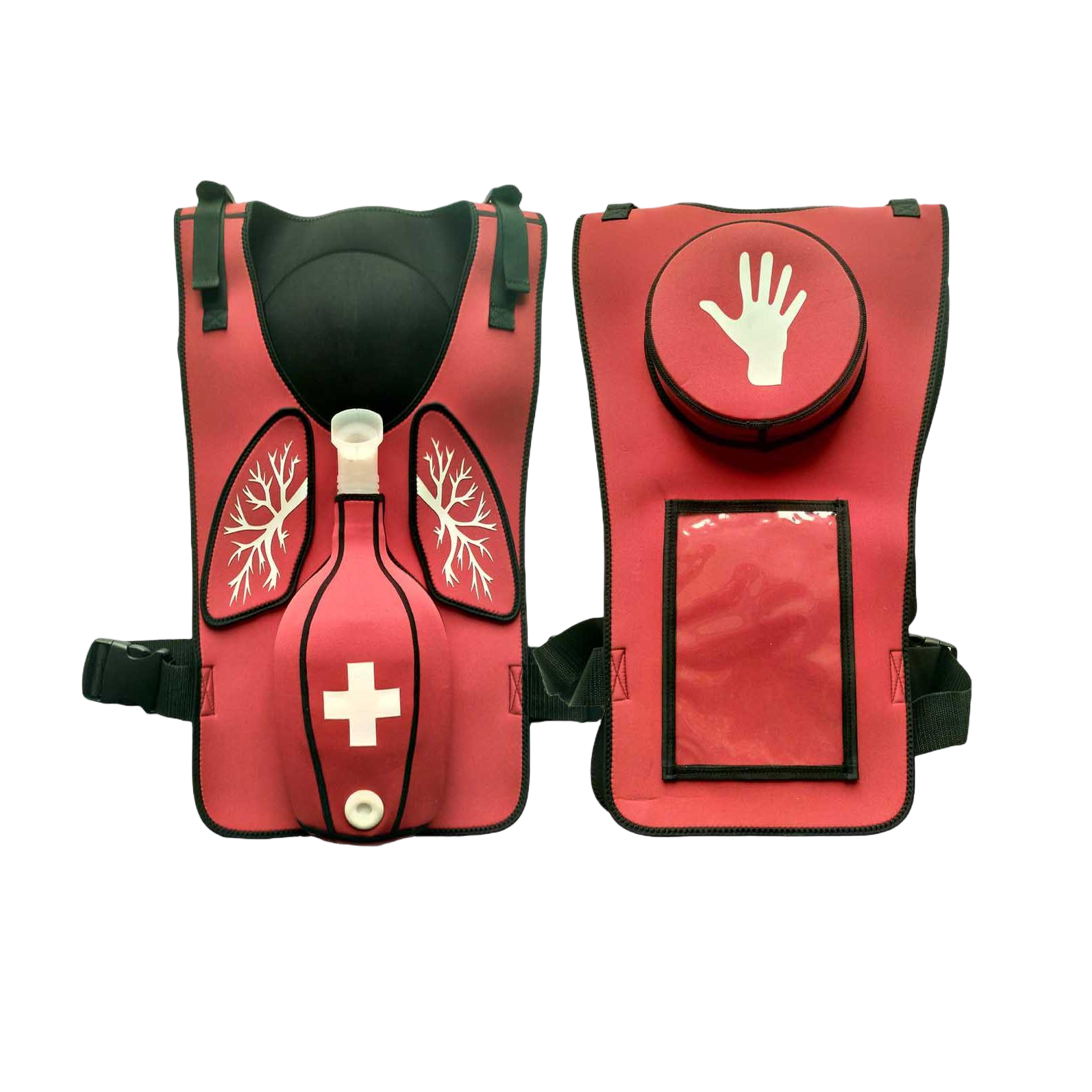
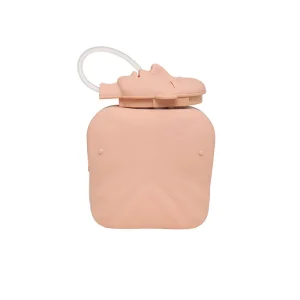
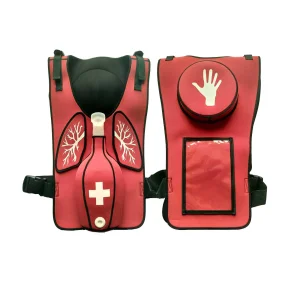
Heimlich simulators designed for airway management and choking rescue practice.
Explore Products →Every year, sudden cardiac arrest (SCA) remains a primary driver of global mortality. Critical survival outcomes rely heavily on the immediate implementation of quality cardiopulmonary resuscitation (CPR) and rapid defibrillation. In clinical emergency environments, even slight variances in compression depth, chest recoil, or ventilation volume directly impact patient perfusion and recovery rates. Addressing this global health concern requires modern resuscitation training systems that shift away from subjective, visual assessments toward precise, data-driven simulators.
As a leading developer, Beijing Guanbang Medical Technology Co., Ltd. supplies integrated macro solutions for various institutional frameworks. Our training ecosystems support multi-layered educational configurations, helping local rescue initiatives build reliable, standard-compliant training models for public health, emergency personnel, and specialty teams.
The clinical training simulator industry is undergoing a digital transformation. Worldwide medical regulators and safety organizations, including the American Heart Association (AHA) and European Resuscitation Council (ERC), increasingly emphasize quantitative CPR (Q-CPR). The modern market demands training systems that can record and analyze performance data, replacing older, analog simulators that lack assessment capabilities.
From an industrial perspective, supplying these advanced systems requires robust manufacturing capacities and secure components supply chains. Beijing Guanbang Medical Technology Co., Ltd. manages a dedicated 10,000 square meter facility utilizing advanced mold design, plastic extrusion, and custom polymer manufacturing. By maintaining control over both structural hardware production and digital software development, we ensure reliable supply chains, consistent QC checks, and direct-from-factory cost efficiencies for institutional buyers worldwide.
| Feature Class | Standard Analog Models | Guanbang Digital Feedback Manikins | Clinical Impact & Advantages |
|---|---|---|---|
| Compression Depth Assessment | Mechanical click sound indicators | High-precision electronic sensor indicators | Prevents mechanical wear errors; provides real-time depth metrics. |
| Ventilation Volumetric Control | Visual chest rise checks | Photoelectric detection sensors | Measures target volume (500ml - 600ml) to prevent gastric insufflation. |
| Recoil Decompression Tracking | None or limited mechanical checks | Decompression sensor tracking | Ensures full chest recoil, optimizing coronary artery perfusion pressure. |
| Data Output & Analytics | Manual instructor evaluation | Real-time companion software logs & prints reports | Enables precise, objective student tracking and compliance testing. |
Different emergency response sectors require tailored training tools. Our simulators are optimized to support diverse training scenarios, ensuring realistic and effective practice across various settings:
Our research and development pipeline focuses on three key future initiatives:
1. Mixed Reality (MR) & Immersive Training: We are developing next-generation hardware configurations featuring VR/AR headset integration. This will allow students to practice physical compressions on our manikins while experiencing realistic, immersive virtual emergency scenarios, such as busy public spaces or intense clinic rooms.
2. AI-Driven Adaptive Evaluation: Future versions of our software will utilize machine learning algorithms to assess rescue patterns, providing personalized feedback to help students correct pacing and volume errors.
3. Cloud-Based Training Portals: We are building cloud-hosted dashboards to store training metrics. This will allow organizations to track certification statuses across multiple locations, streamlining safety compliance management.
Combining expert clinical designs with advanced manufacturing processes to deliver high-quality simulators.
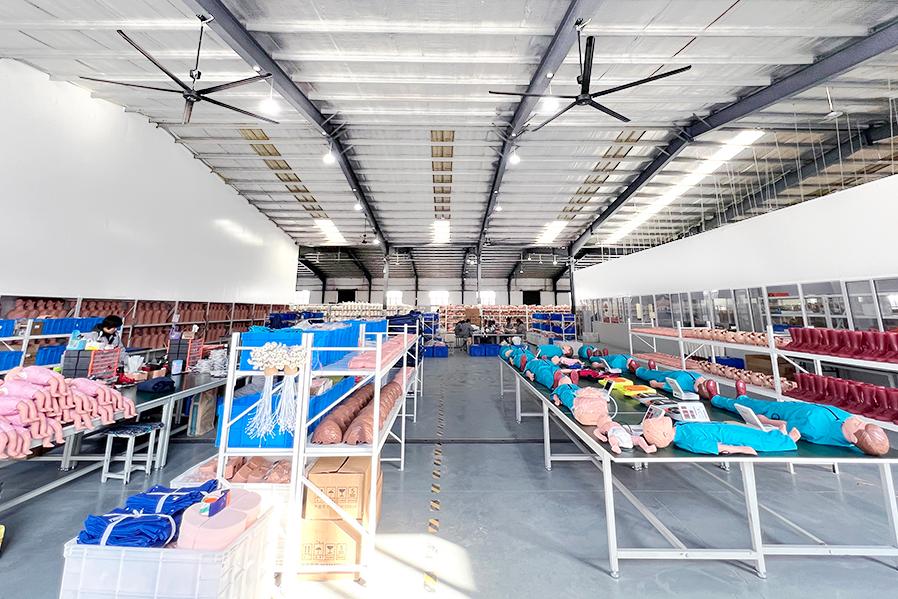
Our product designs are developed in collaboration with top engineering universities and clinical experts in Beijing. With a team of over 20 technical specialists, we continuously refine our simulator designs to match updated resuscitation guidelines and improve structural fidelity. This academic and clinical collaboration ensures our models replicate human anatomy and clinical responses with high accuracy.
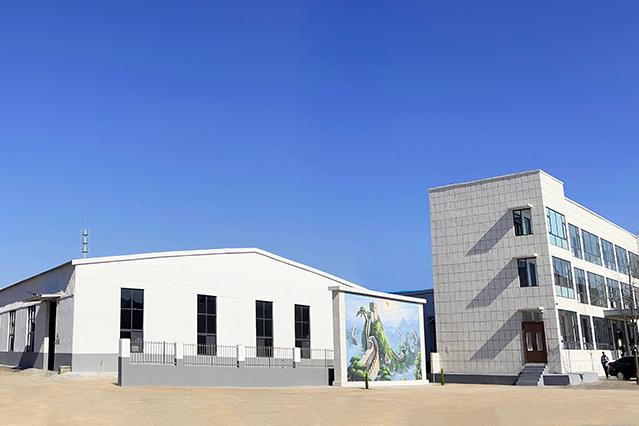
We utilize high-durability thermoplastic elastomers (TPE) and advanced injection molding techniques. This creates a realistic skin texture that can withstand up to 1 million compression cycles without tearing or losing elasticity. The chest mechanics are engineered to mimic realistic human chest resistance, ensuring trainees develop correct muscle memory for clinical resuscitations.
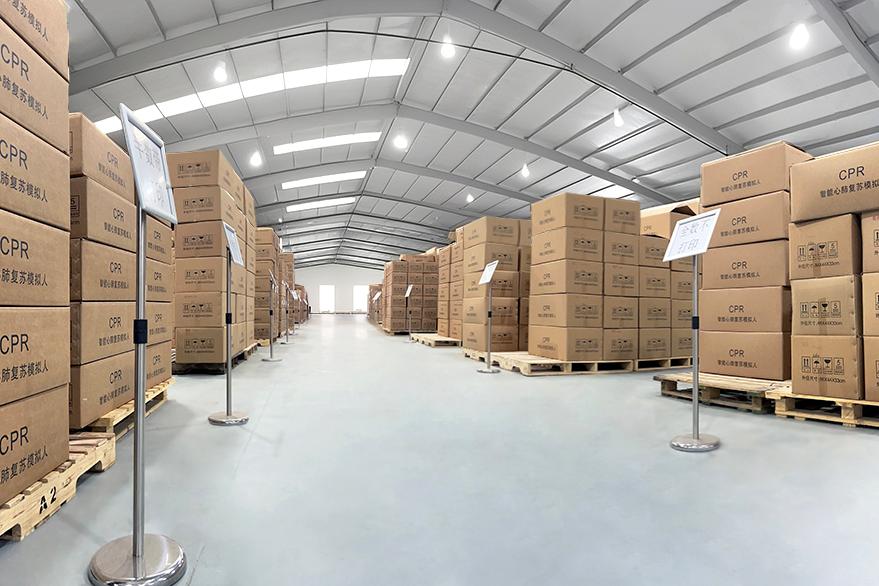
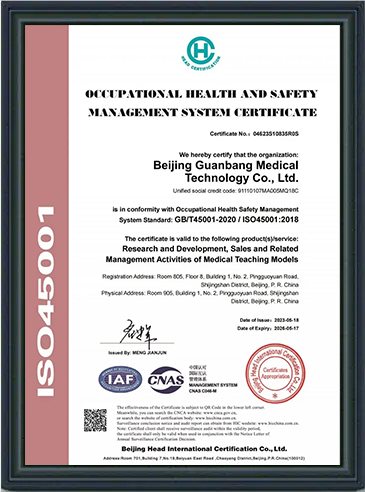
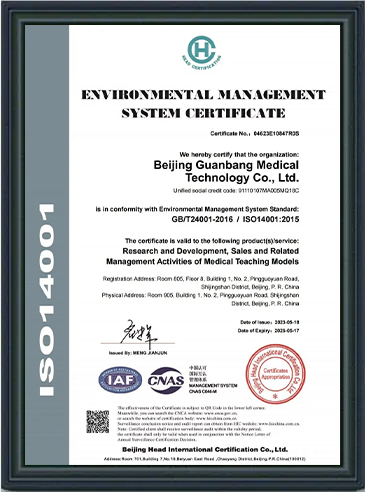
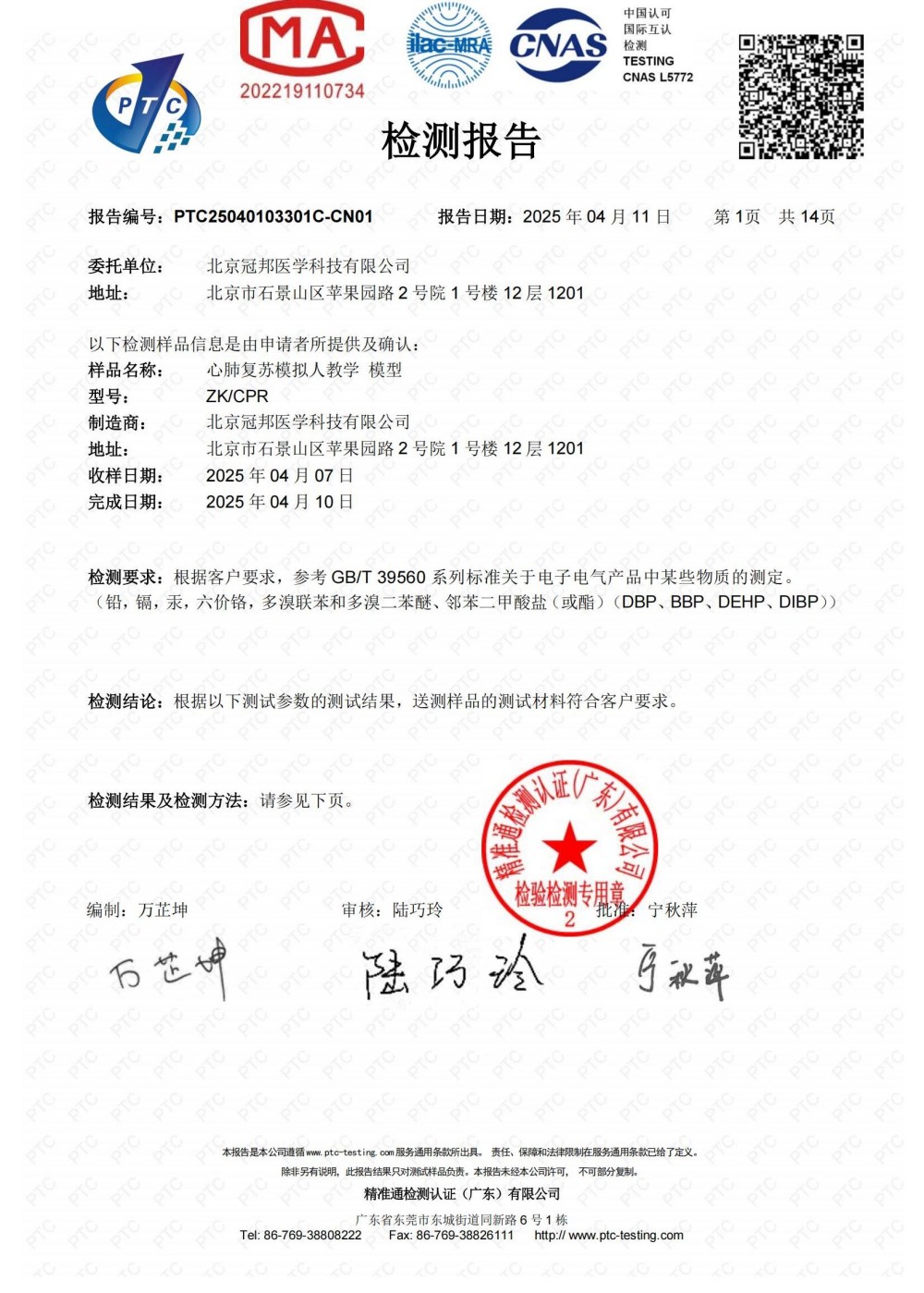
Our manufacturing processes follow international standards, supported by ISO 9001 (Quality Management System), ISO 14001 (Environmental Management), and OHSAS 18001 (Occupational Health and Safety) certifications. Every training system undergoes computerized calibration testing before shipment to guarantee measurement consistency across all units.
Our systems comply with international quality, safety, and environmental standards.
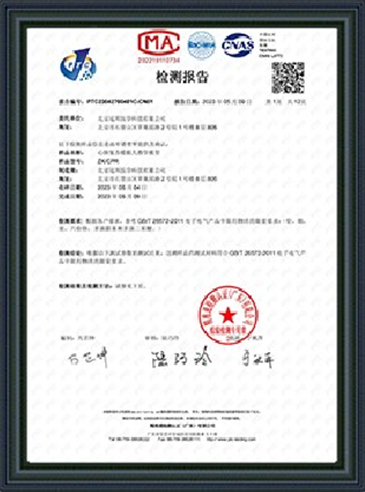
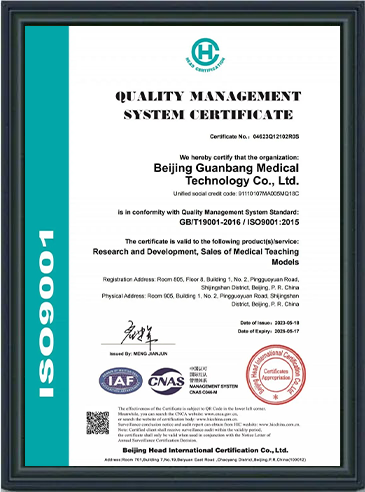
Key technical and sourcing questions answered by our engineering and sales teams.
Explore our full line of resuscitation simulators, pediatric models, and choking emergency training gear.
 Guanbang Medical