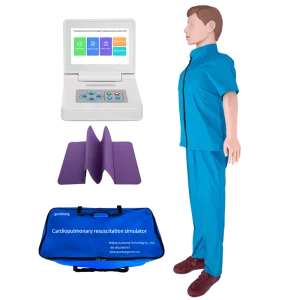
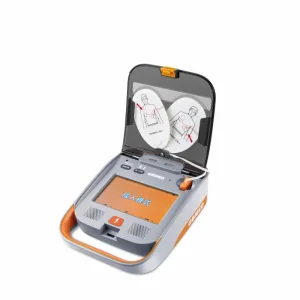
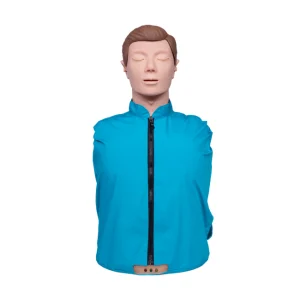
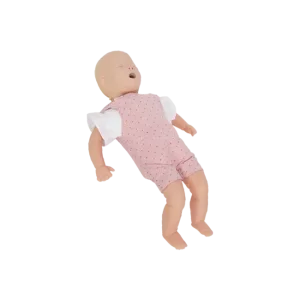
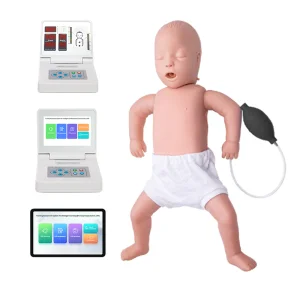
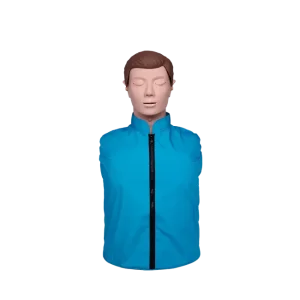
AHA-compliant training models engineered to enhance clinical confidence and rescue competency.
Emergency medical training has transitioned from simple, analog demonstrations to highly interactive, data-driven simulations. Today, training centers, military divisions, and medical universities demand physiological accuracy and real-time electronic analytics to monitor resuscitation efficacy. As a major focal point in the global supply chain, China's advanced manufacturing infrastructure has enabled the design and production of high-fidelity simulators that meet strict global standards at a highly competitive scale.
By integrating optical sensors, localized digital control boards, and soft polymer skin textures, manufacturers have resolved historical challenges related to chest recoil resistance, anatomical landmark identification, and interactive vocal prompts. Modern simulators enable instructors to quantitatively track compression depth, ventilation volume, and hand placement accuracy. This data-driven feedback directly correlates to higher survival rates in real-world clinical interventions.
Information Gain: Research indicates that real-time visual feedback displays on CPR simulators improve chest compression compliance with international standards by up to 45% compared to training with basic analog models.
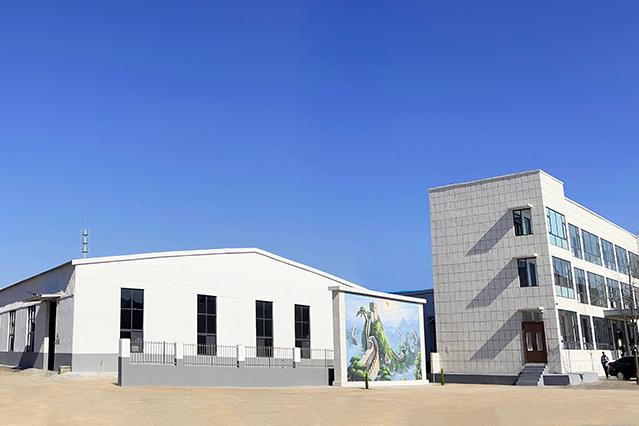
Founded in Beijing in 2016, Beijing Guanbang Medical Technology Co., Ltd. is an innovative enterprise specializing in the research, development, design, and manufacturing of advanced simulation models for emergency medical education. With a state-of-the-art 10,000 square meter production facility, the company has built a reliable, end-to-end development system that bridges engineering research with global distributions.
Our core competitive advantage is our multidisciplinary team of over 20 technical specialists, led by scientists holding master’s and doctoral degrees from renowned institutions, including the Chinese Academy of Sciences (CAS), Tsinghua University, and Beijing University of Technology (BJUT). Along with more than 60 skilled production technicians, our team brings nearly 20 years of collective industry experience to deliver comprehensive emergency medical training solutions globally.
Our R&D team at Beijing Headquarters
Explore the physical and digital architecture behind our professional-grade training systems.
Utilizing high-grade thermoplastic elastomers (TPE) and imported silicone polymers. Our material processes replicate human skin texture, flexibility, and landmark palpation, ensuring structural durability for over 100,000 chest compressions.
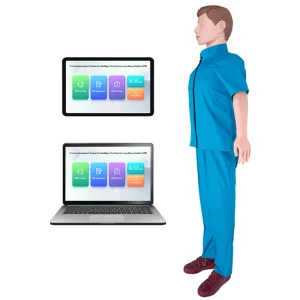
Integrated optical displacement transducers and force sensors capture depth (standard 5cm-6cm threshold) and rate (100-120bpm) metrics. Immediate feedback is projected via color touchscreens or computer software interfaces.
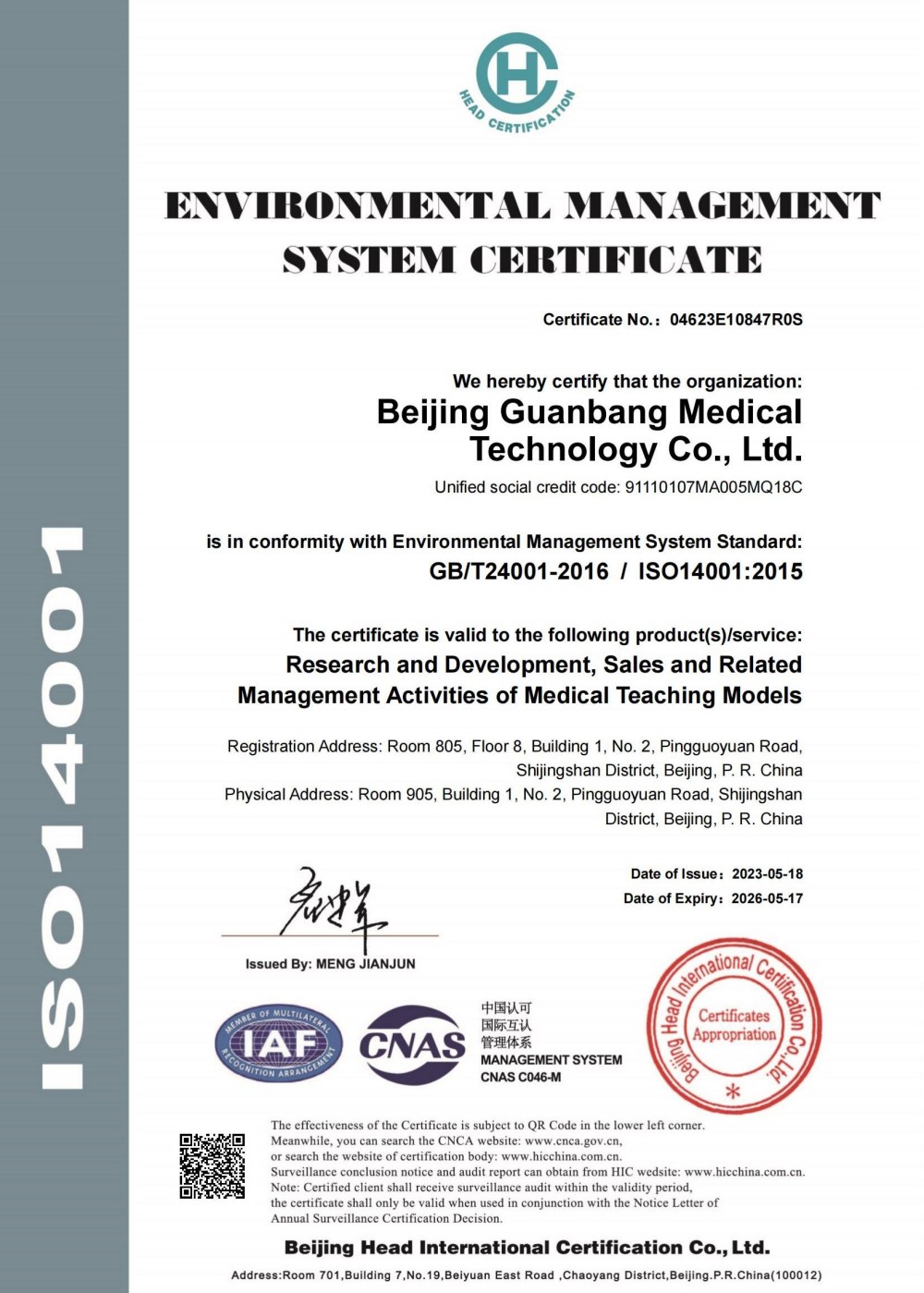
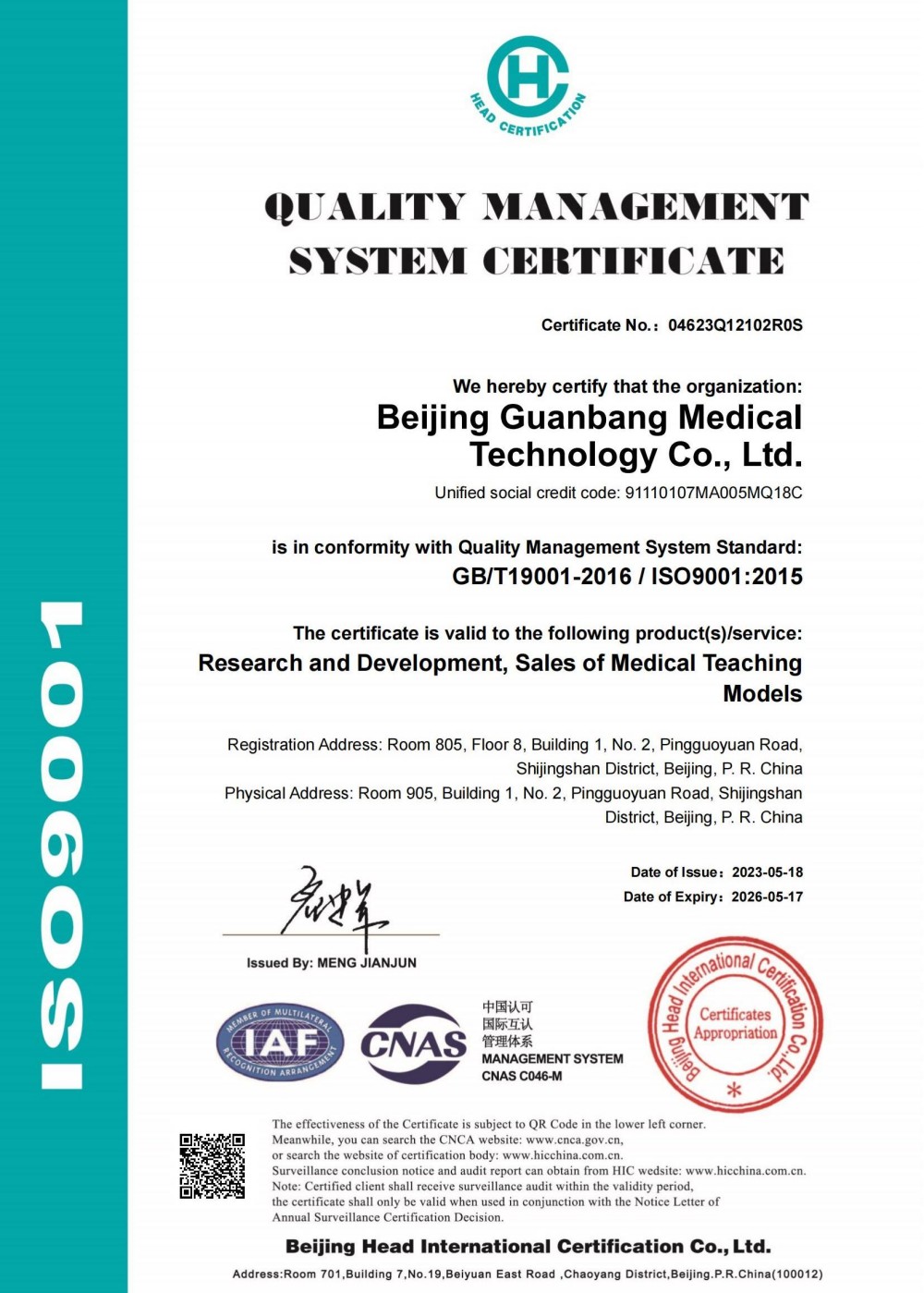
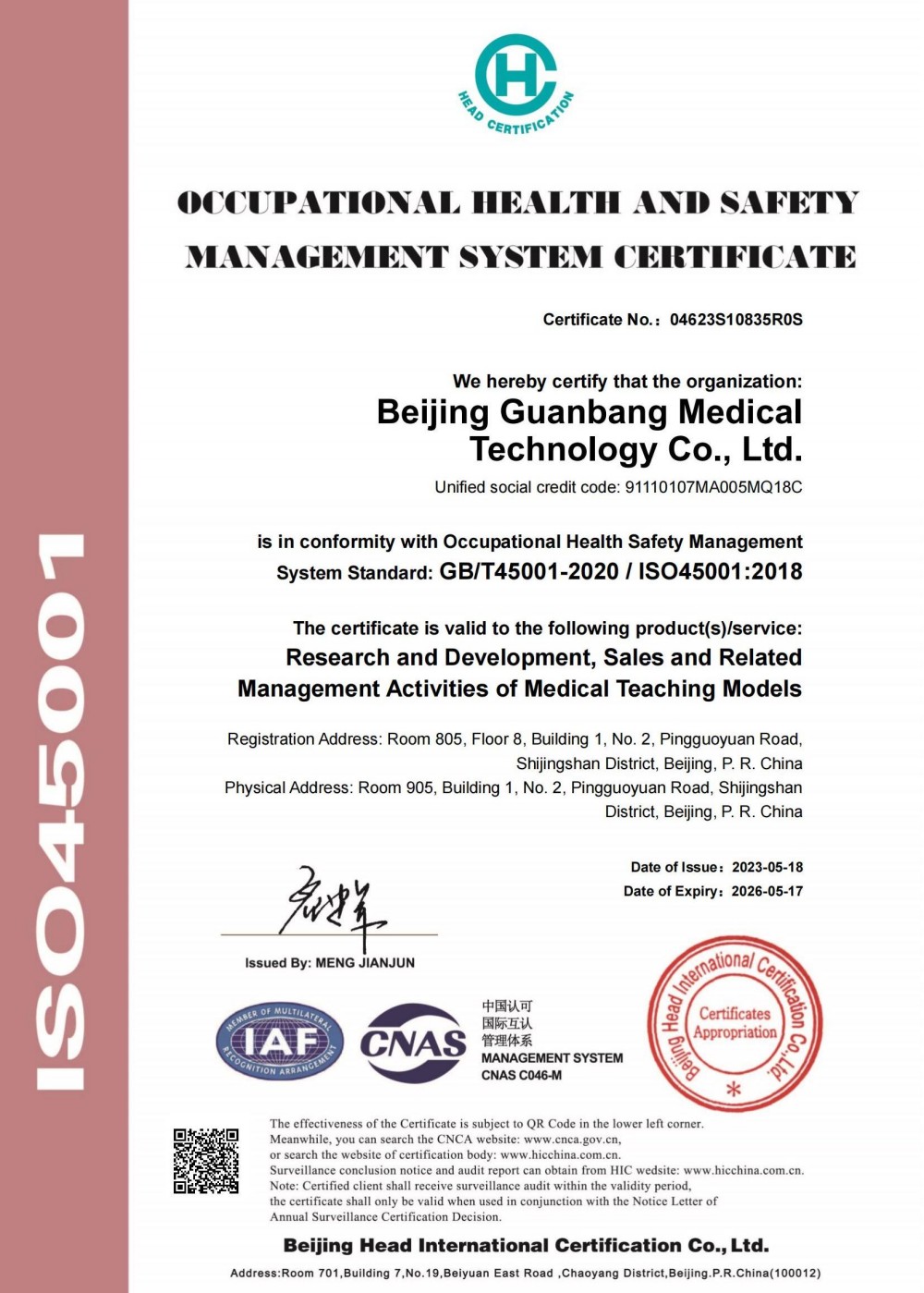
All designs strictly conform to the latest American Heart Association (AHA) and European Resuscitation Council (ERC) guidelines. Our products match regional certifications including CE, ISO 9001, ISO 14001, and OHSAS 18001.
High precision calibration instruments deployed inside Guanbang's 10,000 sqm facility.
Three core portfolios designed for comprehensive institutional emergency readiness.
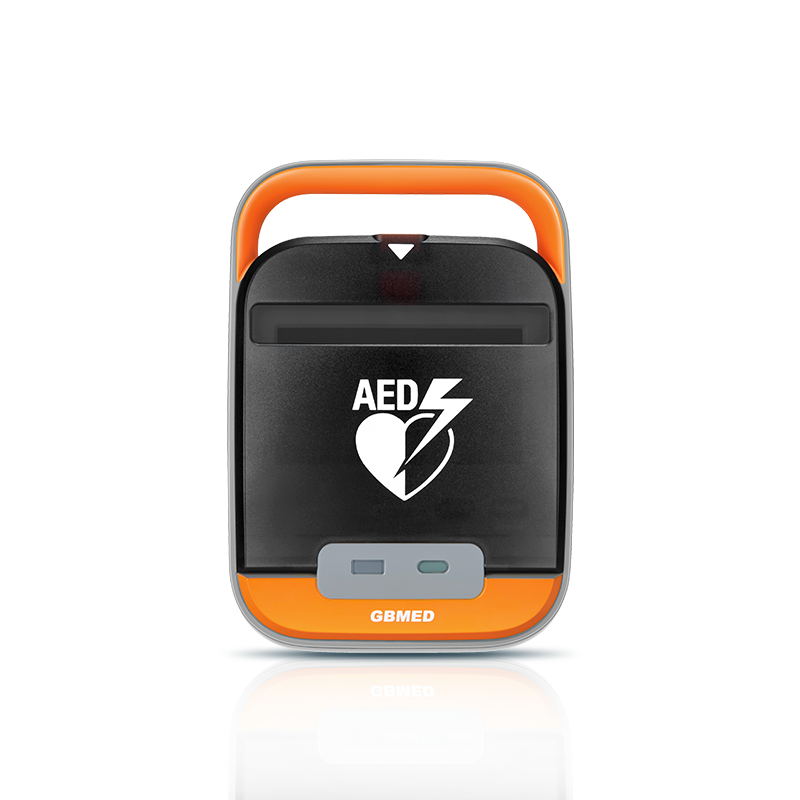
Features multiple pre-programmed scenarios, clear audio guidance in multiple languages, and simulated training electrode pads.
View More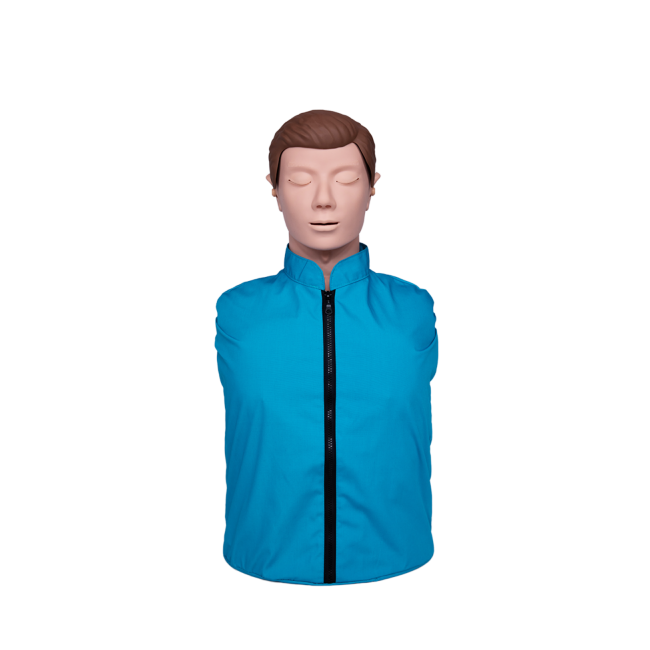
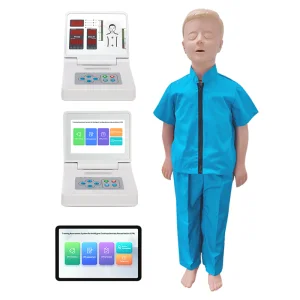
Infant, child, and adult models with real-time feedback monitors, touch screens, and custom performance logging software.
View More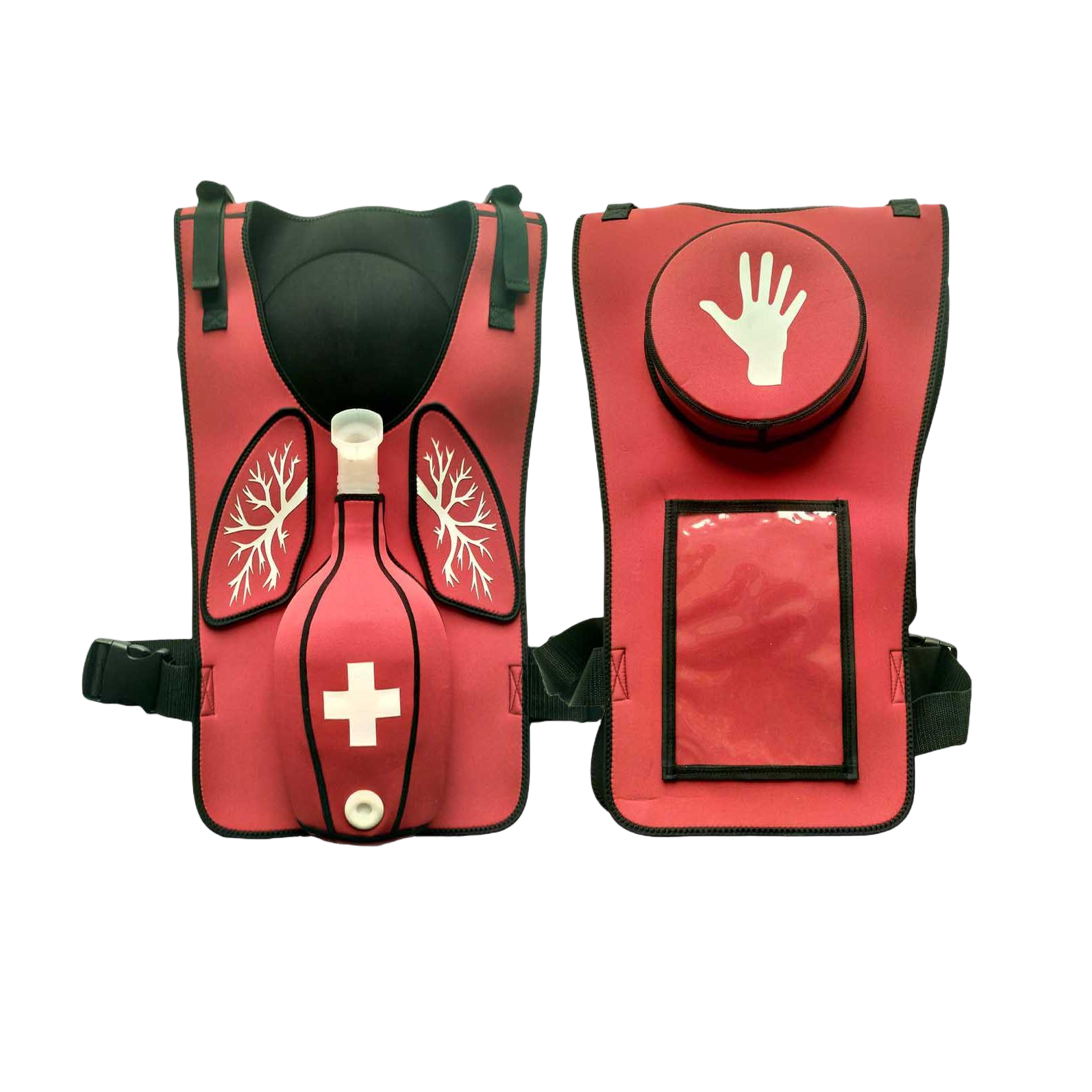
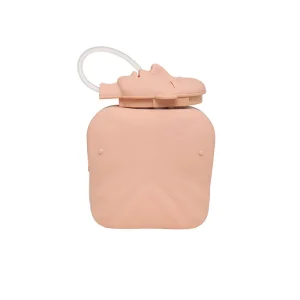
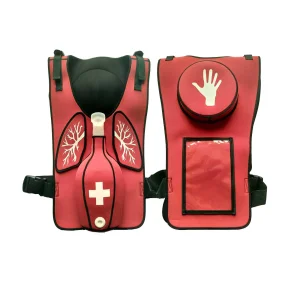
Heimlich maneuver vests, pediatric anti-choking models, and anatomical structures built for high-impact thrust simulation.
View MoreActive community engagement and verified professional exposure demonstrating leadership in emergency medicine education.
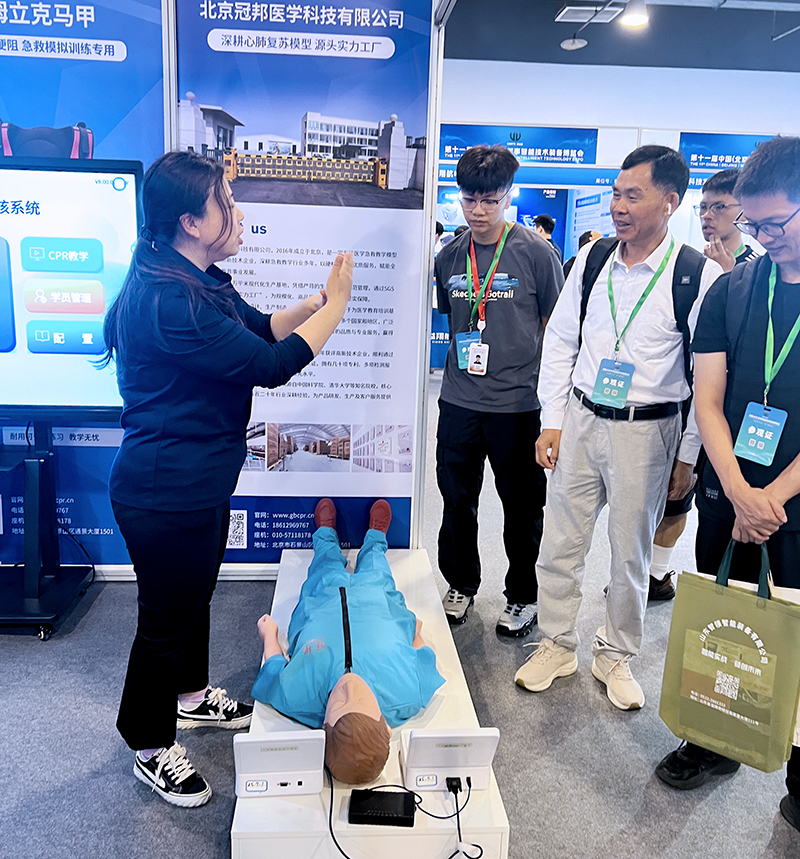
Concluded at the Beijing National Convention Center, Guanbang presented defense-grade medical simulation units configured for wilderness combat casualty care (TCCC) training scenarios, earning high accolades from safety delegates.
View Detail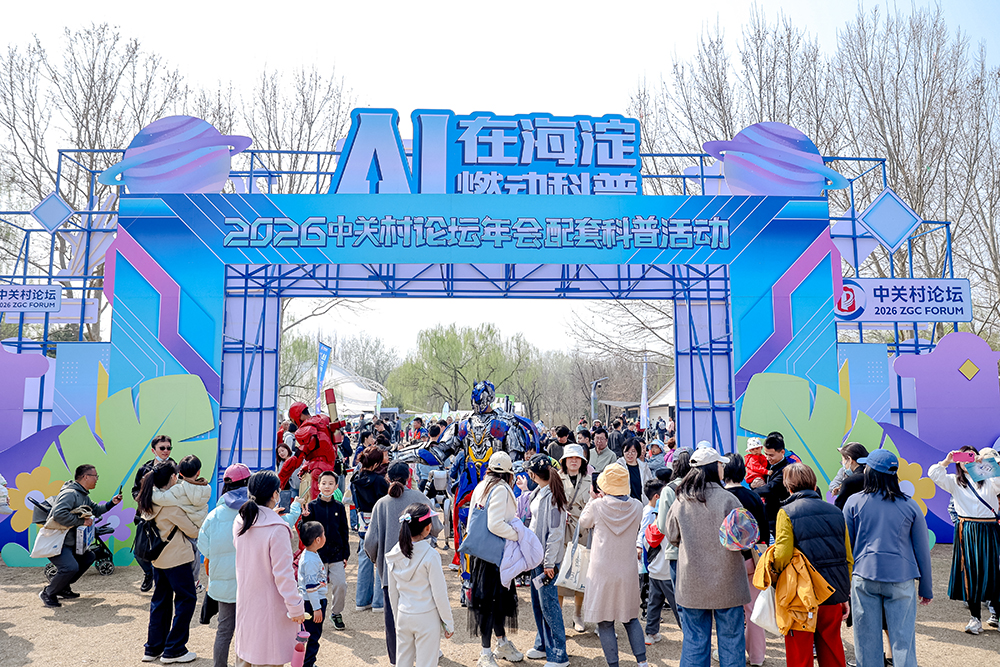
Showcased software-driven wireless CPR feedback technology at the 2026 Zhongguancun Forum. Highlighting how single-instructor platforms coordinate multi-student CPR metrics concurrently to improve educational throughput.
View Detail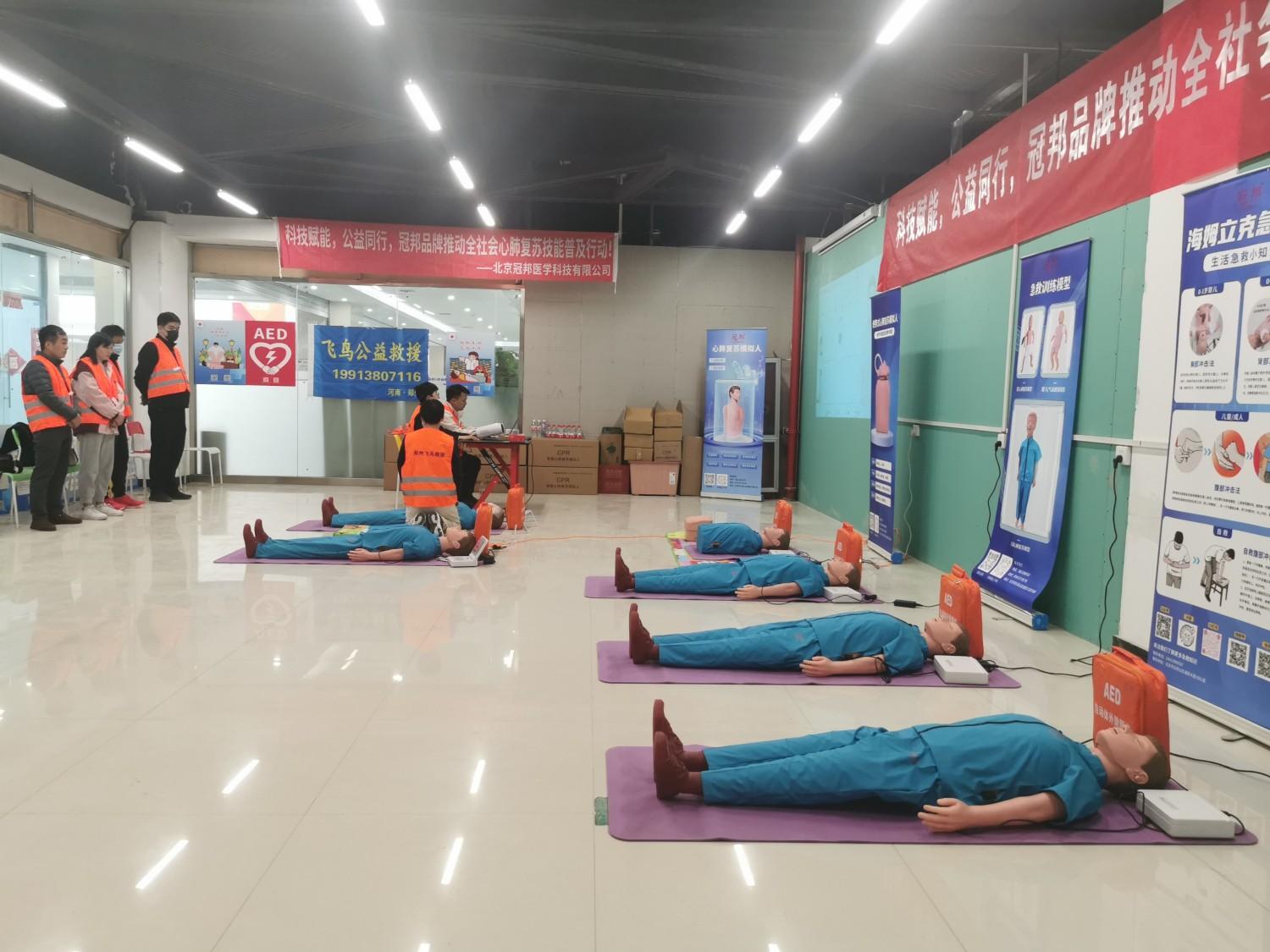
Guanbang donated high-fidelity simulators to establish a public wellness center in Zhengzhou. Providing free public classes to foster self-rescue and mutual rescue skills across communities.
View Detail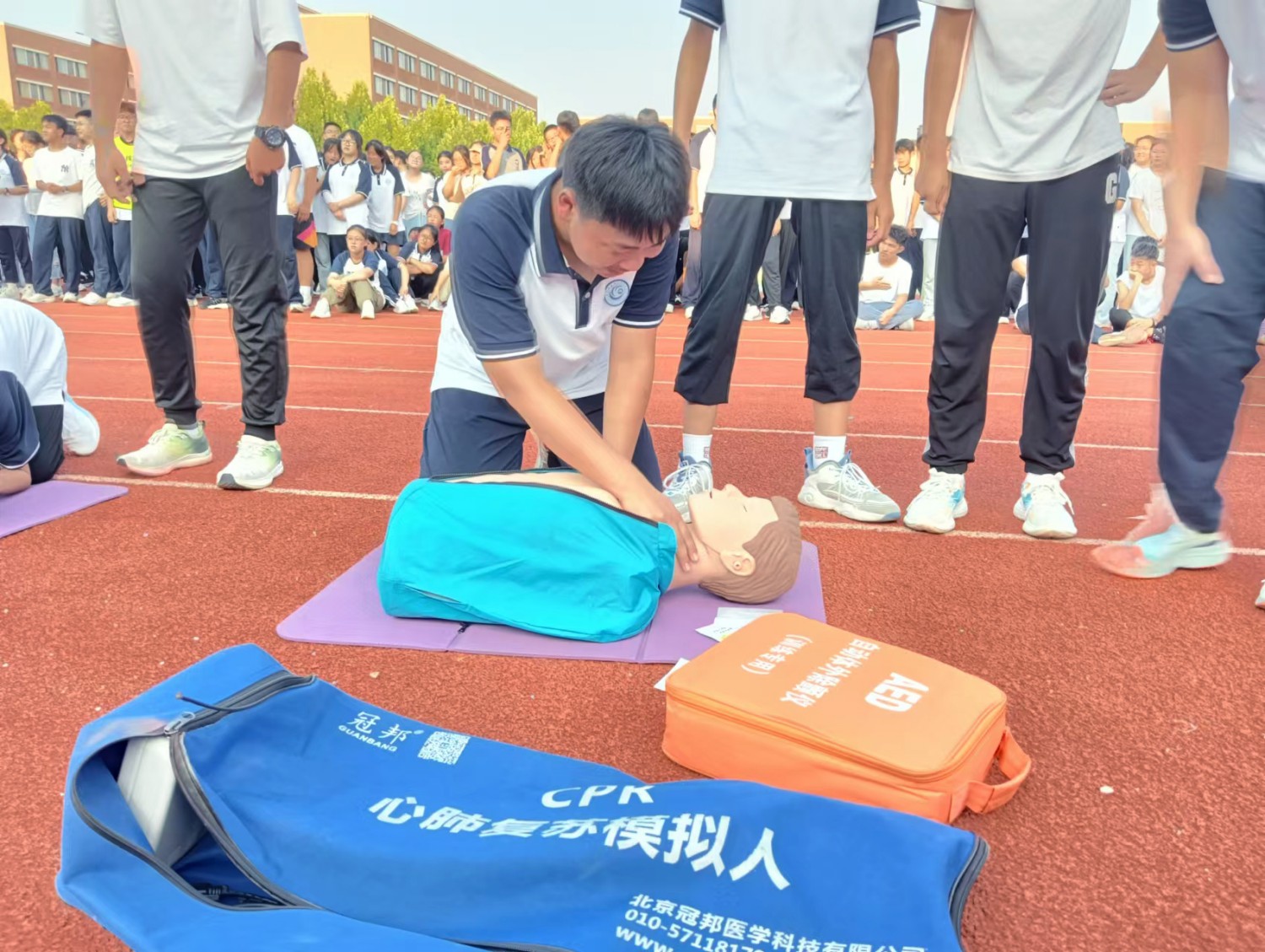
Deploying smart CPR training units into high schools and universities to standardize basic life support (BLS) training for the younger generation, building future community safety networks.
View Detail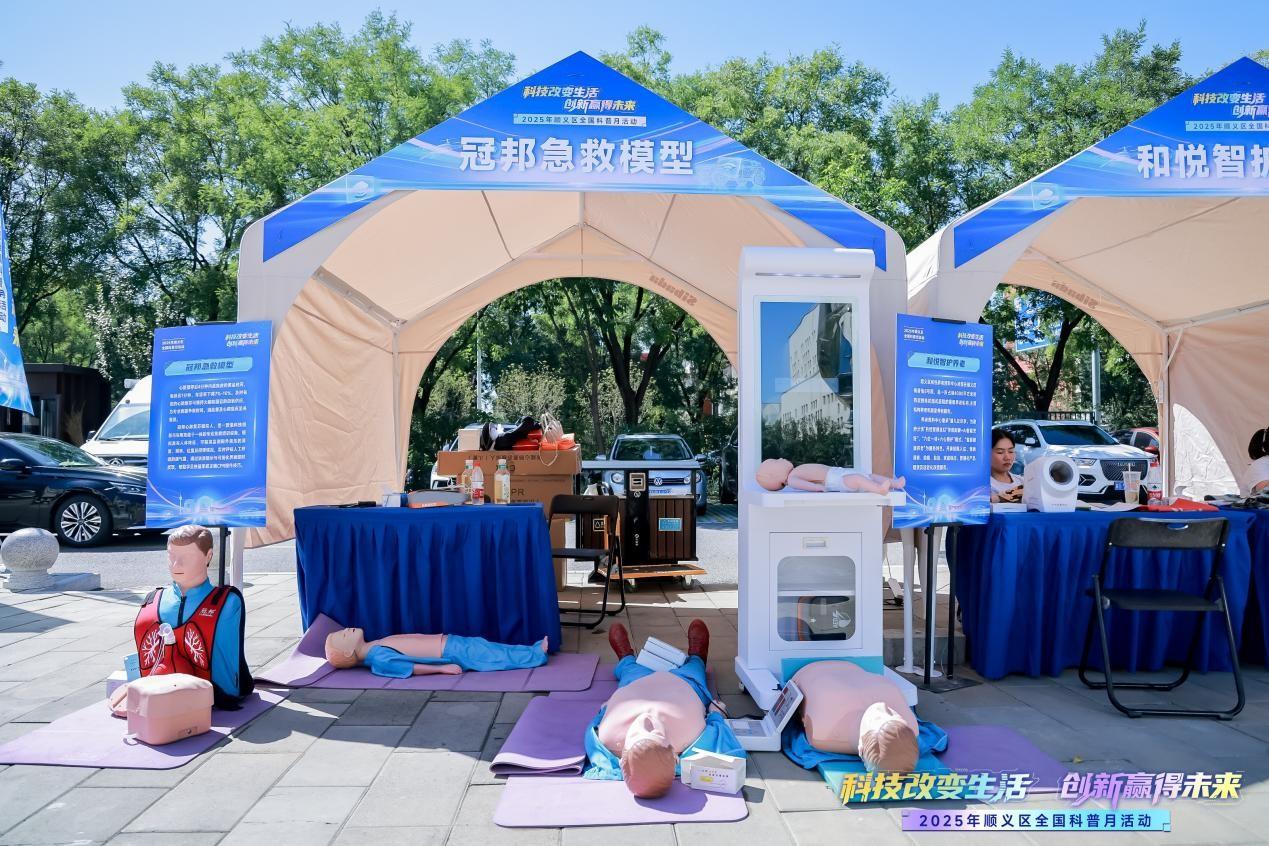
Interactive CPR simulation systems with real-time scoreboards were deployed in Shunyi, engaging citizens in performance-tracked emergency compression trials.
View Detail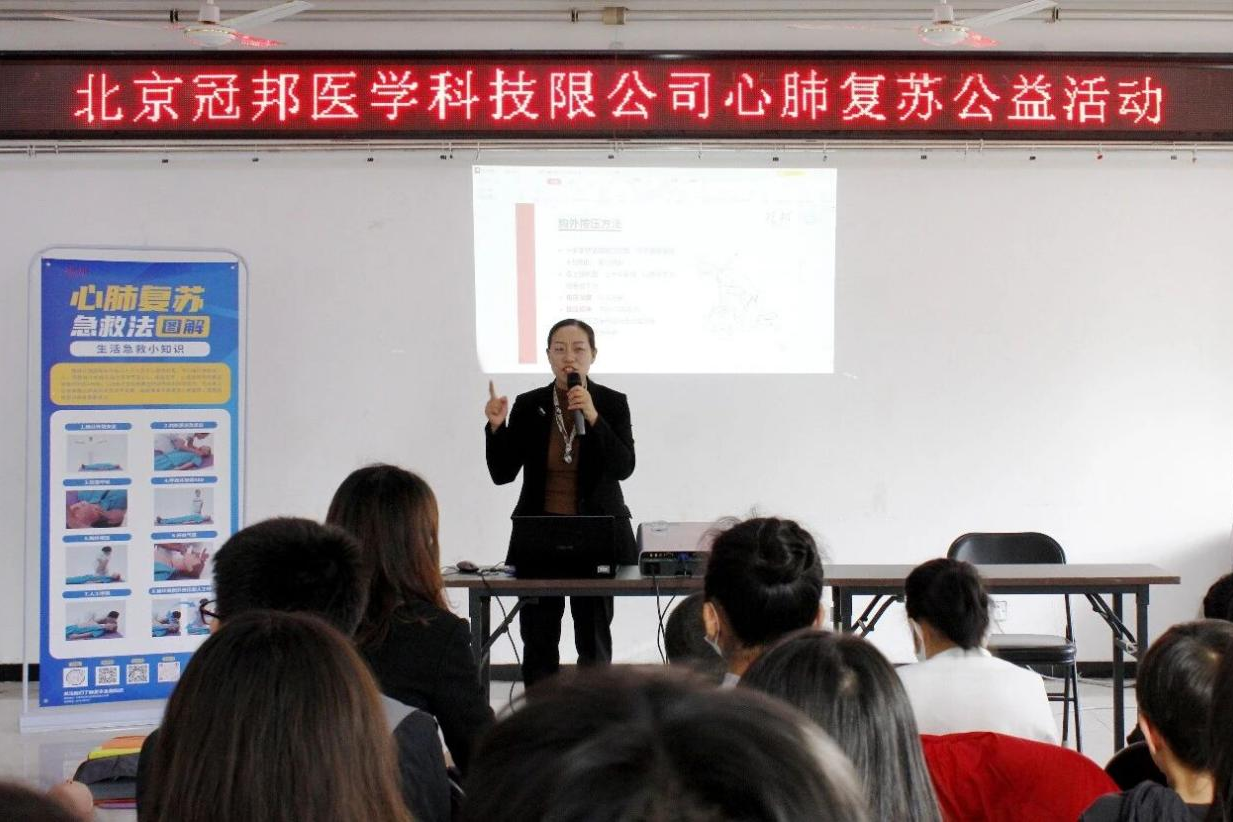
Organized in Shijingshan District, Beijing, introducing choking prevention models and CPR training systems to families to foster safety practices from childhood.
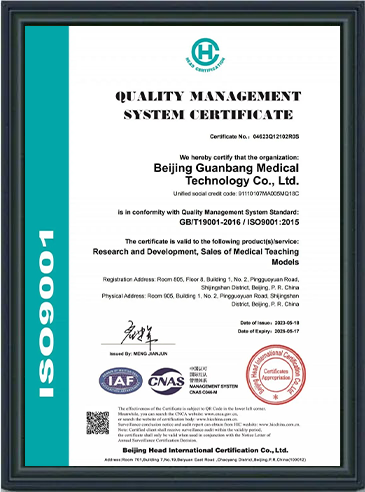
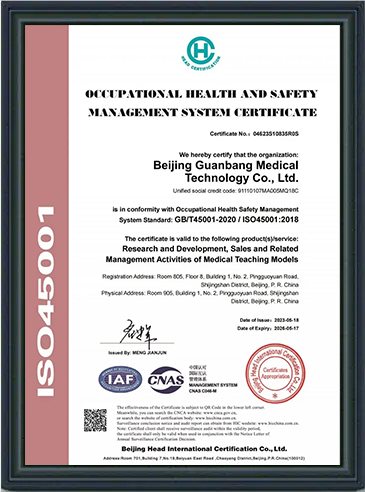
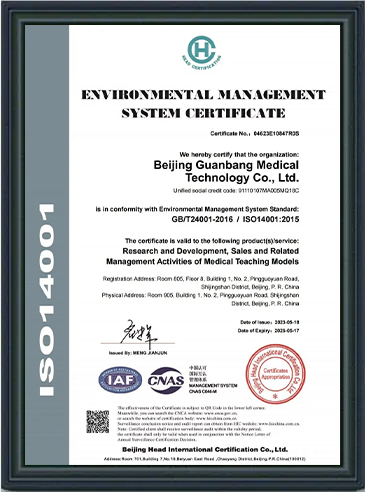
Collaborative educational driveAs a global supplier of medical education devices, Beijing Guanbang is committed to maintaining strict quality standards. Our manufacturing processes conform to comprehensive quality, environmental, and occupational health systems.
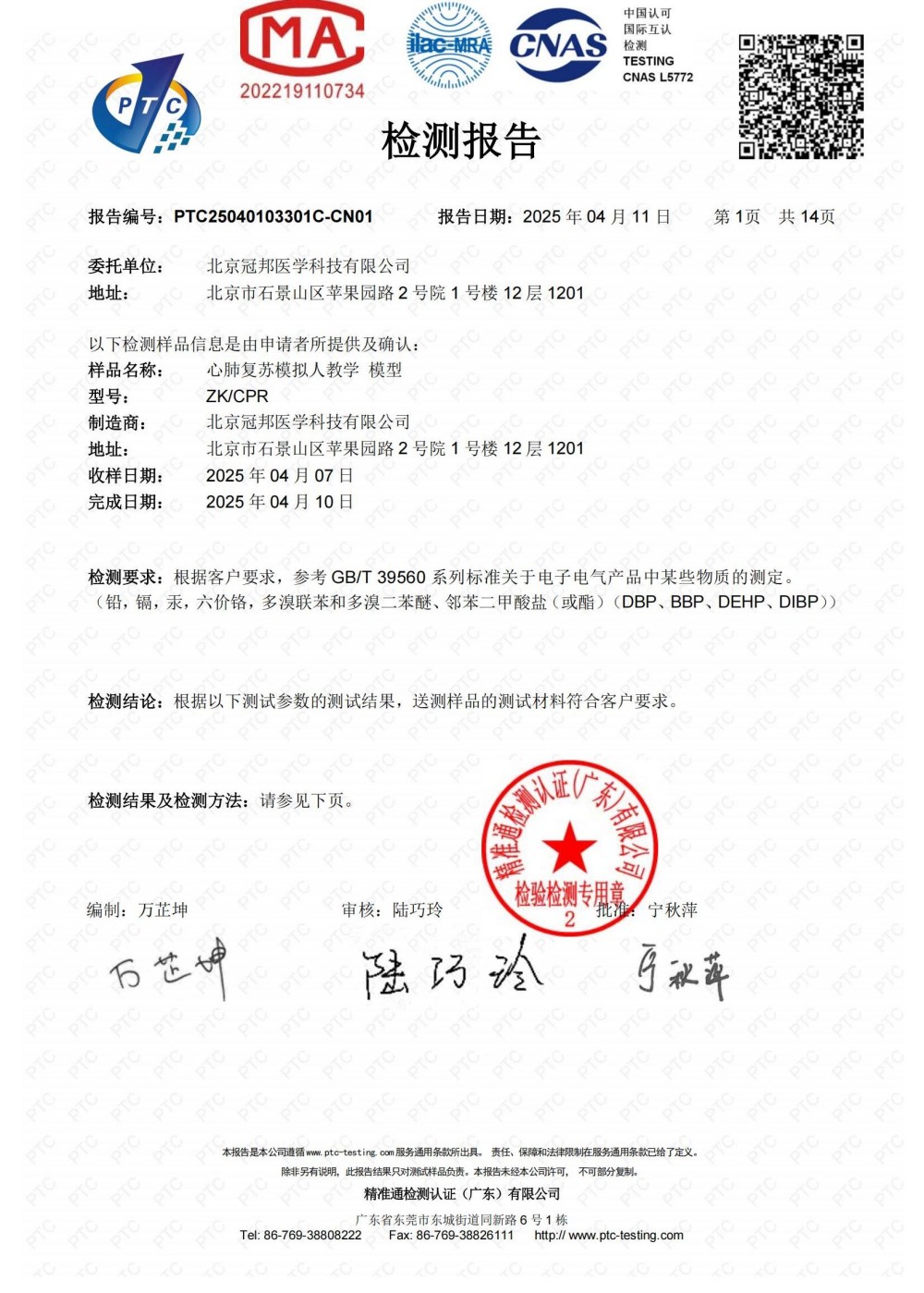
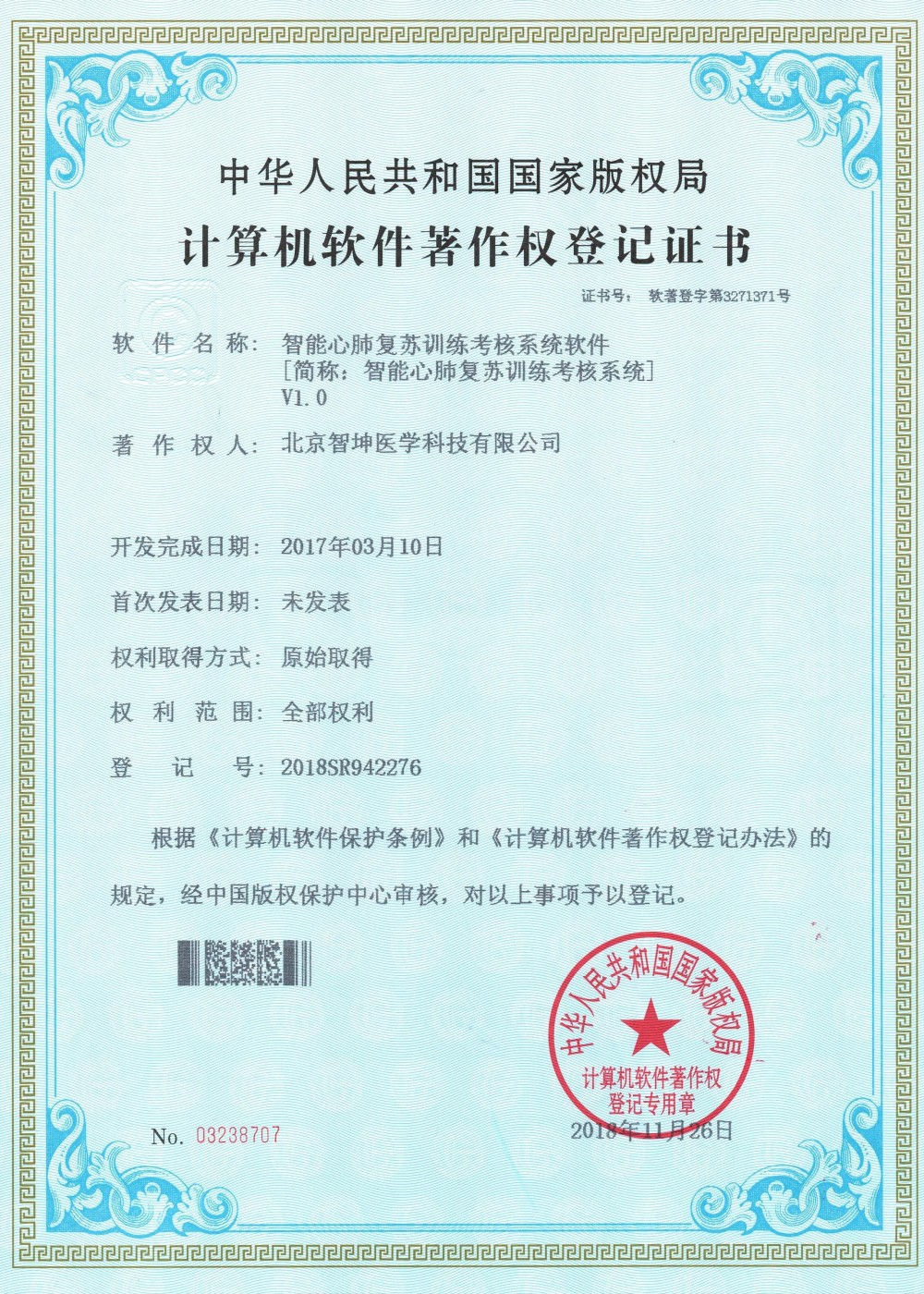
Our active intellectual property portfolio includes multiple software copyrights for electronic resuscitation feedback systems, utility model patents for anatomy simulations, and professional laboratory test reports. This ensures our medical simulation models consistently meet the strict demands of clinical environments and educational institutions worldwide.
As we look toward the future of emergency healthcare training, our engineering research focuses on three major technical domains designed to improve usability, accessibility, and fidelity:
Our goal is to transition individual, stand-alone training models into fully connected class networks. By utilizing Bluetooth Mesh and Wi-Fi modules, a single instructor dashboard can coordinate, evaluate, and grade dozens of students simultaneously. The system automatically records student performance logs to institutional databases, enabling standardized, long-term training analysis.
By pairing high-fidelity tactile feedback models with Augmented Reality (AR) headsets, trainees can practice life-saving skills in immersive environments, such as simulated highway accidents, severe weather rescue operations, or high-stress emergency rooms. This approach bridges the gap between mechanical accuracy and psychological preparedness.
Integrating machine learning algorithms allows our simulation software to go beyond basic compression metrics. Future updates will provide personalized guidance, analyzing subtle patterns in a trainee's physical posture, fatigue levels, and compression rhythm to help them optimize their life-saving technique.
Information Gain: Integrating hybrid physical-digital systems into simulation training has shown a 30% increase in skill retention over traditional training methods, highlighting the value of interactive simulation design.
Answers to common questions regarding standards, customization, and supply chain logistics.
Our simulators are configured according to the latest American Heart Association (AHA) and ECC guidelines. The integrated sensors track compression depth (5–6 cm for adults) and rate (100–120 bpm), providing instant feedback to help trainees consistently maintain recommended standards.
Yes. As an ODM/OEM partner, we offer customization services for voice prompts in multiple languages, system interfaces, branding, and simulation scenarios. This ensures compliance with local clinical standards and language requirements in global markets.
Our training models are designed for long-term use in high-throughput educational programs. Built with durable TPE skin materials and resilient mechanical springs, the structural components can withstand over 100,000 continuous compression cycles without significant degradation.
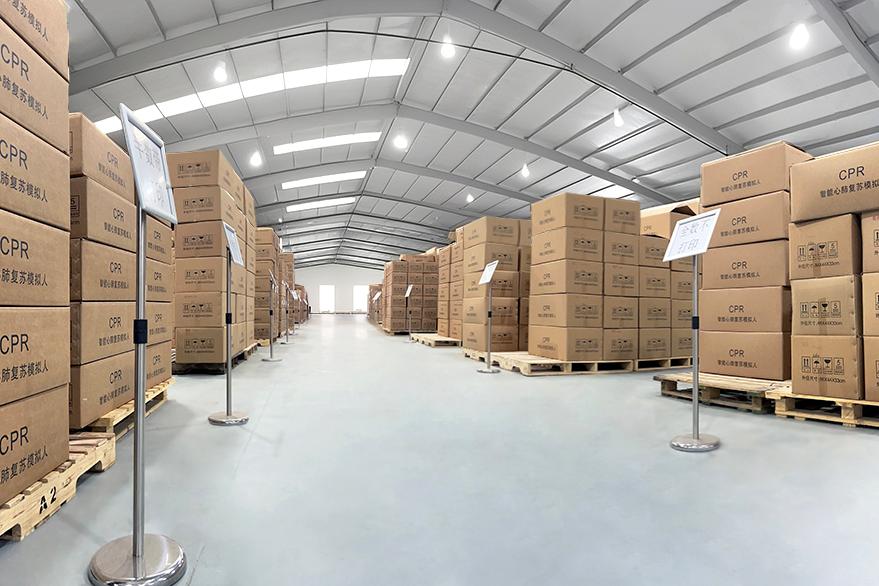
Operating from our 10,000 square meter factory, we maintain an annual production capacity of over 1,000,000 units. Standard orders are typically dispatched within 7–15 working days, while custom OEM designs vary depending on the technical requirements.
Explore our secondary selections designed for advanced institutional simulation programs.
 Guanbang Medical