 Guanbang Medical
The Strategic Landscape of Global Defibrillator & Emergency Training Systems
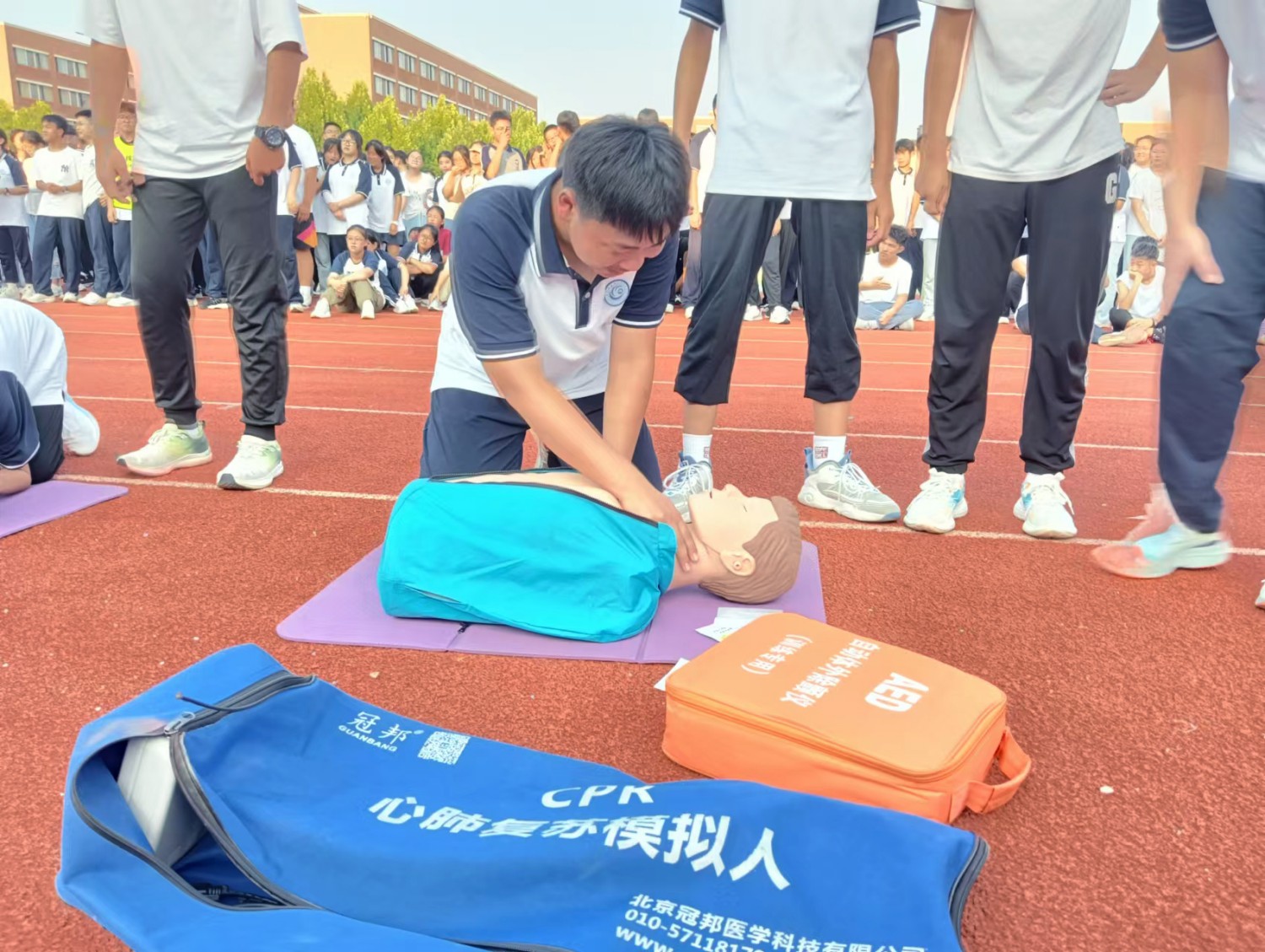
In the contemporary medical paradigm, sudden cardiac arrest (SCA) remains one of the leading causes of mortality globally. The efficacy of immediate cardiopulmonary resuscitation (CPR) combined with early defibrillation using an Automated External Defibrillator (AED) is the critical determinant of survival rate. The global shift in medical pedagogy is moving swiftly from passive textbook instruction to high-fidelity, data-driven simulation. Consequently, the demand for precision-engineered AED defibrillator training systems and advanced CPR simulators has experienced an unprecedented upward trajectory across healthcare institutions, corporate workspaces, and public safety initiatives.
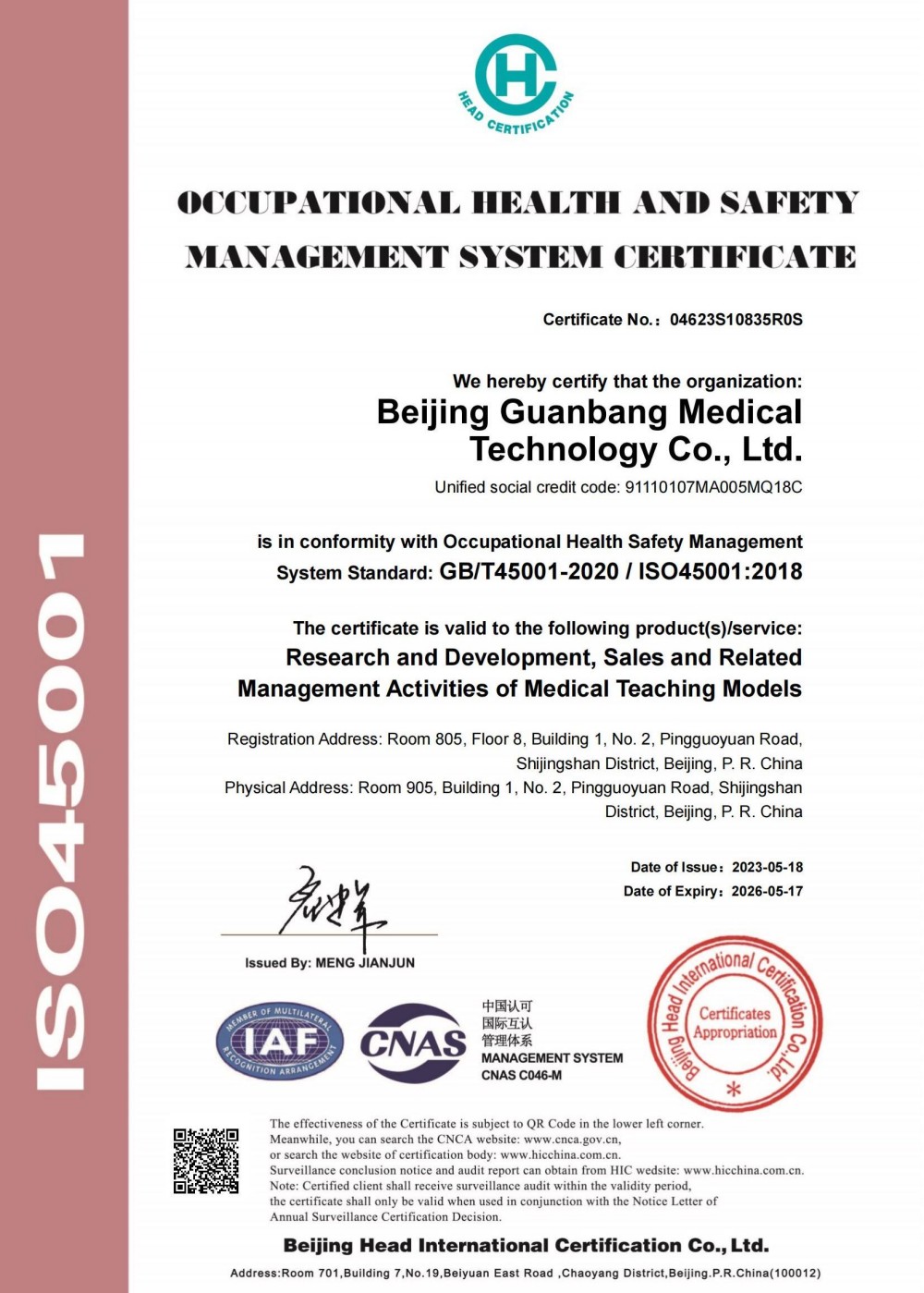
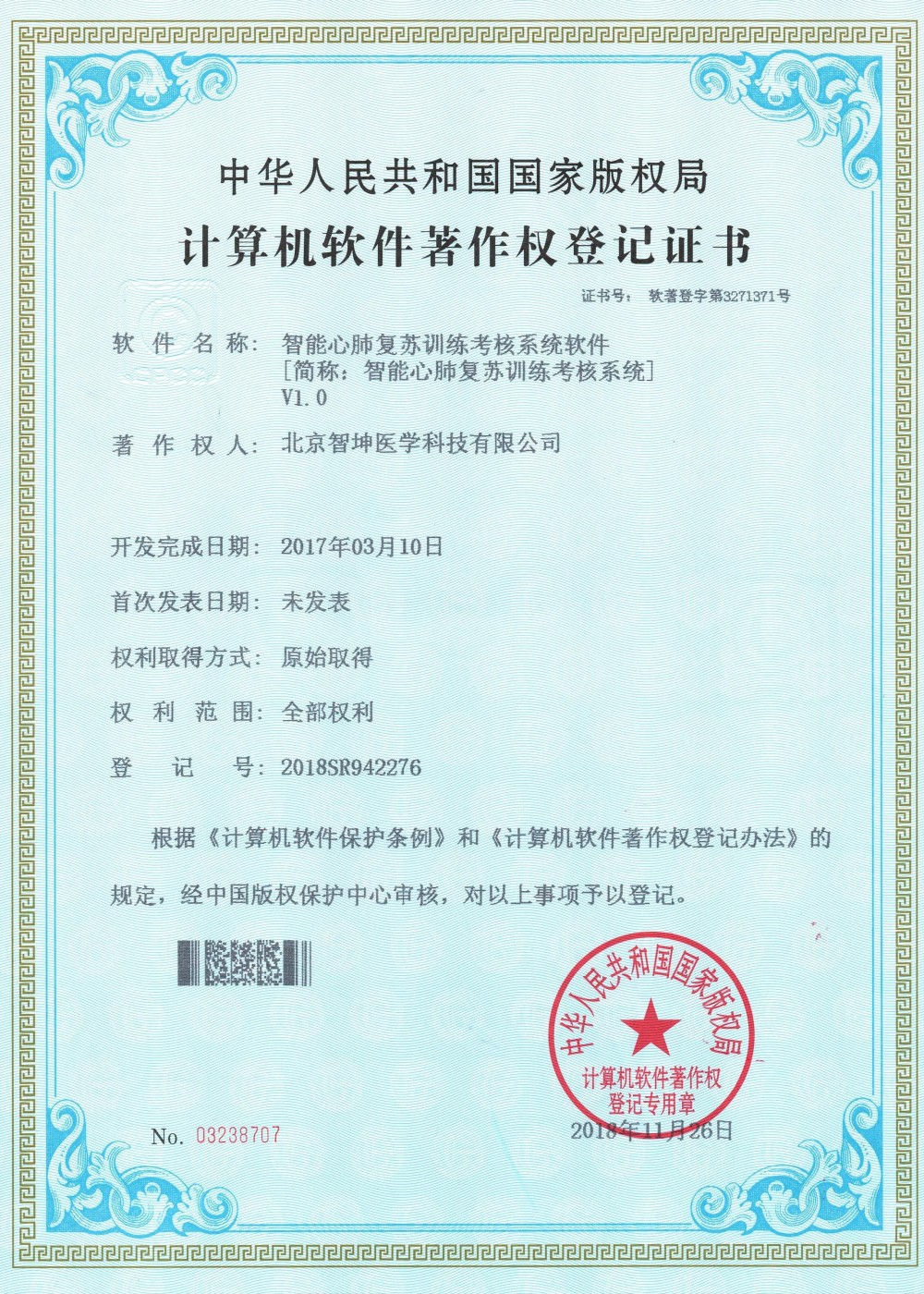
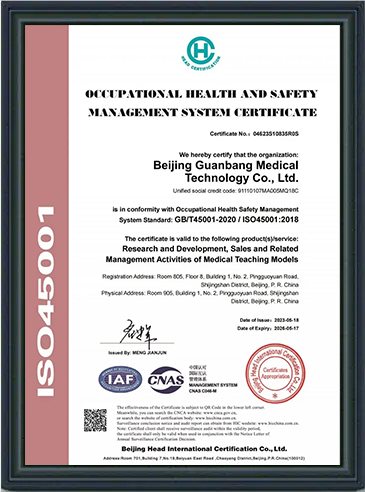
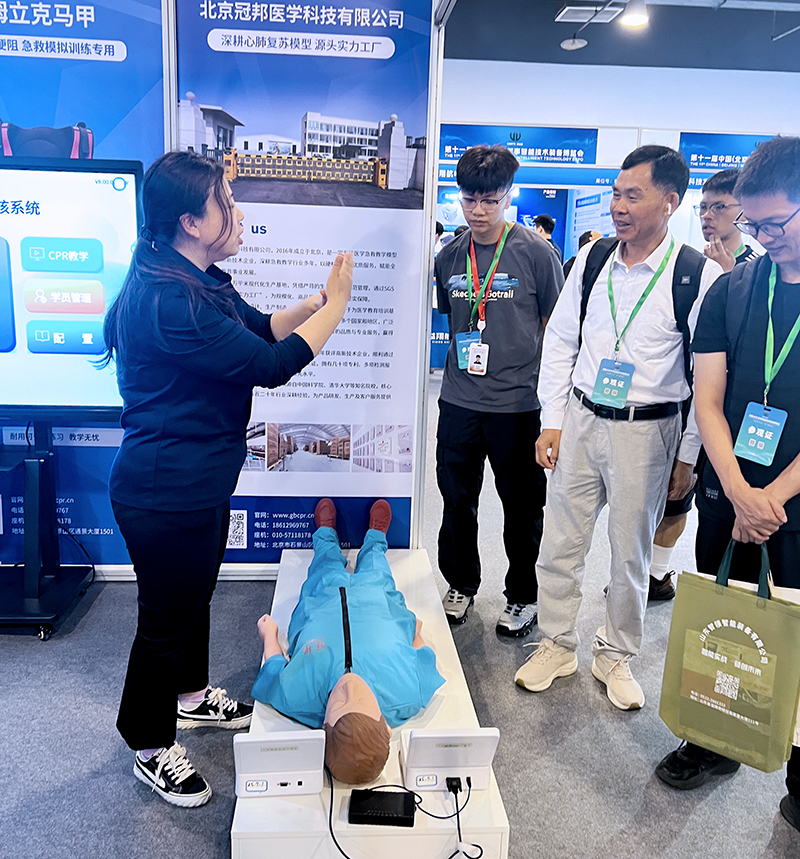
As a leading Chinese innovator in resuscitation technology, Beijing Guanbang Medical Technology Co., Ltd. has established a milestone model of scientific R&D combined with robust manufacturing. Guided by our founders and engineering leads with advanced degrees from the Chinese Academy of Sciences (CAS), Tsinghua University, and Beijing University of Technology, we manufacture simulation systems that integrate real-time physiological response, precise sensory feedback, and strict adherence to the latest guidelines issued by the American Heart Association (AHA) and European Resuscitation Council (ERC).
1. Global Industry Development Trends: Smart Resuscitation & IoT Integrations
The global emergency training equipment sector is transitioning through several notable evolutionary trends:
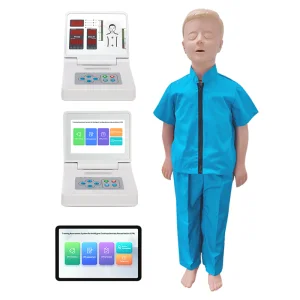
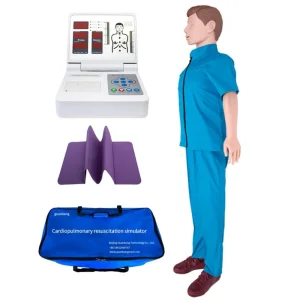
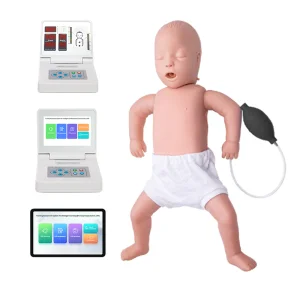
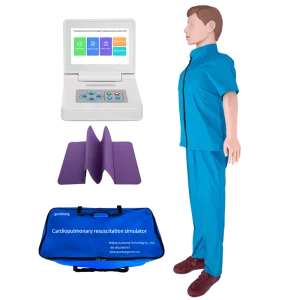
- Quantitative Feedback (QCPR): Modern training is no longer qualitative. Educators demand detailed telemetry on compression depth (5-6 cm), compression rate (100-120 bpm), complete chest recoil, and appropriate ventilation volume. Our touch-screen controlled simulators compute these metrics in real-time, providing immediate visual corrective feedback.
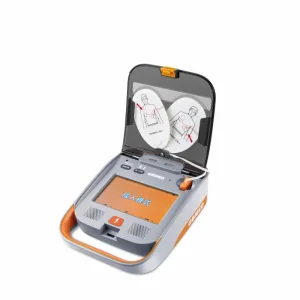
- AI and Adaptive Scenario Simulation: Automated defibrillation devices are deploying adaptive voice guidance systems. Training units must mimic this interactivity. Guanbang's simulators provide customizable rescue scripts, mimicking diverse patient impedances and cardiac rhythms (e.g., Ventricular Fibrillation, Pulseless Ventricular Tachycardia).
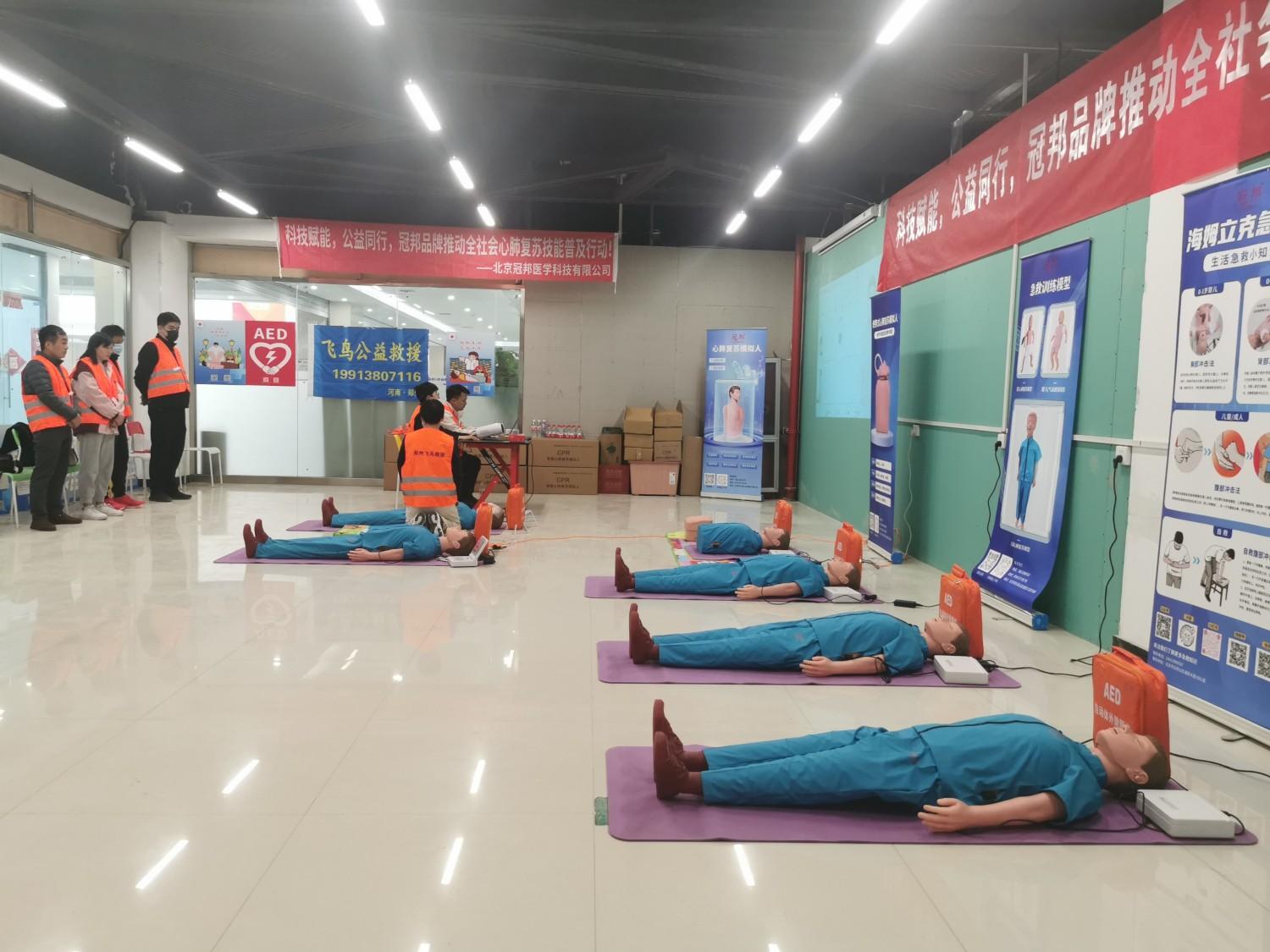
- Multi-Device Connectivity (One-to-Many Networks): Classrooms are scaling up. Educators are transitioning to centralized training software where a single instructor console monitors twenty or more simulator manikins simultaneously via Bluetooth, dramatically lowering the cost per student.
2. Critical Procurement Demands of Global Enterprises & Healthcare Academies
Procuring entities—whether they are national military organizations, medical universities, municipal safety boards, or global multi-nationals—have rigorous selection criteria focused on compliance, durability, and customization:
Compliance & International Standards: Any equipment utilized for life support training must strictly align with international cardiopulmonary protocols. Guanbang's simulators integrate precise algorithm software configurations conforming to the latest AHA updates, ensuring global standards are maintained across multi-site corporate networks.
Operational Durability: Training models undergo millions of compressions. The choice of materials dictates the lifespan of the equipment. Guanbang utilizes advanced thermoplastic elastomer skin compounds alongside robust mechanical spring mechanisms that sustain rigorous daily training regimens without physical deformation.
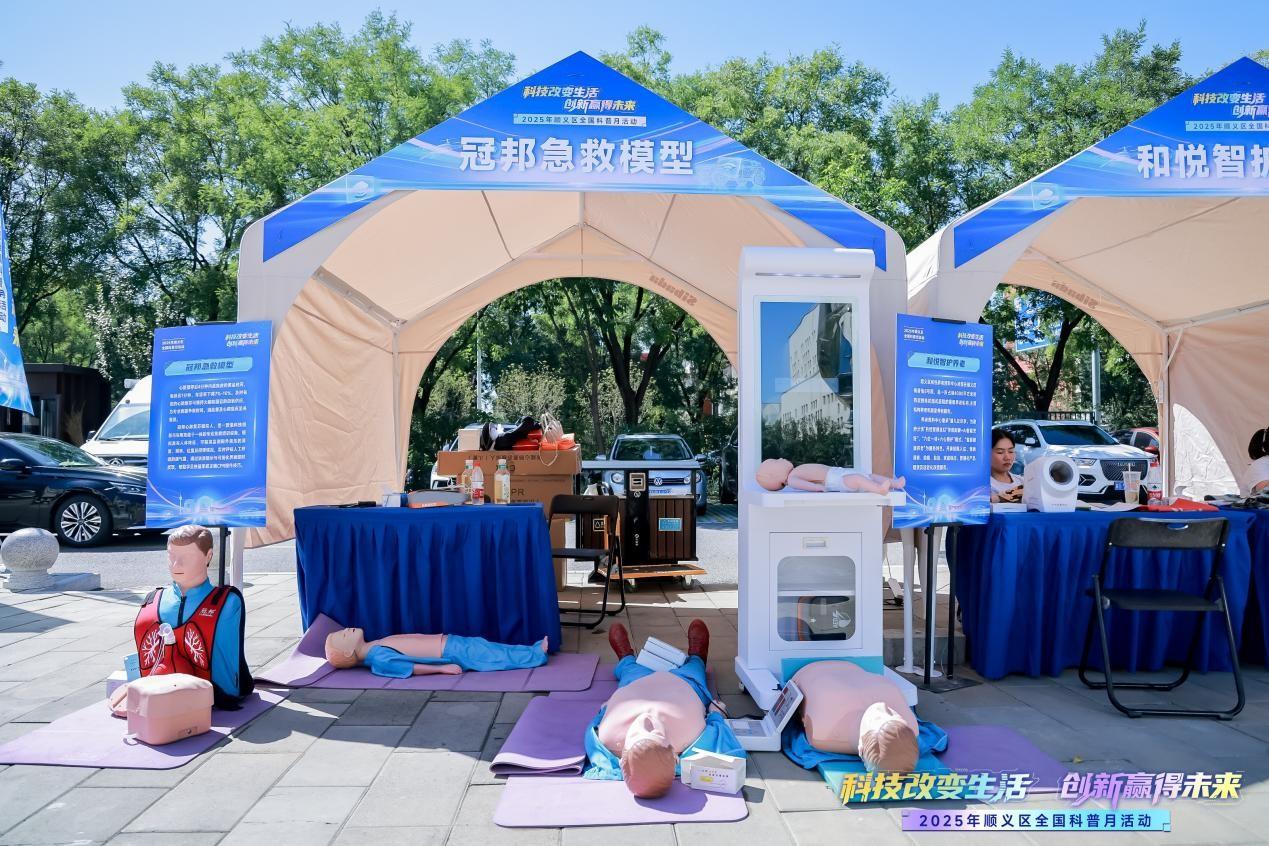
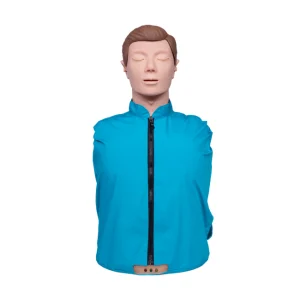
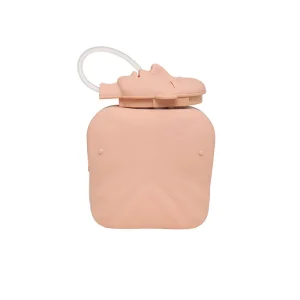
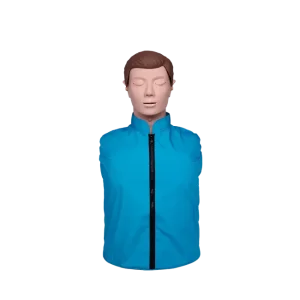
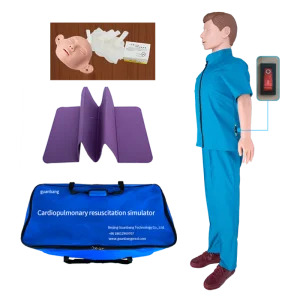
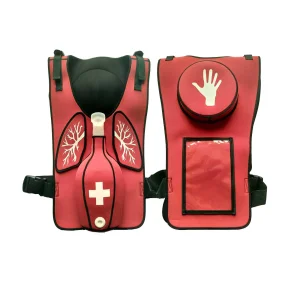
Broad Application Spectrum: Purchasing agents favor manufacturers capable of delivering comprehensive kits—ranging from infant airway obstruction models and Heimlich maneuvers to pediatric and adult dual-function simulators.