 Guanbang Medical




Understanding the Evolving Landscape of Neonatal Resuscitation Simulation
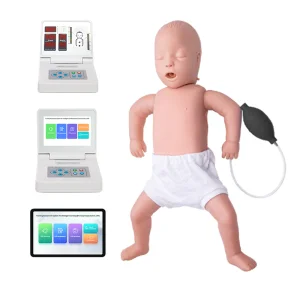
The field of neonatal clinical training is undergoing a significant transformation. Where historical training methods relied on basic, non-responsive mannequins, modern medical standards demand high-fidelity simulation tools. The physiological difference between an infant and an adult requires specialized simulators that replicate delicate airways, small chest wall compliance, and responsive vascular configurations.
Key institutions globally are adopting guidelines that emphasize real-time feedback. Standardized neonatal resuscitation training requires precise control over positive pressure ventilation (PPV), endotracheal intubation, and chest compression frequencies. The goal is to minimize latency in clinical decisions during the critical first minute of a newborn's life, often called the "Golden Minute."
Consequently, global procurement offices are looking for manufacturers who can integrate digital sensor arrays without compromising the structural lifelike qualities of the simulator’s epidermis and internal structures.