Explore our elite line of CPR trainers, color touch-screen simulators, and emergency response vests designed for global deployment.
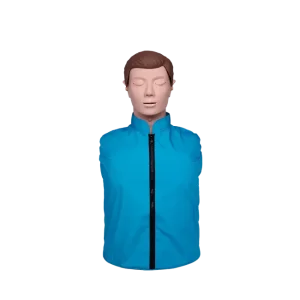
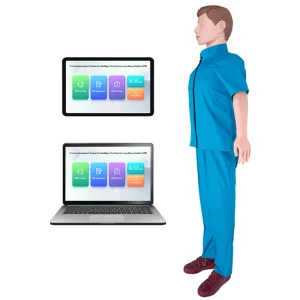
A Comprehensive Whitepaper on the Evolution of Medical Simulation Technology, Market Trends, and Standards compliance.
In modern emergency medical systems, the fidelity of medical simulation equipment directly impacts survival rates in real-world critical care scenarios. Historically, basic cardiopulmonary resuscitation (CPR) models only offered visual and tactile approximations of human anatomy. Today, the global emergency care market has transitioned to high-fidelity, sensor-driven Resus Manikins.
These advanced training platforms incorporate smart microcontrollers, real-time pressure transducers, and interactive feedback interfaces. This technological evolution allows medical training centers, defense programs, corporate safety environments, and public health entities to gather objective metrics on chest compression depth, recoil speed, ventilation volume, and overall CPR performance.
The industrial landscape for resuscitation training models is governed by international bodies such as the American Heart Association (AHA) and the European Resuscitation Council (ERC). The guidelines published by these organizations call for real-time monitoring and haptic corrective feedback during chest compressions. As a result, standard medical institutions are replacing outdated mechanical models with electronic indicators that verify whether a trainee is executing chest compressions within the target rate of 100 to 120 compressions per minute and at a depth of 5 to 6 centimeters.
Furthermore, localized educational programs and national regulations (such as mandatory CPR training in public offices, schools, and transit centers) are driving the demand for custom solutions. Equipment must adapt to infant, pediatric, and adult physiologies, and support multi-scenario applications like airway obstruction clearing (Heimlich maneuver) and Automated External Defibrillator (AED) integration.
Every mannequin is engineered to comply with the latest AHA/ERC guidelines, providing dynamic chest resistance metrics and precise ventilation airway channels.
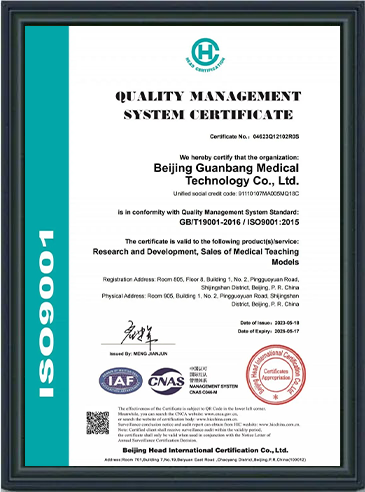
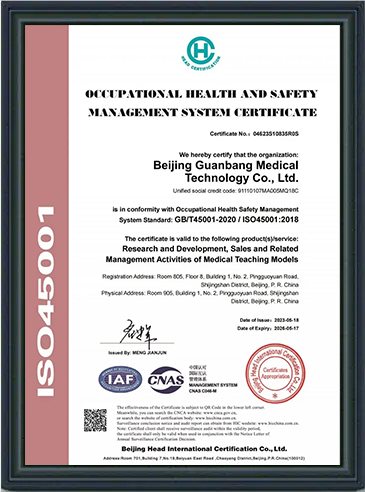
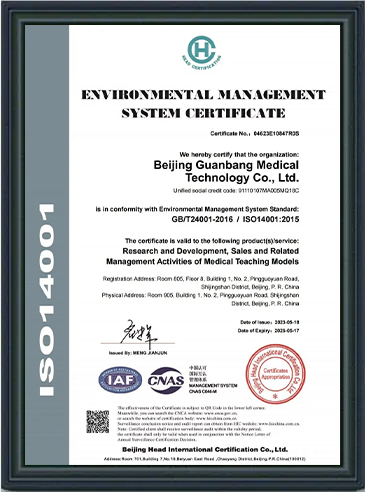
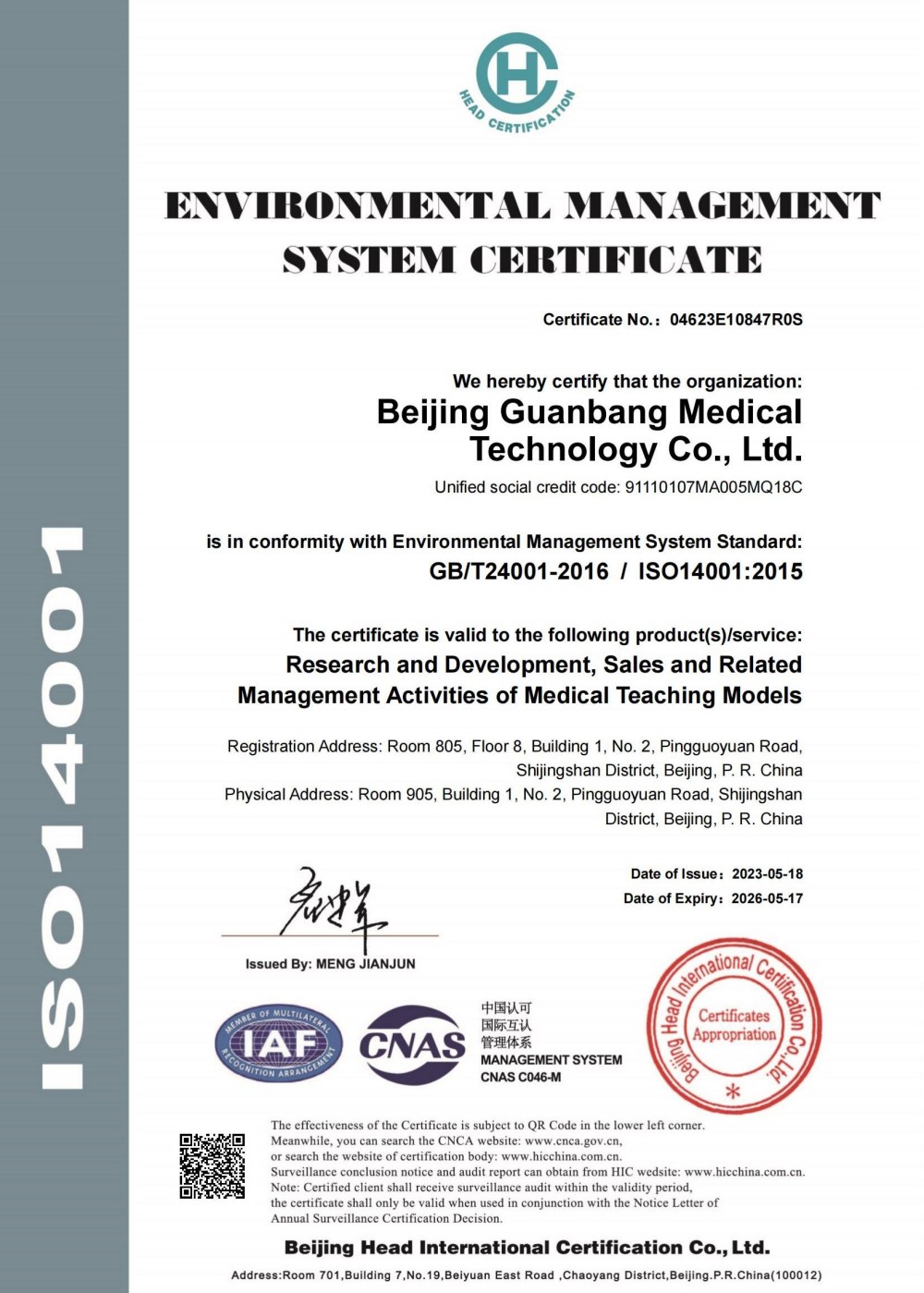
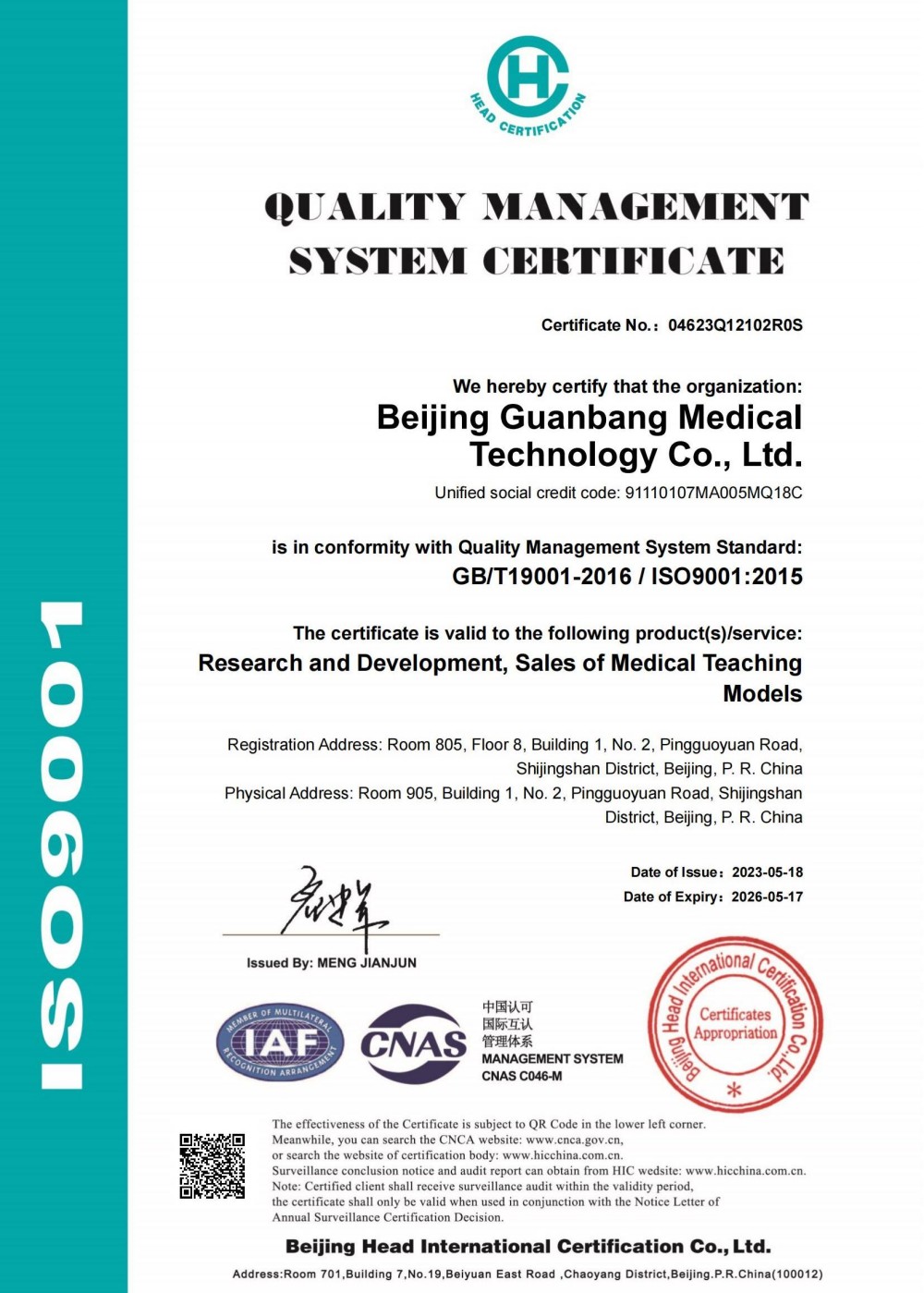
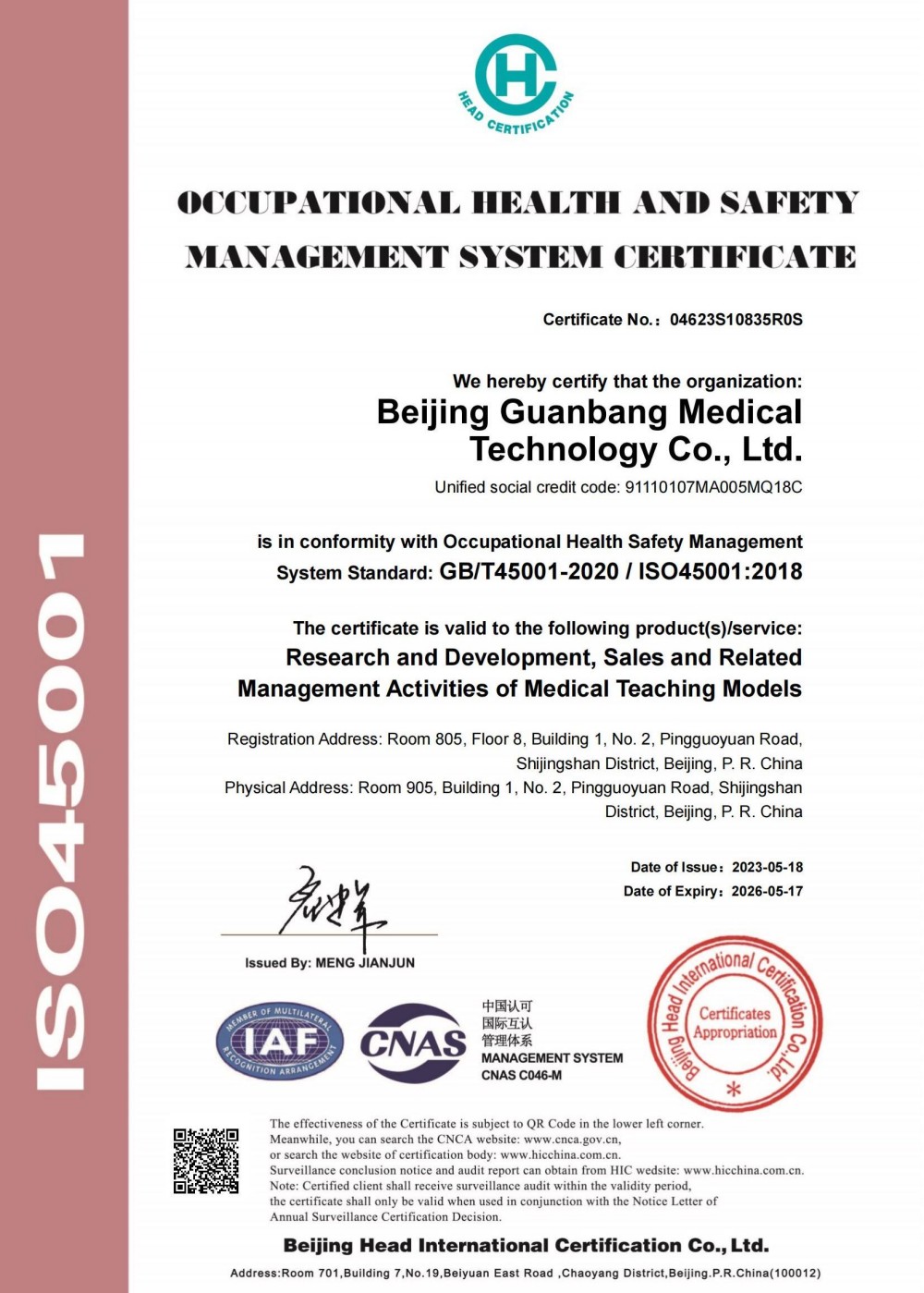
Backed by ISO 9001, ISO 14001, and ISO 45001 certifications. Our manufacturing relies on eco-friendly, medical-grade elastomeric skin structures.
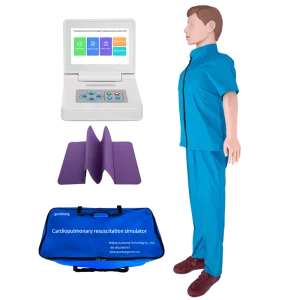
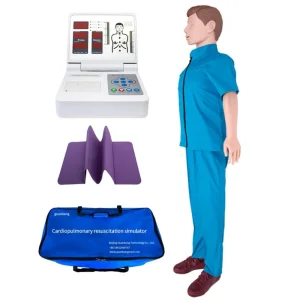
Simulators feature Bluetooth connectivity, integrated software analytics, interactive color touchscreens, and dynamic sound alerts.
Bridging Academic Excellence with State-of-the-Art Production Capability.
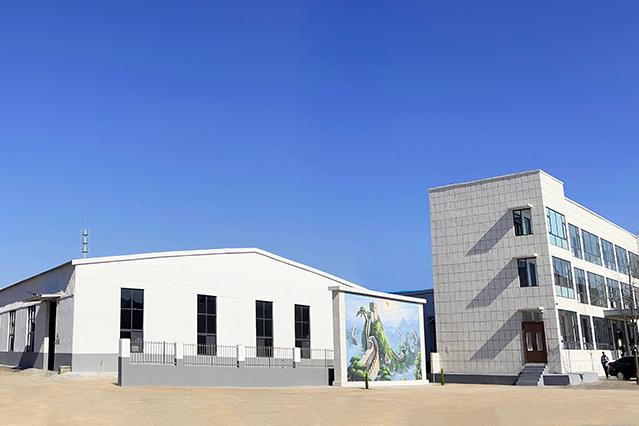
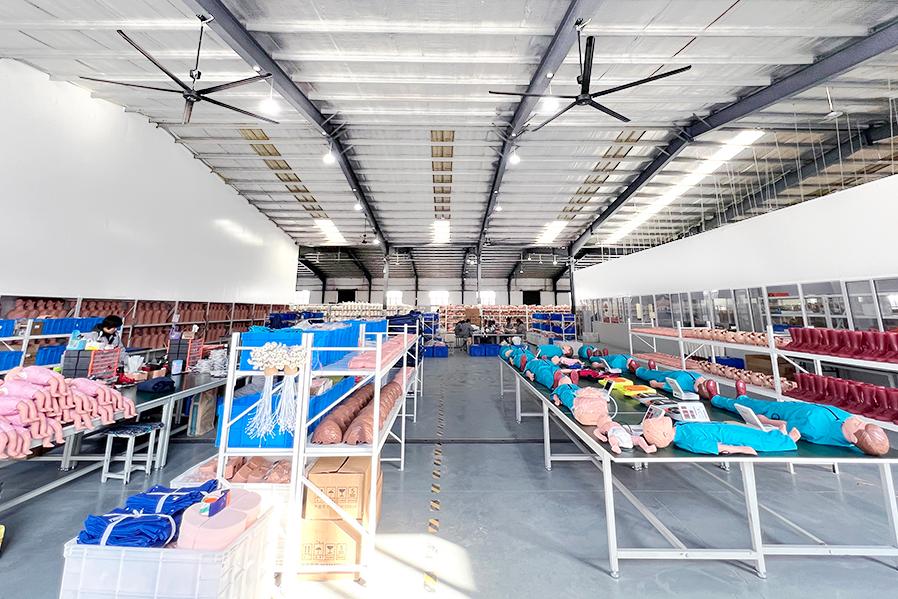
Founded in Beijing in 2016, Beijing Guanbang Medical Technology Co., Ltd. is an innovative enterprise dedicated to the research, design, manufacturing, sales, and service of clinical simulation products. Over the past decade, we have established a modern, 10,000-square-meter production base, setting up a comprehensive business system that supports projects from initial prototyping and mold design through mass production and final export.
Our core research and development team features technical specialists holding advanced degrees from prestigious organizations, including the Chinese Academy of Sciences (CAS), Tsinghua University, and the Beijing University of Technology. This concentration of technical expertise gives us a solid foundation to design and deliver sophisticated medical emergency solutions for global healthcare providers, public welfare institutions, and defensive emergency services.
Pushing the boundaries of medical simulation through material science and integrated software systems.
To ensure high durability and realism, Beijing Guanbang Medical Technology has invested in high-precision mold design and medical-grade polymers. Our simulators employ specialized silicone elastomer compounds that closely mimic the texture, elastic resistance, and tensile strength of human skin. This material longevity is critical for high-frequency training environments like universities or emergency rescue academies.
Additionally, we have integrated electronic systems with software tools that track compression speed, depth, and release. This data can be displayed on standalone color touchscreens, digital monitors, or routed through wireless multi-manikin classroom management software.
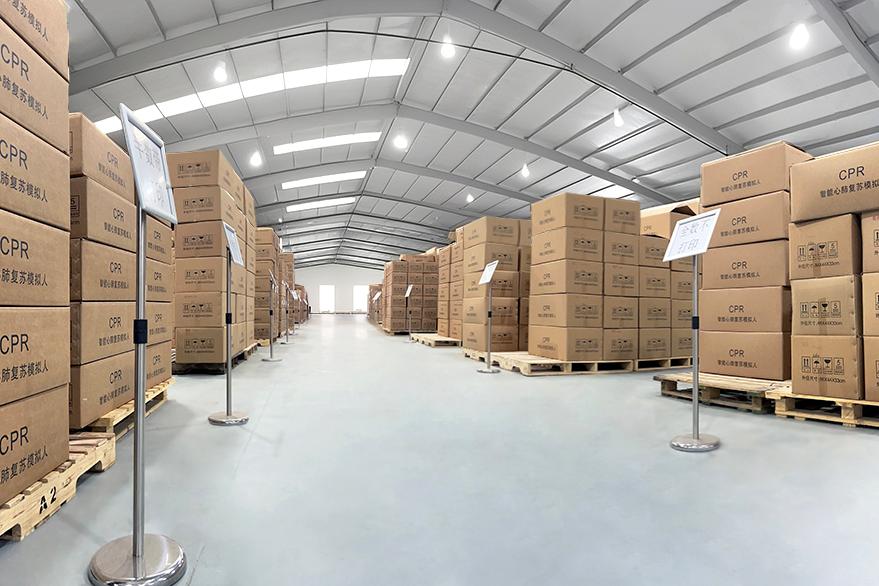
Recognizing the diverse requirements of different global markets, Guanbang provides customizable options across approximately 30 specifications, encompassing infant, pediatric, and adult anatomical models. Whether your organization requires simple, mechanical-only feedback devices for public community training or highly complex digital models with integrated AED simulation software, our production system is built to accommodate customized requirements.
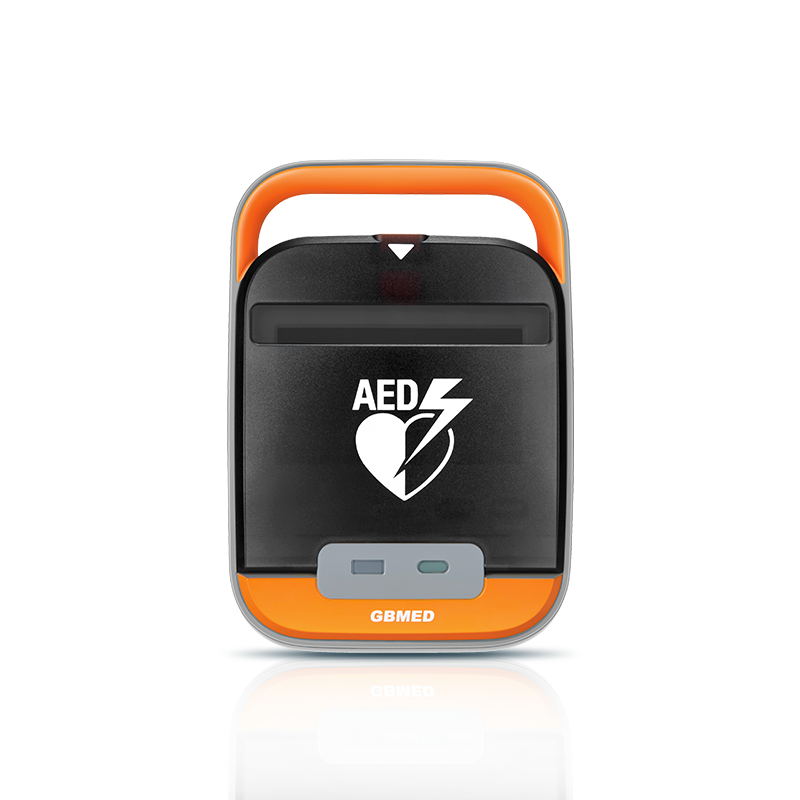
Simulating automated external defibrillation protocols with safe, shock-free instruction modules and universal voice guides.
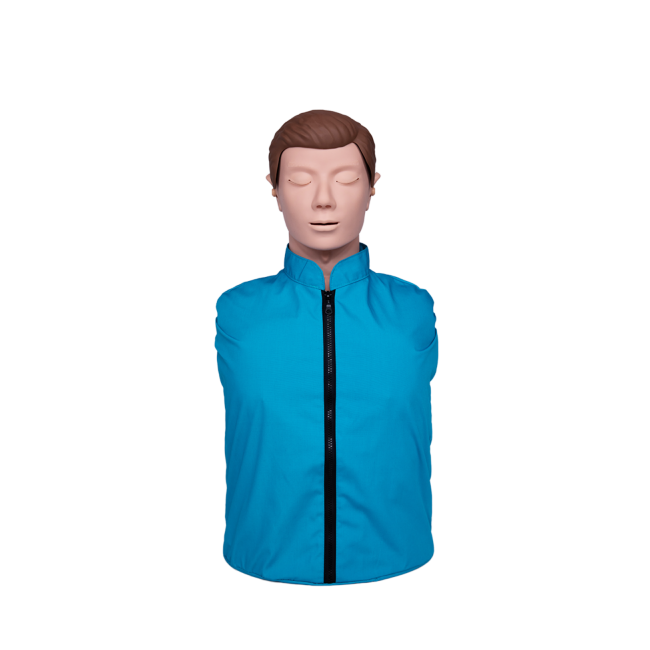
From entry-level mechanical designs to digital touch-screen systems with integrated real-time data tracking.
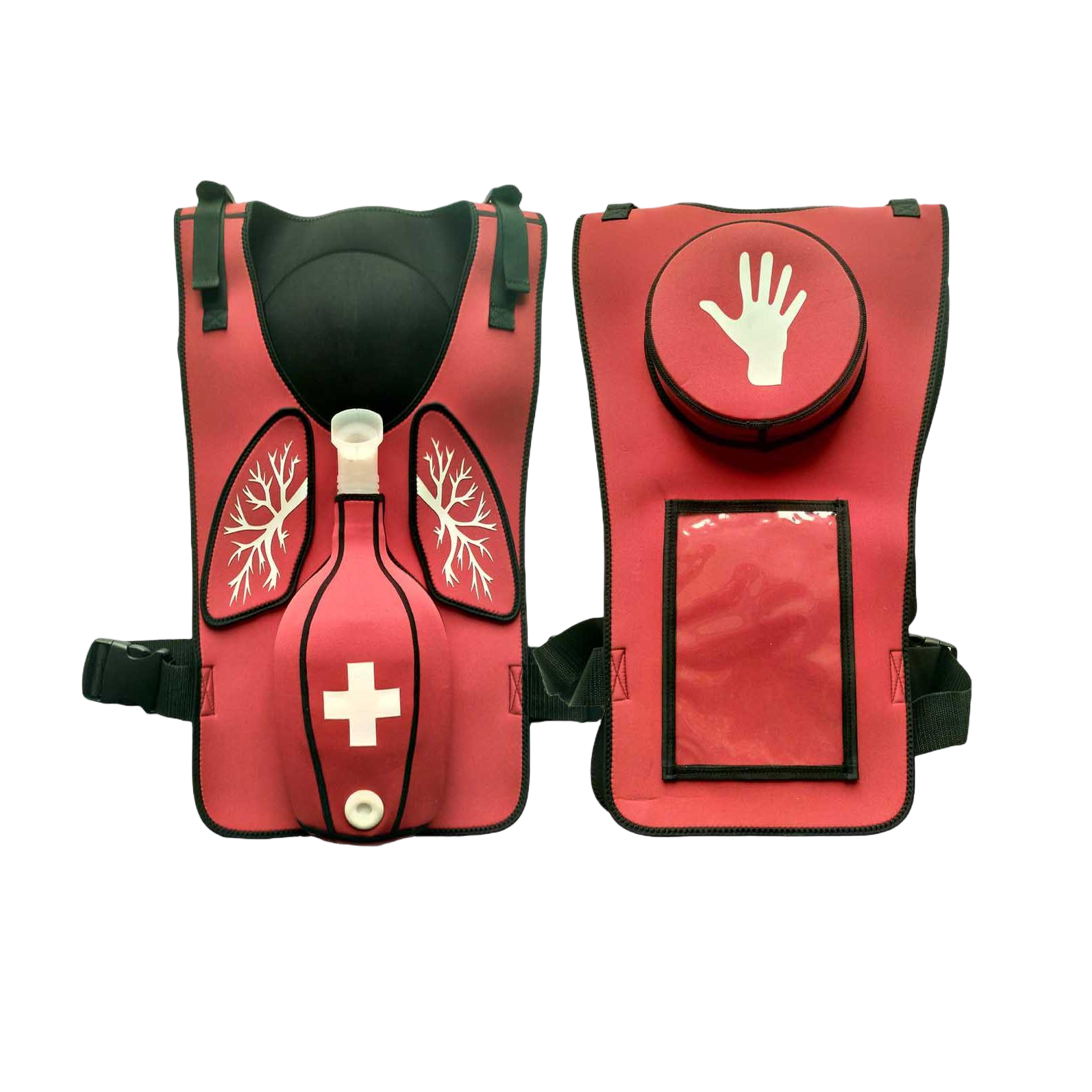
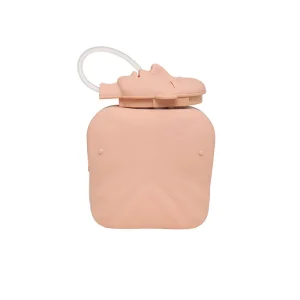
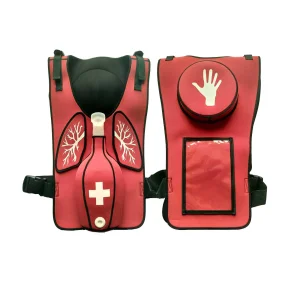
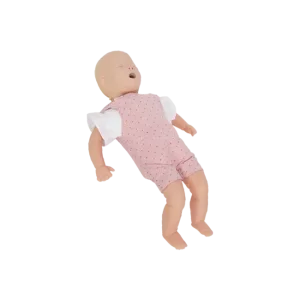
High-fidelity models supporting Heimlich maneuver vests and infant airway infarction training systems.
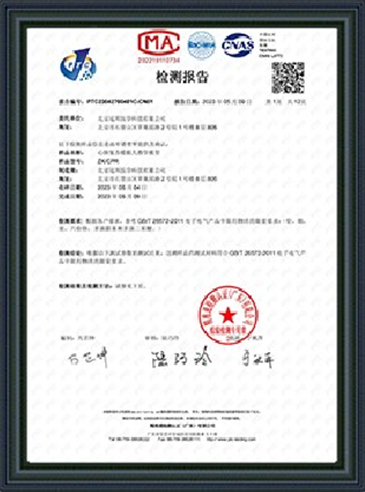
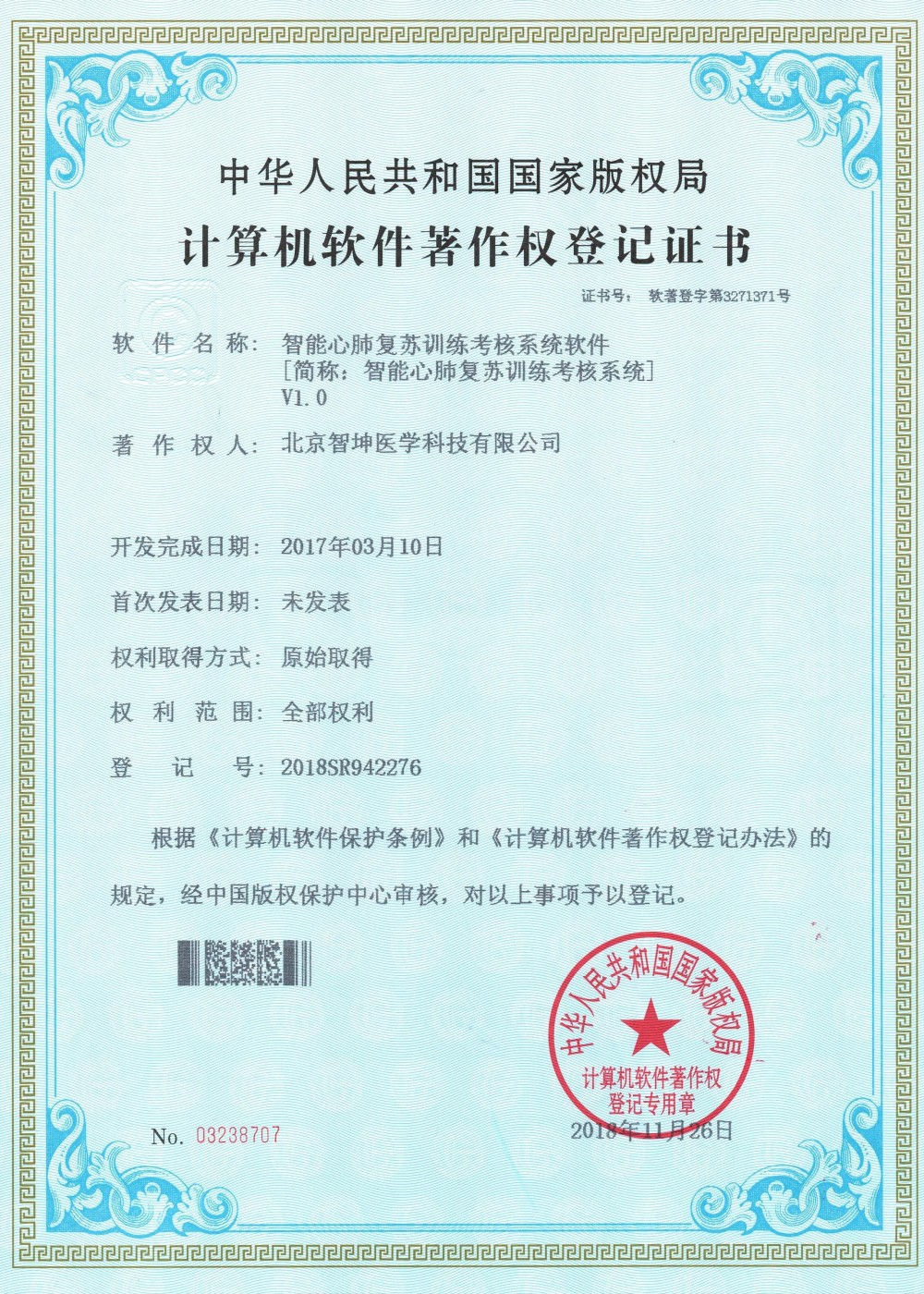
Our commitment to manufacturing quality, environmental standards, and user safety is validated by global agencies.

Demonstrating practical value in defense expos, educational campuses, and community safety initiatives.
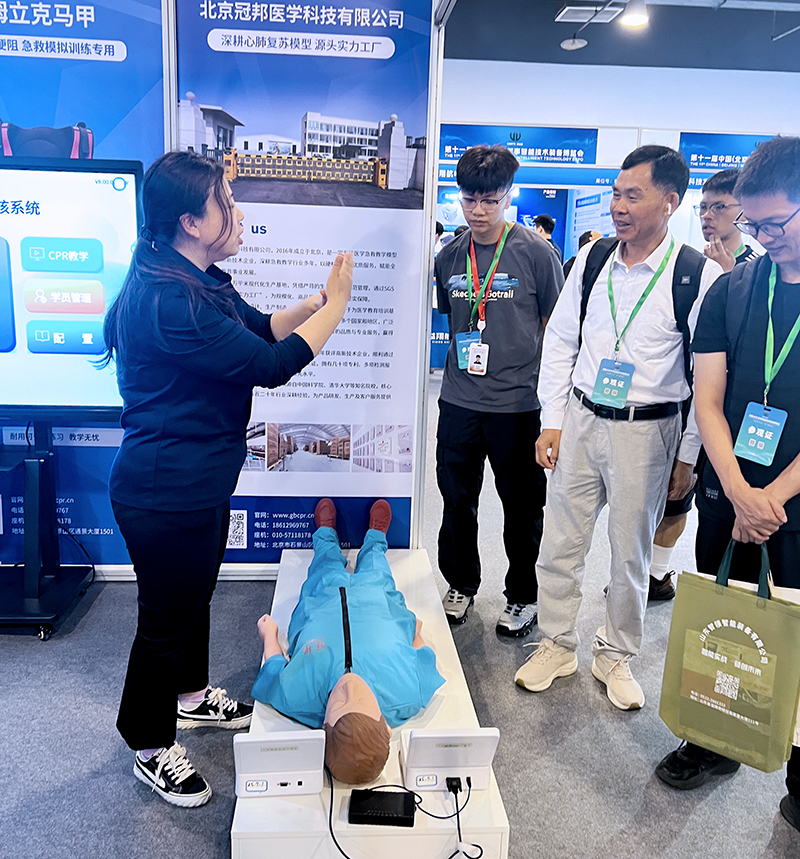
Guanbang presented modern medical skill models at the Beijing National Convention Center, validating their application within combat medicine and defense force training environments.
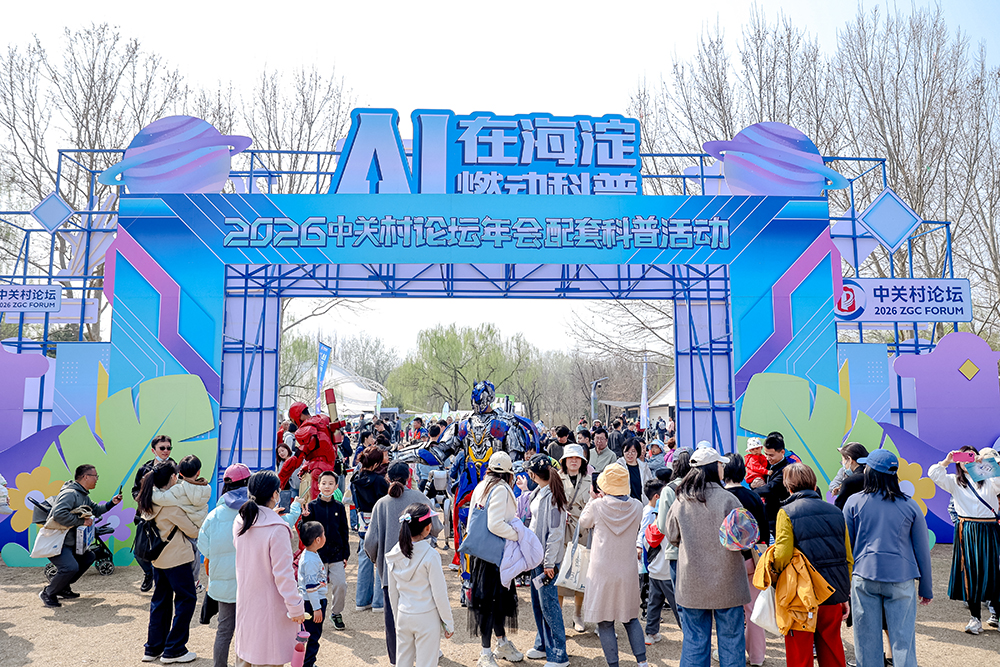
Showcasing the multi-manikin smart monitoring software system at the Zhongguancun Forum, allowing a single instructor to manage up to ten CPR trainees simultaneously.
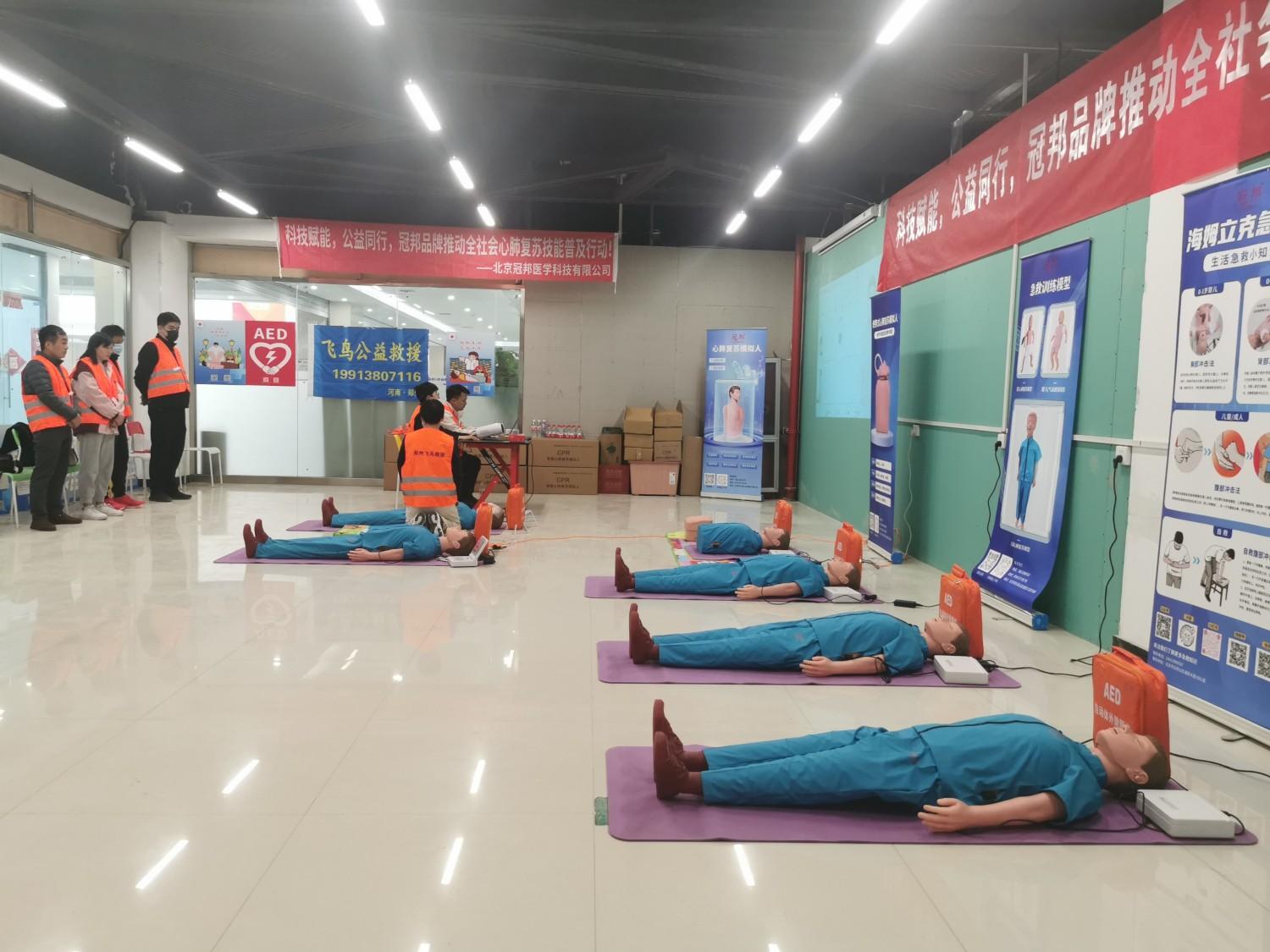
A joint public welfare initiative to build community-based CPR skills, empowering local residents with practical, hands-on life-saving experience.
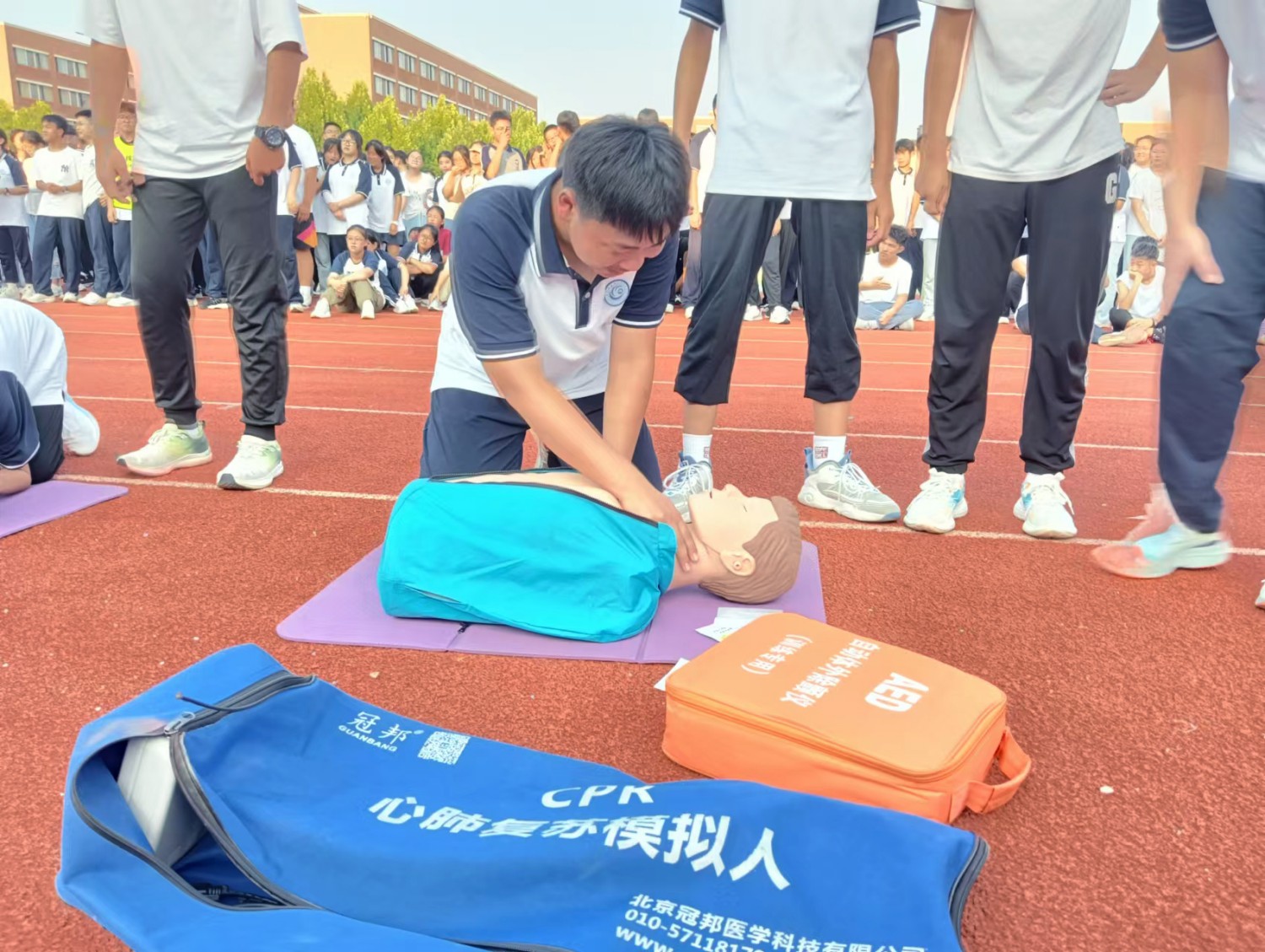
Integrating customized cardiopulmonary training models directly into school and university physical education curriculums to teach young students critical response techniques.
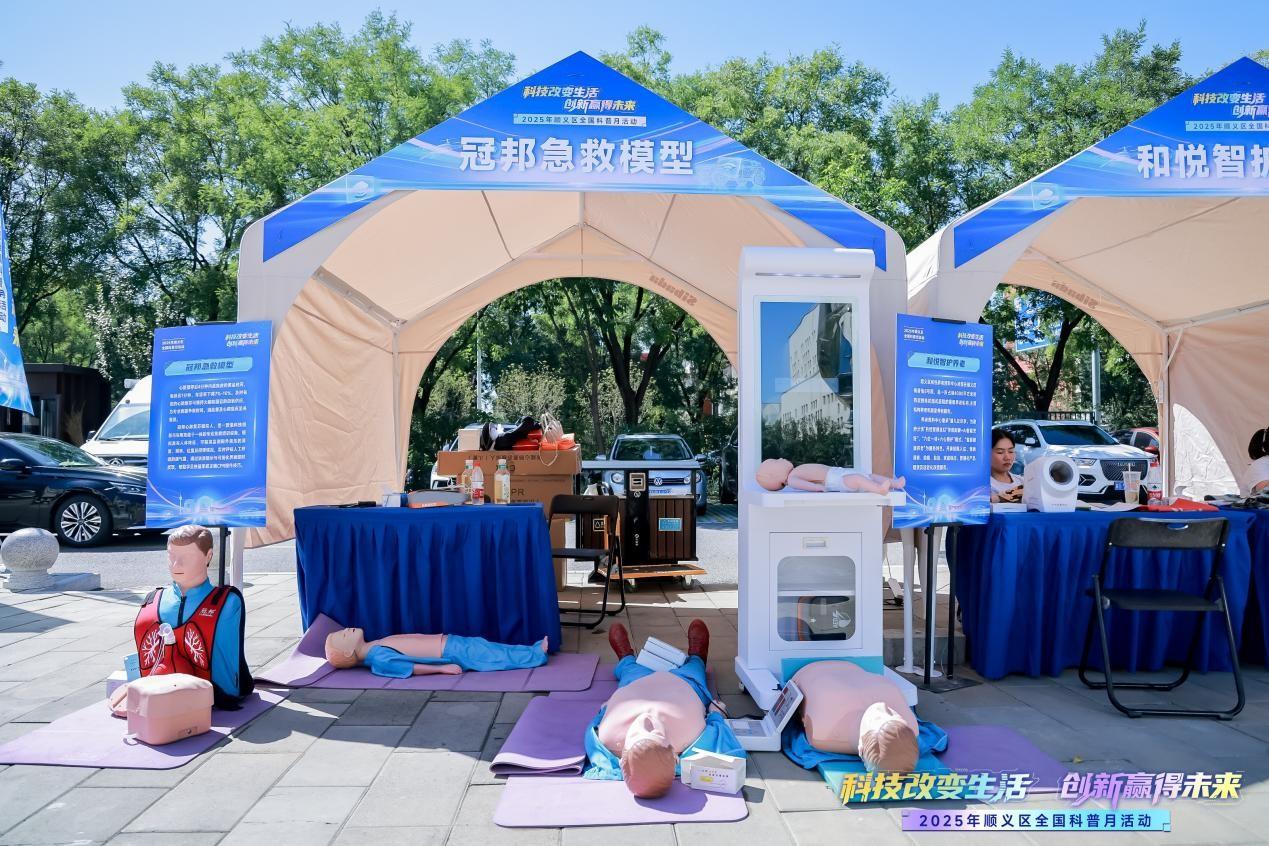
Highlighting a public interest drive where local participants interacted with our voice-prompted digital CPR systems, validating usability across diverse age groups.
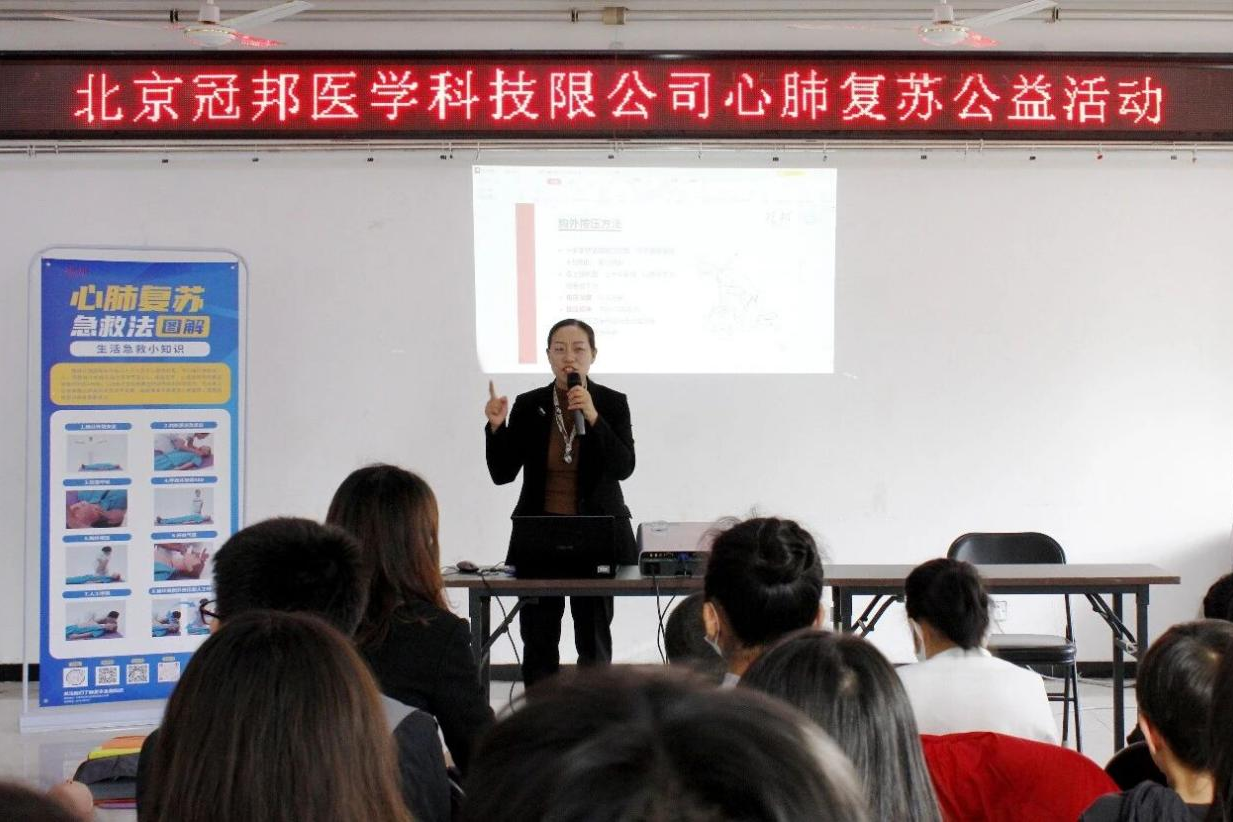
An interactive safety initiative held at Jin'erqu Community, teaching parents and pediatric students airway obstruction clearing and basic infant resuscitation.
Expert answers regarding calibration, configuration, durability, and OEM services for global buyers.
Our digital simulators feature built-in microcontrollers programmed to follow the latest AHA/ERC standards. This includes calculating compression rates (100–120 bpm) and verifying proper compression depths (50–60 mm for adults). Visual color-coded screens and real-time voice prompts immediately alert the user if they fall outside these parameter bands.
We use custom-synthesized medical-grade thermoplastic elastomer materials. These compounds undergo specialized aging tests, allowing our products to withstand heat, alcohol disinfection, and physical wear in high-throughput institutional training without tearing, hardening, or losing flexibility.
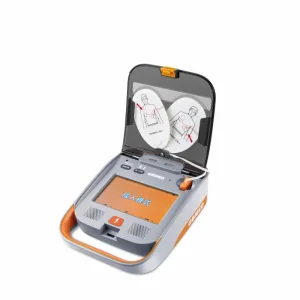
Yes. Our AED trainers are designed with universal gel patch connections and configured to work on any pediatric or adult CPR mannequin. This versatility allows schools and businesses to scale their equipment as budget allows.
Yes. Leveraging our 10,000-square-meter facility and integrated design department, we customize hardware skin colors, print client logos, adjust voice interface languages, and update custom evaluation software to meet specific regulatory frameworks.
Select from our specialized line of pediatric trainers, automated external defibrillators, and software-connected manikins.
 Guanbang Medical