Explore our premium range of clinical-grade emergency simulation systems engineered for institutional training compliance globally.
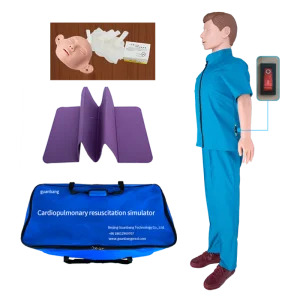
Founded in Beijing in 2016, Beijing Guanbang Medical Technology Co., Ltd. has established itself as an innovative powerhouse in the global medical simulation landscape. Our integrated operations range from core R&D, structural design, advanced materials processing, and system engineering, to direct wholesale manufacturing and bespoke customization services.
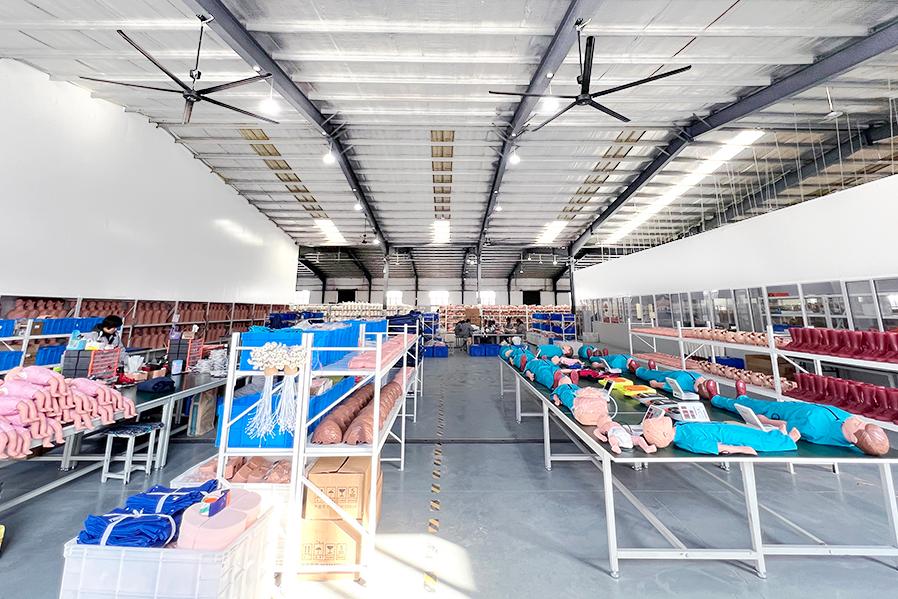
Operating a modern, specialized manufacturing facility spanning over 10,000 square meters, we cater to elite medical colleges, hospitals, emergency response departments, military training complexes, and public health departments worldwide. By utilizing cutting-edge manufacturing protocols and strict physiological validation parameters, we ensure every simulator represents realistic tactile response and anatomical accuracy.
Deep analytical insights into clinical training requirements, regional adoption mandates, and the shift towards quantitative assessment protocols.
In modern clinical environments, patient safety and medical error mitigation are key priorities. Global health bodies, including the World Health Organization (WHO) and regional agencies like the AHA (American Heart Association) and ERC (European Resuscitation Council), are shifting away from traditional passive learning toward dynamic, simulation-driven training. This shift requires realistic, high-fidelity simulators that provide precise biofeedback for chest compression depth, recoil, ventilation volumes, and airway management accuracy.
Today's medical simulators are not just static tools. They serve as integrated diagnostic assessment platforms. As legal mandates in North America and the EU expand to require mandatory, regular CPR and first-aid refreshers in workplaces and public spaces, the demand for portable, durable, and highly precise training models has increased. Beijing Guanbang Medical Technology sits at this intersection, developing hardware and software platforms that accurately measure and report compression metrics in real time.
Key drivers in the simulation market include:

Our core R&D division is led by researchers and engineering specialists from prominent academic institutions, including the Chinese Academy of Sciences (CAS), Tsinghua University, and the Beijing University of Technology (BJUT). This academic foundation enables us to incorporate advanced mechanics, sensor design, and material science into every simulator we build.
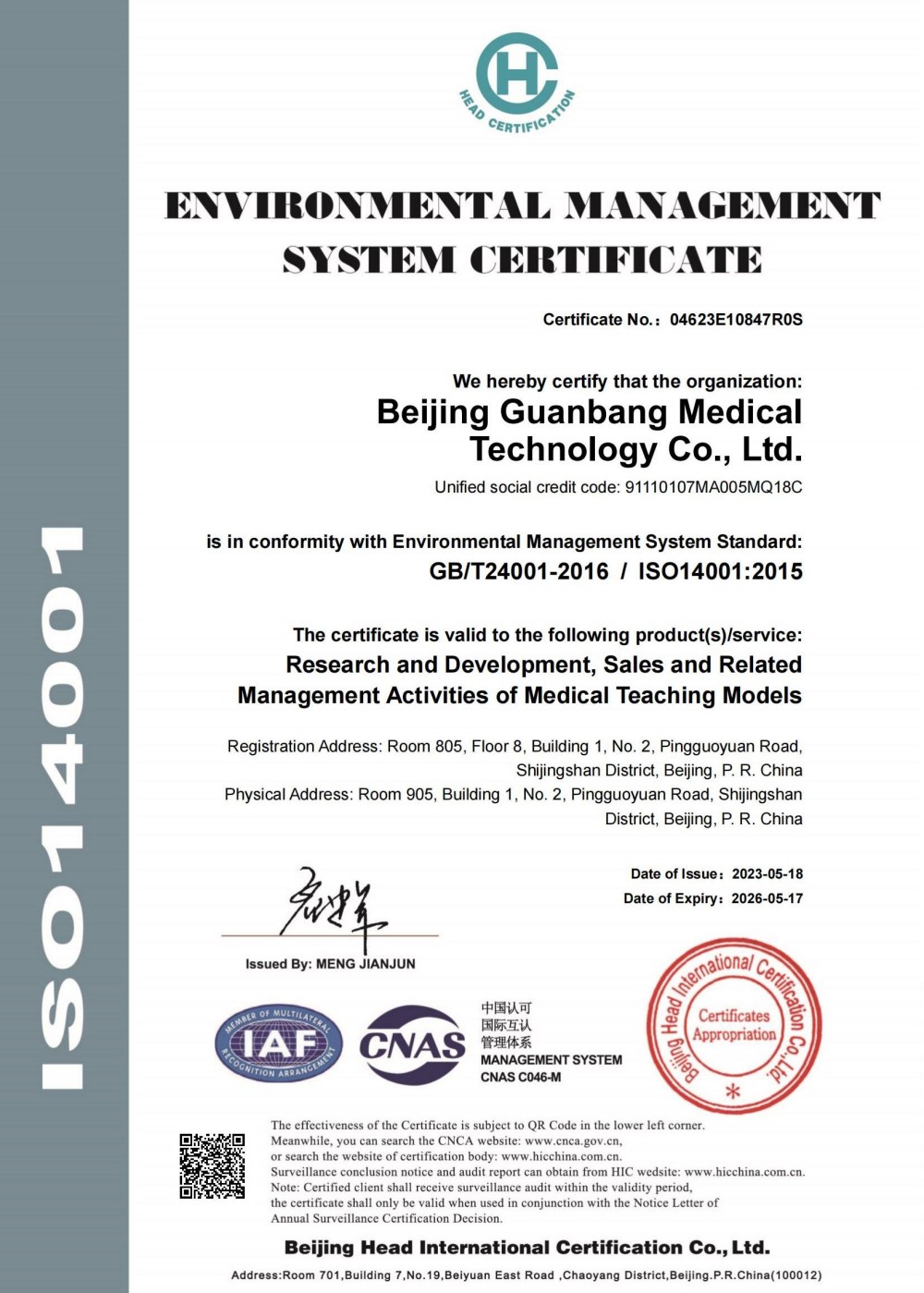
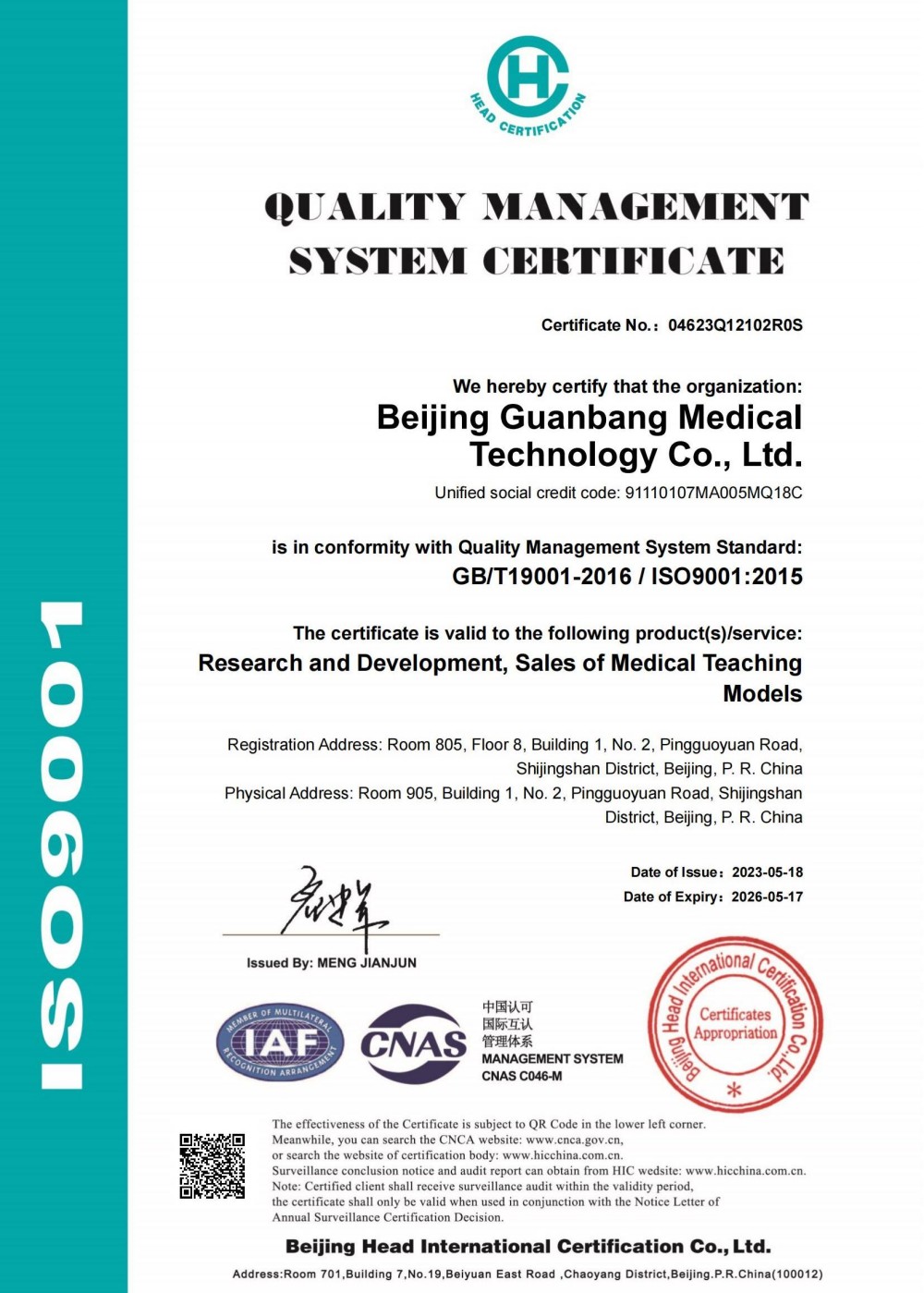
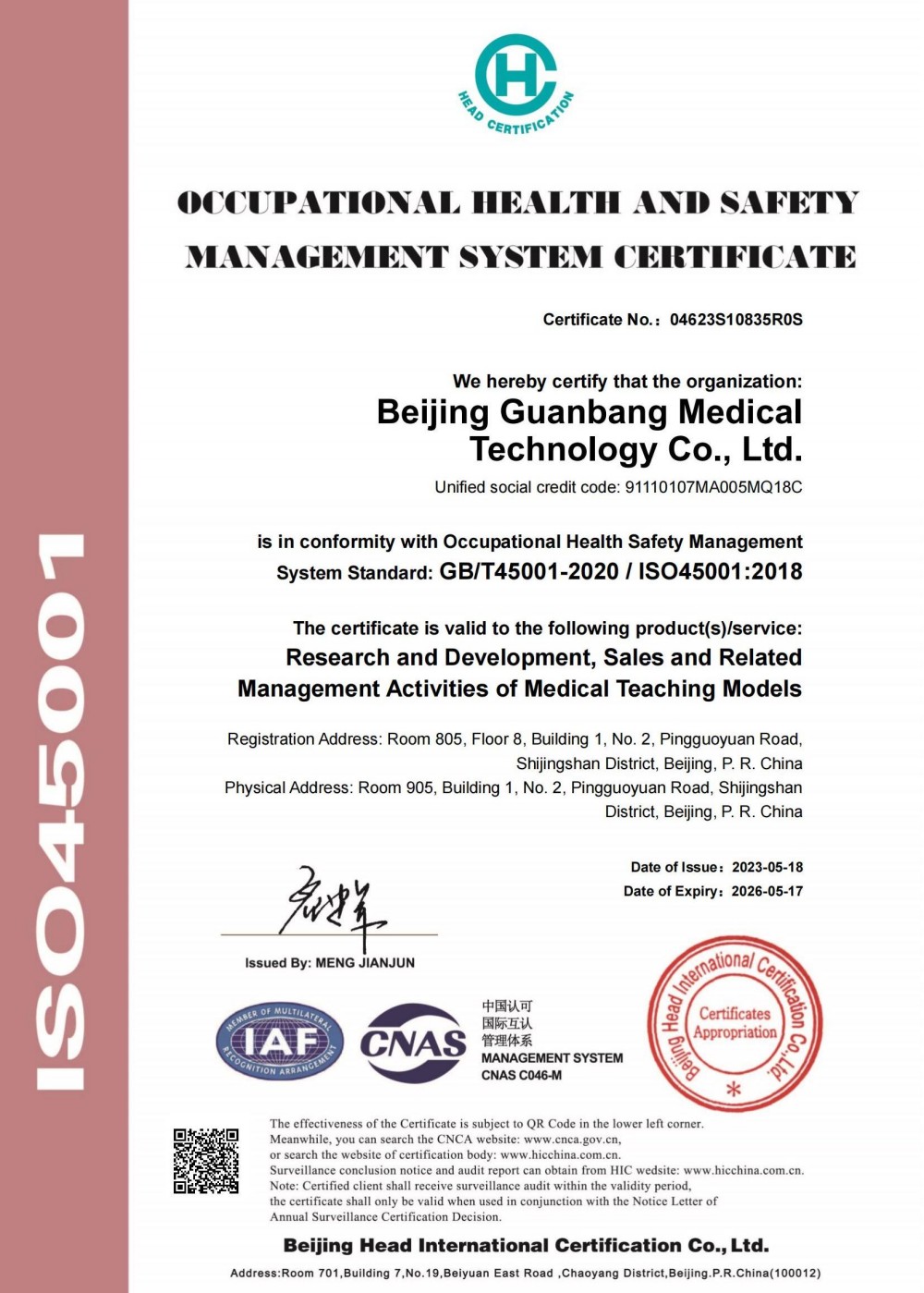
We hold certifications in environmental management (ISO 14001), quality management (ISO 9001), and occupational health and safety (ISO 45001). Our design process utilizes high-accuracy CNC mold machining and proprietary polymer curing methods. This results in simulators that withstand repeated, high-intensity training cycles without experiencing material failure or loss of structural compliance.
As training standards evolve, our technology roadmap focuses on three main goals: integrated wireless telemetry, artificial intelligence-driven assessment, and sustainable materials. Traditional manikins rely on analog mechanical clicks to confirm chest compression depth. Our next-generation models feature multi-point optical sensor arrays that detect angle drift and off-center compressions, helping trainees practice proper hand placement.
Our materials research team works with new thermoplastic elastomers that resist UV degradation, high temperatures, and chemical sanitizers. This ensures the simulators remain sterile and functional through hundreds of uses in diverse environmental conditions.
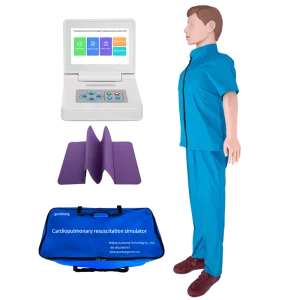
Technical Innovation Milestone: We have successfully integrated a direct USB/Bluetooth interface into our touch-screen console models. This enables trainers to link up to 10 manikins to a single instructor tablet, allowing real-time monitoring and reporting for group certifications.
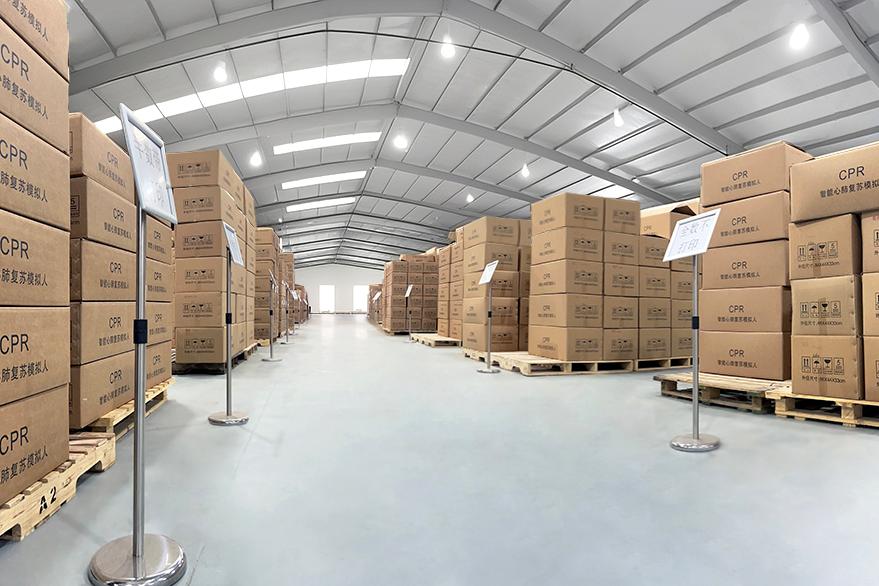
Our product categories are designed to cover a broad range of emergency scenarios, from public safety initiatives to specialized pediatric intensive care units.
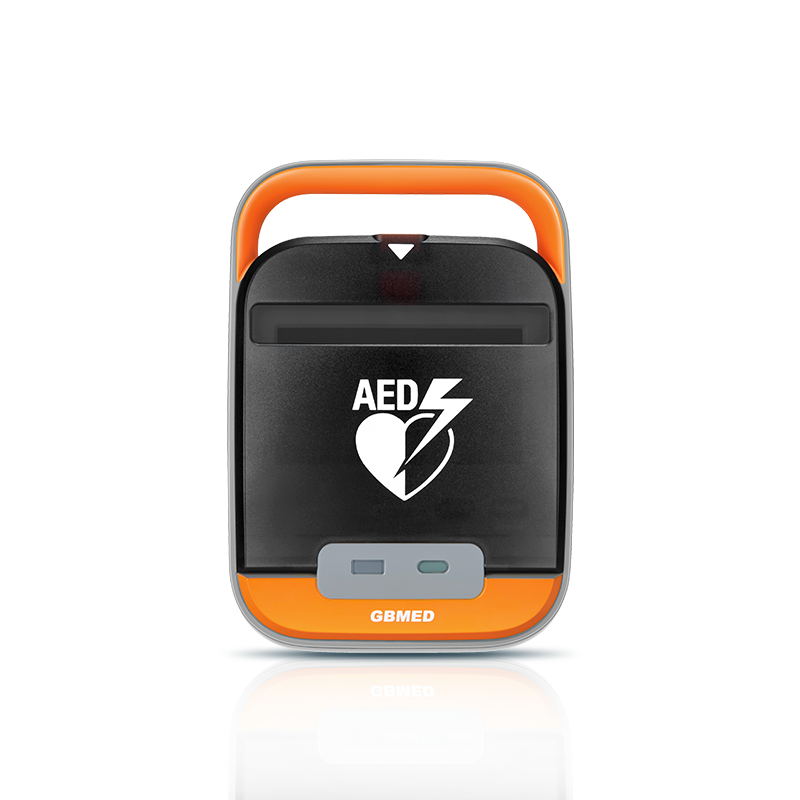
Advanced defibrillation simulators featuring real-time prompts, custom scenario selection, and universal patch adapters for clinical practice.
Explore Series →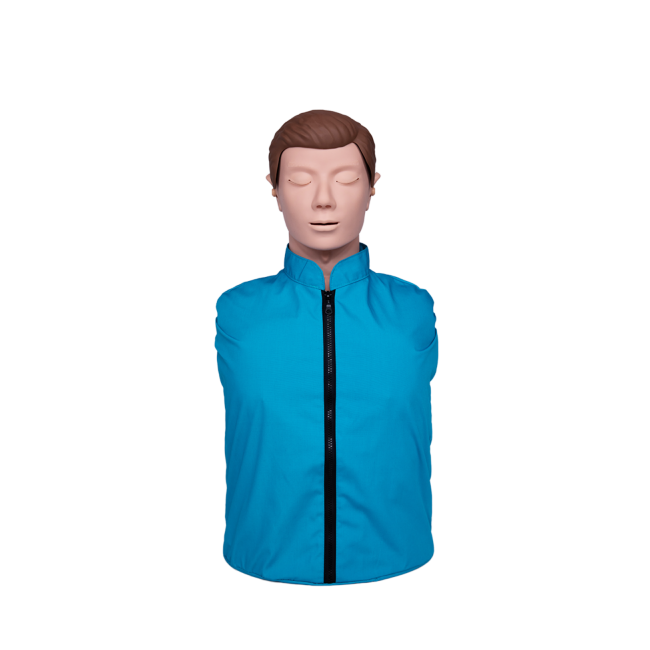
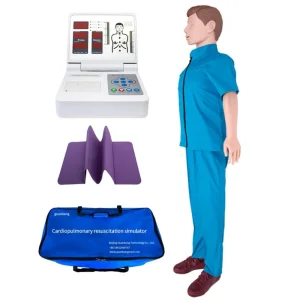
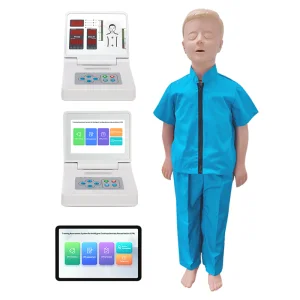
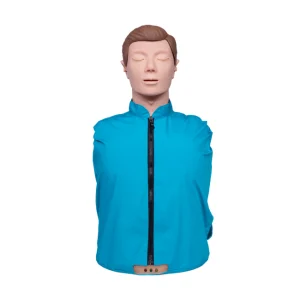
High-fidelity models ranging from basic mechanical manikins to digital consoles with touch-screen controls, software integrations, and voice feedback.
Explore Series →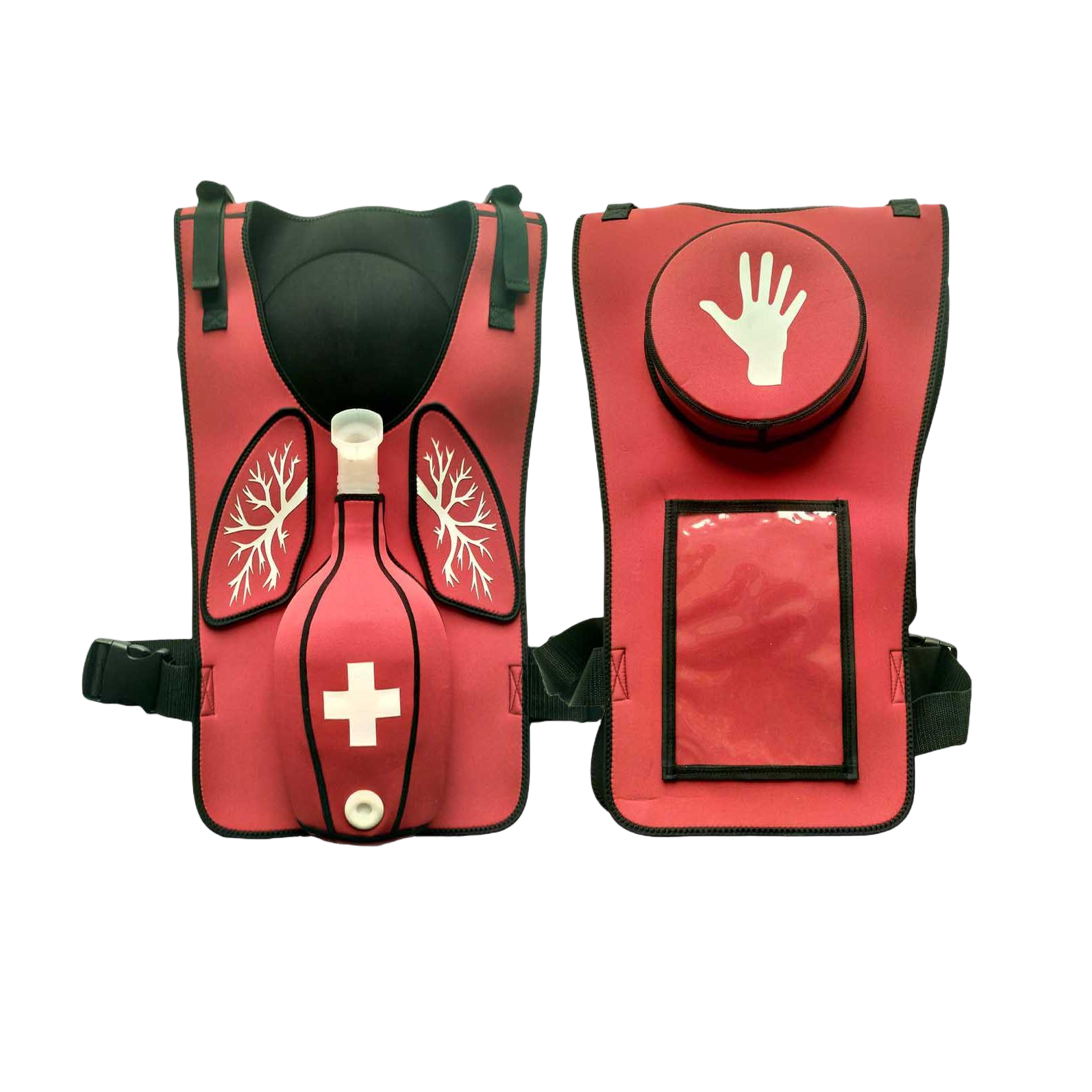
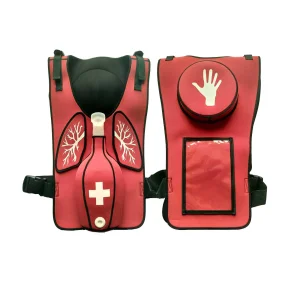
Heimlich maneuver vests and infant choking simulators built to provide accurate anatomical resistance and realistic object-ejection feedback.
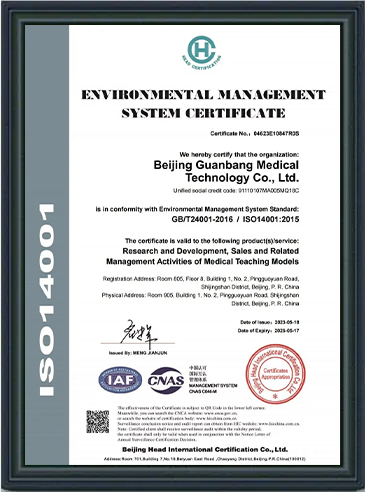
Explore Series →Our commitment to precision is backed by international certifications, design patents, and safety compliance audits.


Guanbang actively participates in international trade expos and hosts public safety programs to promote first-aid education worldwide.
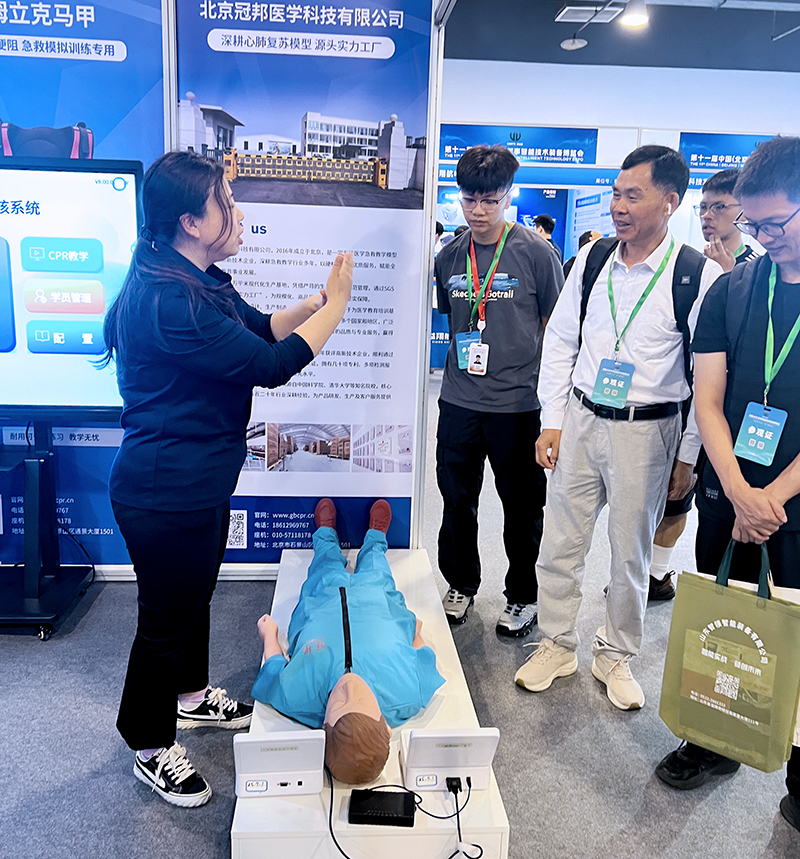
We demonstrated our tactical emergency medicine training simulators, showcasing specialized airway management tools designed for high-stress defense scenarios.

Guanbang presented its "one-to-many" software-based CPR simulation platform, demonstrating how digital control consoles can streamline group training assessments.
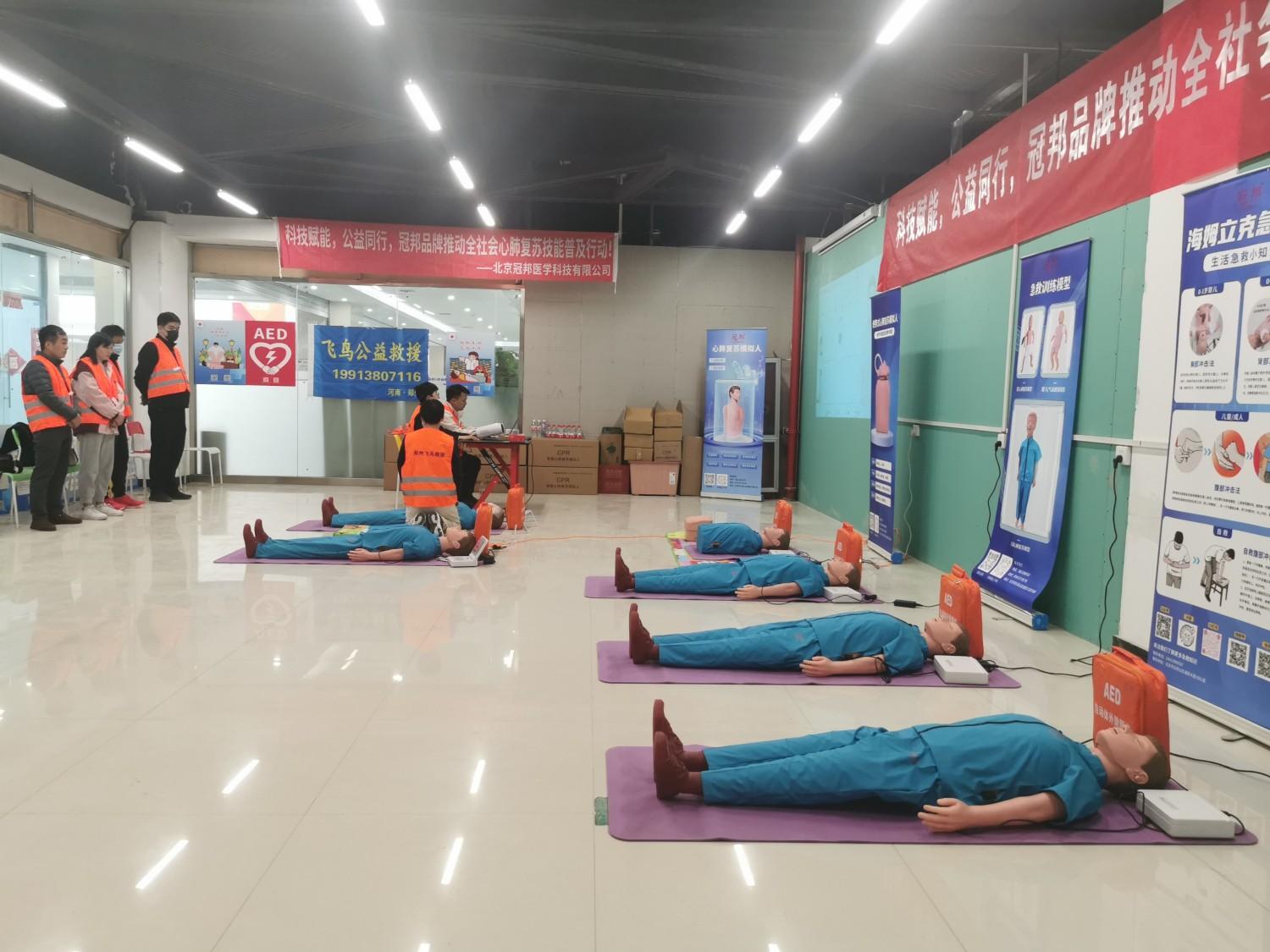
This collaborative center provides the community with free access to CPR training and educational resources, supporting local emergency response preparedness.
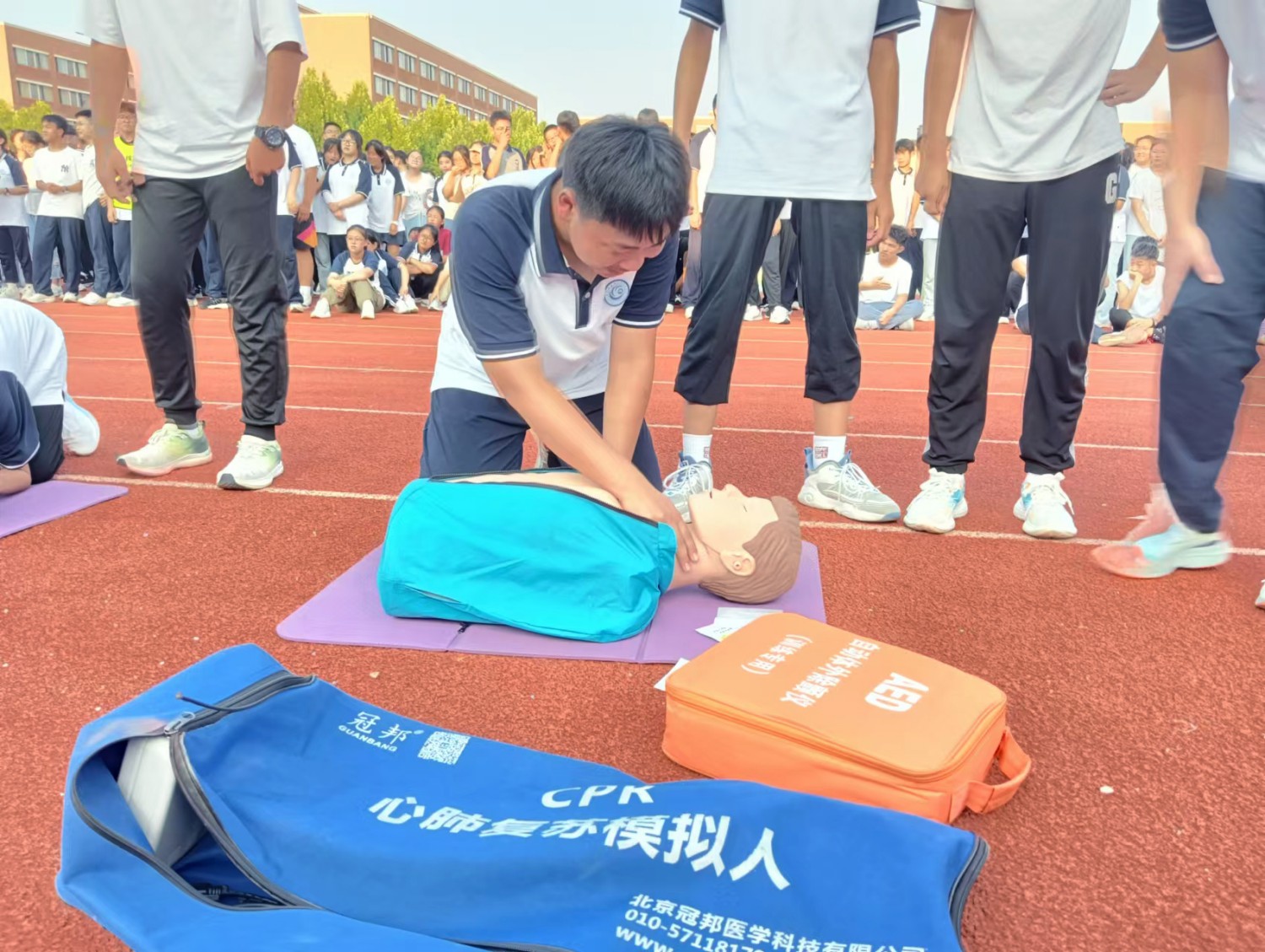
We partnered with schools to implement our pediatric and adult CPR simulators, helping students learn vital resuscitation skills during their science and health classes.
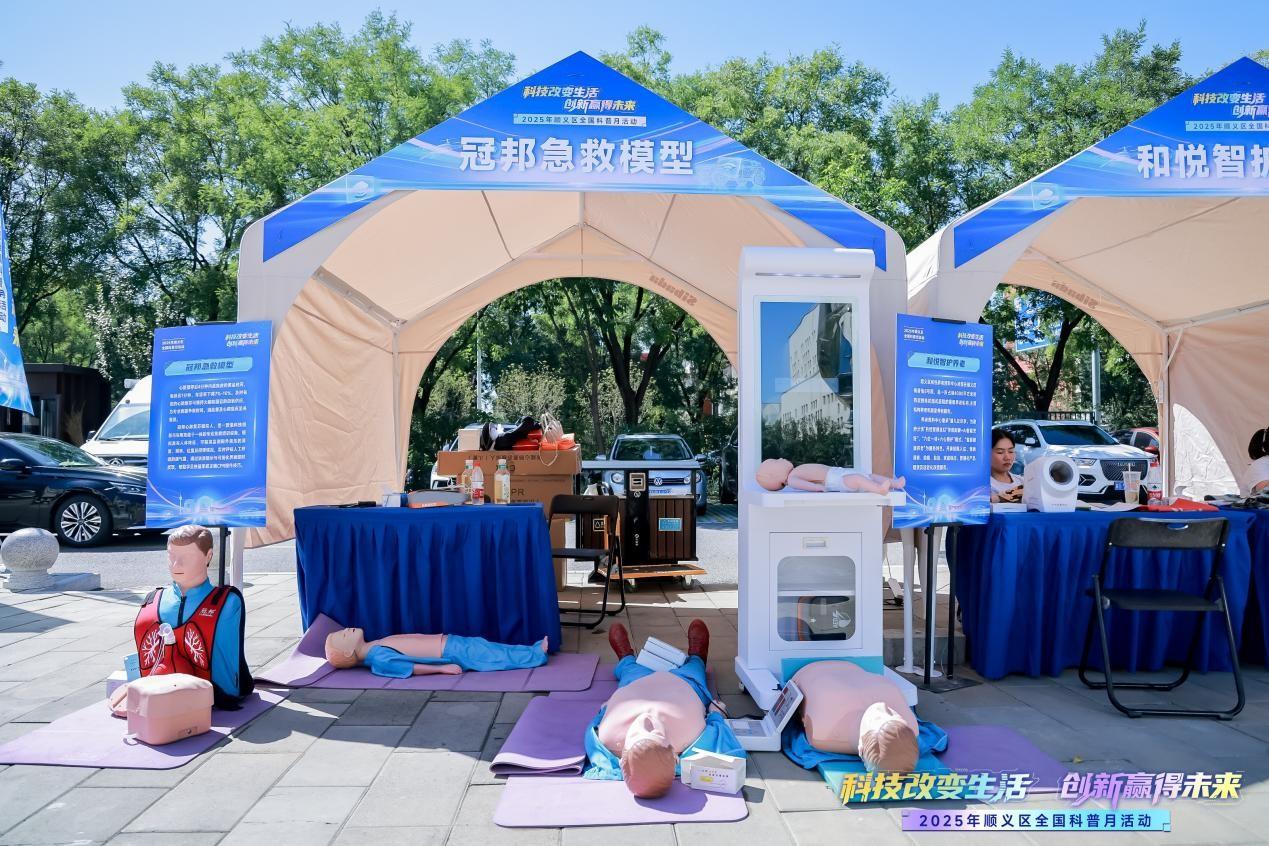
Attendees used our color touch-screen CPR systems, experiencing real-time feedback on chest compression depth, recoil, and ventilation rate.
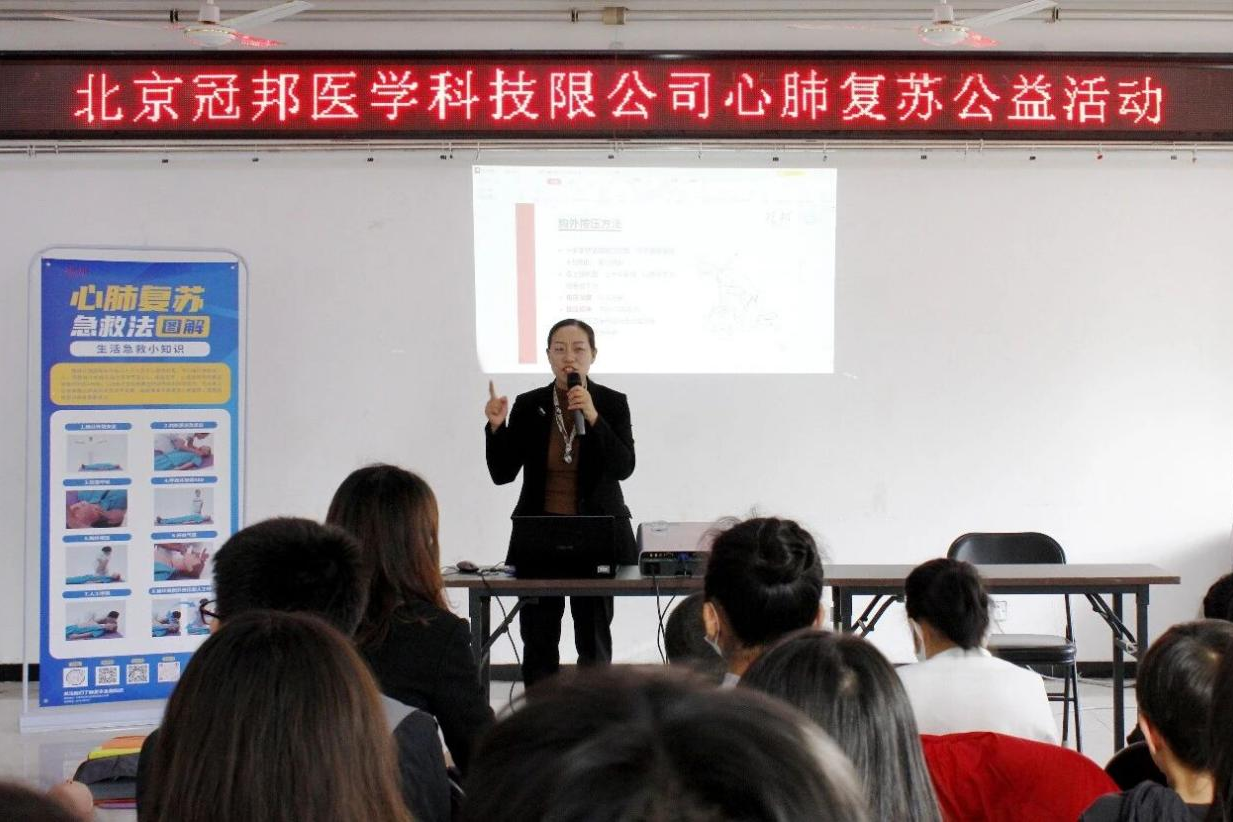
A community event focused on teaching parents and children basic CPR techniques and choking rescue maneuvers using our training vests and infant simulators.
A detailed overview of the engineering, sensor integration, and material choices that enable realistic clinical simulation.
To evaluate emergency resuscitation skills accurately, simulation hardware must mimic human anatomy and physiological responses. Guanbang’s development process focuses on three engineering elements:
A common issue with basic training manikins is incorrect thoracic resistance. If a spring system is too stiff or too soft, trainees may learn improper compression depth. Guanbang simulators utilize calibrated spring alloys and mechanical links to reproduce the physical compliance of a human chest wall under load, complying with current AHA CPR Guidelines.
High-end configurations feature optical sensors, chest expansion indicators, and airflow transducers. These sensors continuously track compression rate, depth, release velocity, and ventilation volume. They detect common errors, such as hyperventilation, improper hand positioning, and incomplete chest release, providing immediate feedback on connected touch screens.
Preventing cross-contamination is critical in group training settings. Our simulators feature one-way valves and replaceable lung bag systems. The airway design requires correct chin-lift, head-tilt, or jaw-thrust maneuvers to open, preventing artificial chest expansion unless the airway is properly aligned.
Expert answers addressing customization options, regulatory certifications, international logistics, and product features.
Browse our digital-control simulators, multi-scenario infant models, and high-fidelity training systems.
 Guanbang Medical