AHA guidelines-compliant training instruments precision-manufactured for institutional medical education and emergency training centers globally.
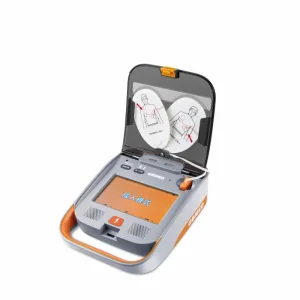
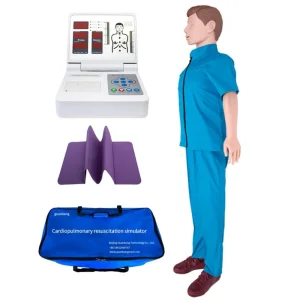
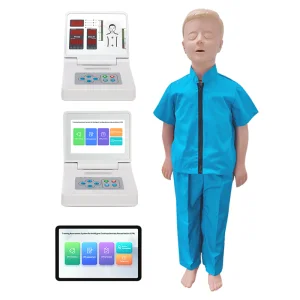
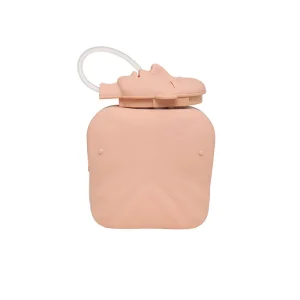
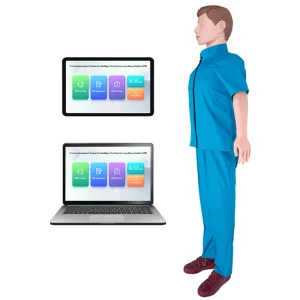
The paradigm of emergency medicine training has transitioned decisively from tactile instruction to immersive, quantitative, and data-driven learning. In contemporary clinical pedagogy, a medical simulation mannequin is no longer treated merely as a passive plastic phantom. Instead, it serves as a sophisticated, sensor-integrated cyber-physical platform capable of feeding real-time biomechanical data back to digital interfaces.
Global medical simulation standards demand that training devices deliver absolute compliance with major cardiovascular guidelines—specifically the American Heart Association (AHA) and European Resuscitation Council (ERC) protocols. Research shows that dynamic feedback systems embedded in modern simulators can increase CPR compression depth and rate compliance by over 38% compared to traditional non-monitored manikins. This biological fidelity is critical in training medical professionals to save lives instinctively.
As a leading Medical Simulation Mannequin Factory, Beijing Guanbang Medical Technology Co., Ltd. continues to bridge the gap between structural engineering and physiological simulation, ensuring that every training device acts as a faithful analogue of human physiology.
Founded in Beijing in 2016, we design, manufacture, and distribute leading medical simulators to support global healthcare readiness.
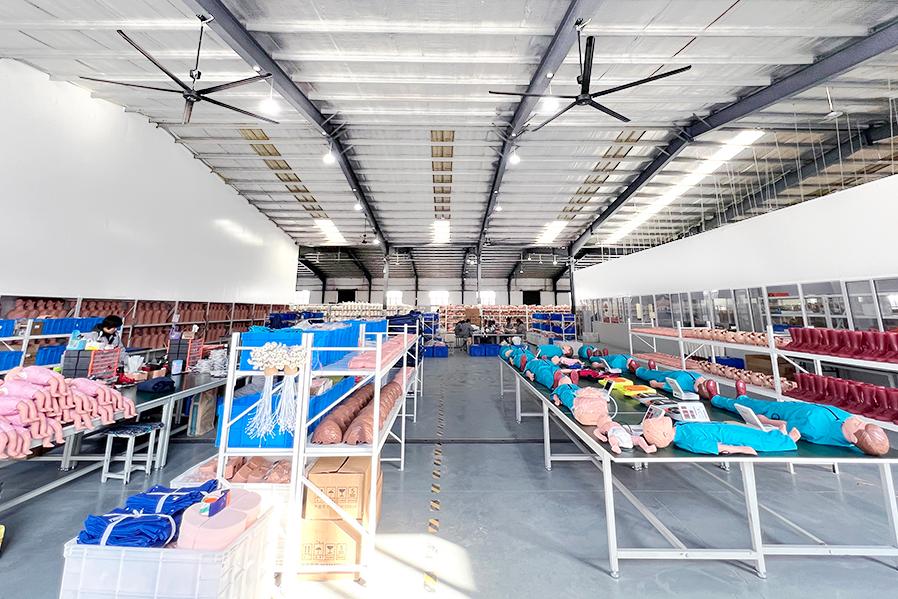
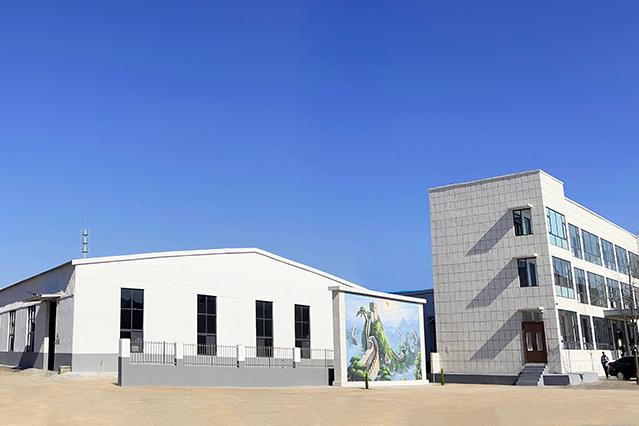
Beijing Guanbang Medical Technology Co., Ltd. operates a modern, state-of-the-art production facility spanning approximately 10,000 square meters. Our operational philosophy centers on integrating fundamental anatomical precision with computational diagnostics. We manage a comprehensive workflow under one roof: from initial conceptual design and computational modeling to material injection, electrical engineering, software development, and quality control.
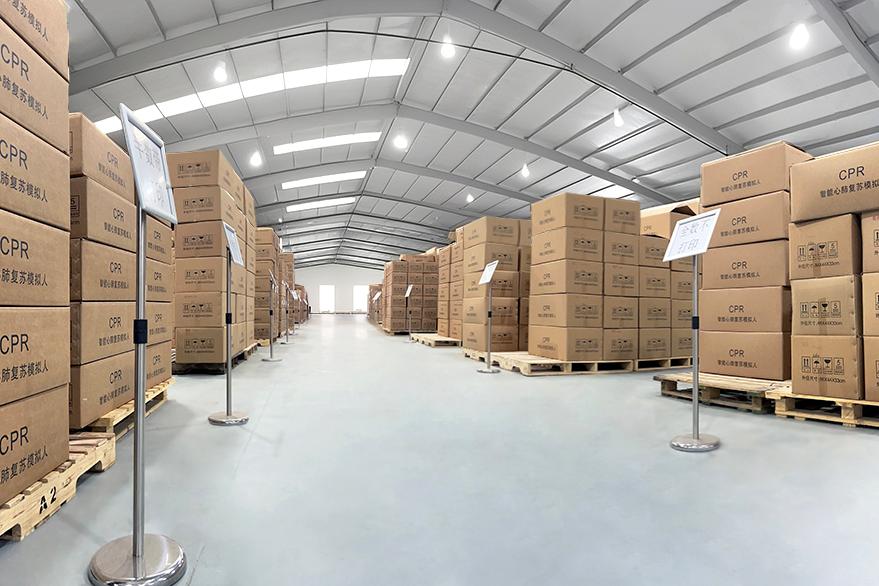
We serve thousands of institutions across the globe, providing hospitals, universities, emergency services, and community centers with durable simulators that survive the rigors of repetitive institutional training cycles.
Pioneering new standards in anatomical accuracy, materials science, and responsive training software.
Our key engineering and research specialists hold post-graduate and doctoral degrees from high-tier institutions including the Chinese Academy of Sciences (CAS), Tsinghua University, and Beijing University of Technology. With decades of cumulative experience, they drive our core development cycles.
We leverage cutting-edge thermoplastic elastomer (TPE) skin materials and advanced mold-casting methodologies to mimic genuine human skin texture, chest resilience, and skeletal landmarks. The result is a realistic tactile response for trainees.
We offer tailored manufacturing services with over 30 design configurations spanning pediatric, infant, and adult anatomies. From customized training software modules to specific physical specifications, our factory meets unique client protocols.
Ensuring compliance with international frameworks for health, safety, and training performance.
Our CPR manikins and software platforms are optimized for the latest American Heart Association (AHA) and ERC guidelines, providing precise target zones for compression depth (5cm to 6cm for adults) and compression frequency (100 to 120 bpm).
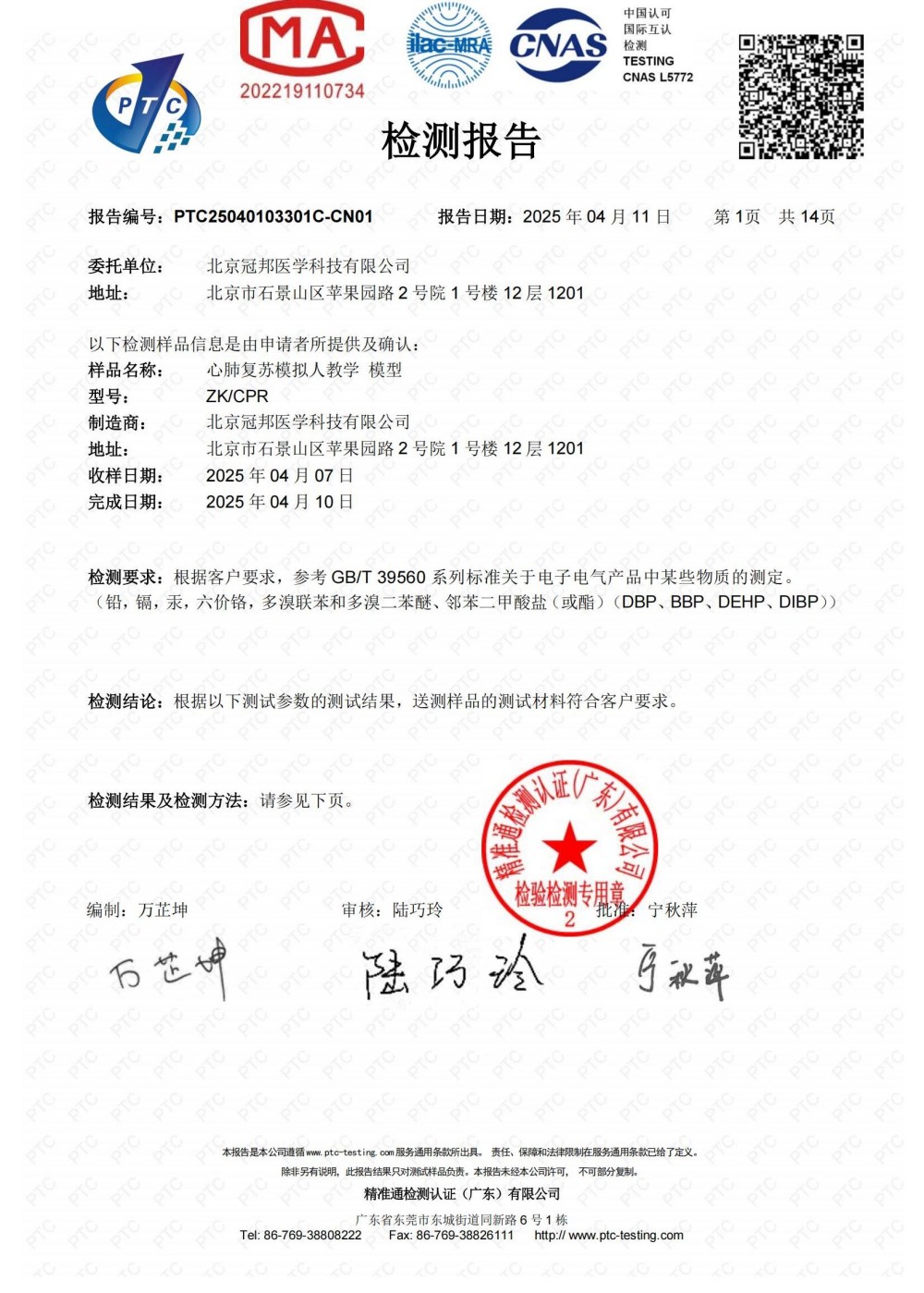
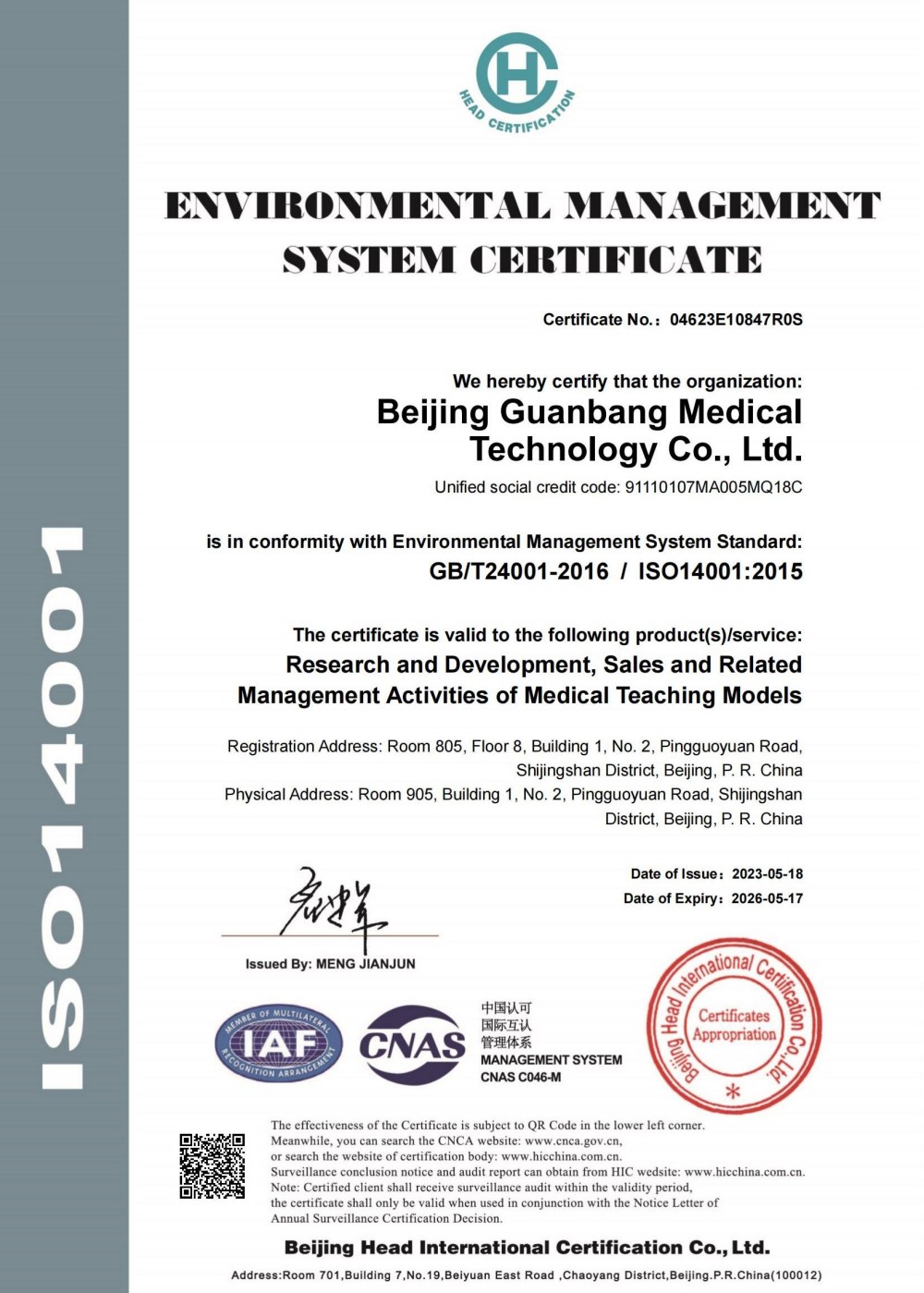
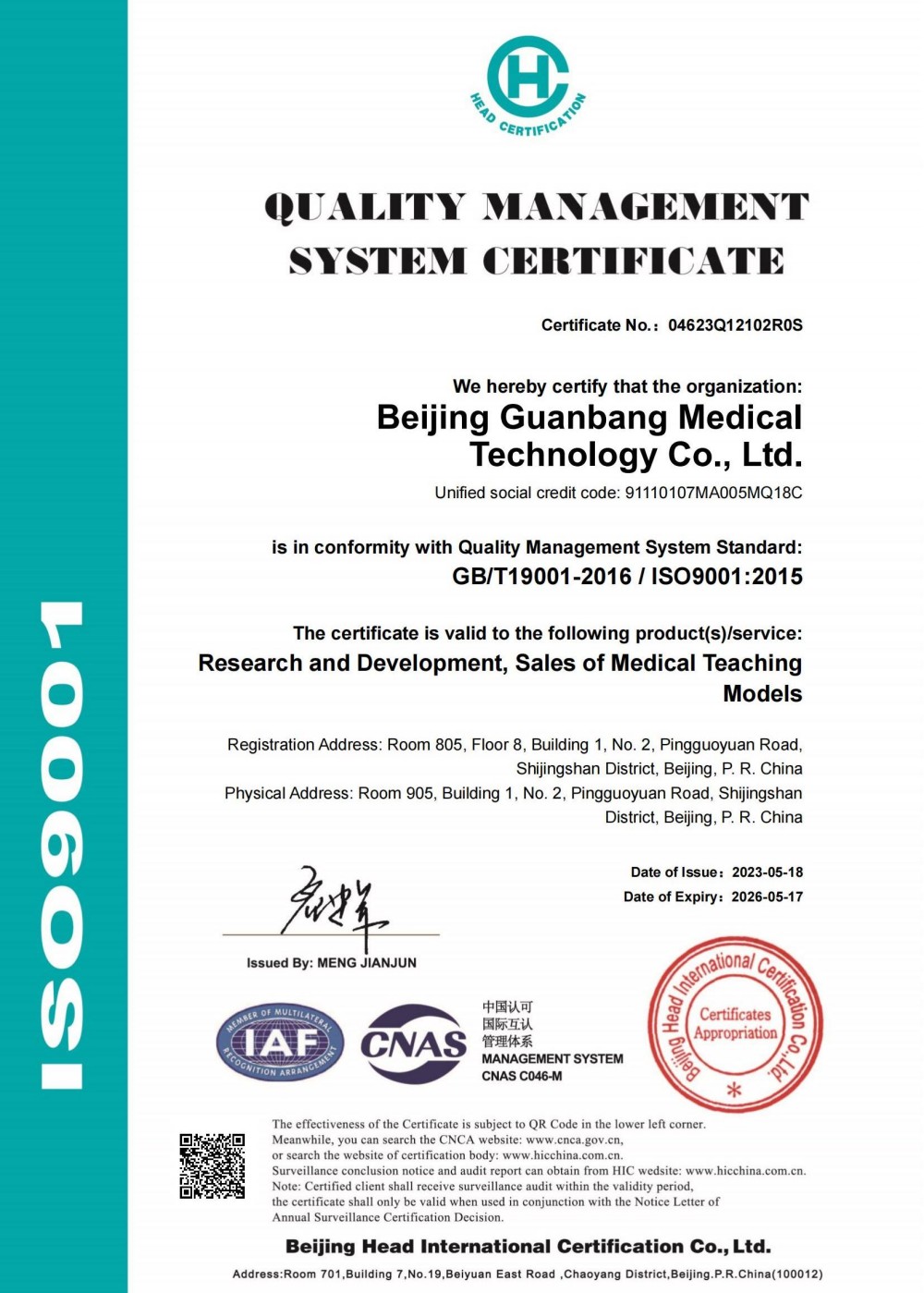
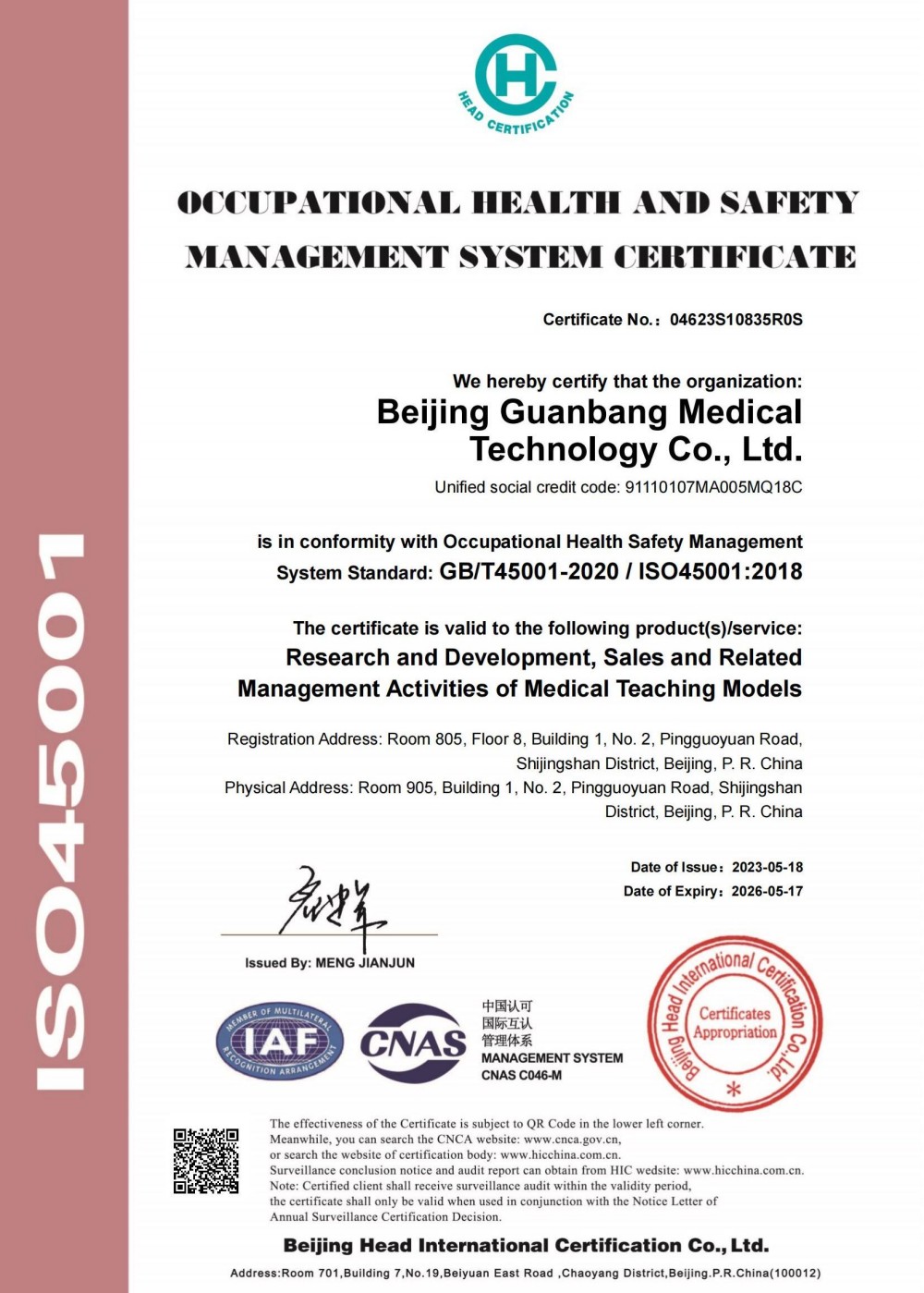
We operate within strict compliance protocols, obtaining certifications in environmental management systems, occupational health and safety management, and quality management systems. This guarantees consistent reliability across production batches, allowing hospital administrators and training coordinators to source our simulators with high confidence.
Additionally, our software components hold registered copyrights, confirming that the digital monitoring systems, touch screen controls, and feedback systems are protected and optimized for robust corporate use.
How healthcare institutions and distributors streamline simulation equipment procurement.
Institutional buyers, such as university purchasing boards, public health ministries, and defense agencies, face complex criteria when selecting a medical simulation manufacturer. Key parameters include long-term mechanical durability, replacement parts availability, software scalability, and compatibility with local medical guidelines.
Guanbang goes beyond shipping standalone boxes. We construct cohesive systems where our AED trainers communicate with our CPR simulation manikins, creating multi-layered trauma and cardiac scenarios. This integration prepares medical personnel for high-stress, real-life emergencies. By providing structured, modular equipment sets, we reduce integration costs for distributors and educators.
Eliminating middle-tier supply chain costs. We provide direct container shipping and custom pricing models for major institutional projects.
Our design facilities handle mockups and custom molding fast, enabling custom branding and anatomy adjustments in weeks.
We supply replacements for wear-and-tear parts like lung bags, face pieces, and electronic boards for up to 10 years.
Connecting with partners at major defense and medical expos, and delivering community first-aid initiatives.
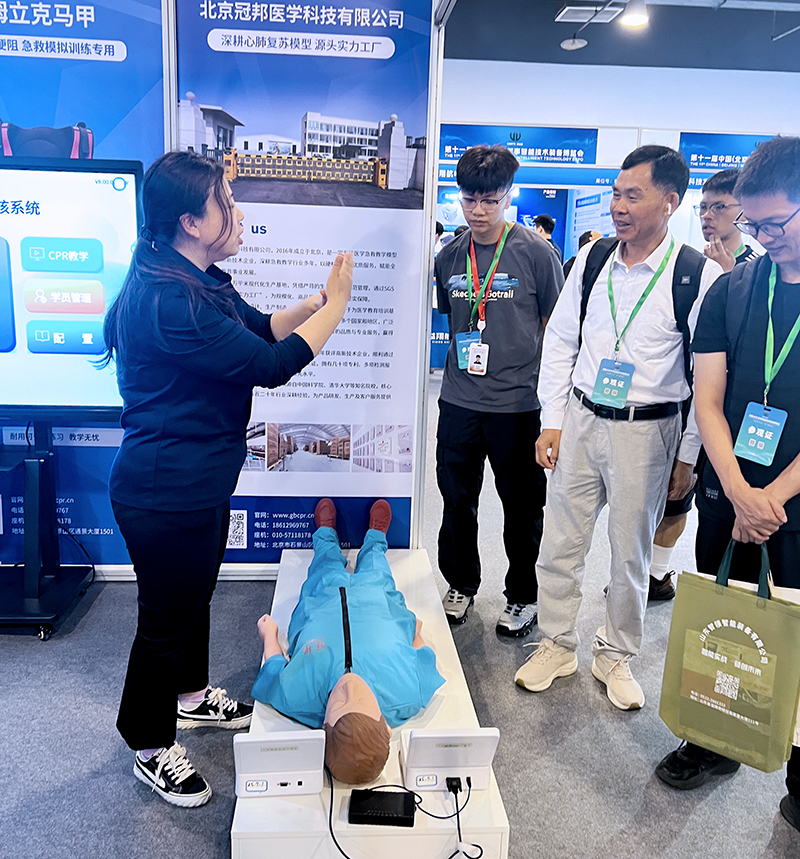
Guanbang showcased military-grade first aid training configurations, presenting advanced CPR models designed to simulate battlefield trauma response and rapid emergency care.
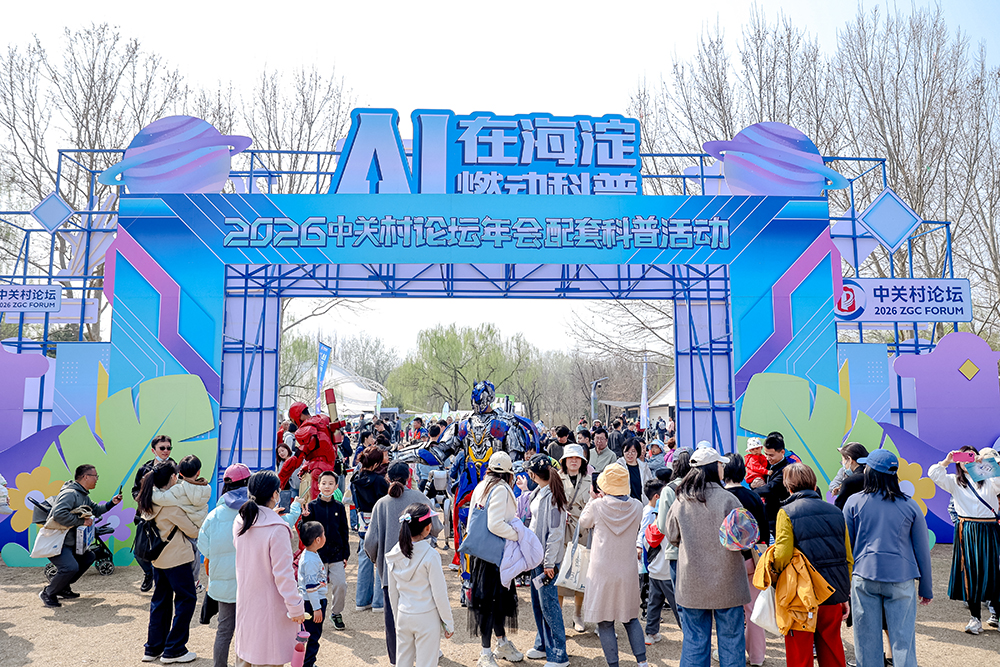
Showcasing the multi-manikin wireless control software at the Zhongguancun Forum. Educators managed multiple CPR trainers simultaneously from one screen, improving school training efficiency.
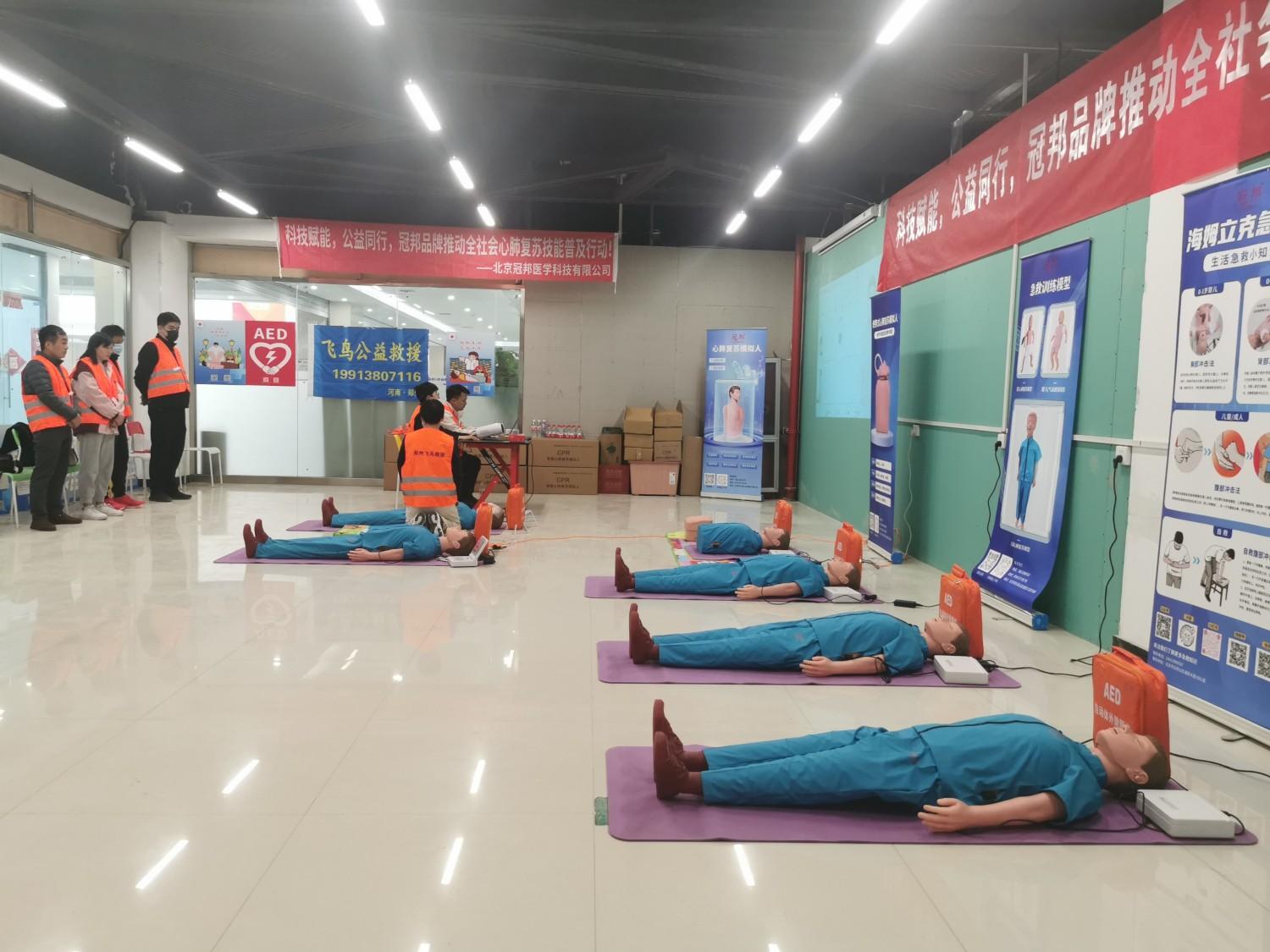
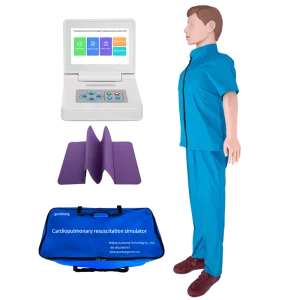
A joint community space offering free public cardiopulmonary resuscitation training courses, equipped with Guanbang's touch-screen CPR models.
A look at the future of medical simulation engineering.
The field of medical simulation is shifting toward mixed reality environments. Standard visual indicators are giving way to cloud-connected, spatial computing setups. Our R&D center is active in three main development areas:
Integrating wireless sensors with direct Bluetooth linkages to custom smartphone and tablet training apps. This makes training accessible without bulky controllers.
Syncing mechanical manikins with augmented reality headsets. This adds visual cues like changing skin color to reflect oxygen level and pulse variations in real time.
Using predictive analytics algorithms to assess compression trends. This helps identify muscle fatigue patterns in trainees during extended emergency training cycles.
Expert answers to common engineering, customization, and logistics questions.
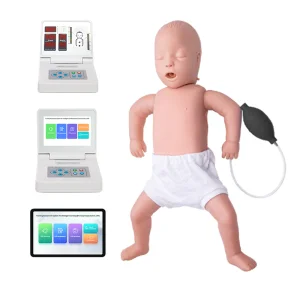
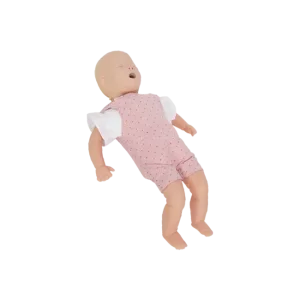
Explore our specialized range of digital simulators, infant resuscitation models, and training accessories.
 Guanbang Medical