Explore our advanced ODM medical training systems configured for clinical and home environments.
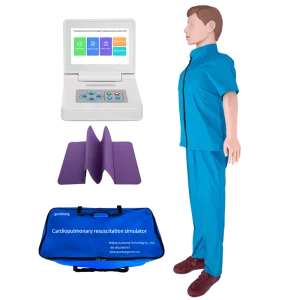
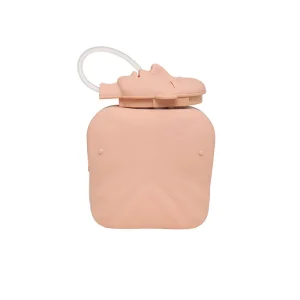
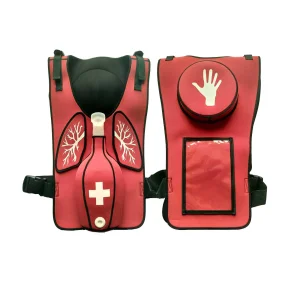
Analyzing the evolution of medical simulation tools from centralized classroom models to highly distributed, remote educational paradigms.
For decades, acquiring proficiency in Cardiopulmonary Resuscitation (CPR) required physical attendance at certified training facilities, operating high-cost, institutional simulation equipment. However, empirical studies show that CPR skills deteriorate rapidly—often within three to six months following initial certification. This skill decay presents a significant challenge to public health, where immediate bystander CPR can double or triple survival rates during out-of-hospital cardiac arrest (OHCA).
To combat skill decay, the global emergency care community has embraced the concept of CPR Training at Home. By shifting the venue from centralized lecture halls to domestic spaces, trainees can engage in continuous, self-paced, and repeatable practice. The challenge, however, lies in delivering clinical-grade feedback without the direct supervision of a human instructor. This is where Original Design Manufacturer (ODM) systems step in, embedding advanced electronic sensors, voice instructions, and digital assessment tools into highly portable, cost-efficient, and durable manikins.
A leading national high-tech enterprise providing comprehensive medical skills training models, advanced technological research, and global customized services.
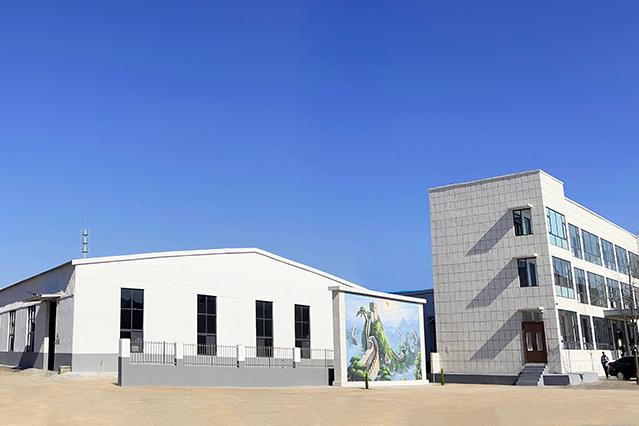
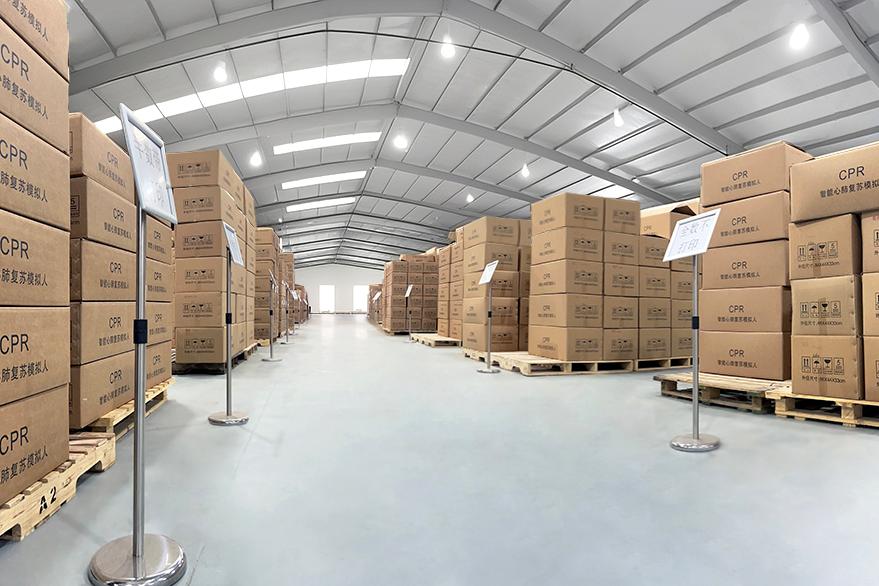
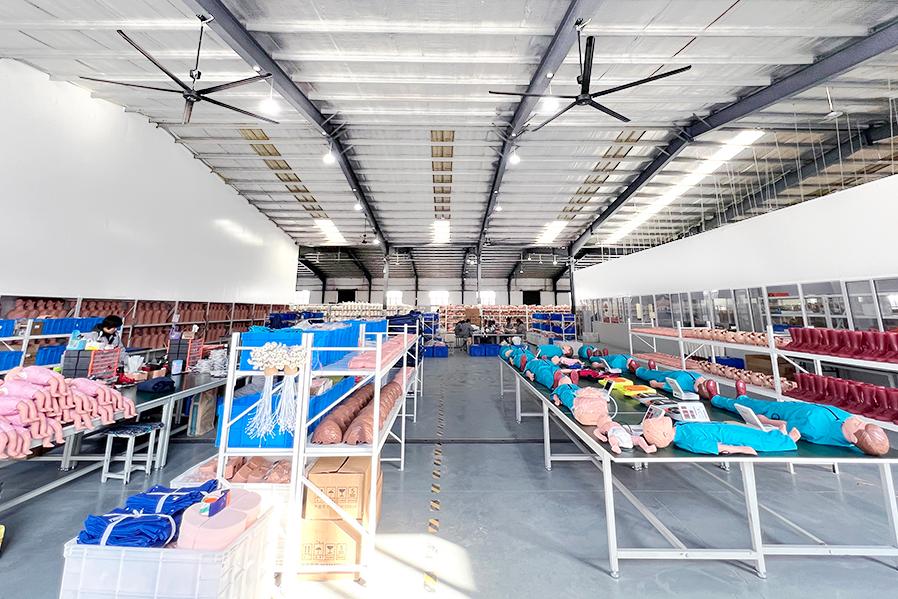
Founded in Beijing in 2016, Beijing Guanbang Medical Technology Co., Ltd. represents the standard in design, manufacturing, and supply of simulation models for medical education. Operating a modern production facility spanning over 10,000 square meters, Guanbang maintains an integrated business ecosystem. This covers design research, mechanical engineering, material processing, software coding, and direct-to-consumer/B2B supply chain delivery.
Guanbang's competitive advantage is rooted in its elite research and development team. Our core technical staff hold master's and doctoral degrees from renowned domestic institutions, including the Chinese Academy of Sciences (CAS), Tsinghua University, and the Beijing University of Technology. Guided by these specialists, our team of over 20 senior technical experts and 60+ skilled manufacturing workers transforms complex anatomical layouts into robust training devices.
How materials science, sensor networks, and mechanical calibration combine to deliver clinical-grade simulation precision in domestic environments.
Utilizing high-end polymer elastomer materials and advanced mold processing technologies to recreate human skin feel and compression resistance. The chest structure delivers realistic elastic recoil, mimicking human cartilage dynamics for accurate muscle memory conditioning.
Proprietary software integrates optical and pressure sensors to track compression rate, depth, and release accuracy. Real-time audio-guided feedback prompts the trainee with commands such as "Press harder" or "Good compressions" to align with international standards.
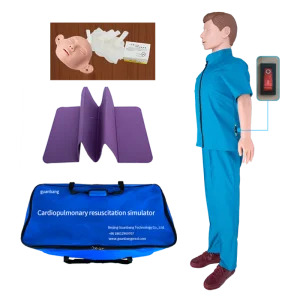
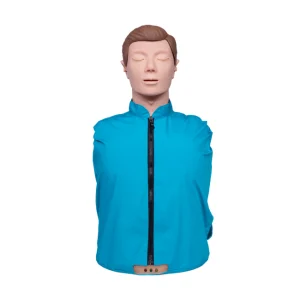
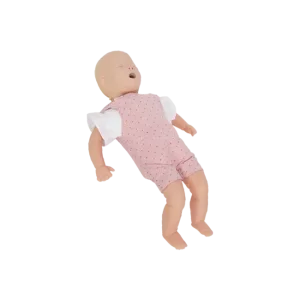
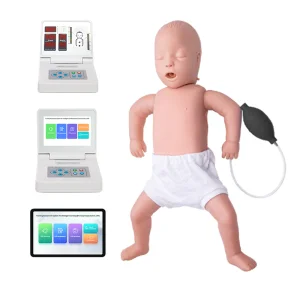
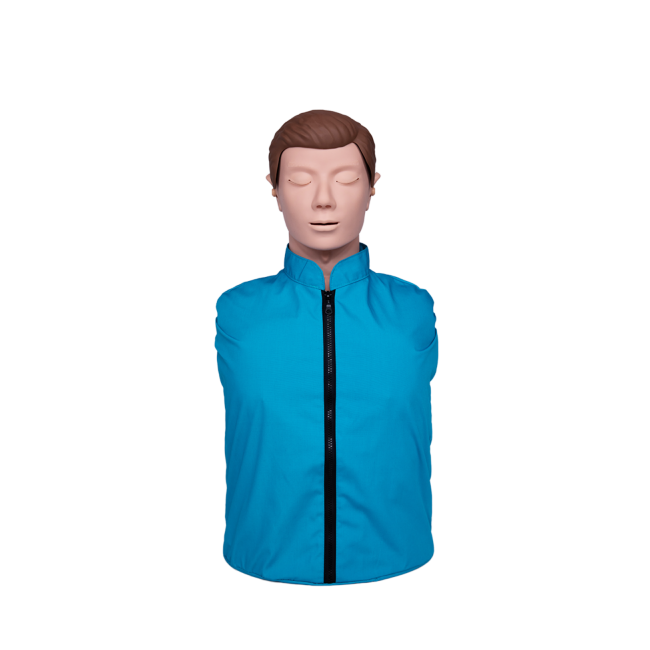
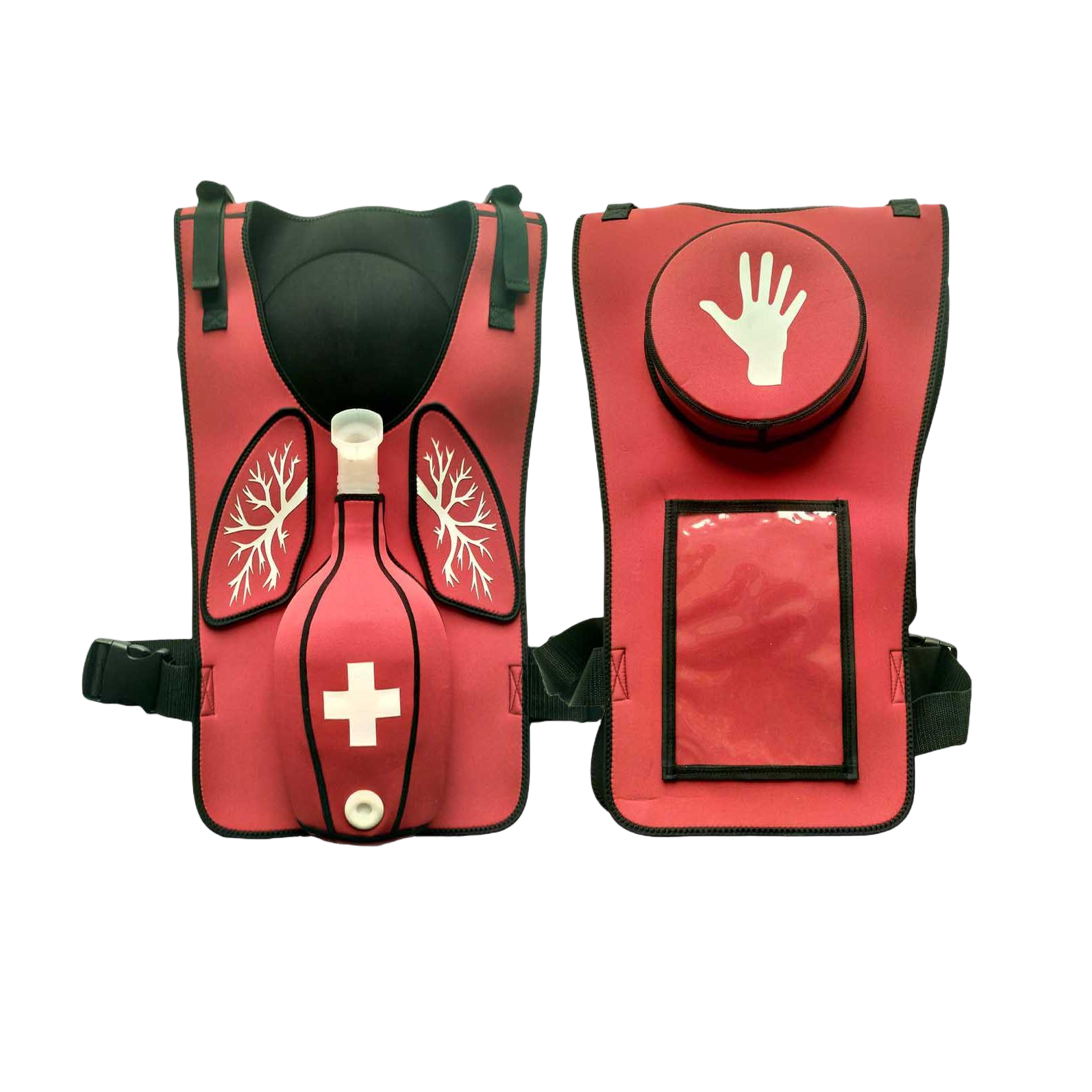
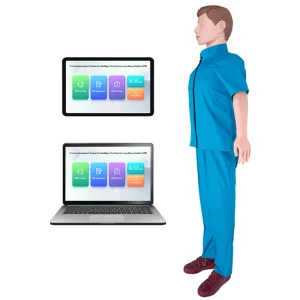
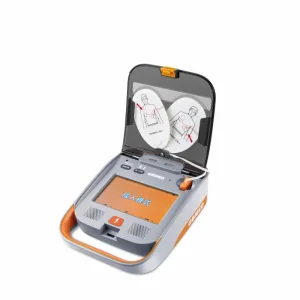
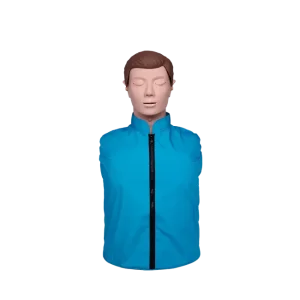
Product architecture is highly modular, featuring infant airway blockage simulators (Heimlich Maneuver), electronic adult resuscitation platforms, and portable AED simulators. Over 30 specialized specifications cover diverse configurations from entry-level to professional clinical setups.
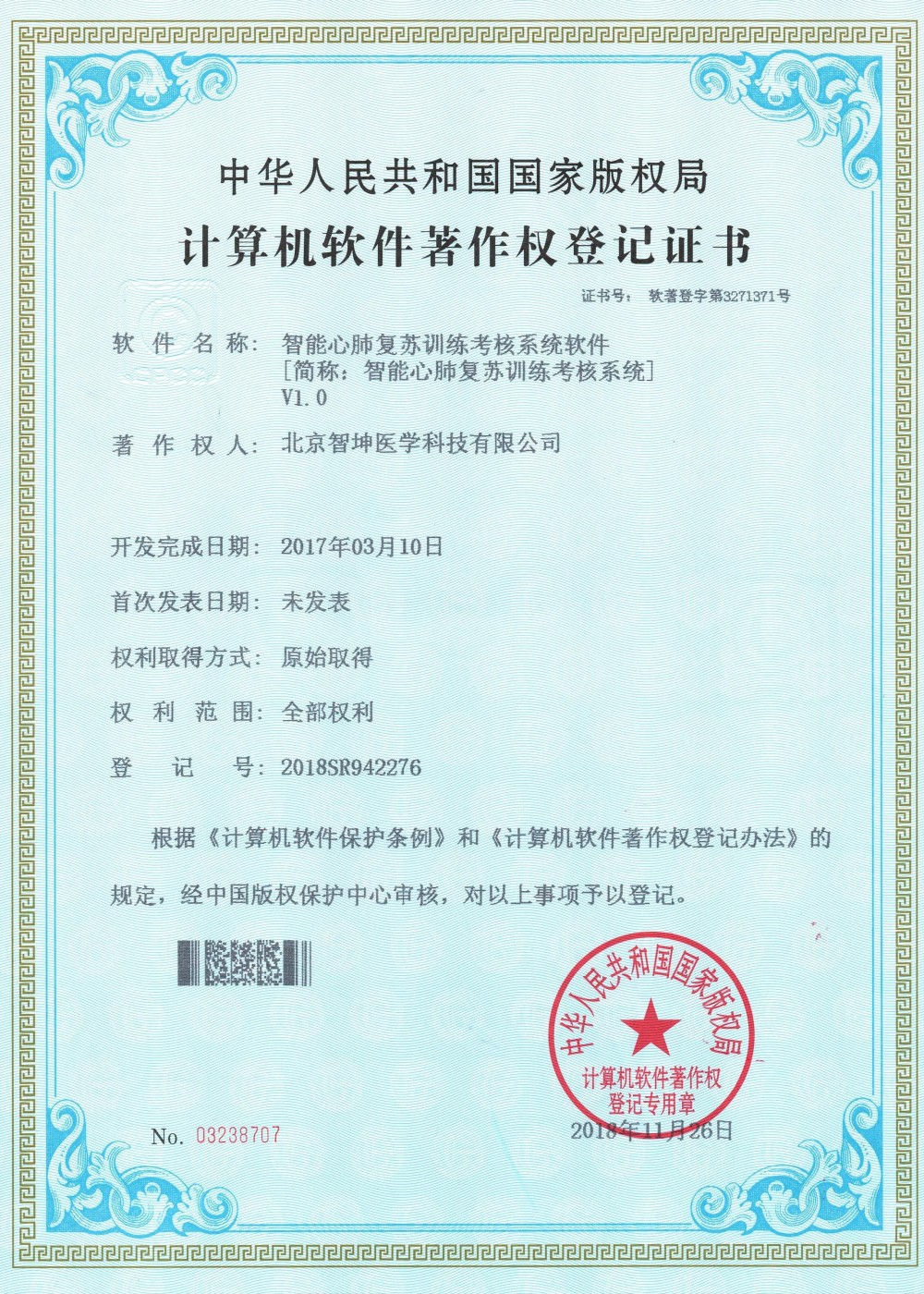
In recent years, Beijing Guanbang Medical Technology has prioritized independent innovation and institutional talent development to drive system upgrades. Through research in mold processing and polymer formulation, we have gained multiple utility model patents, design patents, and software copyrights.
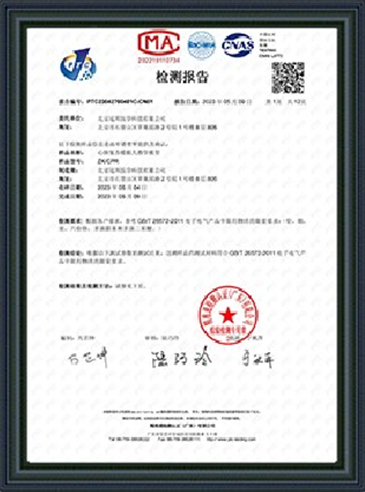
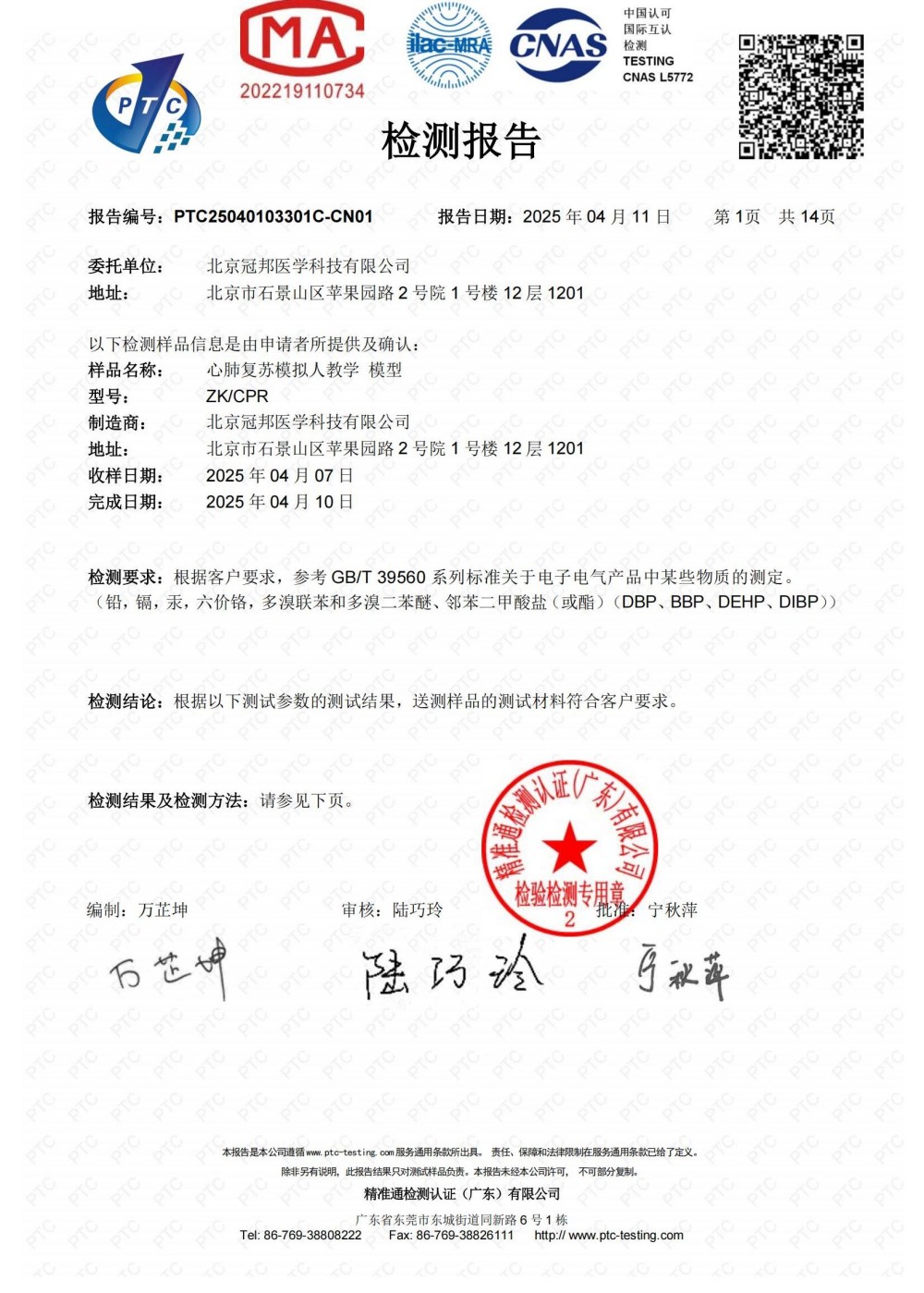
Our products have passed rigorous test reports and comply with occupational health, environmental safety, and quality management certifications. This allows our international OEM and ODM clients to market our simulator systems confidently, ensuring alignment with local compliance audits.
Analyzing how home CPR simulator kits and advanced simulation tools are integrated across different sectors and geographies.
Providing families, caregivers, and remote workers with accessible training. Standardized voice guides and interactive feedback make complex emergency training easy to understand without professional instructors on site.
Guanbang simulators are widely utilized in schools to raise first-aid awareness. Real-time feedback software allows physical education teachers to coordinate large-scale training, boosting student engagement and technique retention.
We supply specialized tactical simulators designed for high-stress training environments. Guanbang highlighted its defense and disaster response solutions at the 11th China (Beijing) Military Intelligent Technology & Equipment Expo.
Partnering with community groups (such as the Zhengzhou Feiniao Emergency Team) to establish public experience centers. These hubs provide free CPR education to improve local emergency self-rescue and mutual rescue rates.
Guanbang's production facilities leverage China's established medical manufacturing ecosystem. By sourcing raw materials, electronic microcontrollers, pressure sensors, and polymer elastomers locally, we protect clients from supply chain disruptions. This allows us to scale production up to 1,000,000 units annually while maintaining strict quality control.
Additionally, our factory-direct model eliminates intermediate dealer markups. This ensures competitive pricing for custom ODM projects, new mold development, and specialized product requests. From initial electronic design to final shipping, our automated production lines and skilled workers maintain consistent quality across all orders.
Exploring the next generation of home and institutional resuscitation simulation systems.
Following our showcase of the "one mannequin with multiple functions" at the Zhongguancun Forum, we are expanding our real-time feedback platforms. Instructors can monitor multiple manikins simultaneously from a single console, making it ideal for large school groups and corporate workshops.
We are developing mixed-reality modules that pair physical training manikins with VR goggles. This immerses students in realistic emergency scenarios (such as subway stations, factories, or home kitchens) to build situational awareness and reduce panic.
Our goal is to build smart domestic trainers that auto-calibrate compression resistance based on selected patient profiles (e.g., elderly, athletic, or pediatric). This will allow users to practice varied techniques on a single training device.
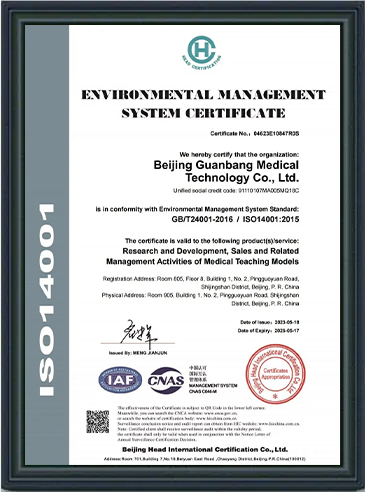
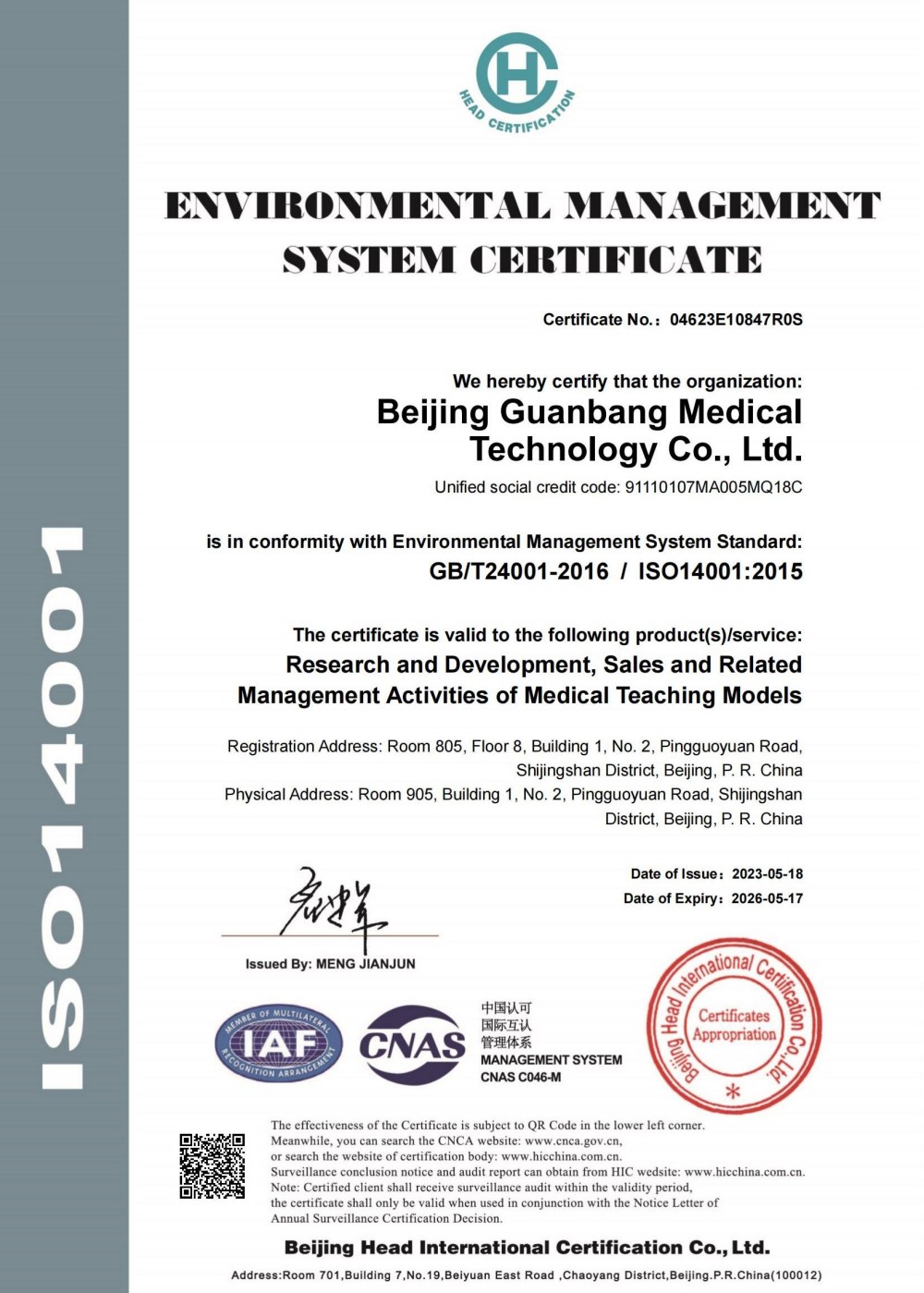
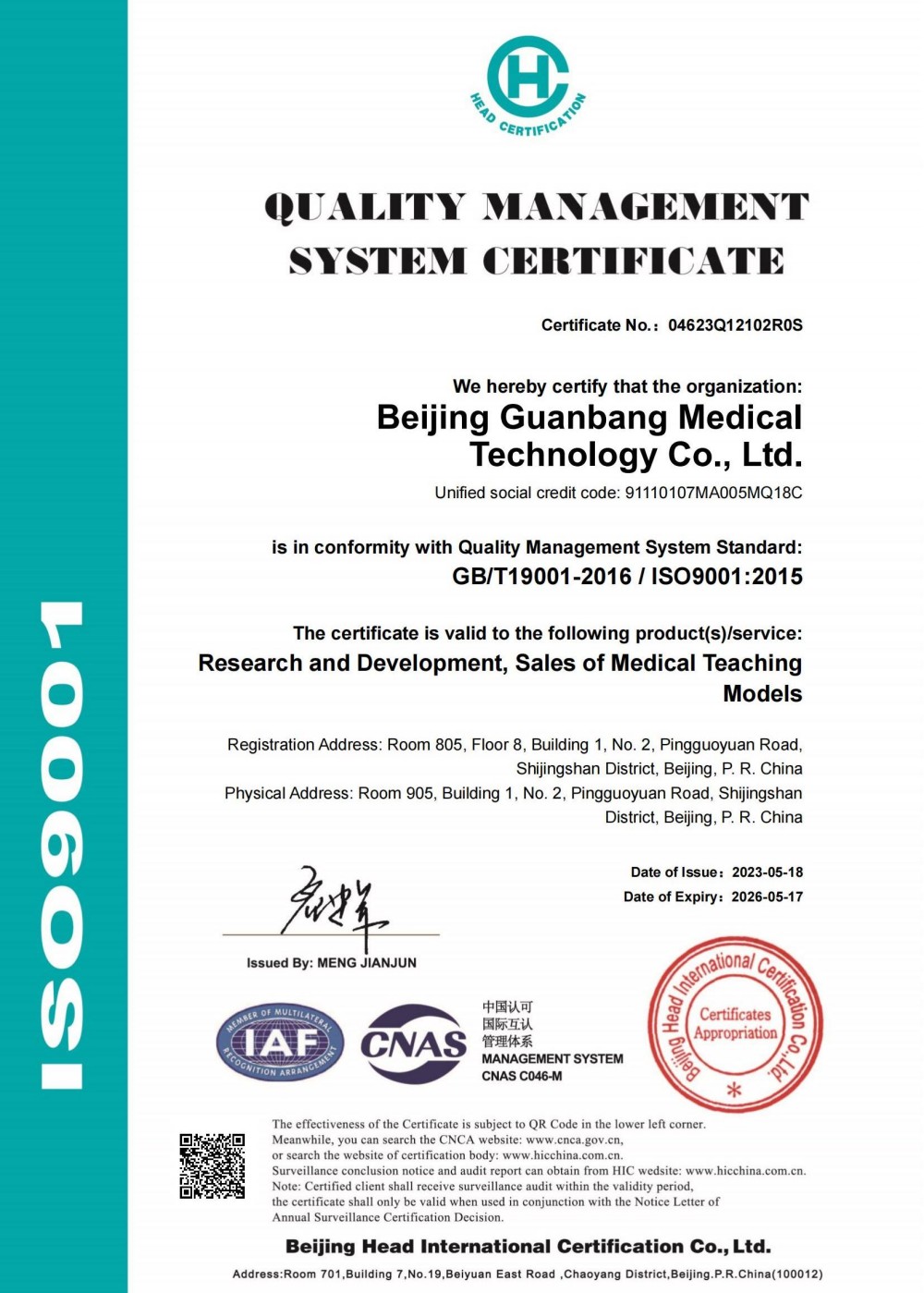
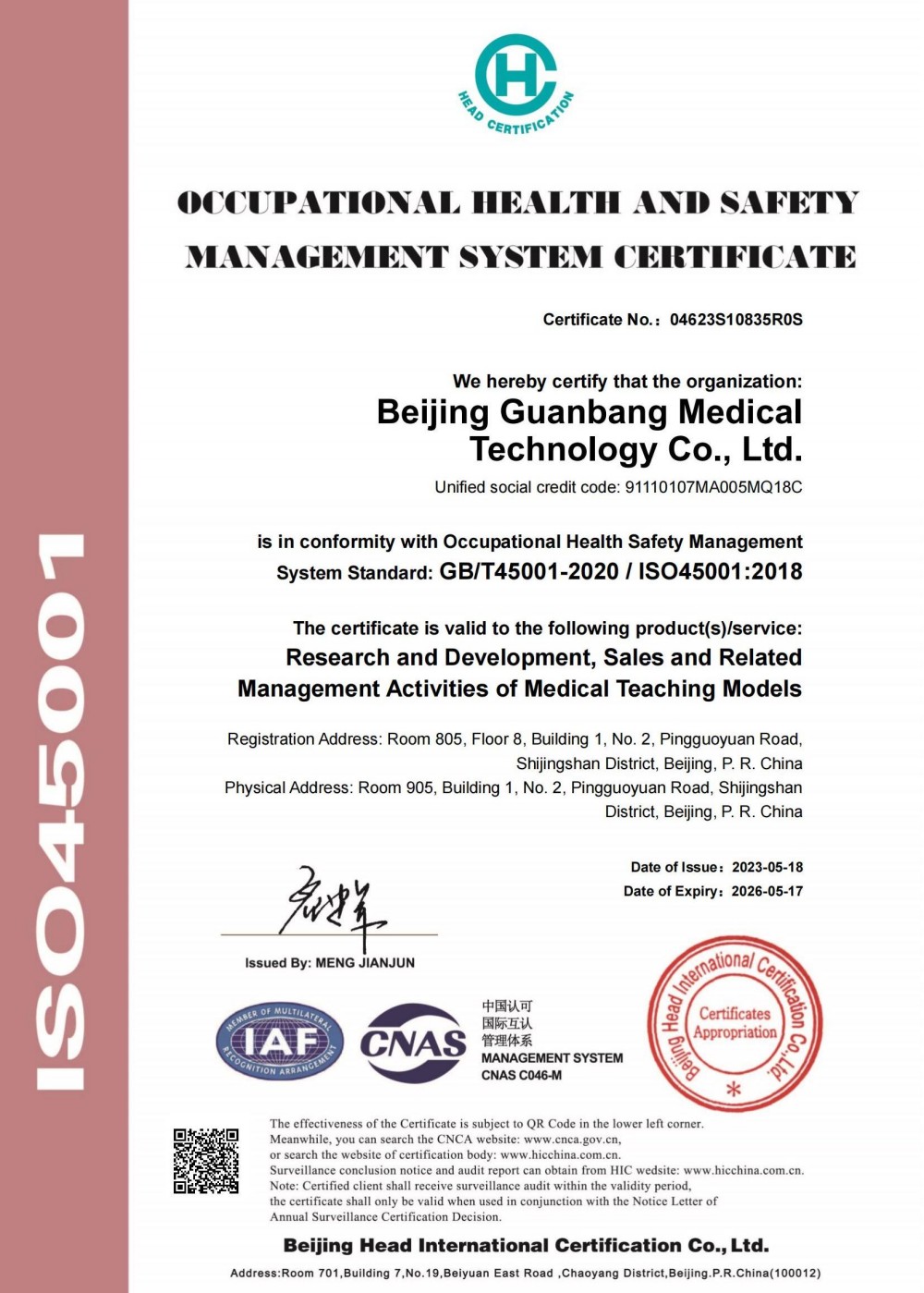
Guanbang products undergo rigorous testing and meet international standards for environmental health, quality management, and workplace safety.
ISO 14001 Certification
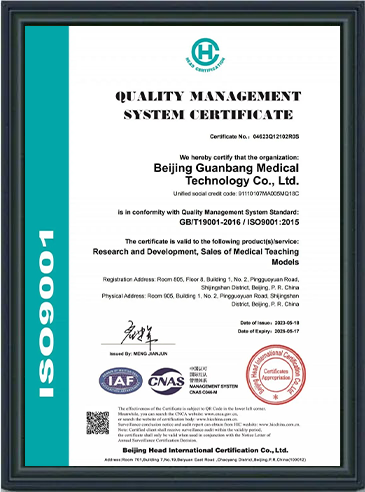
ISO 9001 Certification
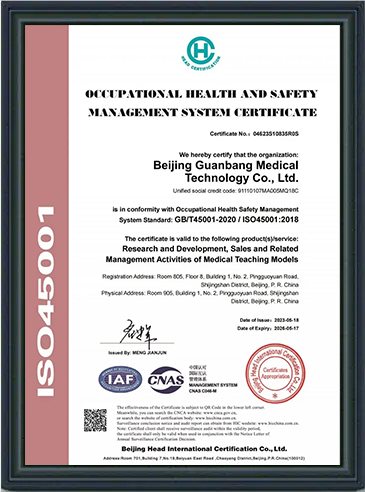
ISO 45001 Certification
Utility Model Patents
Patent Portfolio
Standard Compliance
Safety Assured
Software Copyright
Quality Guarantee
How Guanbang applies technology to raise first-aid awareness in military, community, and campus events.
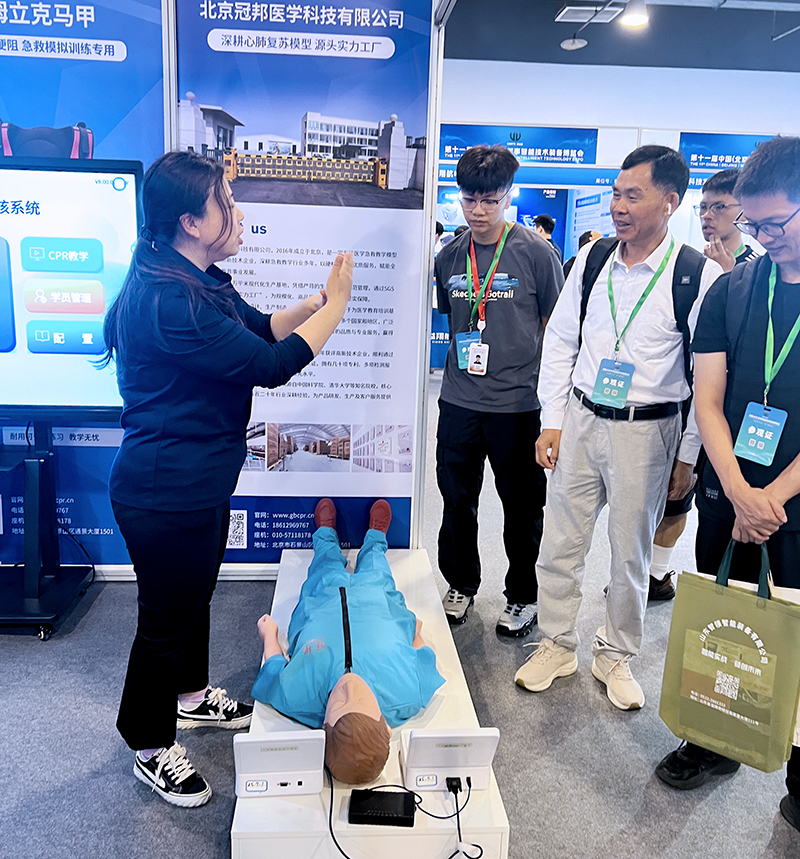
Guanbang presented its emergency medical training systems at the Beijing National Convention Center, demonstrating robust simulators tailored for defense and safety teams.
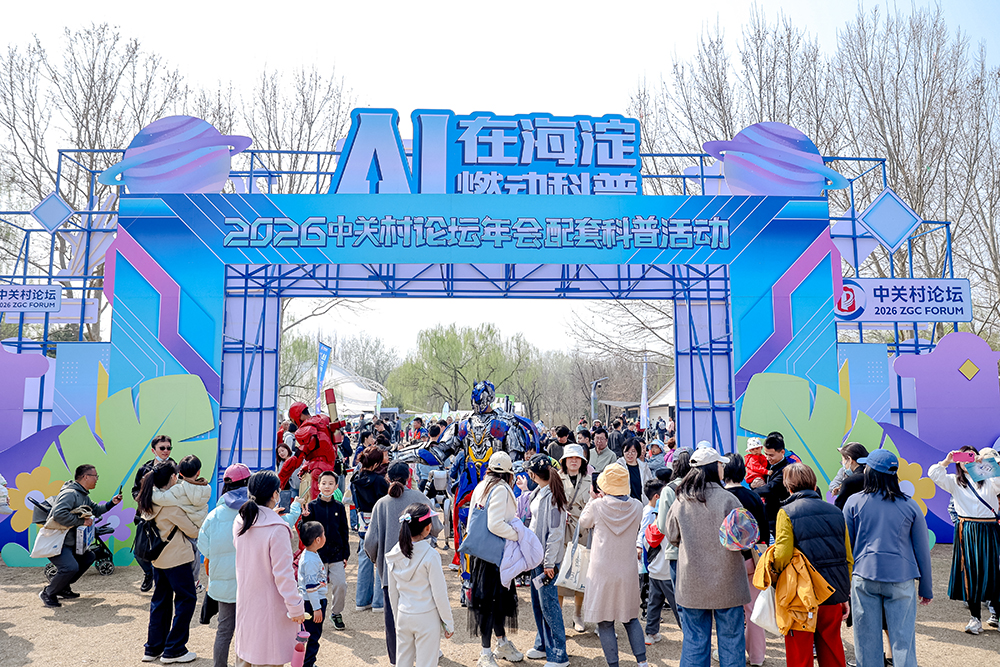
We showcased our smart software-based CPR simulation systems (one mannequin with multiple functions) for streamlined first-aid training at the 2026 Zhongguancun Forum.
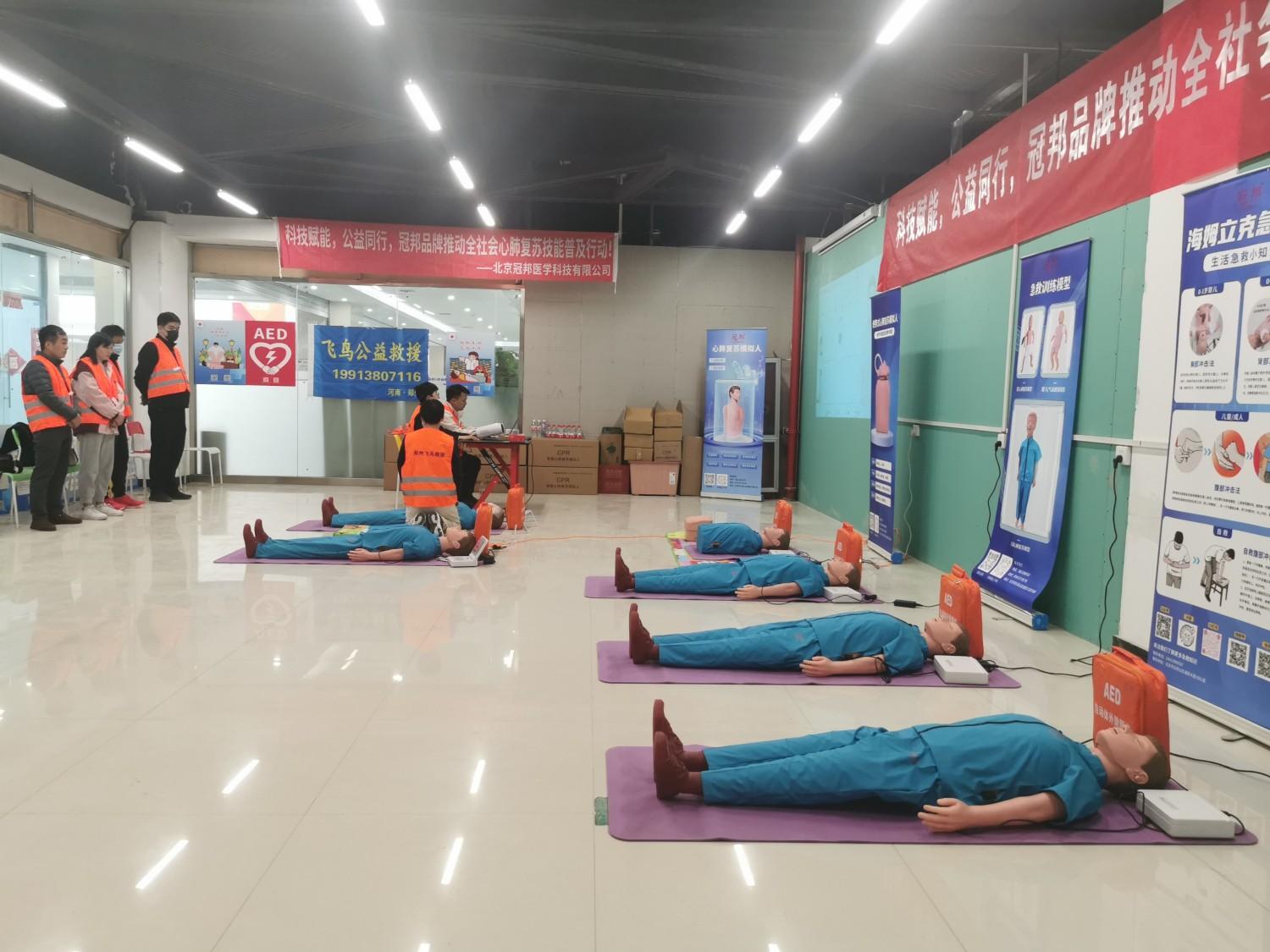
We partnered with the Zhengzhou Feiniao Emergency Team to open a free CPR training center, helping improve emergency self-rescue skills within the community.
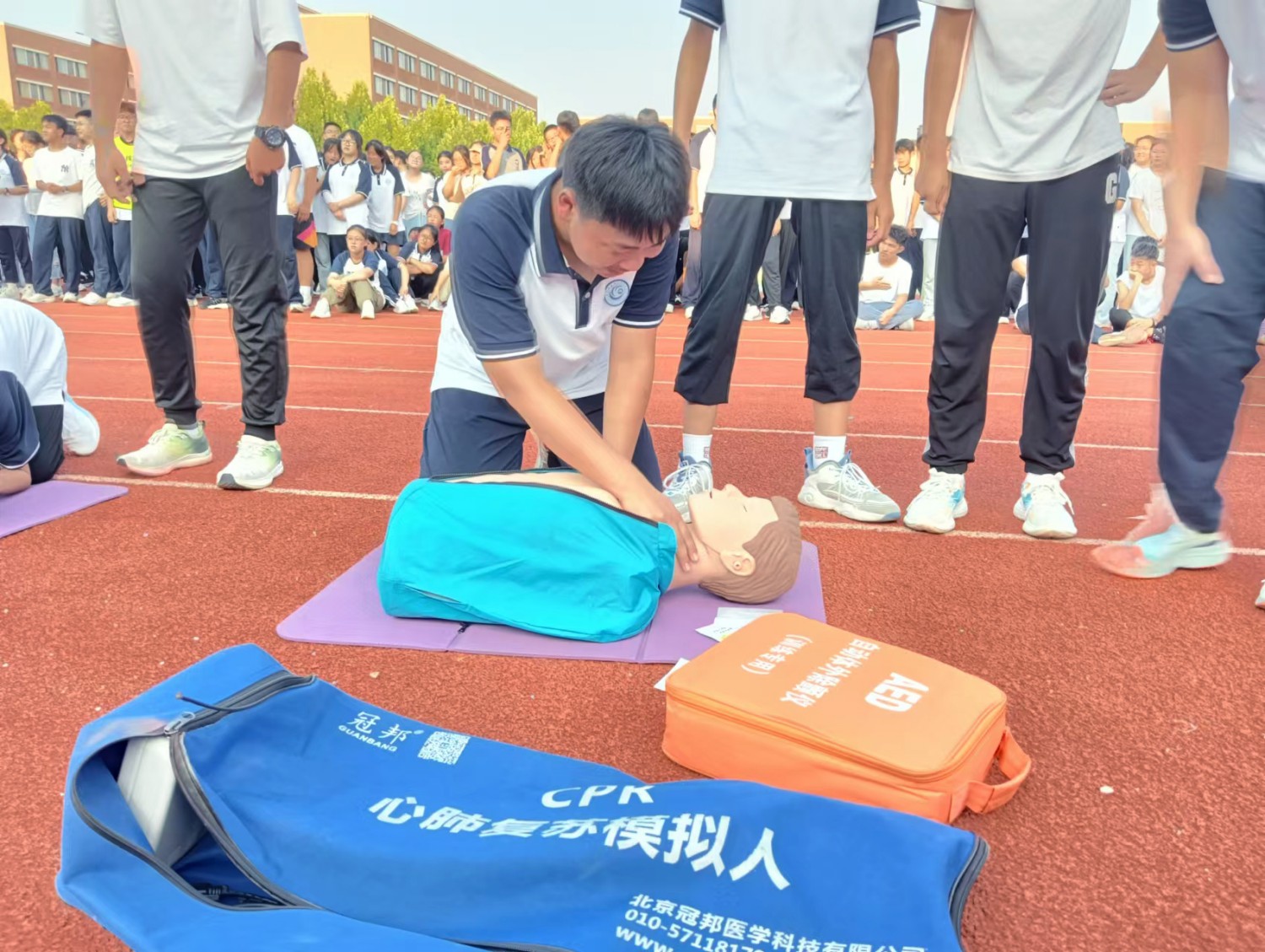
We supplied CPR simulators to schools, supporting teacher-led training sessions and helping students build hands-on resuscitation skills early on.
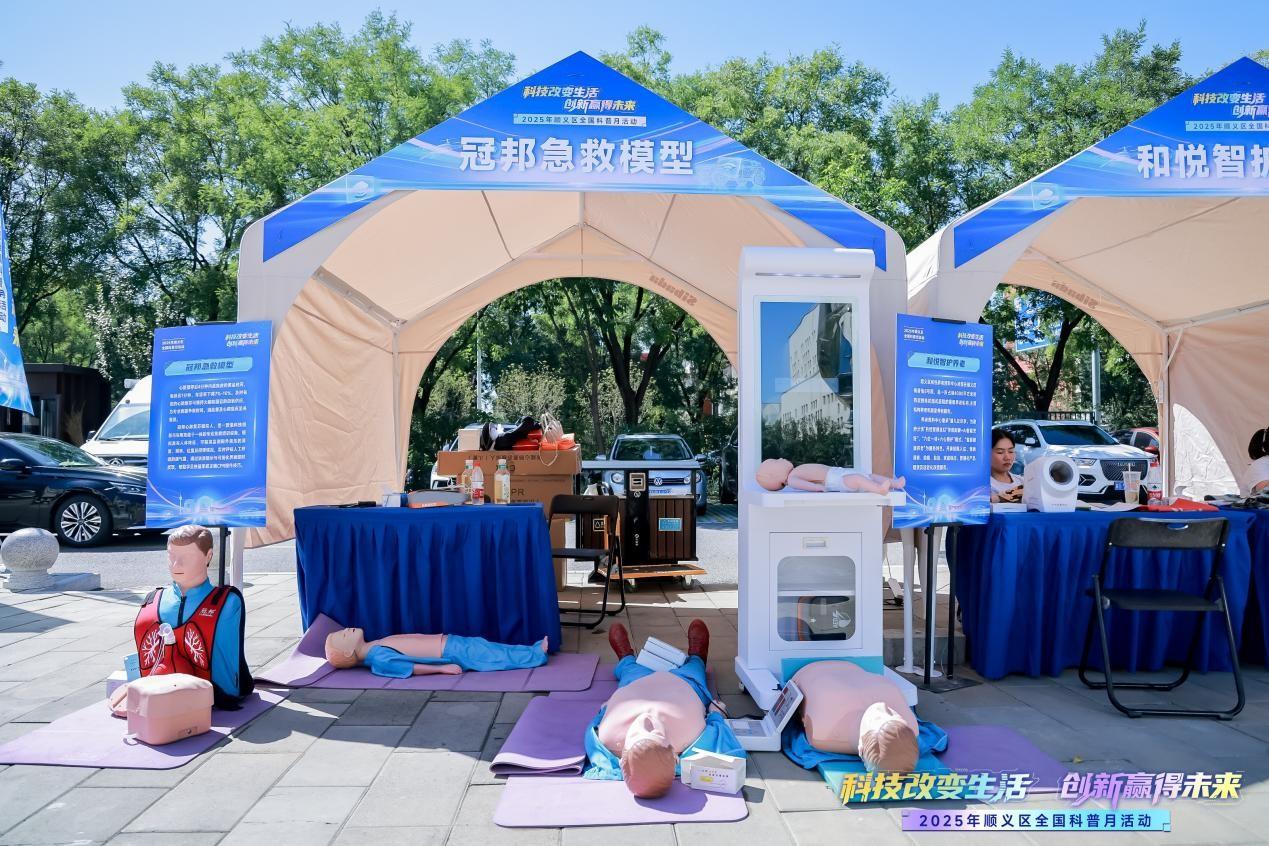
Our intelligent CPR simulators were featured at the Shunyi Science Popularization Month, giving attendees of all ages hands-on practice with CPR technique feedback.
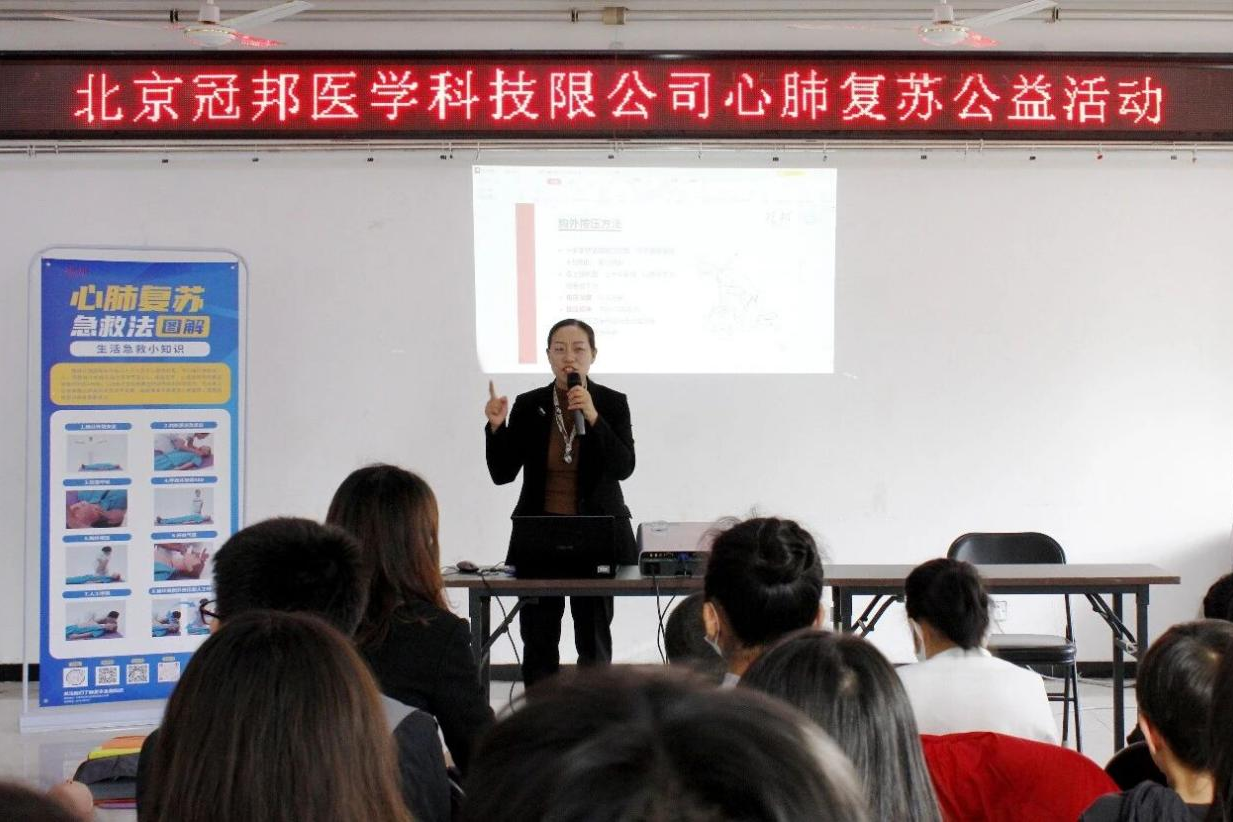
We organized a "Cherish Life, First Aid is Always Around" activity in Shijingshan, offering parent-child CPR training to build safety awareness across generations.
Answering common technical and logistical questions for global buyers, distributors, and emergency training institutions.
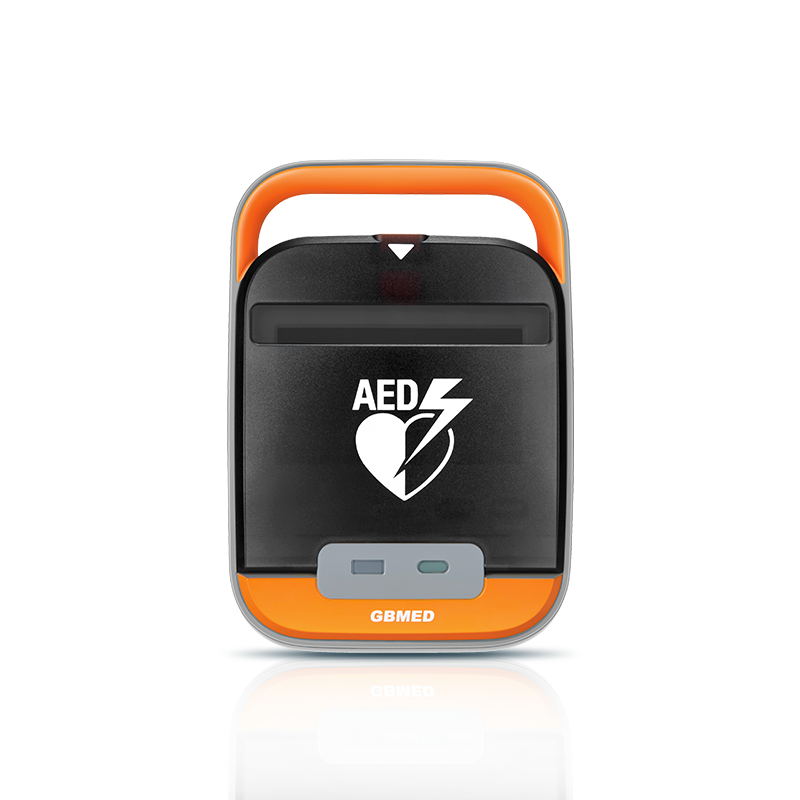
Browse our selection of specialized training products, including software-enabled models, AED units, and choking rescue vests.
 Guanbang Medical