AHA-compliant training solutions engineered for professional medical instruction, healthcare institutions, and corporate safety training providers.
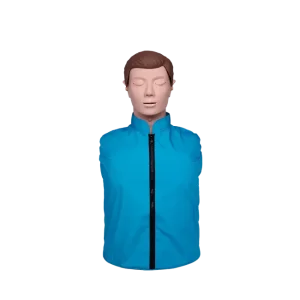
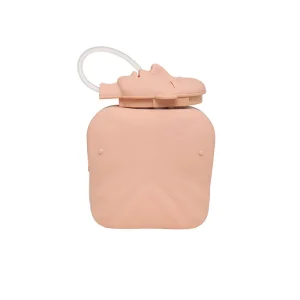
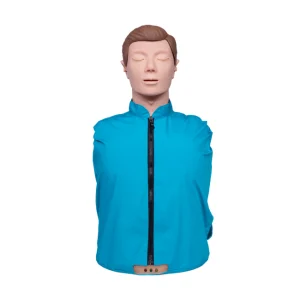
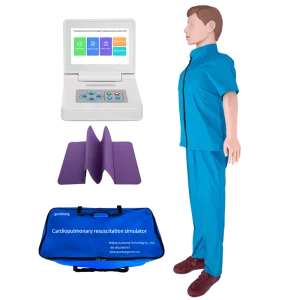
Emergency medical education is undergoing a fundamental transformation. Historically, cardiopulmonary resuscitation (CPR) and airway obstruction training relied on basic, passive silicone mannequins. These traditional models could only provide superficial, mechanical simulations of foreign body airway obstruction (FBAO) and chest compression. Today, the global standard demands highly realistic, interactive, and clinically accurate physiological responses.
An Airway Infarction Model represents the apex of clinical realism in choking mitigation training. Modern medical curricula, aligned with updated guidelines from the American Heart Association (AHA) and European Resuscitation Council (ERC), emphasize precise force delivery, anatomical authenticity, and tactile response. By simulating the unique physical conditions of complete or partial laryngeal and tracheal obstruction, these systems allow medical personnel, emergency responders, and the general public to practice the Heimlich Maneuver, laryngoscopy, intubation, and emergency airway clearance with unmatched anatomical fidelity.
Key innovations in material sciences have enabled manufacturers to replace rigid plastics with bio-engineered thermostatic elastomer polymers. These advanced materials closely replicate human skin texture, tongue elasticity, and oral-pharyngeal compliance. Integrated software structures enable real-time compression feedback, breath-volume metrics, and immediate data logging—turning simple training exercises into highly analytical evaluations.
Analyzing key drivers of international demand for high-reliability emergency simulation equipment across diverse sectors.
Teaching hospitals and advanced trauma centers require high-fidelity simulators that allow for the physical demonstration of foreign body clearance and clinical intubation techniques. They demand durability, multi-scenario functionality, and strict adherence to medical guidelines.
Schools, universities, and public safety organizations require scalable solutions that are intuitive for non-professional trainees. Cost-effectiveness, portability, and user-friendly visual/audio feedback devices are highly prioritized to maximize localized training success.
Global medical equipment distributors look for robust manufacturing partners capable of providing extensive custom branding (ODM/OEM) services, certified quality compliance (ISO, CE), and consistent post-purchase parts supply to support their regional networks.
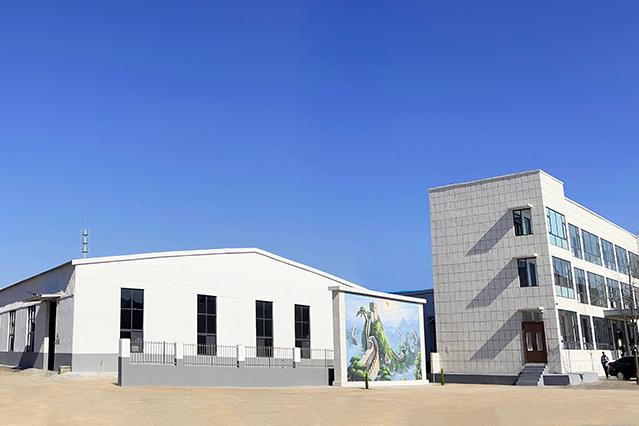
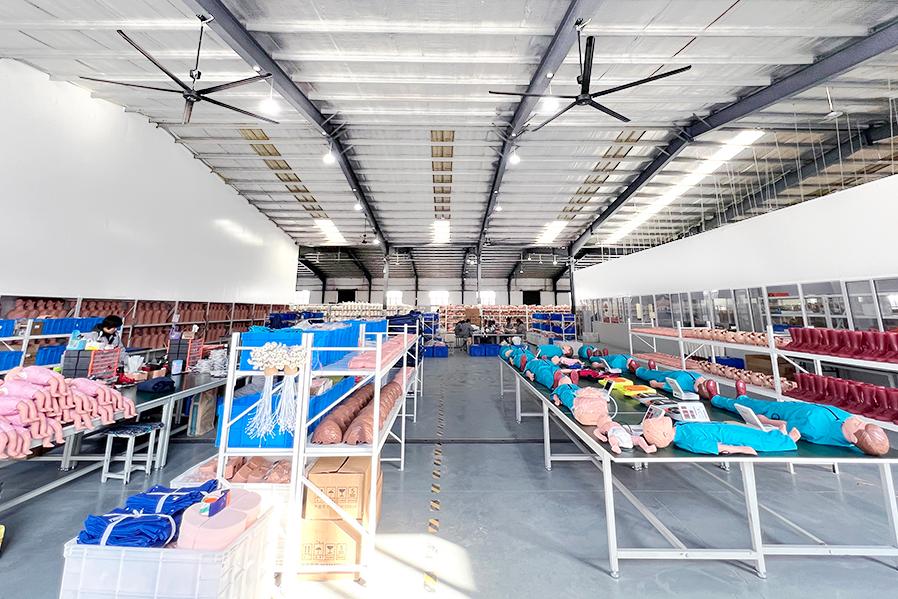
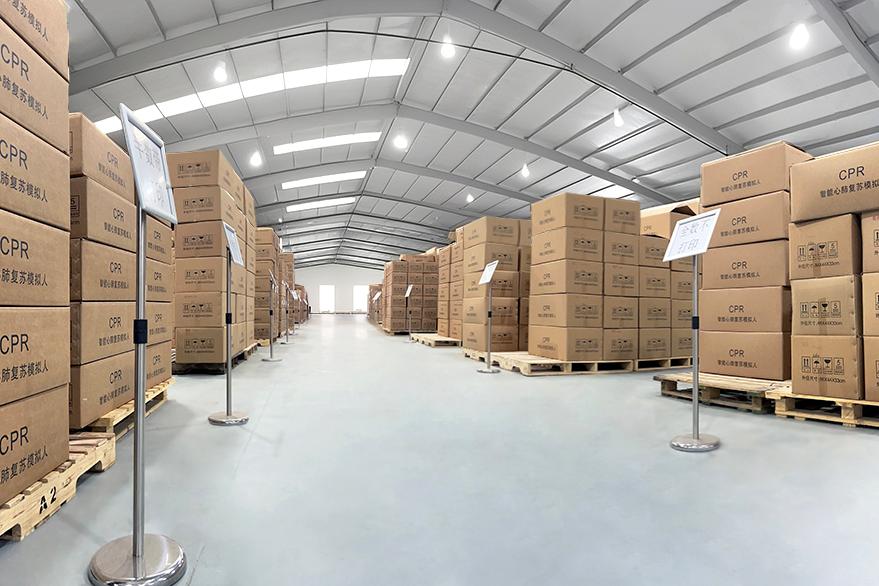
China's manufacturing sector has transitioned from simple assembly to smart, high-precision medical-grade manufacturing. Beijing Guanbang Medical Technology Co., Ltd. exemplifies this shift. Established in Beijing in 2016, the company operates a state-of-the-art 10,000-square-meter production facility, integrating product development, tool manufacturing, material synthesis, and functional calibration under one roof.
By adopting advanced Injection Molding Processes and high-precision CNC tool fabrication, Beijing Guanbang produces products that meet strict international quality and anatomical specifications. Our core technical team includes professionals with advanced degrees from the Chinese Academy of Sciences (CAS), Tsinghua University, and the Beijing University of Technology, ensuring our designs are backed by sound engineering.
With an annual output capacity exceeding 1,000,000 units, Guanbang provides global distributors with a stable supply chain, quick order turnaround, and custom design features.
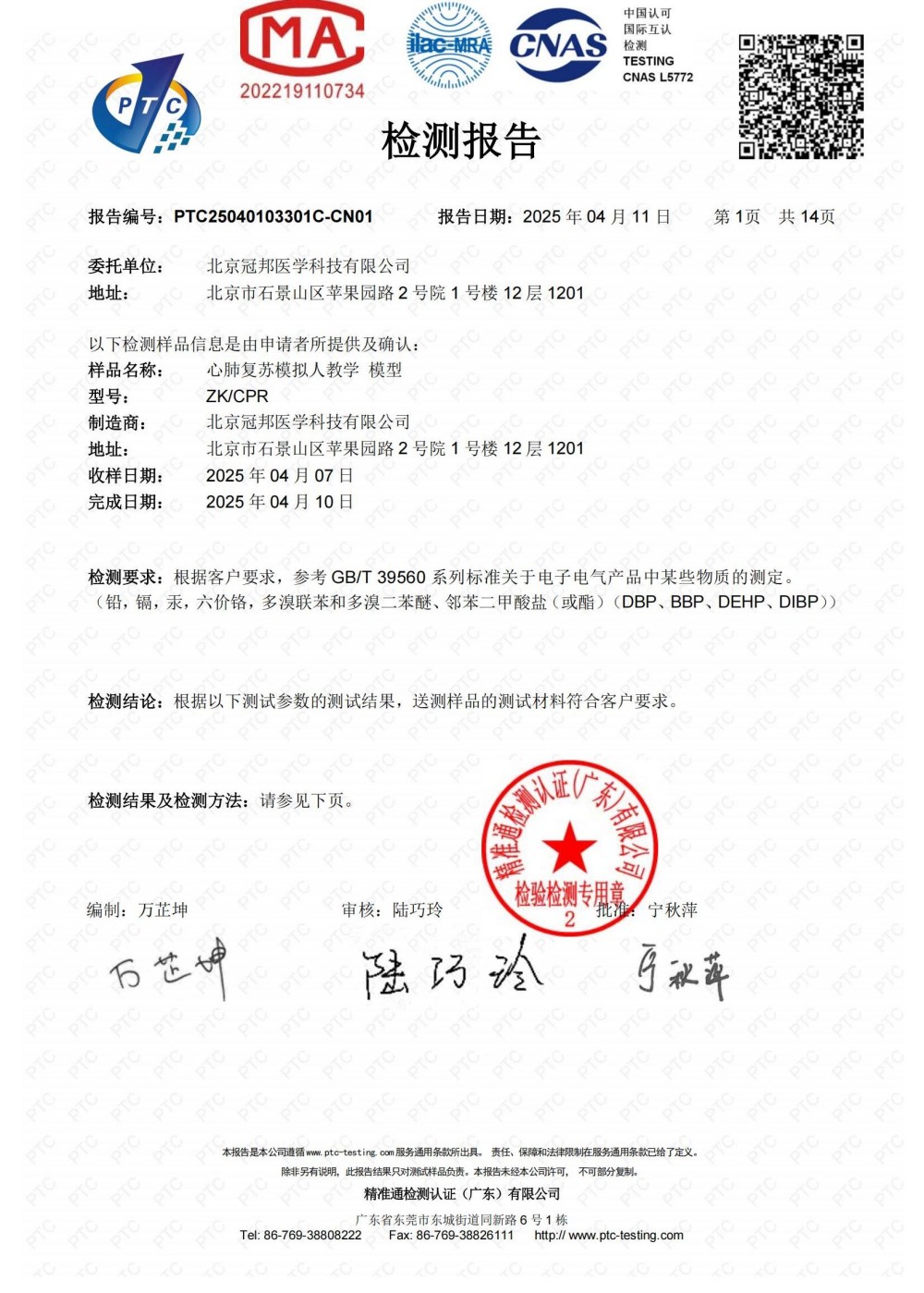
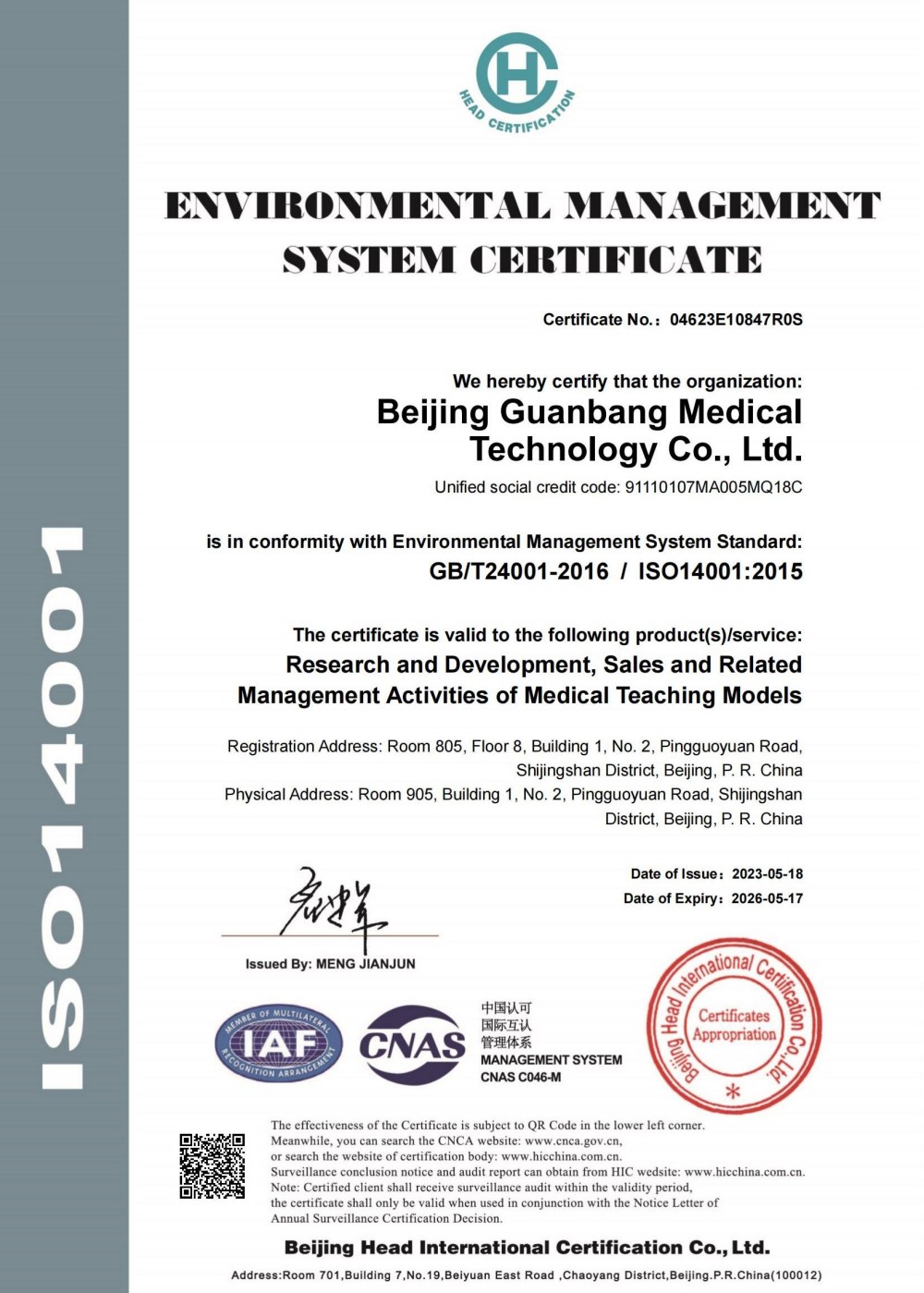
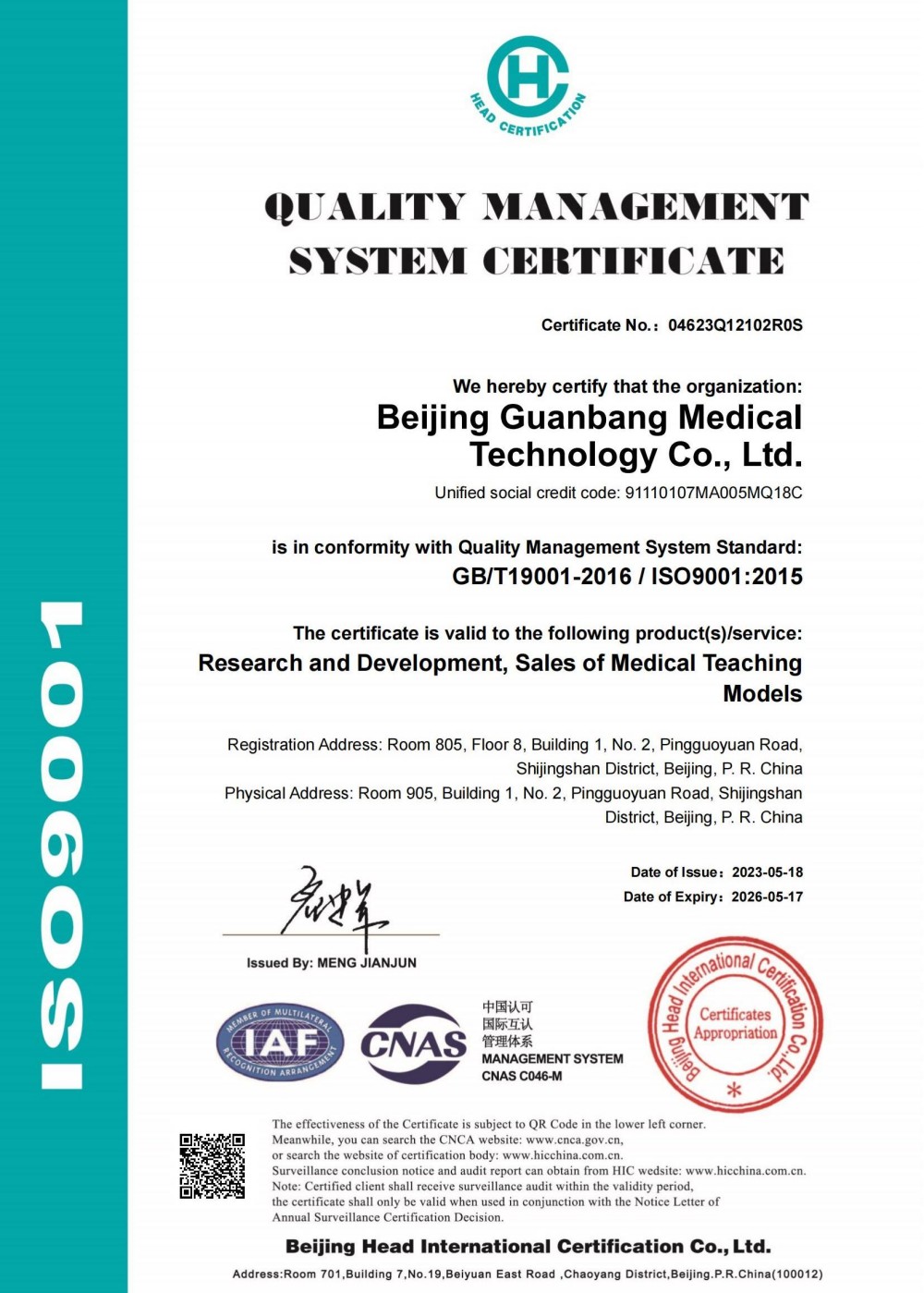
Sustainable product quality requires ongoing research and structured quality management. Beijing Guanbang Medical Technology has established a robust design pipeline, securing multiple utility model patents, design registrations, software copyrights, and international quality management system certifications.
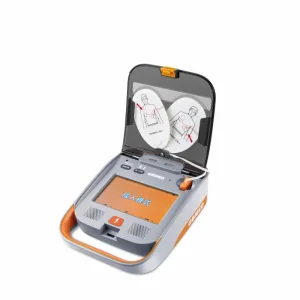
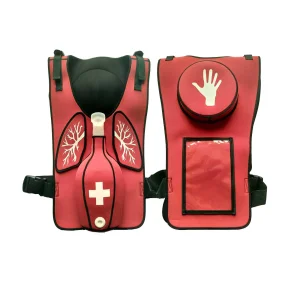
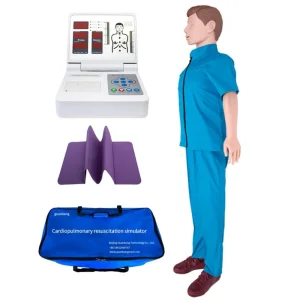
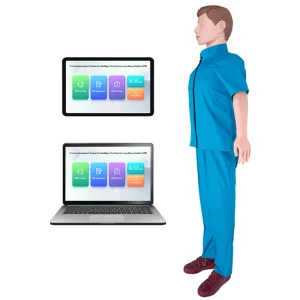
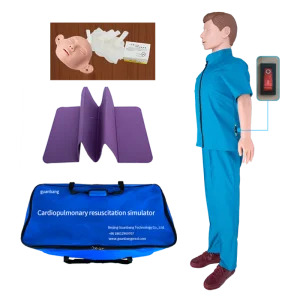
Our product lines cover the full spectrum of emergency simulation: AED trainers, CPR manikins, and Heimlich maneuver vests. We offer tailored solutions for infant, pediatric, and adult anatomy across nearly 30 specifications.
Through our custom OEM/ODM services, clients can modify visual indicators, add custom branding, adapt software interfaces for localized languages, and adjust sensor feedback sensitivity to meet specific regulatory requirements.
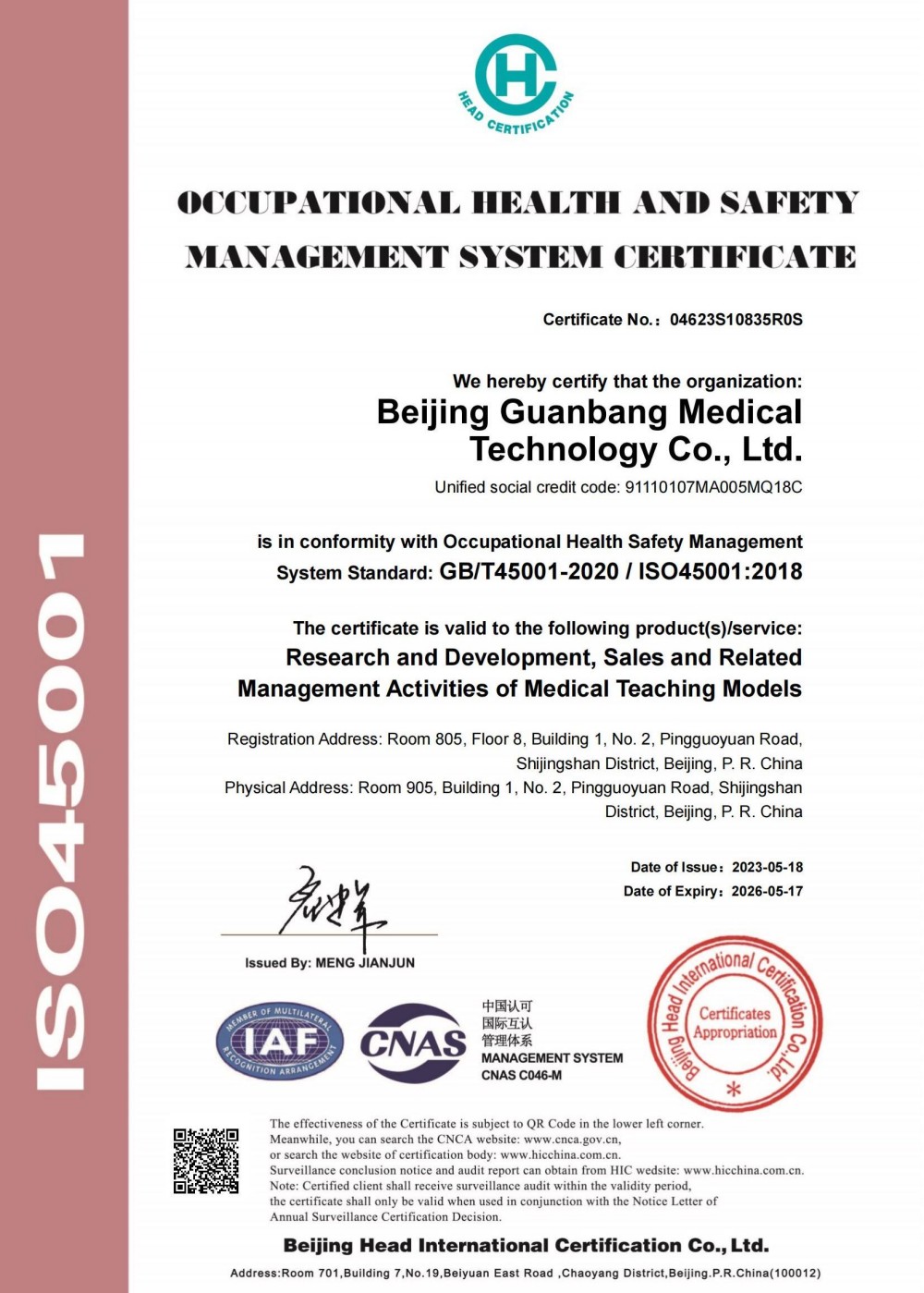
Explore our main product lines designed to support comprehensive first aid and emergency response training programs.
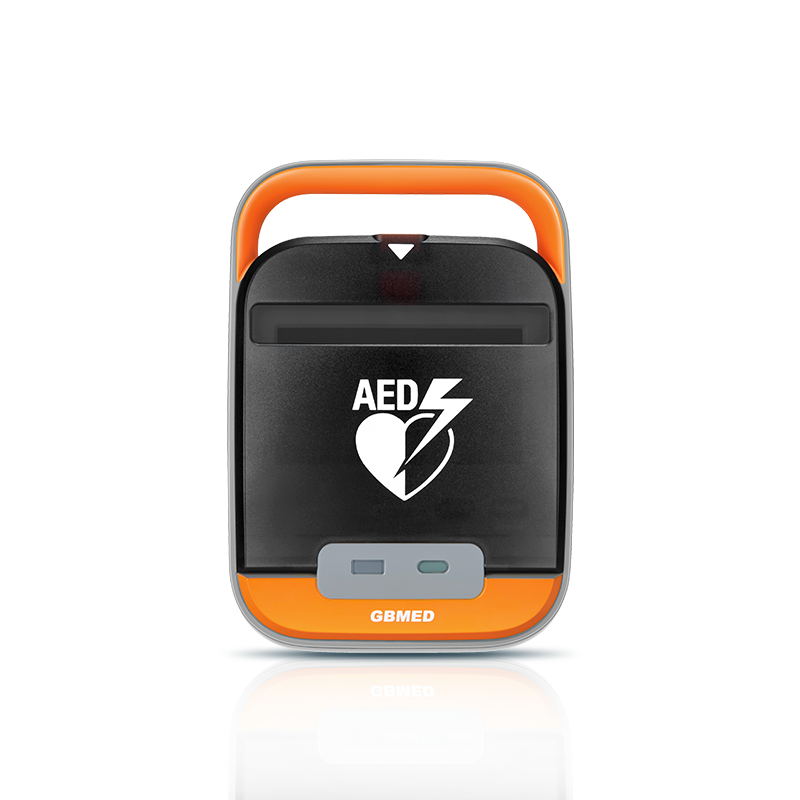
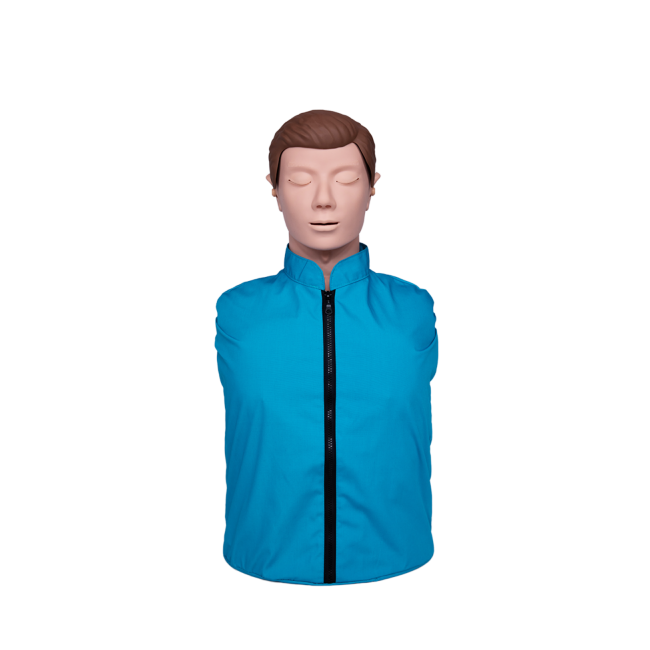
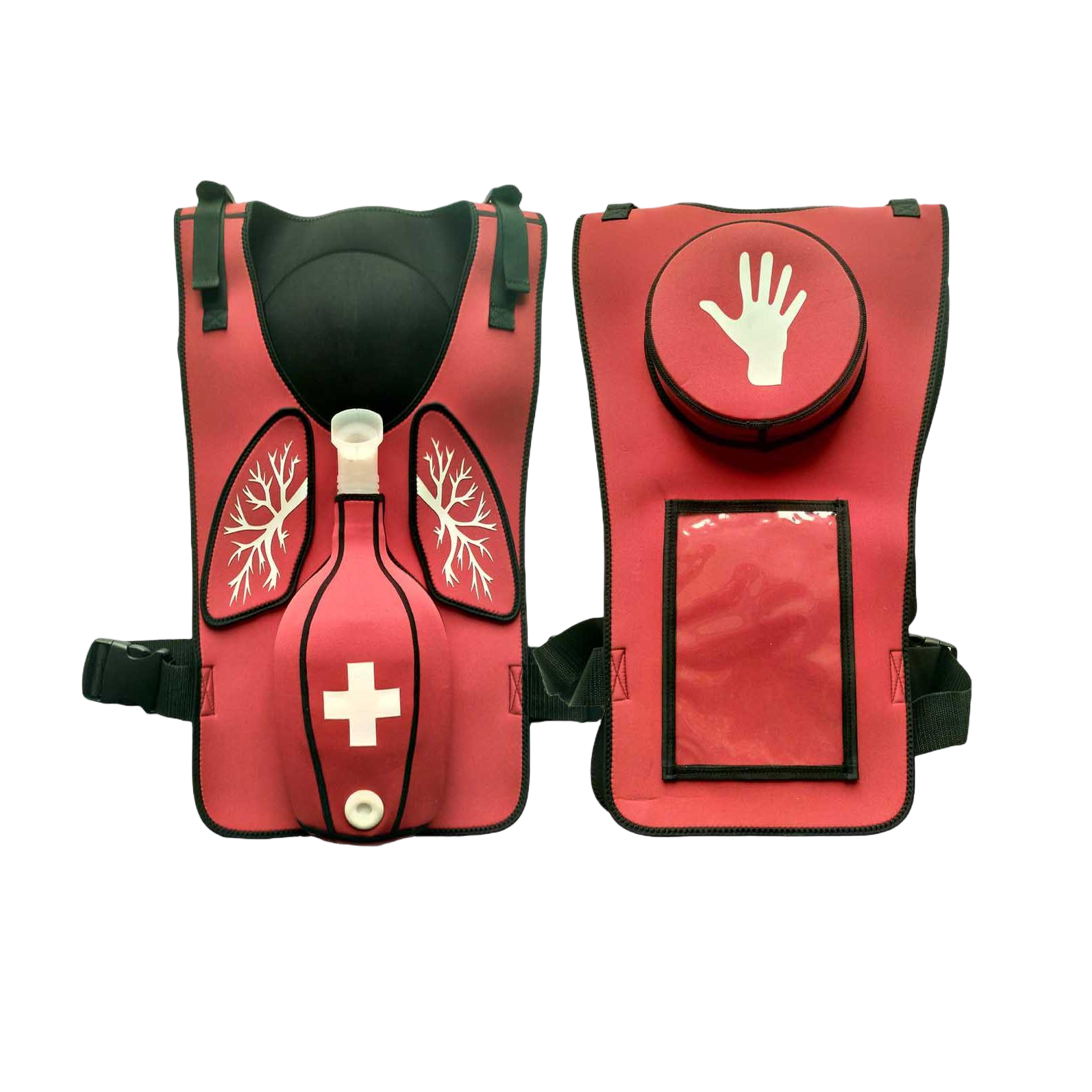
How our simulation models are integrated across different learning environments to build life-saving skills.
Used to teach anatomical landmarks, proper airway management, and high-frequency CPR techniques. Digital feedback monitors help evaluate student performance against standard clinical criteria.
Enables businesses to conduct realistic choking response and AED training, helping employees build confidence to respond effectively in emergency situations.
Supports public health campaigns aimed at raising CPR awareness. The portable and durable design makes the equipment easy to transport for community training events.
Enables training in high-pressure tactical environments, preparing personnel to perform airway clearance and basic life support under field conditions.
Highlights of Guanbang's participation in major industry exhibitions, community training, and first aid education initiatives.
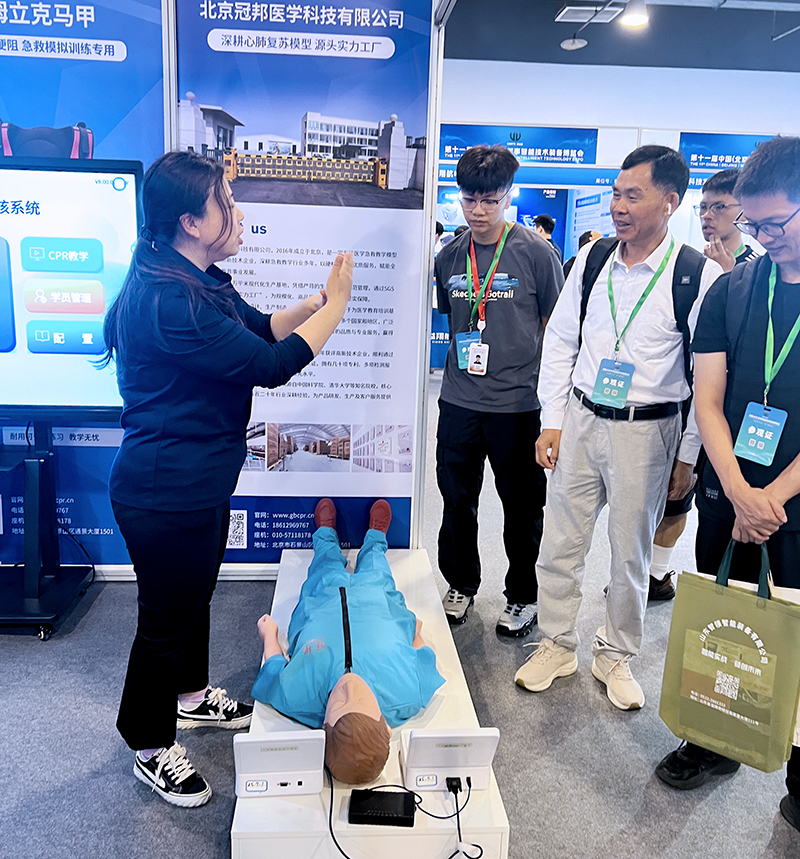
Guanbang demonstrated its advanced medical training simulators at this national defense event, highlighting practical solutions for military tactical emergency training.
Read Full Report
Guanbang showcased its multi-connection software-based CPR simulation systems at the Zhongguancun Forum, demonstrating how tech-enabled training can scale public first-aid education.
Read Full Report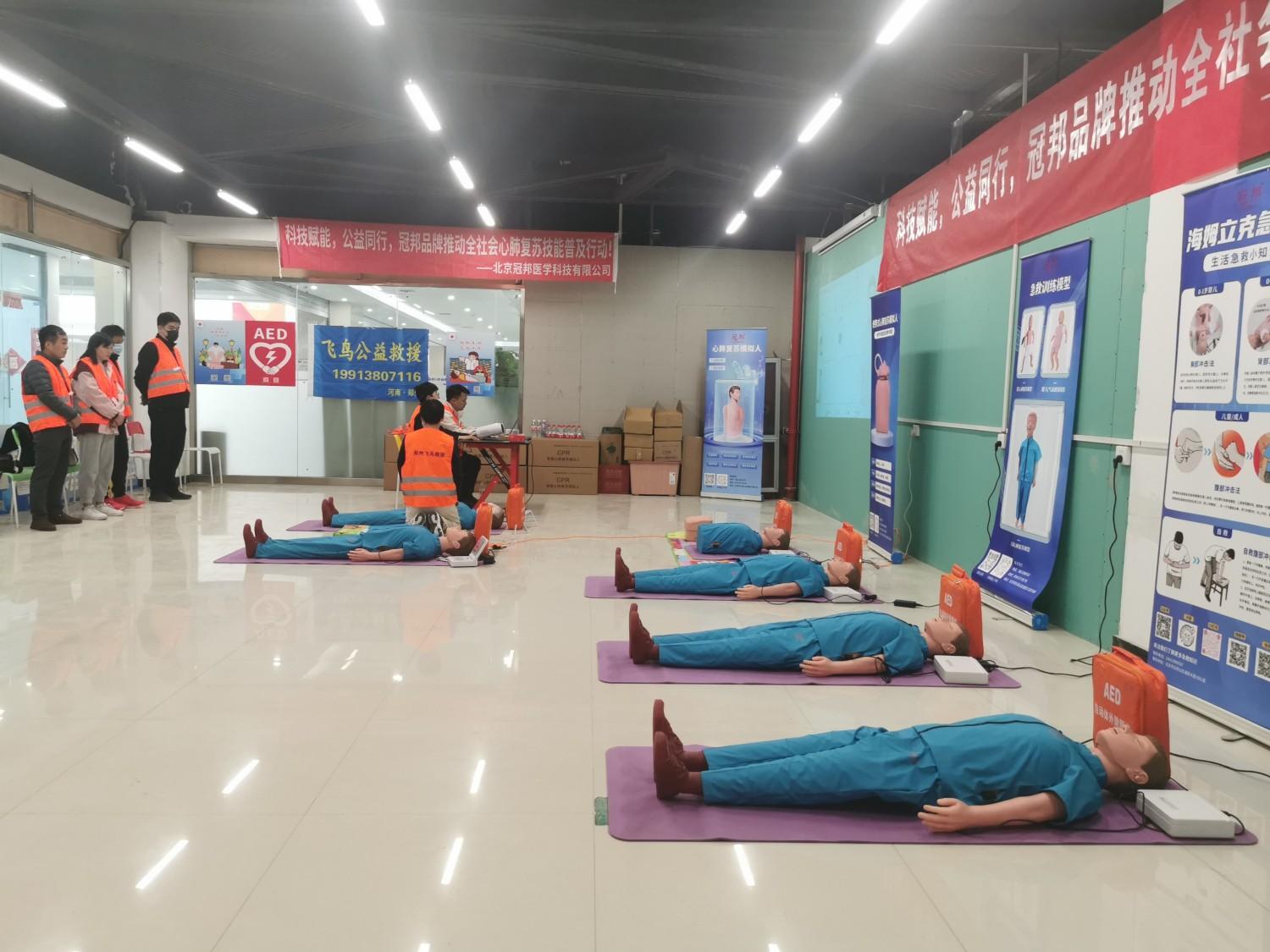
In partnership with the Feiniao Emergency Team, Guanbang established a free training center to teach resuscitation and choking response skills to local community members.
Read Full ReportCommon questions from B2B buyers regarding ordering, shipping, customization, and technical support.
Further models and tools to support specialized clinical simulations, pediatric training, and community education.
 Guanbang Medical