Precision-engineered simulation systems designed for healthcare academies, government emergency programs, and international training institutions.
A comprehensive analysis of design metrics, international compliance frameworks, and technological advancements in automated cardiac emergency simulation.
The global market for Automated External Defibrillators (AEDs) and associated cardiopulmonary resuscitation (CPR) simulation systems is undergoing rapid growth. Driven by stringent national public health regulations, the expansion of municipal Public Access Defibrillation (PAD) programs, and an increasing emphasis on occupational health and safety (OHS) across corporations, the procurement of reliable training models has become critical.
According to current clinical statistics, immediate bystander CPR combined with rapid AED deployment within 3-5 minutes of collapse can increase sudden cardiac arrest (SCA) survival rates to over 50-70%. However, the efficacy of these lifesaving interventions relies entirely on the training quality of first responders. Global manufacturers have shifted from producing static plastic mannequins to delivering cyber-physical training platforms that feature high-precision feedback sensors, integrated wireless connectivity, and software engines that track user compression depth, frequency, and recoil metrics in real-time.
A crucial metric for safety procurement officers and medical educators is compliance with the guidelines set by major international resuscitation councils. Modern devices must align directly with the AHA (American Heart Association) Guidelines for CPR and Emergency Cardiovascular Care (ECC) and the European Resuscitation Council (ERC) standards.
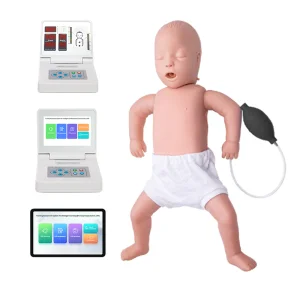
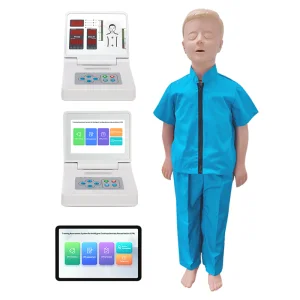
These frameworks dictate strict specifications for the compression depth of adult manikins (5 to 6 cm) and infant manikins (approximately 4 cm, or one-third of the AP chest diameter), alongside precise timing and volumetric specifications for artificial ventilation. Leading global manufacturers integrate electronic indicator panels and high-resolution software modules to ensure trainees acquire correct muscle memory. This prevents chest trauma or insufficient perfusion in real-life emergency response scenarios.
The training device manufacturing landscape has evolved through distinct technological epochs:
Pioneering the future of medical simulation technologies through advanced material processing and clinical software innovation since 2016.
Our core engineering team comprises medical design professionals and alumni with Master's and Doctoral degrees from the Chinese Academy of Sciences (CAS), Tsinghua University, and the Beijing University of Technology (BJUT). They bring decades of industry experience to medical training model development.
The Guanbang catalog features over 30 distinct specifications across infant, pediatric, and adult lines. We offer OEM/ODM services to support custom voice prompt languages, localized software interfaces, and specialized clinical configurations.
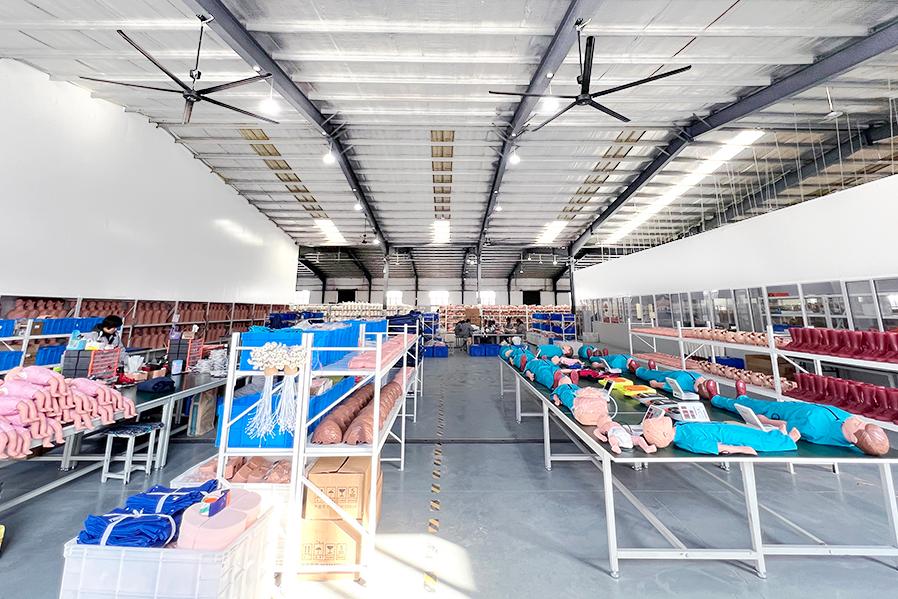
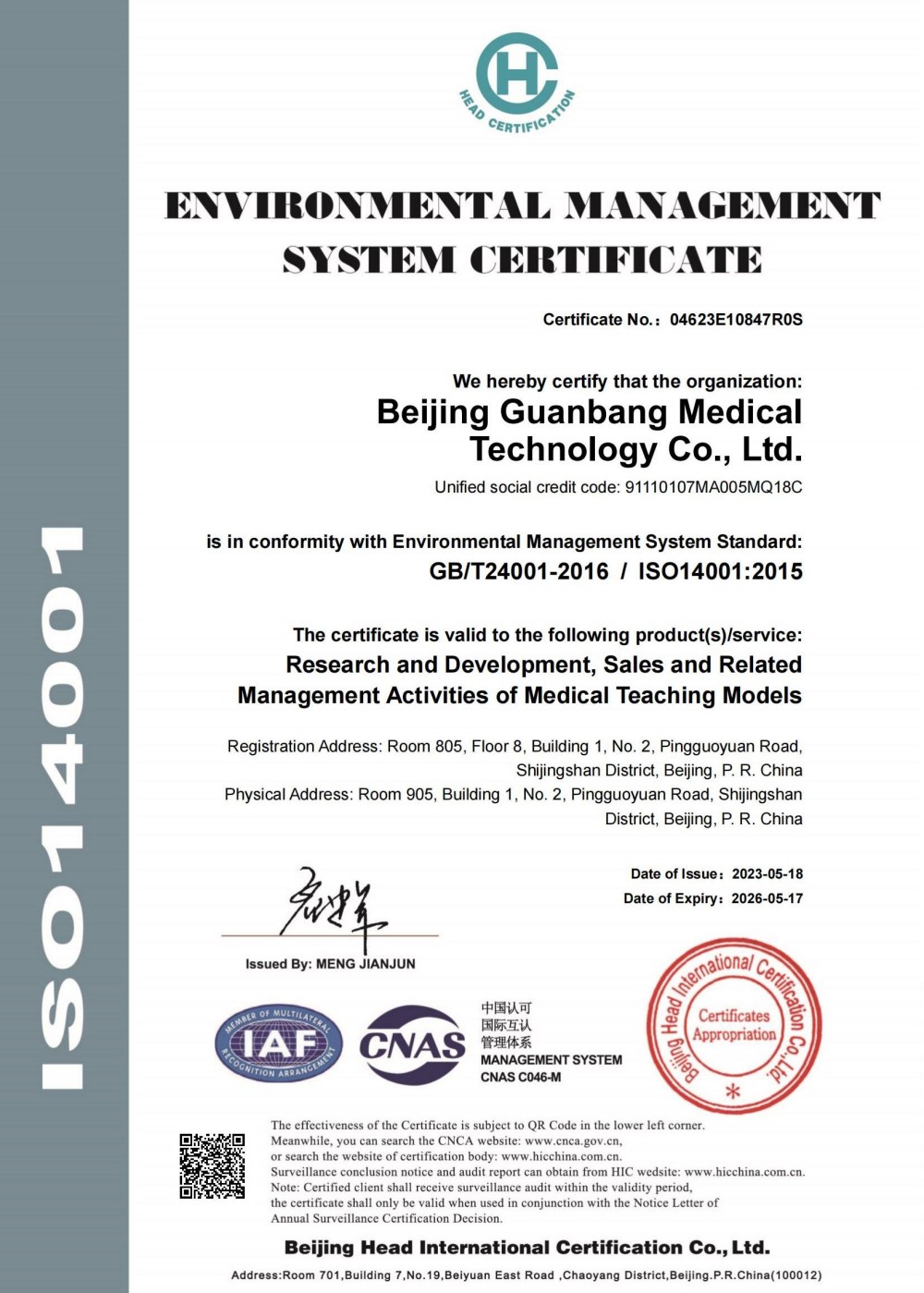
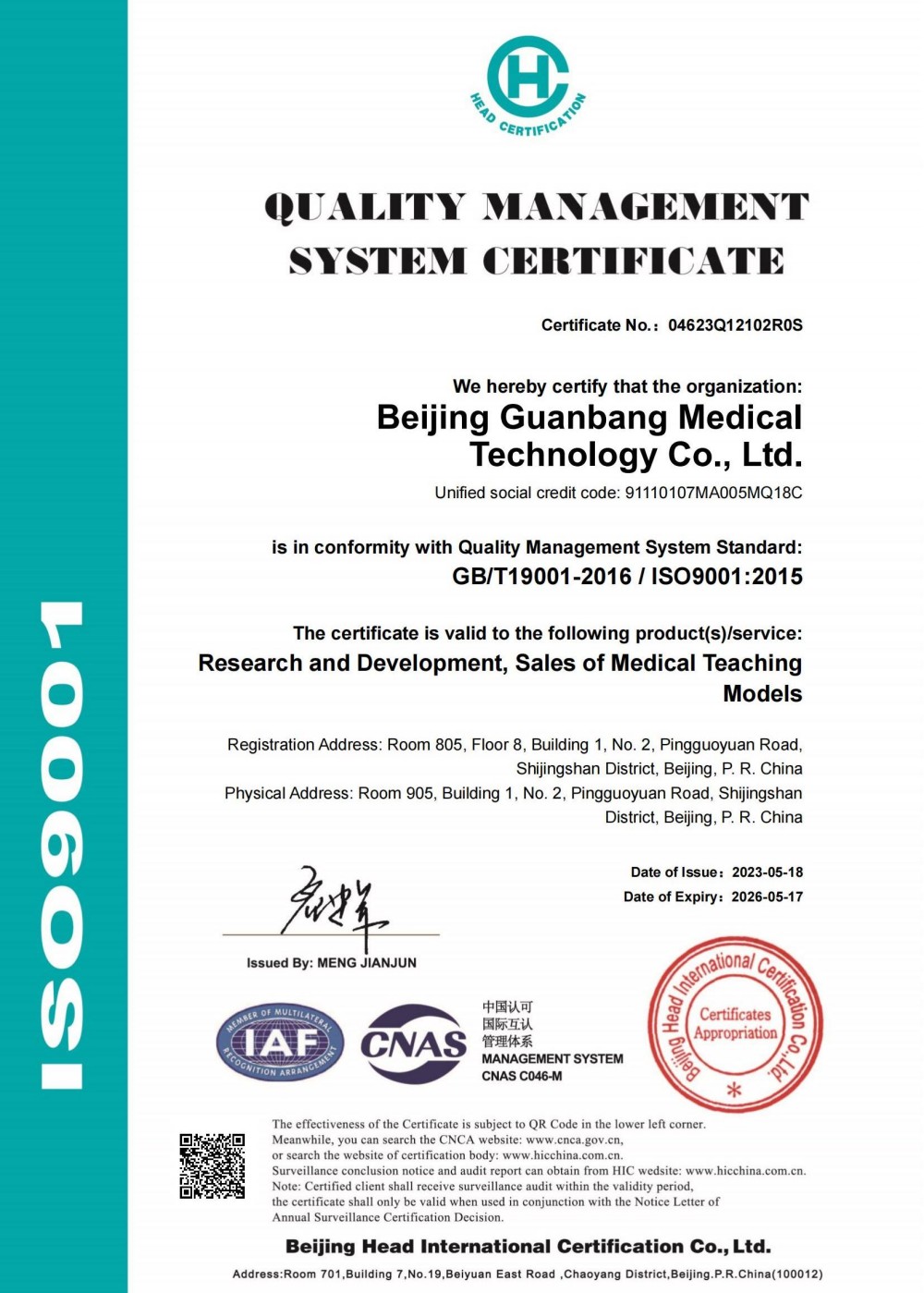
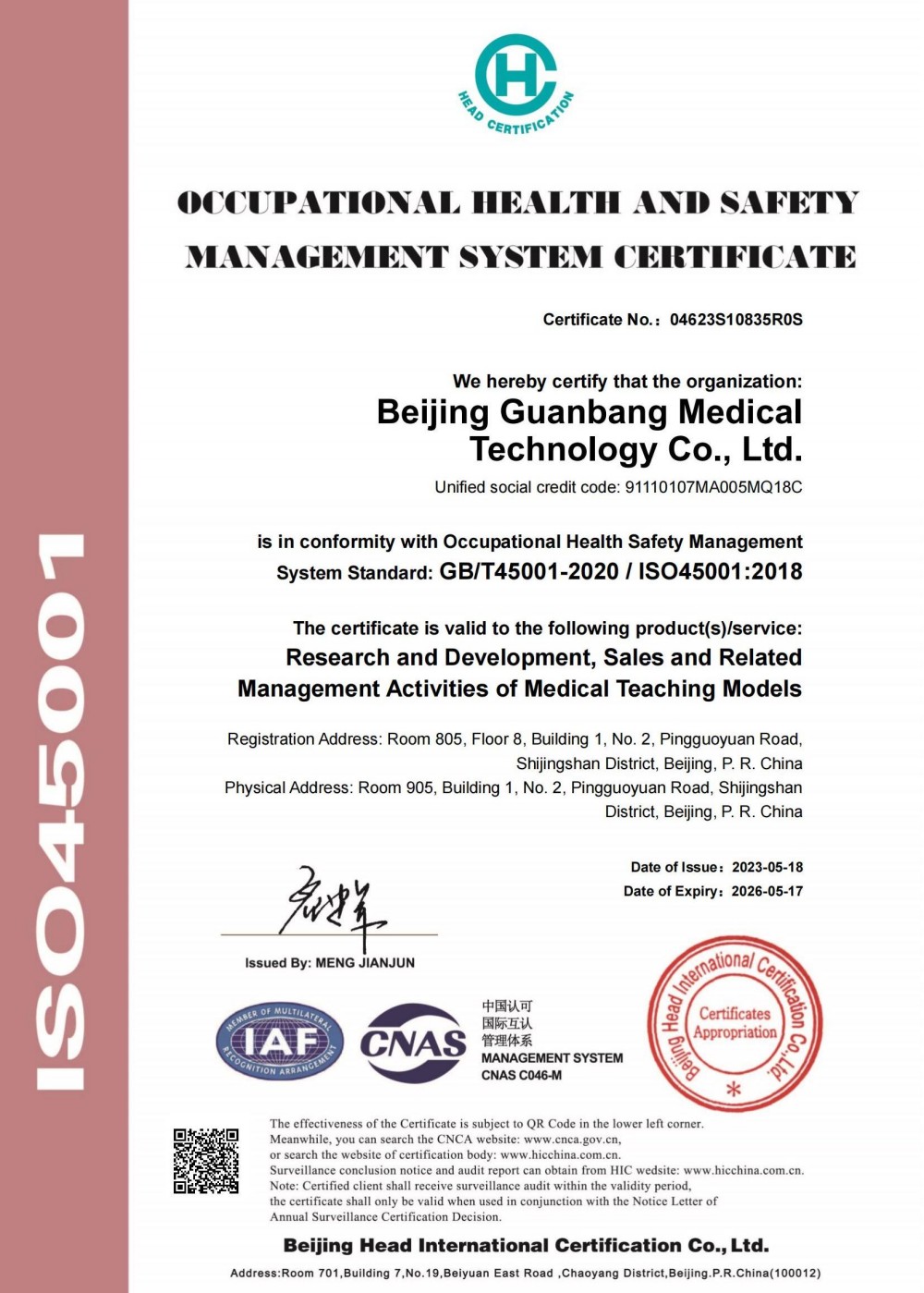
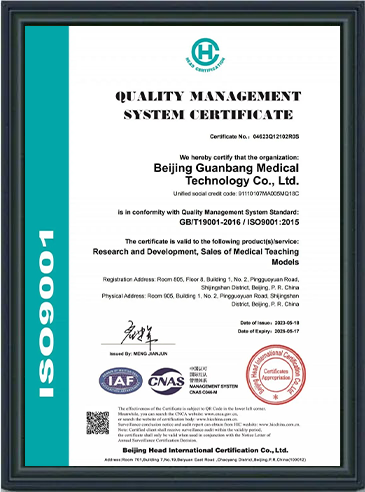
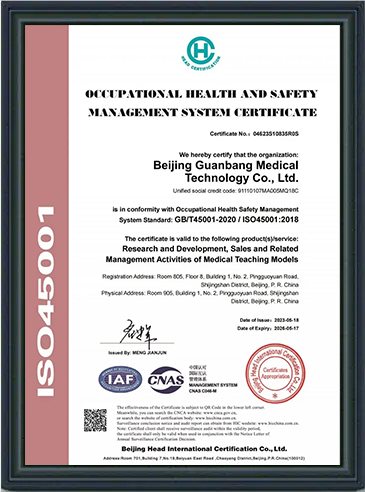
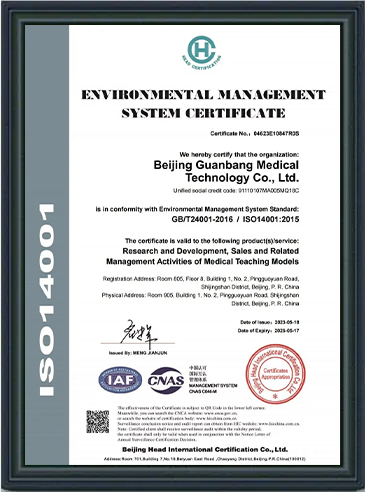
Operating within a 10,000-square-meter modern production facility, we maintain certified quality management systems (ISO 9001), environmental management systems (ISO 14001), and occupational safety systems (ISO 45001).
At Beijing Guanbang Medical Technology Co., Ltd., we develop simulation training equipment that provides realistic tactile feedback. Our production facility uses advanced mold designs and thermoplastic elastomer material processing. The skin textures of our simulators are designed to match the physical characteristics of human skin under compression.
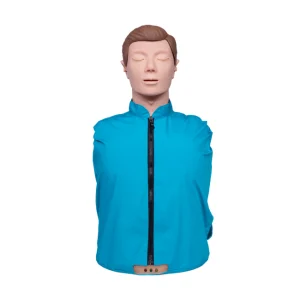
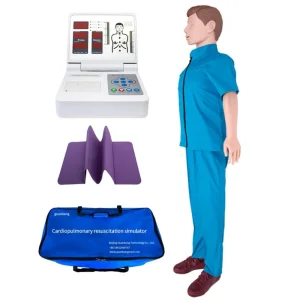
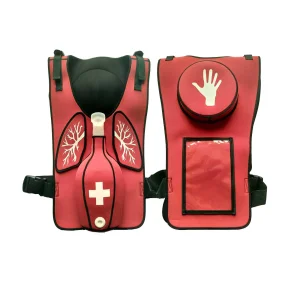
Our product lines include AED training devices, CPR manikins, and Heimlich maneuver vests. These tools are engineered to help students learn appropriate airway clearances, rescue breaths, and chest compressions. The devices undergo durability testing to maintain mechanical calibration across long-term, high-frequency training courses.
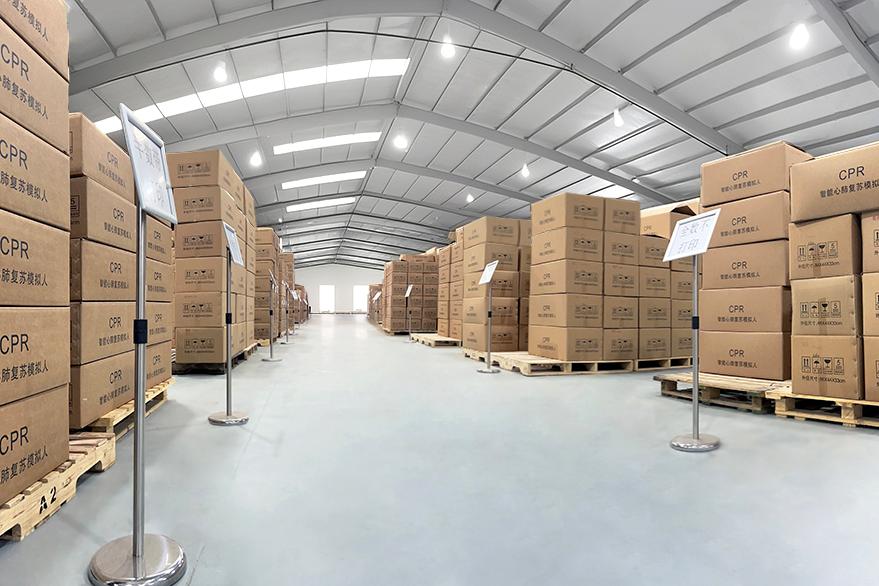
Our business model integrates scientific R&D with direct factory-sales. This enables us to offer direct-from-factory pricing, customized technical support, and comprehensive post-sale service. We work closely with international healthcare distributors to provide localized user interfaces, custom voice prompt libraries, and regional packaging options.
This integrated approach allows us to deliver training solutions that align with regional medical protocols and regulatory requirements.
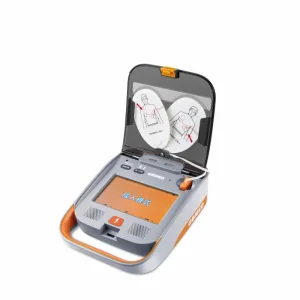
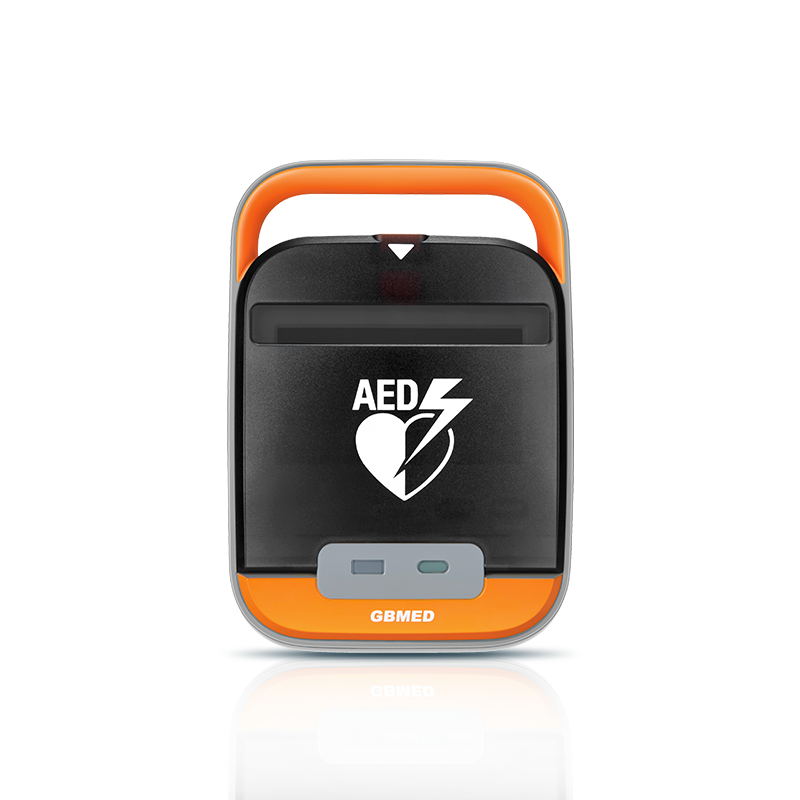
Features programmable rescue scenarios, bilingual voice prompts, and realistic training pads. These devices help students learn correct electrode positioning and shock protocols.
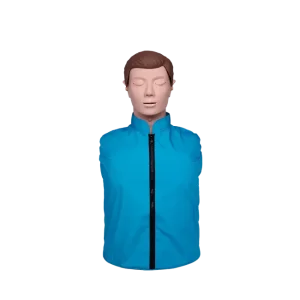
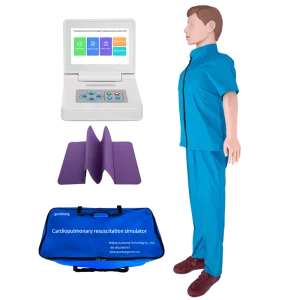
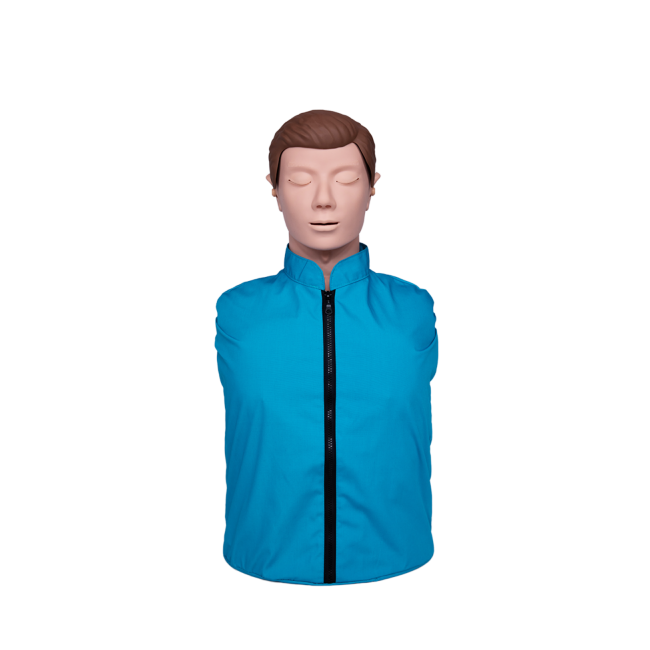
Designed for basic and advanced life support instruction. Includes electronic indicators, real-time compression tracking, and digital assessment tools.
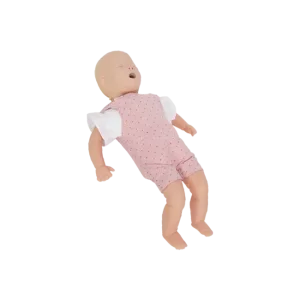
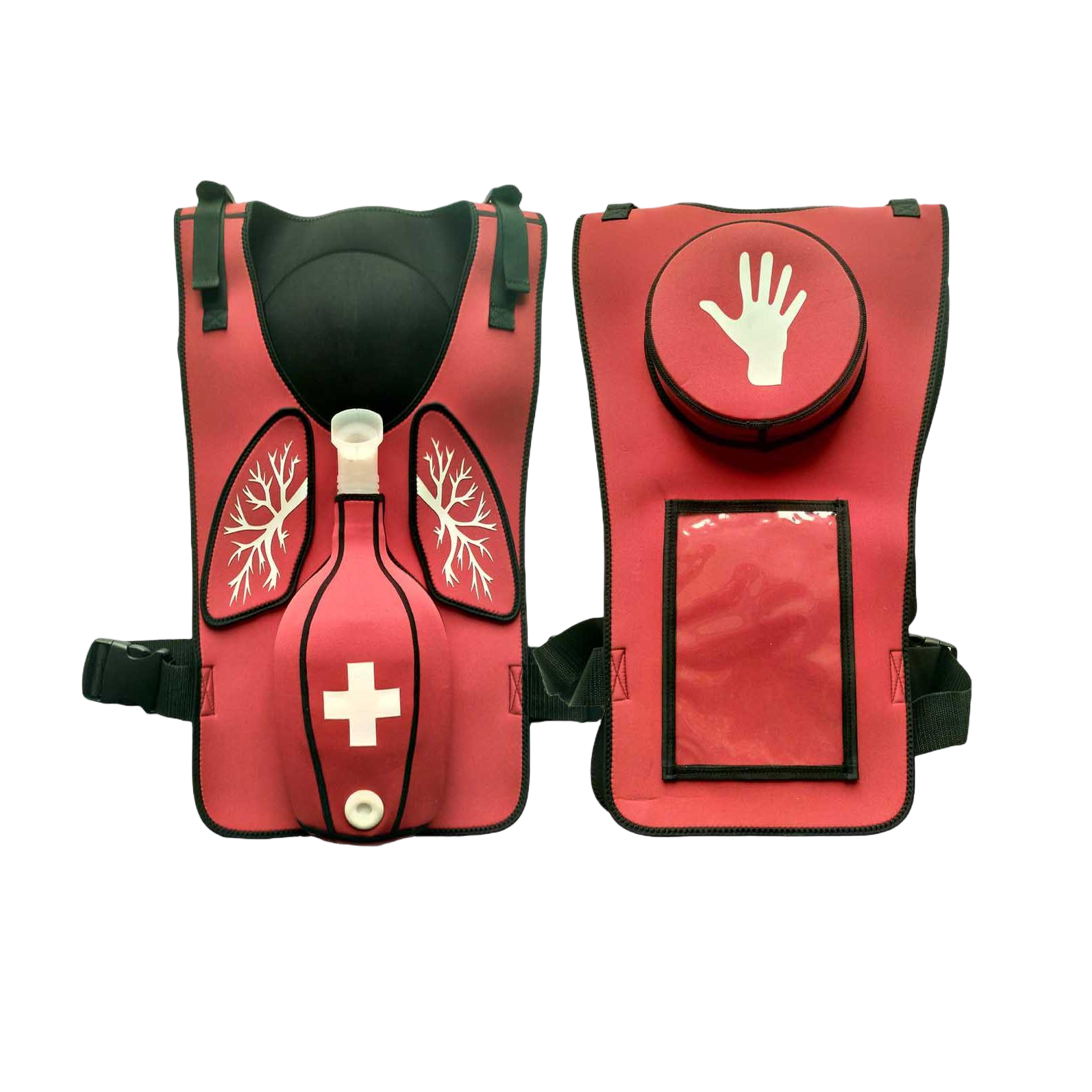
Enables realistic training for choking emergencies. Includes child, infant, and adult models, along with wear-resistant Heimlich vests for hands-on practice.
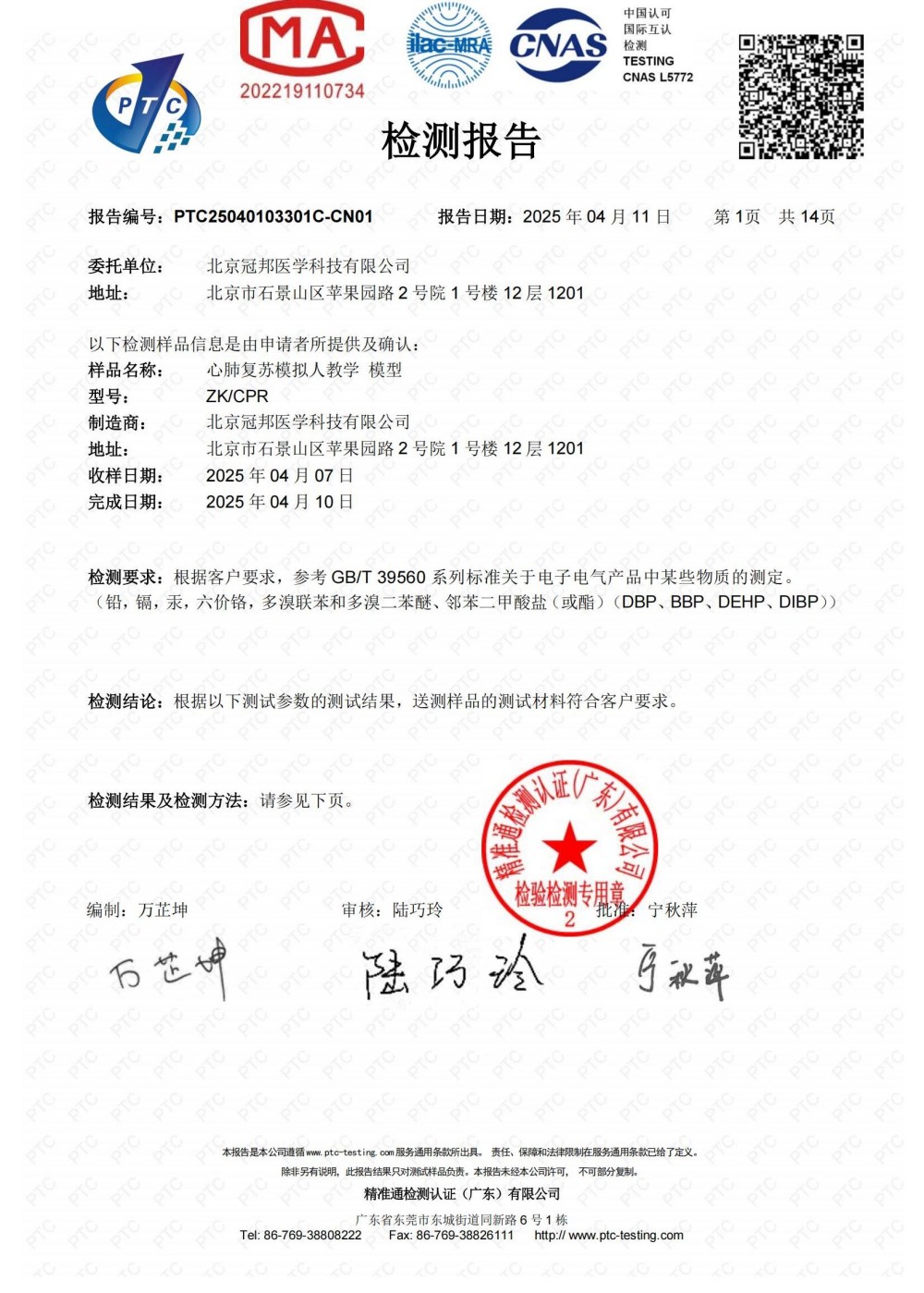
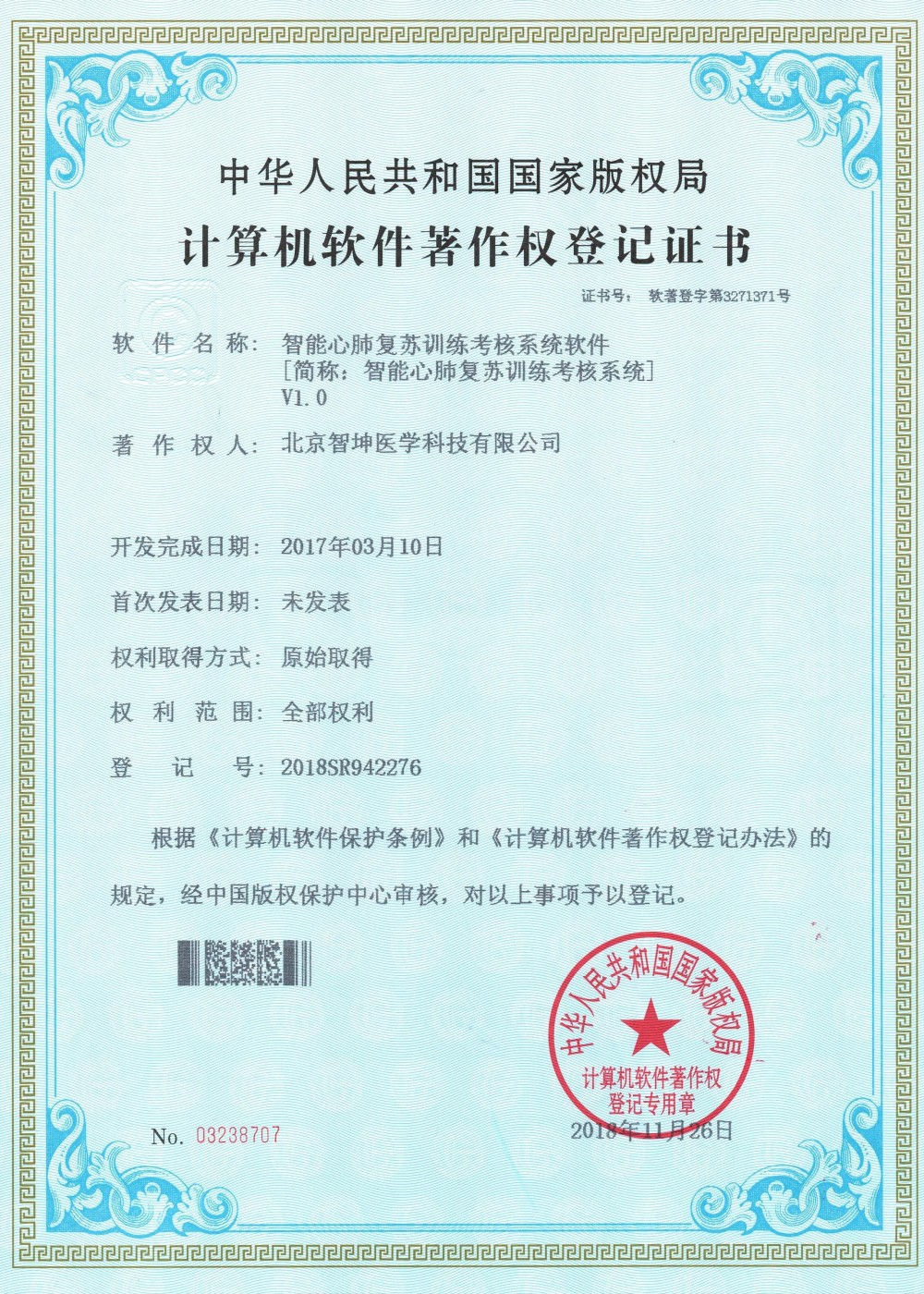
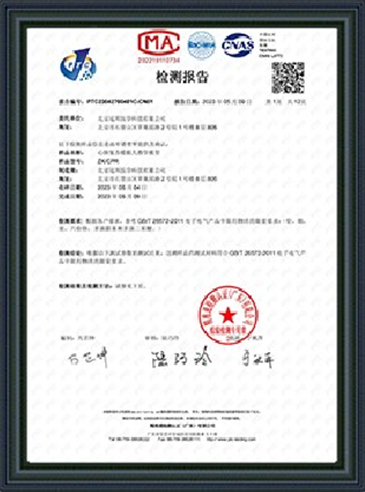
Our engineering patents, software copyrights, and international quality management certificates confirm our commitment to compliance and quality control.
How Guanbang emergency training simulators are deployed to support military training, academic programs, and community safety initiatives.
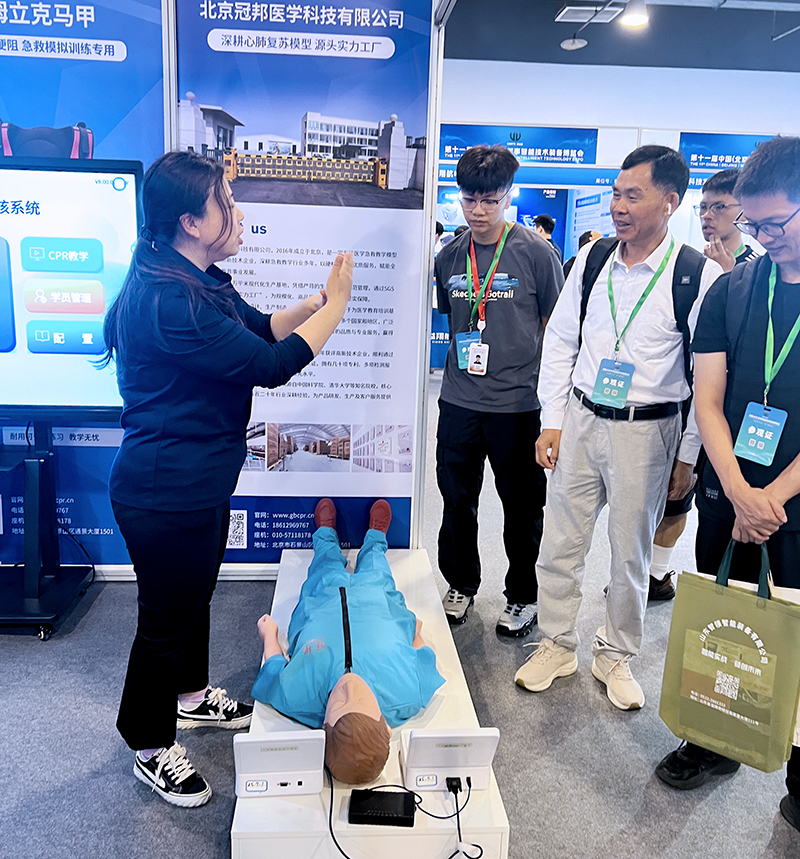
We showcased specialized medical skills training models designed to support tactical casualty care (TCCC) training in demanding military environments.
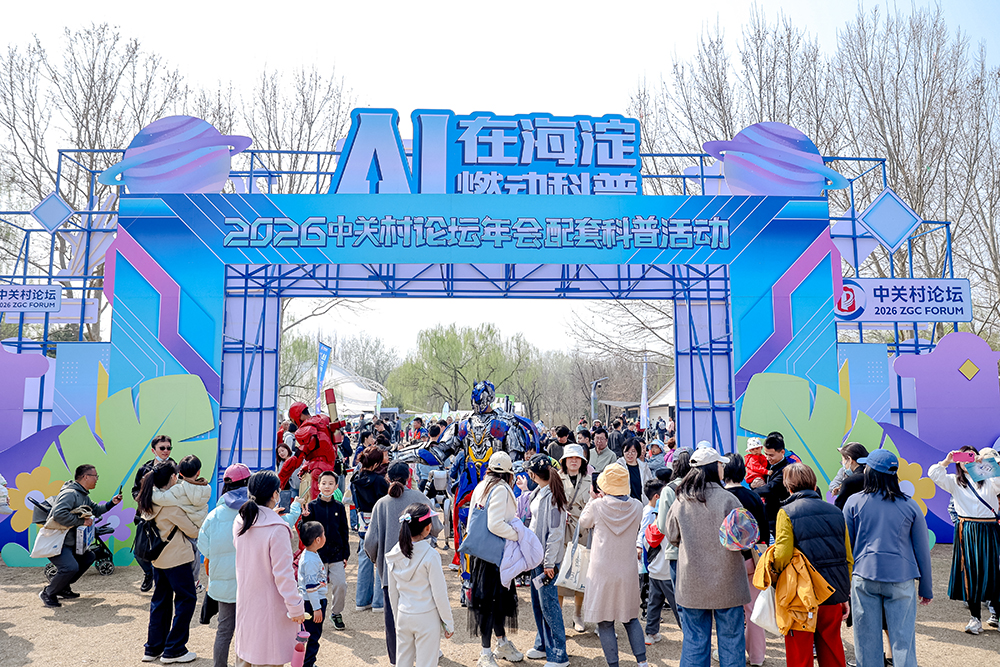
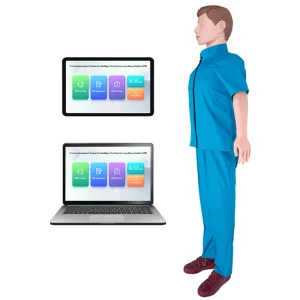
Demonstrated our one-to-many CPR simulation mannequin at the Zhongguancun Forum. This system enables wireless multi-user tracking from a single instructor hub.
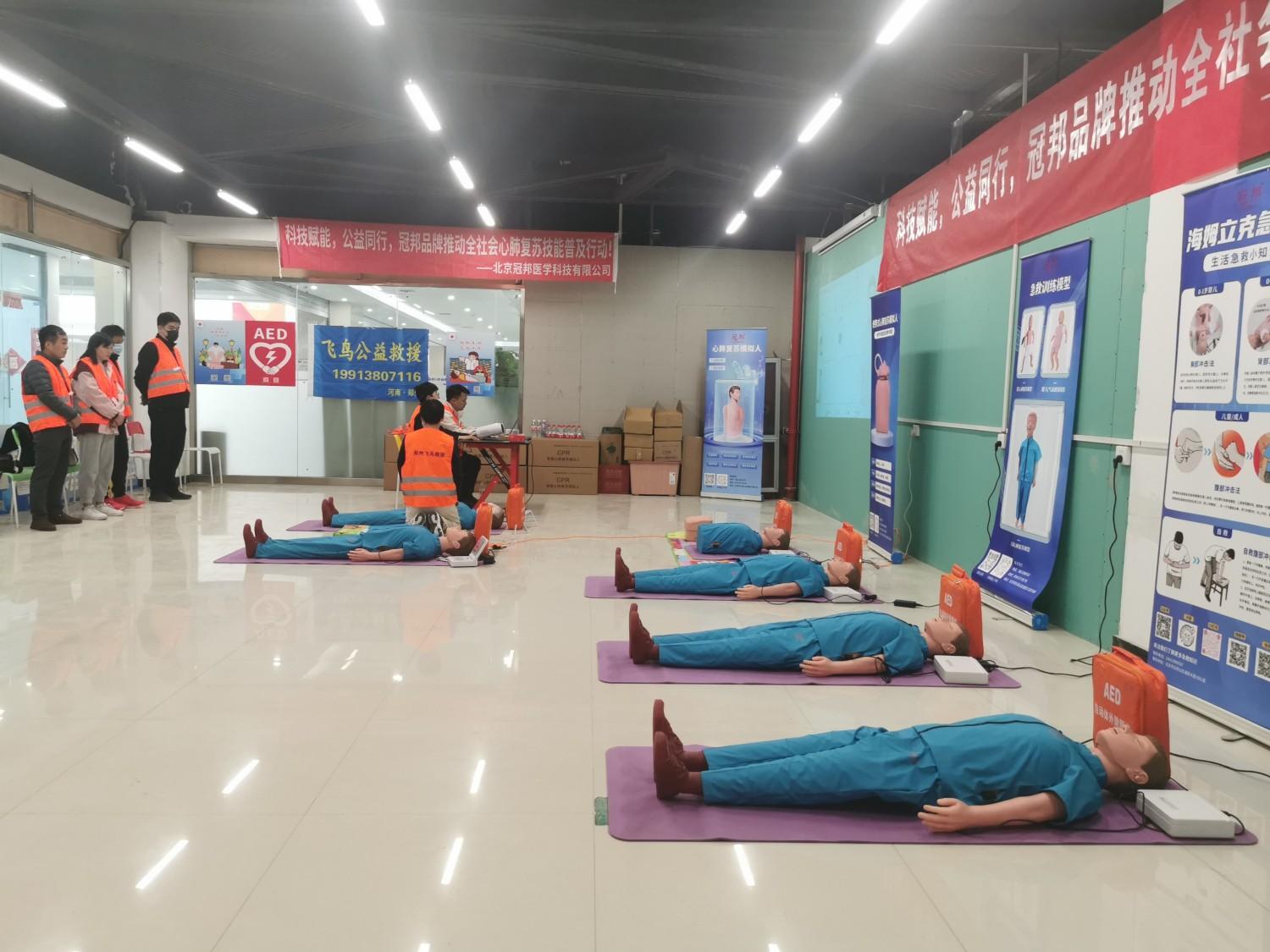
Collaborating on a public-access first-aid center to offer community-focused CPR and choking relief training.
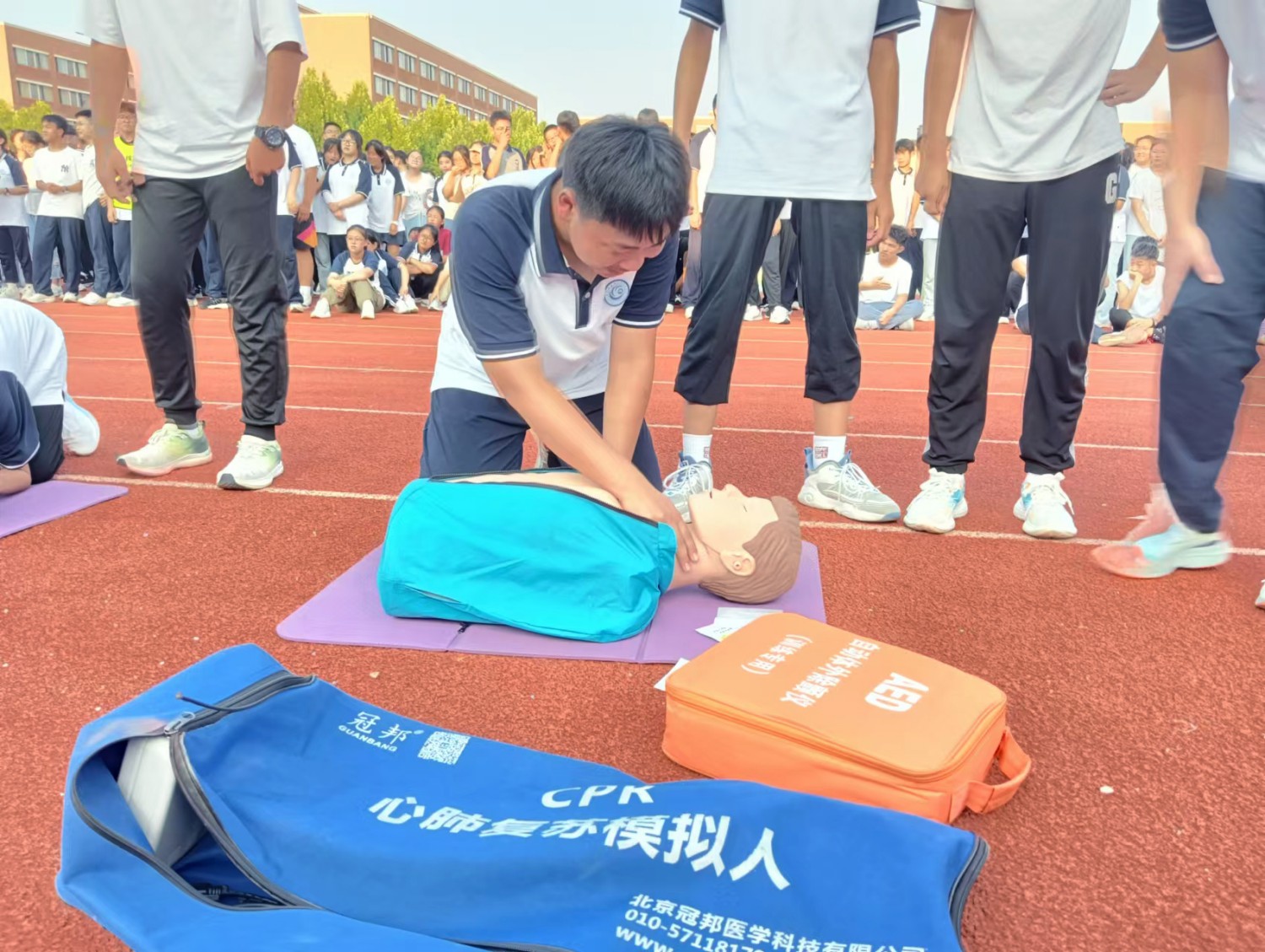
Providing high schools and universities with durable models to support student resuscitation education programs.
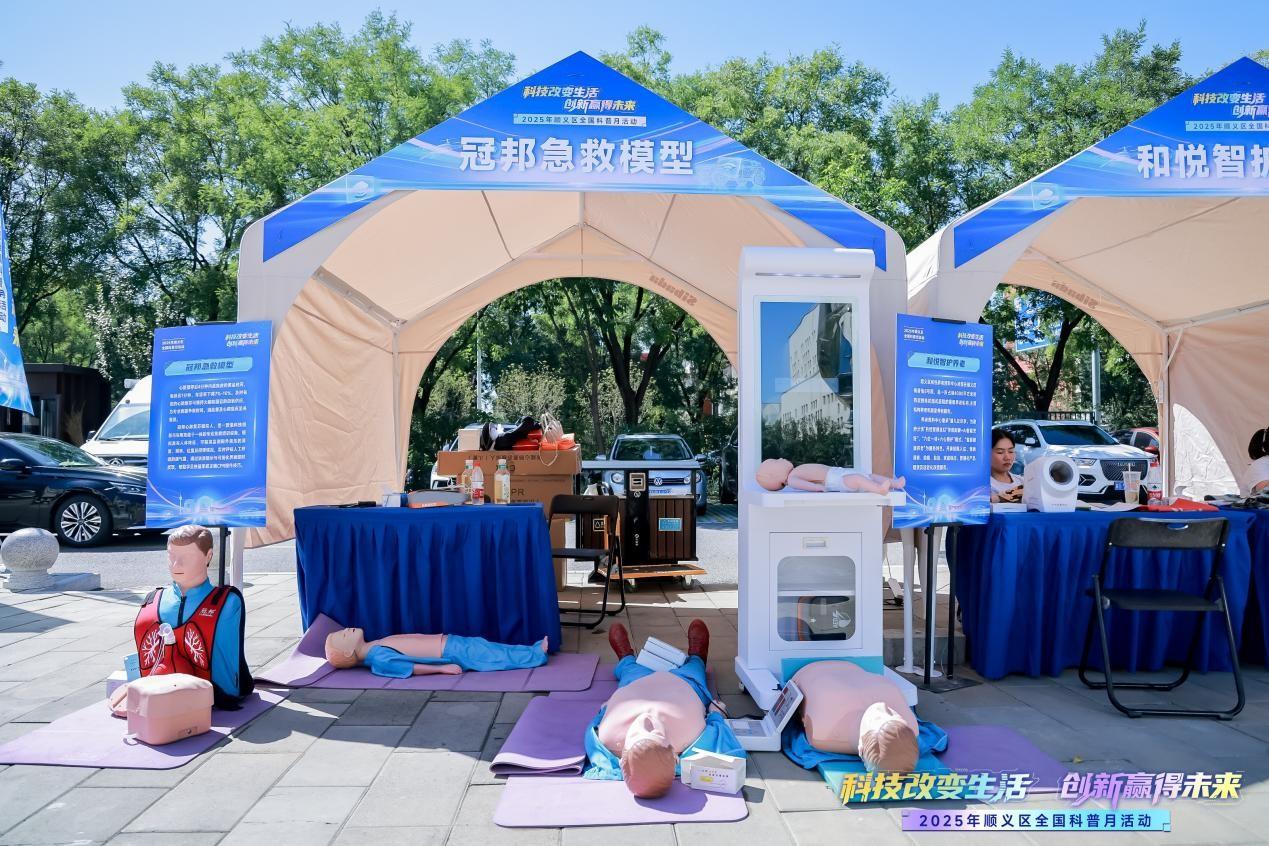
Demonstrated our interactive simulators to the public, offering hands-on training to help improve emergency preparedness.
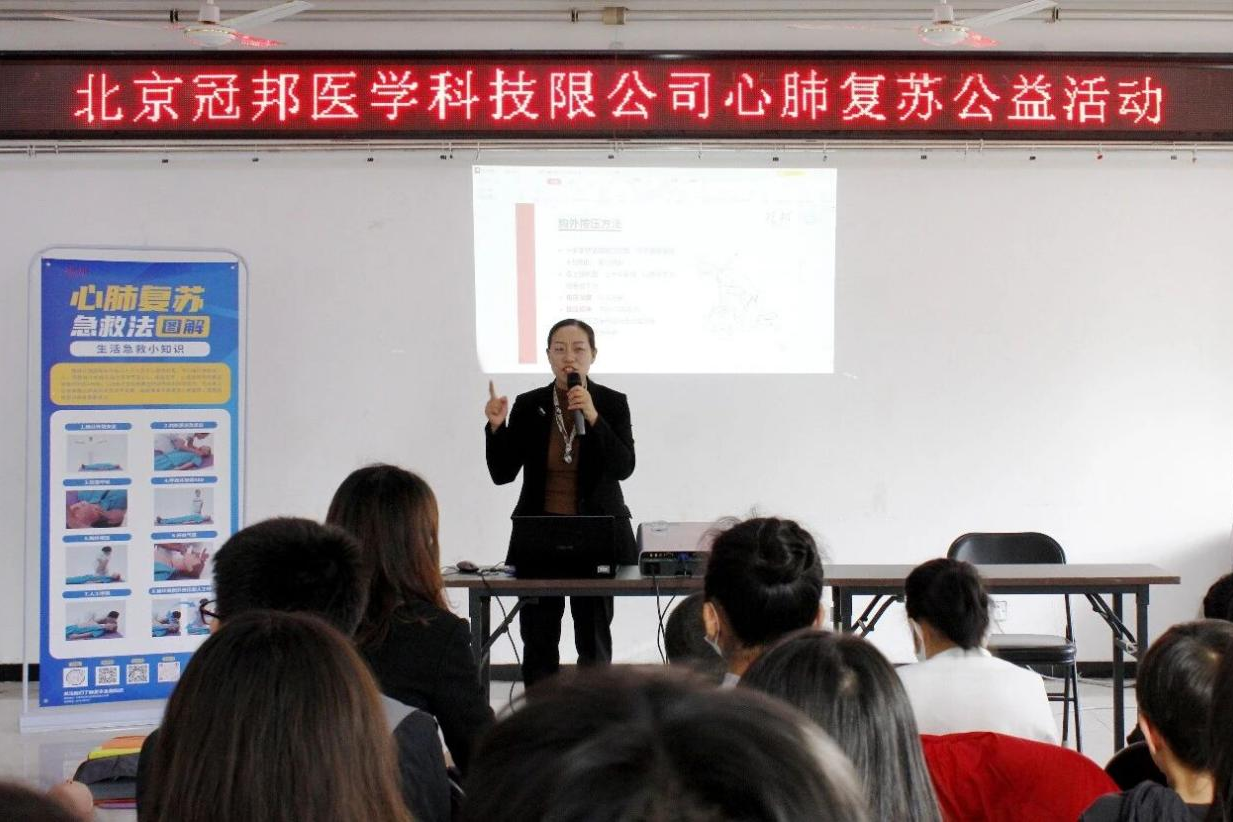
Hosted community workshops focused on basic CPR and airway relief techniques for families.
Key information for procurement officers, medical training deans, and emergency response coordinators.
Durable, anatomically accurate simulation tools designed for professional medical education and public emergency training programs.
 Guanbang Medical