Advanced simulator designs optimized for the Indonesian tropical environment, remote island training hubs, and healthcare standard compliance.
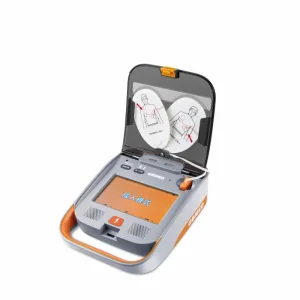
Fully customizable bilingual (Bahasa Indonesia & English) AED Trainer featuring real-time audio guidance, metronome configurations, and multiple operational scenarios matching the Indonesian Ministry of Health (Kemenkes RI) guidelines.
View Details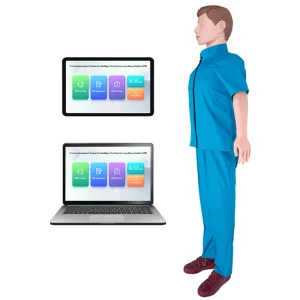
Cost-efficient adult cardiopulmonary resuscitation training mannequin. Outfitted with assessment software for tracking compression depth, speed, and ventilation parameters on digital monitors.
View Details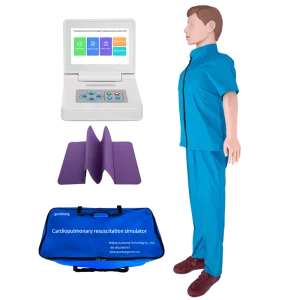
Elite-level resuscitation simulator with integrated high-definition color touchscreen control. Provides immediate audio-visual feedback, grading scores, and standard training reports.
View Details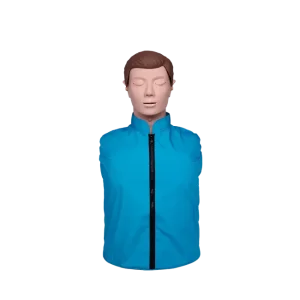
Perfect for mass scale community training, Red Cross (PMI Indonesia) setups, and educational institutes. Heavy-duty, entry-level mannequin designed for chest compression and mouth-to-mouth rescue training.
View DetailsA deep dive into structural policies, local emergency response requirements, and global technical shifts.
Indonesia is an expansive archipelago of over 17,000 islands. In high-density cities like Jakarta, Surabaya, and Bandung, skyscrapers and massive manufacturing plants drive corporate HSE (Health, Safety, and Environment) mandates. Conversely, remote locations—such as offshore oil platforms in the Java Sea, mining operations in Kalimantan, and tourism hotspots in Bali—demand localized emergency training equipment that operates independently without persistent internet access.
The Indonesian Ministry of Health (Kemenkes RI) has actively promoted public access defibrillation (PAD) programs and basic life support (BLS) competencies. In response, local entities require customizable AED trainers configured with bilingual voice prompts (Bahasa Indonesia and English) and compliant with the latest AHA (American Heart Association) CPR standards. Having local training setups mitigates real-life delays in medical response times, particularly in remote areas.
On a global scale, medical simulation has transitioned from passive rubber manikins to smart, connected IoT platforms. Modern emergency training uses sensors that measure compression depth (5cm to 6cm), chest recoil, and precise ventilation volume (500ml to 600ml). Data is sent wirelessly via Bluetooth to central monitoring systems, allowing a single instructor to assess up to 30 trainees simultaneously.
Additionally, sustainability and material longevity are crucial. Global standards now mandate non-toxic, highly resilient thermoplastic elastomer (TPE) skin materials. These mimic human skin textures and withstand repetitive compressions without degradation, reducing total ownership cost for institutions.
Why Beijing Guanbang Medical Technology stands at the forefront of emergency medical training manufacturing.
We use state-of-the-art thermoplastic elastomers and imported PVC plastics for our manikins. Our molds are designed in-house to simulate realistic anatomy, including palpable landmarks (sternum, rib cage, suprasternal notch) for accurate hand placement during CPR.
Our simulator firmware supports customizable training scenarios. This includes configurable AED shocks, variable shock protocols, and bilingual audio prompts that meet the requirements of both the American Heart Association (AHA) guidelines and Indonesian medical standards.
From custom localized branding for Indonesian safety authorities to modifying hardware functions, our R&D department handles specific casing colors, specific software interfaces, and tailored training mats to suit local tender requirements.
Targeted medical simulation packages tailored to meet the needs of diverse industry sectors.
Indonesian academic institutes (such as Universitas Indonesia and Gadjah Mada) require robust testing equipment for OSCE exams. Our Touch Screen CPR simulators offer objective score cards, data export functions, and printouts of the students' performance metrics.
Heavy industry companies operating in Kalimantan or Sumatra require rugged, durable, and easily transportable CPR mannequins. Our portable models are built with impact-resistant shells and work without external power sources, making them ideal for field safety workshops.
To maintain international safety standards, hotels, resorts, and dive shops train staff in basic life support. Our AED training devices and choking rescue vests help teach hospitality personnel to handle cardiac arrests and choking emergencies quickly.
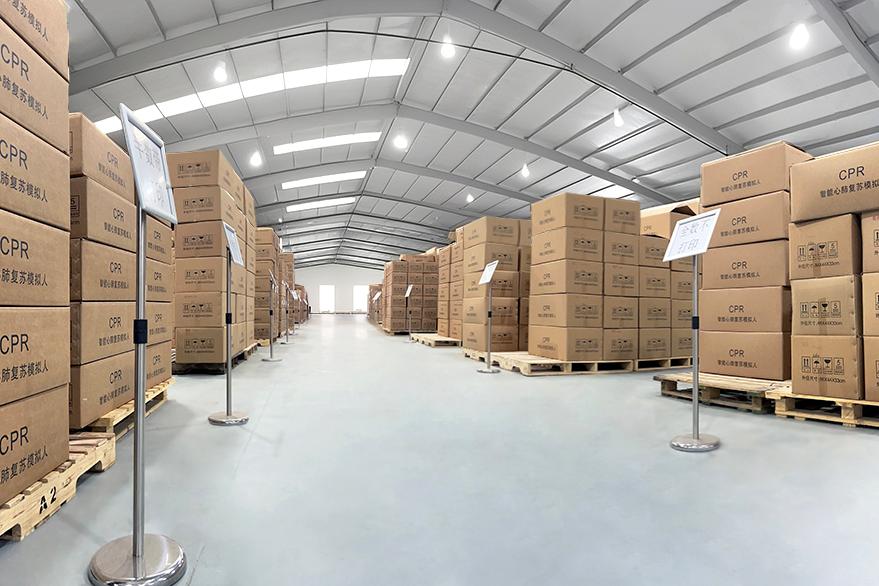
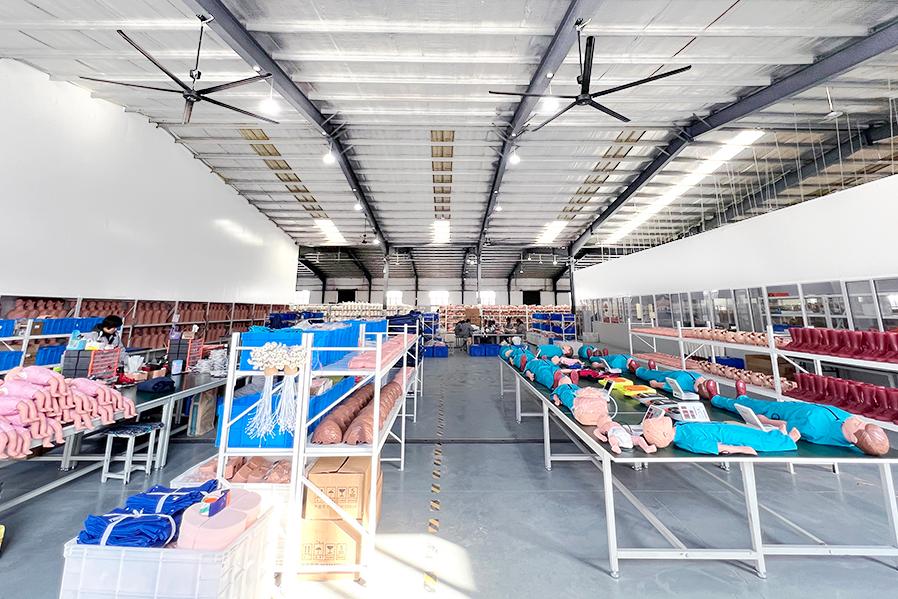
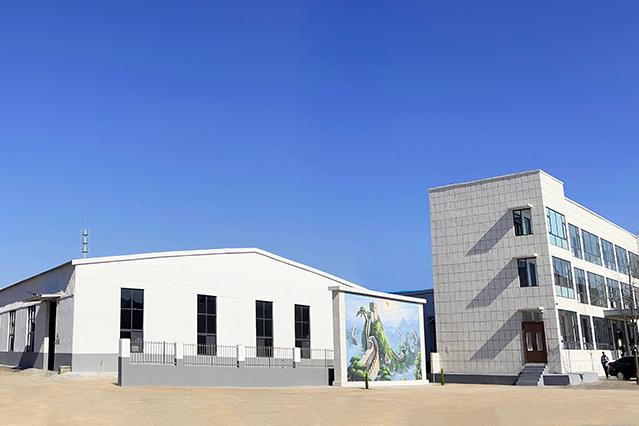
Founded in Beijing in 2016, Beijing Guanbang Medical Technology Co., Ltd. is an innovative enterprise dedicated to providing premium simulation training models and services for medical education and training institutions globally. Our modern production base covers approximately 10,000 square meters, supporting an integrated system that spans research and development, design, precise manufacturing, sales, and global after-sales support.
Our team comprises a highly skilled R&D group, with core technical personnel holding advanced degrees from esteemed institutions such as the Chinese Academy of Sciences and Tsinghua University. By combining decades of experience in clinical medicine and product engineering, we create life-like, durable simulators that help raise the quality of first-aid training programs worldwide.
Explore our three core emergency training divisions designed for comprehensive medical simulation.
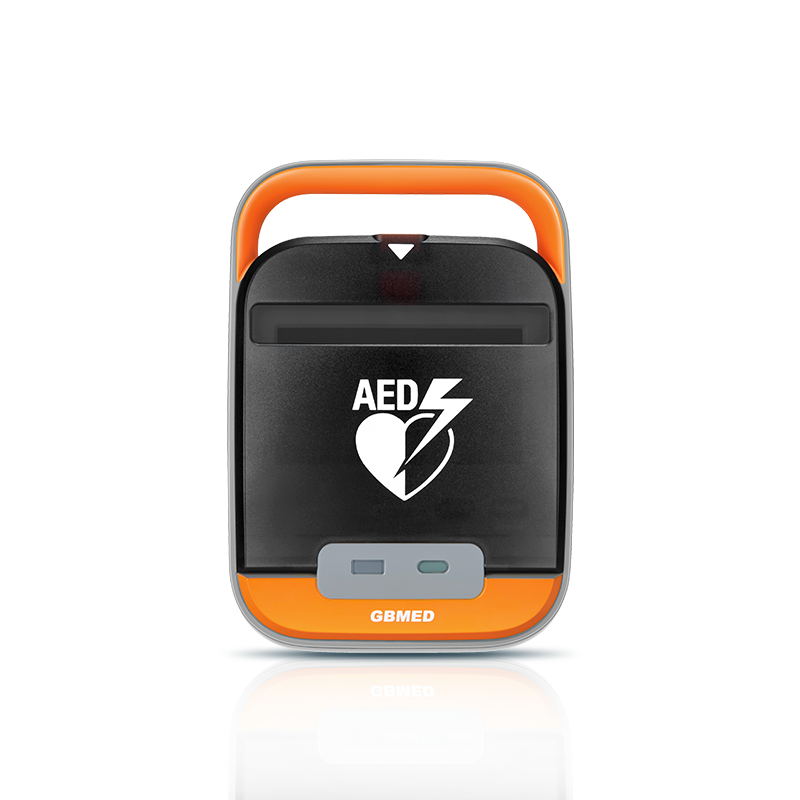
Features realistic prompts, multiple pre-programmed scenarios, reusable electrode pads, and a wireless remote controller for dynamic scenario training.
Inquire Series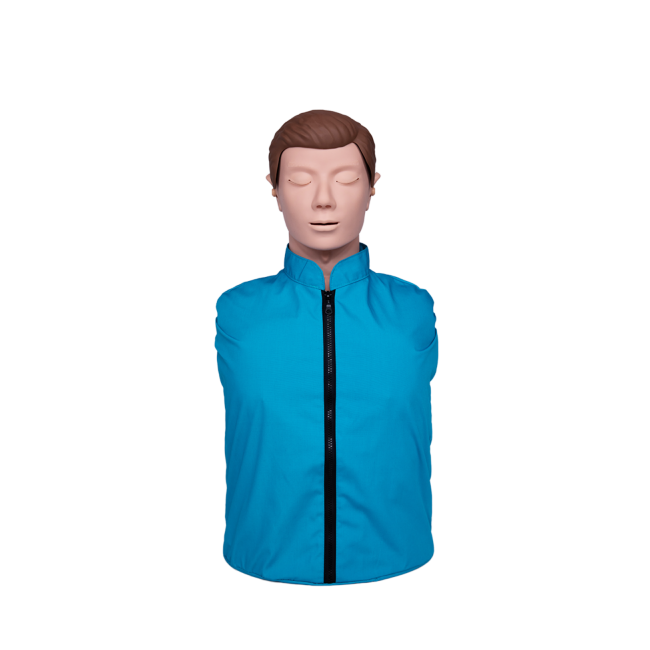
Covers infant, pediatric, and adult manikins. Features high-precision digital control systems and software feedback options to track compression depth and ventilation volume.
Inquire Series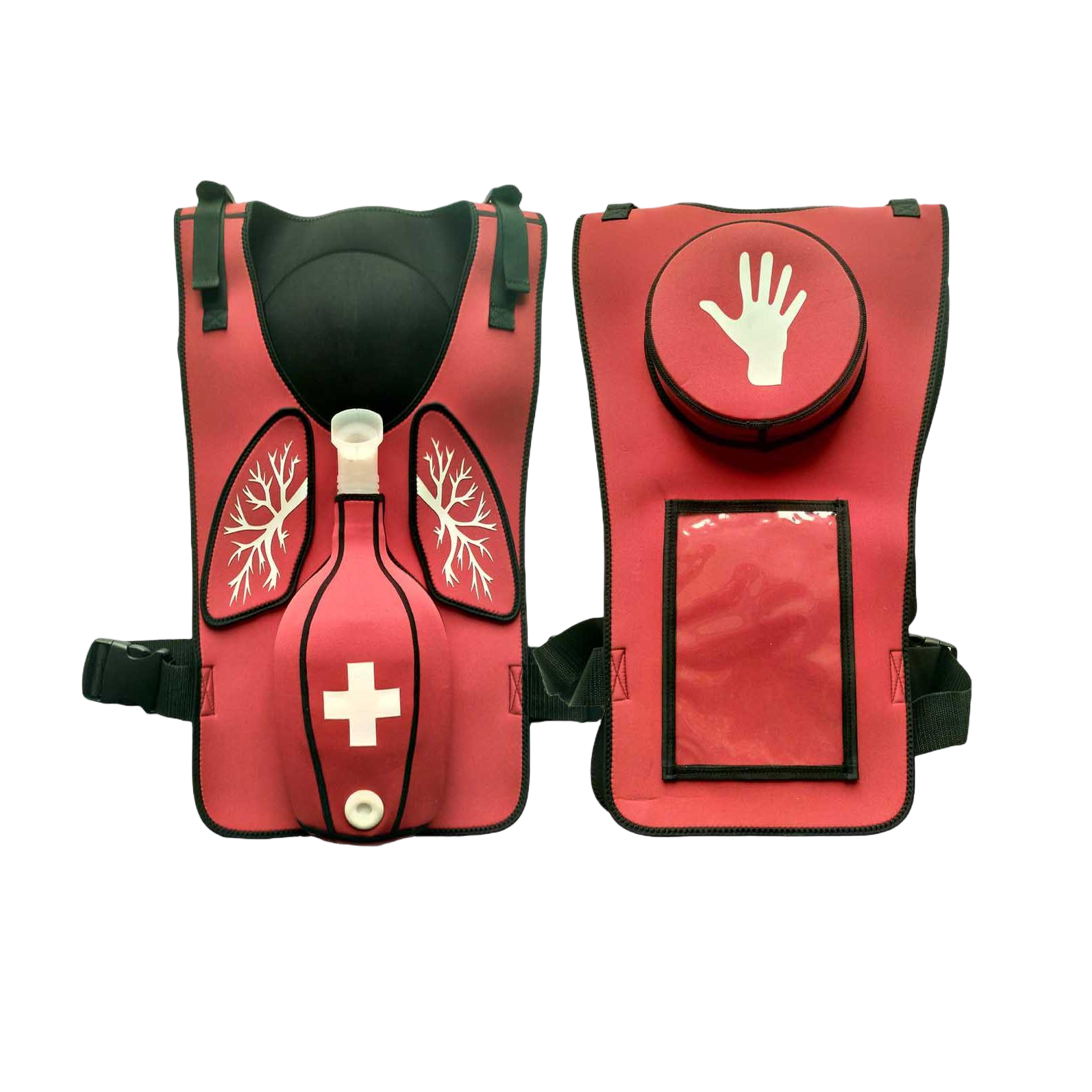
Includes wearable choking instruction vests and infant models that simulate foreign body airway obstructions, allowing trainees to practice abdominal thrusts (Heimlich Maneuver).
Inquire SeriesOur facility operates under international quality frameworks, ensuring every simulator meets strict medical safety criteria.
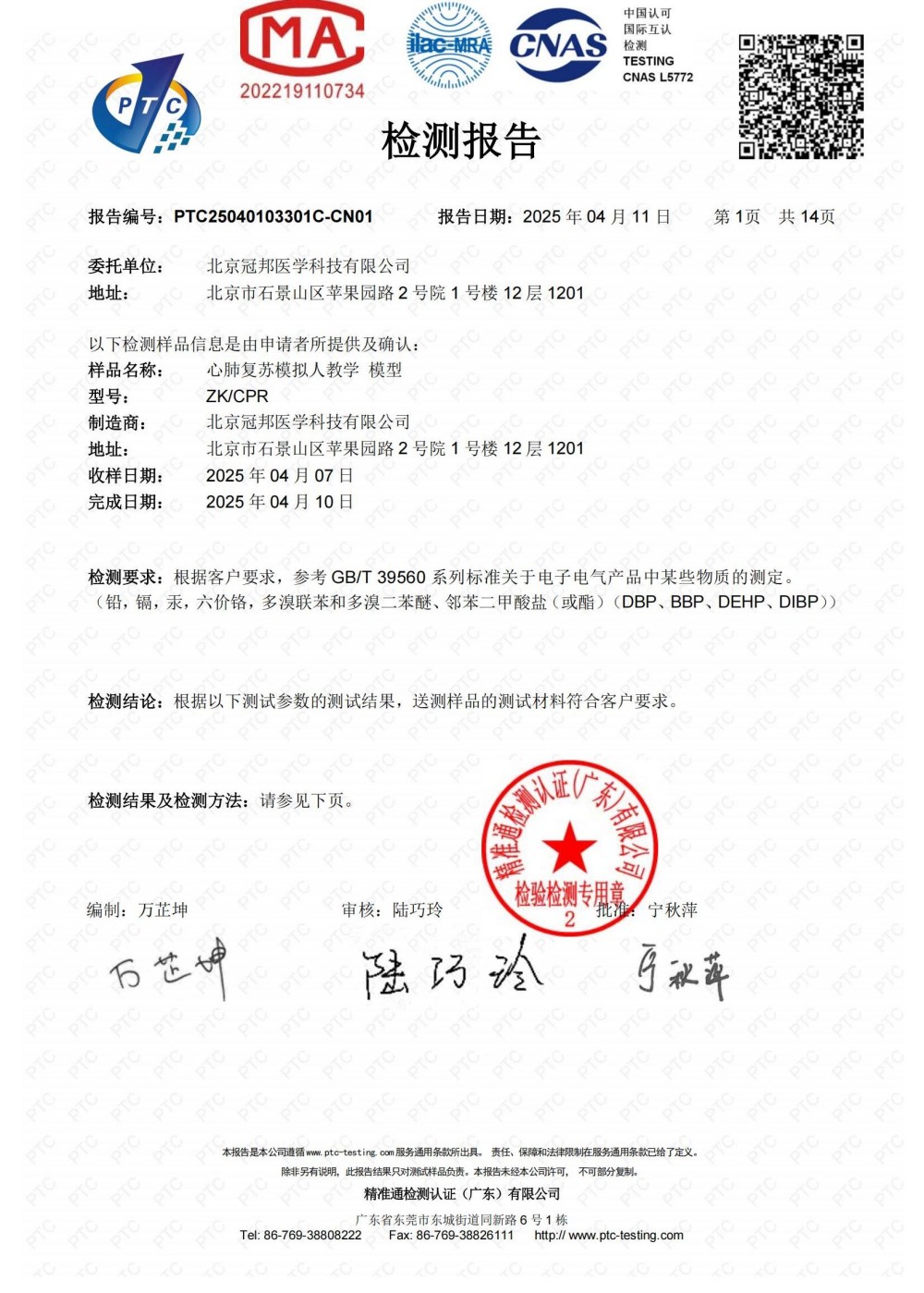
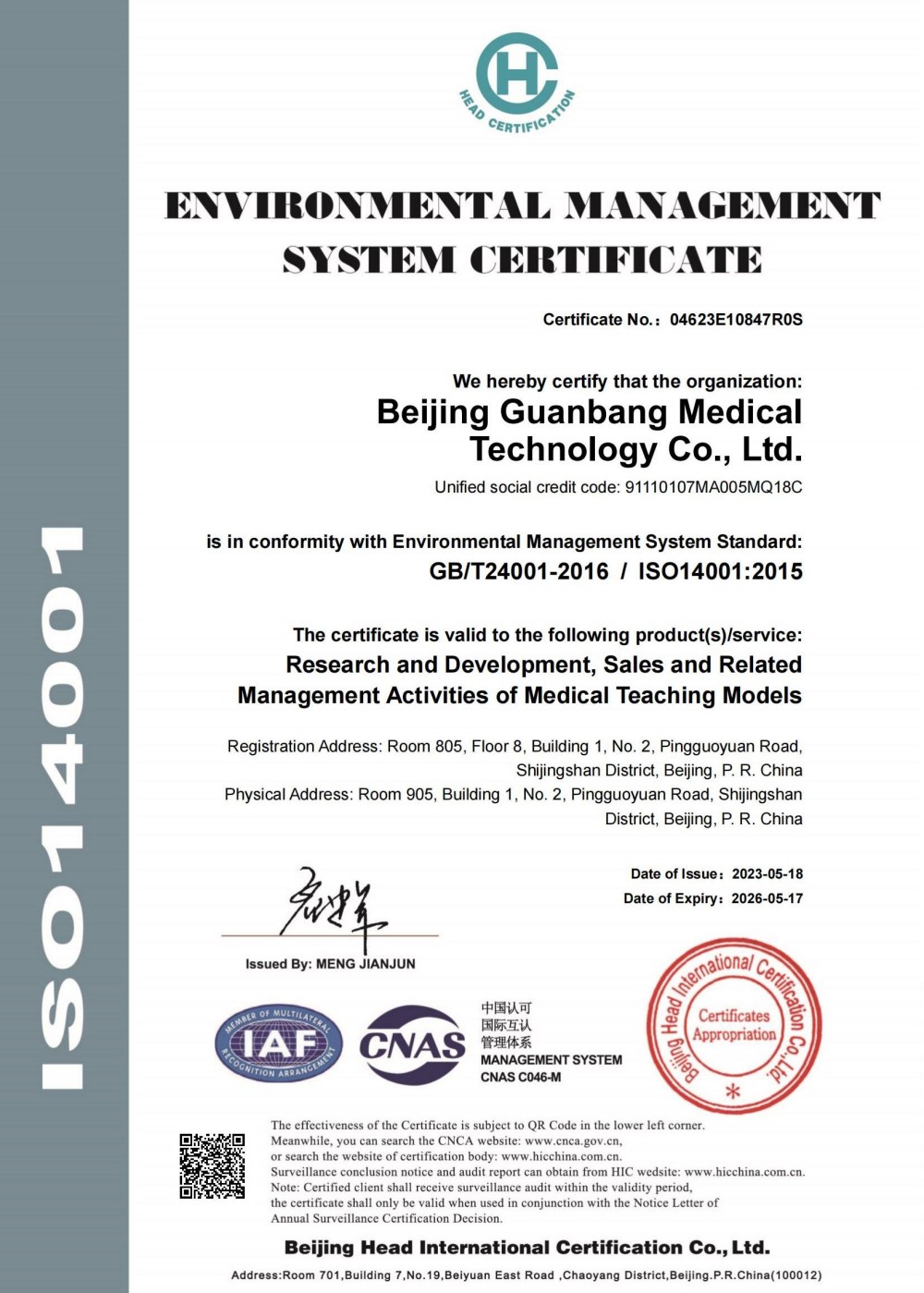
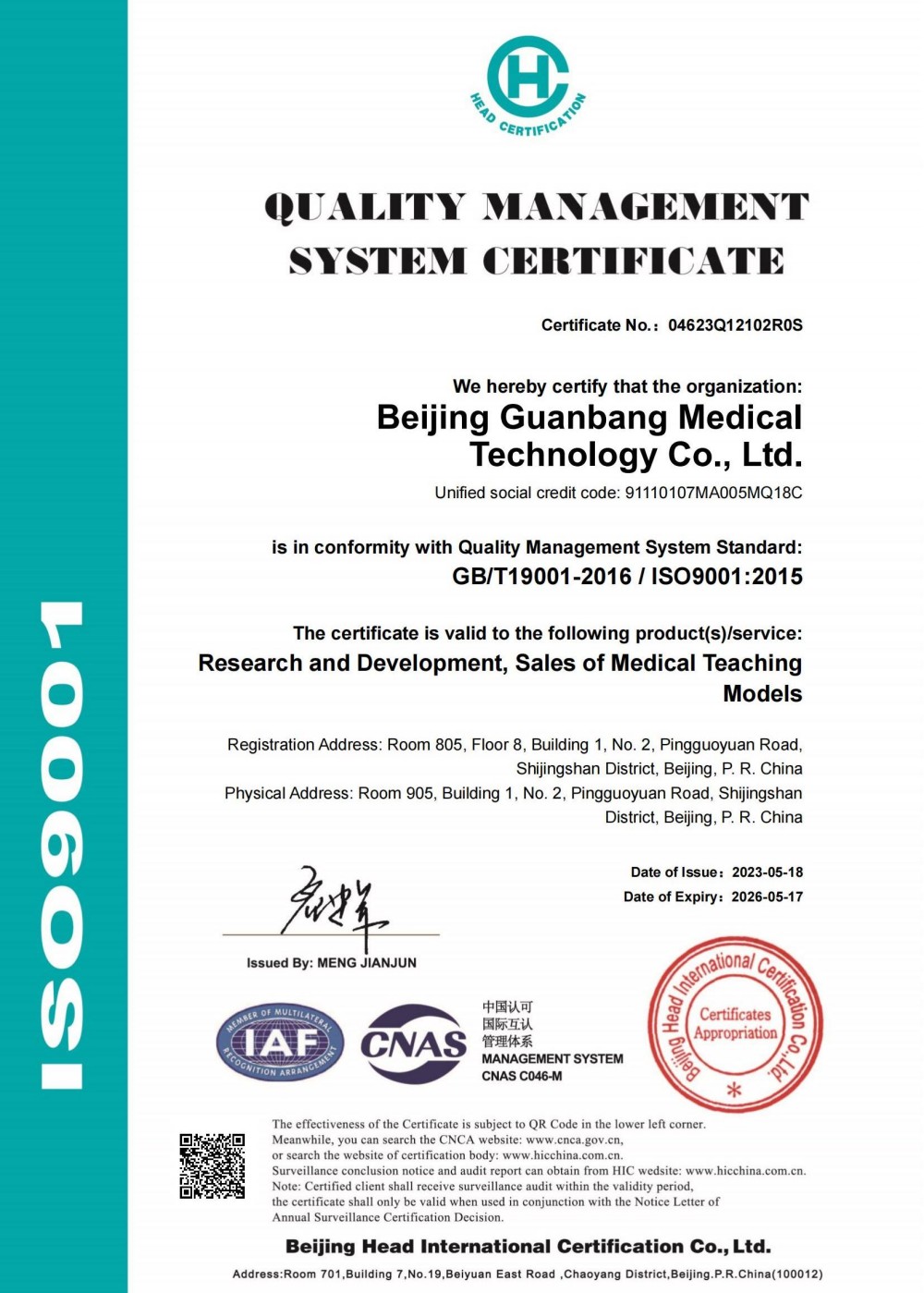
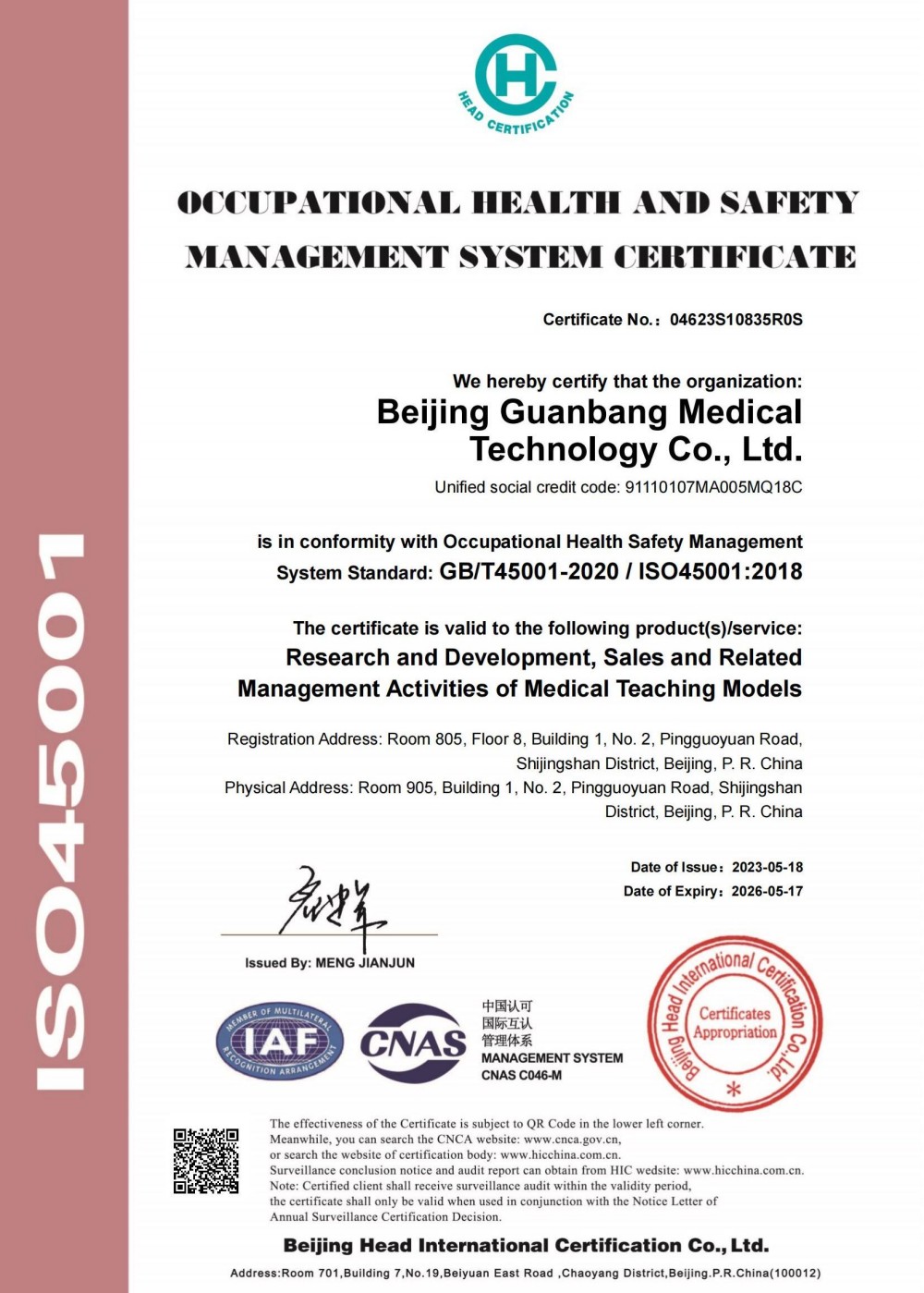
We have obtained certifications in environmental management, quality management, and occupational health and safety management, along with multiple utility model and design patents, professional testing reports, and software copyrights, ensuring that our products remain at the forefront of technological excellence.
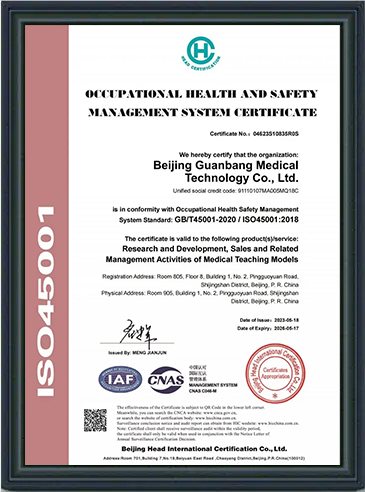
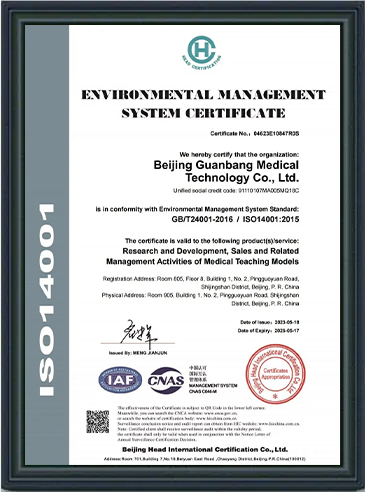
How Guanbang actively drives public welfare, educational integration, and medical industry innovation.
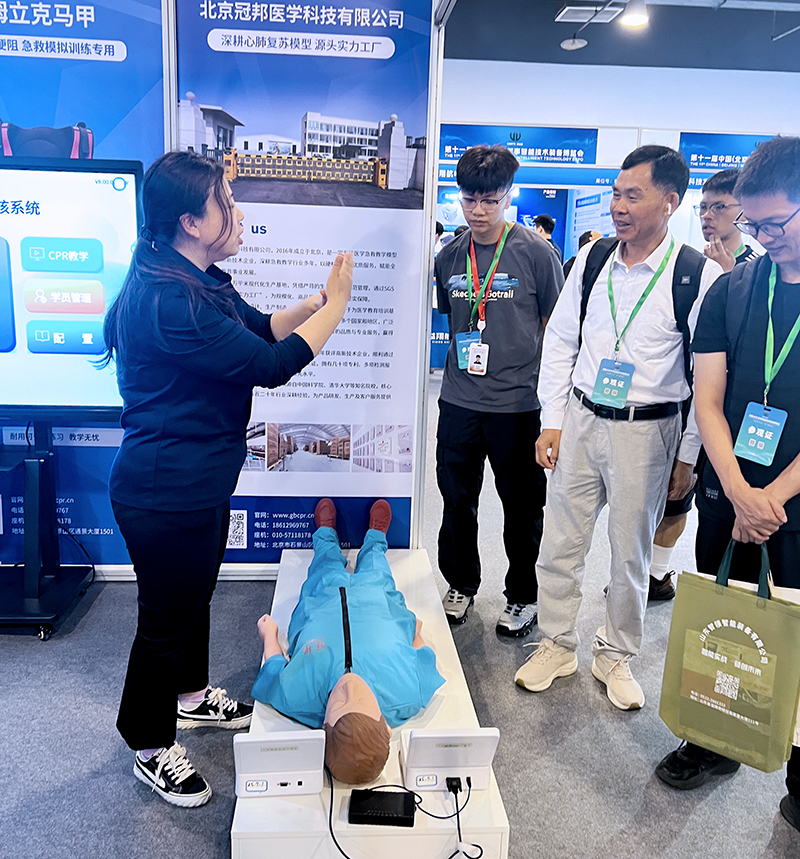
Guanbang successfully demonstrated its military-grade emergency tactical training simulators at the Beijing National Convention Center, earning accolades for durability and technical precision under stress-testing environments.
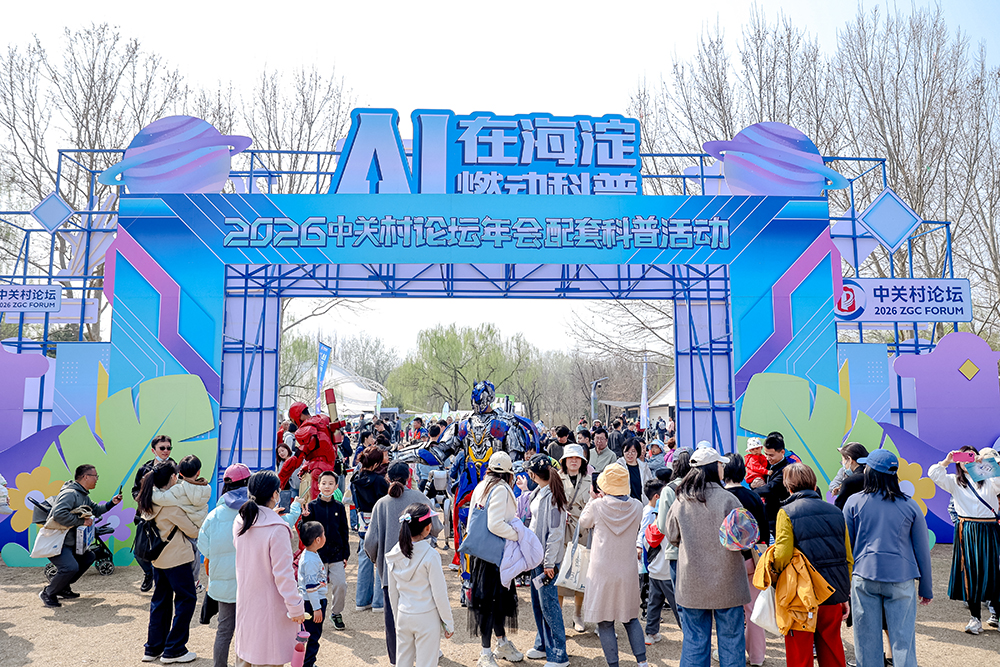
Showcasing the multi-manikin training system at the Zhongguancun Forum. Using a single console to manage up to ten CPR manikins simultaneously, demonstrating our capacity for large-scale training solutions.
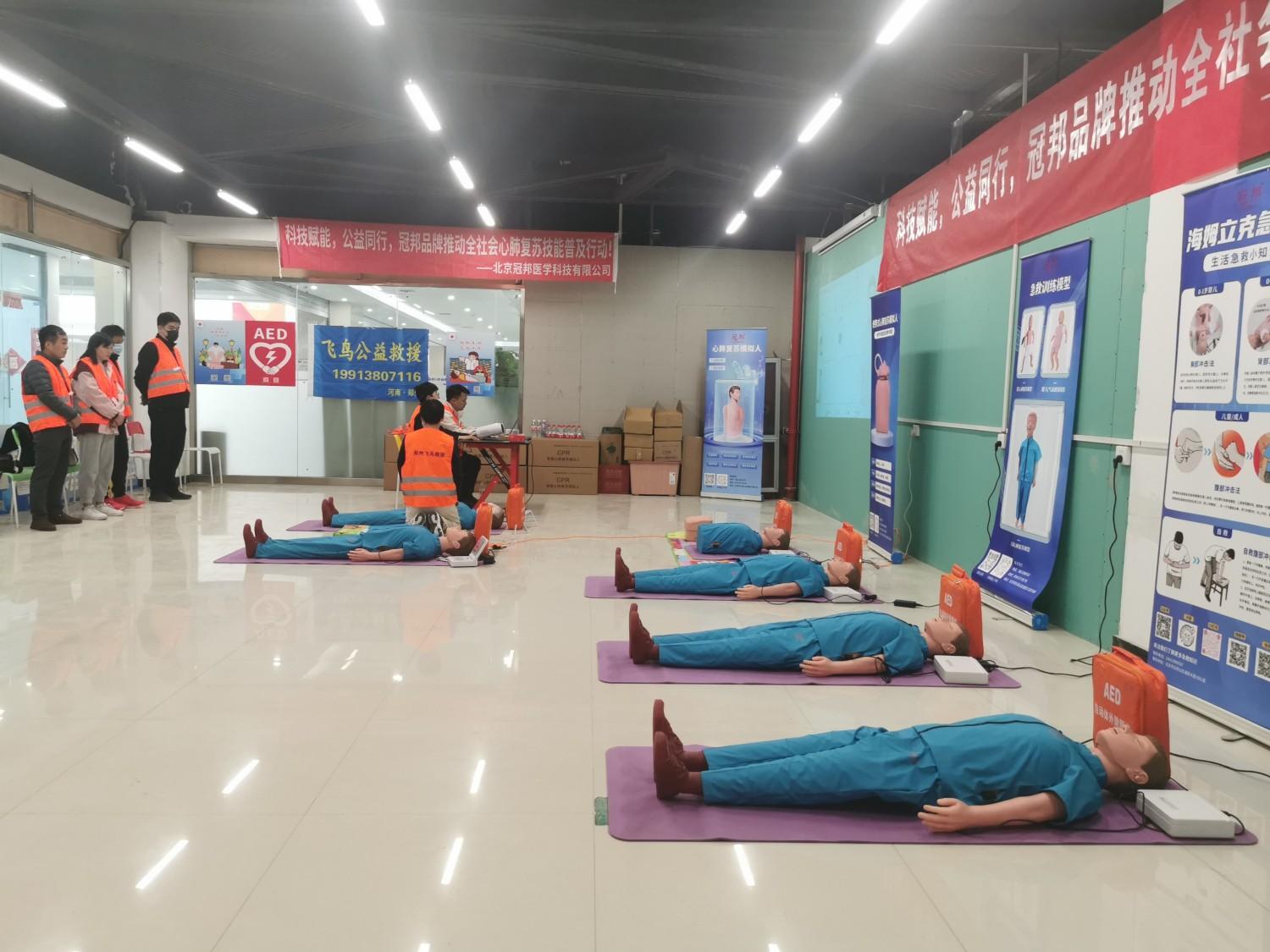
Partnering with volunteer rescue teams to establish public training centers. This initiative allows local communities to practice life-saving skills free of charge on Guanbang simulation equipment.
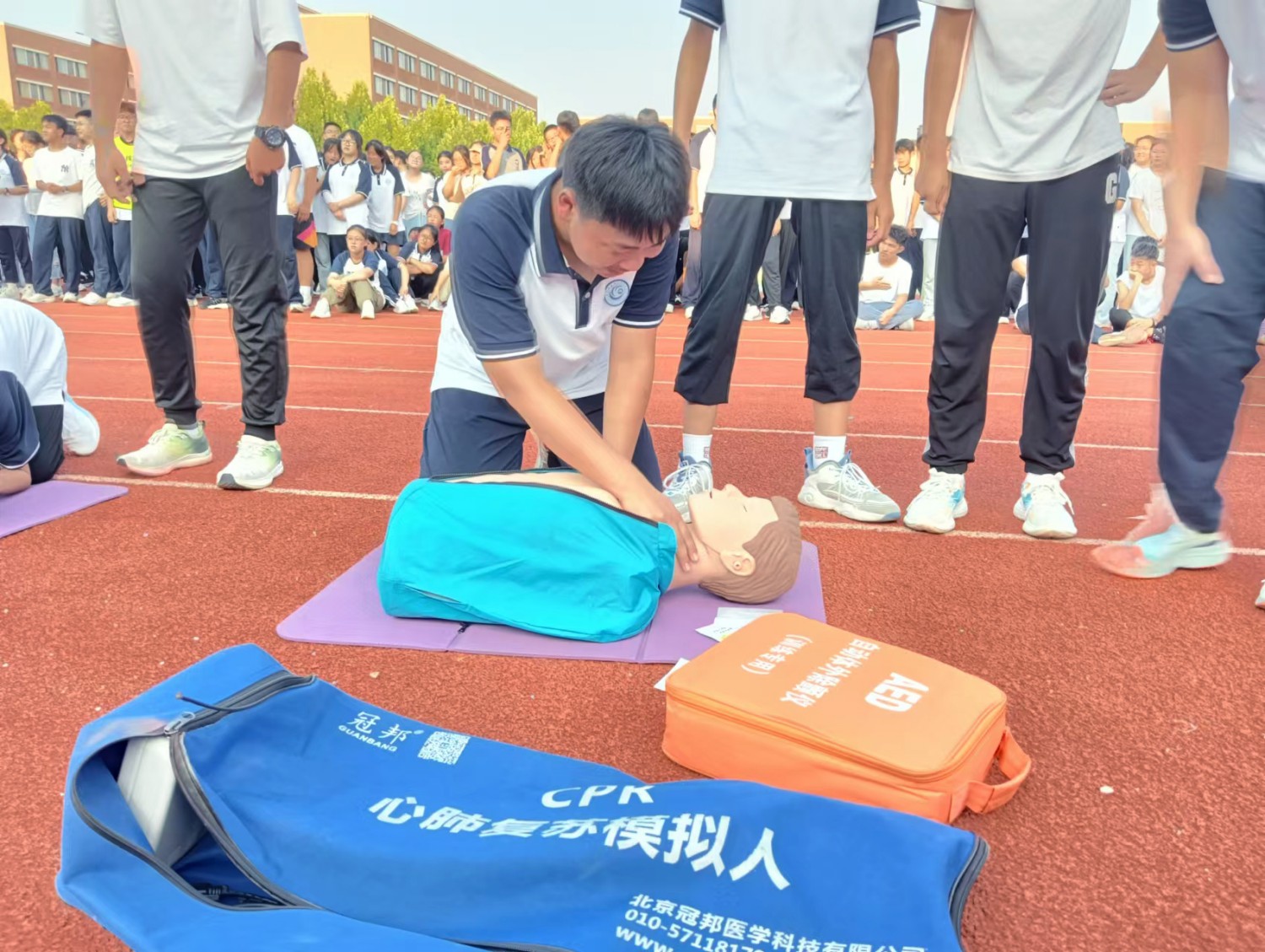
A large batch of Guanbang CPR simulators has been introduced into high schools and universities to support mandatory student survival training and first-aid credentialing programs.
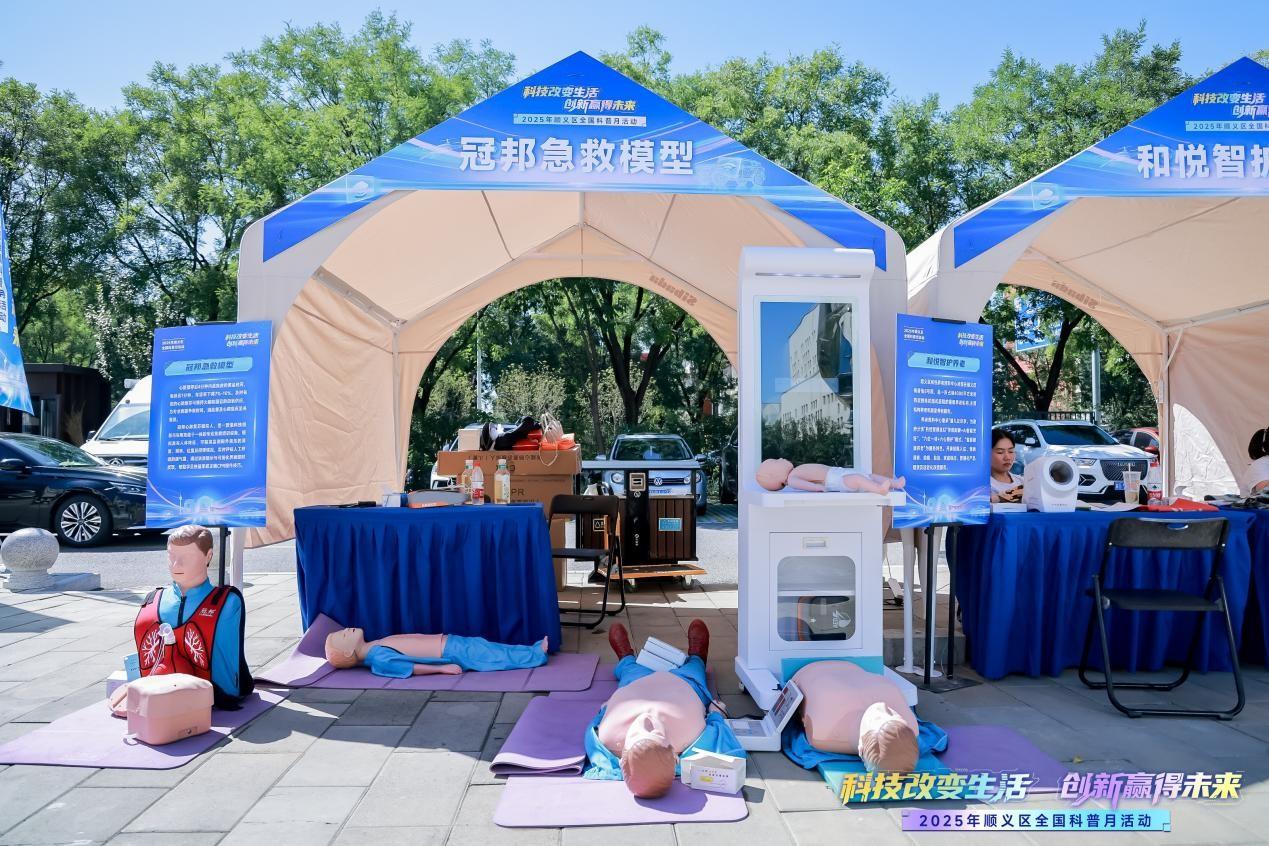
During Science Popularization Month, Guanbang's touch-screen CPR simulator and AED training devices gave hundreds of families hands-on experience with correct chest compressions.
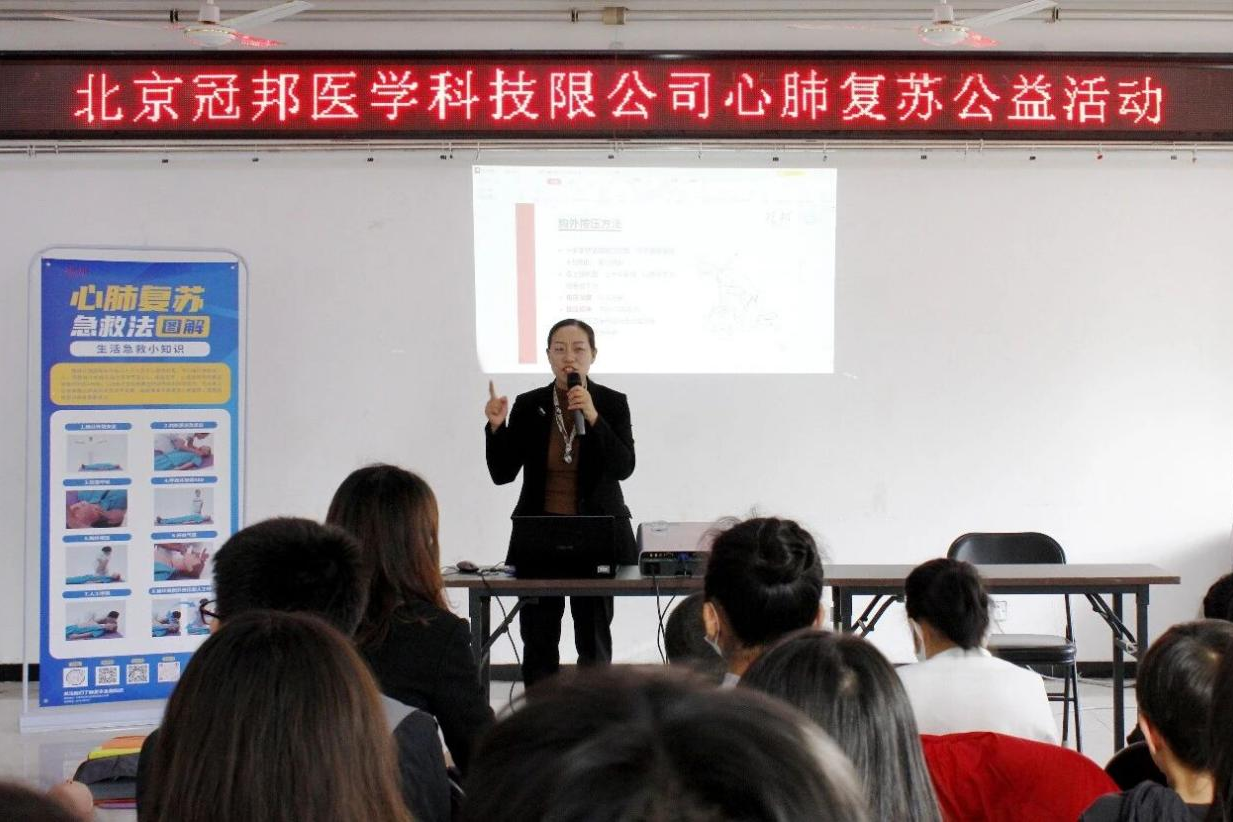
Guanbang community volunteers organized parent-child workshops focusing on basic airway clearance techniques and pediatric resuscitation protocols.
Where first aid training is heading, and how Guanbang plans to support the market's evolving needs.
As virtual reality (VR) and mixed reality (MR) advance, emergency training will shift from simple mechanical practice to immersive virtual training. Guanbang is currently developing smart manikins with optical and pressure sensors that connect to VR headsets. This allows trainees to practice chest compressions in simulated high-stress settings, like a crowded airport terminal or a building fire, to better prepare them for real-world stress.
Additionally, we are expanding our cloud infrastructure. Instructors in Indonesia will soon be able to manage training centers in multiple cities (like Jakarta, Bali, and Medan) from a single web dashboard. This makes it easier to track training logs, manage certifications, and push firmware updates to keep simulators aligned with changing guidelines.
Get answers to common questions about logistics, localization, and technical options for the Indonesian market.
Yes. Our customizable AED training models can be configured with clear bilingual voice prompts (Bahasa Indonesia and English) and dual screen layouts. The translations follow standard medical terminology established by the Indonesian Red Cross (PMI) and Kemenkes RI.
Our smart CPR manikins feature digital control units built around the American Heart Association (AHA) and European Resuscitation Council (ERC) guidelines. These require a chest compression depth of 5-6 cm and a compression frequency of 100-120 compressions per minute, providing immediate feedback when these targets are missed.
We work with established logistics partners shipping to major Indonesian ports, including Tanjung Priok (Jakarta), Tanjung Perak (Surabaya), and Belawan (Medan). For standard bulk orders, production takes 7 to 15 days, and sea transit generally takes 12 to 18 days. We provide necessary export documentation, including Certificate of Origin (Form E) for preferential customs duty treatment under the ASEAN-China Free Trade Area.
Yes. We supply replacement face skins, chest skins, lung bags, and airway valves. These parts are designed for quick, tool-free replacement, helping you keep your equipment in service with minimal downtime.
From advanced digital simulators to choking rescue vests, browse our range of first-aid training products.
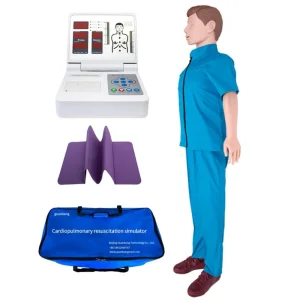
Equipped with a standalone LED digital console, this model tracks chest compressions, breath volume, and inflation speed in real time.
View Details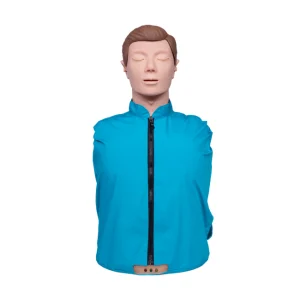
Features integrated electronic indicators on the shoulder area, giving trainees instant visual feedback on compression depth without external cables.
View Details
A durable, budget-friendly CPR simulator suitable for school classrooms, civil defense initiatives, and community emergency workshops.
View Details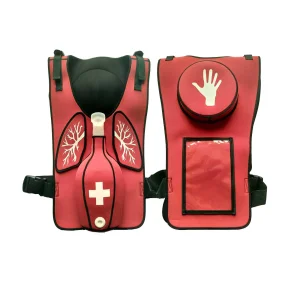
A wearable simulator for teaching the Heimlich Maneuver. Trainees practice abdominal thrusts to expel a foam plug from the vest's airway tube.
View Details
Features high-resilience chest construction, life-like skin, and built-in electronics for reliable feedback during training sessions.
View Details
Designed for wholesale distribution to Indonesian medical equipment suppliers. Features touch-screen software control and automated assessments.
View Details
A heavy-duty training vest designed for schools and community centers to practice airway clearance techniques.
View Details
An interactive touch-screen training simulator designed to simplify CPR teaching and assessment for instructors.
View Details
An affordable choking rescue training vest designed for high-volume safety workshops and school drills.
View Details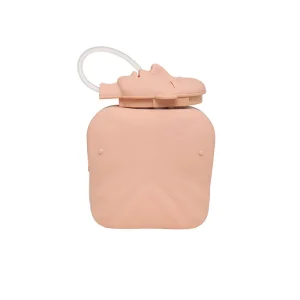
A lightweight, highly portable CPR trainer designed for mobile instructors traveling between different training locations.
View Details
Customizable choking rescue vest. Supports custom logo printing, specific strap configurations, and custom target pads.
View Details
High-quality CPR simulator with advanced digital controls, designed for professional training and certification programs.
View DetailsLooking for a reliable manufacturing partner for AED training devices and CPR simulators in Indonesia? Get in touch with our team today for a custom quote, technical specifications, and compliance assistance.
 Guanbang Medical