 Guanbang Medical
Vietnam's rapid transition into a global manufacturing hub has fueled a massive development of heavy industrial zones, technology parks, and urban centers. Across cities such as Ho Chi Minh City, Binh Duong, Dong Nai, Hanoi, and Hai Phong, millions of workers are concentrated in factory settings. This exponential growth highlights a critical need: robust workplace safety and immediate cardiopulmonary resuscitation (CPR) response capacity.
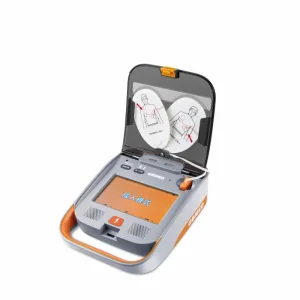
Vietnamese labor laws are actively evolving to meet international occupational health and safety standards. Under Decree No. 39/2016/ND-CP (detailing the Law on Occupational Safety and Hygiene) and the Ministry of Health's guidelines, industrial enterprises with thousands of personnel are mandated to establish workplace health units and maintain trained emergency response teams. As factories seek certifications such as ISO 45001 (Occupational Health and Safety Management Systems), the implementation of reliable AED (Automated External Defibrillator) training machines and CPR simulation programs becomes a core compliance parameter.
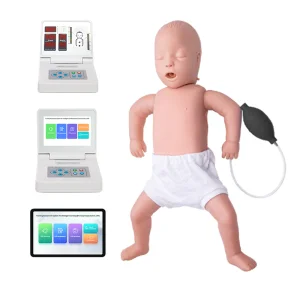
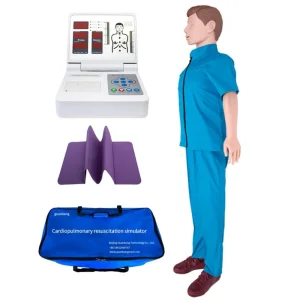
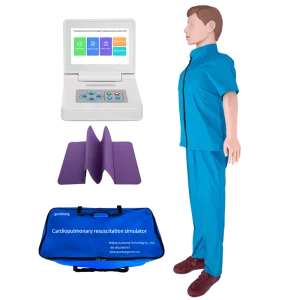
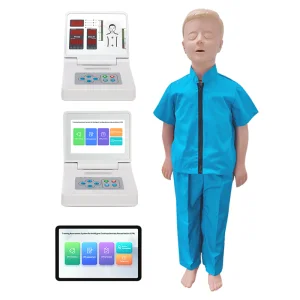
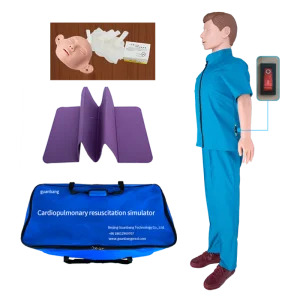
Despite these strict requirements, a key challenge remains: traditional training relies heavily on passive lectures or low-fidelity manikins that fail to simulate high-stress crisis management. Modern factories and medical colleges in Vietnam require high-fidelity training systems that mimic realistic human responses. Providing simulated shocks, voice-guided instructions, and real-time physical feedback is essential to preparing local rescue squads effectively.