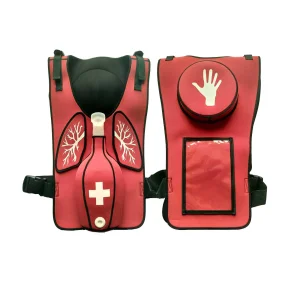
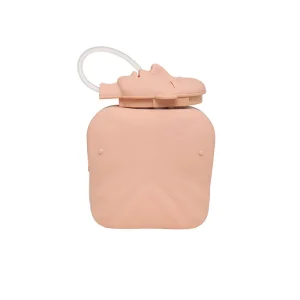
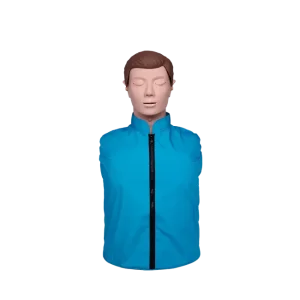
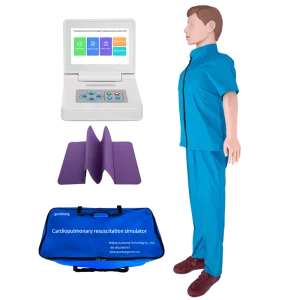
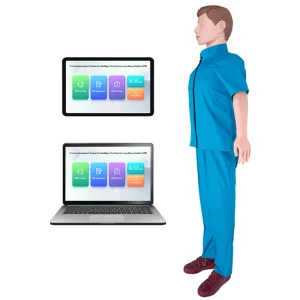
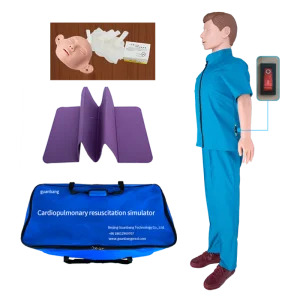
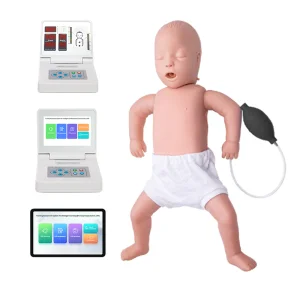
In Kenya, acute respiratory emergencies, particularly those caused by foreign body airway obstruction (FBAO), represent a significant public health challenge. With pediatric populations facing high risks of accidental choking on household items and food particles, the availability of precise clinical simulators is no longer just an academic requirement—it is a critical necessity. Across primary health facilities in rural sub-counties to national referral hubs like Kenyatta National Hospital, medical practitioners require systematic training to execute lifesaving maneuvers without hesitation.
Simultaneously, the rapidly expanding tourism industry in regions like Maasai Mara, Tsavo, and Samburu requires safari operators and hospitality staff to be equipped with certified emergency response skills. First responders, tour guides, and park rangers frequently operate in isolated wilderness locations where professional trauma care may be hours away. Equipping these professionals with practical training, utilizing tools like the Heimlich Maneuver Vest, directly addresses these rescue challenges and ensures tourist safety, creating commercial peace of mind for international agencies operating within East Africa.
Under the Ministry of Health's Vision 2030, decentralized county health sectors are actively procuring durable clinical training manikins. Ensuring that every local medical clinic and community health promoter (CHP) has access to simulation tools is a vital step toward reducing preventable FBAO mortality rates.
The global clinical training paradigm is shifting from passive rubber dolls to smart, interactive systems. As a leading manufacturer, Beijing Guanbang Medical Technology is driving this change through integrated technological innovation. Modern training simulators utilize micro-sensors embedded in the thoracic cavity to record compression depth, ventilation flow rates, and the physical force applied during the abdominal thrust maneuver.
Our upcoming engineering roadmap features the introduction of Bluetooth-enabled Real-Time Feedback (RTF) modules which connect to mobile tablets and central computer monitors. During training sessions in Kenyan medical academies, instructors can view precise digital curves indicating whether a student's abdominal thrusts are targeted at the correct sub-diaphragmatic angle. This eliminates guesswork, enhances the retention of muscle memory, and ensures strict adherence to the International Liaison Committee on Resuscitation (ILCOR) protocols.
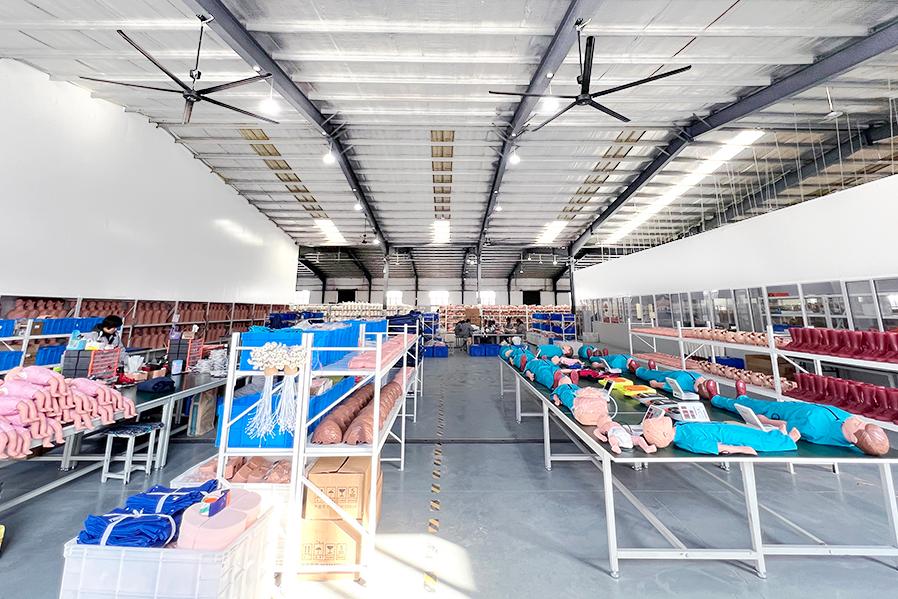
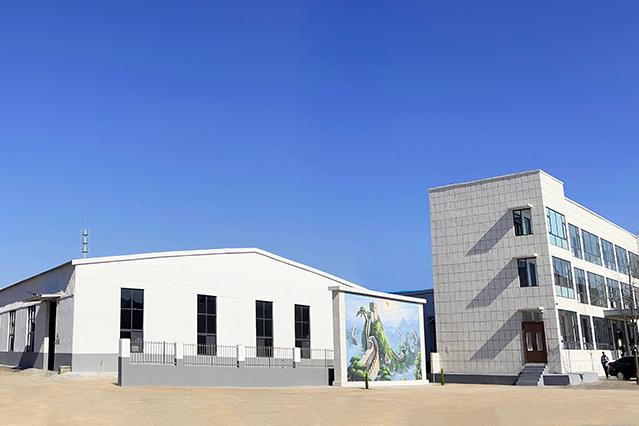
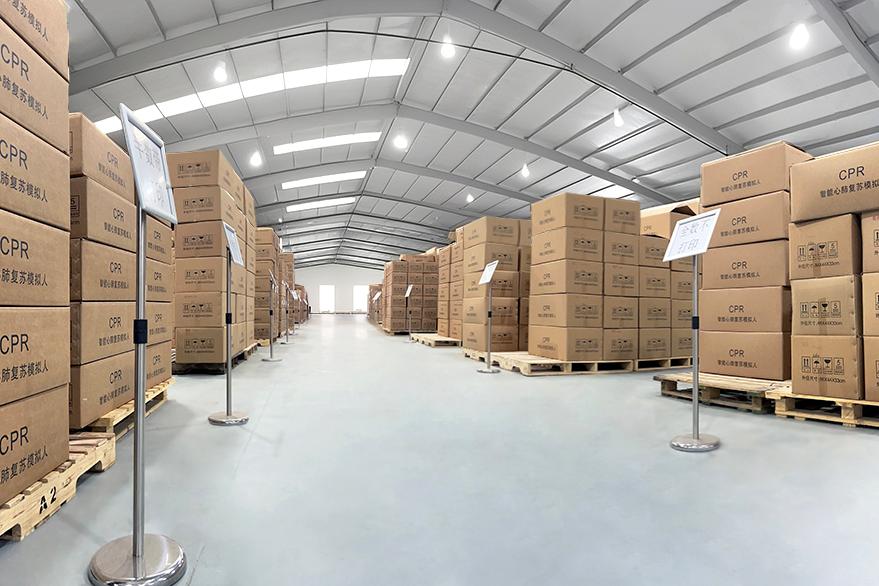
Founded in 2016 in the medical technology hub of Beijing, Beijing Guanbang Medical Technology Co., Ltd. is a high-tech enterprise integrating R&D, precision mold design, material processing, assembly, and direct global distribution. Our manufacturing facility spans approximately 10,000 square meters, operating as an optimized supply chain capable of delivering over 1,000,000 units of medical training devices annually.
We leverage advanced injection molding systems and medical-grade thermoplastic elastomer materials (TPE) to produce lifelike, resilient skins and internal mechanical assemblies. This vertical integration allows us to bypass intermediate brokers, providing highly competitive wholesale pricing directly to institutional buyers in Nairobi, Mombasa, and across East Africa. Furthermore, our strict quality control structures guarantee that products remain structurally stable even in challenging tropical climates, eliminating premature degradation of silicone components.
We supply a diverse array of emergency products, divided into three specialized series below. Our solutions range from basic tactile simulation models to advanced interactive systems.
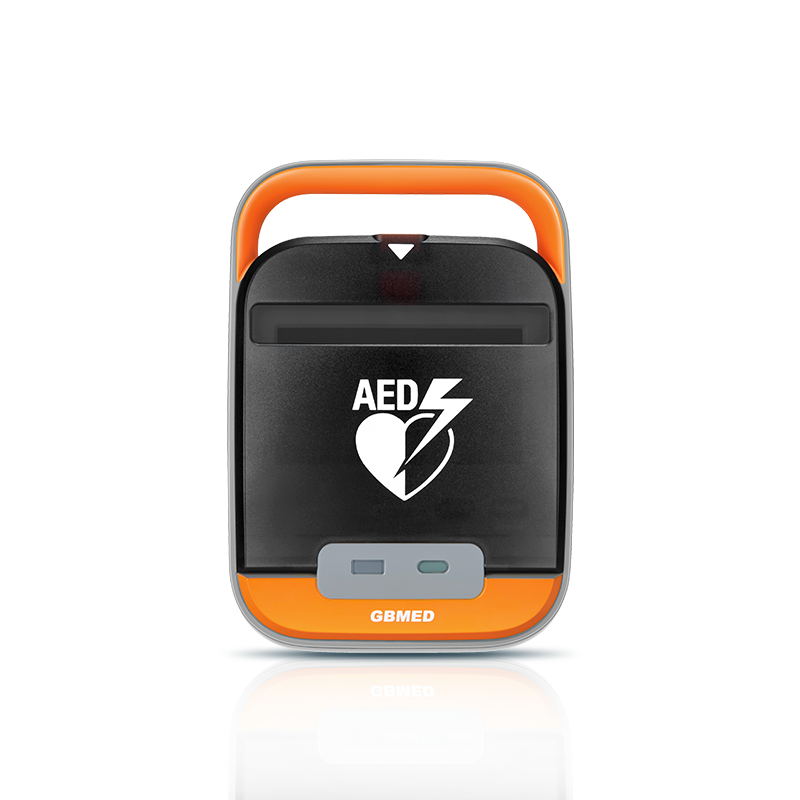
Equipped with standardized scenarios to train responders on the safe and correct operation of external defibrillators.
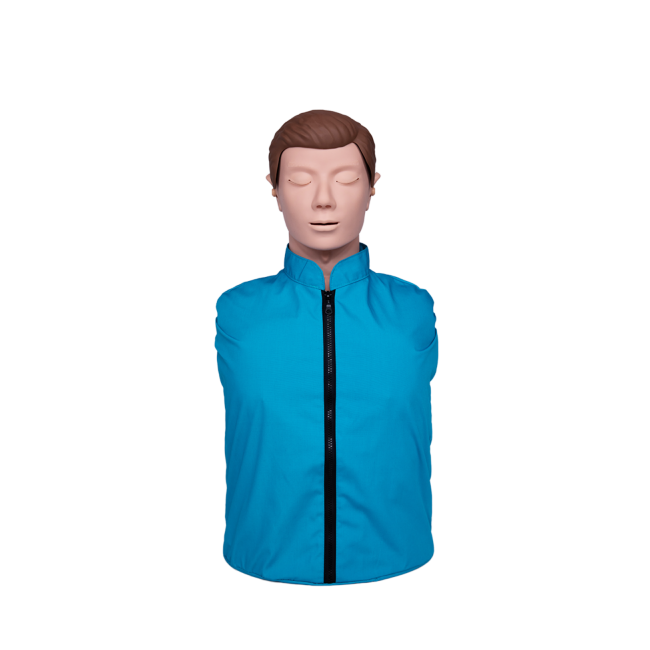
Comprehensive adult, child, and infant CPR simulators developed in alignment with the latest AHA guidelines.
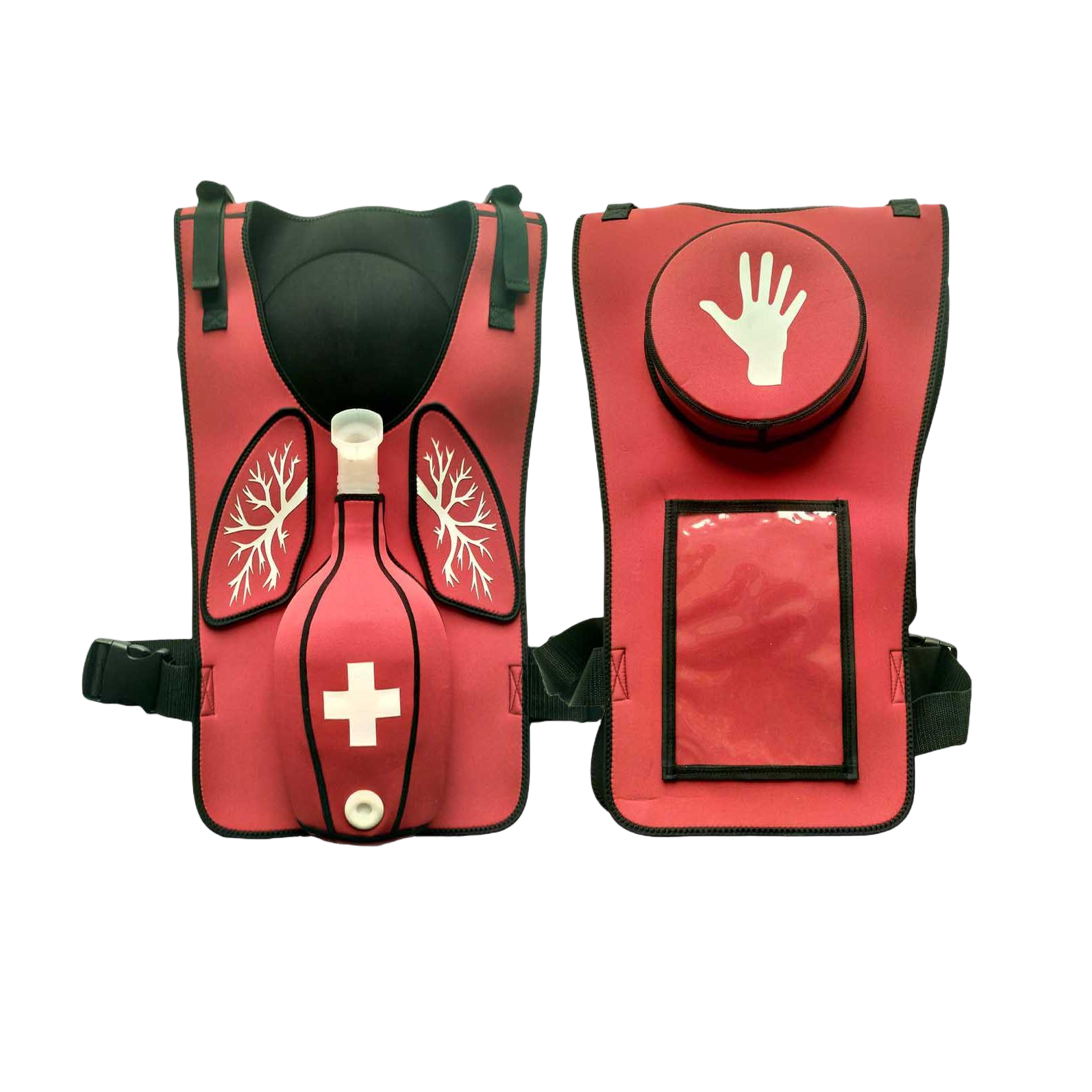
Heimlich vests, choking trainers, and infant airway models representing state-of-the-art anatomy simulation.
Importing clinical devices to Kenya requires strict regulatory compliance. Beijing Guanbang ensures smooth custom clearance at the Mombasa Port by adhering to the standards of the Kenya Bureau of Standards (KEBS) and matching the technical specifications needed for global distribution. We have obtained certifications in environmental management (ISO 14001), quality management (ISO 9001), and occupational health and safety management (ISO 45001), along with multiple design patents and professional testing reports.
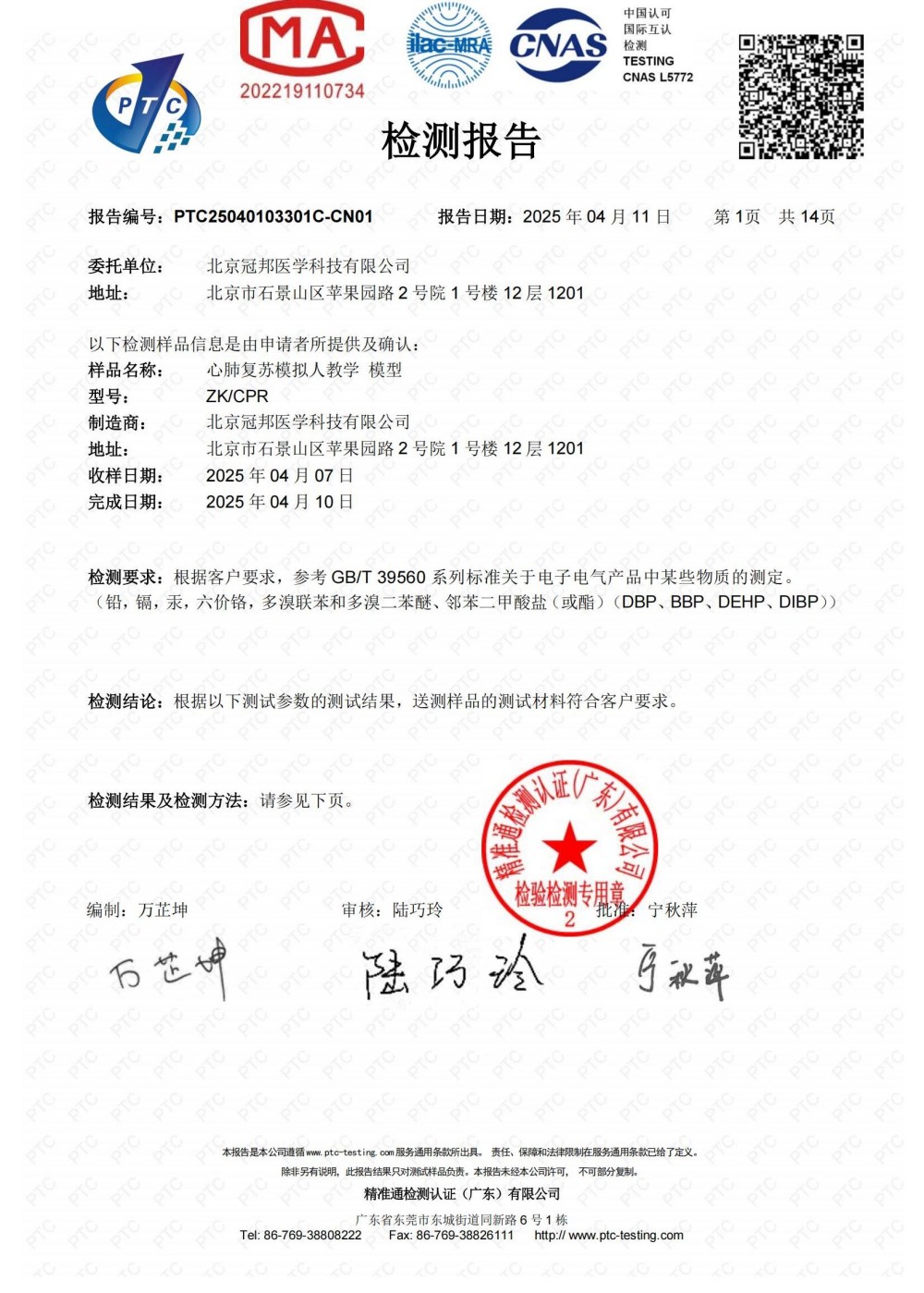
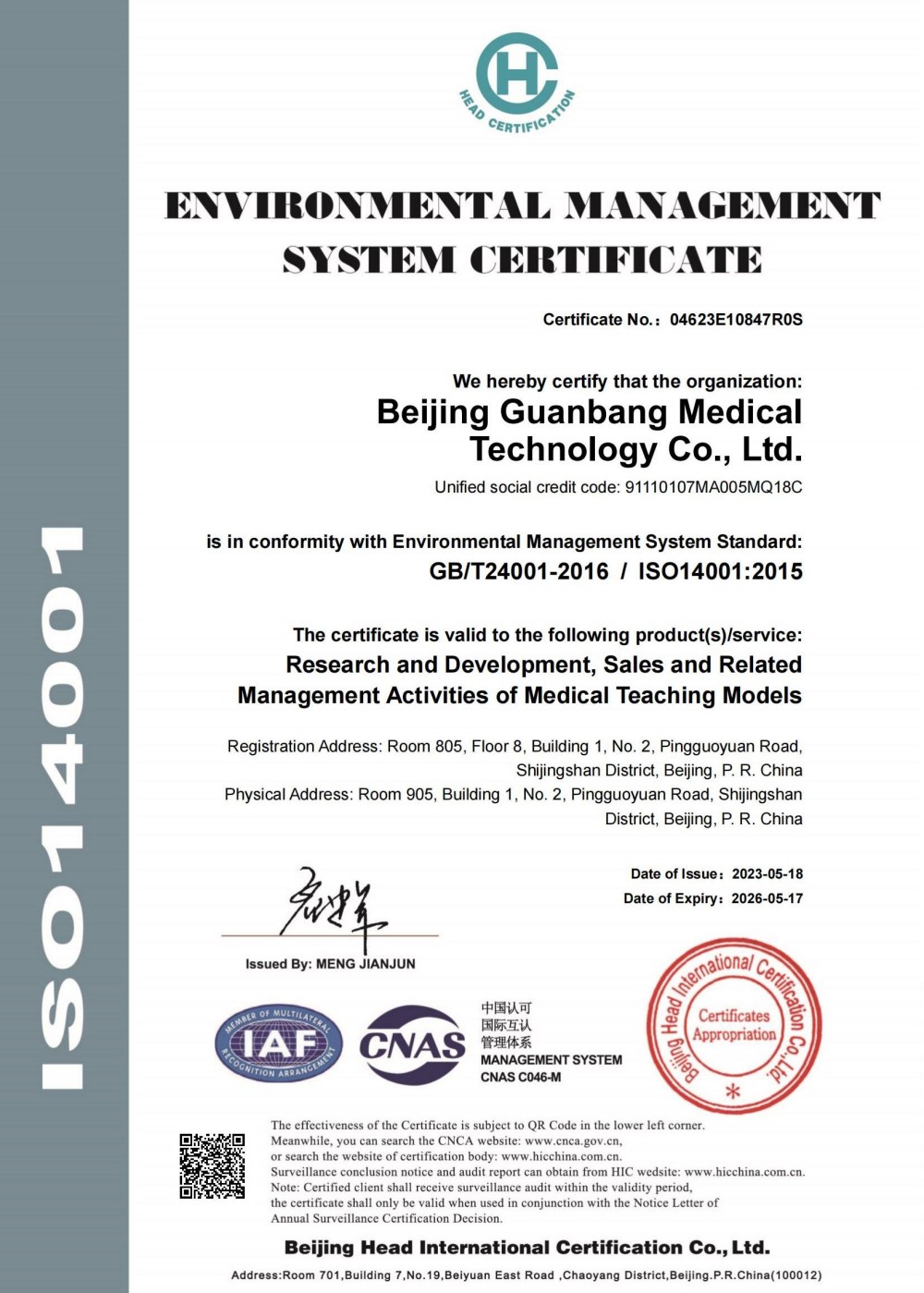
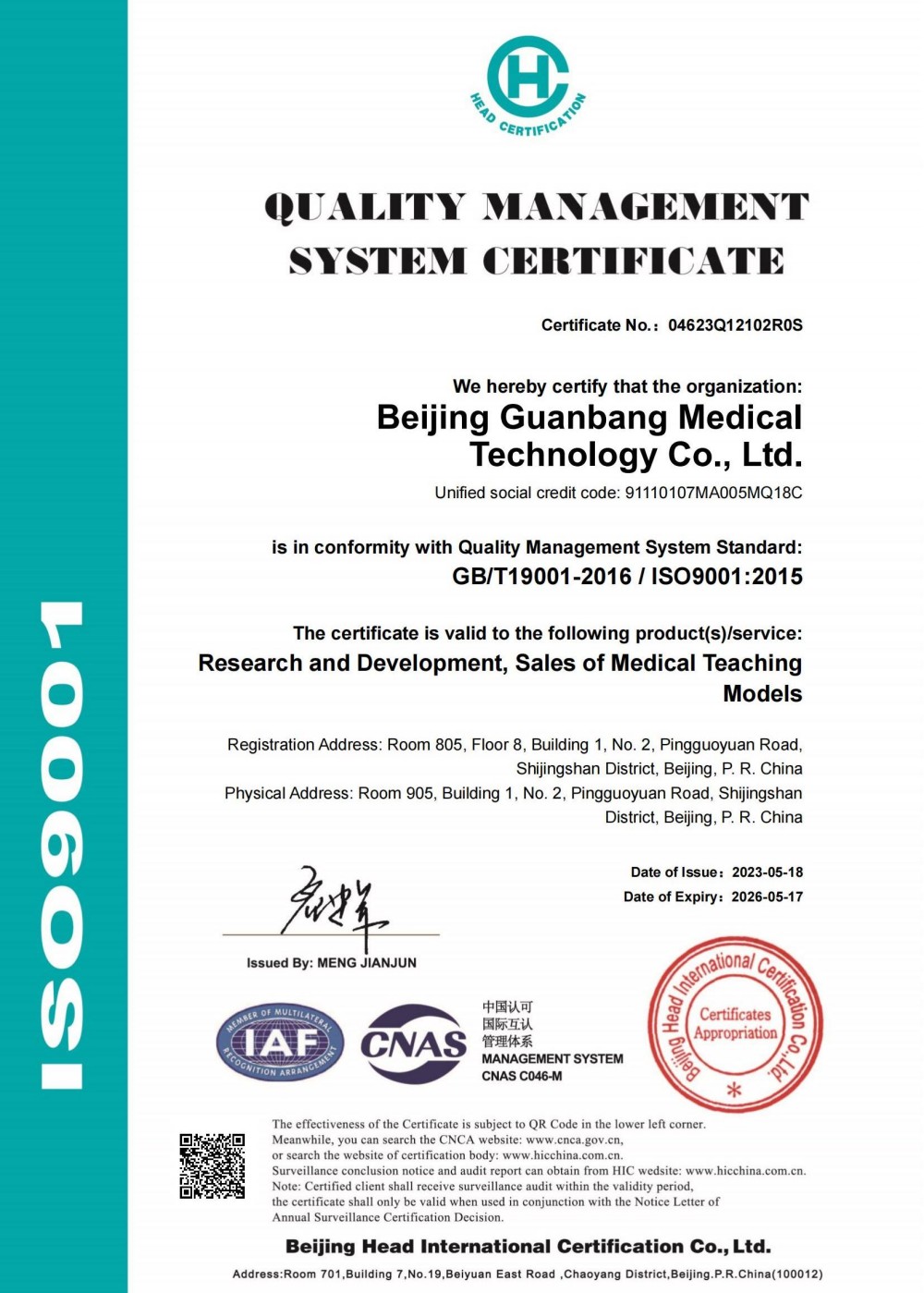
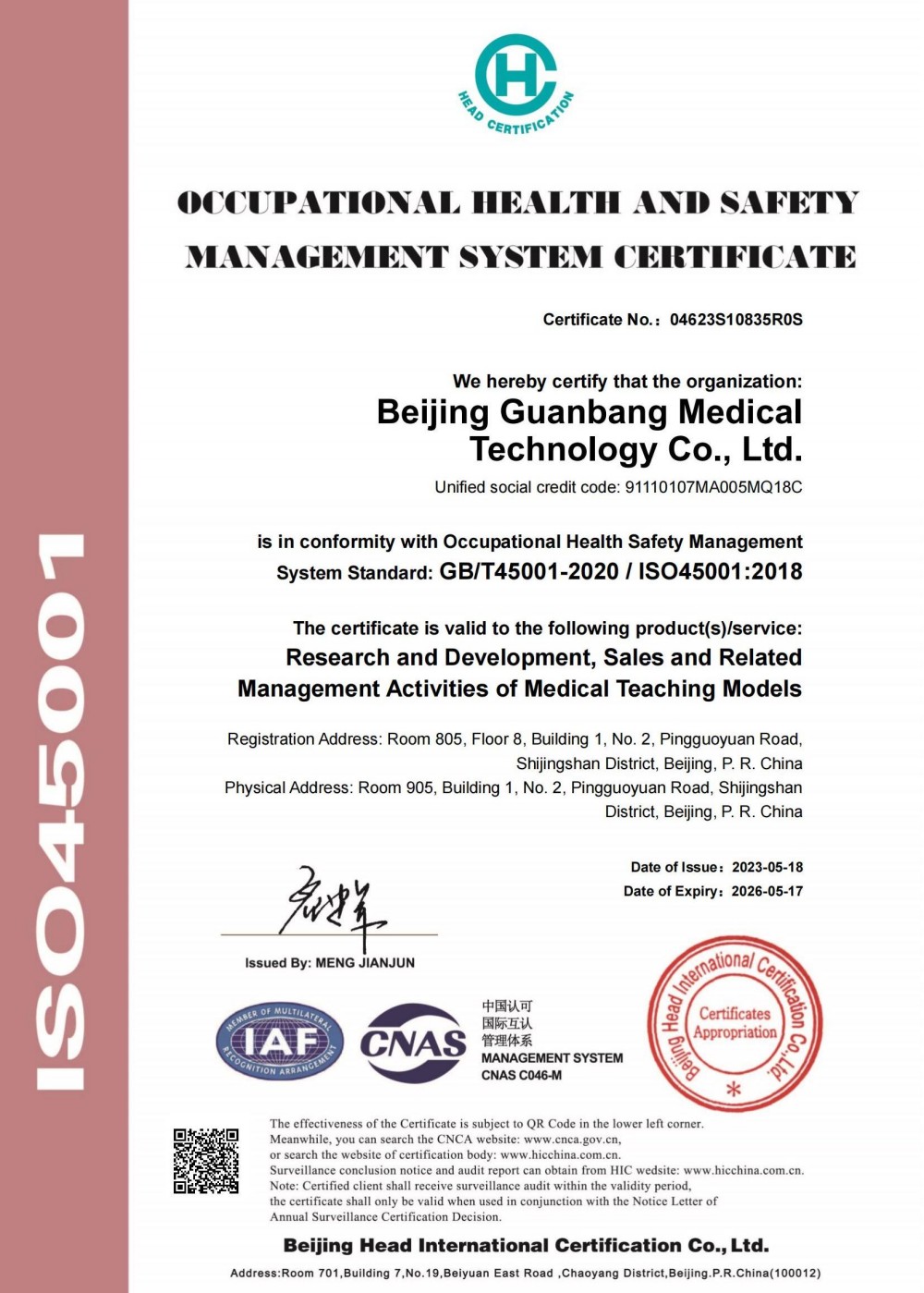
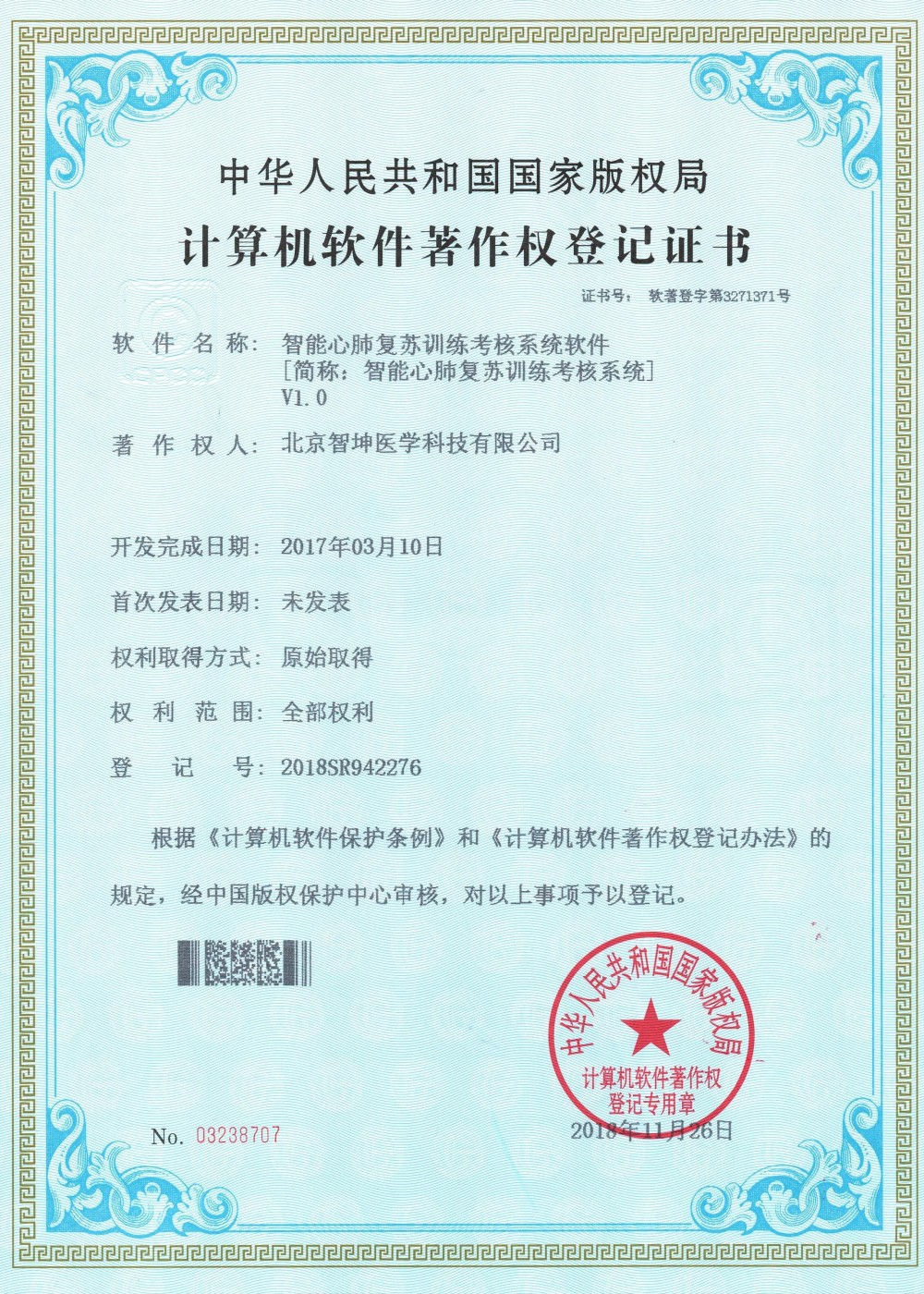
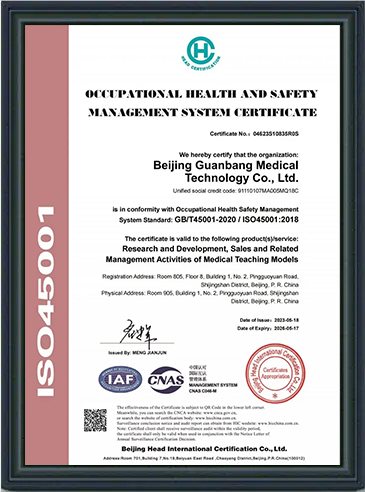
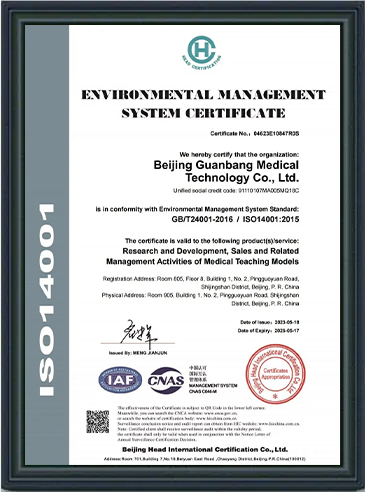
Our commitment extends beyond factory production. We actively engage in medical technology expos, public welfare programs, and collaborative education centers. Here is a brief look at some of our recent milestones and global initiatives:
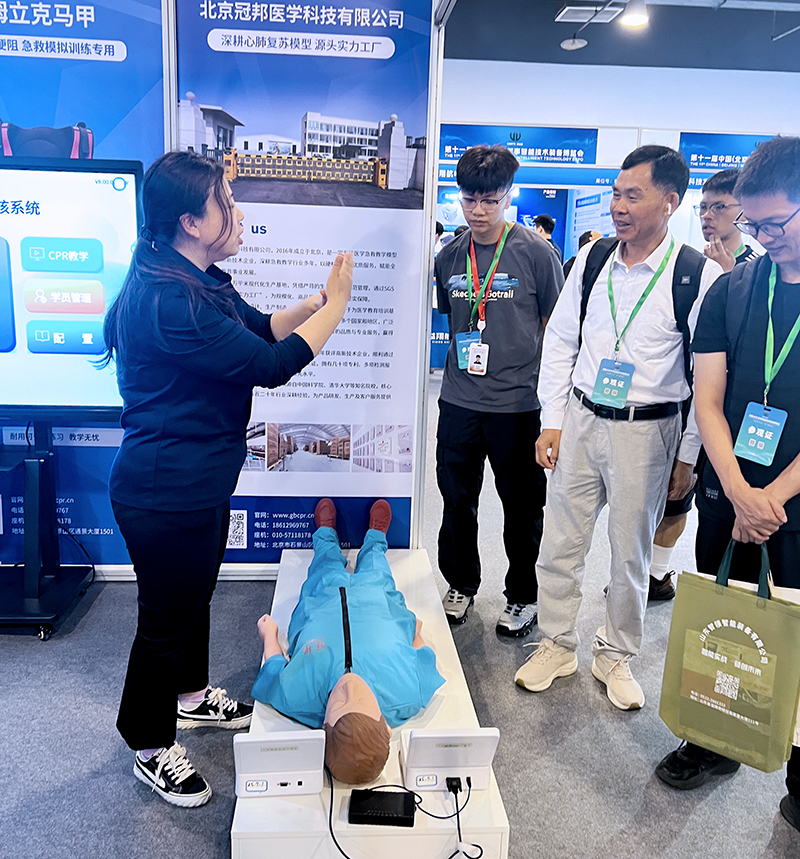
Guanbang showcased its emergency response solutions and medical skill training models, establishing new connections for public safety and disaster training initiatives.
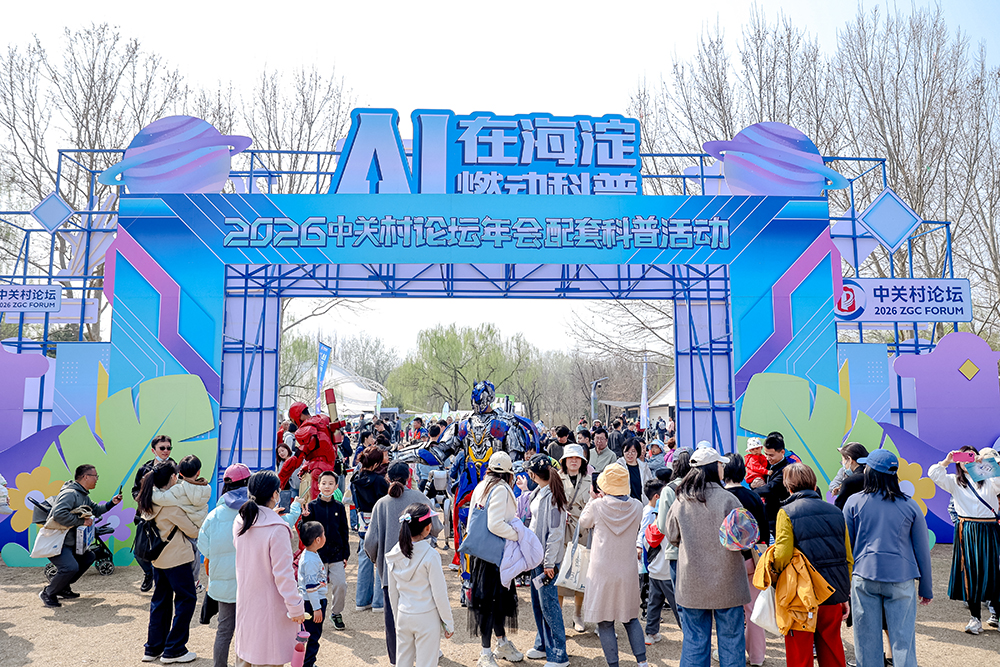
Demonstrating our software-based CPR simulation systems at the Zhongguancun Forum. This system enables one trainer to monitor up to 10 mannequins simultaneously via a centralized server, saving valuable time and hardware costs during large group trainings.
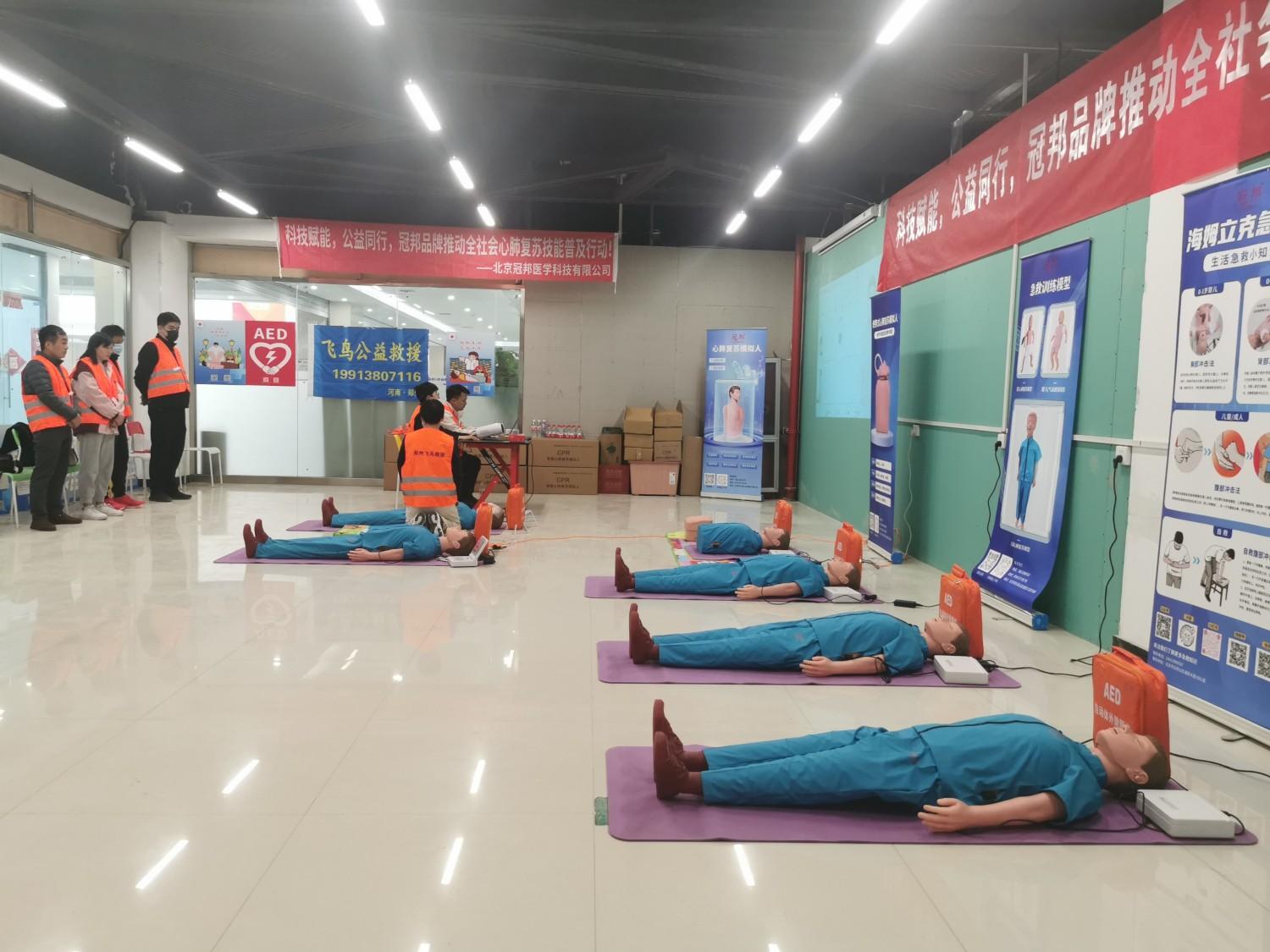
We co-established a local public welfare center offering open CPR and choking prevention education. This initiative demonstrates our commitment to community empowerment through free, accessible public rescue courses.
In addition to our core models, we support Kenyan distributors with specialized accessories and tailored packages:
 Guanbang Medical