Specifically adapted for medical institutions, rescue leagues, and simulation laboratories throughout Osaka.
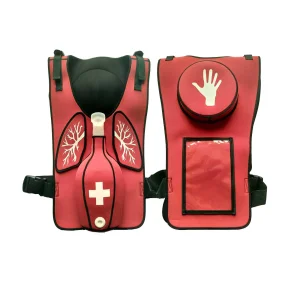
Engineered for realistic simulation of foreign body airway obstruction clearance. Provides lifelike haptic resistance during abdominal thrust practice.
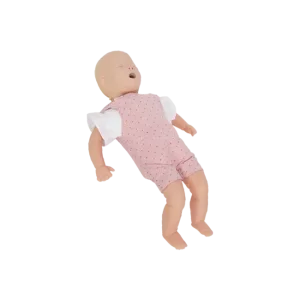
Designed for pediatric critical care training, teaching correct back blows and chest thrusts for clearing baby respiratory pathways safely.
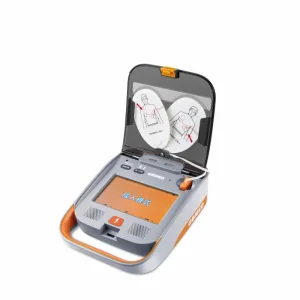
A comprehensive cardiopulmonary resuscitation assistant, helping operators master shock procedures matching JRC guidelines.
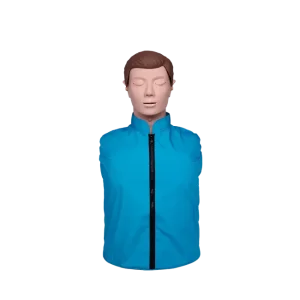
Delivers precise feedback on compression depth, frequency, and recoil. Fully compliant with AHA international protocols.
An in-depth structural review of market demands, technological roadmaps, and local Japanese compliance requirements.
Osaka serves as a crucial demographic and industrial node within Western Japan (Kansai region). With its combination of heavy manufacturing, chemical production, logistics hubs, and an aging urban population, the municipal government and local corporations place a premium on preventative safety and emergency response education. High-rise developments, busy commercial districts like Umeda and Namba, and expansive industrial facilities in the Osaka Bay Area present unique spatial challenges. When foreign body airway obstruction (FBAO) or sudden cardiac arrest (SCA) occurs in dense industrial and urban zones, immediate intervention by trained personnel is the single greatest factor in survivability.
This has driven massive demand for advanced simulation models. Hospitals associated with Osaka University, Kyoto University, and regional municipal centers require medical manikins capable of teaching advanced life support (ALS). Meanwhile, manufacturing entities and community fire departments require portable, rugged training devices like the Heimlich maneuver training vest and smart infant simulators to prepare their staff for fast actions in real-world environments.
Global supply chains demand highly standardized, customizable medical simulators. Procurement officers from corporate emergency response groups and university simulation centers look for specific features: durable non-toxic silicone skin, robust internal structures, electronic feedback mechanisms, and compliant airway dynamics. Global buyers demand OEM and ODM manufacturers that can adapt simulators to different anatomical proportions, varying languages for integrated voice trainers, and specific electronic voltage setups.
As a manufacturing leader, Beijing Guanbang Medical Technology provides comprehensive customization capabilities. Whether tailoring pediatric airway blockage simulators for a municipal school safety initiative in Osaka or manufacturing heavy-duty CPR trainers with integrated telemetry for multinational safety audits, our custom-built models ensure precise tactile realism and rugged construction.
Medical simulation has progressed far beyond passive rubber mannequins. The modern technological roadmap emphasizes digital haptic sensors, real-time wireless telemetry, and augmented reality integration.
First, our intelligent CPR simulators feature advanced optical flow sensors to track direct chest compression depth down to the exact millimeter, checking for complete recoil to prevent improper coronary perfusion simulation. Second, our airway models use micro-pressure switches inside the throat cavity to measure the precise impact of foreign body removal forces. When a trainee performs the Heimlich maneuver, the simulator calculates whether the abdominal thrust pressure is sufficient to clear the airway block, displaying a successful clearance notification via Bluetooth on a tablet or integrated LCD screen.
Reliable supply chains, clinical accuracy, and specialized compliance options for Western Japan.
Our trainers align with Japan Resuscitation Council (JRC) and AHA guidelines. Standard products are built to withstand rigorous regional testing protocols.
We provide localized branding, color modifications, and physical custom molds. Adapt skin texture and hardness to match local medical training standards.
Constructed with hyper-realistic, medical-grade thermoplastic elastomers. Built to survive thousands of compression and airway insertion cycles in active classrooms.
Importing training models into Japan requires strict compliance with domestic safety regulations and cultural training norms. While CPR and airway models are not classed as active medical treatment equipment under Japan's PMDA (Pharmaceuticals and Medical Devices Agency), electrical components like battery systems and charging systems inside digital simulators must align with PSE (Product Safety Electrical Appliance & Material) standards.
Beijing Guanbang Medical Technology ensures all advanced electronic models, particularly touch-screen CPR simulators and AED training units, meet strict electrical emission and insulation criteria. We work alongside logistics partners in Osaka Port and Kansai International Airport to offer streamlined delivery, handling customs clearance processes efficiently to avoid delays for university simulation lab projects.
We provide clear Japanese instructional manuals, localized voice guide options for AED simulators, and rapid parts-replacement assistance to keep training programs running without interruption.
A comprehensive range of training equipment, from simple manual models to high-tech digital systems, suited for Osaka clinical education centers.
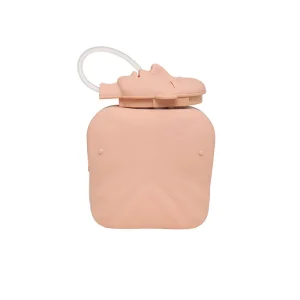
Compact design for easy transport between corporate training locations. Complies with AHA standards for high-quality chest compression practice.
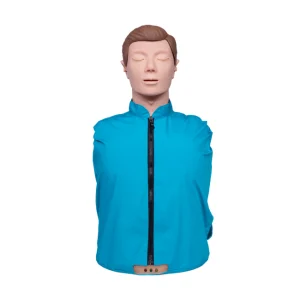
Equipped with integrated electronic indicators that display the correctness of compression rate, depth, and ventilation volume in real-time.
Configurable with multiple preset emergency scenarios. Supports both English and Japanese audio instructions, matching common Kansai defibrillator designs.
A rugged, easy-to-clean CPR model designed for community-wide first-responder training events and volunteer disaster prevention squads.
Features high anatomical accuracy for chest displacement, helping trainees develop the physical memory needed for effective resuscitation.
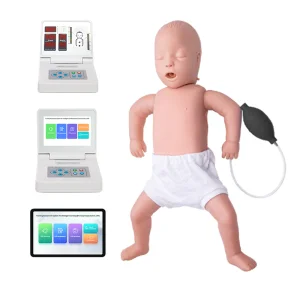
Designed for maternity wards and nursery staff, simulating critical infant anatomy and delicate lung capacity constraints.
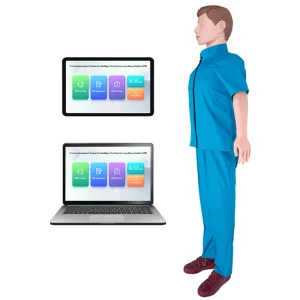
Simulates carotid pulse, airway block states, and correct head-tilt chin-lift angles required to open airway passages.
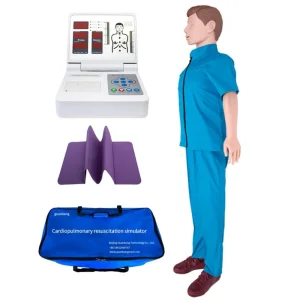
Integrates with external digital monitoring software. Tracks, logs, and grades student performance metrics automatically.
High-end simulation tools designed for medical universities, nursing academies, and specialized rescue teams in Kansai.
Customizable electrode placement and control pad features. Tailored to meet local industrial emergency protocols.
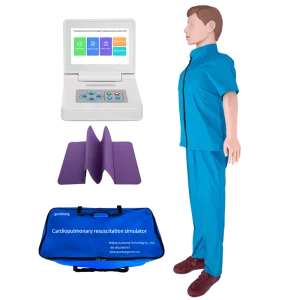
Features a color control panel that displays live wave charts of compression depth and volume curves for clinical feedback.
Uses electronic indicators to display compression rates, guiding students to maintain the target rhythm of 100-120 compressions per minute.
Designed for advanced life support (ALS) testing. Provides customizable scoring systems, training scenarios, and data export features.
Beijing Guanbang Medical Technology Co., Ltd. is an innovative enterprise founded in Beijing in 2016. Our business encompasses research and development, design, manufacturing, sales, and service, dedicated to providing high-quality simulation training models and services for medical education and training institutions.
The company has a modern production base covering an area of approximately 10,000 square meters. It has established a complete business system that encompasses the entire process from research and design, production and manufacturing to after-sales support.
Our products have been distributed globally, serving numerous healthcare institutions, educational facilities, enterprises, and government agencies. With superior products and services, we have earned widespread acclaim and trust from our clients, establishing a stable and loyal customer base.
Our research and development team features core technical experts holding master's or doctoral degrees from top institutions such as the Chinese Academy of Sciences, Tsinghua University, and Beijing University of Technology.
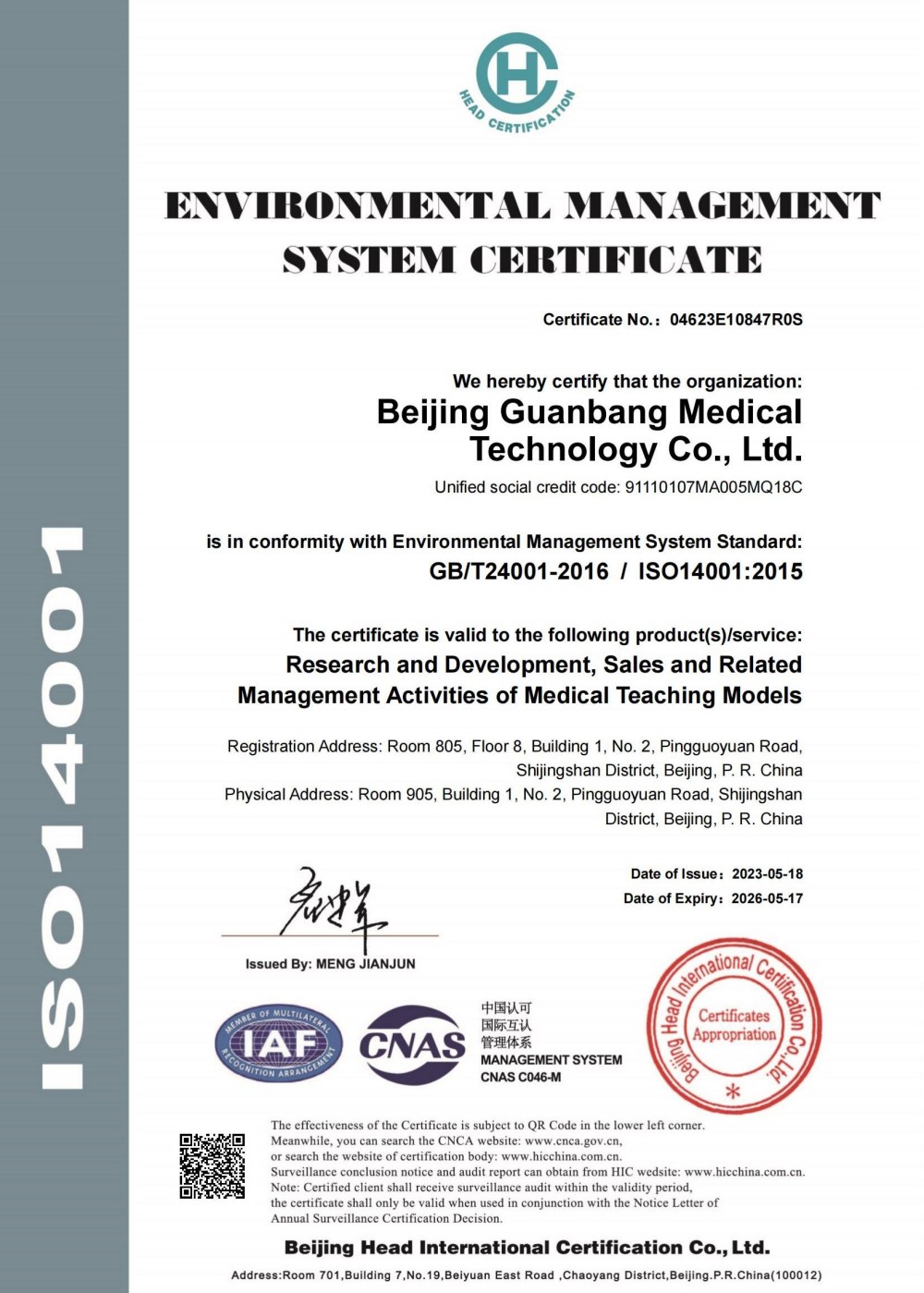
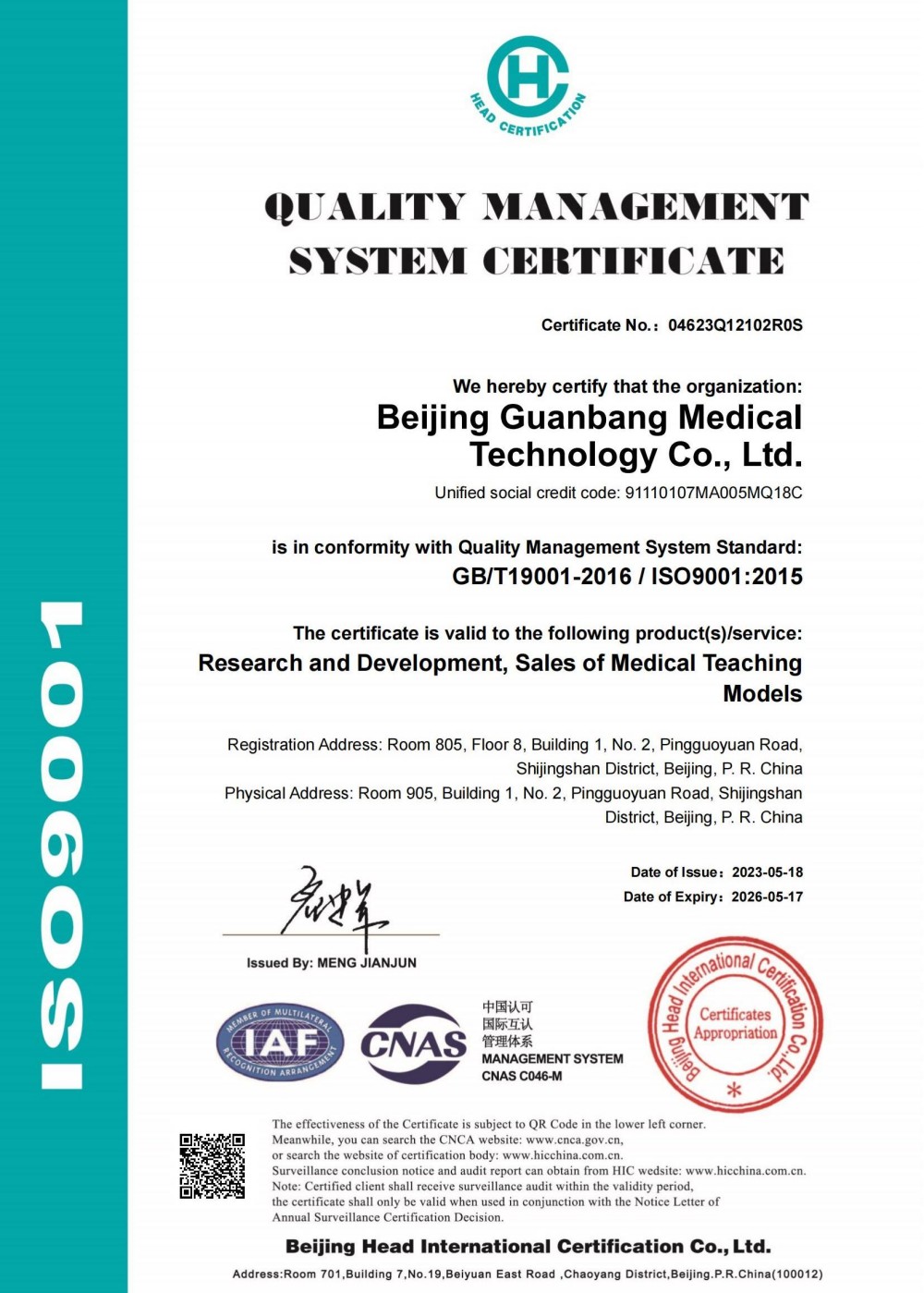
We have developed advanced capabilities in mold design and material processing technology, backed by ISO environmental, quality, and occupational safety certifications.
The Guanbang brand offers over 30 specifications of emergency training models, including infant, adult, and pediatric models, to match specific clinical and commercial requirements.
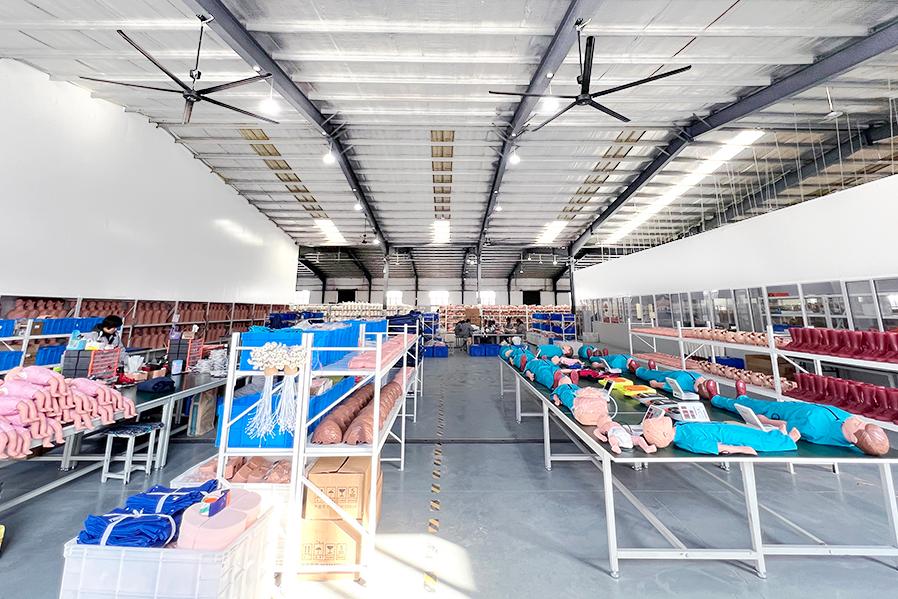
Advanced Assembly Workshops
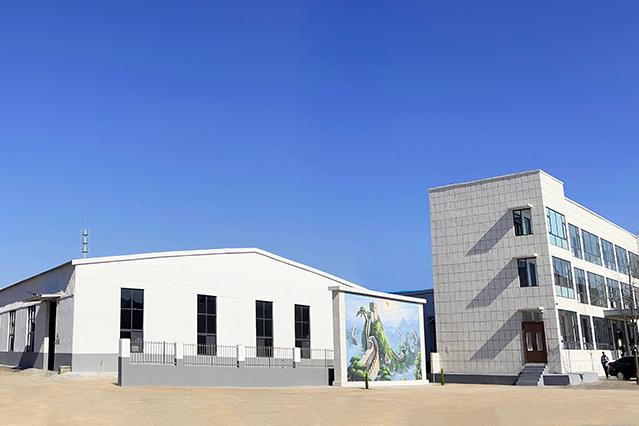
Rigorous Quality Inspection
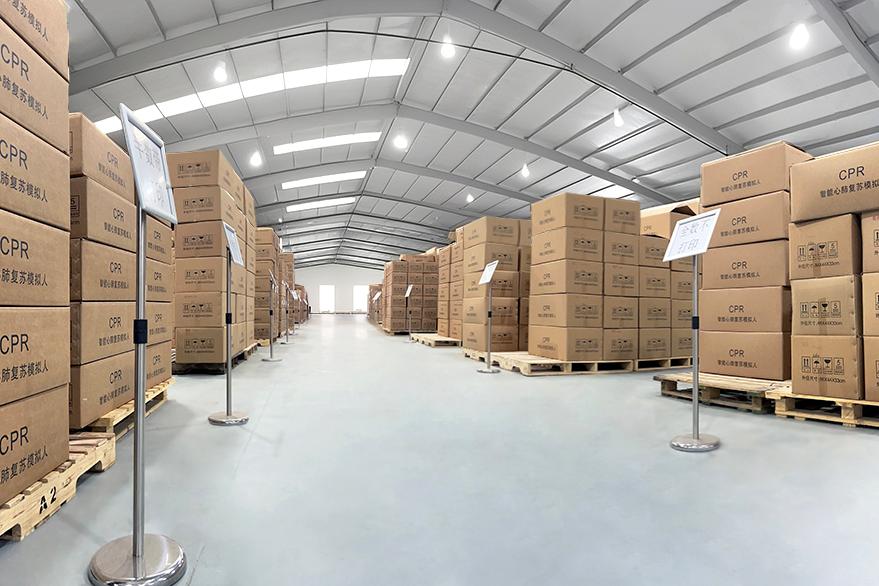
Precision Custom Molds
Ensuring compliance with international quality management and environmental safety standards.
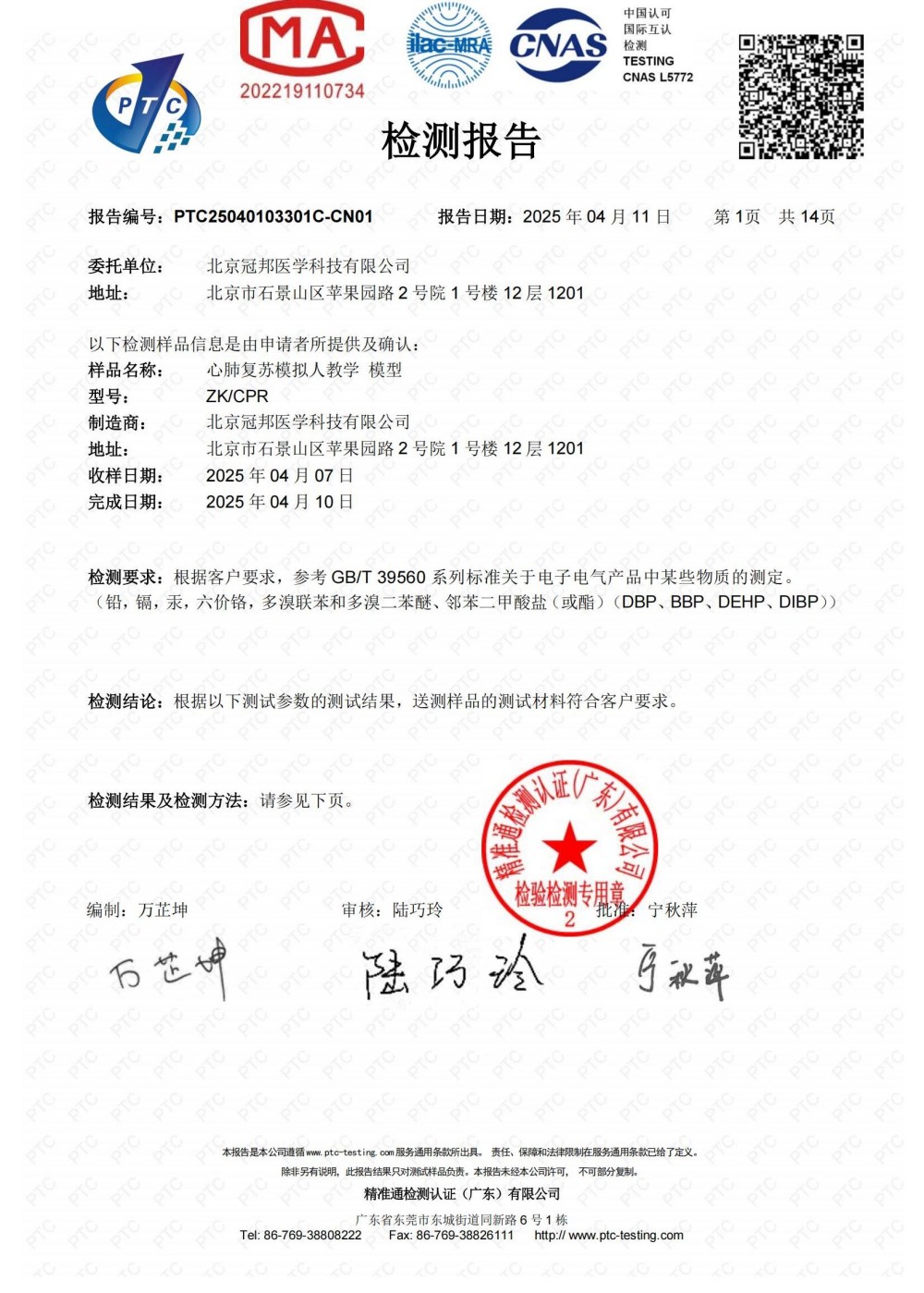
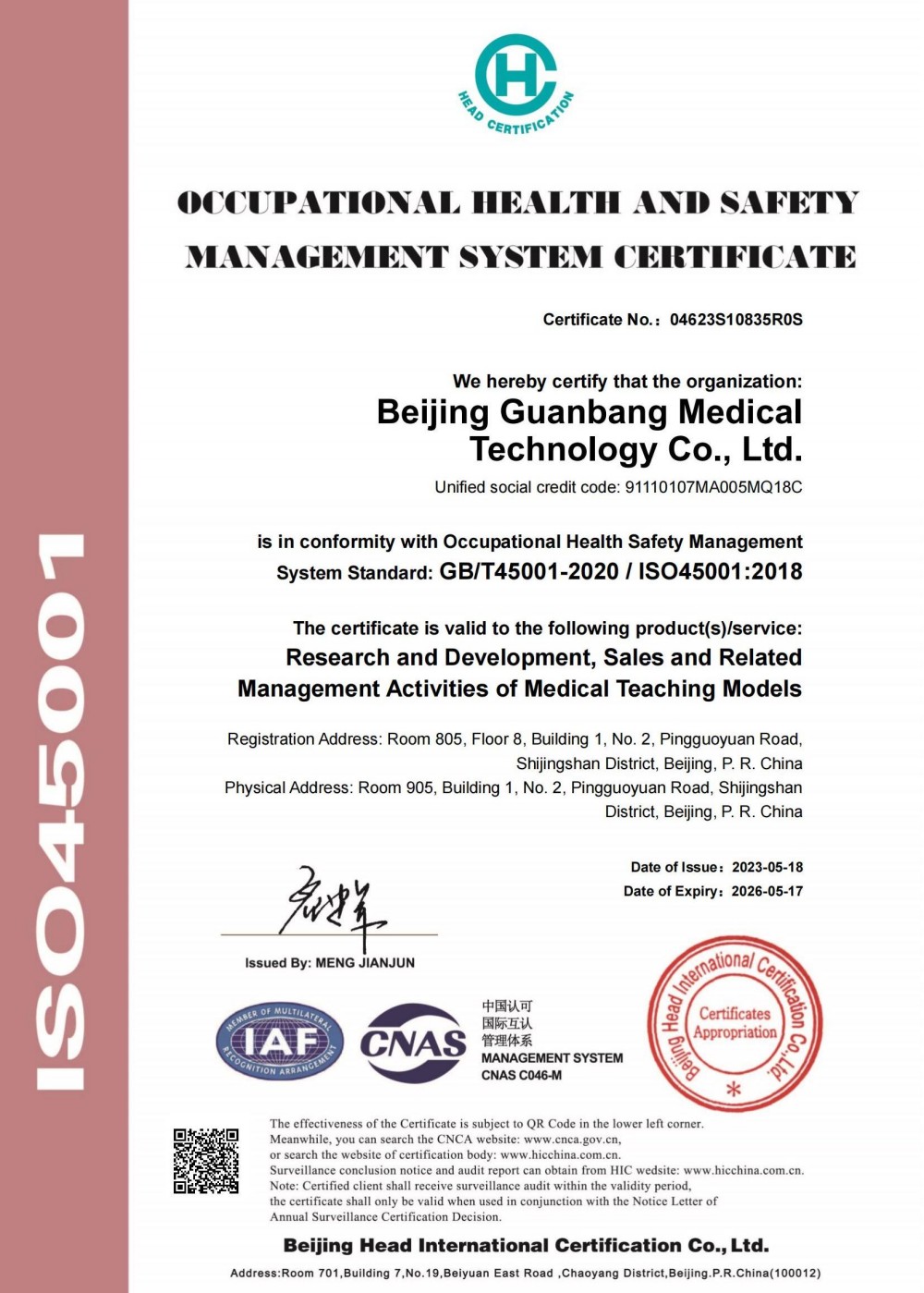
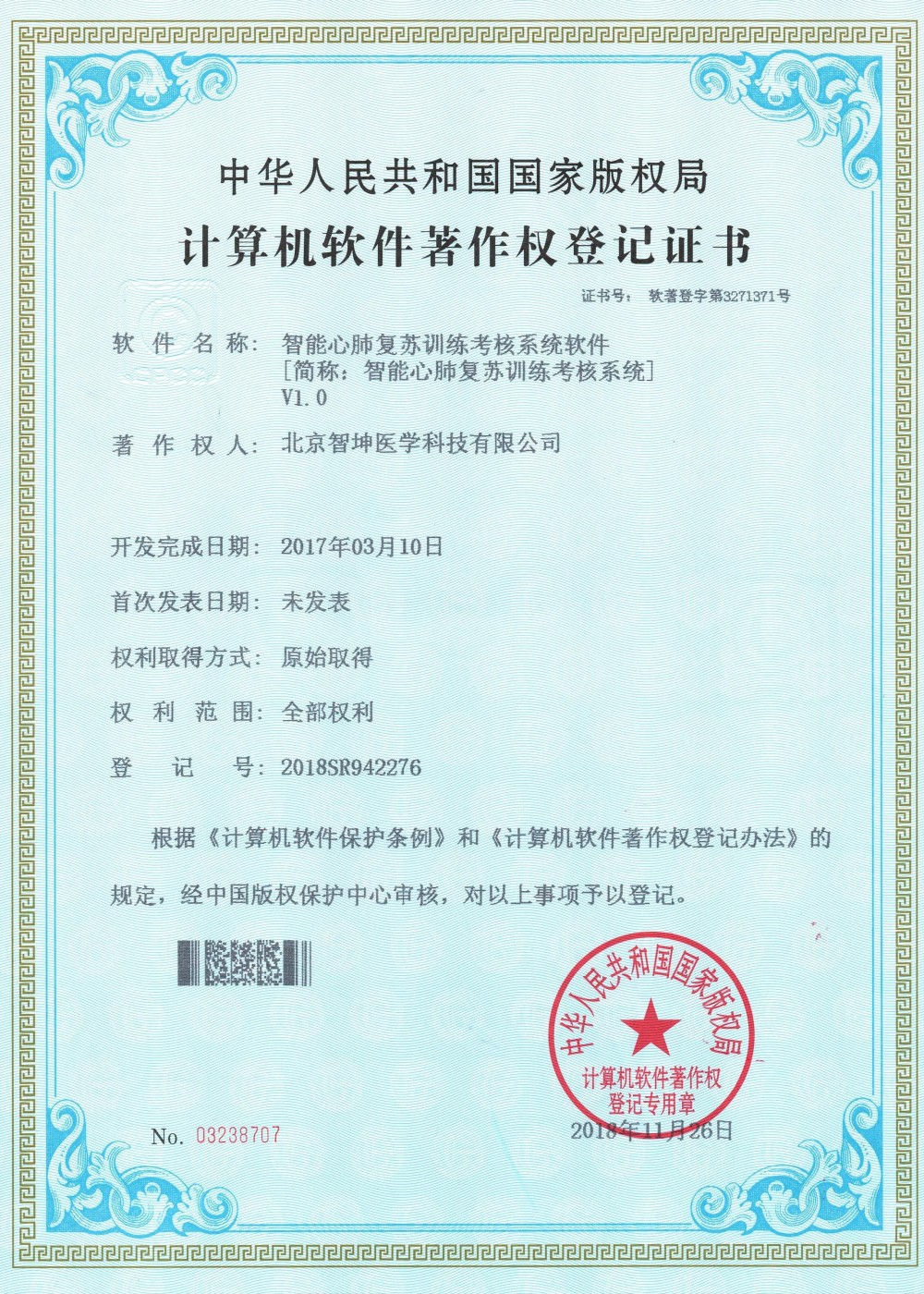
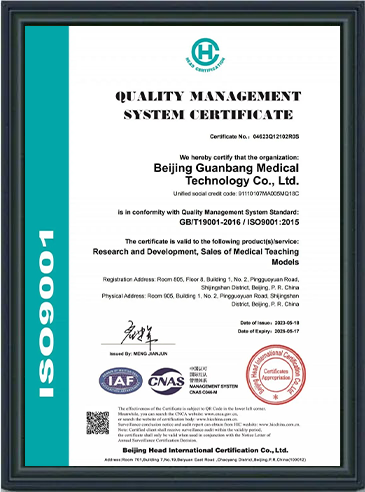
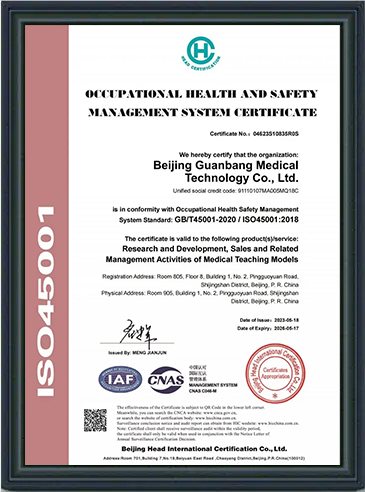
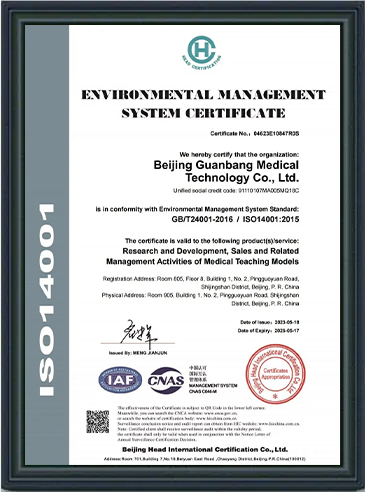
Guanbang, a national high-tech enterprise specializing in medical skills training models, showcased its intelligent software-based emergency simulators at the Expo, earning praise from civil defense and military medical logistics officers.
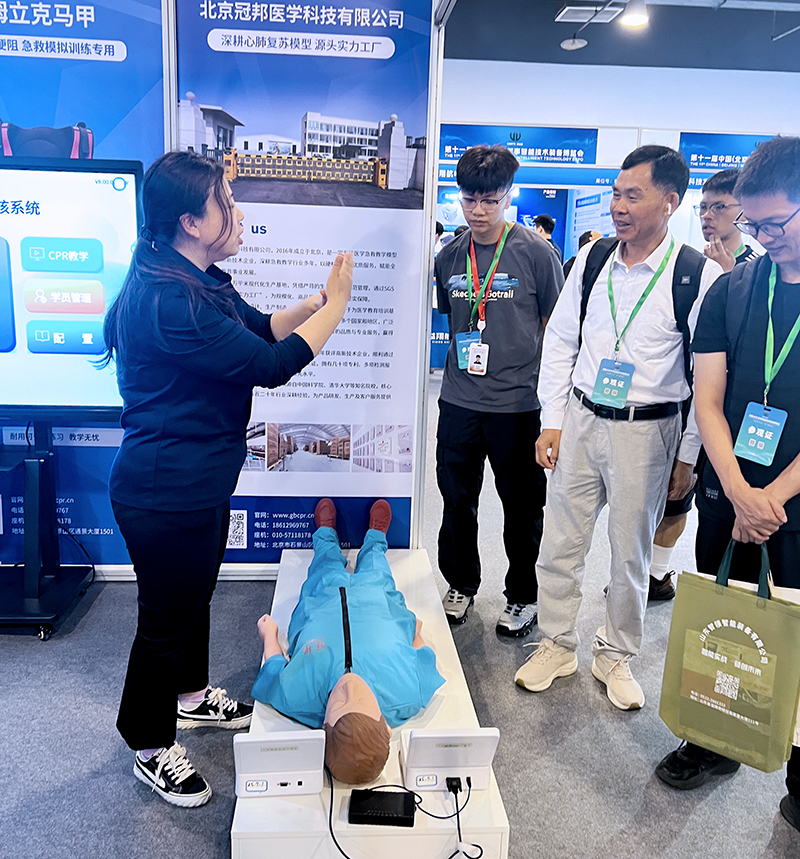
We demonstrated our advanced computer-controlled CPR system. This system lets one trainer monitor several manikins at the same time, improving educational output for community training programs.
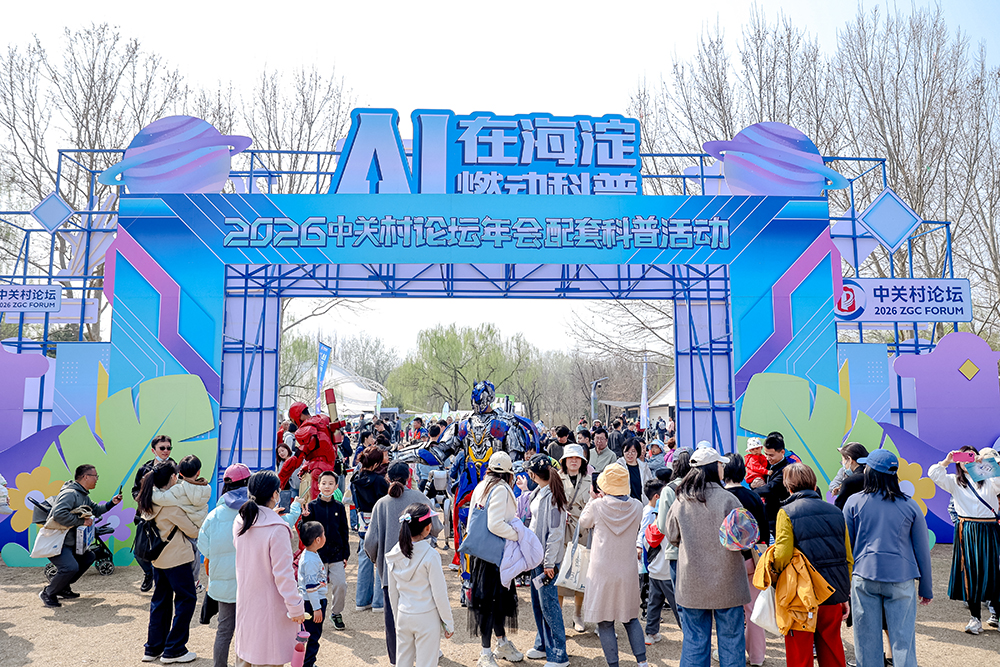
Expert answers to technical, regulatory, and procurement questions regarding emergency simulators serving Osaka.
Get in touch with our engineering team for customized simulation models, wholesale pricing, and JRC-compliant training solutions.
 Guanbang Medical