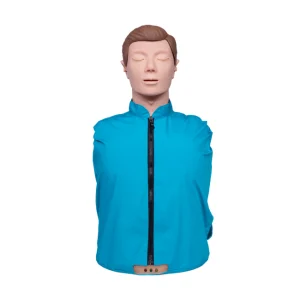
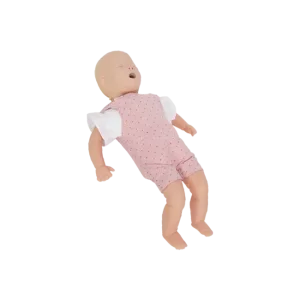
Hot Products Manufacturer & Factory for Seattle

AHA-Compliant CPR Simulators, AED Trainers, and First-Aid Clinical Models Tailored for the Pacific Northwest's Leading Medical and Biotech Hub

Send Inquiry Now

Clinical & Emergency Simulation Landscape in Seattle

Seattle, Washington, is globally recognized as an epicenter of biotechnology, advanced computing, and pioneering healthcare models. From the historic development of Medic One in King County—which pioneered public-access CPR and revolutionized pre-hospital emergency care under Dr. Leonard Cobb—to the world-class medical facilities at UW Medicine, Harborview Medical Center, and Seattle Children's Hospital, the city mandates the highest standards for resuscitation instruction.

In this sophisticated regional landscape, the demand for medical simulation training models has evolved far beyond passive manikins. Today's educational frameworks require high-fidelity, interactive, data-driven simulation tools. As Washington state updates its occupational safety codes and public high school graduation mandates (under RCW 28A.230.179 requiring CPR/AED instruction for all students), local fire departments, community colleges, healthcare networks, and private corporations require reliable, AHA-compliant simulators to build a resilient chain of survival.

Why Global Enterprises Sourcing for Seattle Choose Chinese Manufacturing

The modern procurement officer within the clinical education sector faces a dual challenge: optimizing budgets while maintaining strict regulatory compliance (AHA guidelines, CE certifications, and OSHA standards). Partnering with a premier Chinese ODM/OEM manufacturer like Beijing Guanbang Medical Technology Co., Ltd. offers unmatched advantages:

  • World-Class Engineering Talent: R&D is driven by specialists holding advanced degrees from institutions such as the Chinese Academy of Sciences and Tsinghua University.
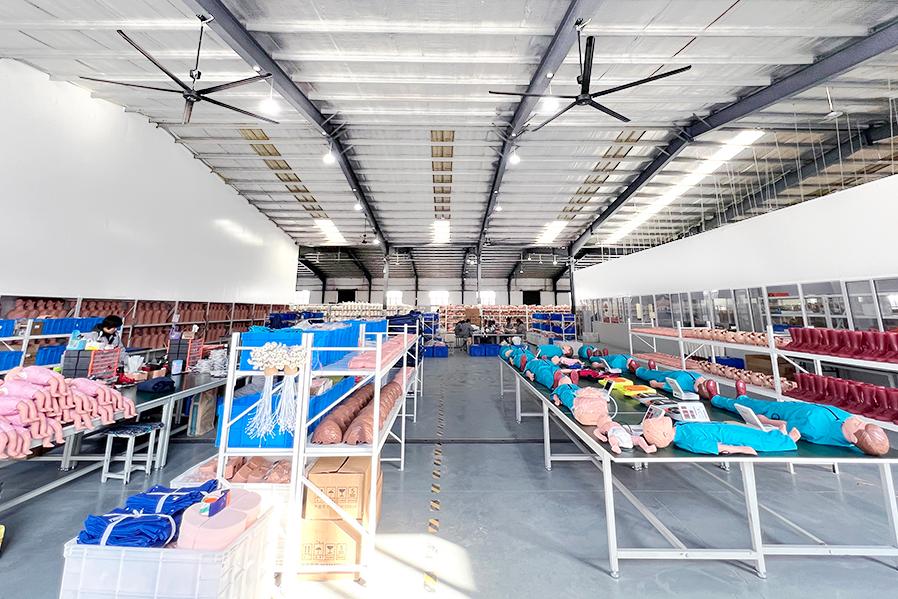
  • Unrivaled Cost-Efficiency: Scale production in our 10,000 square meter factory reduces per-unit costs by up to 40% compared to domestic US distributors, enabling wider clinical simulation deployment.
  • Bespoke Customization (OEM/ODM): Tailor software language, GUI layouts, feedback algorithms, and physical skin tones to match the demographics and guidelines of the Pacific Northwest.
  • Streamlined Logistics: Direct manufacturing pipelines to major shipping hubs, ensuring rapid transit routes to the Port of Seattle.
10k+
Sqm Factory Base
20+
R&D Specialists
1M+
Annual Capacity
30+
Model Specifications

Technological Evolution in Resuscitation Training

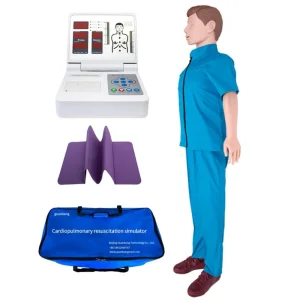
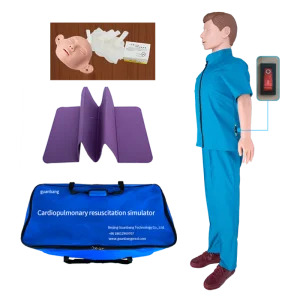
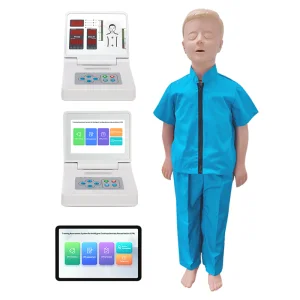
The medical education paradigm is shifting towards smart evaluation. Our latest generation of CPR manikins features integrated optical and mechanical sensors to track chest compression depth, compression rate, hand placement, and ventilation volume in real-time.
  • Real-time Electronic Feedback: Visual and auditory guidance systems indicate whether the student has reached the required 5-6 cm compression depth in compliance with AHA criteria.
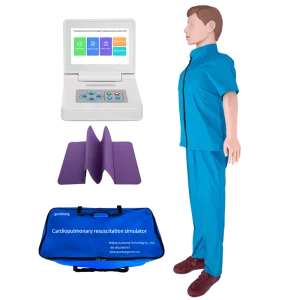
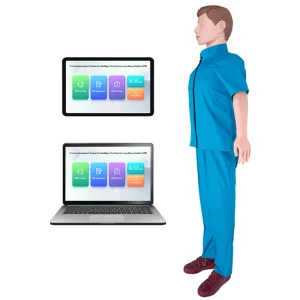
  • Microprocessor-Controlled Consoles: Digital consoles and color touch screens display chest expansion graphs and compression velocity curves.
  • Interactive Voice Prompts: Immediate voice commands instruct students to "compress harder" or "exhale slowly," replicating real clinical emergencies.
  • One-to-Many Wireless Networking: Instructors in clinical classrooms can monitor up to 10 manikins simultaneously from a single central software console.
Emergency Medical Training Solutions

Macro Industry Solutions for Seattle

Deploying customized, high-fidelity emergency simulation systems across various industries and institutions in Washington State.

Clinical & University Classrooms

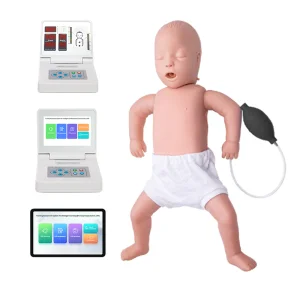
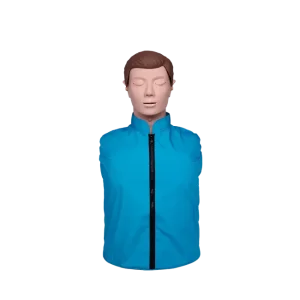
Providing Seattle nursing schools, EMT programs, and university medical labs with full-body adult, pediatric, and infant CPR simulators that integrate with LMS software for automated grading and skill recording.

Corporate Safety & Tech Campuses

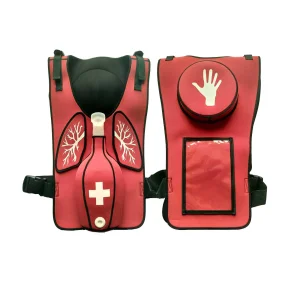
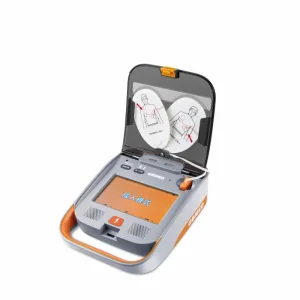
Designed for major technology headquarters in Redmond, Bellevue, and South Lake Union. Scale-deployable, easy-to-use AED training models and Heimlich vests for employee emergency response initiatives.

Municipal EMS & Fire Academies

Ultra-durable simulators designed to withstand the rigorous training schedules of municipal departments. Water-resistant components and robust mechanical construction ensure long-term ROI.

Request Factory Quote for Seattle

Advanced Mold Design and Material Processing

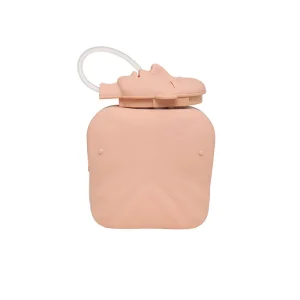
Beijing Guanbang Medical Technology Co., Ltd. utilizes medical-grade thermoplastic elastomer (TPE) silicone materials to produce manikins with incredibly realistic skin textures, high durability, and accurate anatomical landmarks. The sub-sternal compression springs are calibrated to mirror the exact resistance of an adult or pediatric chest cavity, providing students with tactile muscle memory that is critical in high-pressure resuscitation environments.

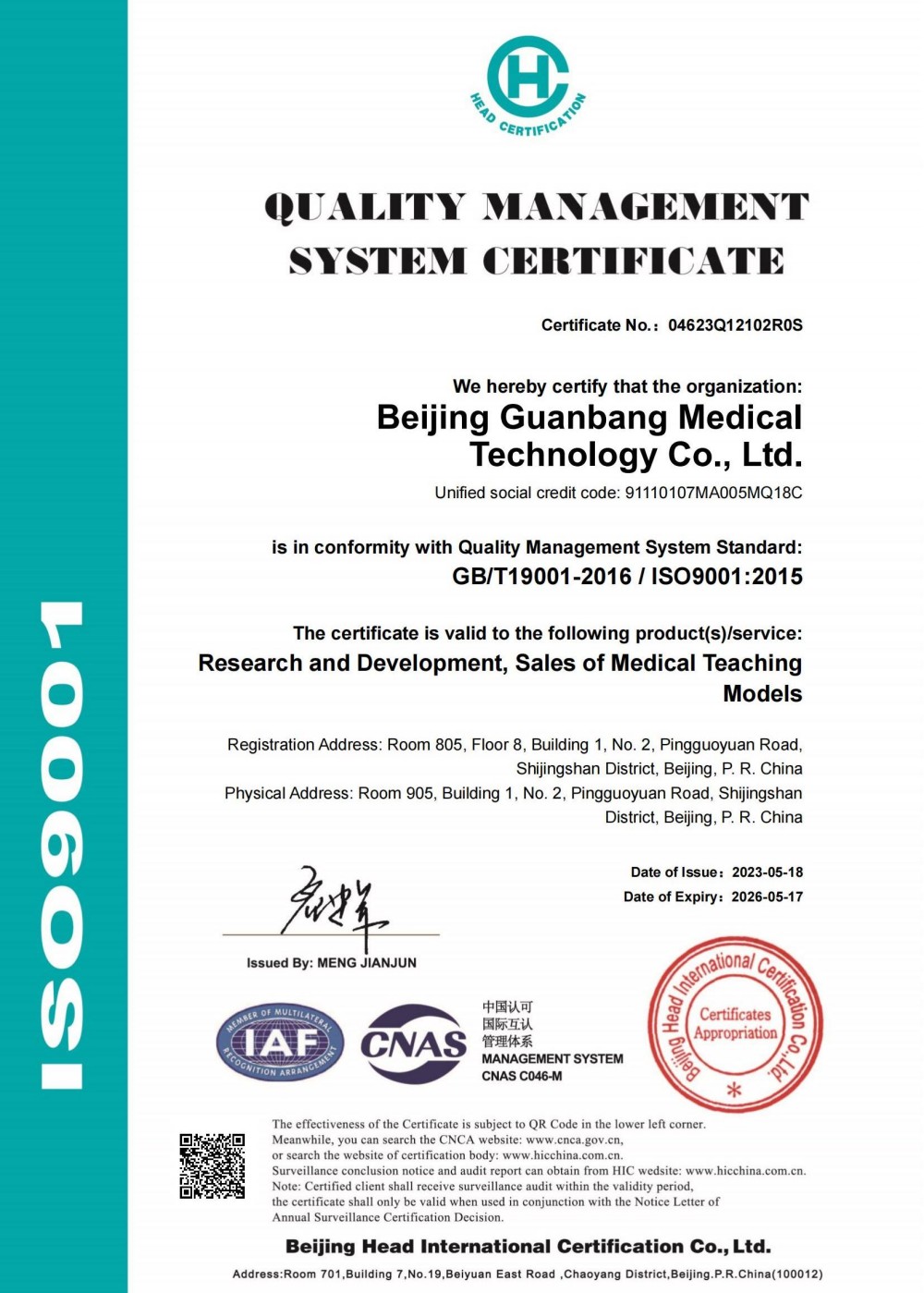
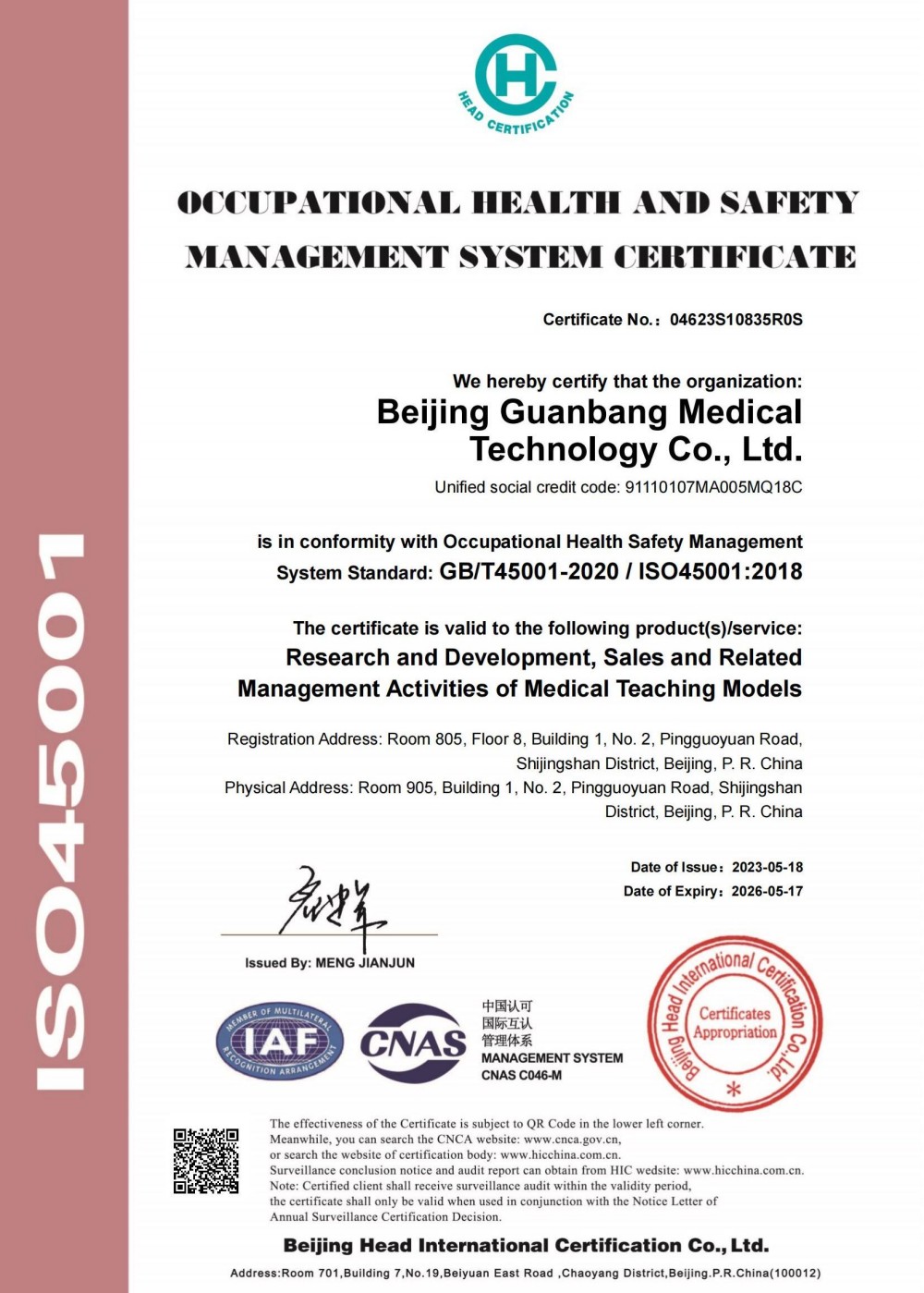
Our factory operates under strict ISO management systems, including ISO 9001 Quality Management, ISO 14001 Environmental Management, and ISO 45001 Occupational Health and Safety Management. This ensures that every shipment delivered to Seattle meets international regulatory benchmarks and is free from toxic phthalates and heavy metals.
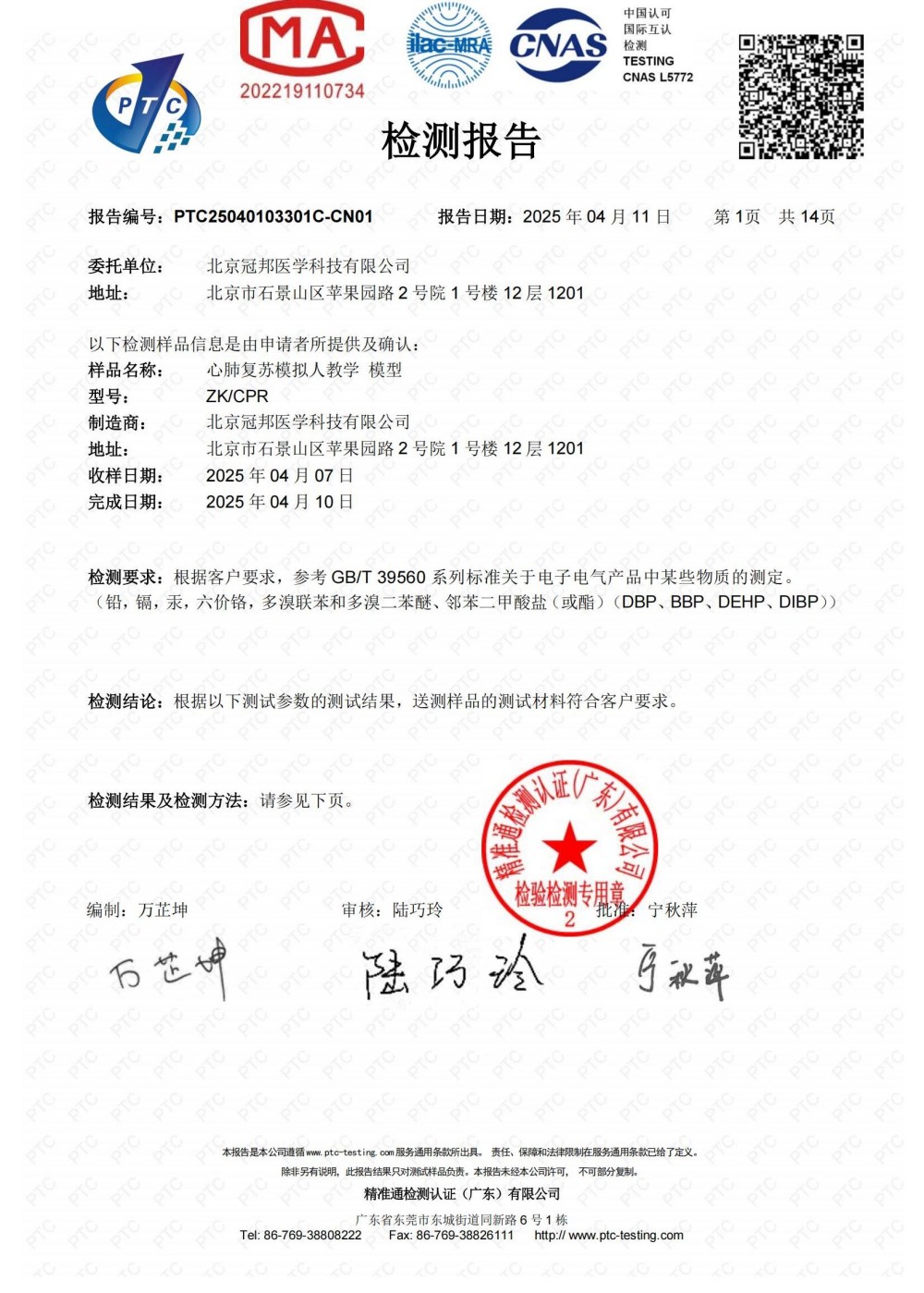
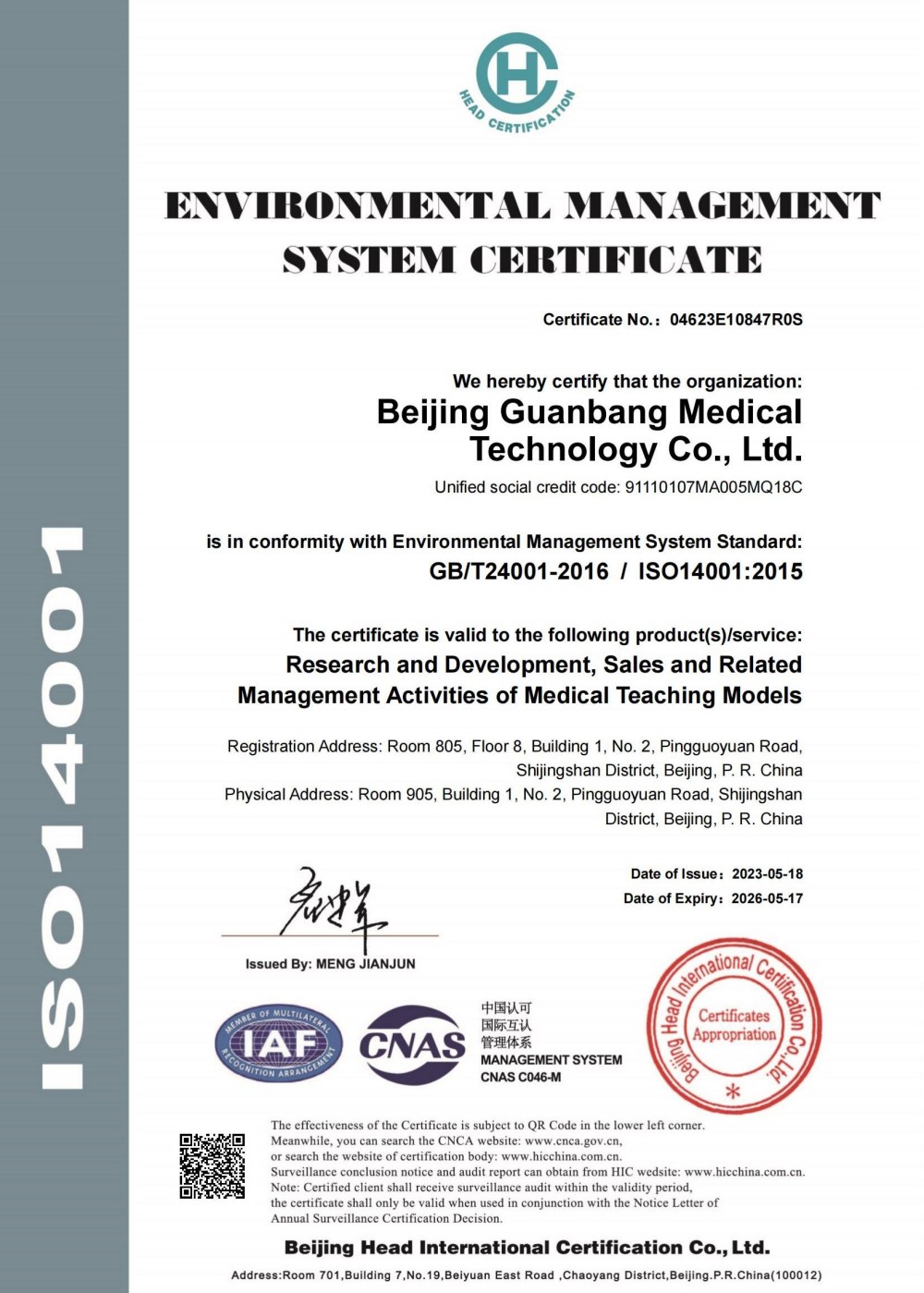
ISO Certification 1
ISO Certification 2
ISO Certification 3
ISO Certification 4

Frequently Asked Questions (FAQ)

Detailed technical, commercial, and logistics answers for procurement specialists and clinical educators in Seattle.

Do your CPR and AED simulators comply with American Heart Association (AHA) 2020 Guidelines?
Yes, all our CPR training models, digital controllers, and AED trainers are fully updated to meet the latest AHA and ERC standards. This includes standard 30:2 compression-to-ventilation ratios, specific depth parameters (5-6 cm for adults), and real-time electronic performance feedback metrics.
Can you customize the voice commands and software languages for the Seattle market?
Absolutely. We provide complete OEM/ODM customization services. The standard default settings are programmed with clear, native American English voice prompts. We can also pre-load bilingual options (e.g., English-Spanish) or custom localized training software based on your facility's training curricula.
What are the typical lead times and shipping options to Seattle?
Standard sample orders are dispatched within 7-10 business days. For bulk container shipments, sea freight from Tianjin or Qingdao Port directly to the Port of Seattle takes approximately 18-25 days. Air cargo shipping via Seattle-Tacoma International Airport (SEA) takes 5-8 days for urgent procurement needs.
What materials are used for your medical manikins?
Our manikins are constructed using high-grade thermoplastic elastomer (TPE) mixed rubber and imported PC plastic molds. This formulation offers premium elasticity, realistic anatomical surface landmarks, true-to-life skin texture, high durability against repeat chest compressions, and resistance to standard sanitization wipes.
Do you offer volume discounts for educational and governmental organizations in Washington State?
Yes, as a factory-direct manufacturer, we offer tiered wholesale pricing for universities, school districts, healthcare systems, municipal fire departments, and commercial first-aid training agencies throughout Seattle and the PNW region.
What is your warranty and after-sales support policy?
All our products are covered by a comprehensive 1-year factory warranty. We also stock replacement parts, including replacement lung bags, face masks, skin modules, and electronic sensor boards, ensuring your training equipment remains operational for years.
How does the touch screen and digital control interface improve training?
Our color touch screen control module offers detailed visual data graphs showing compression frequency, inflation volumes, and exact hand placement accuracy. This allows instructors to grade students objectively, export performance logs, and run simulated tests in real-time.
Are your products certified for export to North America?
Yes, our products carry the CE mark, and our manufacturing facility holds ISO 9001, ISO 14001, and ISO 45001 certificates. All power adapters, electronic components, and batteries meet FCC and UL standard requirements for safe commercial use in the United States.