Immediate medical training models with smart indicator controls, custom voice parameters, and high-fidelity chest feedback.
As the largest metropolitan economic zone in Spanish-speaking Latin America, Mexico City (CDMX) is witnessing a structural transformation in its public and private healthcare systems. Rapid urbanization, coupled with updated regulations from the Mexican Ministry of Health (Secretaría de Salud) and the Civil Protection agency (Protección Civil), has placed clinical training models, CPR simulators, and Automated External Defibrillator (AED) training systems at the core of institutional safety agendas. B2B procurement trends show that hospitals, fire departments (Bomberos CDMX), corporate parks, and universities in Mexico City are moving toward high-fidelity simulators that match international standards such as those set by the American Heart Association (AHA) and local regulatory standards.
Under the Mexican General Civil Protection Law (Ley General de Protección Civil), high-occupancy corporate hubs, commercial factories, and educational campuses are increasingly required to form emergency response teams (brigadas de emergencia). These teams must receive certified Basic Life Support (BLS) training. This regulatory environment drives a massive, continuous demand for highly durable, cost-effective CPR trainers, airway management models, and AED simulation devices that can withstand thousands of compression cycles without structural fatigue.
At Beijing Guanbang Medical Technology Co., Ltd., we analyze these regulatory requirements to build high-end simulation gear. Since our founding in 2016, our 10,000-square-meter facility has focused on producing simulation models that bridge the gap between expensive European simulators and entry-level medical manikins. For procurement directors across Mexico City, this translates to optimal performance and cost efficiency.
Delivering medical simulator systems backed by advanced manufacturing and professional R&D teams.
Modern clinical education has evolved past mechanical spring-loaded manikins. Today’s training programs require digital systems that provide real-time feedback. Our technical roadmap focuses on integrating high-fidelity sensors and digital control modules into our core product lineup:
Our 10,000-square-meter facility in Beijing utilizes injection molding systems and clean assembly lines. By centralizing the production chain—from mechanical design to board-level microcontroller assembly—we maintain total quality control. This operational control allows us to provide B2B buyers in Mexico City with reliable supply chains, shielding them from the price fluctuations associated with outsourced components.
Three core simulation series engineered for modern emergency departments, nursing schools, and municipal safety centers.
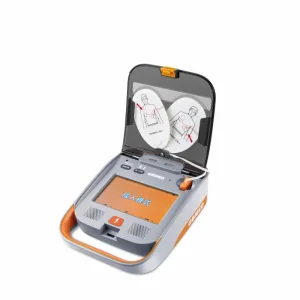
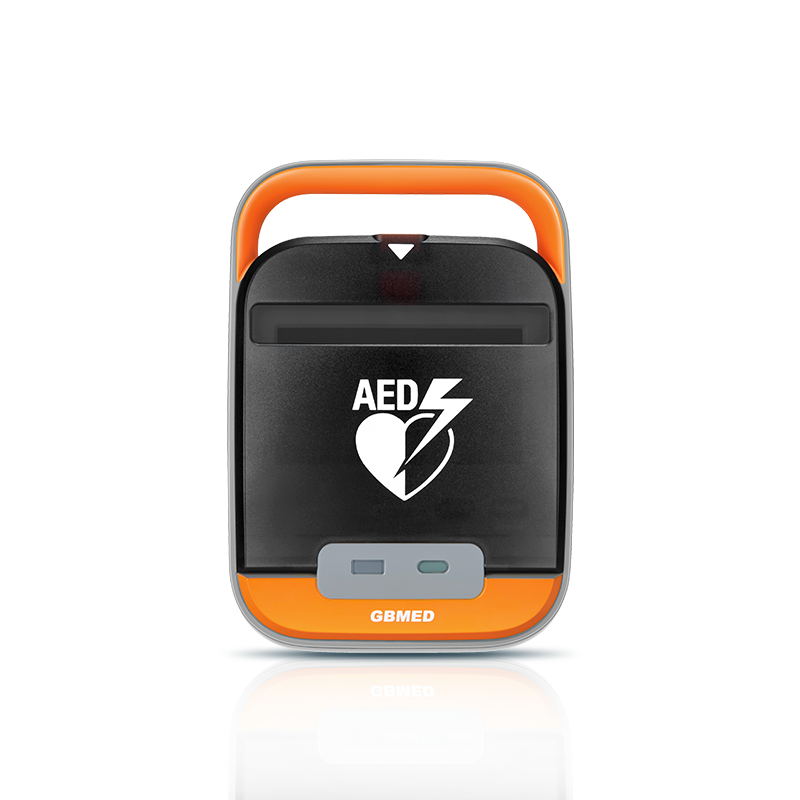
Simulates shock administration, electrode pad placement, and clinical pacing routines without live currents. Ideal for public access defibrillation classes.
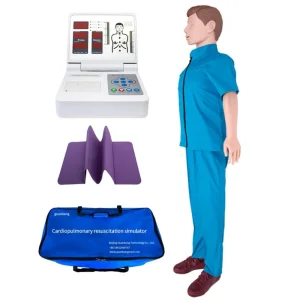
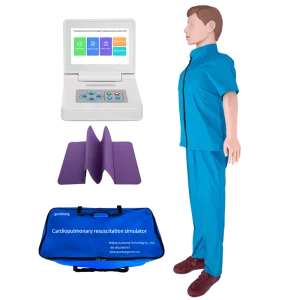
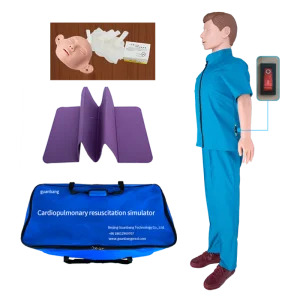
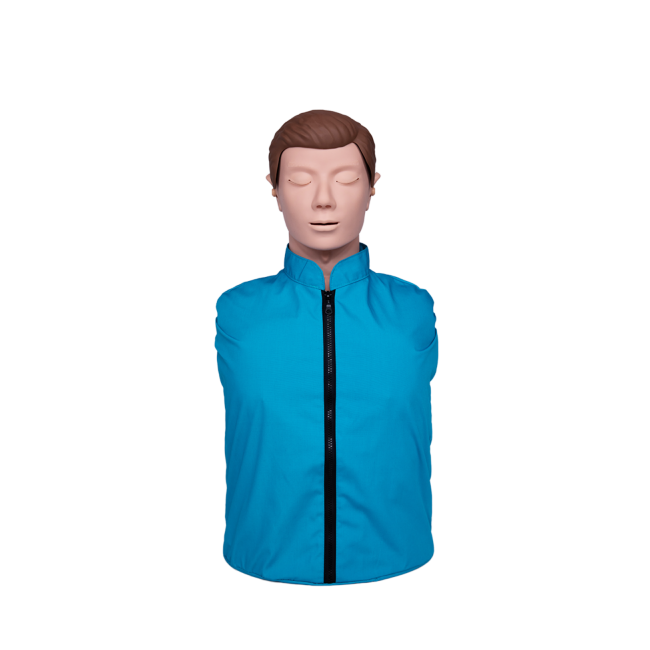
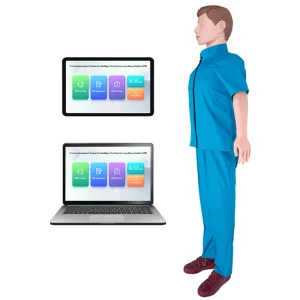
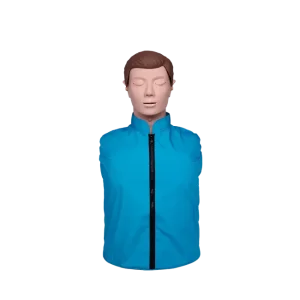
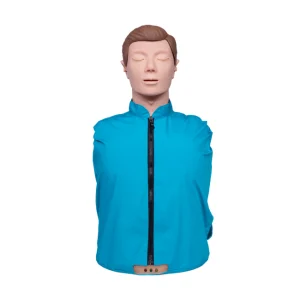
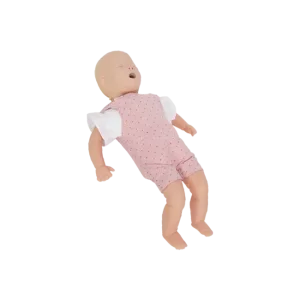
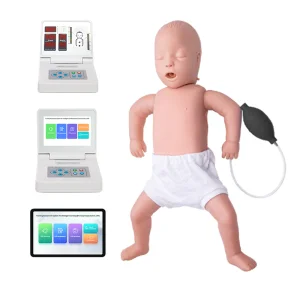
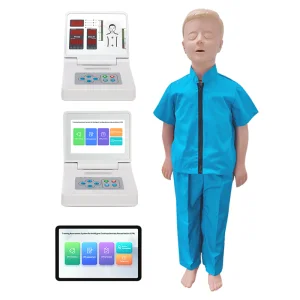
Full-body and half-body adult, pediatric, and infant manikins featuring color touch-screens, digital indicators, and real-time audio guidance.
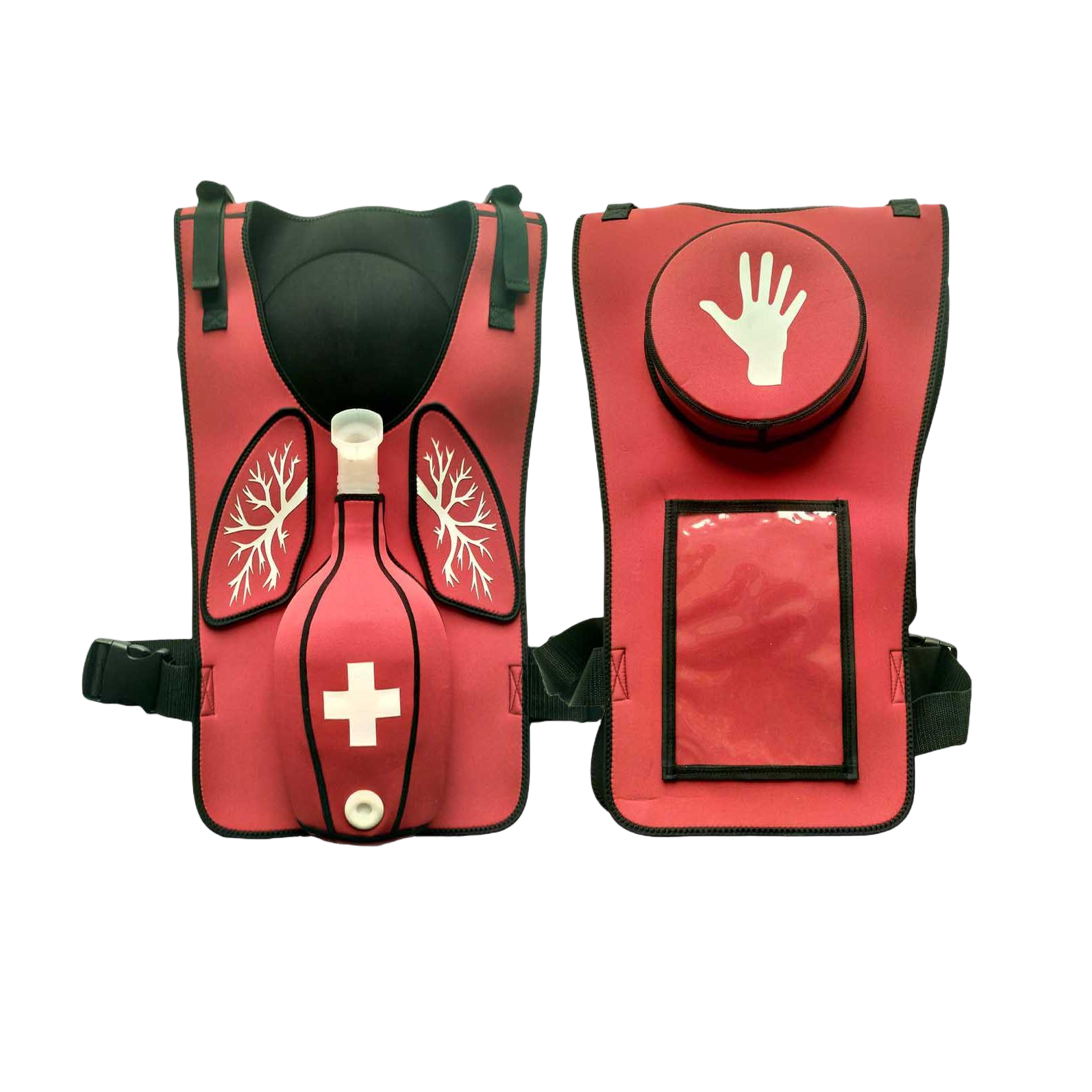
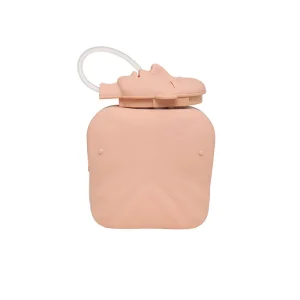
Choking rescue vests, Heimlich maneuver simulators, and infant airway infarction trainers built to realistic anatomical standards.
Importing advanced clinical simulation equipment into Mexico requires attention to administrative compliance and regional standardization. Medical simulators do not involve direct clinical contact with real patients, meaning they do not require active Cofepris registration as therapeutic medical devices. However, they must comply with specific electronic safety regulations, customs documentation, and educational guidelines:
For smart touch-screen simulators and digital control boxes, we verify electrical specifications to ensure compatibility with standard North American and Mexican power networks (110V-120V / 60Hz), minimizing electrical hazards during training.
Our algorithms follow current American Heart Association guidelines, which are standard in medical schools and red-cross organizations in Mexico. This alignment ensures trainees are evaluated against recognized resuscitation metrics.
Feedback during high-stress CPR training is most effective in the trainee's primary language. Beijing Guanbang Medical Technology Co., Ltd. provides customized Spanish audio modules for all voice-guided simulators. The voice-guided commands use clear, professional terminology tailored for healthcare programs in Mexico.
Explore our complete catalog. Designed to meet the requirements of clinical schools, emergency response agencies, and public institutions in Mexico City.
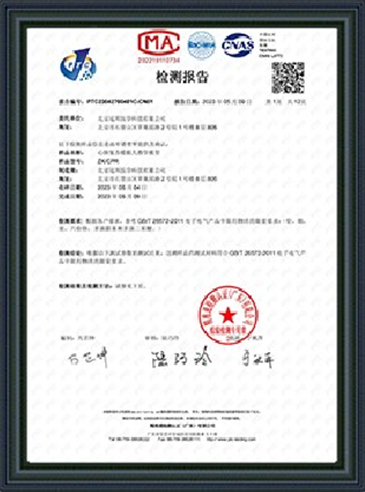
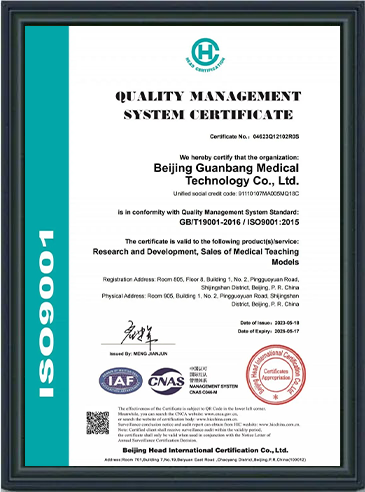
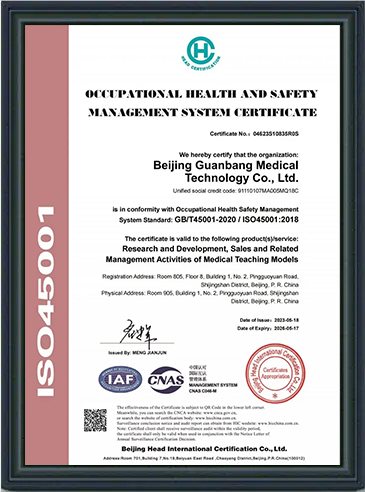
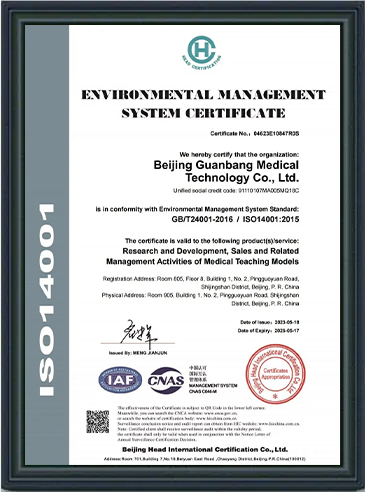
Our manufacturing systems and medical simulation software comply with ISO standards and hold multiple utility model design patents.
Find detailed answers regarding customization, logistics, payment systems, and local support in CDMX.
Contact our B2B export specialists for complete product catalogs, electrical specification sheets, and CIF Manzanillo or DDP Mexico City price quotes.
Send Inquiry Now Guanbang Medical