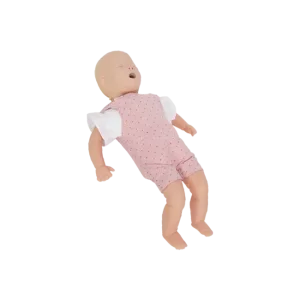
China Children’s CPR Training Simulator - Premium Quality from China Suppliers and Factory, Compliant with AHA Standards Manufacturers, Manufacturer

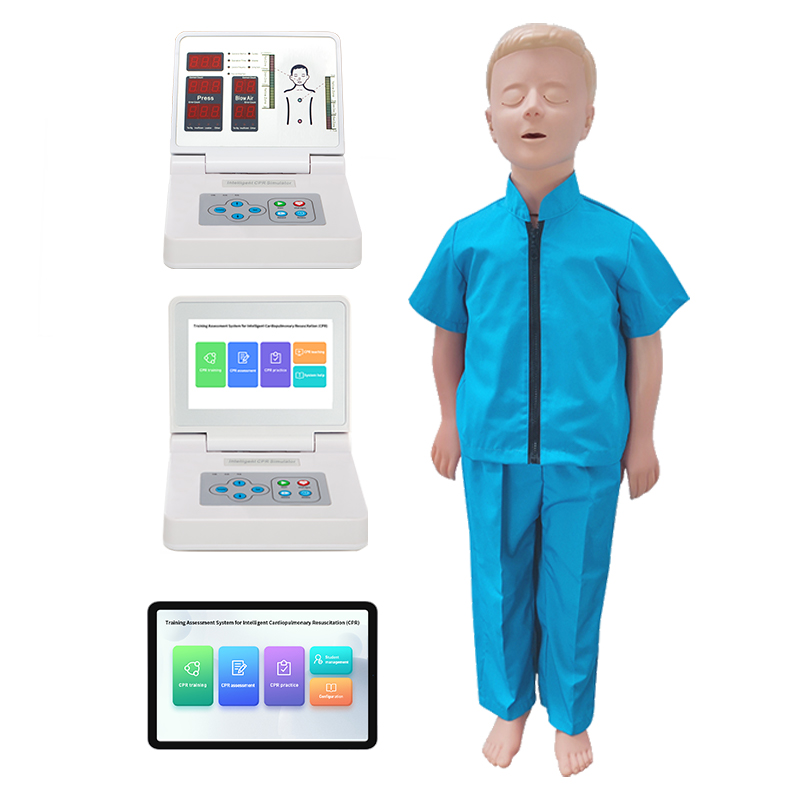
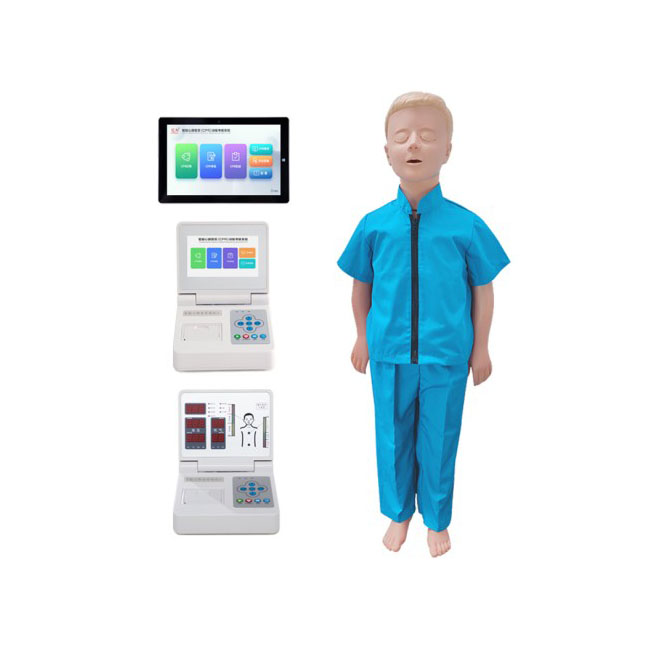
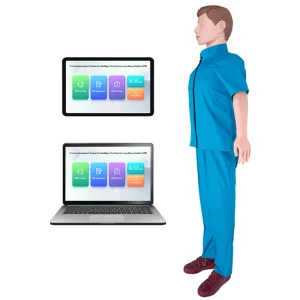
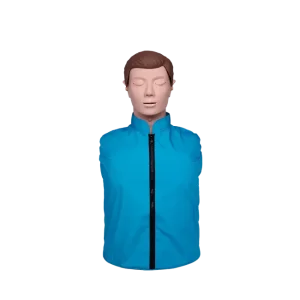
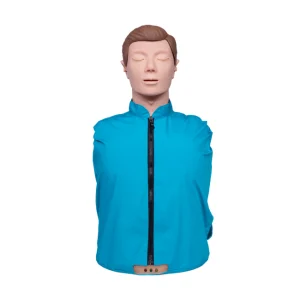
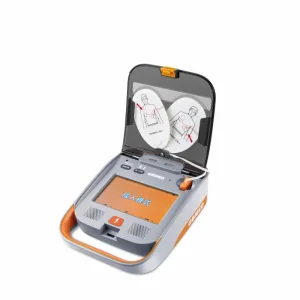
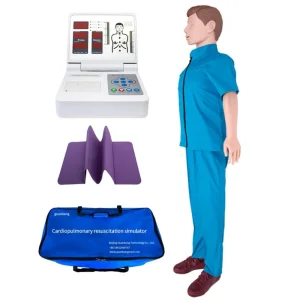
The Cardiopulmonary Resuscitation (CPR) simulator is an advanced first-aid training model designed in accordance with the latest International CPR and Emergency Cardiovascular Care (ECC) guidelines set by the American Heart Association (AHA). As a leading factory in China, we offer a diverse product line that encompasses infant, child, and adult CPR simulators. Our selection features various options, including basic CPR simulators, digital display models, color touch-screen simulators, and software-integrated CPR training devices. Additionally, we provide customization services to meet unique training needs, ensuring that our products cater to a wide range of users. As trusted suppliers in the industry, we are committed to delivering high-quality training solutions for effective emergency response preparation

Product Description

Functional Overview
🧒
Realistic Anatomical Design

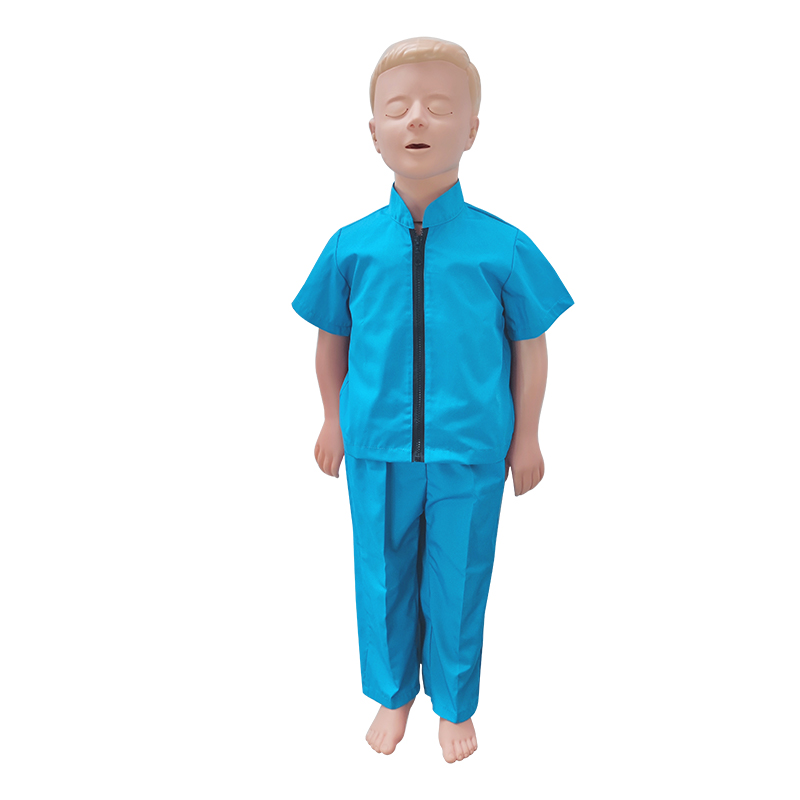
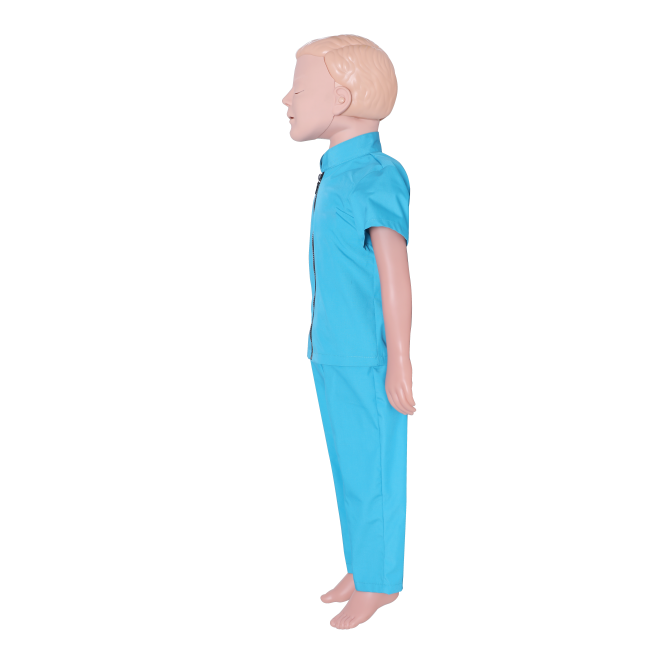
This children's model features realistic form with clearly defined anatomical landmarks for easy operational positioning. Knee joint is movable.

🌿
Eco-Friendly Skin Materials

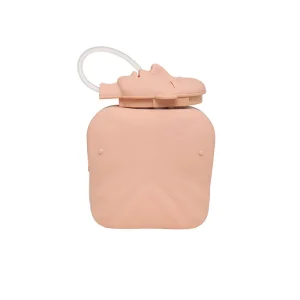
The model's facial skin, neck skin, chest skin, and other components utilize environmentally-friendly thermoplastic elastomer composite materials.

🔄
Head & Neck Rotation

The model features a realistic head and neck assembly with lateral head rotation capability. The head can rotate horizontally 180° to facilitate simulation of oral foreign body clearance.

💓
Chest Compression Training

Chest compression training is supported (correct compression depth 5 cm, compression rate 100–120 compressions per minute, compression location at the lower half of the sternum). The model provides realistic compression tactile feedback with full chest recoil.

🫁
Airway Opening Practice

Airway opening procedures can be performed through correct head tilt–chin lift maneuvers.

😮
Artificial Ventilation

Artificial ventilation practice can be conducted through mouth-to-mouth or bag-mask ventilator methods, with visible chest rise during effective ventilations.

👁️
Pupil Observation

Eyelids can be opened for pupil observation — one pupil is dilated (simulating a critical life-threatening condition) and one pupil is small (indicating successful resuscitation).
Frequently Asked Questions
The correct chest compression depth for this children's CPR manikin is 5 cm. The compression rate should be maintained at 100–120 compressions per minute, with compressions applied at the lower half of the sternum. The model provides realistic tactile feedback and full chest recoil to help trainees develop proper technique.
The model's head and neck assembly supports 180-degree horizontal rotation. This capability allows trainees to practice oral foreign body clearance techniques realistically, simulating the proper positioning required during airway management in pediatric emergency situations.
The model supports both mouth-to-mouth rescue breathing and bag-mask ventilator (BVM) methods. During effective ventilations, the chest will visibly rise to confirm correct technique, providing immediate visual feedback to the trainee or instructor.
The model includes two distinct pupil states for realistic clinical simulation: one dilated pupil represents a critical or life-threatening condition, while one small (constricted) pupil indicates successful resuscitation. Trainees can open the eyelids to observe and assess the pupils as part of patient assessment practice.
The facial skin, neck skin, chest skin, and other surface components of the model are made from environmentally-friendly thermoplastic elastomer (TPE) composite materials. These materials closely mimic real human skin texture and flexibility, enhancing the realism of training while meeting safety and environmental standards.
The airway opening procedure is performed using the standard head tilt–chin lift maneuver. The model's realistic anatomical structure and movable head and neck assembly allow trainees to practice applying the correct technique and angle to open the airway, which is a critical step before delivering rescue breaths in pediatric CPR.

Related Products