Frequently Asked Questions
Q
What is the correct chest compression depth for this infant CPR manikin?
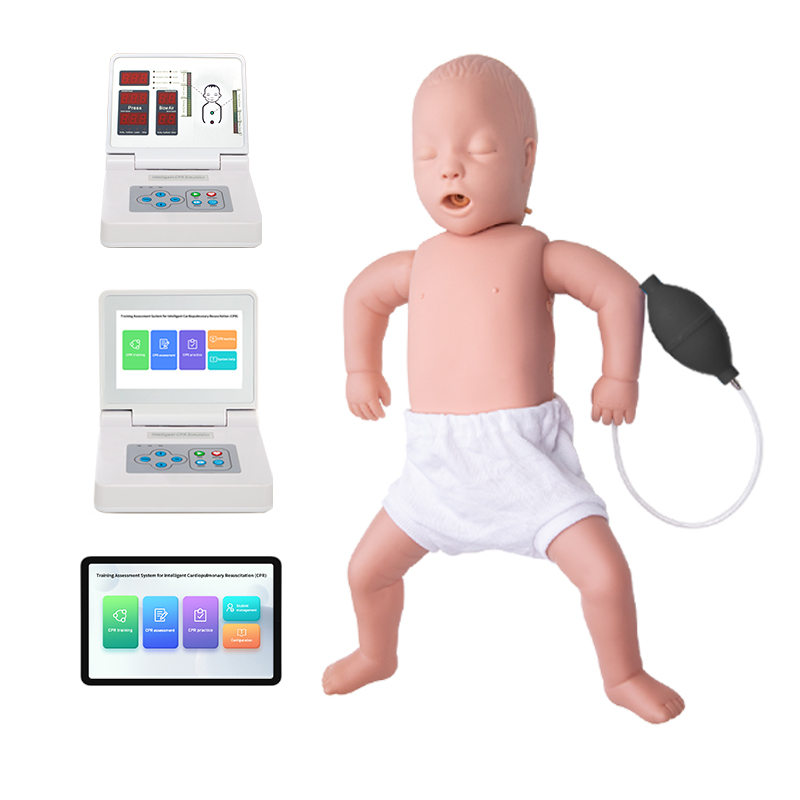
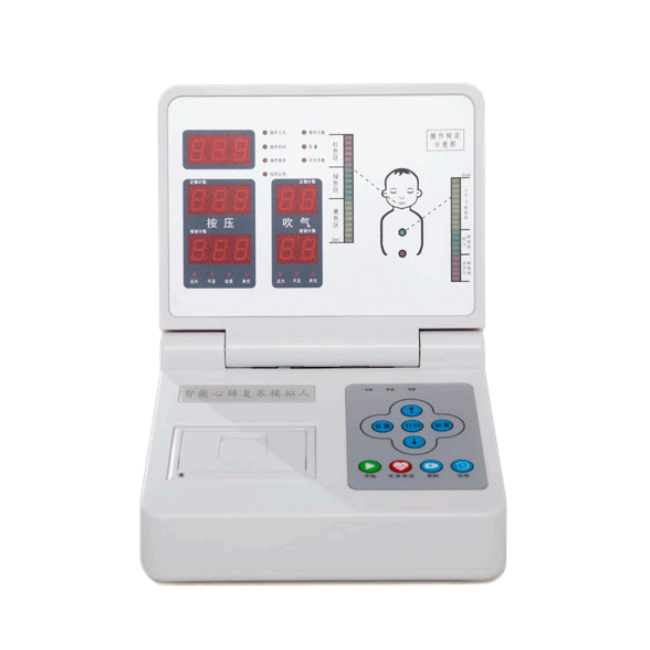
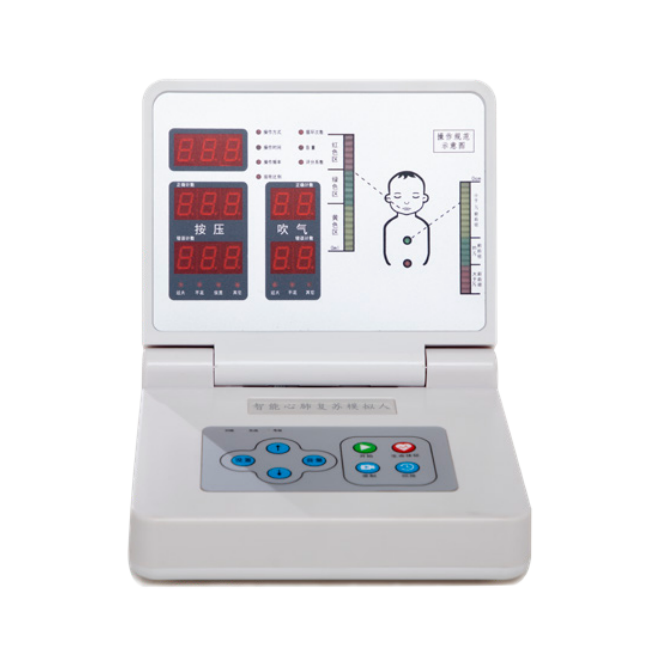
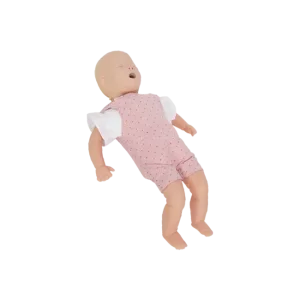
The correct compression depth for this model is 4 cm, with a recommended rate of 100–120 compressions per minute. The compression location should be at the lower half of the sternum. The model provides realistic tactile feedback to help trainees develop proper technique.
Q
What ventilation methods are supported for artificial breathing practice?
This manikin supports both mouth-to-mouth ventilation and bag-mask ventilator methods. During effective ventilations, the chest visibly rises to confirm correct technique, providing clear visual feedback for the trainee.
Q
How does the model simulate infant brachial artery pulsation?
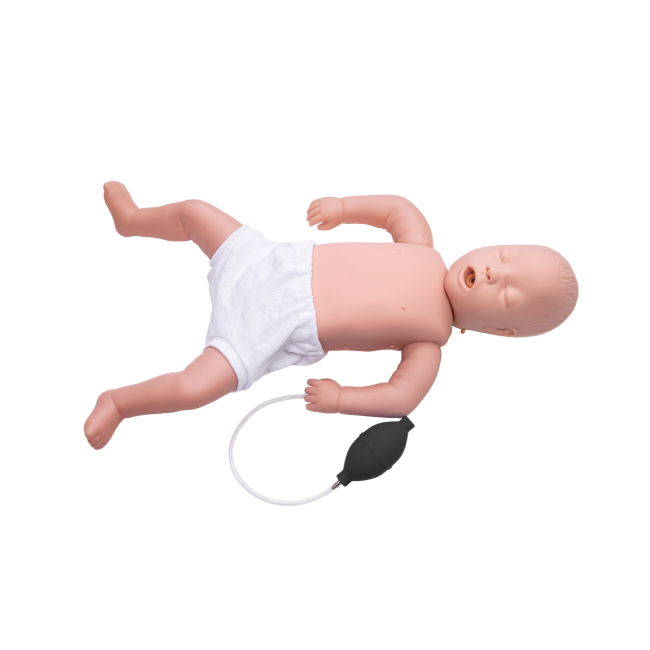
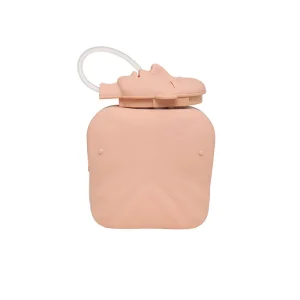
A manual squeeze ball is included to simulate infant brachial artery pulsation. This allows instructors or trainees to practice pulse-check assessment, which is a critical component of infant resuscitation protocols.
Q
What do the two different pupil sizes on the manikin represent?
The manikin's eyelids can be opened to observe two distinct pupils: a dilated pupil simulates a critical life-threatening condition, while a constricted (small) pupil indicates successful resuscitation. This feature helps trainees understand and assess patient condition during emergency scenarios.
Q
What materials are used in the skin components of the manikin?
The facial skin, neck skin, chest skin, and other surface components are made from environmentally-friendly thermoplastic elastomer (TPE) composite materials. These materials provide a realistic feel, durability, and safe handling during repeated training sessions.
Q
How is the airway opening technique practiced on this model?
Airway management is practiced using the head tilt-chin lift maneuver, which is the standard technique for opening the airway in infant resuscitation. The model's anatomical structure supports proper positioning and realistic practice of this essential skill.
 Guanbang Medical