Home >
Hot Products >
ODM Infant CPR Training Simulator from China Suppliers - High-Quality Factory Model for Effective First Aid Training Product, Service
1 / 5
ODM Infant CPR Training Simulator from China Suppliers - High-Quality Factory Model for Effective First Aid Training Product, Service
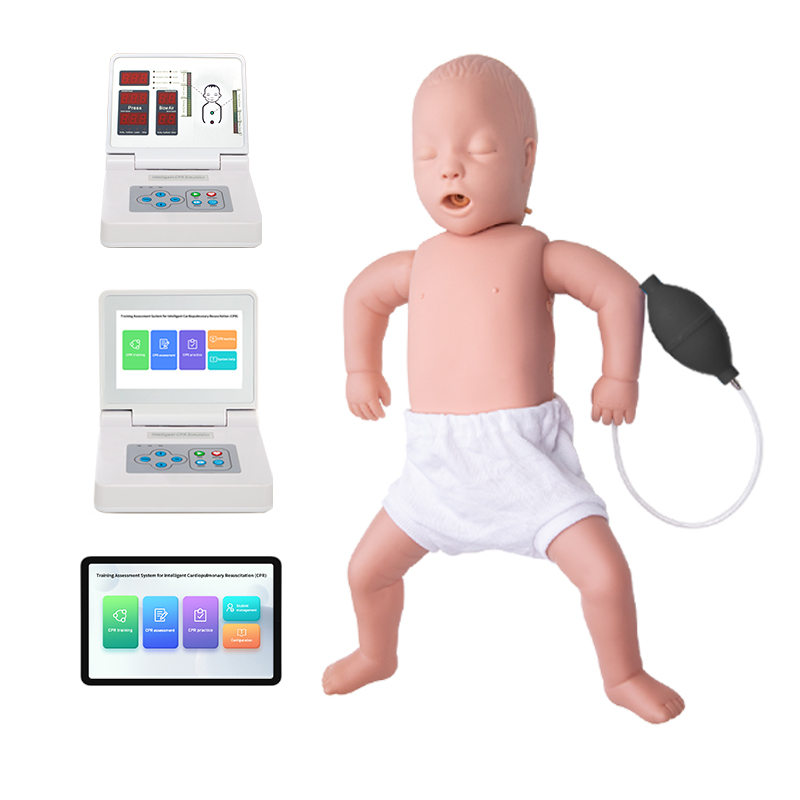
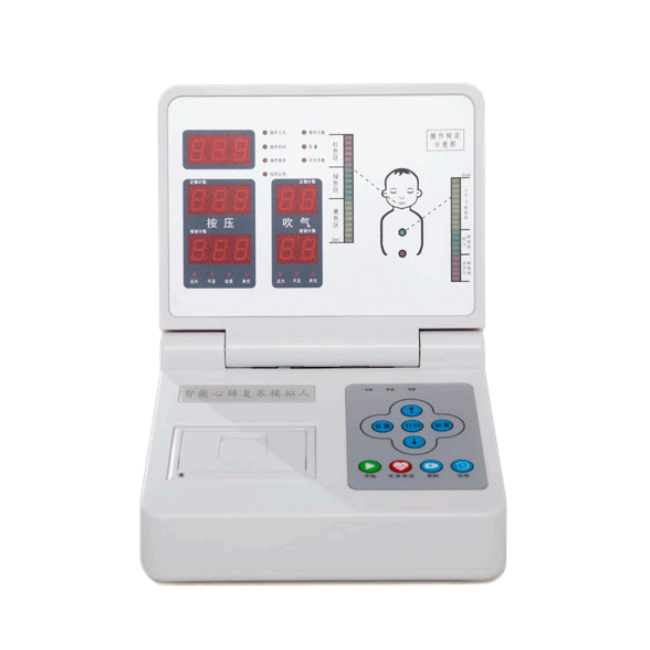
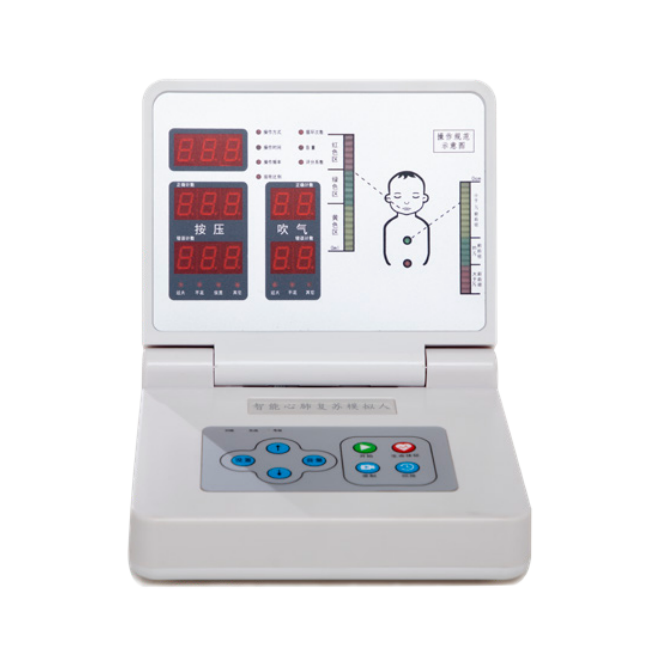
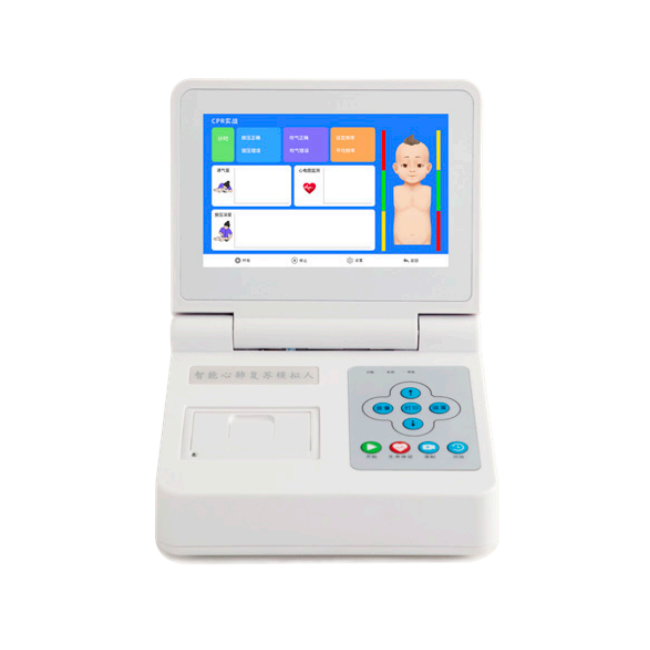
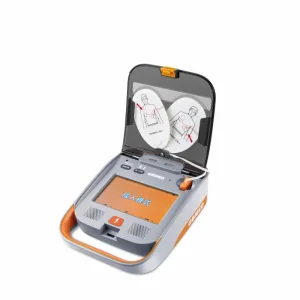
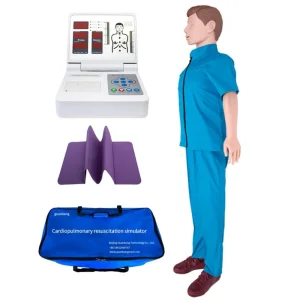
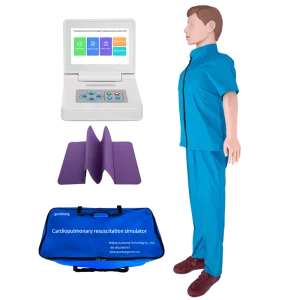
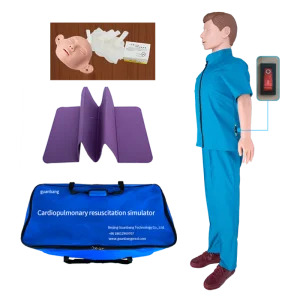
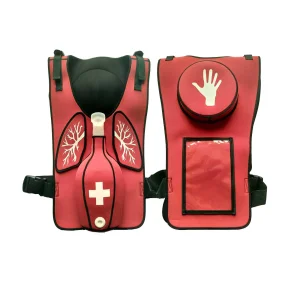
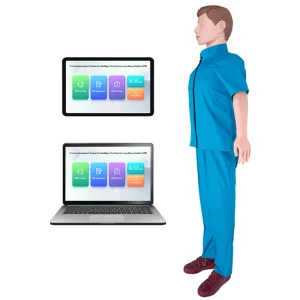
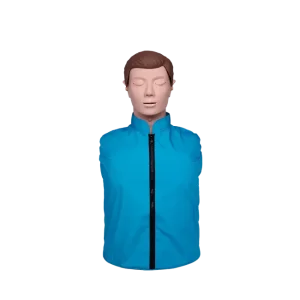
Introducing our Cardiopulmonary Resuscitation (CPR) simulator, an advanced first-aid training model meticulously designed according to the latest International Cardiopulmonary Resuscitation (CPR) and Emergency Cardiovascular Care (ECC) Guideline Standards from the American Heart Association (AHA). As a leading manufacturer in China, we specialize in producing high-quality CPR training equipment, Our extensive product lineup features infant, child, and adult series simulators, catering to diverse training needs. We offer various types of Infant CPR simulators, including basic models, digital display simulators, color touch-screen devices, and software-based trainers. As a trusted supplier and factory, we also provide customization services to meet your specific training requirements. Invest in our CPR simulators to enhance your life-saving training programs today!
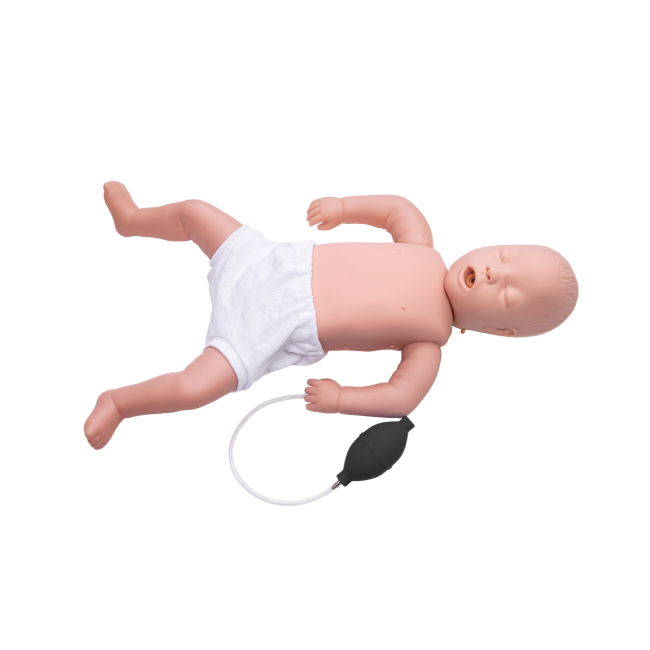
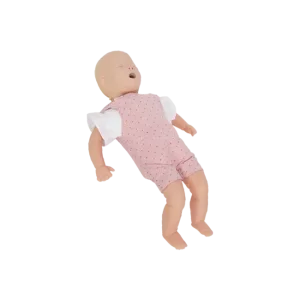
Designed for realistic infant CPR training with anatomically accurate landmarks and lifelike tactile feedback.
This model features realistic form with clearly defined anatomical landmarks for easy operational positioning.
The model's facial skin, neck skin, chest skin, and other components utilize environmentally-friendly thermoplastic elastomer composite materials.
Chest compression training is supported — correct compression depth 4 cm, compression rate 100–120 compressions per minute, compression location at the lower half of the sternum. The model provides realistic compression tactile feedback with full chest recoil.
Airway opening procedures can be performed through correct head tilt-chin lift maneuvers.
Artificial ventilation practice can be conducted through mouth-to-mouth or bag-mask ventilator methods, with visible chest rise during effective ventilations.
Eyelids can be opened for pupil observation — one pupil dilated (simulating critical life-threatening condition) and one pupil small (indicating successful resuscitation).
Frequently Asked Questions
What is the correct chest compression depth for this infant CPR training model?
The correct chest compression depth for this infant CPR training model is 4 cm. The recommended compression rate is 100–120 compressions per minute, with the compression location at the lower half of the sternum. The model provides realistic tactile feedback to help trainees achieve proper technique.
What materials are used in the model's skin components?
The facial skin, neck skin, chest skin, and other surface components of the model are made from environmentally-friendly thermoplastic elastomer (TPE) composite materials. These materials are chosen for their safety, durability, and lifelike feel during training.
What ventilation methods can be practiced with this model?
This model supports two artificial ventilation methods: mouth-to-mouth rescue breathing and bag-mask ventilator (BMV) technique. During effective ventilations, the chest visibly rises, allowing trainees to confirm proper airway seal and ventilation volume.
How does the pupil observation feature work on this infant manikin?
The model's eyelids can be opened to observe the pupils. One pupil is dilated, simulating a critical life-threatening condition, while the other is small, indicating successful resuscitation. This feature helps trainees learn to assess a patient's neurological status during emergency response.
How is infant brachial artery pulsation simulated on this model?
The model includes a manual squeeze ball mechanism that simulates infant brachial artery pulsation. This allows instructors or trainees to practice pulse-check assessment, which is a critical step in infant CPR evaluation before initiating or continuing chest compressions.
How is the airway opened correctly on this infant training manikin?
The airway is opened using the head tilt-chin lift maneuver, which is the standard technique recommended for infant CPR. The model is anatomically designed to respond realistically to this technique, providing trainees with proper hands-on experience in airway management before delivering rescue breaths.
 Guanbang Medical