Wholesale Children's CPR Training Simulator - AHA Compliant Models from China Suppliers and Factory Factories, Service

,

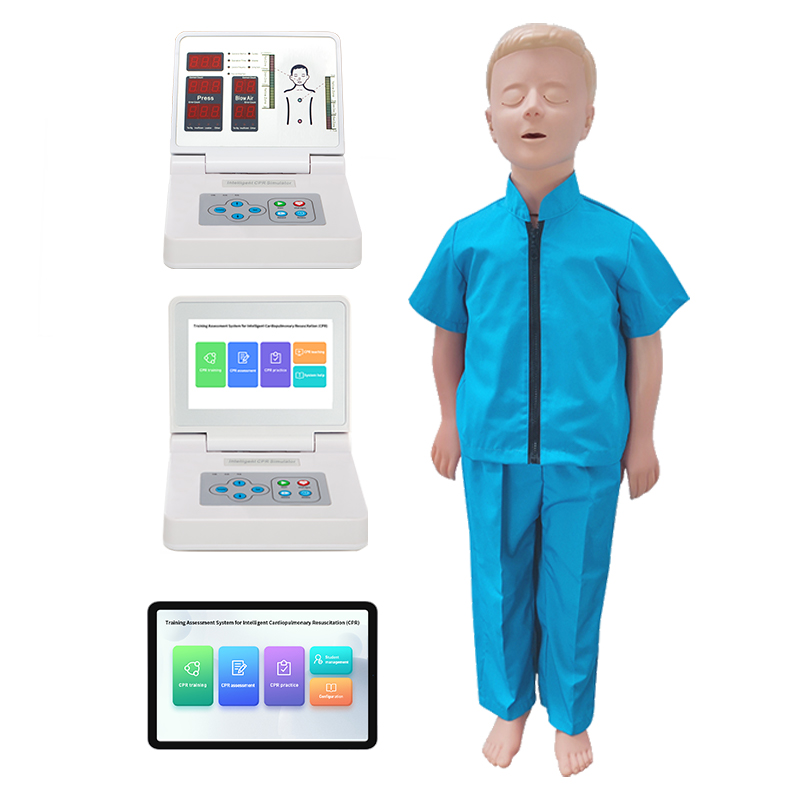
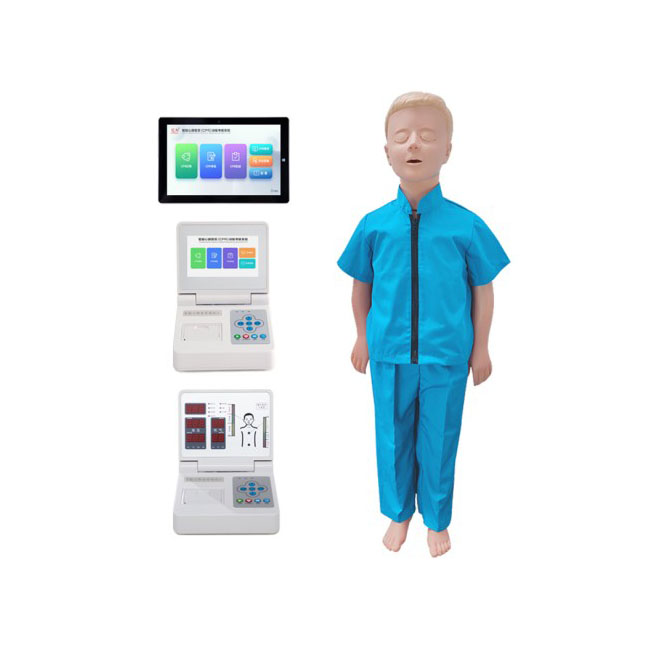
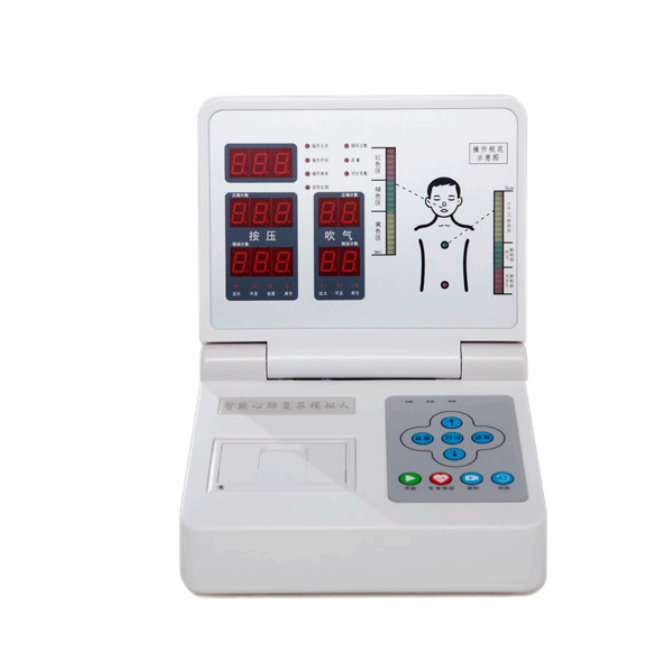
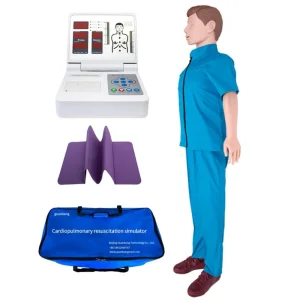
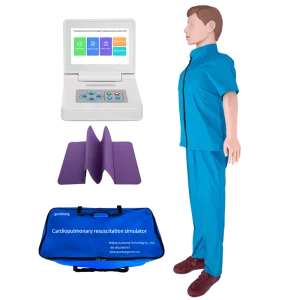
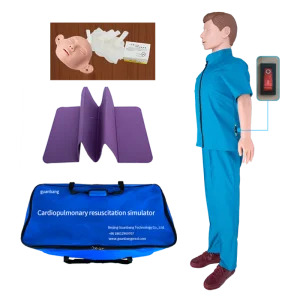
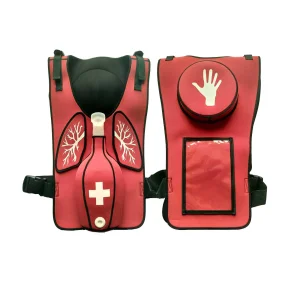
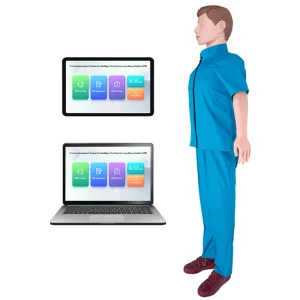
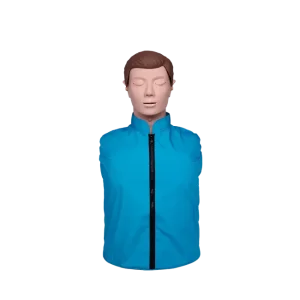
The Cardiopulmonary Resuscitation (CPR) simulator is an advanced first-aid training model meticulously crafted in compliance with the latest International CPR and Emergency Cardiovascular Care (ECC) Guideline Standards set by the American Heart Association (AHA). Designed for comprehensive training, our product range caters to all age groups, featuring infant, child, and adult series. We offer a variety of Children’s CPR simulators, including basic CPR models, digital display units, color touch-screen options, and software-integrated simulators. As a leading supplier in China, our factory is dedicated to providing customization services to meet your unique training requirements.

,

Product Description

Functional Overview
đź§’ Realistic Pediatric Design
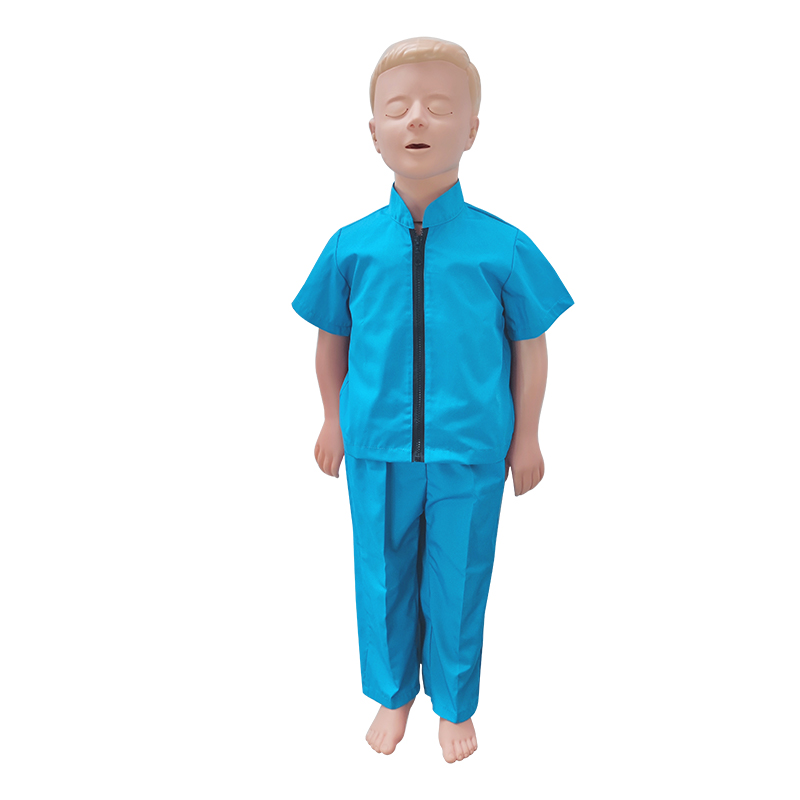
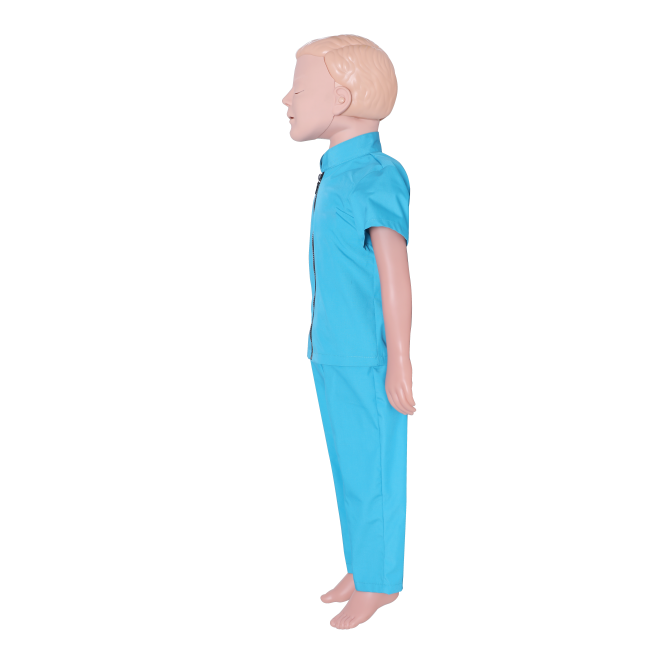
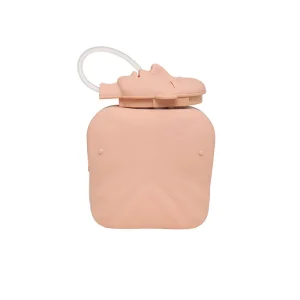
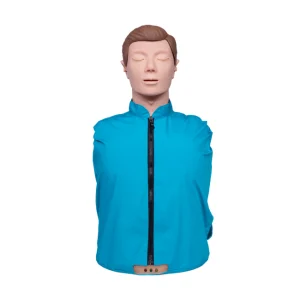
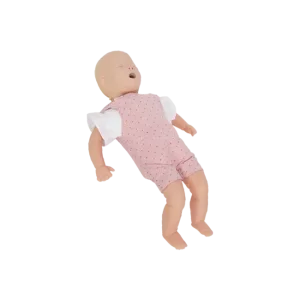
This children's model features realistic form with clearly defined anatomical landmarks for easy operational positioning. The knee joint is movable. The facial skin, neck skin, chest skin, and other components utilize environmentally-friendly thermoplastic elastomer composite materials.
  • Head & Neck Rotation The model features a realistic head and neck assembly with lateral head rotation capability. The head can rotate horizontally 180 degrees to facilitate simulation of oral foreign body clearance.
  • Chest Compression Training Chest compression training is supported with correct compression depth of 5 cm, compression rate of 100–120 compressions per minute, and compression location at the lower half of the sternum. The model provides realistic compression tactile feedback with full chest recoil.
  • Airway Opening Airway opening procedures can be performed through correct head tilt–chin lift maneuvers.
  • Artificial Ventilation Practice Artificial ventilation practice can be conducted through mouth-to-mouth or bag-mask ventilator methods, with visible chest rise during effective ventilations.
  • Pupil Observation Eyelids can be opened for pupil observation — one pupil dilated (simulating a critical life-threatening condition) and one pupil small (indicating successful resuscitation).
Frequently Asked Questions
Q1
What is the correct chest compression depth for the children's CPR manikin?
The correct compression depth for this children's CPR training manikin is 5 cm. The model provides realistic tactile feedback to help trainees feel when they have reached the appropriate depth, along with full chest recoil to simulate real resuscitation conditions.
Q2
What compression rate should be used during CPR practice on this manikin?
The recommended compression rate is 100–120 compressions per minute, consistent with current international CPR guidelines. Practicing at this rate with the manikin helps trainees develop the correct rhythm and endurance for real emergency situations.
Q3
Can the manikin be used to practice both mouth-to-mouth and bag-mask ventilation?
Yes. This children's training manikin supports both mouth-to-mouth and bag-mask ventilator methods for artificial ventilation practice. Effective ventilations will produce a visible chest rise, giving trainees immediate visual confirmation of correct technique.
Q4
How does the manikin simulate airway opening?
The manikin is designed to allow trainees to practice the head tilt–chin lift maneuver to open the airway, which is the standard technique taught in pediatric first aid and CPR training courses. The head and neck assembly is anatomically realistic to support proper technique training.
Q5
What does the pupil feature on the manikin simulate?
The manikin's eyelids can be opened to observe two different pupil states: one dilated pupil simulates a critical, life-threatening condition, while one small pupil indicates successful resuscitation. This feature helps trainees understand how to assess patient status during emergency response.
Q6
What materials are used in the manikin's skin components?
The facial skin, neck skin, chest skin, and other skin components of this children's manikin are made from environmentally-friendly thermoplastic elastomer (TPE) composite materials. These materials provide a realistic feel while being safe, durable, and easy to clean for repeated training use.

Related Products