Explore our leading adult, pediatric, and choking response simulation systems engineered for rigorous medical emergency education programs.
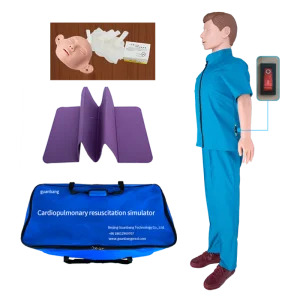
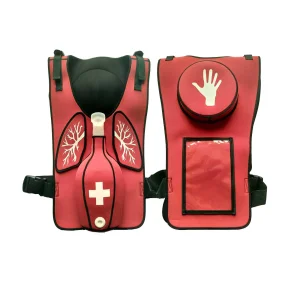
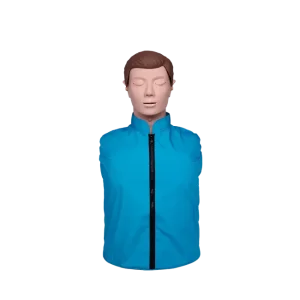
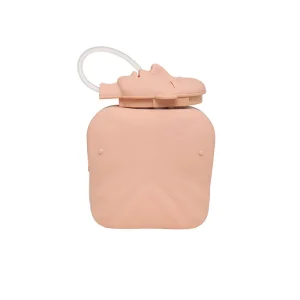
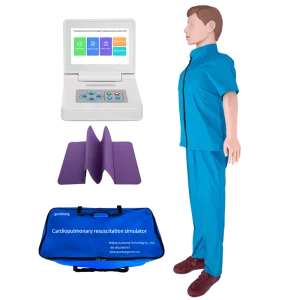
In the global landscape of emergency response, Sudden Cardiac Arrest (SCA) remains one of the primary causes of out-of-hospital mortality. Achieving favorable outcomes relies heavily on immediate, high-quality bystander intervention. Consequently, municipal networks, educational bodies, and military agencies have enacted legislative mandates demanding the integration of Public Access Defibrillation (PAD) programs alongside widespread cardiopulmonary resuscitation (CPR) literacy.
To implement these strategies effectively, healthcare simulation technology acts as the critical bridge between academic instruction and active, hands-on crisis resolution. Beijing Guanbang Medical Technology Co., Ltd. addresses this industry demand by delivering highly standardized, robust, and technologically advanced simulators. These models provide real-time tactile and software-controlled metrics that train individuals to act decisively during cardiovascular emergencies.
By mimicking physiological resistance, delivering real-time sensory prompts, and integrating computerized response tracking, Guanbang simulation devices help optimize the chain of survival. The company's training solutions enable corporate partners, civil organizations, and medical institutions to meet legal compliance and educational criteria efficiently.
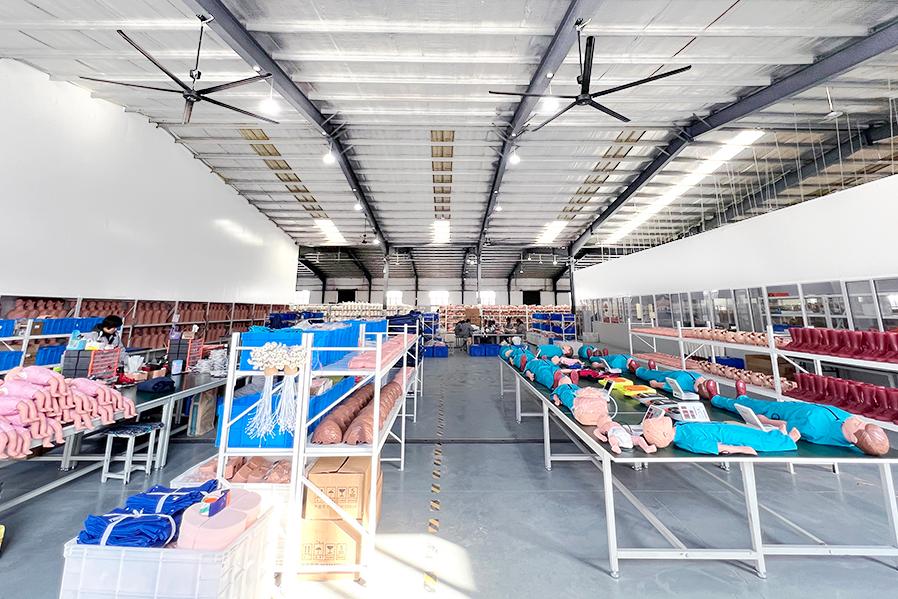
Founded in Beijing, Guanbang is an innovative enterprise combining research, design, production, and worldwide logistics of high-fidelity clinical training models.
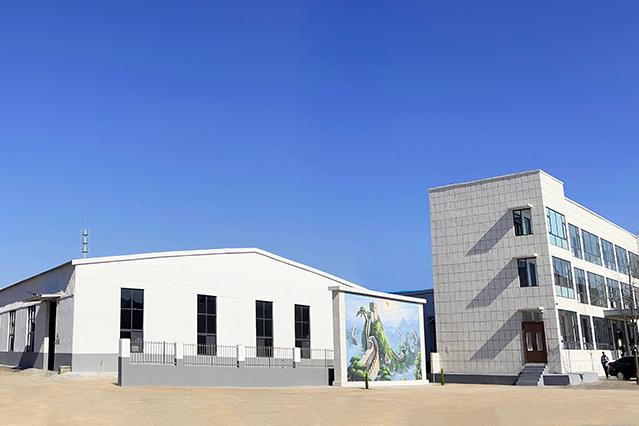
Our modern 10,000 square meter production facility supports precision manufacturing from the initial R&D stages and custom tooling to the final shipping process. This control over our supply chain ensures that both basic mechanical trainers and advanced computerized systems meet the standards required by medical educators.
The Guanbang technical team is led by specialists holding master's and doctoral degrees from academic and scientific institutions, including the Chinese Academy of Sciences, Tsinghua University, and Beijing University of Technology. With decades of cumulative experience, our engineers integrate mechanical accuracy with digital performance monitoring systems.
Precision-engineered systems designed to mimic anatomical response curves and mechanical resistance profiles.
We use thermoplastic elastomer compounds and silicone polymers for manikin skin elements. These materials resist tearing, withstand high-volume usage, and feel realistic during ventilation training.
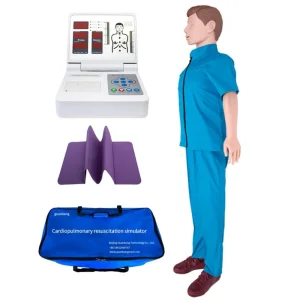
Our training systems include touchscreens and voice modules that monitor compression depth, release velocity, and volume. This gives learners immediate feedback to help correct their technique.
Using CAD/CAM modeling, we create anatomical molds with precise tolerances. This ensures consistent part dimensions and makes it easy to replace mechanical internal components in the field.
Guanbang provides a range of products configured to match different training scenarios, compliance guidelines, and budgets. Our models include options for adult, pediatric, and infant anatomies.
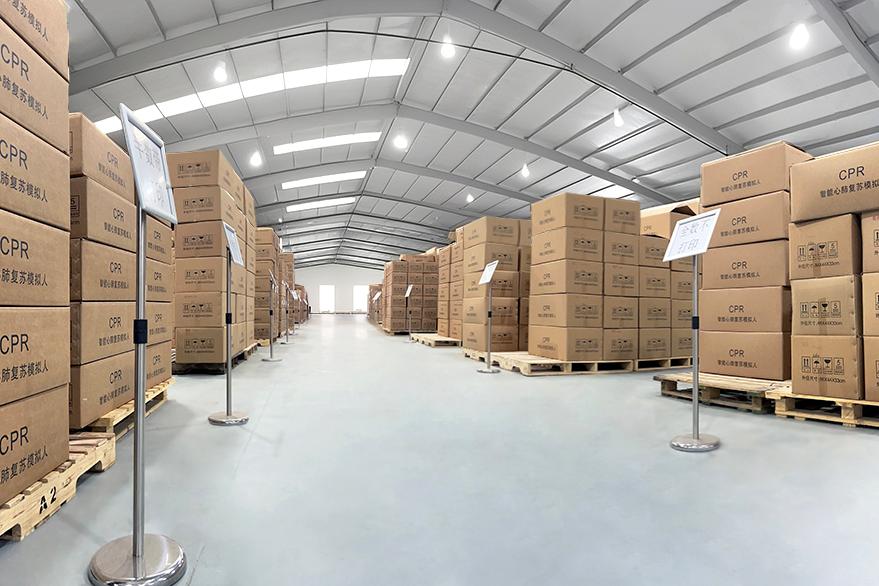
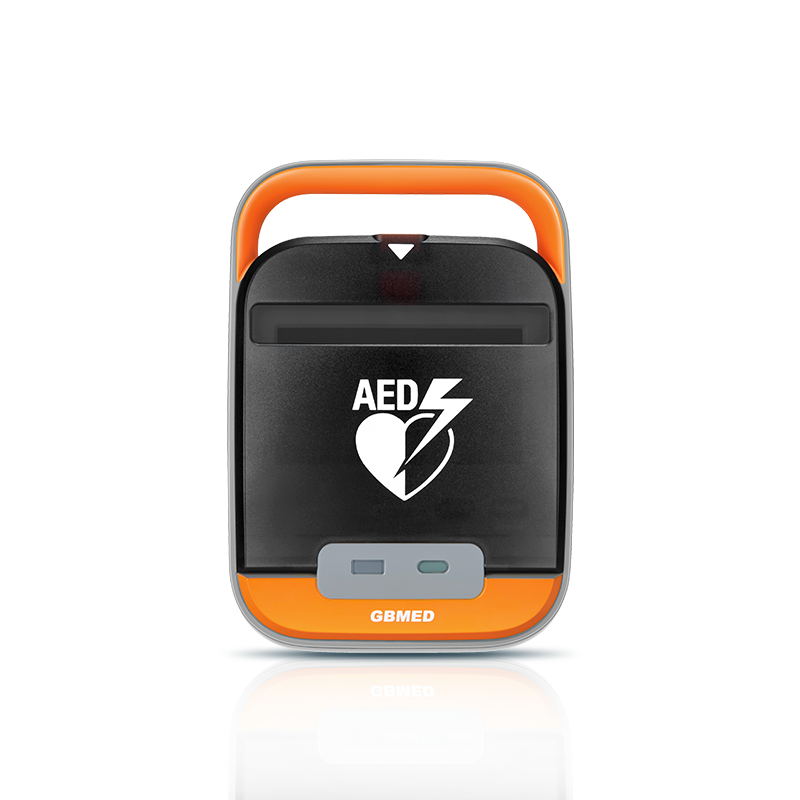
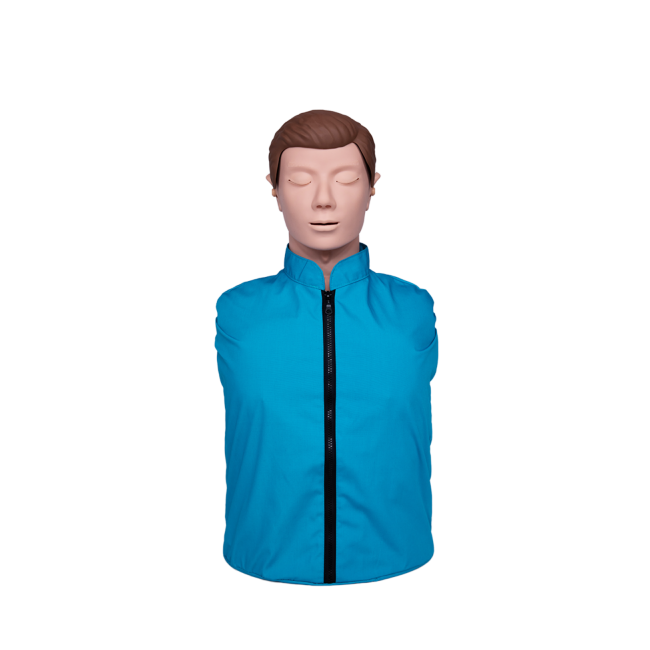
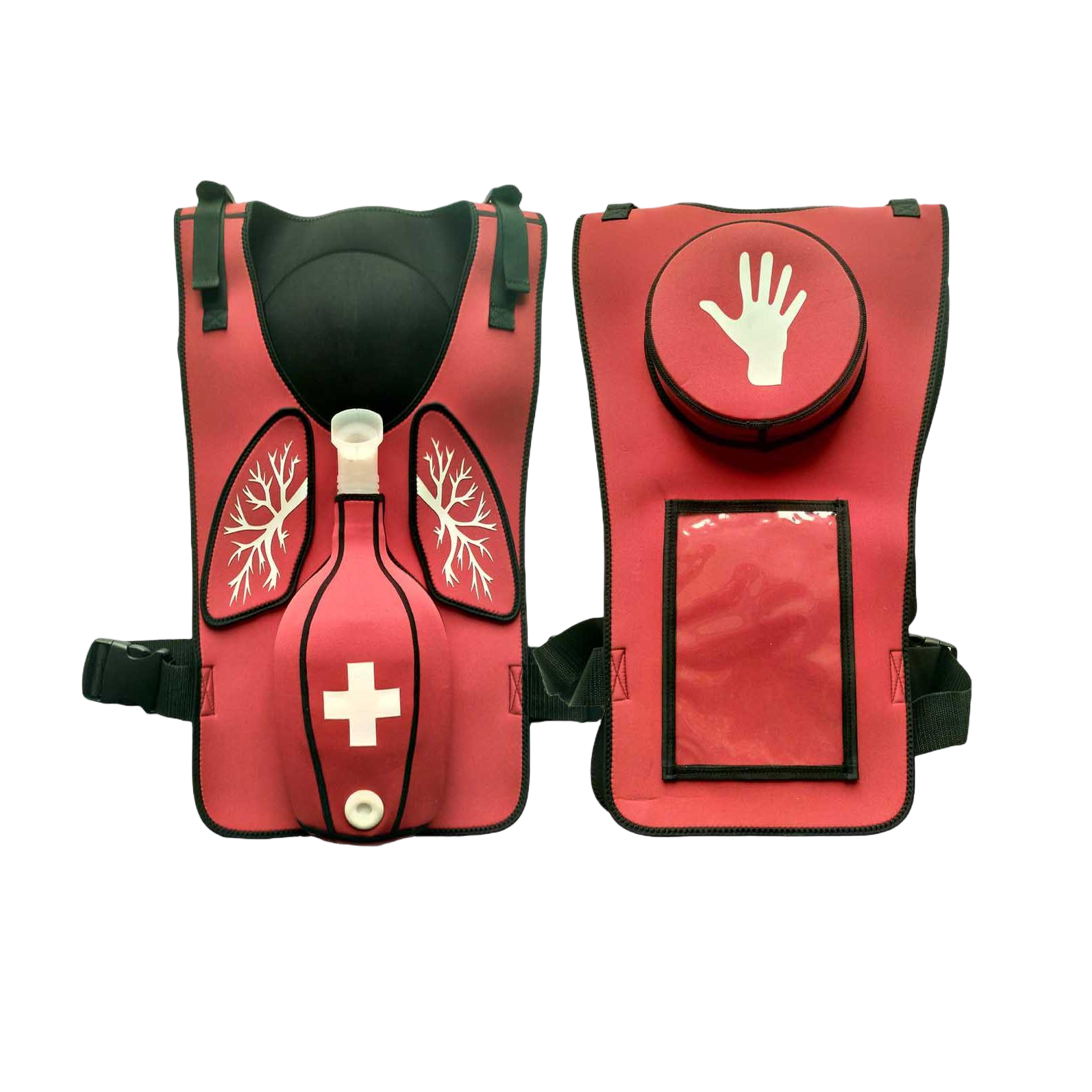
Explore our main product series, including AED training platforms, airway obstruction trainers, and cardiopulmonary resuscitation models.
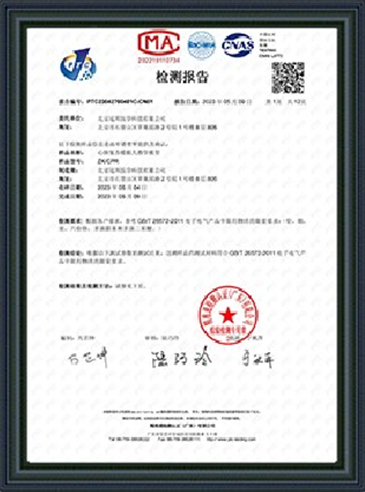
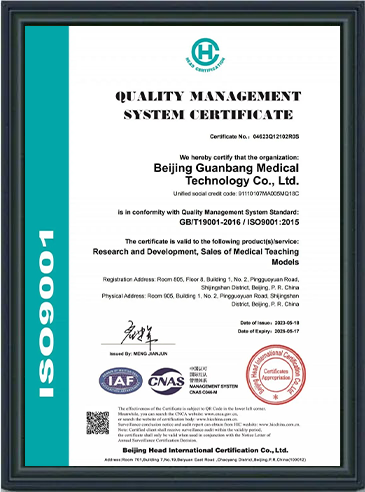
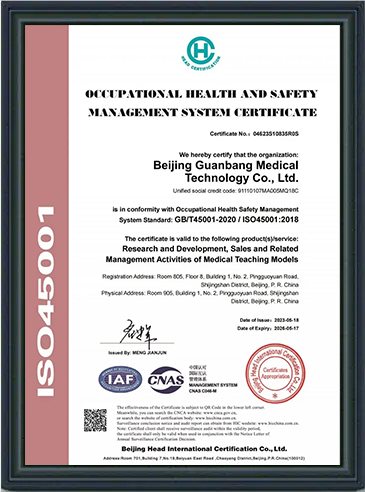
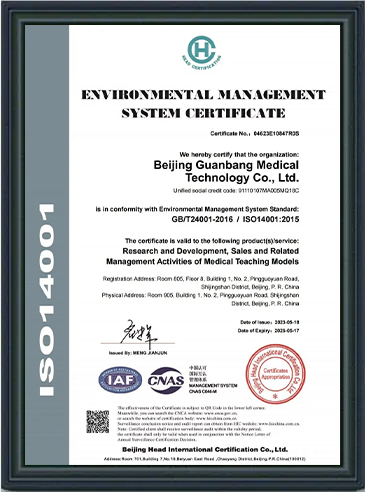
Beijing Guanbang manufactures products in compliance with international medical simulator and electronic training device specifications. Our facility implements integrated management workflows certified under recognized global frameworks:
Additionally, our digital simulators, touchscreens, and voice-assisted units are manufactured to comply with FCC and CE electromagnetic compatibility guidelines, ensuring safe integration alongside other diagnostic equipment in hospital classrooms.
Browse our digital control and touchscreen-enabled models built to meet medical academy specifications.
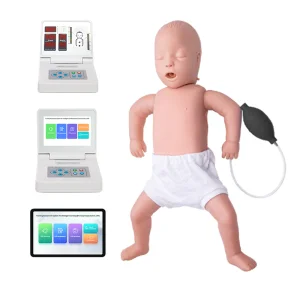
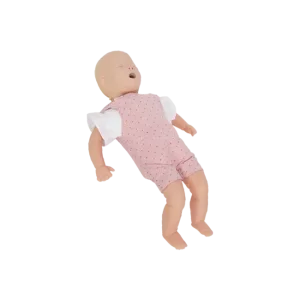
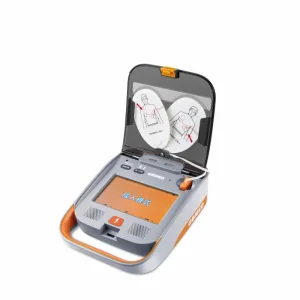
Developing next-generation training platforms using sensor technology and digital integration.
As the resuscitation training field evolves, we focus on introducing new digital features to enhance educational outcomes. Our engineering efforts center on key technological areas:
These advances help medical instructors monitor performance, log individual training metrics, and export certification data in compliance with international training guidelines.
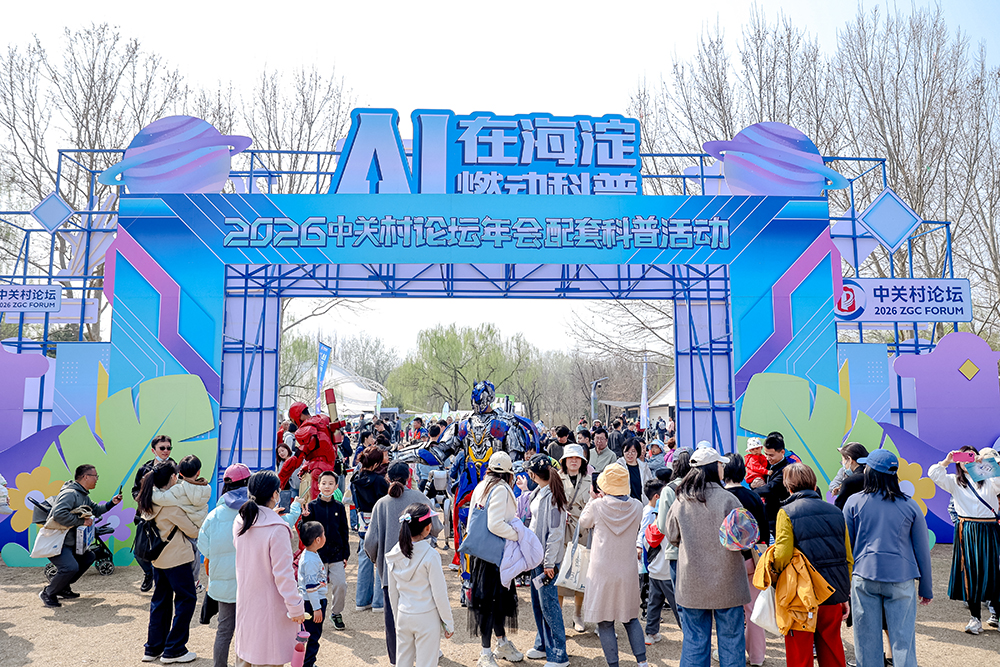
From campus training programs to national military exhibitions, Guanbang models support emergency readiness initiatives.
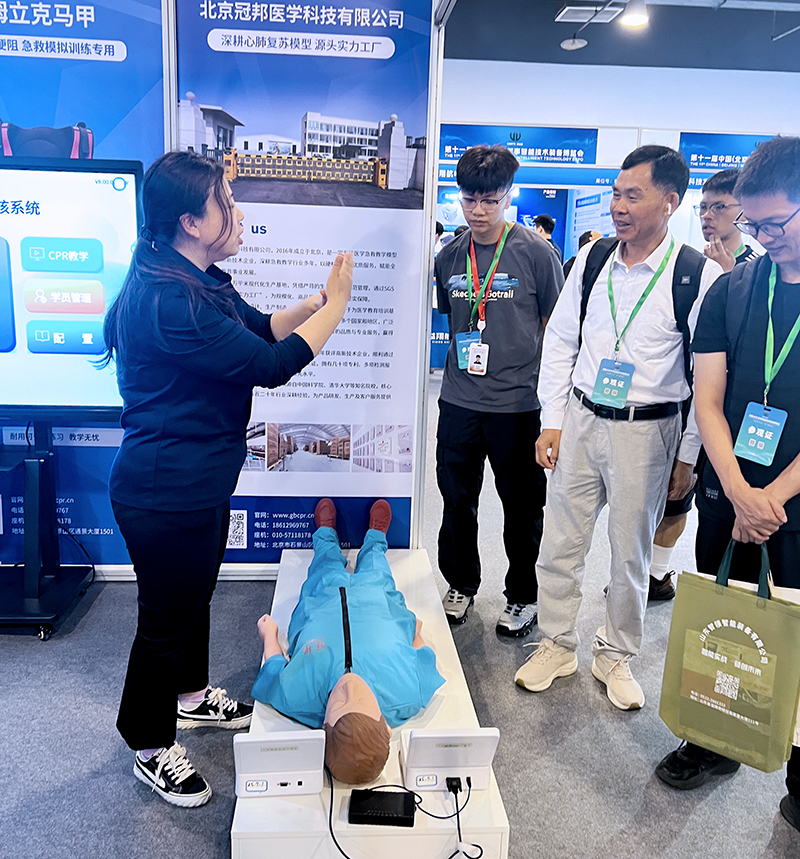
Guanbang presented practical emergency medicine simulators at the 11th China (Beijing) Military Intelligent Technology & Equipment Expo, showcasing solutions for tactical field care.
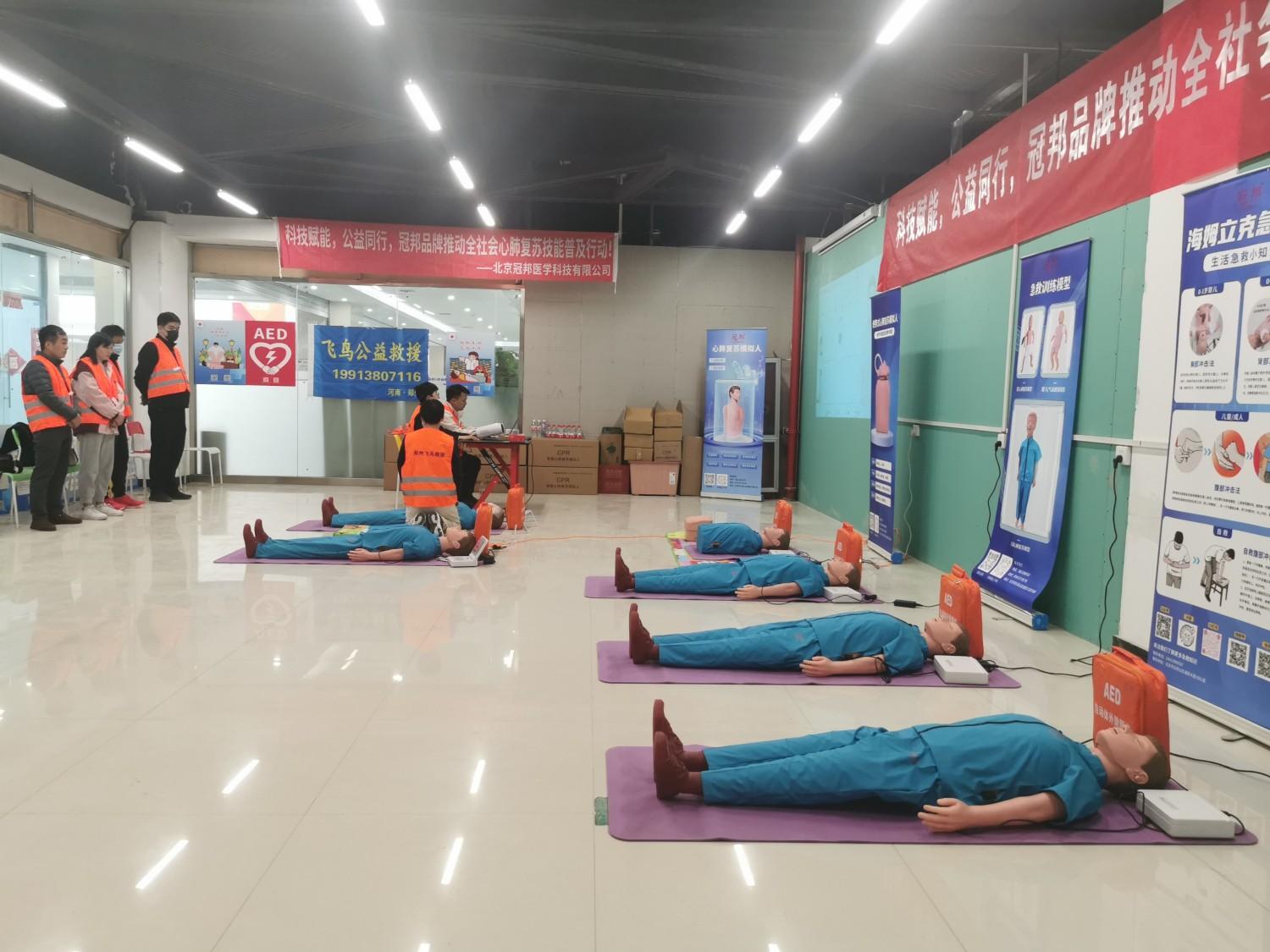
Collaborating with the Zhengzhou Feiniao Emergency Team, we equipped community centers with accessible CPR simulation units to support community CPR education.
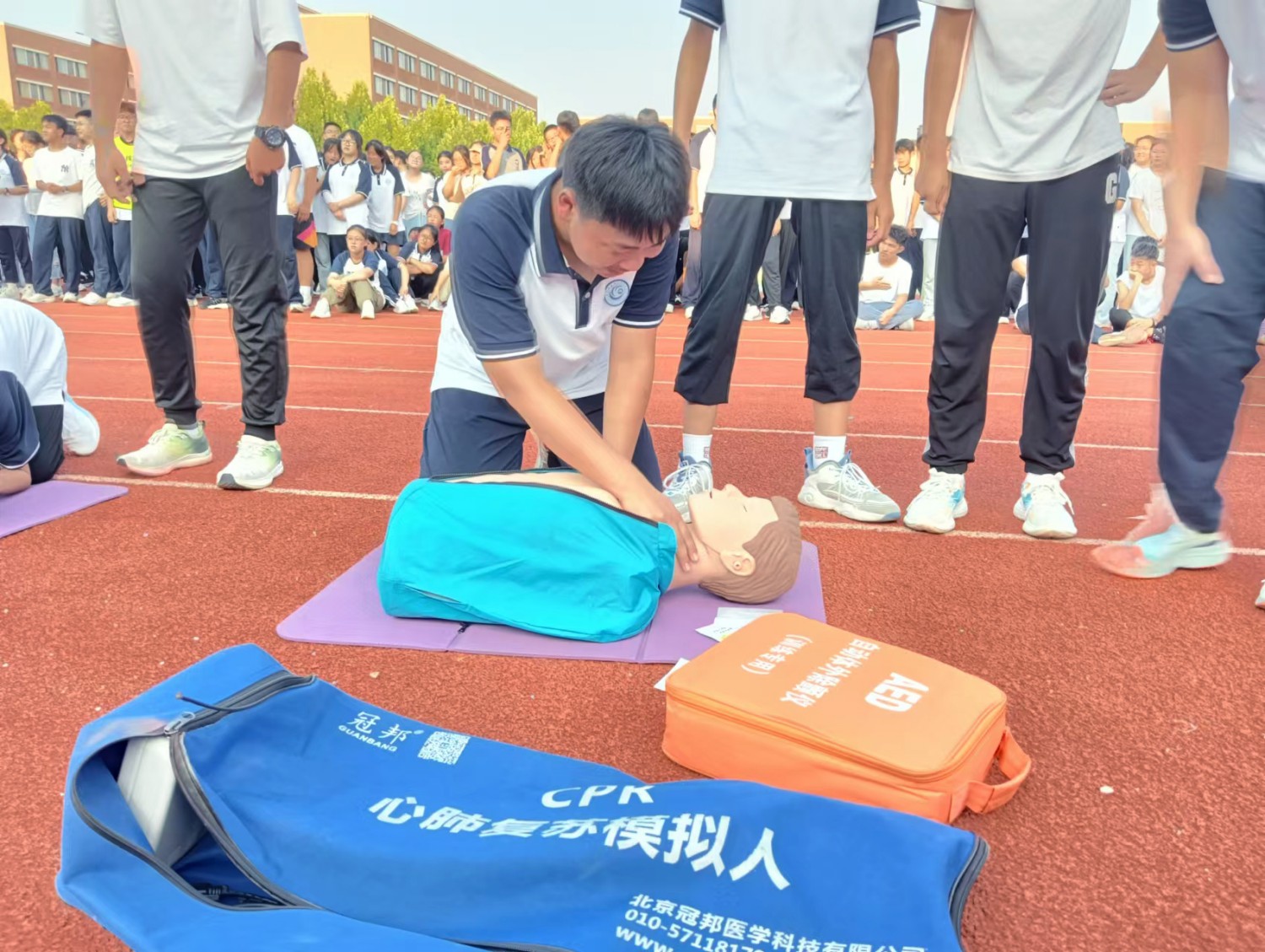
Guanbang's CPR simulation kits have been deployed in schools to train students in fundamental lifesaving procedures.
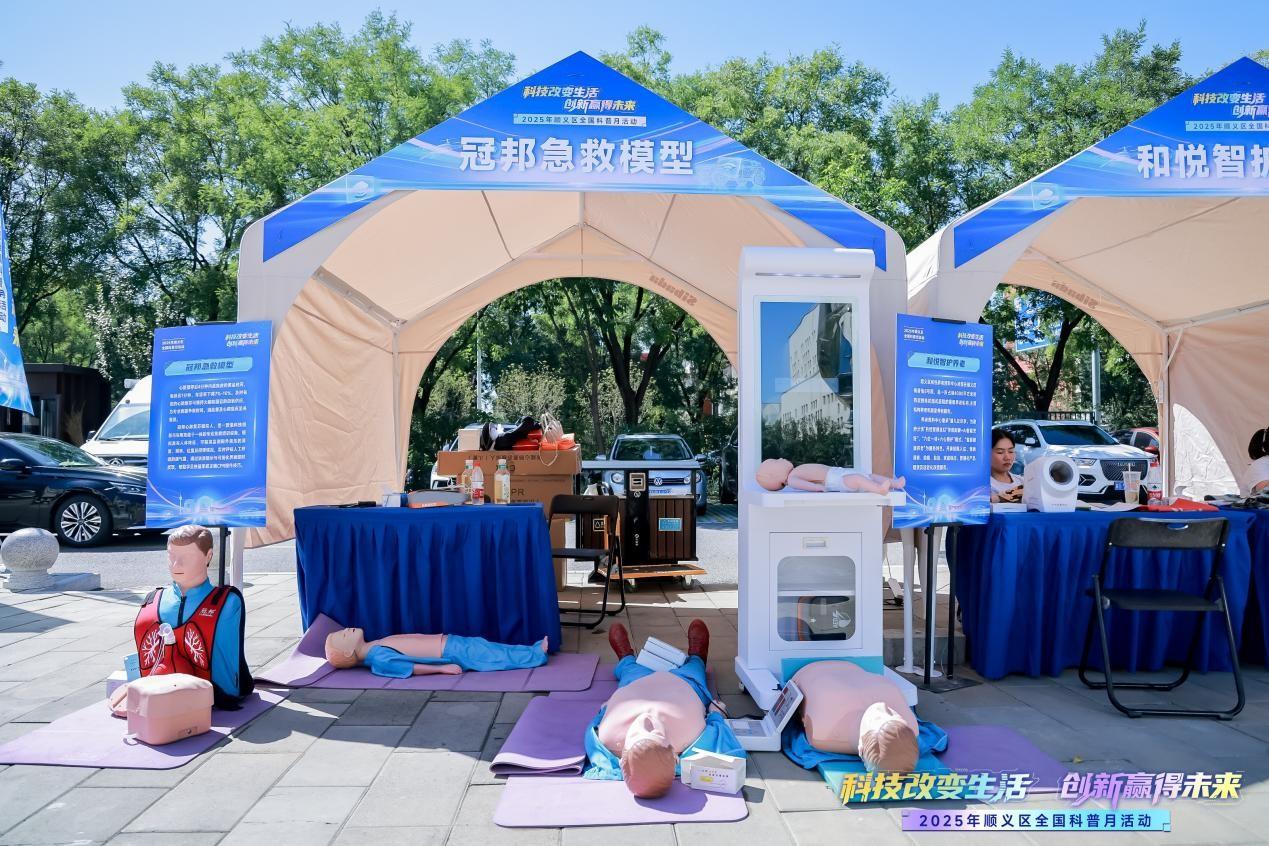
Our digital feedback models demonstrated the dynamics of compression and ventilation at the Shunyi Science Popularization Month.
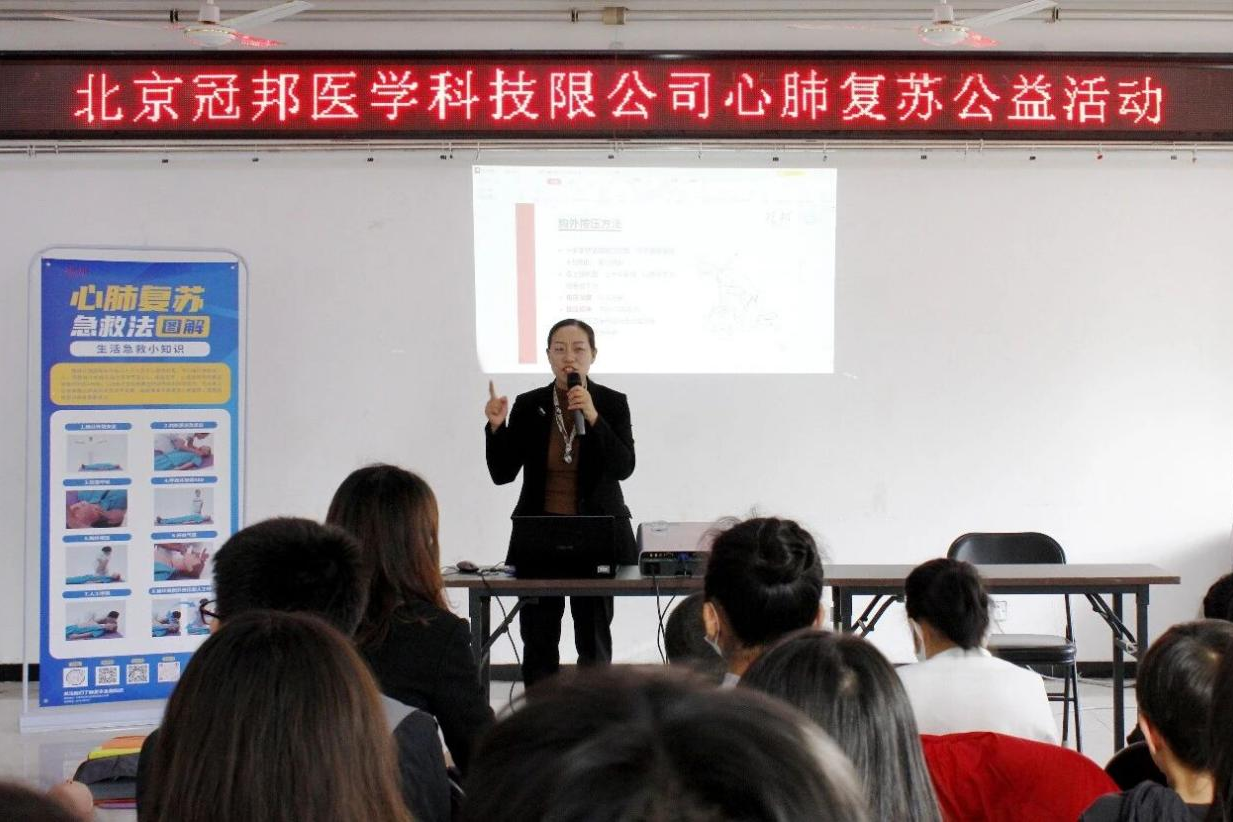
We organized family first-aid activities in Beijing neighborhoods to help teach emergency awareness across different age groups.
Common questions concerning customization, international standards compliance, and simulator maintenance.
Our AED training devices are designed solely for educational purposes. They mimic the interface, voice prompts, and operation of clinical AEDs, but contain no high-voltage circuitry. This allows students to practice pad placement and shock sequences safely in a classroom environment.
Yes. Our digital and touchscreen simulators can be programmed to follow different training standards, such as the American Heart Association (AHA) or European Resuscitation Council (ERC) guidelines. Instructors can adjust target compression depths (e.g., 5-6 cm) and ventilation ratios (e.g., 30:2) to match local protocols.
We use high-grade thermoplastic elastomer (TPE) and silicone polymers for our manikins' facial skins, chests, and limbs. These materials are chosen to mimic the elasticity and feel of human tissue while providing durability to withstand repeated compression and ventilation cycles.
Yes. As a direct factory, we offer OEM and ODM services. We can customize the simulator software interfaces, change voice prompt languages, apply custom branding to casing colors, and adjust anatomical specifications to meet local procurement needs.
With our 10,000 square meter factory and annual capacity of over 1,000,000 units, we can scale production for large institutional orders. Lead times range from 7 to 15 business days for standard items, and 20 to 35 business days for highly customized models.
Our manufacturing facility operates under an integrated management framework certified to ISO 9001 (Quality), ISO 14001 (Environmental), and ISO 45001 (Occupational Health & Safety). Our electronic simulators and training devices are also built to comply with CE and FCC safety standards.
 Guanbang Medical