Explore our elite selection of adult, pediatric, and infant emergency simulation systems built for clinical precision and intensive training.
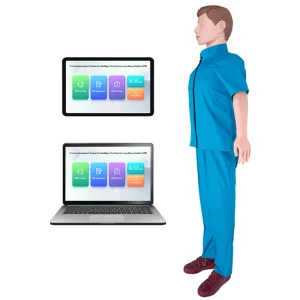
Advanced Adult CPR Training Model featuring real-time interactive feedback systems for cardiopulmonary calibration.
Explore Specifications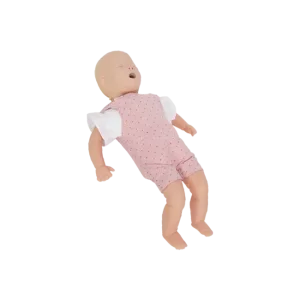
Specifically engineered for choking emergency response training, simulating real infant airway obstructions.
Explore Specifications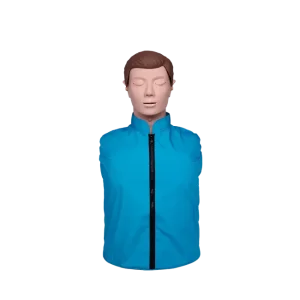
Built with realistic anatomical structures to comply fully with the latest international CPR guidelines.
Explore Specifications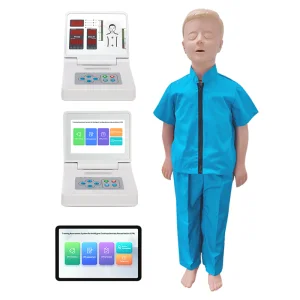
Advanced first-aid simulator targeting pediatric physiology and chest wall compliance metrics.
Explore Specifications
Cost-efficient training simulator with realistic chest expansion and anatomical landmarks for basic life support.
Explore Specifications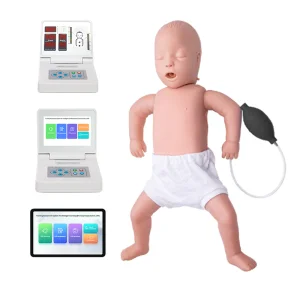
High-quality infant manikin designed for realistic ventilation and brachial pulse verification.
Explore Specifications
Anatomically precise custom pediatric simulator configured for advanced institutional emergency training solutions.
Explore Specifications
An essential pediatric choking simulator tailored for mass-market professional instruction and testing.
Explore SpecificationsIn accordance with the latest American Heart Association (AHA) and European Resuscitation Council (ERC) Guidelines, medical emergency training has transitioned from qualitative visual observation to quantitative sensor-based feedback. High-fidelity training models equipped with digital control systems allow instructors to monitor depth, recoil, and ventilation volume down to millimeter and milliliter scales.
Cardiovascular emergencies and sudden cardiac arrests (SCA) represent top global health concerns. Effective intervention within the "Golden Four Minutes" relies on highly trained first responders. To ensure preparedness, corporate sectors, healthcare facilities, and educational entities utilize simulated cardiopulmonary training. High-end simulators bridge the gap between theoretical knowledge and physiological reality. When combined with automated external defibrillator (AED) trainers, these models provide a complete basic life support (BLS) and advanced cardiac life support (ACLS) instructional ecosystem.
China's medical training simulator manufacturing sector has shifted from basic structural replication to advanced digital innovation. Chinese factories leverage robust localized industrial supply chains, advanced polymers, and specialized electronics to deliver medical simulators that match Western medical standards at competitive prices. Key advantages include:
Modern emergency preparedness spans multiple vertical sectors, requiring tailored simulation hardware configurations. Our products support several localized and institutional applications:
Integrating multi-manikin wireless networks with touch-screen controls allows instructors to simultaneously monitor up to 50 students. Digital logs record parameters like ventilation volume, compression rate, hand placement, and chest recoil to support standardized clinical testing.
Deploying portable CPR trainers alongside bilingual voice-guided AED simulation devices helps non-medical staff master life-saving skills quickly, building confidence for emergency situations.
Ruggedized, full-body manikins are designed to withstand challenging environments, simulating airway blockages, extreme environments, and sudden cardiac events under tactical field conditions.
The CPR and AED training equipment sector is transitioning toward smarter systems. Key shifts include:
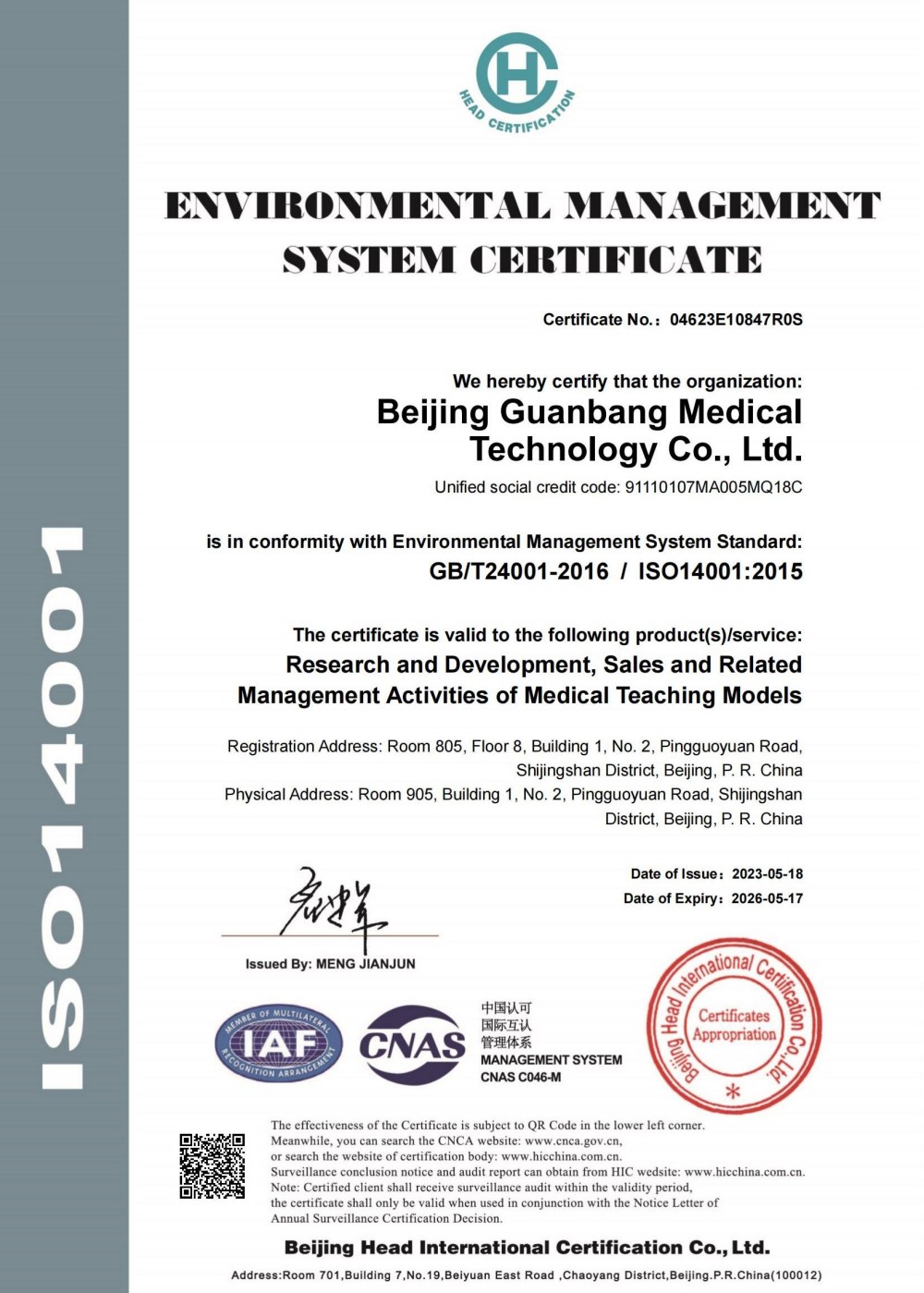
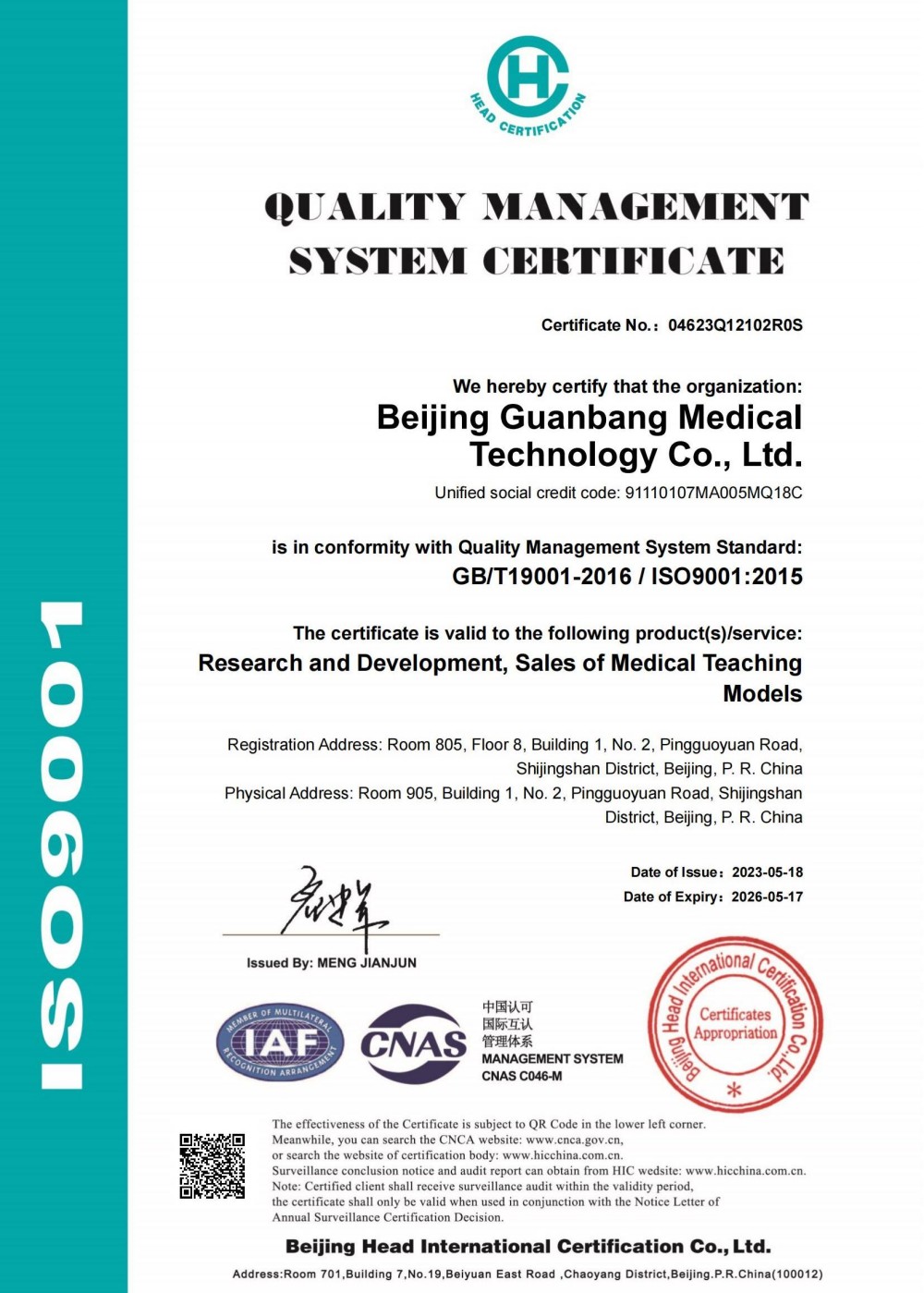
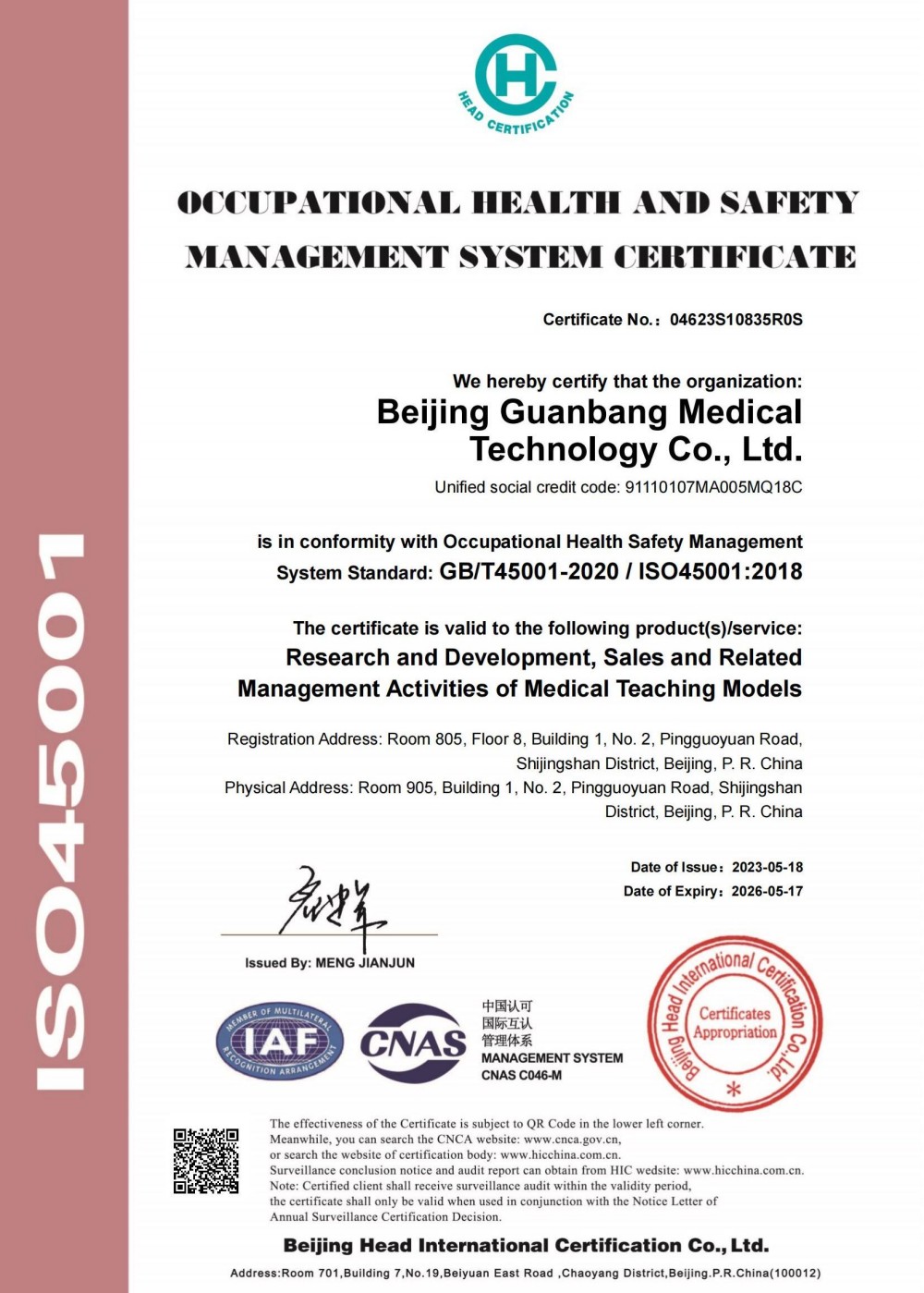
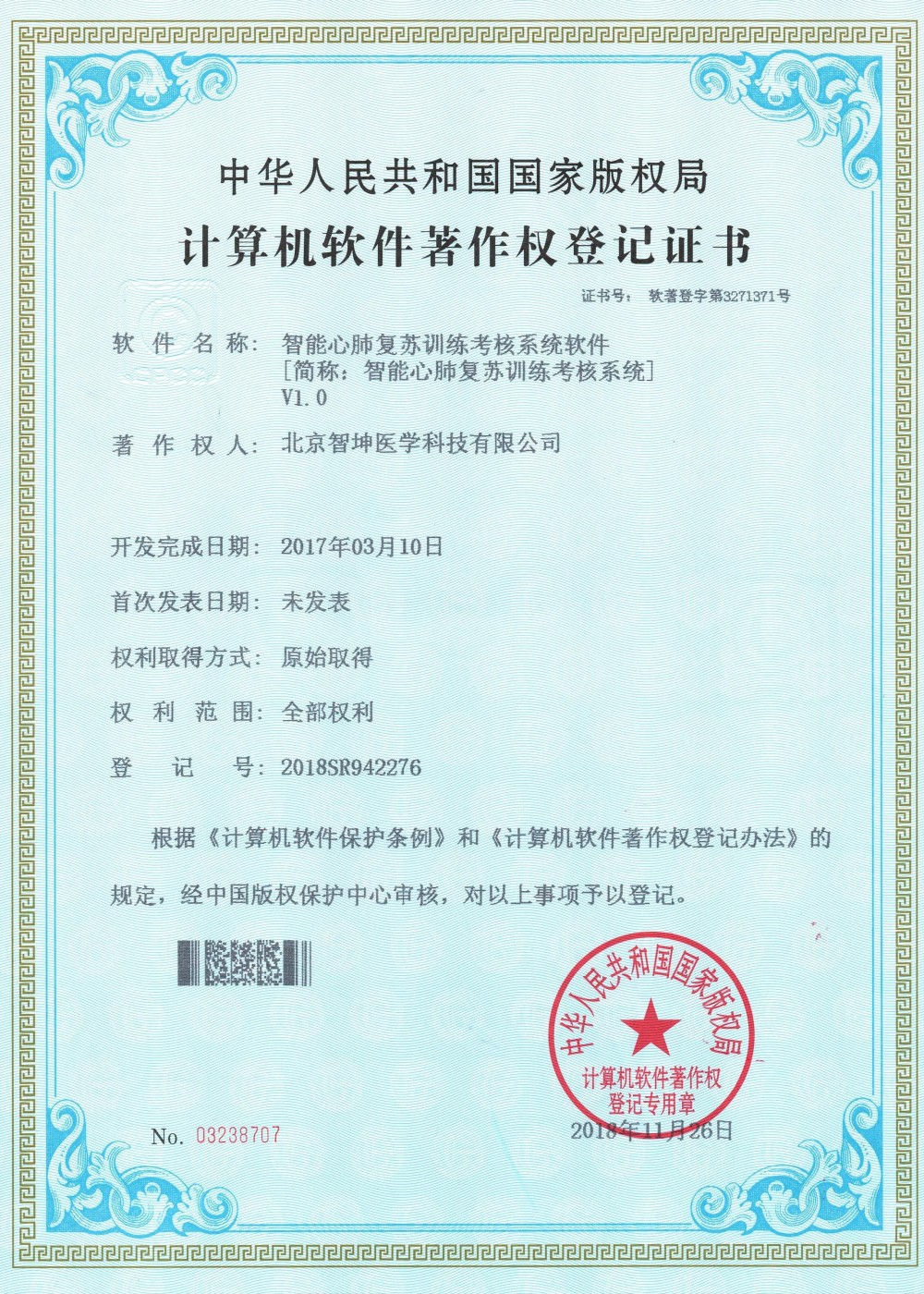
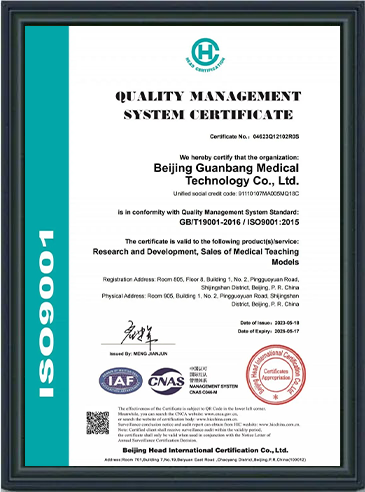
Founded in Beijing in 2016, we are an innovative medical simulator enterprise dedicated to R&D, design, manufacturing, sales, and global support.
Beijing Guanbang Medical Technology Co., Ltd. operates a modern 10,000-square-meter production facility. We manage the entire lifecycle of our products, from initial R&D and industrial design to advanced material processing and post-delivery support.
Our solutions serve healthcare institutions, universities, corporate offices, defense facilities, and civil response teams worldwide. Driven by technological innovation, Guanbang designs high-quality simulation models that meet international standards and cater to diverse educational needs.
With an experienced R&D team drawing expertise from institutions like the Chinese Academy of Sciences, Tsinghua University, and Beijing University of Technology, we provide comprehensive medical skills training models, including AED trainers, CPR manikins, and airway obstruction models.
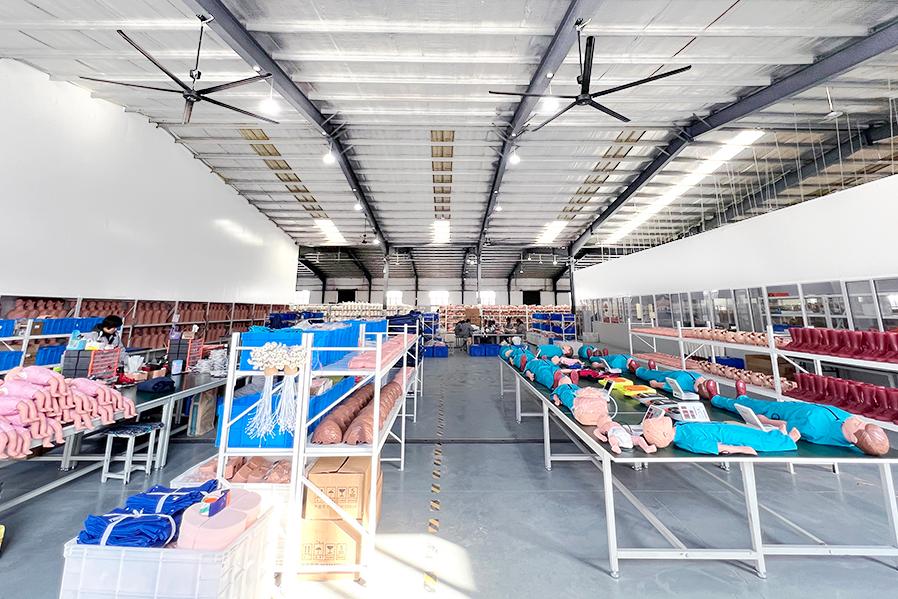
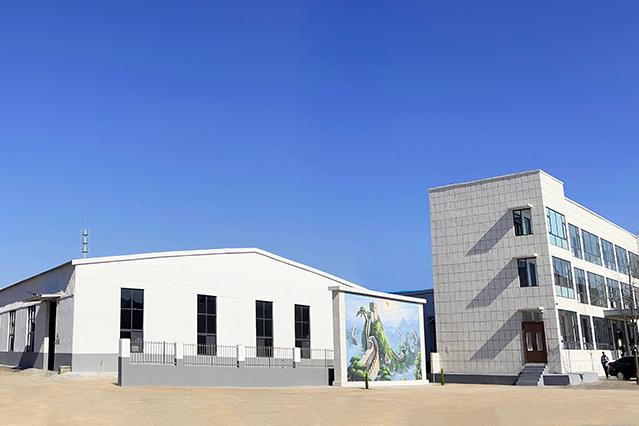
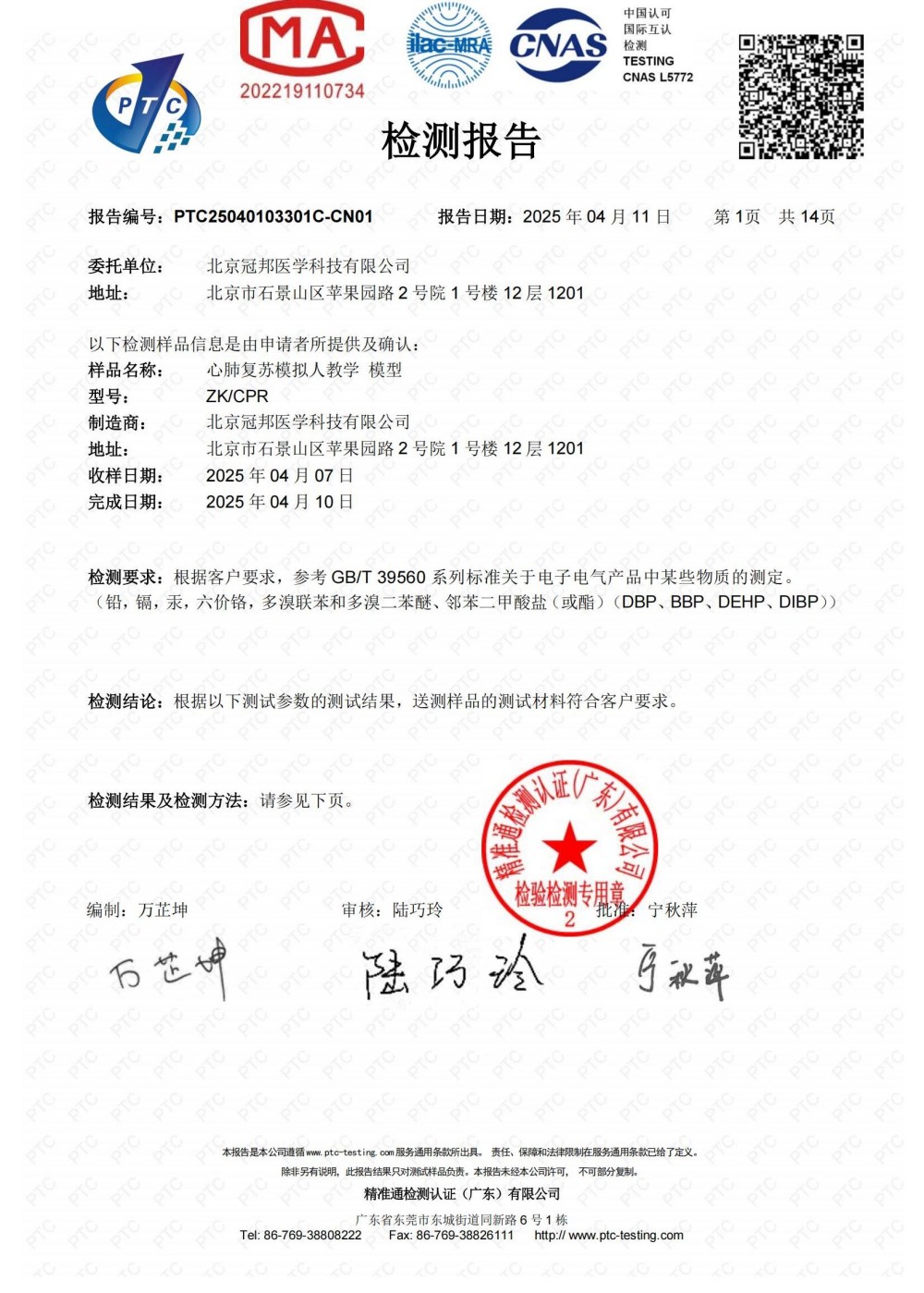
Guanbang in Action: Showcasing emergency technologies, driving science popularization, and supporting public safety initiatives.
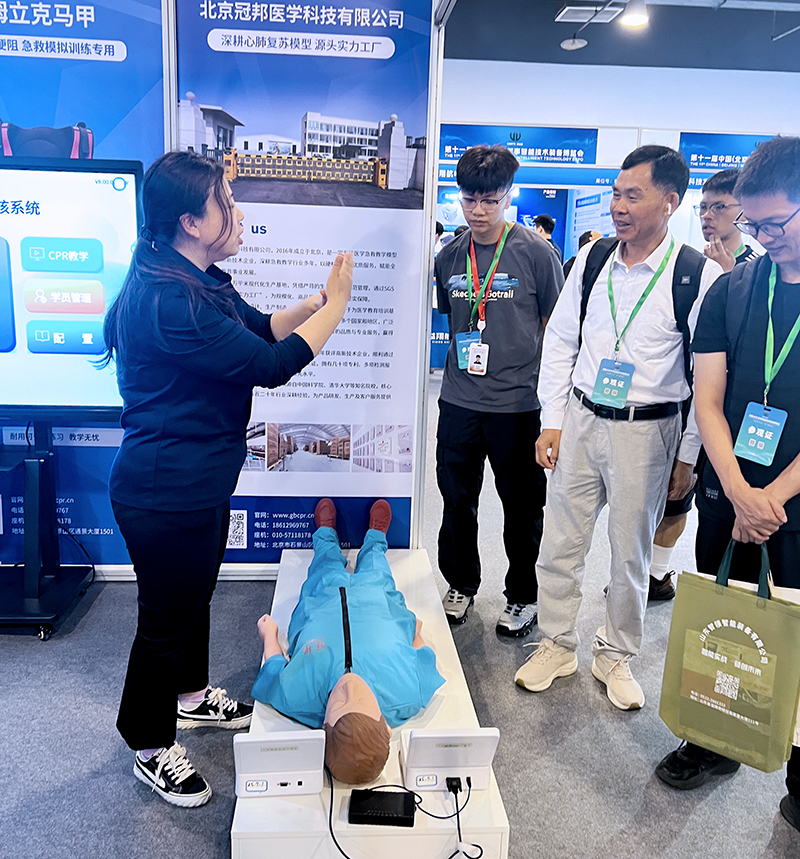
Highlighting our advancements in military emergency response models, tactical combat casualty care simulation, and high-fidelity rescue manikins at the Beijing National Convention Center.
Read Full Report →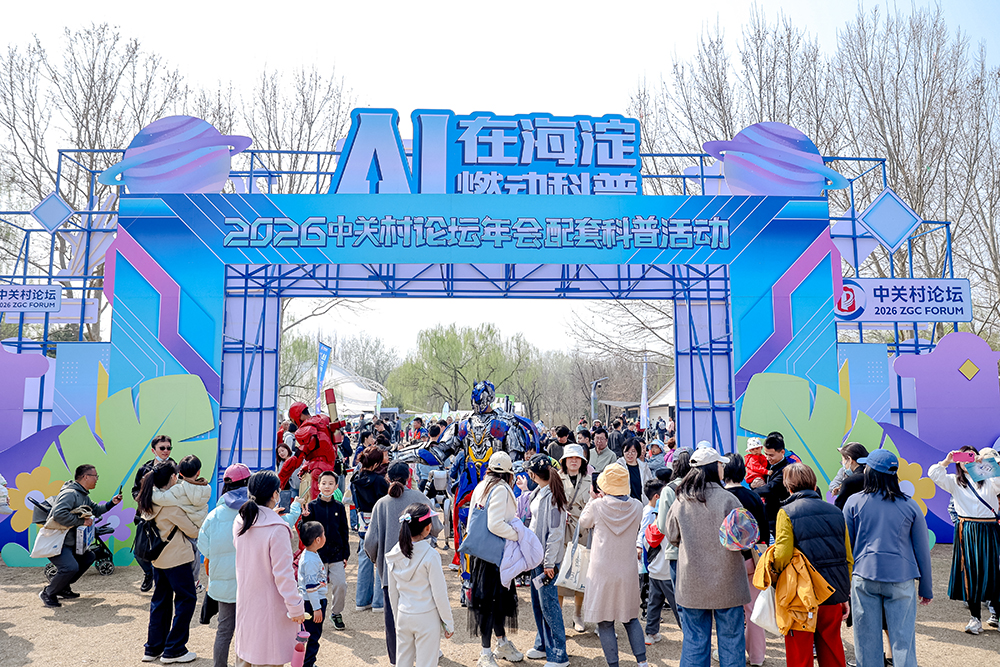
Showcasing software-enabled multi-functional CPR systems at the Zhongguancun Forum, demonstrating how software-driven simulation improves training outcomes.
Read Full Report →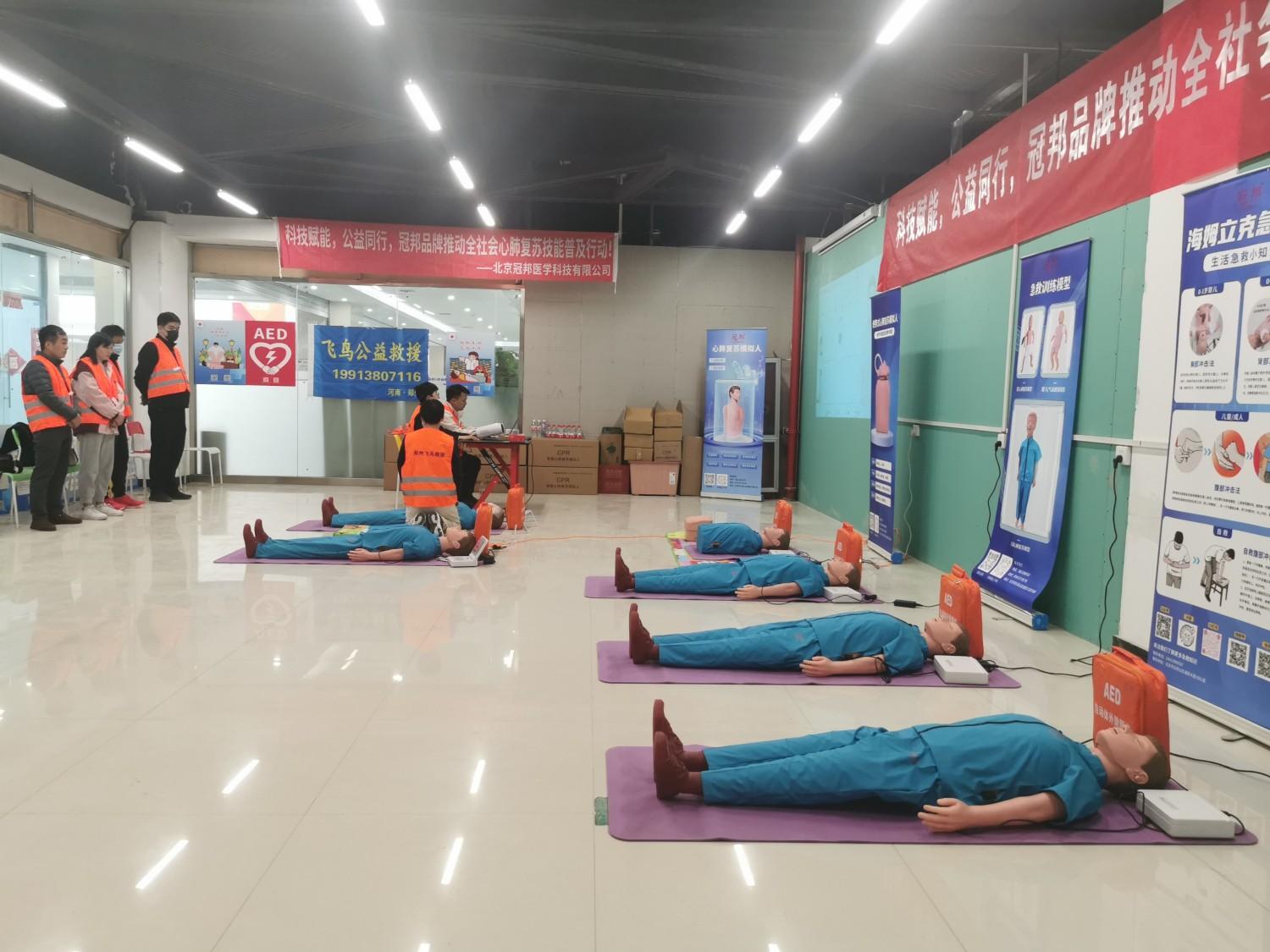
Partnering to establish a public welfare CPR experience center to raise emergency preparedness and first-aid awareness in the community.
Read Full Report →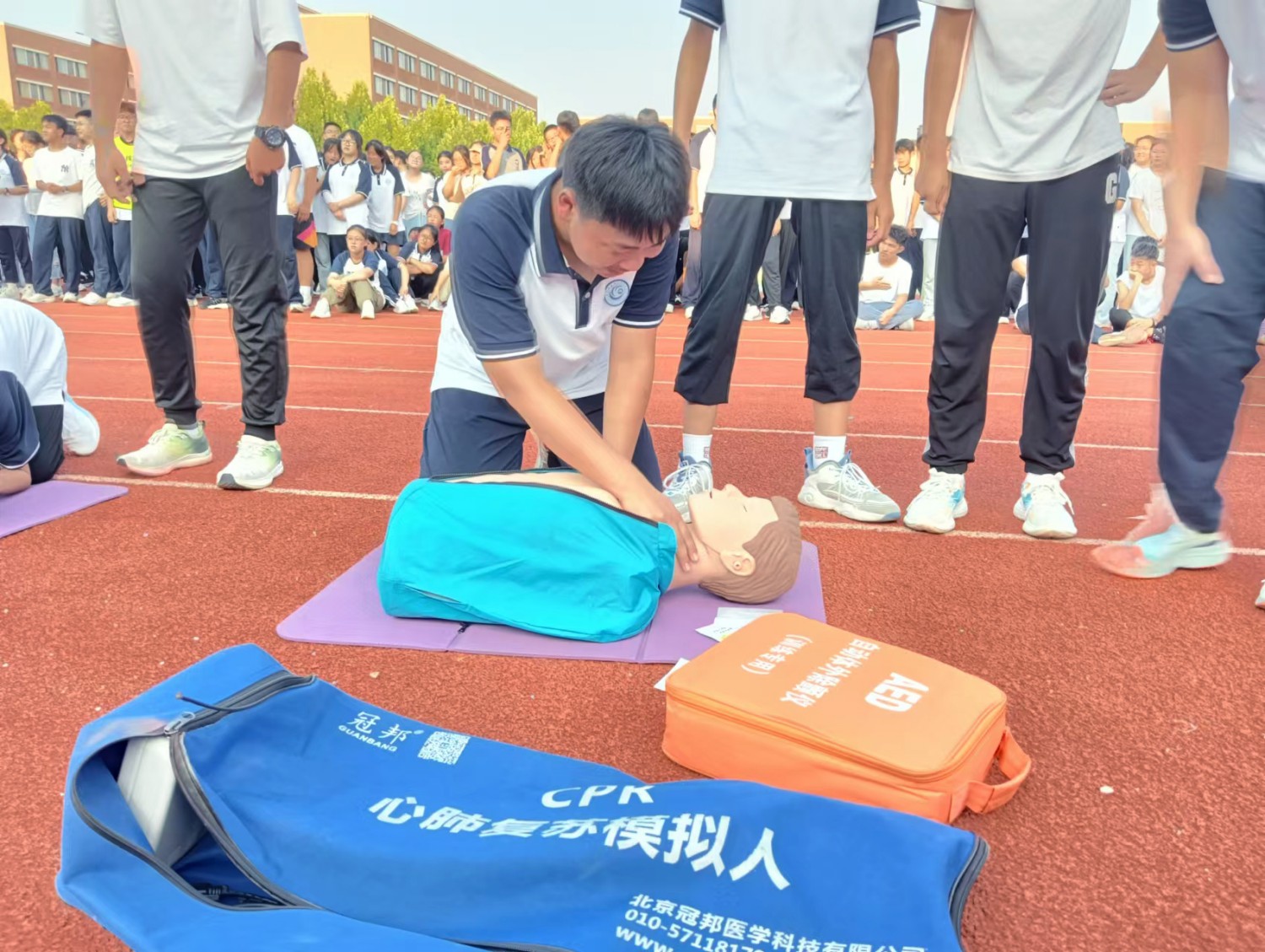
Supplying advanced CPR simulators to educational institutions to help students and faculty build essential lifesaving skills.
Read Full Report →High-fidelity simulators featuring interactive digital touchscreens, custom control software, and realistic choking trainers.
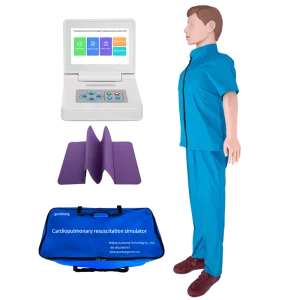
Equipped with a color touch-screen display to show real-time metrics for compression depth, frequency, and recoil.
Explore Specifications
A durable, high-performance trainer engineered for high-frequency use in first-aid academies and medical schools.
Explore Specifications
Fully customizable software-integrated manikin built for specialized medical training center curriculums.
Explore Specifications
A cost-effective pediatric training model designed for large-scale school and community safety programs.
Explore Specifications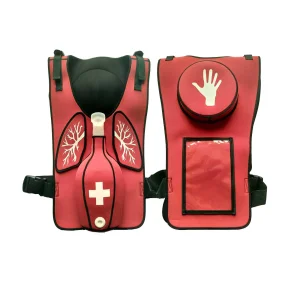
A training vest designed for practicing the Heimlich maneuver safely and realistically.
Explore Specifications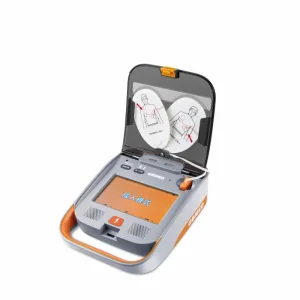
A simulated external defibrillator with voice prompts and pre-programmed rescue scenarios for medical colleges.
Explore Specifications
A professional manikin calibrated to AHA chest-compression depth and recoil specifications.
Explore Specifications
A cost-effective training model featuring basic cardiopulmonary chest expansion and anatomical reference points.
Explore SpecificationsWhen procurement managers evaluate AED first-aid trainers and CPR certification manikins, they must assess factors beyond product pricing. Global buyers should prioritize the following compliance and engineering standards:
Ensure the equipment supports current AHA and ERC protocols. The software should allow configurations for compression depth (5–6 cm for adults) and rate (100–120 compressions per minute).
To prevent cross-contamination, training manikins should feature replaceable lung bags and cleanable facial skins. Durable airway valves help maintain safety during multi-student training sessions.
Select manufacturers that offer custom options. This includes multi-language system software, localized voice prompts, custom color options, and specialized accessories for diverse training scenarios.
For high-frequency training programs, request manikins made with TPE (Thermoplastic Elastomer) skin. TPE is more resistant to tears, ozone, and typical wear than PVC-based models, helping to extend the lifecycle of your training assets.
Expert answers regarding compliance, shipping, custom options, and technical support for international buyers.
Yes. Our advanced CPR and AED simulation systems align with the current guidelines published by the American Heart Association (AHA) and the European Resuscitation Council (ERC). The training software monitors and scores depth, recoil, and ventilation speed against these specific clinical targets.
We provide full customization, including custom branding, proprietary software integration, and multilingual voice prompts. We can also modify the physical structure, chest resistance, and sensor sensitivities to fit your training programs.
Our simulators use internal optical and pressure sensors to track physical compression down to the millimeter. Airway sensors measure chest expansion, sending this data to a digital control panel or computer software for instant feedback.
Standard models typically ship within 15–20 business days for container-load orders. Custom OEM/ODM designs may take 30–45 days depending on the specifications. We offer air, sea, and express shipping options with full tracking documentation.
Yes. We provide software support, including firmware updates when international guidelines change. Our engineering team assists with setup, sensor calibration, and troubleshooting via video call or email.
We use premium Thermoplastic Elastomers (TPE) and medical-grade silicone for the head and chest skins. The internal mechanics feature high-tensile spring steel and reinforced polymers to withstand repeated compression training cycles.
 Guanbang Medical