Select high-performance emergency simulation products. Compliant with AHA Guidelines, engineered with precise feedback arrays, and configured for institutional deployments worldwide.
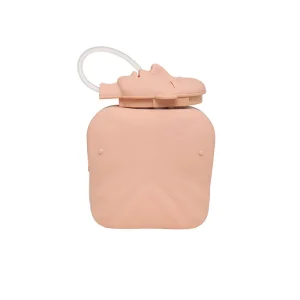
An AHA compliant resuscitation model designed for high-portability and field operations, optimizing chest compression depth and ventilation metrics.
View Details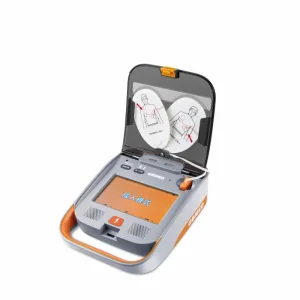
Essential BLS training equipment supporting multiple preset emergency scenarios, complete with voice instructions and patch position recognition.
View Details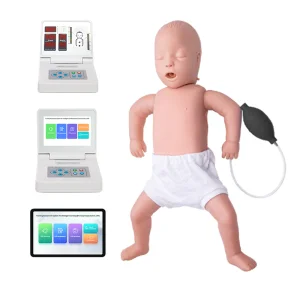
Highly detailed pediatric model featuring realistic chest compliance, anatomical landmarks, and airway obstruction simulations.
View Details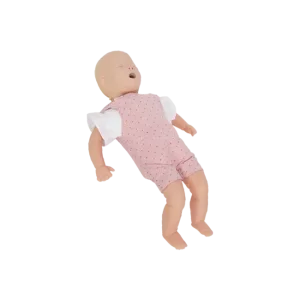
Precision training model for anti-choking and Heimlich maneuvers in infants, complete with back-blow and chest-thrust features.
View Details
Customizable portable cardiopulmonary resuscitation model designed for high-throughput institutional training clinics.
View Details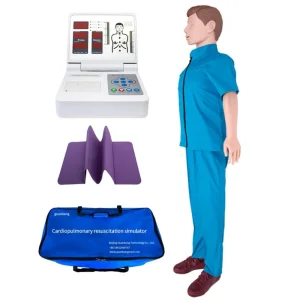
Features a robust digital interface for real-time visualization of compression depth, speed, and ventilation parameters.
View Details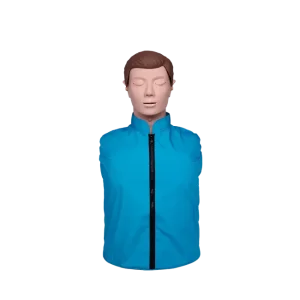
Institutional-grade adult resuscitation training model with durable internal mechanical frameworks and anatomical realism.
View Details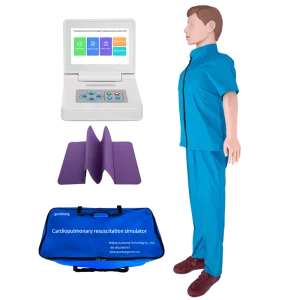
High-end medical simulation model incorporating a capacitive color touch-screen controller for instant scoring and statistics.
View DetailsThe global landscape of emergency medicine and clinical training is undergoing a seismic shift. Basic Life Support (BLS) training is transitioning rapidly from passive anatomical models to sensor-rich, feedback-driven cyber-physical systems. This progression is dictated by the continuous updating of guidelines from the American Heart Association (AHA) and the European Resuscitation Council (ERC), which prioritize high-fidelity compression accuracy.
Modern manufacturers are integrating digital interfaces, capacitive touch screens, and smart algorithm processing to analyze the physics of cardiopulmonary resuscitation. Real-time feedback systems track depth down to the millimeter (the crucial 5cm–6cm threshold) and rate metrics (100–120 compressions per minute), giving students immediate biological and mechanical calibration. This technological evolution ensures that survival rates in out-of-hospital cardiac arrest (OHCA) continue to climb as trainees transition from theory to muscle memory with extreme accuracy.
Institutional buyers, EMS departments, and university simulation centers require models that reduce total cost of ownership (TCO) while offering robust software updates that align with international resus guidelines.
Compliance is non-negotiable. Simulators must support exact chest resistance profiles, appropriate rib-recoil simulations, and electrical safety ratings required for worldwide distribution.
Multi-manikin monitoring systems now allow a single instructor to manage and evaluate up to dozens of trainees simultaneously via centralized, cloud-connected interfaces.
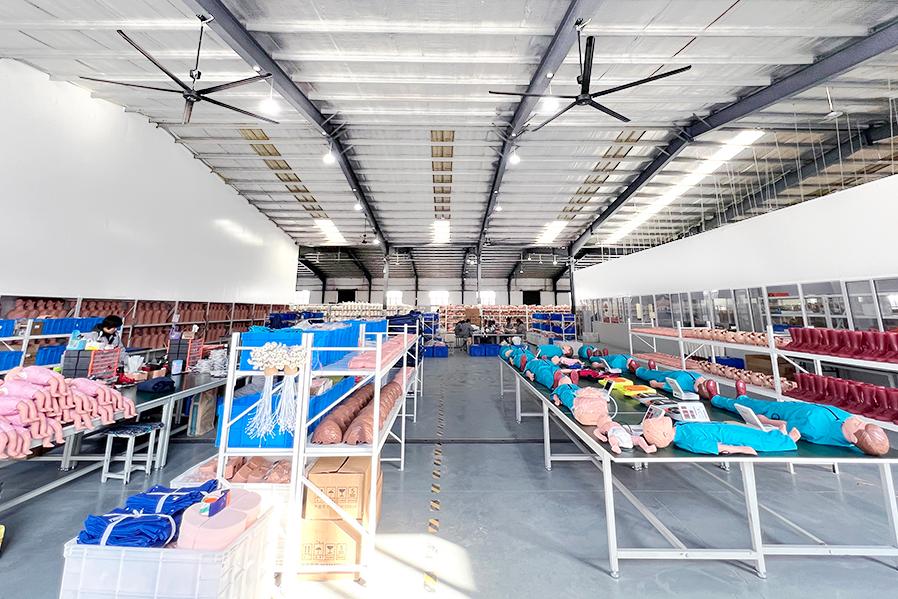
In the arena of medical simulators, China's modern manufacturing sector has transitioned from assembly-line production to high-tech Factory 4.0 integration. The ecosystem combines advanced materials science (such as non-toxic, skin-textured thermoplastic elastomers) with advanced electronic sensor engineering.
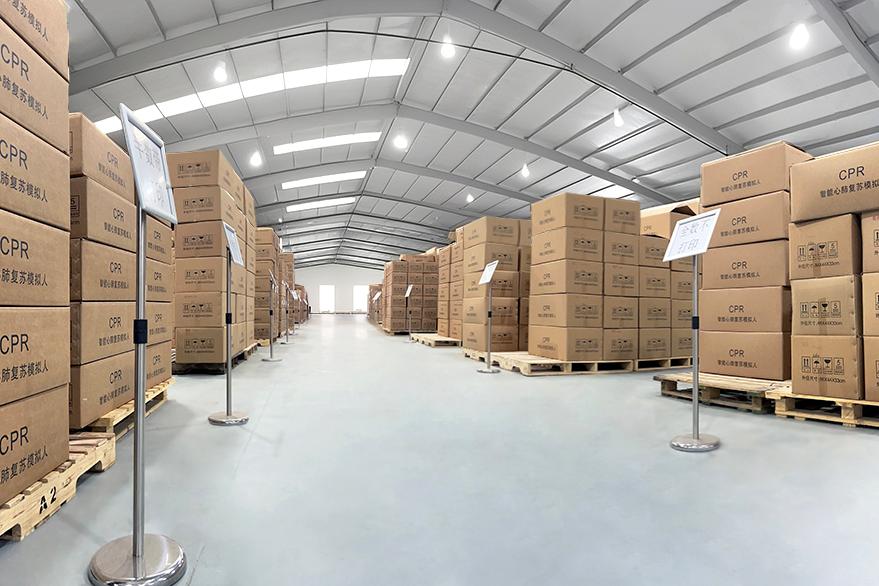
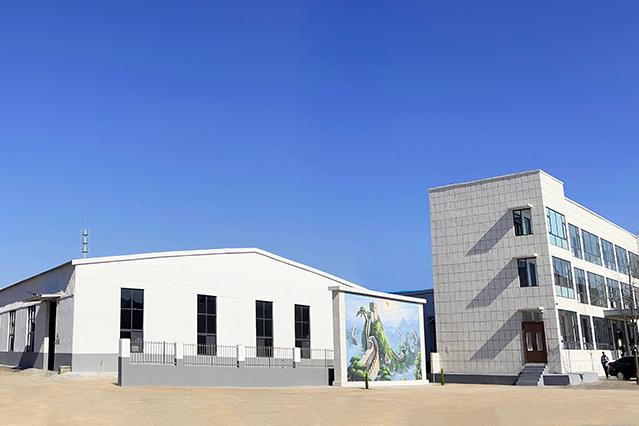
This clustering of technology allows manufacturers to pivot designs rapidly. At Guanbang's 10,000-square-meter facility, integration between the R&D divisions and tooling workshops ensures that updates to mechanical valves, electronic controllers, or AED programming occur seamlessly. This localized agility guarantees robust supply chains, keeping production volumes scalable and costs highly competitive for the global market.
Founded in the innovation hub of Beijing in 2016, Beijing Guanbang Medical Technology Co., Ltd. has established itself as an authoritative manufacturer of medical simulation products. We integrate research, design, precision engineering, sales, and global support under one banner.
Our core research team holds advanced master's and doctoral credentials from elite institutions, including the Chinese Academy of Sciences, Tsinghua University, and the Beijing University of Technology. Decades of combined experience in biomechanical engineering and computer science drive our product updates.
Leveraging independent intellectual property, we have introduced innovations in mechanical rib resistance, micro-sensor accuracy, and integrated wireless communication systems. This ensures that every adult, pediatric, or infant trainer performs consistently under the pressures of repetitive student utilization.
Our products are regularly deployed in rugged military training setups where portable CPR simulators are subjected to realistic stress-testing. Tactical units use these models to build muscle memory under tough simulated conditions.
Universities and medical colleges rely on our color touch-screen simulators to grade students objectively, using integrated software outputs to log compliance data for student records.
We actively partner with emergency response teams to support public CPR awareness campaigns, helping non-clinical users learn essential life-saving skills using basic sound-prompted models.
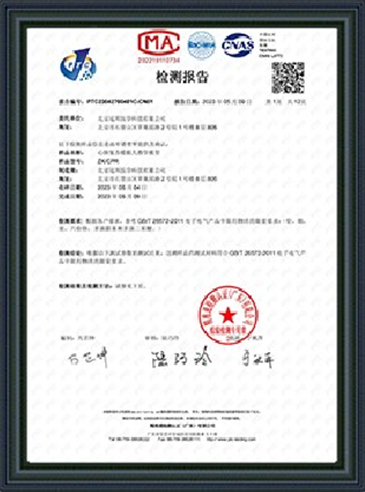
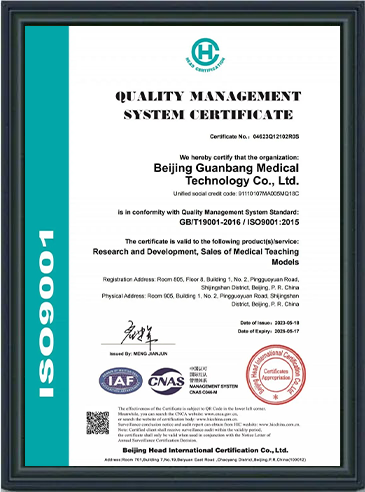
We maintain a comprehensive suite of certificates in environmental compliance, quality systems (ISO), and health & safety protocols, backed by software copyrights and design patents.
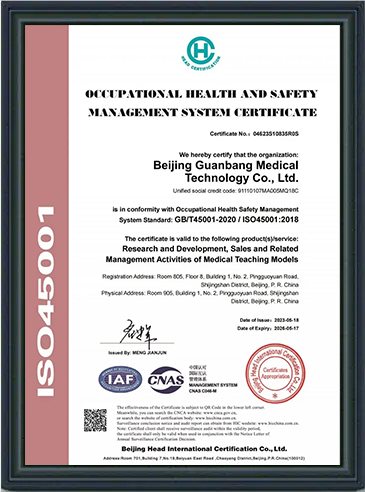
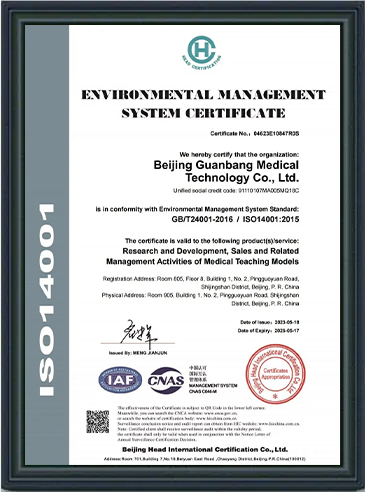
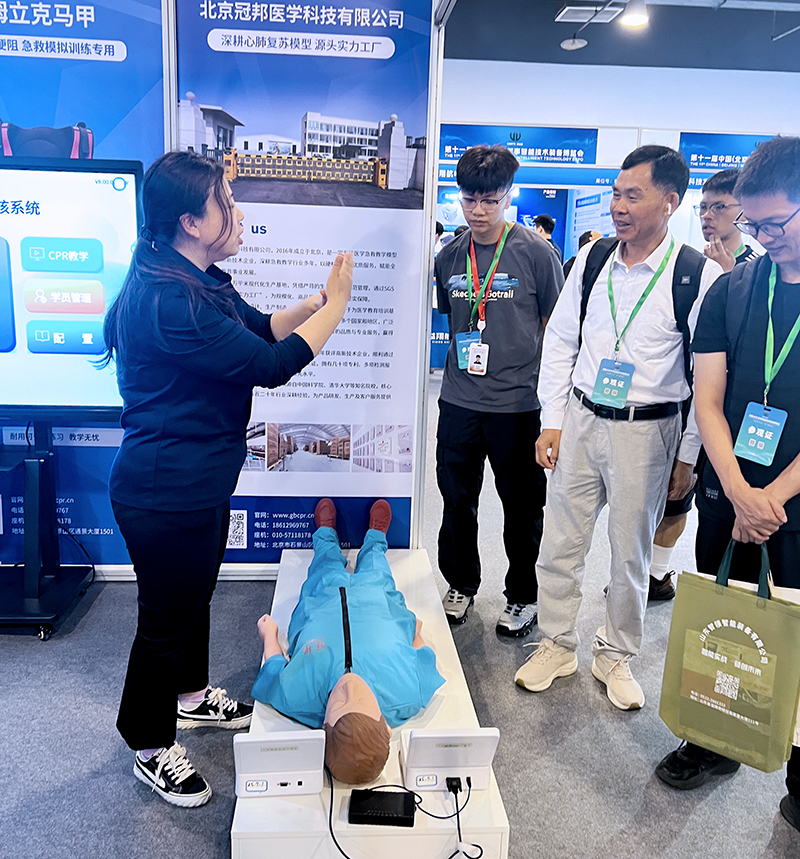
Guanbang demonstrated its high-fidelity medical skills training simulators, highlighting its advanced software-connected training systems. The event showcased how modern telemetry models are integrated into defense emergency preparedness programs.
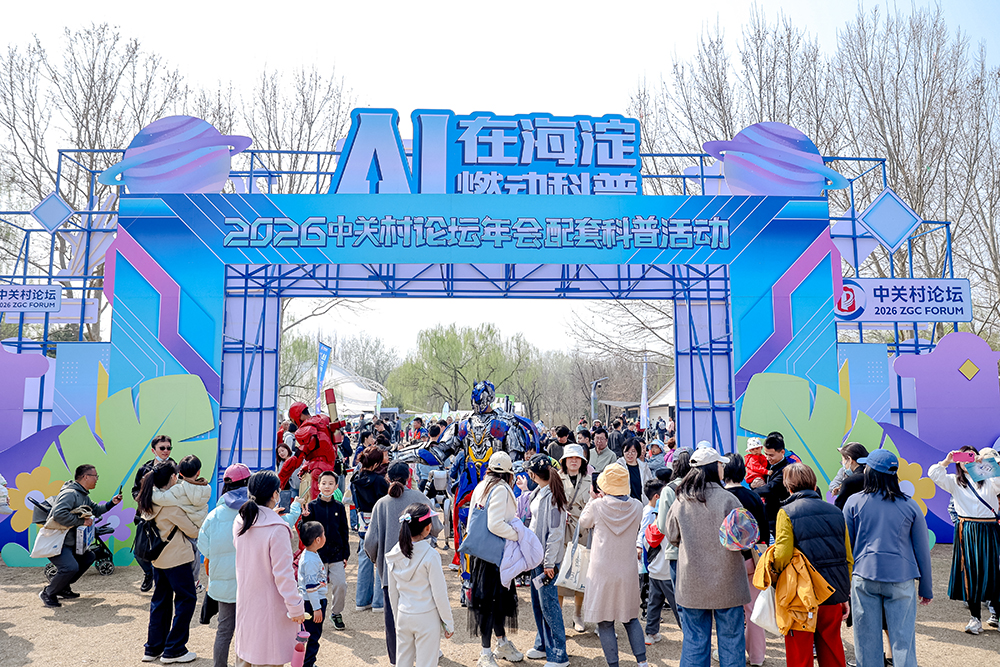
Showcasing one-to-many CPR simulator systems, Guanbang demonstrated how integrated software allows a single instructor to manage multi-station training. The presentation highlighted how smart technology supports larger community first-aid training initiatives.
Answers to critical questions regarding BLS mannequin standards, compliance, and international procurement logistics.
Explore specialized airway management, Heimlich vests, and digital feedback training models engineered to meet international safety certifications.
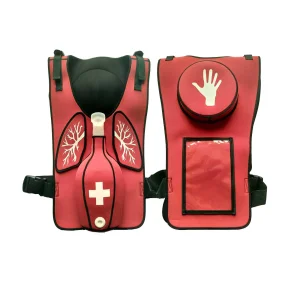
A wearable trainer allowing realistic practice of abdominal thrusts. Expels object when the correct technique and compression force are applied.
View Details
Designed for pediatric first-aid clinics, this model simulates realistic airway dynamics, chest resistance, and vital signs.
View Details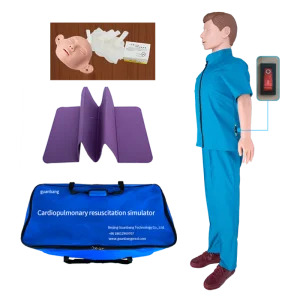
Cost-efficient training option equipped with real-time vocal guidance, assisting trainees through proper rhythm and depth parameters.
View Details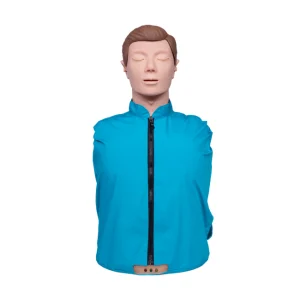
Features localized LED indicators directly on the mannequin shoulder to display compression speed and depth feedback without external screens.
View Details
Engineered for high-volume public training classes, featuring integrated feedback indicators and a durable mechanical frame.
View Details
An essential model for pediatric BLS courses, designed to teach back blows and chest thrusts for foreign body airway obstruction.
View Details
High-specification cardiopulmonary training model that integrates with computer systems for detailed performance tracking.
View Details
Professional AED training system configured for medical colleges, providing realistic audio prompts and simulated shock delivery.
View Details Guanbang Medical