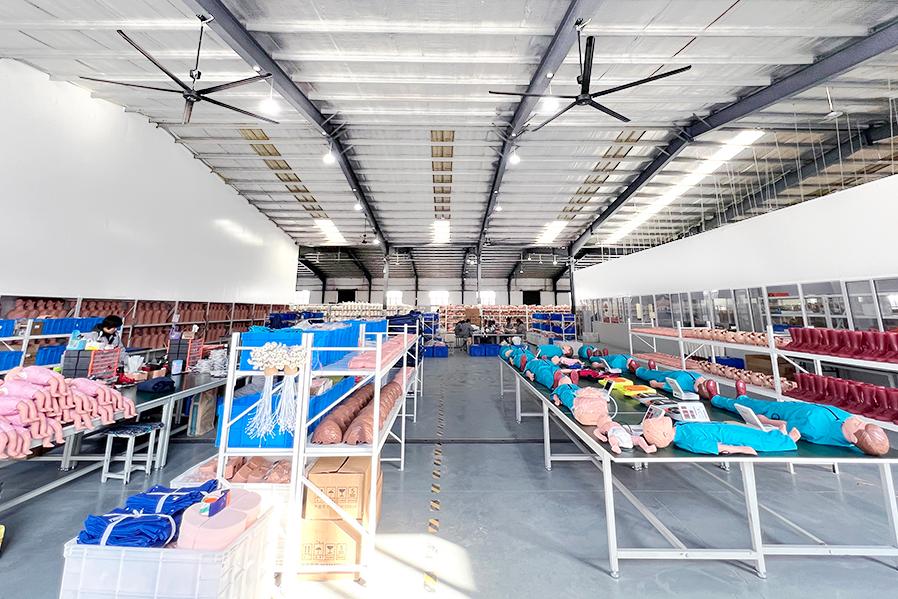
Explore our top-tier manufacturing line designed to comply with global AHA and emergency response standards.
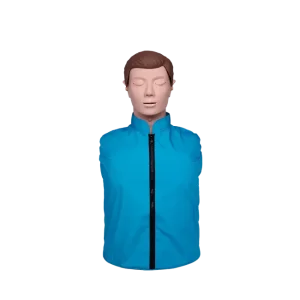
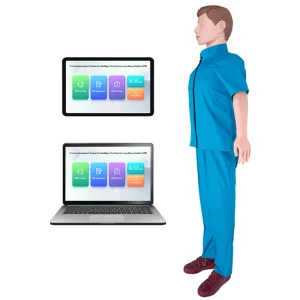
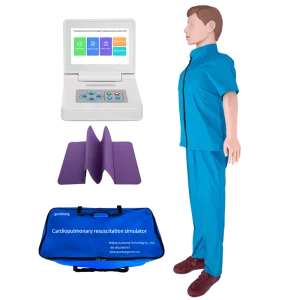
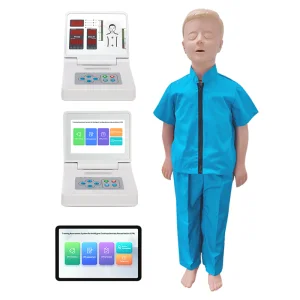
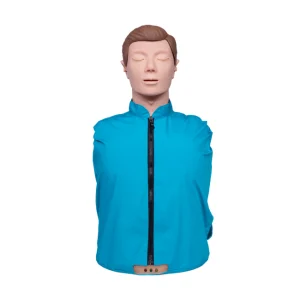
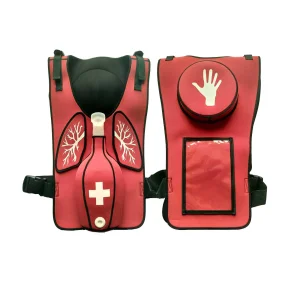
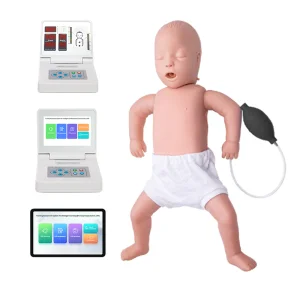
Empowering Emergency Resuscitation and Airway Obstruction Training Internationally Since 2016.
Beijing Guanbang Medical Technology Co., Ltd. is an innovative enterprise founded in Beijing in 2016. Our comprehensive business encompasses research and development, design, manufacturing, sales, and service, dedicated to providing high-quality simulation training models and services for medical education and training institutions. The company operates a modern, certified production base covering an area of approximately 10,000 square meters. By integrating state-of-the-art mold design, material processing technologies, and rigorous quality control protocols, we have established a complete business system that covers the entire pipeline from initial blueprinting to post-sales engineering support.
Our simulation platforms are distributed globally, serving thousands of healthcare institutions, universities, public safety structures, corporate facilities, and defense academies. With superior material properties, interactive sensor integrations, and realistic anatomical accuracy, we have earned widespread acclaim, establishing a stable, loyal client base across European, American, Middle Eastern, and Asian markets.
Foreign body airway obstruction (FBAO) remains one of the leading causes of preventable accidental deaths worldwide. While Cardiopulmonary Resuscitation (CPR) training has achieved massive global adoption, specialized physical training for choking emergencies, specifically the Heimlich Maneuver and Self-Heimlich Maneuver, has historically suffered from low retention rates and insufficient training depth. In response to this market need, medical simulation technology has evolved to present accurate, biomechanically realistic simulators that allow first responders, trainees, and the general public to practice life-saving thrusts without the risk of injuring live subjects.
This industry whitepaper explores the macro-economic environment of first-aid simulation production, the mechanical and sensory innovations behind high-fidelity choking models, global compliance standards (including AHA guidance), and a detailed breakdown of how procurement departments can source reliable, cost-effective training products directly from elite manufacturers like Beijing Guanbang Medical Technology.
“Information Gain in Emergency Logistics: By transitioning from static plastic mannequins to pressure-sensitive, software-connected simulators, training centers report a 400% increase in trainee force accuracy retention during real-world choking interventions.”
The market for emergency medical training simulators has experienced an annual growth rate of over 8.5% in recent years. This growth is driven by tightening labor regulations, mandatory first-aid certifications for educational and industrial workforces, and the rising awareness of public safety protocols in schools, factories, and residential areas. Specifically, the demand for "cheap self Heimlich factories" points to an essential shift: buyers are seeking high-efficiency, cost-effective manufacturing processes that deliver reliable, certified equipment without the premium brand markups typical of legacy Western suppliers.
Operating a 10,000 square meter factory in Beijing enables Guanbang to optimize production schedules and materials, achieving an annual manufacturing capacity exceeding one million units.
Direct access to regional raw material supplies (specialized silicone, thermoplastic elastomers) lowers the cost per unit, making life-saving tools globally accessible.
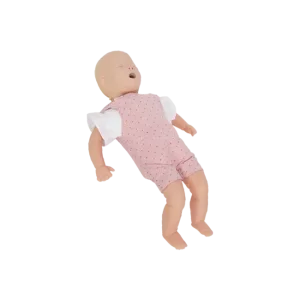
In this industrial landscape, China-based factories play an indispensable role. By coupling automated injection molding with specialized hand-finishing techniques, manufacturers can offer highly durable models—such as the Choking Emergency Response Training Vest and Infant Airway Infarction Models—at a fraction of the cost of traditional European and North American distributors, without compromising anatomical validity.
Choking hazards target two primary demographics: pediatric and geriatric populations. For toddlers, physical objects (such as toys and food pieces) present frequent challenges due to narrow airway geometry. For seniors, dysphagia (swallowing difficulties) and reduced neuromuscular control create a high frequency of aspiration. The macro solution implemented by public health organizations and safety boards is to establish simulation-based training centers in educational institutions, nursing homes, and high-risk commercial areas like restaurants.
By using realistic simulators, organizations can run simulations that replicate physical resistance, airway clearing pressure, and correct hand positioning. This practical practice ensures that during an actual emergency, bystanders execute the maneuver with correct velocity and angle, preventing rib fractures while maximizing the probability of expelling the foreign body.
Guanbang's R&D team, with technical specialists from prestigious institutions such as the Chinese Academy of Sciences and Tsinghua University, drives our technical innovations. Our simulator architectures include:
“Customization is key to compliance: We support ODM/OEM modifications, allowing clients to configure skin tones, software interfaces (including multi-language support), and custom feedback thresholds to meet specific local training guidelines.”
For international procurement departments, finding a "cheap" factory is insufficient if the products fail local certification requirements. Guanbang addresses this concern by aligning all manufacturing processes with global standards. We maintain strict compliance under Environmental Management, Quality Management, and Occupational Health and Safety Management systems.
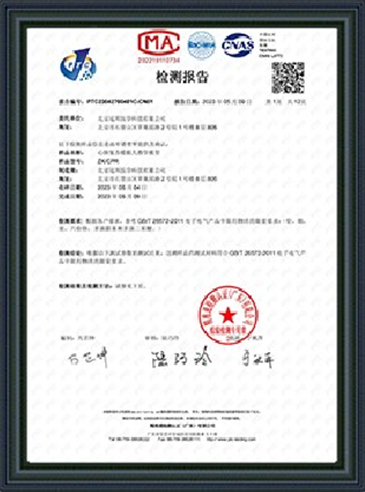
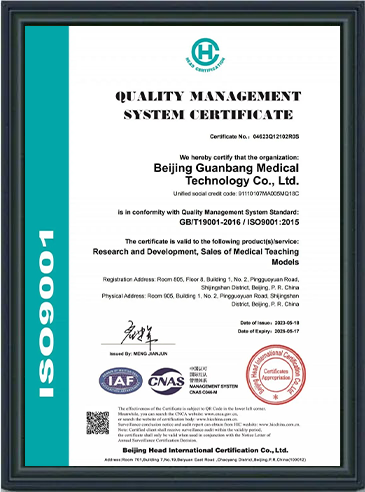
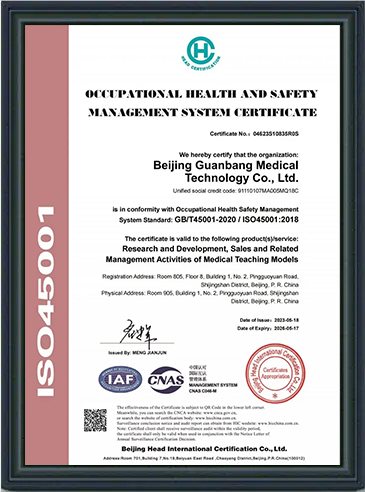
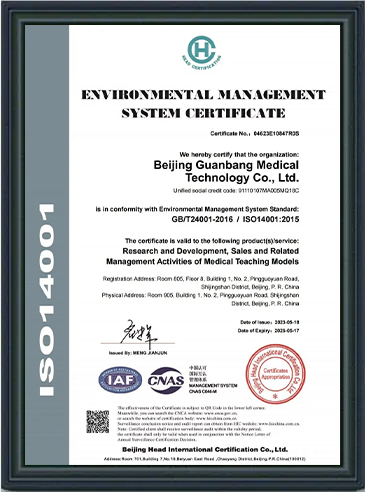
Additionally, our products align with the latest AHA (American Heart Association) Guidelines for Cardiopulmonary Resuscitation and Emergency Cardiovascular Care. Every trainer vest and infant airway model is tested to withstand repetitive pressure cycles, ensuring they remain reliable through multi-year training courses without physical degradation.
As AI and digital twins continue to disrupt medical training, the future of first-aid simulators lies in connected ecosystems. Guanbang's technology roadmap highlights the integration of wireless IoT sensors, cloud-based performance tracking, and augmented reality (AR) visual aids. In the coming years, training centers will be able to synchronize multiple CPR and Heimlich simulators to a single instructor panel, allowing group evaluations and precise data export for student certification records.
By blending cost-effective manufacturing pipelines with advanced IoT systems, we will continue to supply the international market with affordable, high-tech training systems that optimize learning outcomes and improve survival rates for choking and cardiac emergencies.
Trace the evolution of Guanbang's technological achievements and social impact activities.
Beijing Guanbang Medical Technology Co., Ltd. is established, targeting R&D in medical training models. Design of the initial thermoplastic molds commences.
The company expands its manufacturing facility to 10,000 square meters. Obtains ISO certifications for environmental, quality, and occupational health systems.
Partnered with the Zhengzhou Feiniao Emergency Team to establish a public welfare first aid center, offering free CPR and anti-choking training to citizens.
Showcased cutting-edge one-to-many CPR and Heimlich systems at the 11th China Military Intelligent Technology Expo and the Zhongguancun Forum.
Keeping up with the latest events, technological showcases, and public safety initiatives of Guanbang.
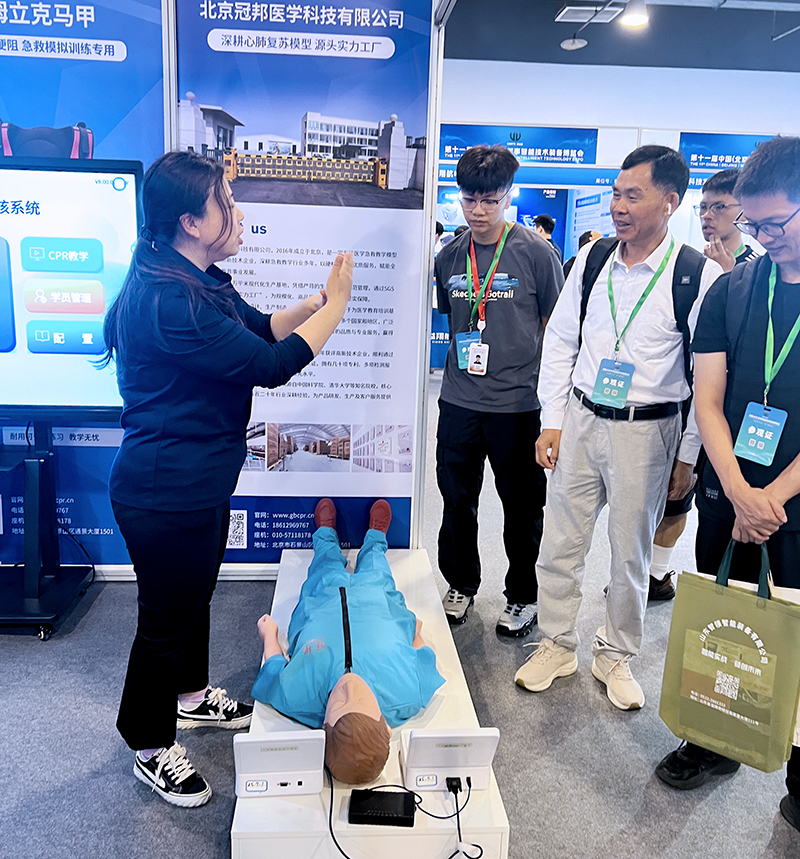
Guanbang successfully demonstrated its tactical emergency simulator models, receiving critical acclaim from healthcare training and military logistics experts for outstanding durability and realistic feedback indicators.
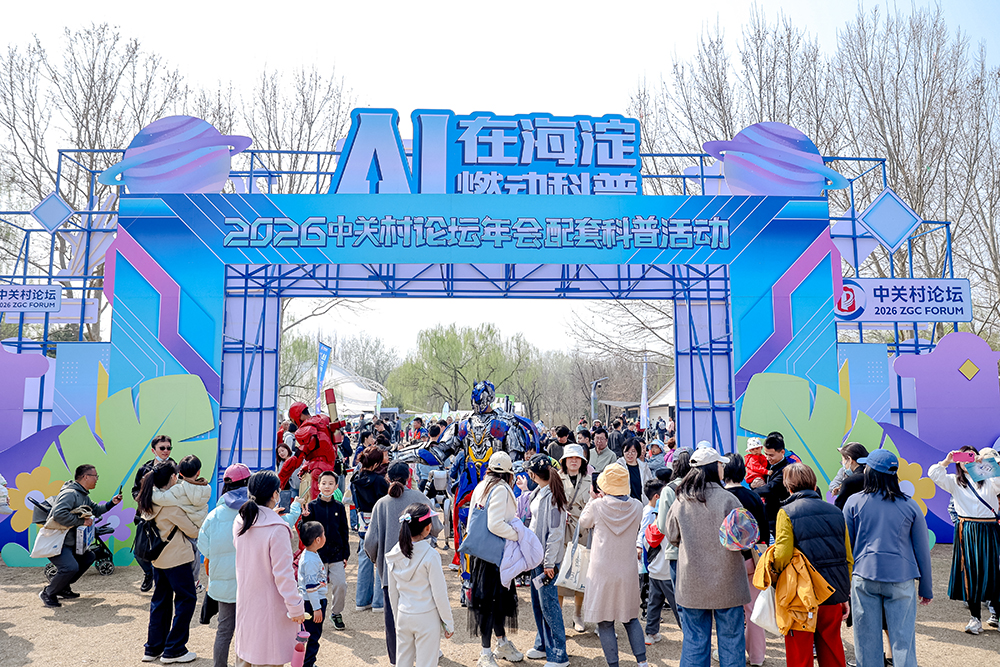
At the Zhongguancun Forum Annual Meeting supporting science popularization, Guanbang introduced its software-based CPR simulation mannequin, demonstrating how one instructor can monitor 10+ trainees simultaneously.
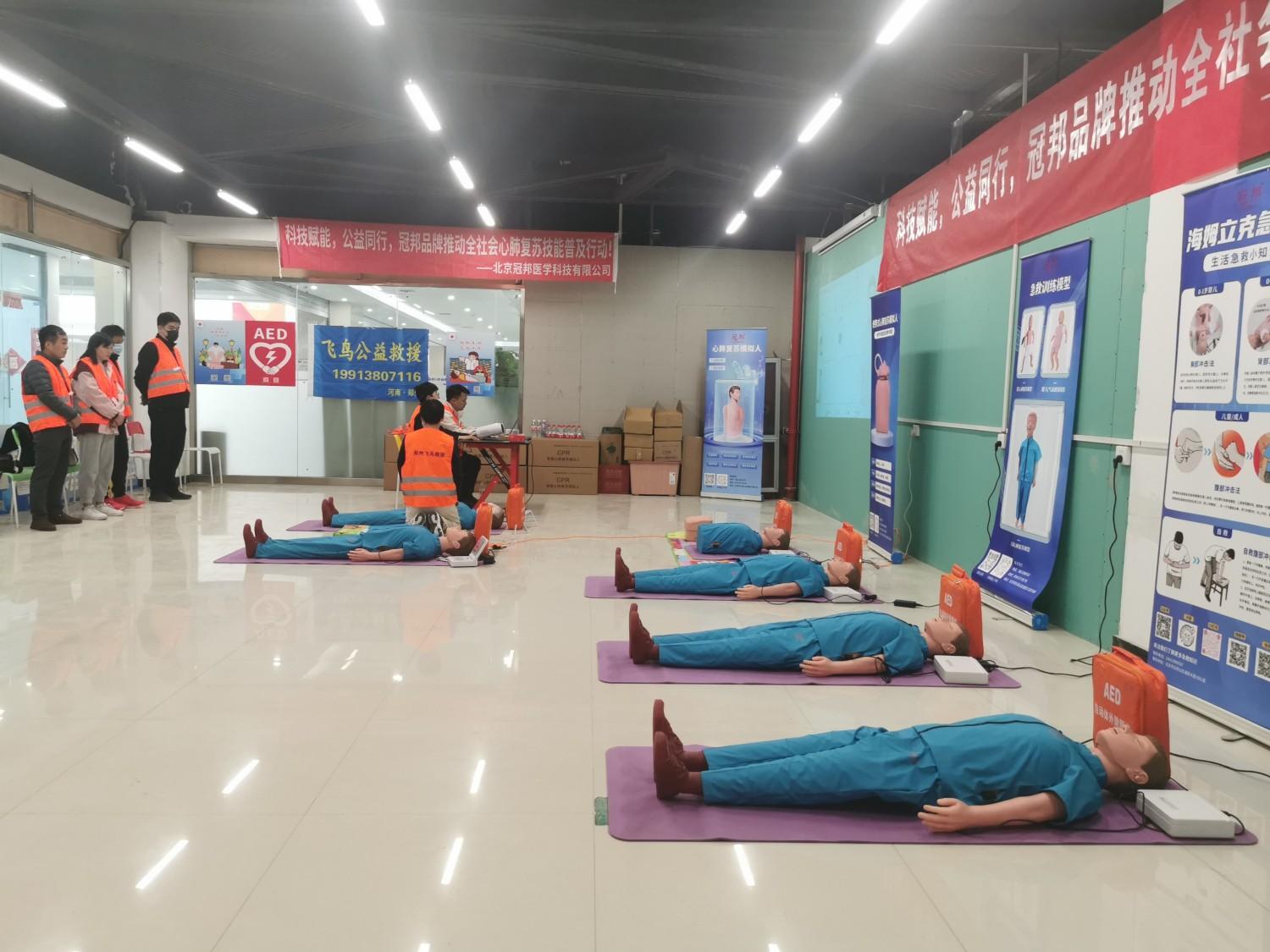
Guanbang and Zhengzhou Feiniao Emergency Team established a free-admission public training center. The initiative aimed to improve local self-rescue and mutual rescue capabilities through direct hands-on practice.
Get answers to the most common queries regarding bulk sourcing, product quality, and safety compliance.
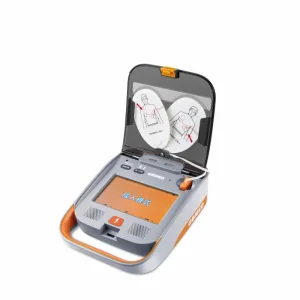
Explore our specialized pediatric airway models, AED trainers, and high-fidelity resuscitation devices.
 Guanbang Medical