Engineered to AHA and ERC compliance protocols, delivering reliable fidelity for professional medical training institutions worldwide.
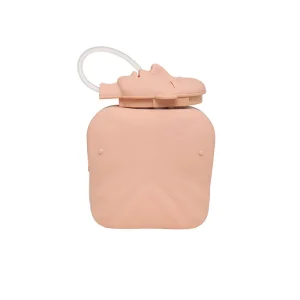
Lightweight, ruggedized portable model built to withstand rigorous high-frequency chest compression training programs.
Learn More & Quote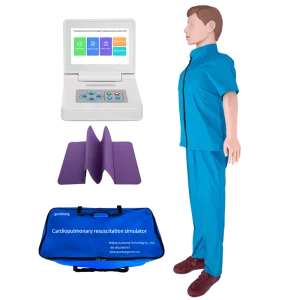
Interactive system featuring real-time visual output data, monitoring depth and frequency parameters dynamically.
Learn More & Quote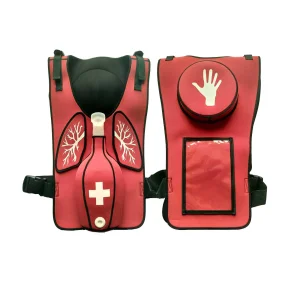
Wearable design optimized for demonstrating abdominal thrust techniques safely under simulated emergency contexts.
Learn More & Quote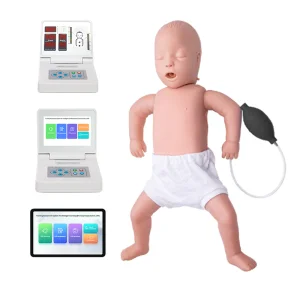
High-precision infant simulator highlighting distinct anatomical landmarks for accurate pediatric first aid execution.
Learn More & Quote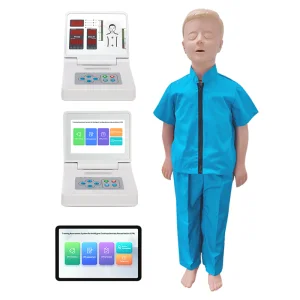
Configured for child anatomy parameters, ideal for schools and pediatric healthcare facilities.
Learn More & Quote
Customizable pediatric trainer supporting integrated airway occlusion simulations and chest compliance tracking.
Learn More & Quote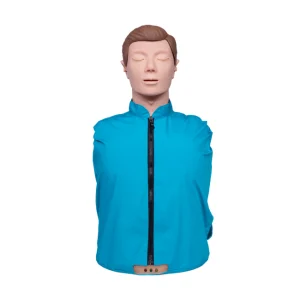
Complete adult torso featuring embedded electronic telemetry sensors to evaluate performance parameters.
Learn More & Quote
LED indicator light system offers real-time visual assessment of compression depth and artificial respiration volume.
Learn More & QuoteHow Modern Resuscitation Training Equipment Bridges Clinical Demands with Advanced Manufacturing Economics
In the global emergency medicine sector, hands-on clinical simulation is vital for minimizing protocol errors and optimizing cardiac arrest response times. However, procurement costs for simulation equipment have traditionally strained budgets for clinics, schools, and emergency volunteer organizations. This dynamic makes cost-effective manufacturing a critical factor in expanding public health training.
A reliable simulation and training manufacturer must balance raw material cost efficiencies with strict clinical validation. Modern training systems do not just mimic human anatomy; they must provide precise mechanical feedback, mimic airway resistance, and withstand repeated high-pressure chest compressions. By leveraging advanced manufacturing clusters in China, developers can utilize high-tensile silicone polymers, integrated circuit micro-sensors, and streamlined assembly lines. This combination delivers scalable simulators that match the longevity of legacy brands at a lower cost.
The shift towards digital feedback systems is reshaping how schools and training centers evaluate student skills. Standardized protocols, such as those from the American Heart Association (AHA) and European Resuscitation Council (ERC), require objective measurements of compression depth, recoil rate, and ventilation volume. As a result, basic PVC plastic mannequins are being replaced by sensor-enabled units that transfer training metrics directly to mobile interfaces. By focusing on integrated hardware and software engineering, modern factories are changing how institutions teach resuscitation.
Established in Beijing (2016), Guanbang is an innovative enterprise specializing in the research, design, production, sales, and service of medical simulation training models.
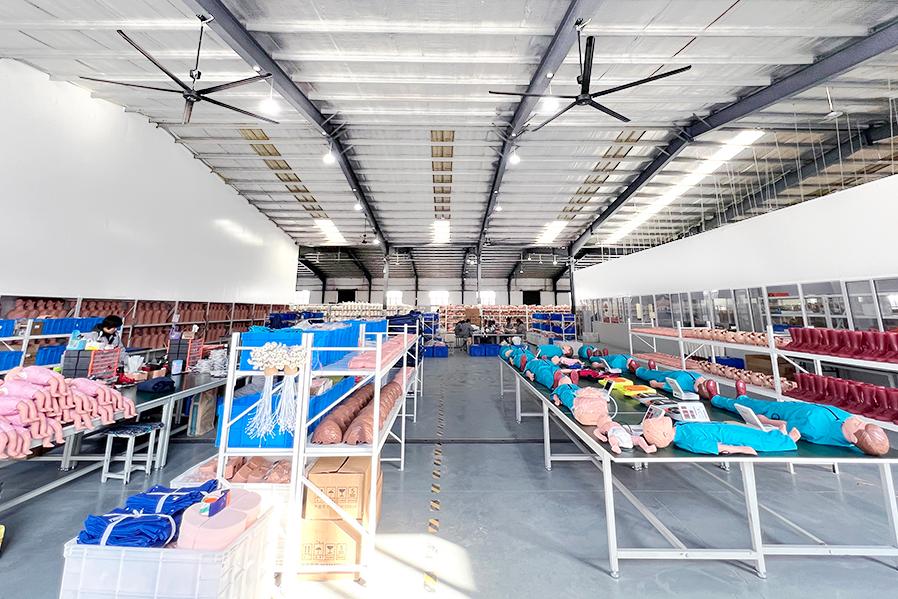
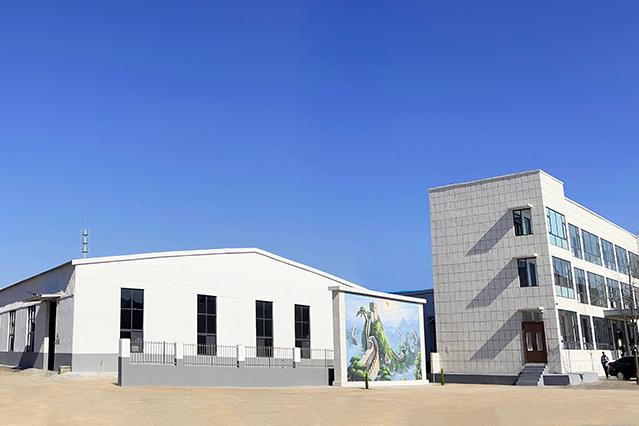
With a modern production base covering approximately 10,000 square meters, we control the entire lifecycle of our products, from initial industrial mold design and polymer raw material testing to final software calibration. This comprehensive model allows us to supply healthcare institutions, academic systems, corporate safety departments, and first-responder networks worldwide.
Our mission is to make life-saving training more accessible by producing high-fidelity, durable simulators. By keeping R&D and production close, we quickly iterate designs to meet shifting clinical guidelines, giving our global distributors a competitive advantage.
Guanbang relies on an experienced, highly specialized research and development team. Core technical directors hold master's and doctoral degrees from institutions such as the Chinese Academy of Sciences (CAS), Tsinghua University, and Beijing University of Technology.
Supported by over 20 technical specialists and more than 60 skilled production staff, our management team averages nearly two decades of industry experience. This expertise translates into precise designs for mechanical chest linkages, air bladder valves, and sensory printed circuit boards (PCBs) that track compression performance.
Rather than outsourcing, we maintain our R&D in-house. This allows us to rapidly prototype electronic feedback modules, refine anatomical molds, and update software firmware in-house, keeping products current with international resuscitation guidelines.
To improve the fidelity of medical simulation training, we invest in material sciences and tooling design. Our mannequins use custom-blended thermoplastic elastomers (TPE) and premium silicone rubbers, which mimic human skin texture, flexibility, and elasticity.
We have developed proprietary advancements in mold design and material processing. These innovations ensure that facial masks, chest skins, and airway passages are durable enough to survive thousands of repeat compression and ventilation cycles without tearing or losing their shape.
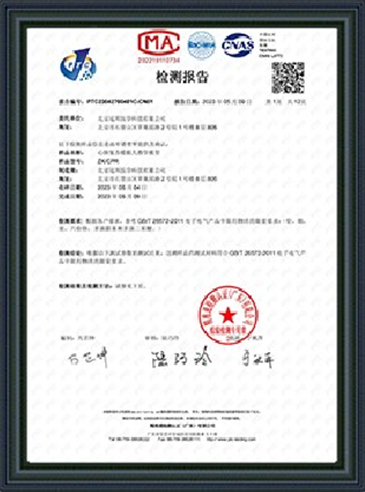
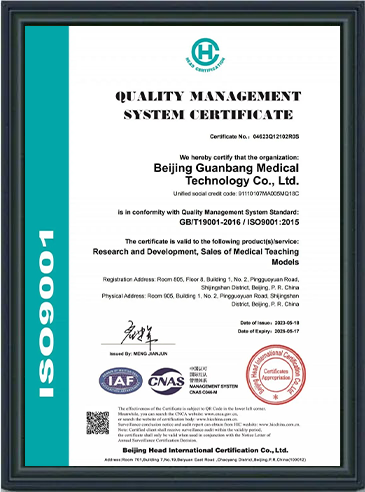
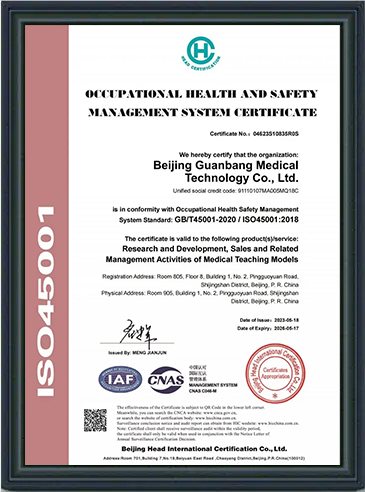
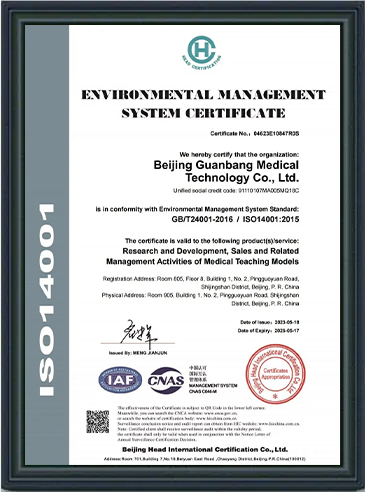
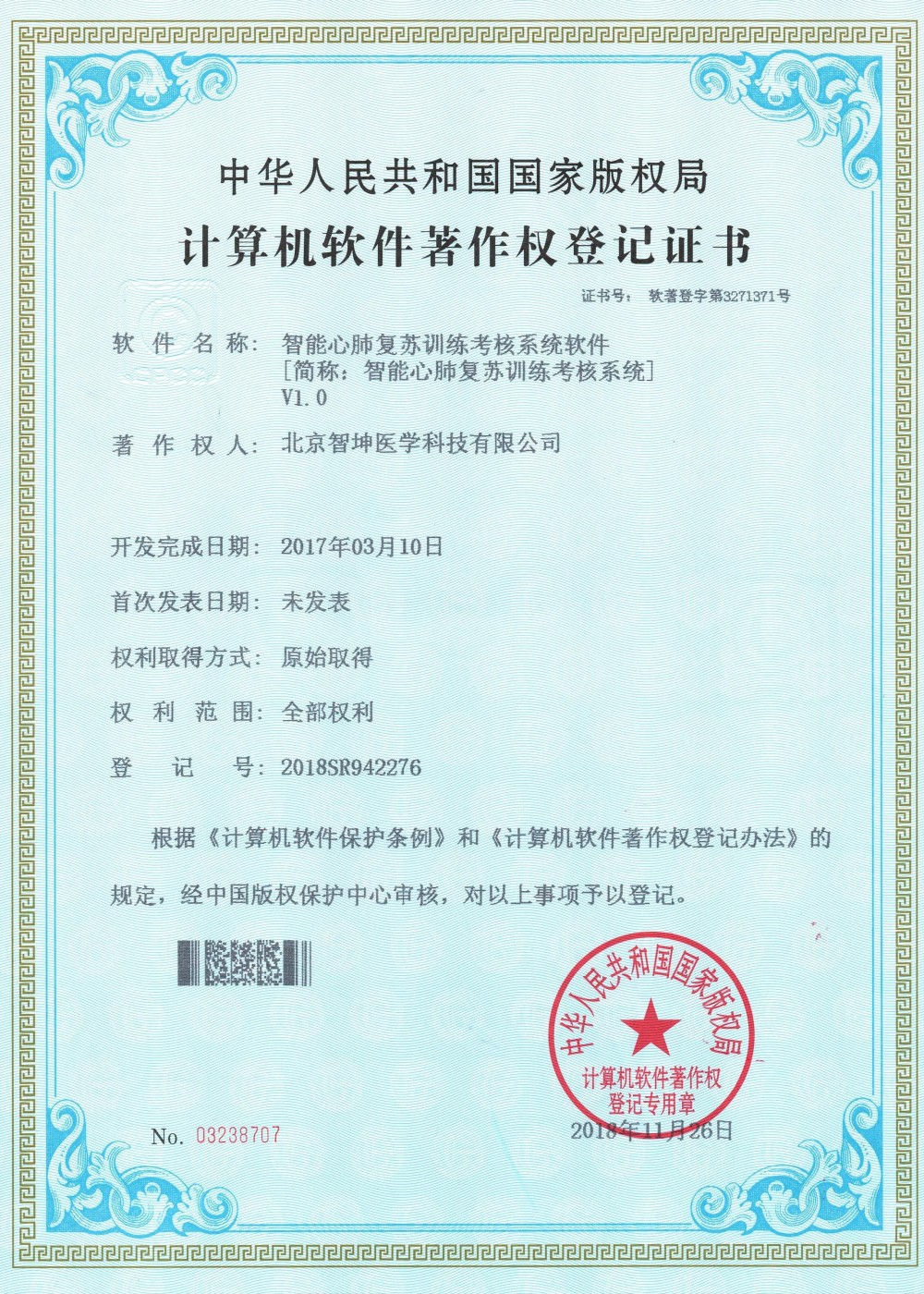
Furthermore, we have obtained certifications in environmental management, quality management, and occupational health and safety management, along with multiple utility model and design patents, professional testing reports, and software copyrights, ensuring that our products remain at the forefront of technological excellence.
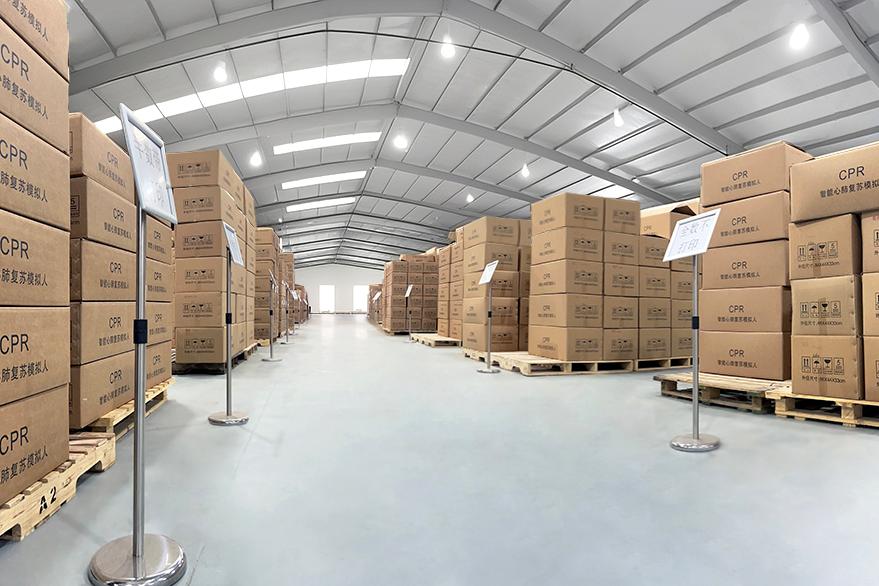
How industrial clustering and automated production systems deliver competitive, high-fidelity simulators globally.
Located in the heart of northern China’s manufacturing corridor, Guanbang benefits from direct access to high-purity medical-grade polymer suppliers, electronic component fabrication lines, and specialized tooling workshops. This proximity cuts transit delays and minimizes raw material costs.
With an annual capacity of 1,000,000+ units, our unit tooling cost is lower than manufacturers operating at smaller volumes. By running automated injection molding systems for torso and skeletal frames, we achieve consistent dimensional accuracy while maintaining a competitive price point.
Our production steps are monitored by QA protocols following ISO 9001 and ISO 14001 guidelines. Every unit undergoes automated calibration testing for lung bag leaks and spring compression resilience, ensuring each simulator arrives ready for clinical training.
We provide emergency training solutions across infant, child, and adult series to meet diverse client requirements.
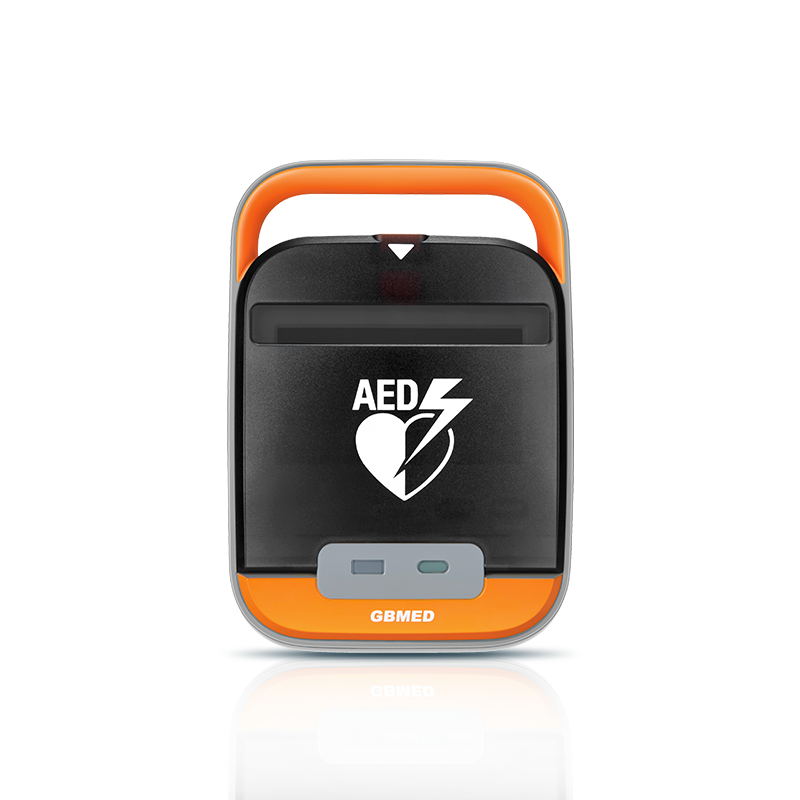
Featuring pre-programmed rescue scenarios, bilingual voice instructions, and training pads. These devices simulate real clinical defibrillators for public access rescue training.
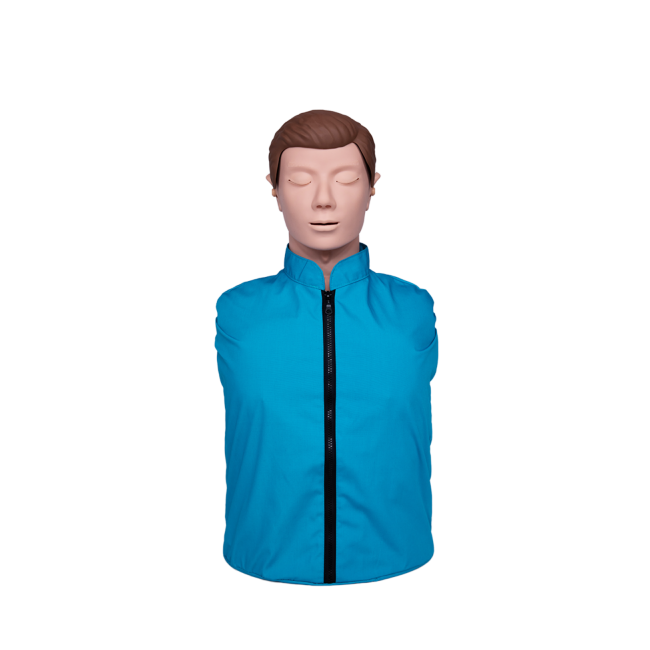
Models ranging from basic half-body torsos to digital control mannequins. Built to support real-time feedback and data visualization for compression depth and ventilation volume.
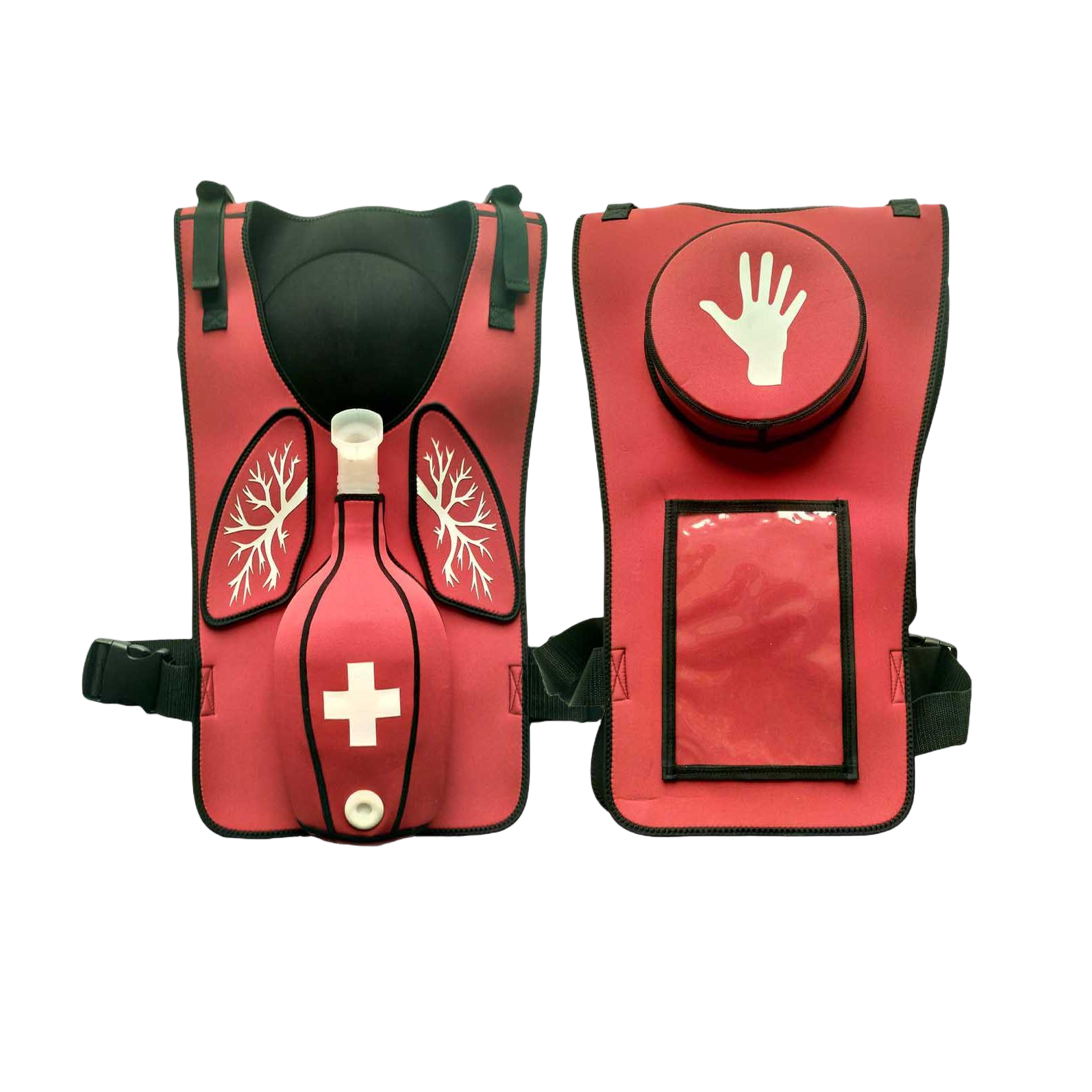
Wearable Heimlich training vests and pediatric models that simulate foreign body airway obstructions. Designed to react with simulated object expulsion when correct abdominal thrusts are performed.
Deploying simulators globally while incorporating software features, AI diagnostics, and localized training support.
Emergency training requirements vary by market. For example, US schools demand AHA-compliant feedback systems, while European safety programs follow ERC directives. Guanbang addresses these differences by providing configurable firmware. Our digital control simulators let instructors change parameters like compression depths (5cm to 6cm) and respiration volume limits dynamically.
Additionally, we customize language options, regional audio alerts, and power adapter modules. This makes our equipment plug-and-play for training programs in North America, Europe, Southeast Asia, and South America.
Our upcoming product roadmap focuses on merging mechanical simulation with cloud-connected performance analysis. Key developments include:
Providing reassurance, professional warranties, and verified credentials to our global supply partners.
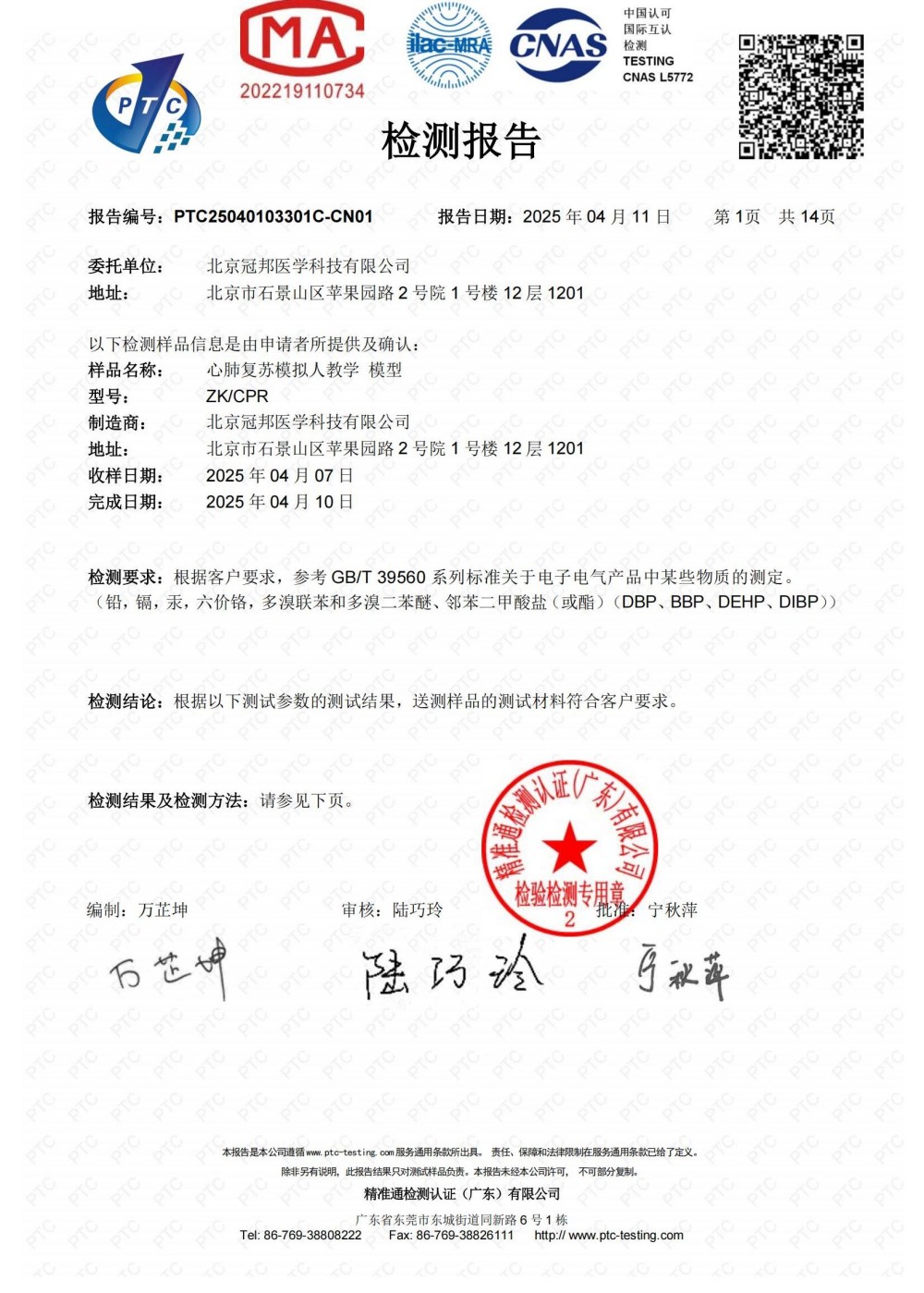
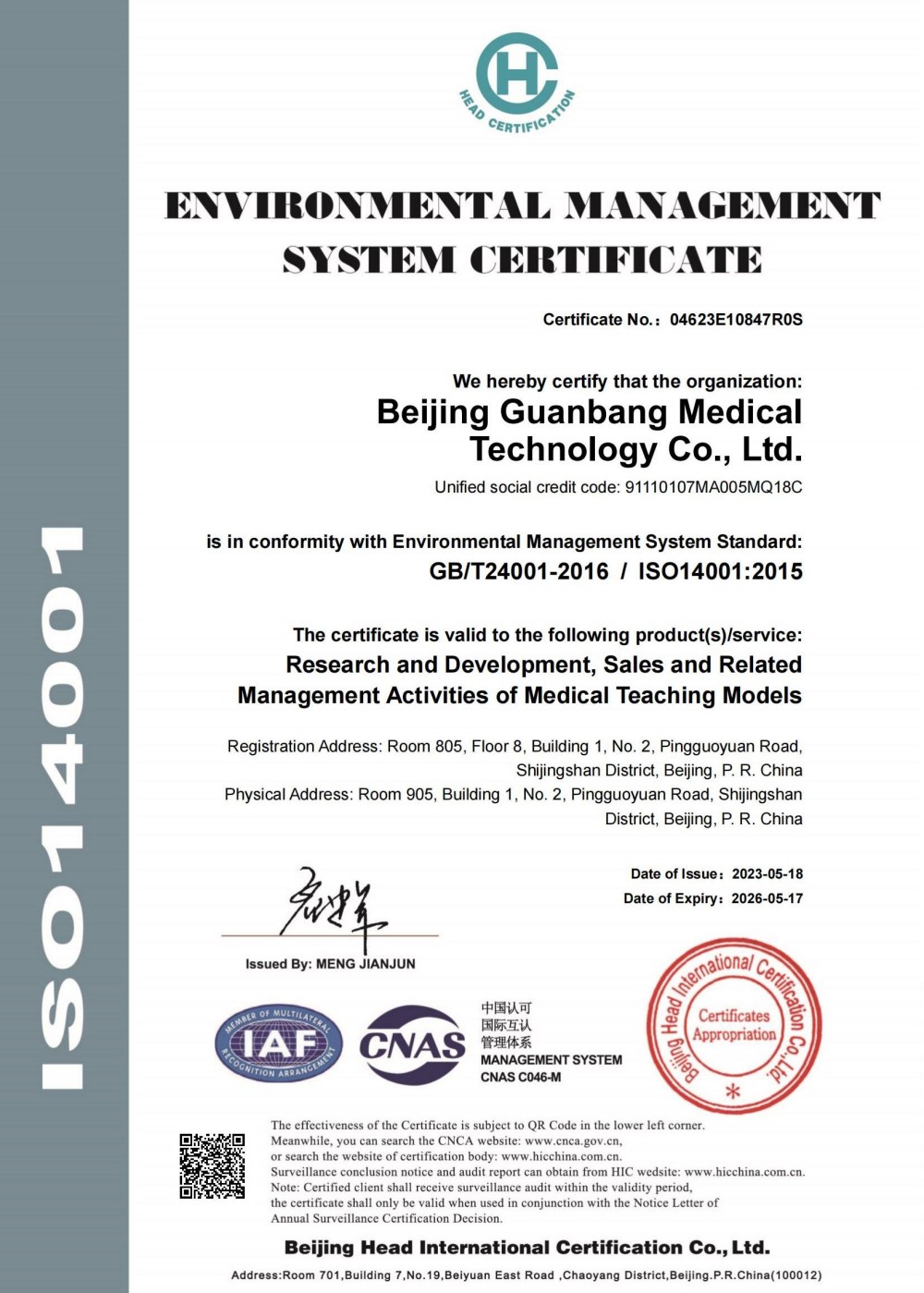
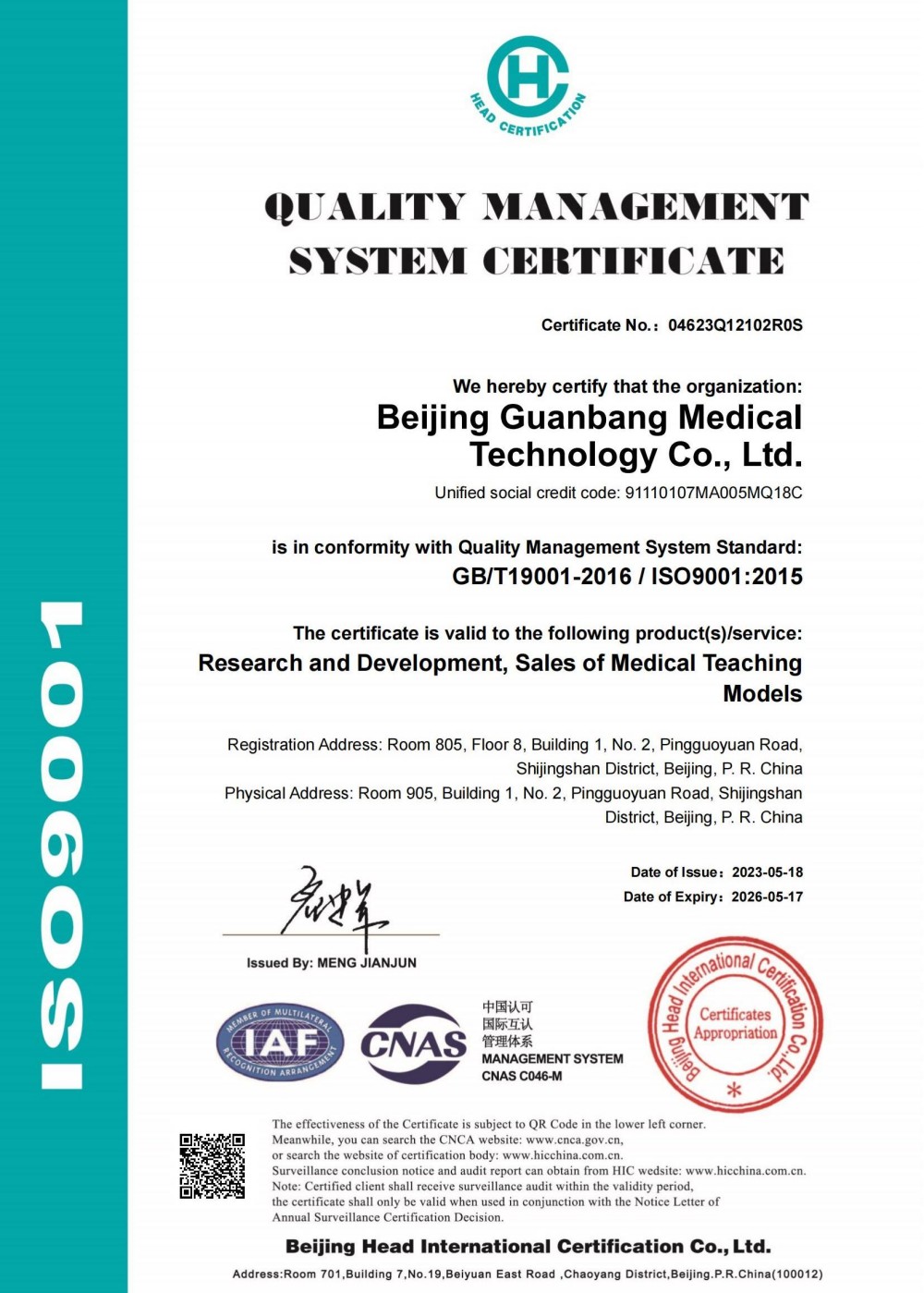
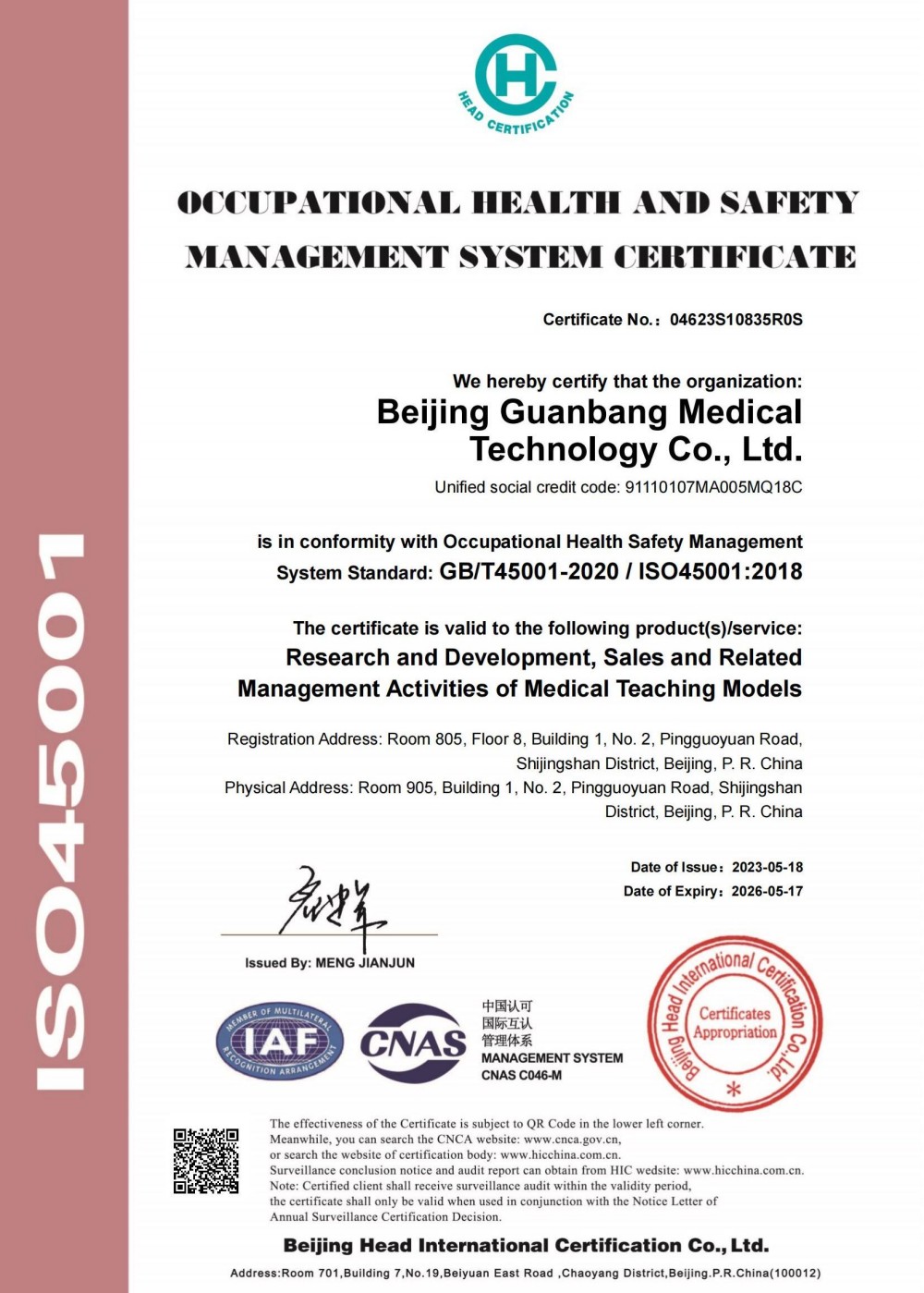
Additional systems optimized for specific demographics, pediatric scenarios, and choking first aid education.
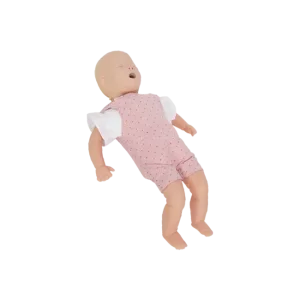
Simulates foreign-body obstructions in infant airways, providing practice for back blows and chest thrusts.
Learn More & Quote
Designed for mobile field training, offering quick setup and simple storage.
Learn More & Quote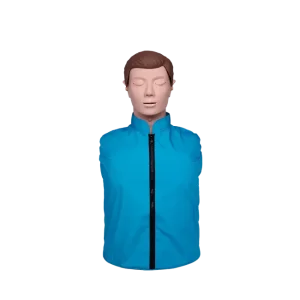
A durable, standard-compliant model engineered for high-frequency chest compression practice.
Learn More & Quote
A durable training vest for interactive classroom demonstrations of anti-choking procedures.
Learn More & Quote
A cost-effective model designed for volunteer networks and public health outreach.
Learn More & Quote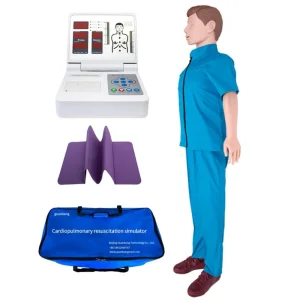
Provides digital control settings to monitor compression depths, recoil rates, and ventilation metrics.
Learn More & Quote
Offers child-specific chest resistance and anatomical markers for realistic first aid training.
Learn More & Quote
Meets international standards for chest compliance, hand positioning feedback, and airway management.
Learn More & QuoteTracking our research achievements, community partnerships, and industry trade exhibitions.
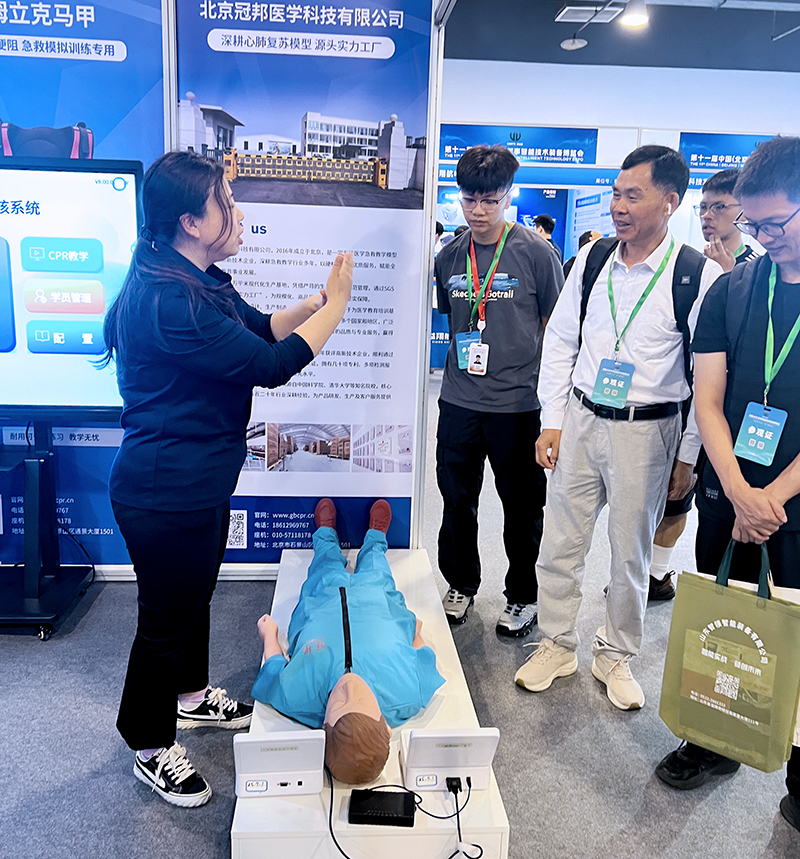
Guanbang presented tactical medical simulation systems designed for field-care training and emergency response, demonstrating our capability to meet complex operational standards.
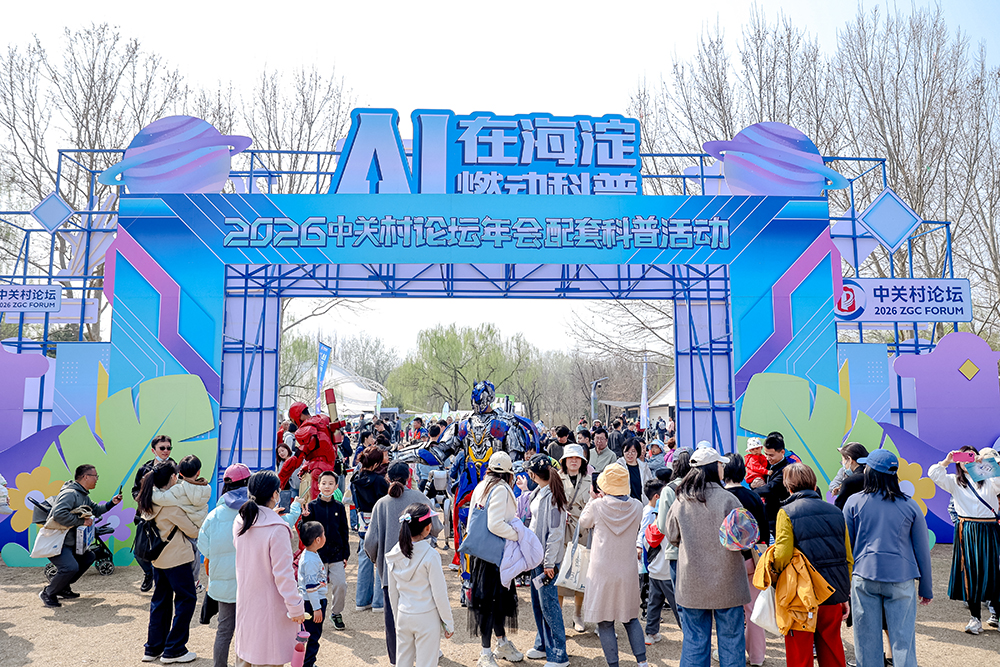
Showcased our wireless software-based CPR simulation systems at the Zhongguancun Forum. The demonstration highlighted multi-mannequin performance tracking from a single interface.
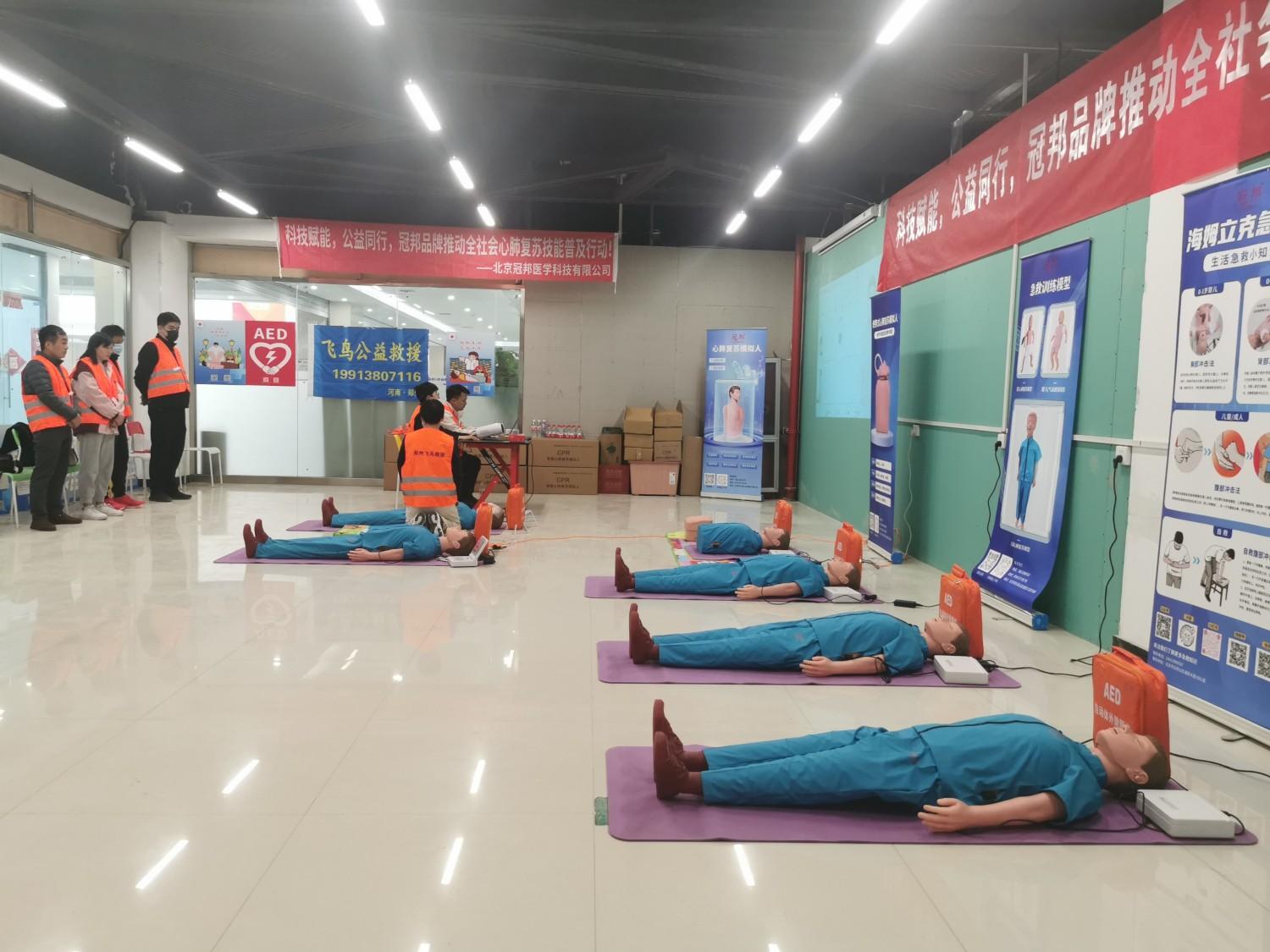
Partnered to supply simulation systems for a community center in Zhengzhou, helping residents learn hands-on cardiopulmonary resuscitation skills.
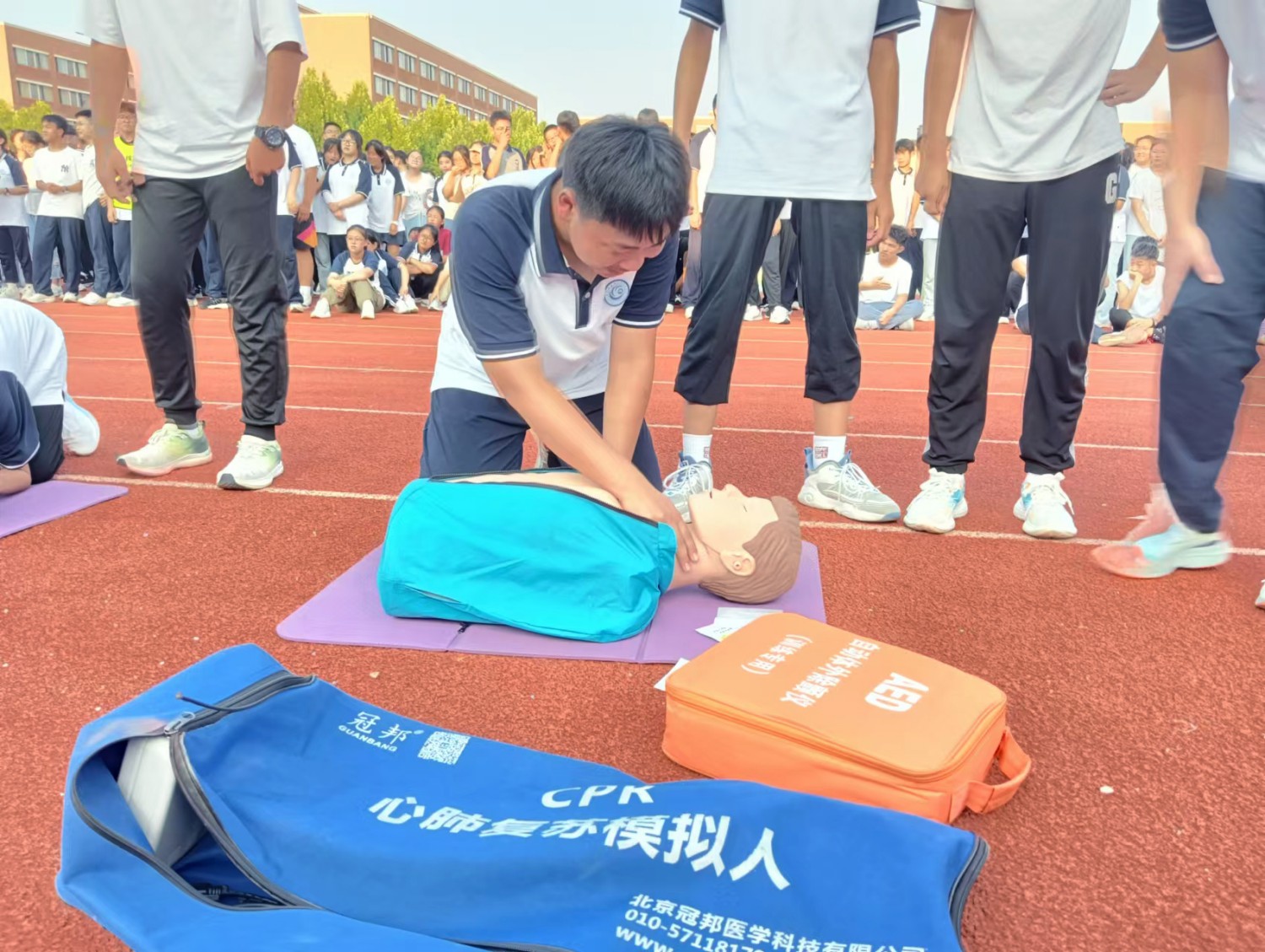
Supplied pediatric and adult CPR simulators to regional schools, enabling students to practice CPR and airway obstruction response.
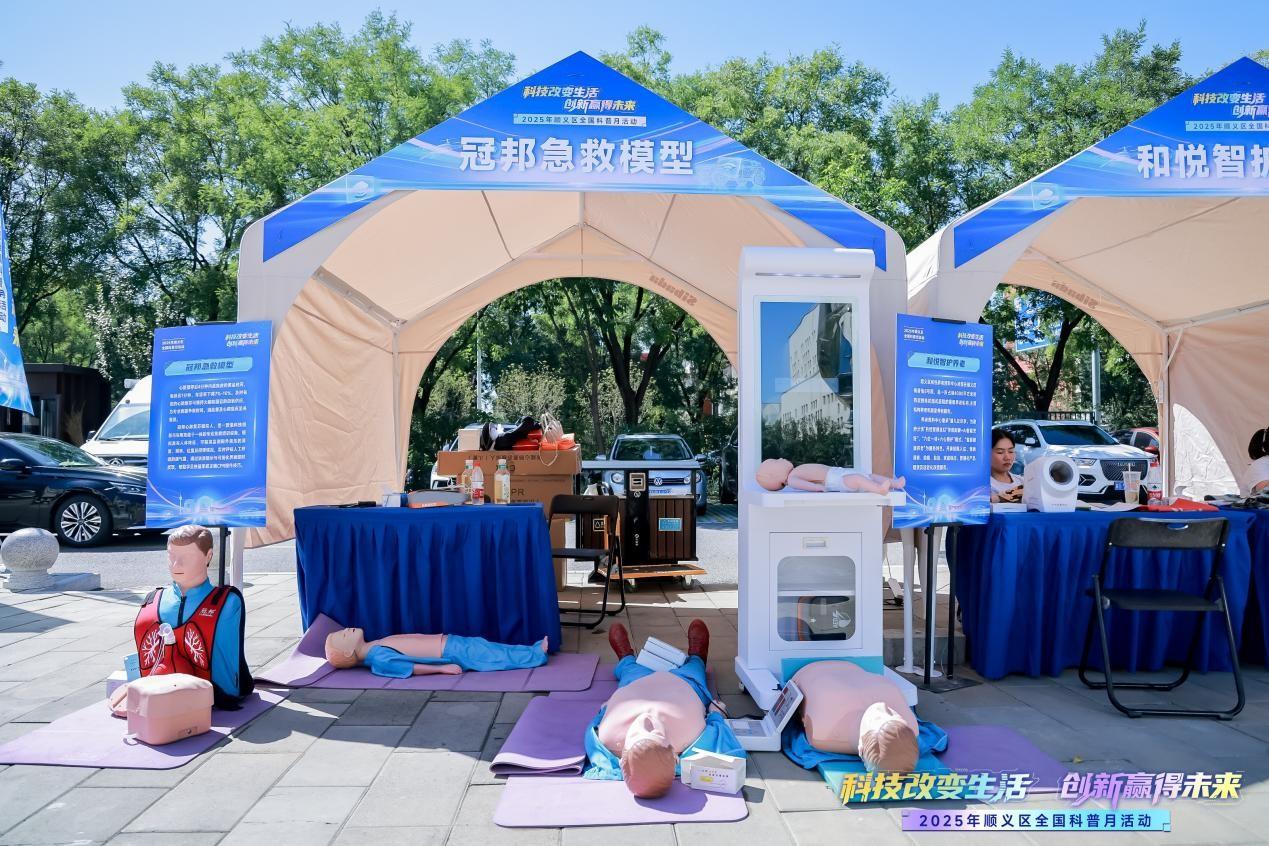
Our digital feedback simulators were featured at a public exhibition, giving community members real-time feedback on compression depths and techniques.
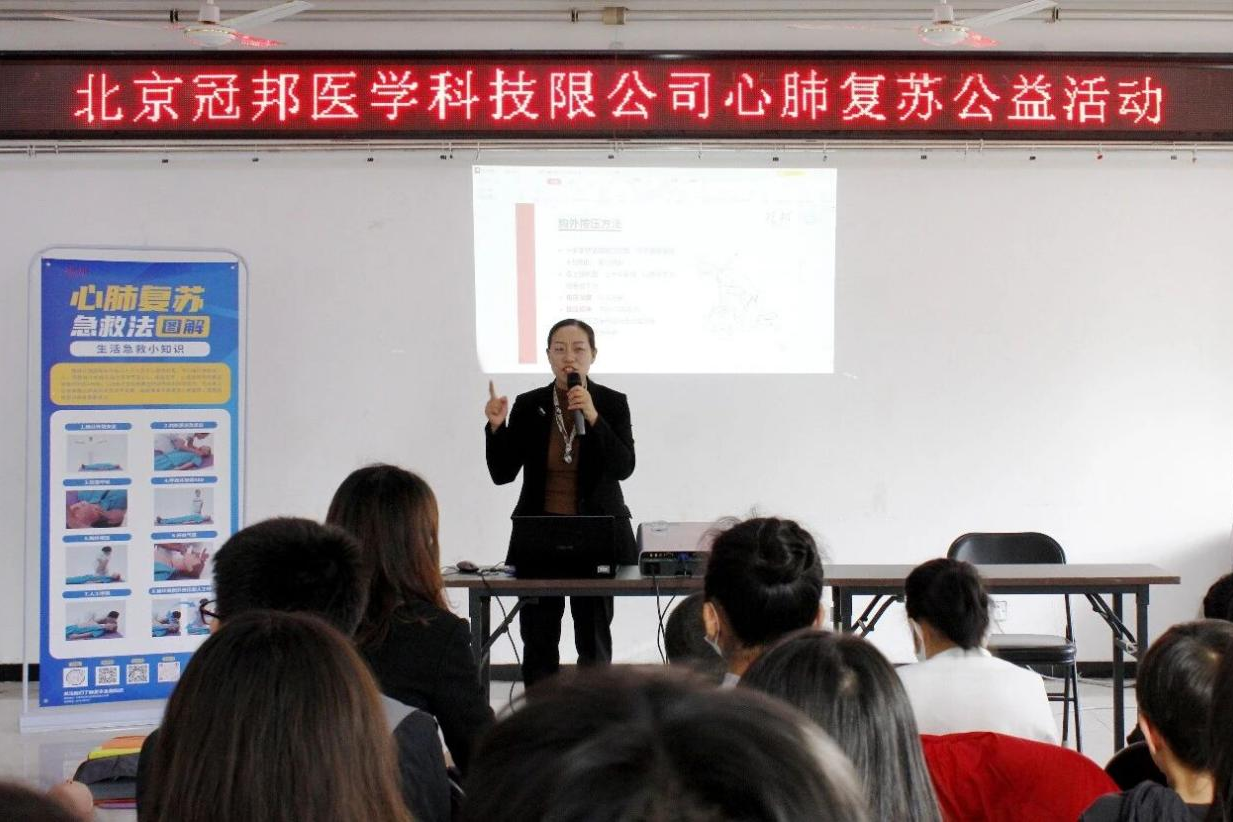
Hosted a public training event focused on teaching parents and children basic life support skills, airway safety, and Heimlich maneuvers.
Technical details, compliance metrics, procurement support, and warranty information for global buyers.
 Guanbang Medical