AHA-compliant training solutions manufactured under rigorous ISO standards for global medical educators.
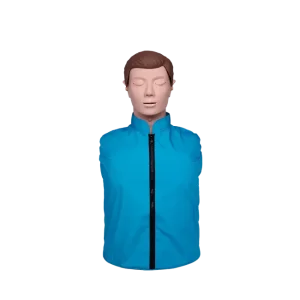
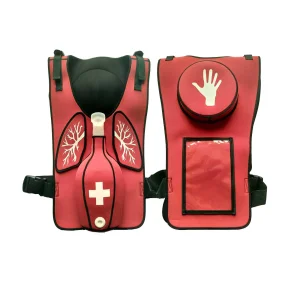
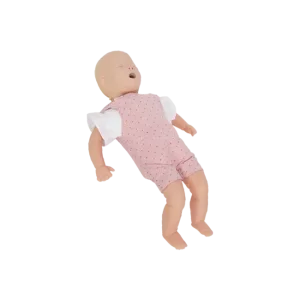
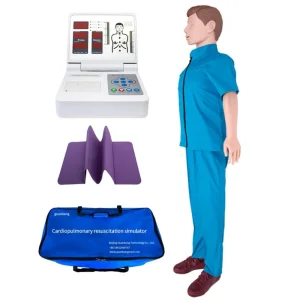
Founded in Beijing in 2016, Beijing Guanbang Medical Technology Co., Ltd. stands as a premier high-tech enterprise at the intersection of medical engineering, clinical pedagogy, and advanced simulation manufacturing. Our core competencies encompass the entire lifecycle of emergency medical simulators—ranging from initial materials science research and micro-electronic design to industrial-scale manufacturing, international quality assurance, and after-sales customer engineering support.
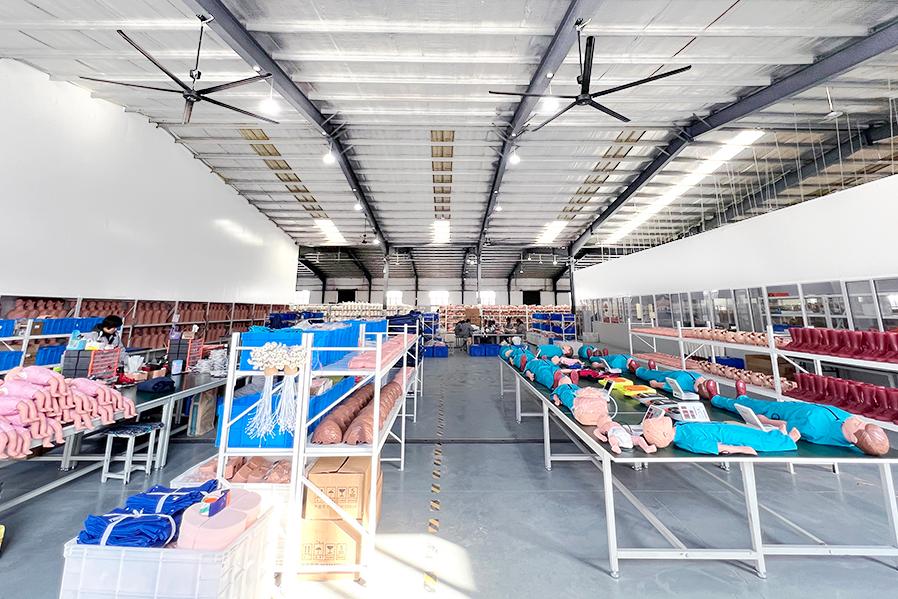
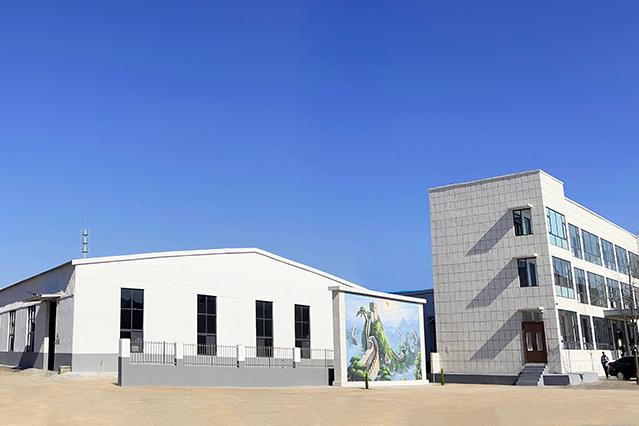
Operating from a state-of-the-art 10,000-square-meter manufacturing facility, Guanbang has engineered a vertically integrated production infrastructure. This modern base houses heavy-duty precision mold-making equipment, high-accuracy polymer compounding machines, and dust-free PCB assembly suites. By controlling the entire manufacturing pipeline, we ensure that every Cardiopulmonary Resuscitation (CPR) manikin, Automated External Defibrillator (AED) simulator, and airway obstruction model leaving our doors complies stringently with global emergency medicine guidelines, including those of the American Heart Association (AHA) and the European Resuscitation Council (ERC).
Cardiovascular diseases remain the leading cause of death globally, with sudden cardiac arrest (SCA) representing a significant public health burden. In response, international resuscitation bodies—principally the International Liaison Committee on Resuscitation (ILCOR), the American Heart Association (AHA), and the European Resuscitation Council (ERC)—regularly update their Basic Life Support (BLS) and Advanced Cardiovascular Life Support (ACLS) guidelines. The most critical shift in recent years is the transition from subjective assessment to objective, sensor-driven feedback during training.
Modern guidelines mandate that CPR training simulators incorporate real-time feedback mechanisms monitoring chest compression depth (5–6 cm for adults), compression rate (100–120 compressions per minute), complete chest recoil (avoiding leaning), and ventilation volume (500–600 mL). This mandate has effectively transformed the commercial and industrial demand from simple, spring-loaded mechanical manikins to micro-controlled, sensor-rich simulation systems.
Governments worldwide are establishing mandatory training environments. In the United States, the Occupational Safety and Health Administration (OSHA) heavily enforces workplace first-aid safety standards, while European Union directives mandate the integration of public access AEDs and regular first aid training in municipal and commercial locations. In Asian markets, particularly China and India, rapid urbanization and public safety initiatives have triggered massive procurement cycles for CPR simulators and AED training tools.
The emergence of China as the leading hub for CPR simulator and AED training machine manufacturing is not merely a matter of cost reduction; it is a narrative of industrial ecosystem synergy. The manufacturing of a modern medical simulator relies on three pillars: advanced materials science, micro-electronics manufacturing, and mechanical engineering.
First aid simulators require materials that mimic human anatomy with high fidelity. The skin of a CPR manikin must withstand hundreds of thousands of cycles of compressions and cleanings without losing elasticity, tearing, or changing color. Chinese manufacturers have developed proprietary formulations of Thermoplastic Elastomers (TPE) and premium silicones that replicate human skin tissue texture, thermal warmth, and elastic recovery.
Concurrently, the proximity to global electronics hubs like Shenzhen and Suzhou allows developers in Beijing to rapidly prototype, iterate, and mass-produce complex printed circuit boards (PCBs). These boards house optical encoders, pressure transducers, wireless Bluetooth modules, and custom microcontrollers that run Guanbang's proprietary feedback evaluation algorithms.
Beijing Guanbang Medical Technology Co., Ltd. separates itself from ordinary OEMs through its deep-rooted academic and scientific pedigree. Our core R&D team boasts engineering and medical instrumentation experts holding advanced Master’s and Doctoral degrees from China’s most prestigious research universities, including the Chinese Academy of Sciences (CAS), Tsinghua University, and the Beijing University of Technology.
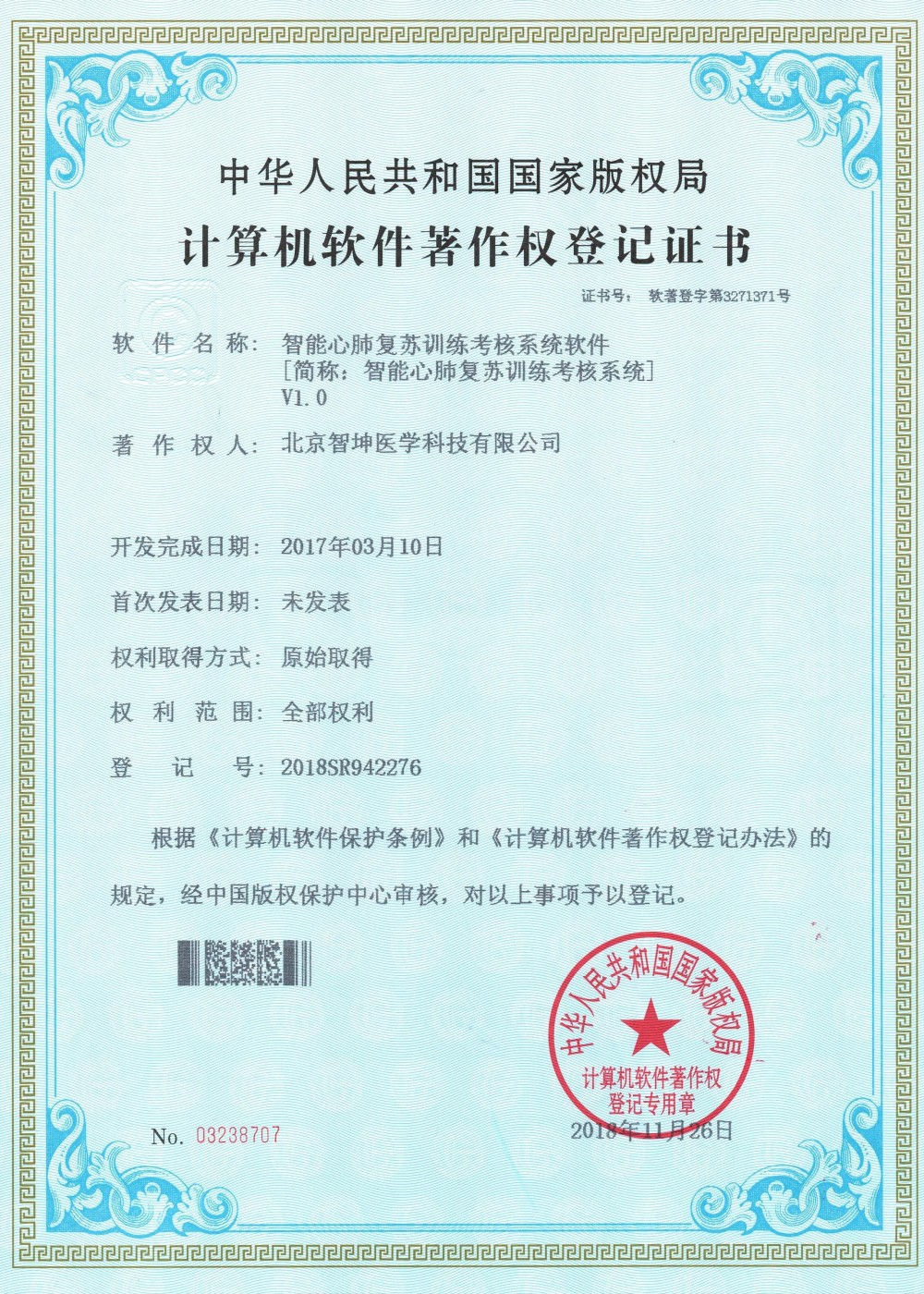
This concentration of high-level scientific talent has yielded dozens of utility model patents, design patents, and software copyrights. By applying advanced signal processing, biomechanical modeling, and embedded systems engineering, our team translates complex physiological benchmarks into robust hardware and software architectures that drive high-accuracy training scenarios.
Medical simulation equipment is only as valuable as the training outcomes it enables. Guanbang's diverse series of CPR simulators, AED trainers, and airway obstruction models are engineered to serve distinct localized scenarios:
Medical universities and nursing schools require high-end, digital control CPR simulators (e.g., ZKCPR850A) that compile granular performance data. Professors rely on our touchscreen feedback units to objectively grade students on chest compliance, air volume, and resuscitation sequencing.
Corporate offices, manufacturing plants, and heavy industrial facilities utilize portable, durable CPR simulators and AED trainers. These systems enable HR and safety managers to run quick, cost-efficient certifications, ensuring regulatory compliance and safeguarding employee health.
As demonstrated by Guanbang's success at the 11th China (Beijing) Military Intelligent Technology & Equipment Expo, defense and emergency response teams require high-durability, rugged simulators capable of withstanding extreme environmental training conditions without calibration drift.
The tactile feel of a simulator influences the cognitive translation of skills. A skin texture that is too rigid or a chest spring that is too soft leads to incorrect training. Guanbang has introduced high-precision computer-aided mold design (CAD/CAM) alongside multi-stage injection molding protocols. These advancements ensure that the physical characteristics of our adult, pediatric, and infant models reflect true human anatomical resistance. Our materials are verified non-toxic, eco-friendly, and highly resistant to standard chemical disinfectants, protecting both the trainee and the device during heavy cleaning.
Beyond the hardware, Guanbang has focused heavily on the digital integration of first-aid systems. Our product architecture features specialized software interfaces compatible with modern operating systems. Instructors can connect multiple CPR manikins to a single control station (PC, tablet, or smartphone) via wireless local networks, allowing for group testing and real-time monitoring.
This technology allows a single instructor to manage a class of twenty or more trainees simultaneously, with the software auto-generating individualized grading sheets. This massive reduction in labor costs makes the large-scale popularization of resuscitation training in developing nations highly feasible.
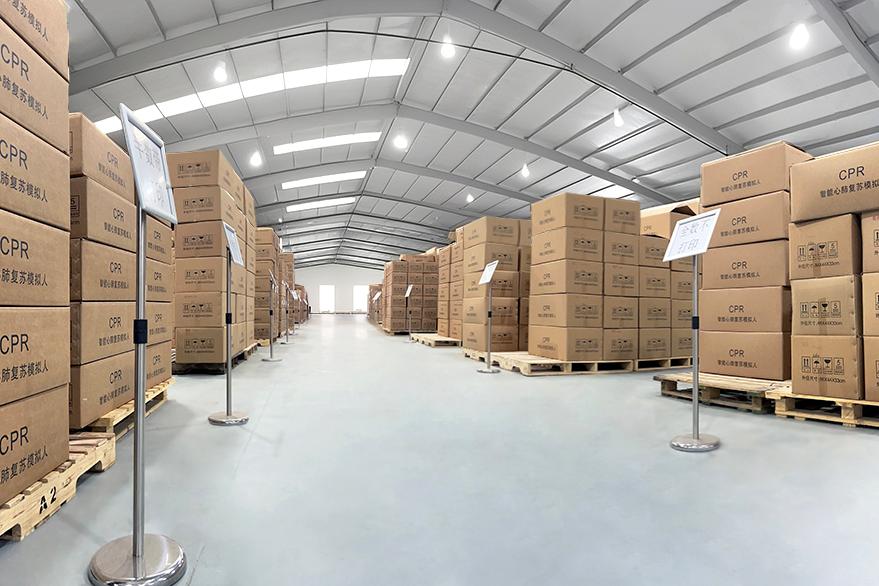
Three core series designed to deliver targeted first-aid education and clinical training excellence.
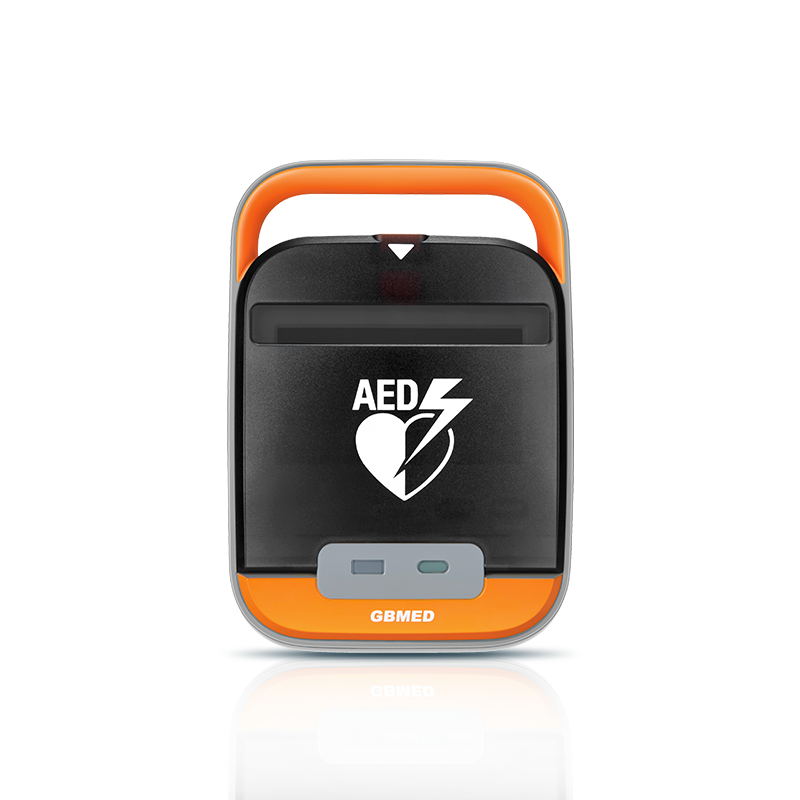
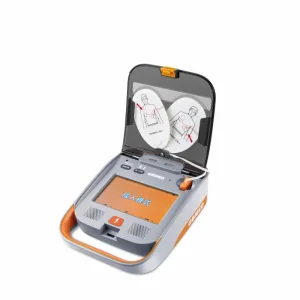
Simulated defibrillation systems featuring real-world audio guidance, customized shock scenarios, and wireless remote control integration.
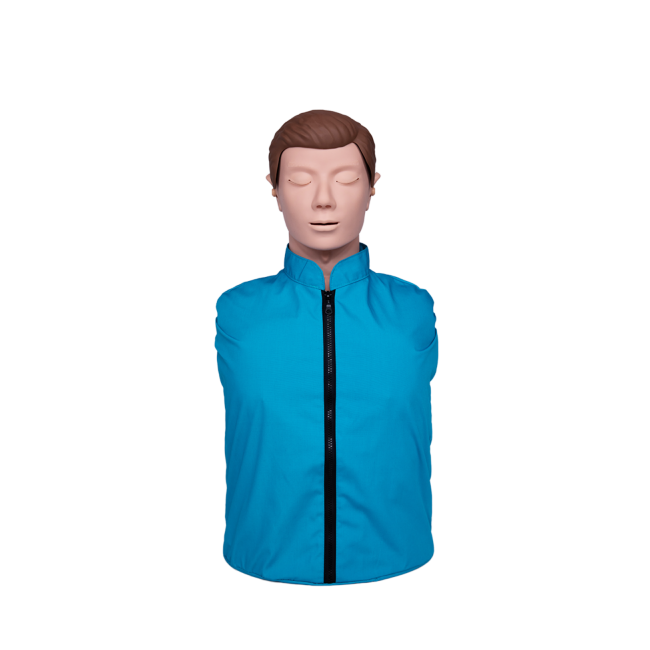
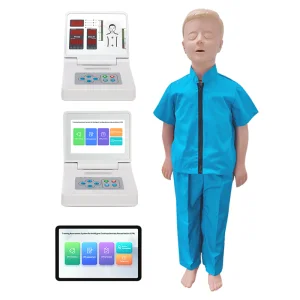
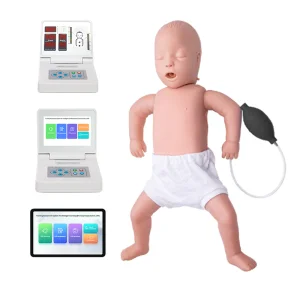
High-fidelity adult, pediatric, and infant CPR manikins equipped with electronic control boxes and performance grading software.
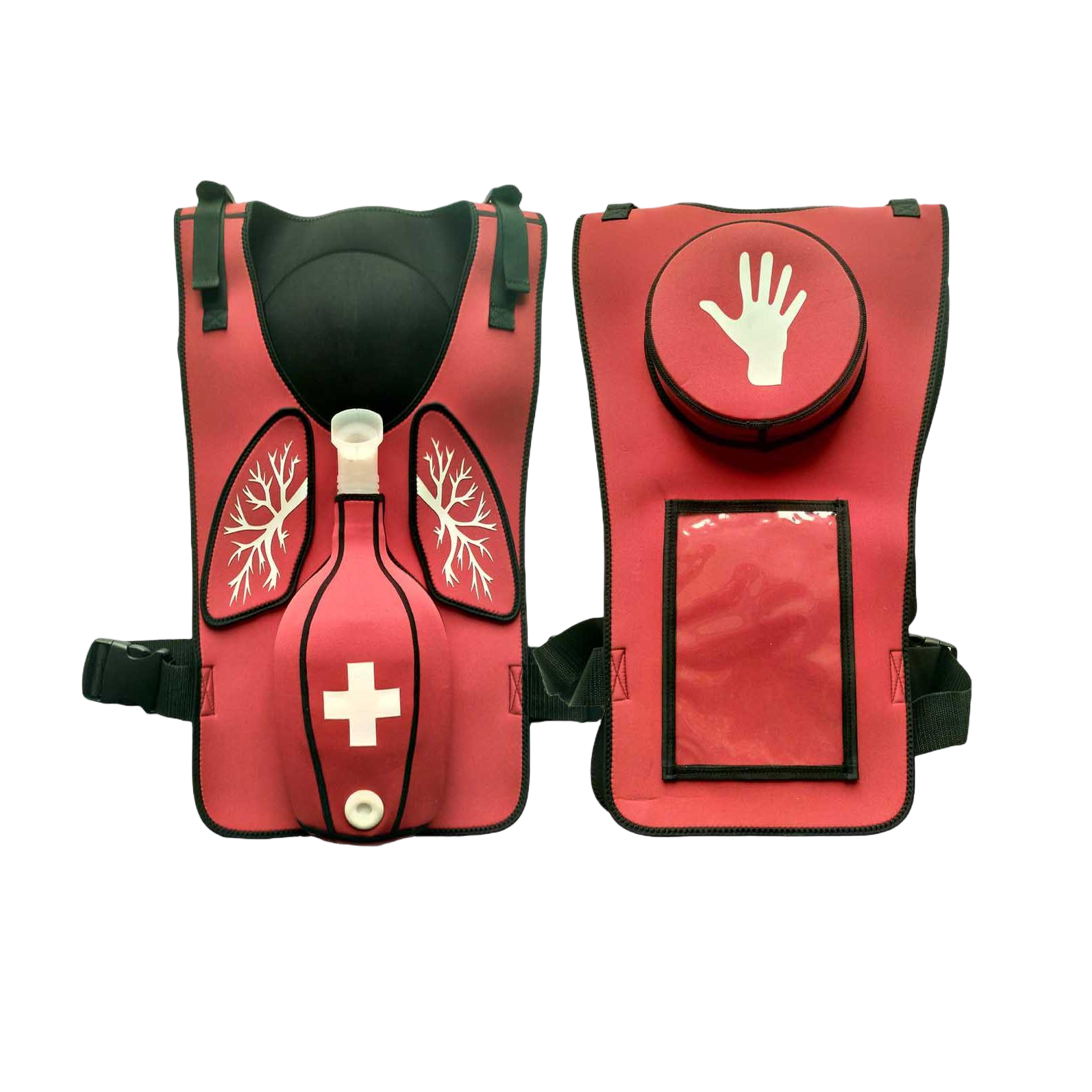
Anatomically accurate models and wearable vests for teaching choking emergency response and the Heimlich maneuver.
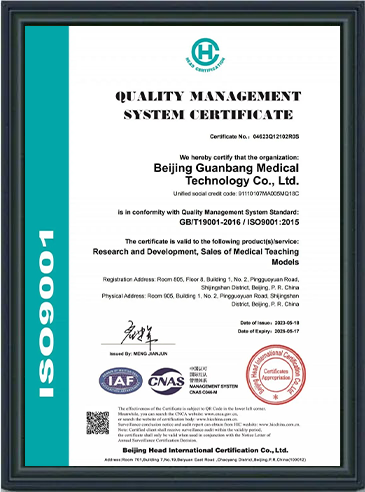
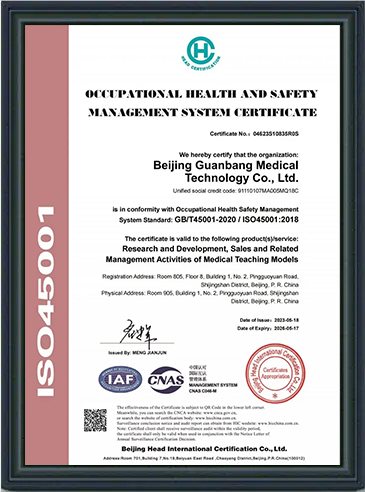
Guanbang holds strict quality compliance standards, ensuring reliability in every device manufactured.
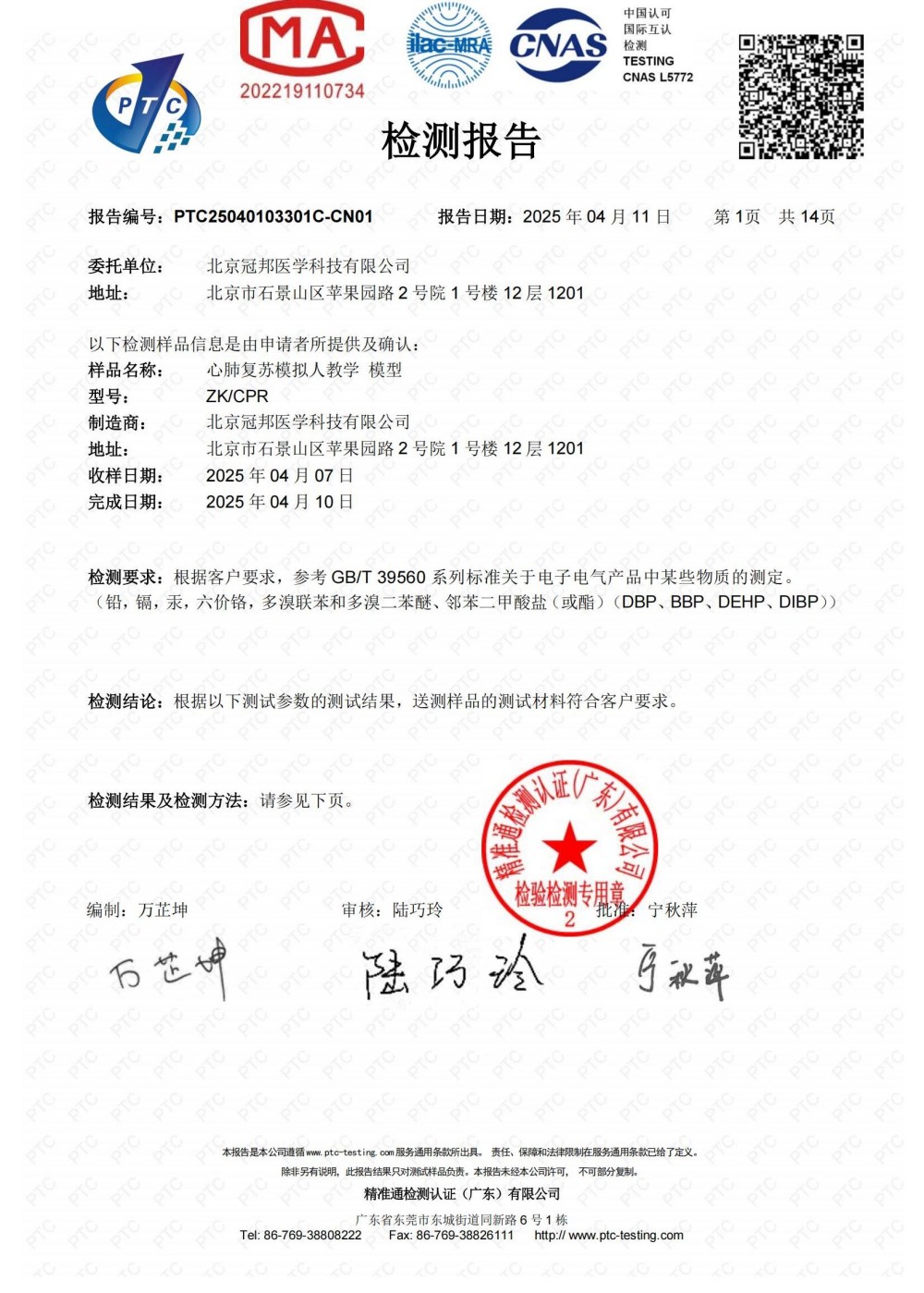
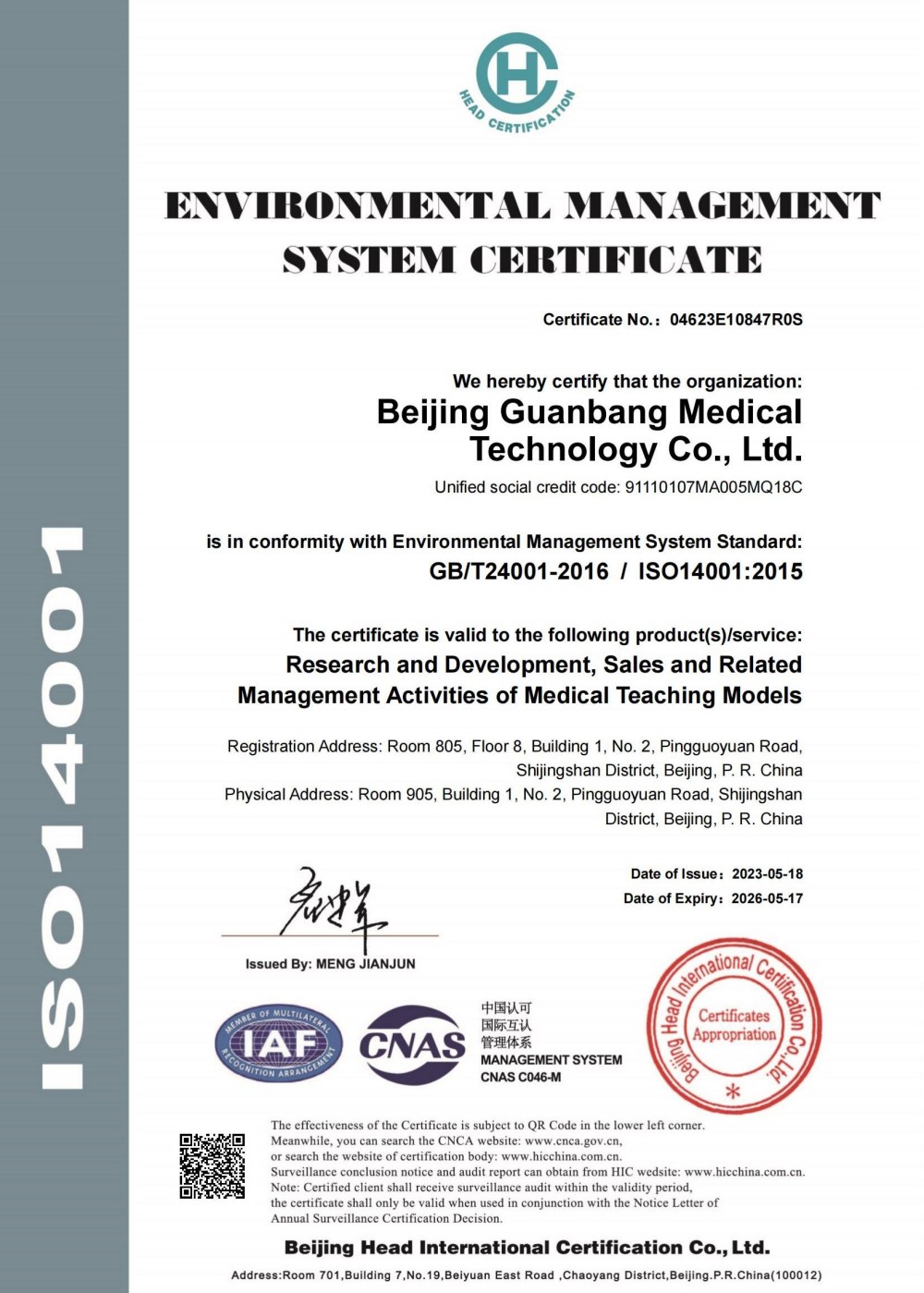
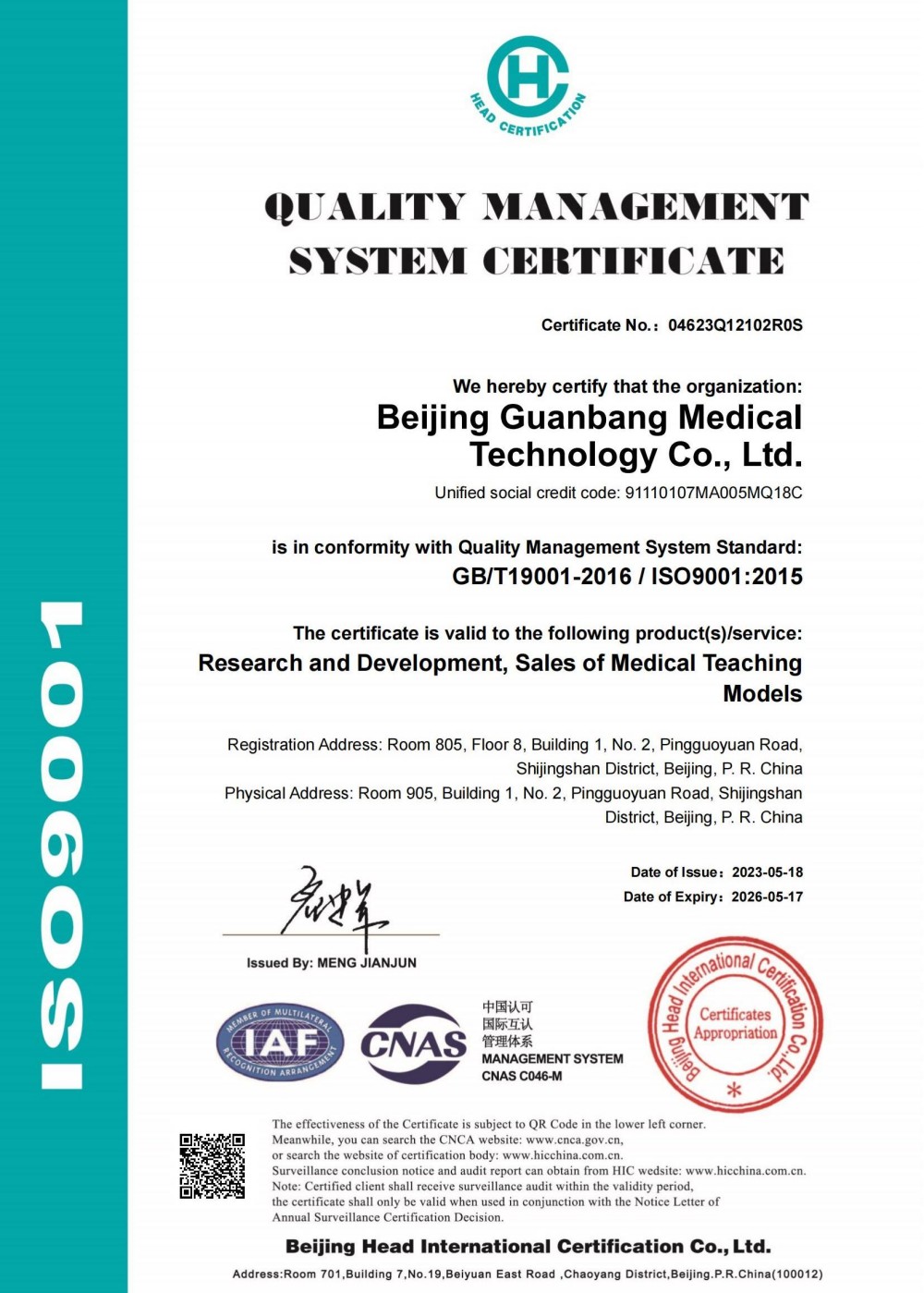
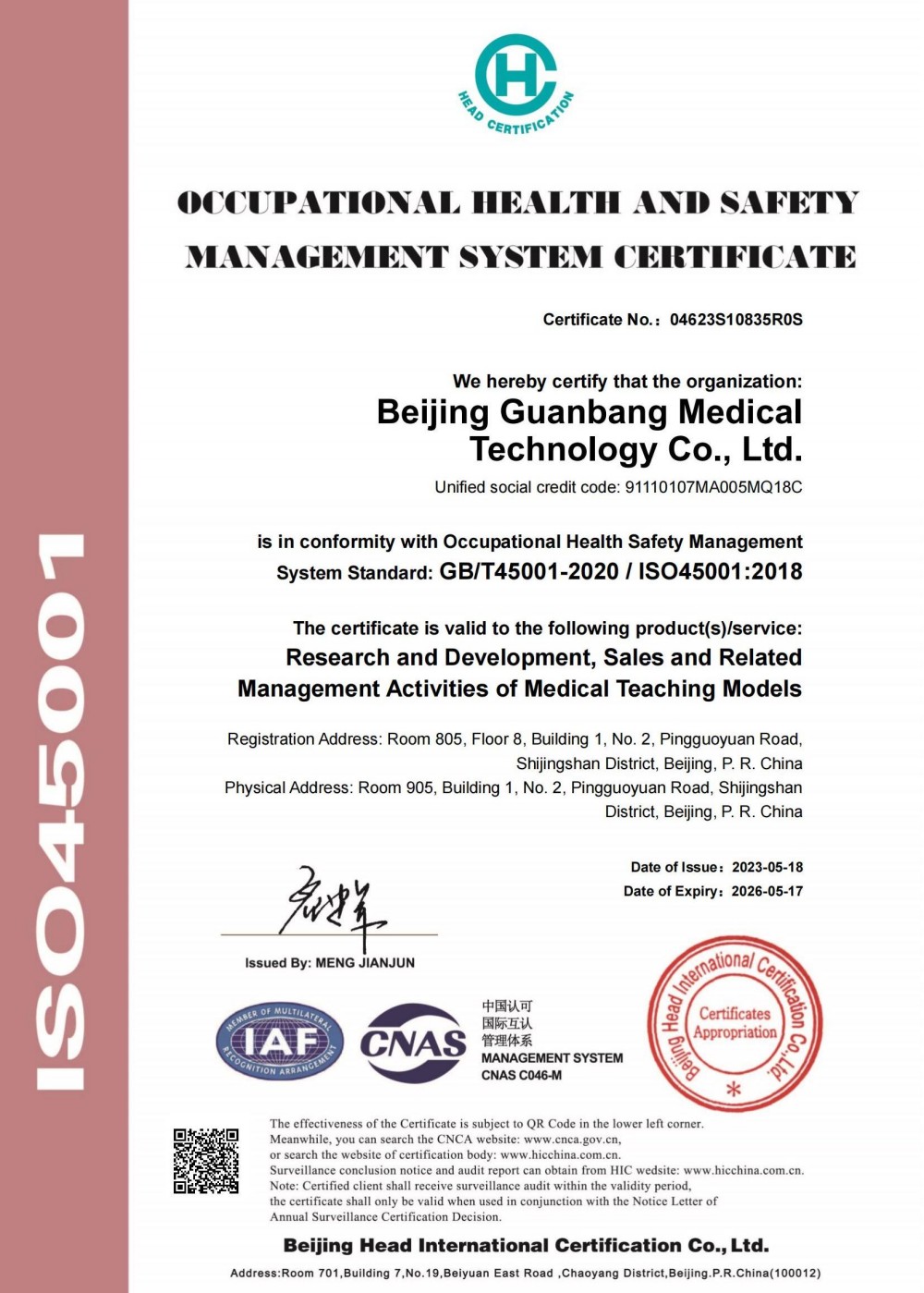
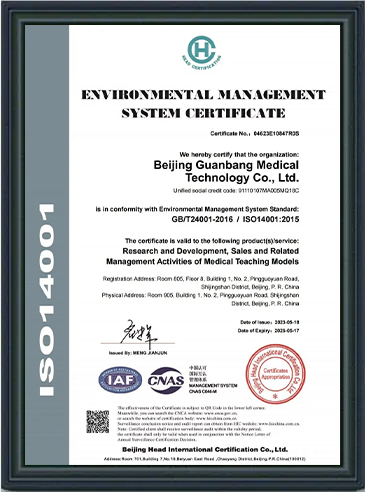
For global procurement managers, purchasing medical simulation devices involves detailed compliance evaluations. To ensure hardware longevity, ease of maintenance, and clinical relevance, buyers must analyze several technical variables. The following framework outlines our core design benchmarks:
Simulators undergo extensive mechanical stress. Under a standard training module, a single manikin experiences between 10,000 and 50,000 compressions per month. Guanbang's mechanical structures integrate industrial-grade compression springs and guide rods that have been fatigue-tested for over 200,000 compression cycles. The electrical systems feature low-energy consumption sensors, running on long-lasting lithium batteries or stable DC adapters, which prevent system crashes during critical examinations.
Resuscitation rules, voice prompts, and terminology vary across regions. When procuring training machines, buyers should prioritize manufacturers capable of flashing customized localized software and audio packages. Guanbang supports multiple language profiles, allowing institutions in Europe, North America, the Middle East, and Latin America to deploy models in local languages. Furthermore, our systems feature upgradable firmware interfaces, so when ILCOR or AHA update their training guidelines, the devices can be updated without requiring full hardware replacement.
Promoting first-aid literacy and emergency preparedness through public outreach, military expos, and community collaborations.
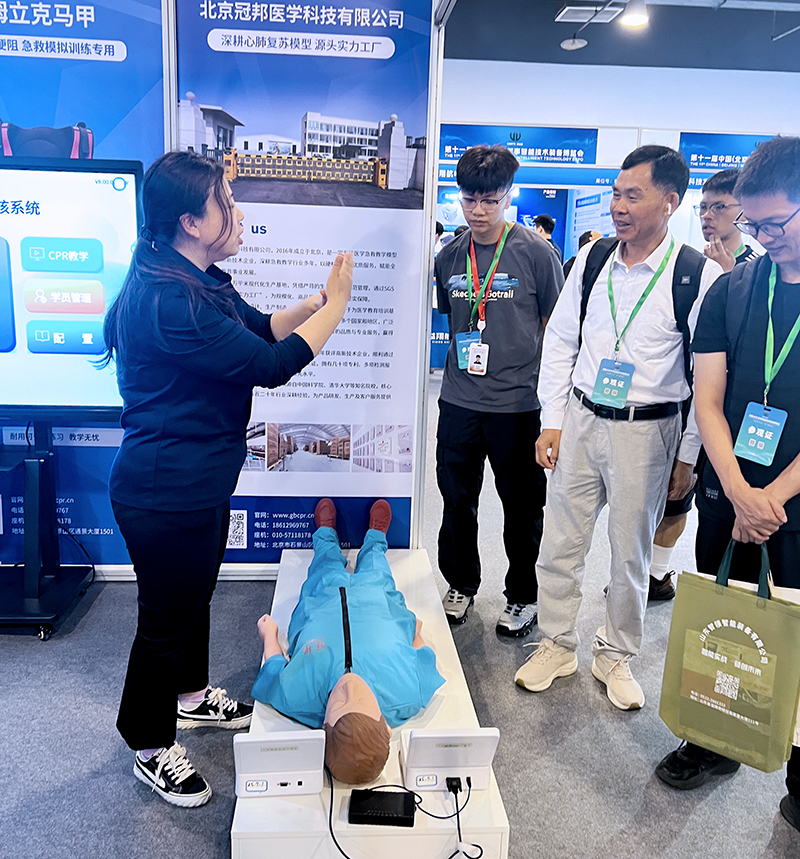
Guanbang presented tactical medical simulation systems at the Beijing National Convention Center, demonstrating robust, durable equipment designed for combat lifesavers.
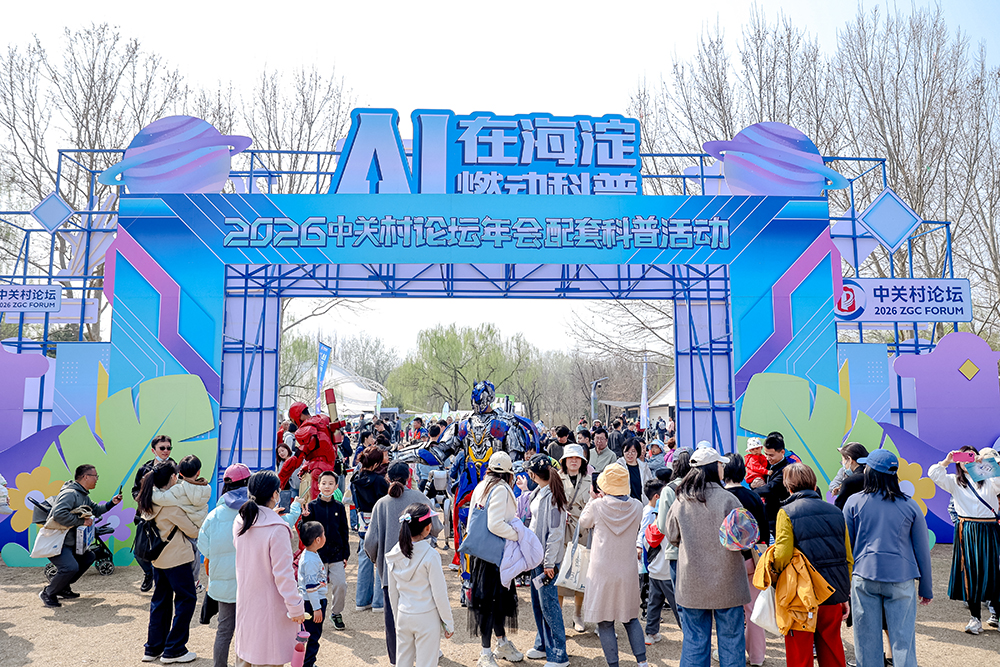
Showcased our software-based one-to-many CPR simulation models at the Zhongguancun Forum, demonstrating technology-driven approaches to large-scale public training.
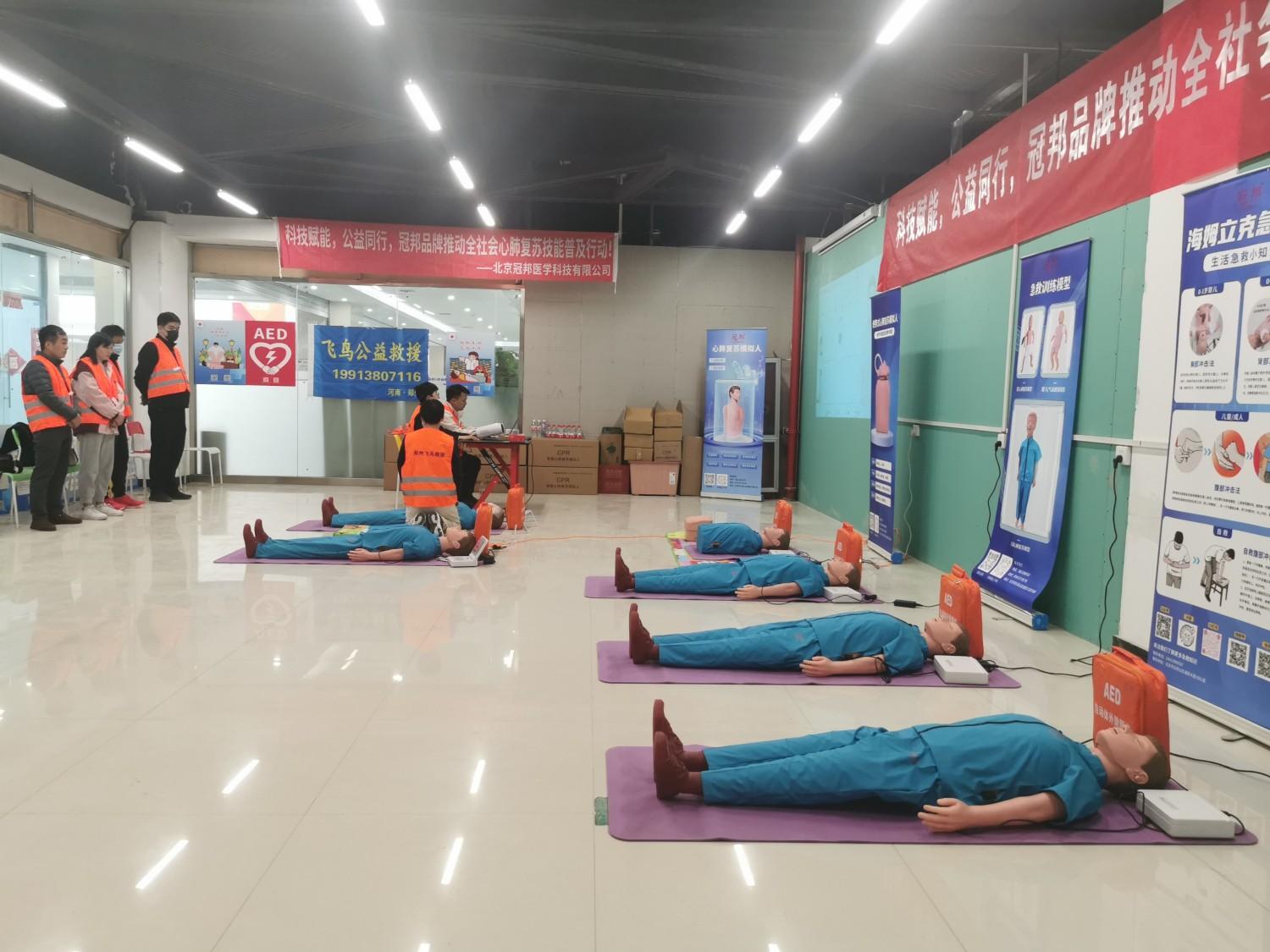
Partnered with the Zhengzhou Feiniao Emergency Team to establish a public welfare CPR center, providing free resuscitation workshops to local communities.
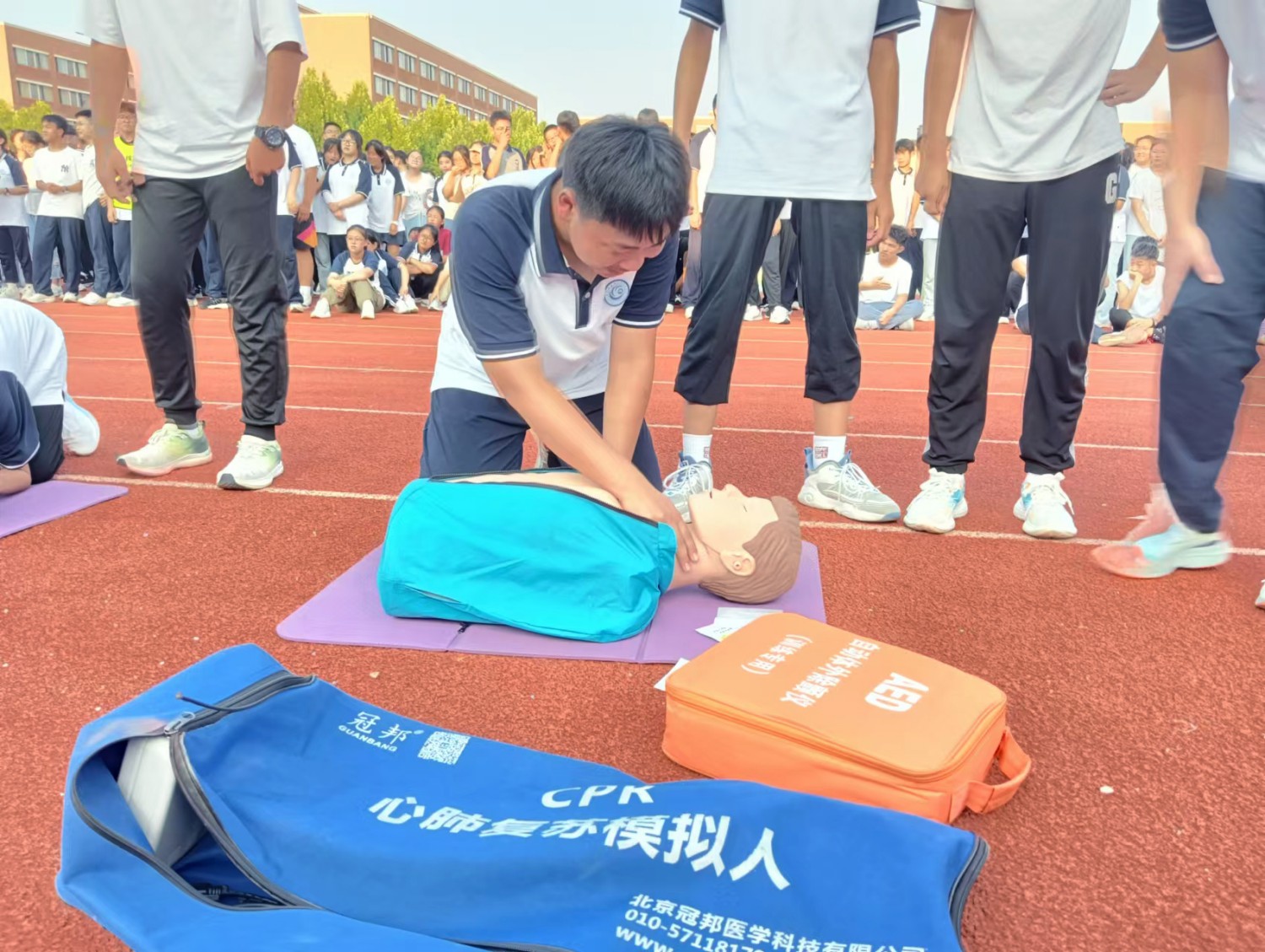
Introduced localized pediatric and infant resuscitation models into primary and middle school environments, building safety awareness in younger demographics.
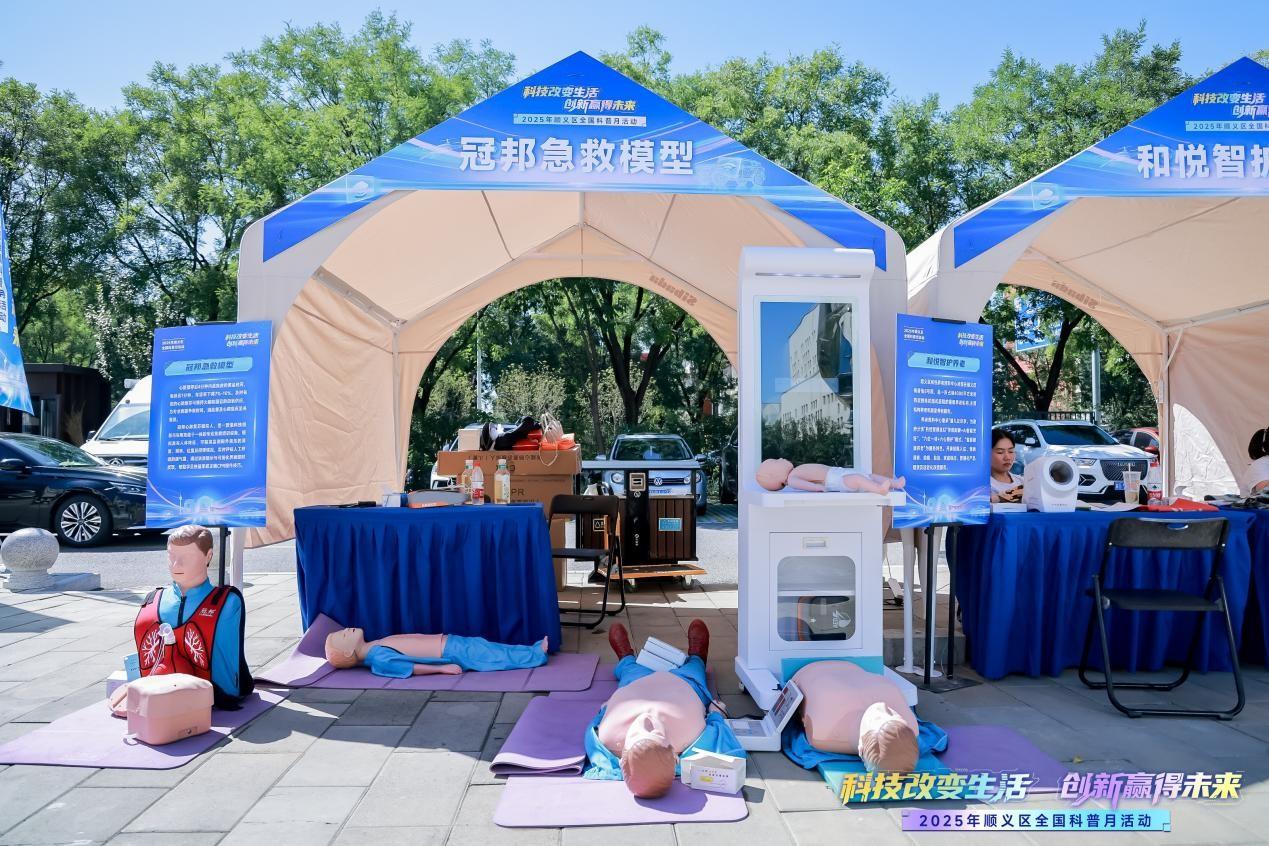
Brought our intelligent CPR simulator series to safety exhibitions, providing thousands of visitors with real-time feedback on their compression techniques.
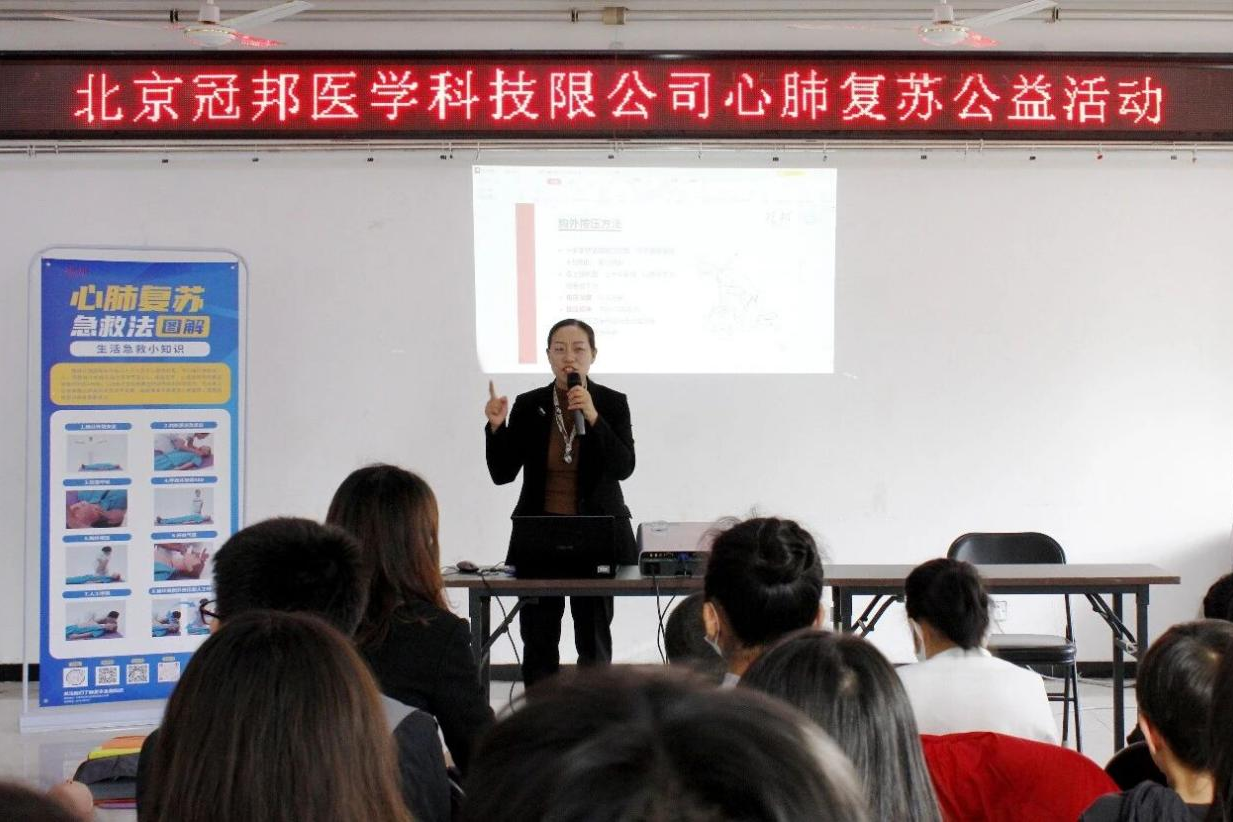
Organized localized training initiatives themed "Cherish Life, First Aid is Always Around" to educate families on choking relief and basic resuscitation skills.
The future of first aid education lies in hybrid, interactive learning models. As internet infrastructure speeds increase, training is moving towards synchronized web systems. Physical manikins are evolving into nodes within larger IoT emergency education networks.
Key developments include the integration of Virtual Reality (VR) and Augmented Reality (AR) headsets with physical, sensor-equipped manikins. This setup lets trainees experience realistic visual and auditory emergency scenarios—like a busy subway station or an industrial site—while receiving tactile feedback from the simulator. Additionally, machine learning algorithms are beginning to analyze compression consistency, generating predictive scores that show how likely a trainee's CPR technique would be to restore circulation in a real patient.
Based on global search metrics, key industry inquiries, and the technical specifications required by procurement officers:
Advanced electronic simulation systems and specialized training devices for global clinical settings.
 Guanbang Medical