Explore our premium, AHA-compliant medical simulation systems directly sourced from our Beijing research and manufacturing facility.
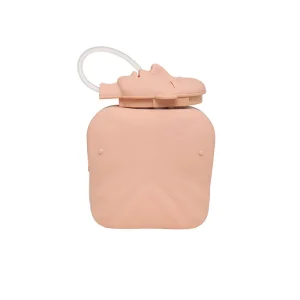
Professional cardiopulmonary training platform engineered with precise mechanical feedback for emergency training.
Learn More
Fully compliant with the latest AHA guidelines, featuring resilient chest recoil and airway design.
Learn More
Ultra-durable materials optimized for continuous educational deployment across emergency academies.
Learn More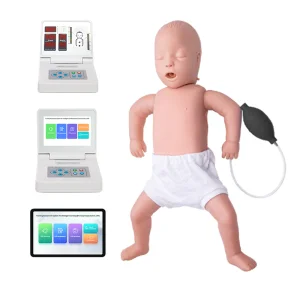
Digital integration with instantaneous pressure monitoring for precise neonatal choking rescue education.
Learn More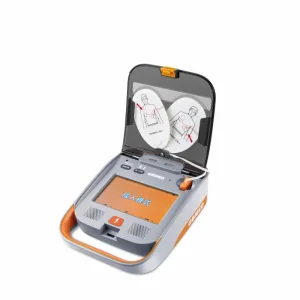
Automated external defibrillation educational system built for seamless simulation integration.
Learn More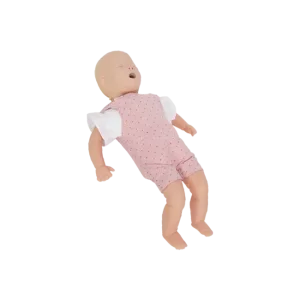
Simulates foreign-body airway obstruction to demonstrate infant back blows and chest thrusts.
Learn More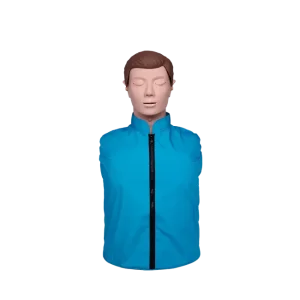
Realistic tissue resilience and anatomical markers for chest compression and ventilation training.
Learn More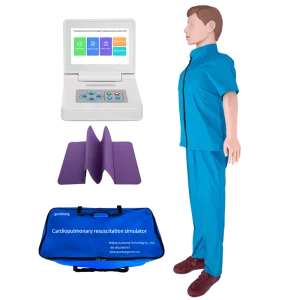
Smart interface displaying real-time tidal volume and compression depth metrics dynamically.
Learn MoreThe physiological mechanism behind the Heimlich maneuver on yourself depends entirely on transdiaphragmatic pressure dynamics. When a foreign body occludes the laryngeal vestibule or trachea, the target volume of residual air within the lungs must be compressed rapidly to generate sufficient retrograde airflow velocities to dislodge the obstruction. For an individual acting alone, the physiological challenge shifts from a second-party subdiaphragmatic thrust to a self-directed force vector. This is usually executed by positioning the fist midway between the umbilicus and the xiphoid process, or using a static, rigid object (such as the back of a heavy chair or a balustrade) to apply sudden upward thrusts.
From a medical engineering perspective, training models must precisely replicate these mechanical thresholds. The core materials used in China-based medical training manufacturing—such as advanced thermoplastic elastomers (TPE)—allow the simulator's abdominal wall to provide realistic resistance. This ensures that trainees feel authentic feedback when they practice creating these critical pressure spikes.
The engineering of modern simulation equipment is moving away from basic mechanical designs and transitioning toward integrated, digitized feedback systems. The research division at Beijing Guanbang Medical Technology Co., Ltd. is at the forefront of this shift, focusing on three core development paths:
Integrating micro-electromechanical sensors (MEMS) within the subdiaphragmatic chambers to map training vectors and real-time pressure peaks.
Formulating non-toxic TPE compounds that match the mechanical properties of human tissue, ensuring durability and natural feel.
Adapting firmware and software architectures to align with updated American Heart Association (AHA) and ERC resuscitation standards.
Our goal is to build an environment where trainees can practice the self-Heimlich maneuver with immediate feedback. By using built-in sensor arrays, the manikin registers the exact angle and force of the chest thrust, showing the user whether their technique would successfully clear an airway. This real-time validation is key to building the muscle memory needed to respond effectively during a real choking emergency.
Choking hazards represent a significant source of accidental mortality worldwide. In institutional environments, deploying physical training devices is the most effective way to improve emergency readiness. We design solutions tailored for specific sectors:
Through partnership initiatives, Guanbang has provided over 10,000 sets of choking training models and CPR simulators to emergency teams, municipal fire departments, and university campuses. Our integrated systems allow instructors to track the progress of dozens of students at once from a single dashboard, making large-scale training programs efficient and easy to manage.
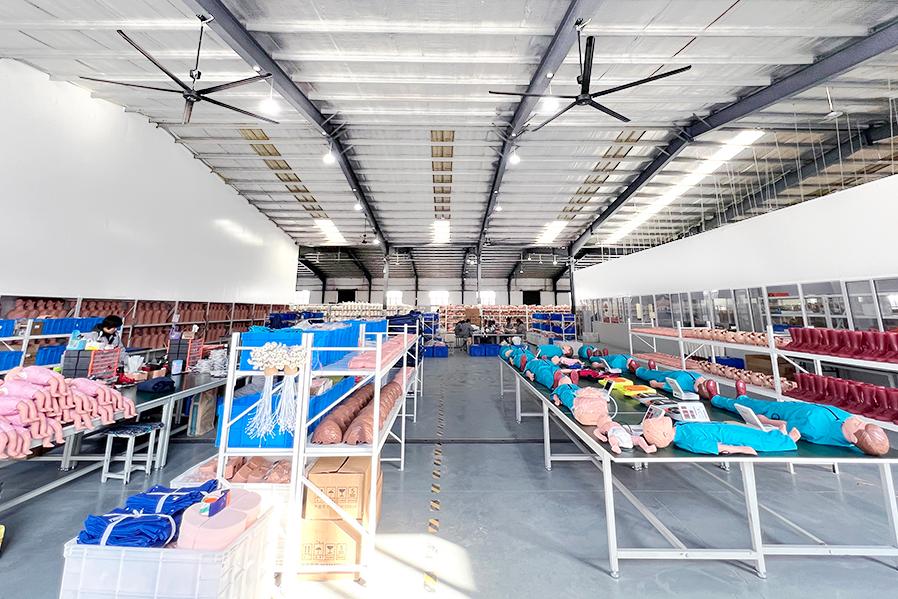
Operating out of our modern 10,000-square-meter facility in Beijing, Guanbang leverages advanced injection molding technology, automated calibration benches, and a dedicated team of 20+ technical specialists alongside 60+ production personnel.
Our production workflow utilizes medical-grade raw materials that are fully traceable. By integrating key manufacturing steps under one roof—from raw steel mold fabrication to final electronic testing—we can offer competitive factory-direct pricing while maintaining rigorous quality control.
Selling medical simulation equipment globally requires strict adherence to international regulatory standards. Our products are fully certified and manufactured to comply with:
Comprehensive quality management system covering every stage from design to final packaging.
Simulators designed to meet the exact compression and ventilation standards set by the American Heart Association.
Full CE markings ensure compliance with safety and health protection standards for European distribution.
To ensure a smooth importing process, Guanbang provides detailed technical documentation, material safety data sheets (MSDS), and compliance certificates for all customs clearances. We also work closely with regional distributors to customize software interfaces, user guides, and packaging options to suit local market requirements.
An innovative medical simulation equipment manufacturer built on a foundation of scientific research and community safety.
Beijing Guanbang Medical Technology Co., Ltd. was established to design, develop, and manufacture advanced simulator models for the medical training sector.
Expanded operations to a 10,000-square-meter facility, hiring specialists from the Chinese Academy of Sciences and Tsinghua University to lead advanced design projects.
Showcased our intelligent simulators at key regional expos, and launched public safety training programs to teach CPR and choking rescue techniques across school campuses.
Presented our tactical training models at the 11th China Military Intelligent Technology & Equipment Expo, expanding our reach to international defense, emergency service, and commercial buyers.
Browse our catalog of professional-grade adult, pediatric, and infant airway obstruction training systems.
Life-sized anatomical design optimized for demonstrating foreign body clearing techniques in infants.
Learn More
Customizable training models designed to meet various institutional requirements and study specifications.
Learn More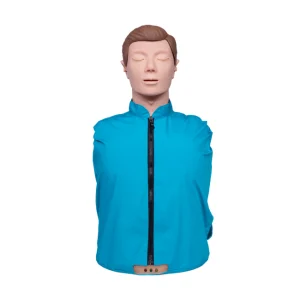
Features built-in LED indicators to show proper hand placement, compression depth, and ventilation speed.
Learn More
OEM customization options supporting multi-language displays, custom labels, and branding designs.
Learn More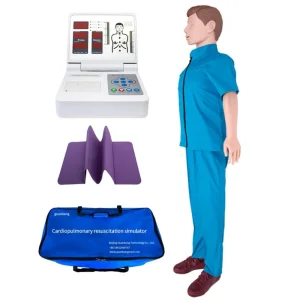
An advanced first aid training system featuring structured training modules and performance grading options.
Learn More
A cost-effective training option designed for schools, charities, and community centers.
Learn More
Highly durable, entry-level manikin built to withstand repetitive use in large training classes.
Learn More
Professional training system featuring real-time diagnostic printouts and performance metrics.
Learn MoreSee how our training models make a difference in schools, military expos, and community safety events.
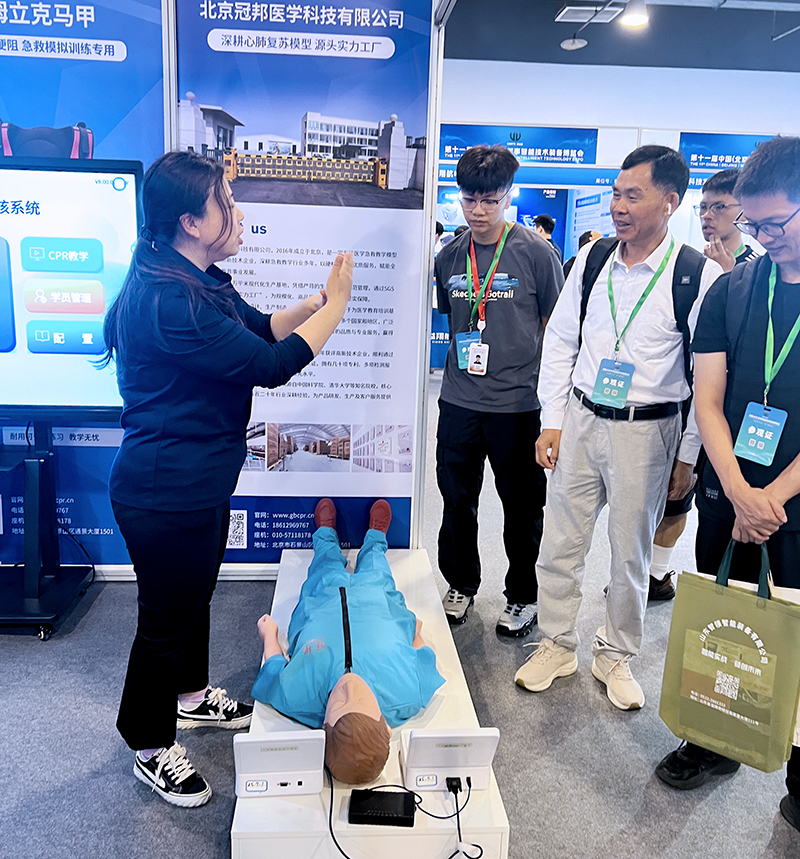
Showcasing our latest military-grade simulators, designed to teach tactical self-rescue and trauma care techniques under high pressure.
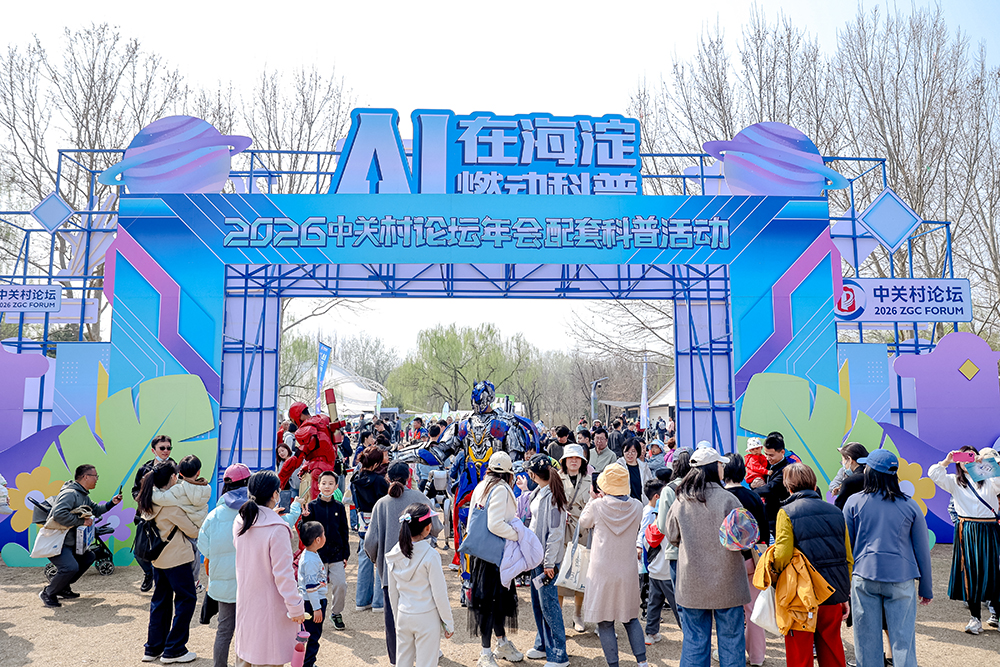
Demonstrating how our software-integrated training manikins make large-scale public safety training easier and more accessible.
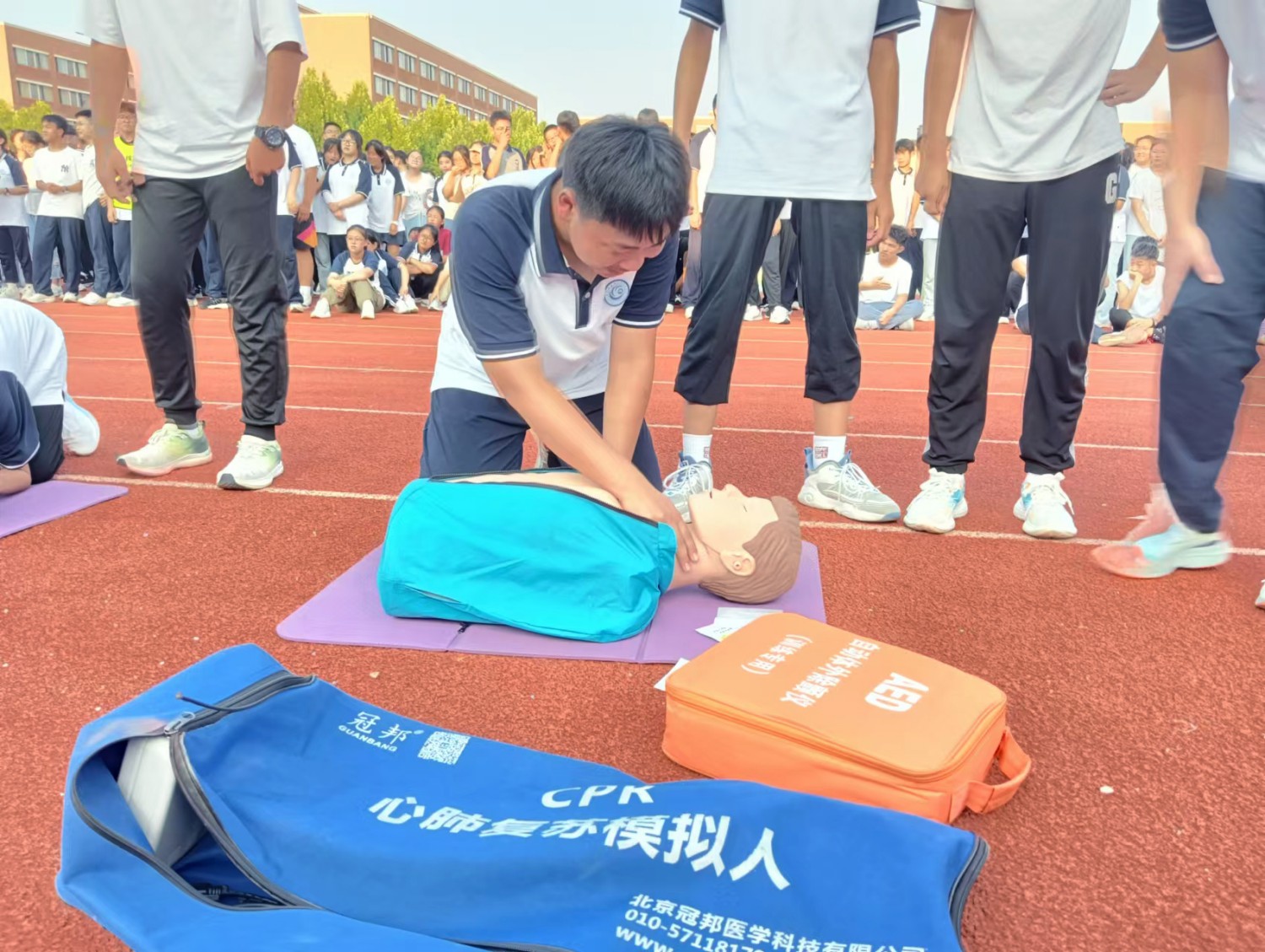
Deploying specialized infant and youth training models to local campuses, helping students learn essential emergency response skills early.
Building high-quality airway simulators requires deep expertise in polymer chemistry. Our models are crafted using a custom blend of thermoplastic elastomers (TPE) and silicone. This ensures that chest and abdominal compression points behave just like real human tissue during training. Unlike cheaper PVC alternatives that quickly wear out, our material maintains its elasticity and texture even after thousands of compressions. This durability makes them ideal for busy training centers and university simulation labs.
Our digital simulators use advanced sensor arrays that measure key training metrics in real time. Built-in sensors track compression depth, compression speed, and target tidal volumes. For choking simulators, they verify whether the trainee has generated enough force to clear the airway. This information is displayed instantly on color touchscreen monitors, giving instructors a clear, objective tool to evaluate and grade each student.
Our 10,000-square-meter facility in Beijing handles the entire production process from start to finish. Because we manufacture everything in-house, we can easily scale production to meet bulk orders from international distributors, healthcare systems, and non-profits. We also offer comprehensive custom branding (OEM/ODM) options, including tailored software translations, branded logos, and custom transport cases.
Find answers to common questions about compliance, technical features, ordering, and shipping logistics.
Our choking trainers feature realistic abdominal anatomy and internal airway paths. Trainees can practice positioning a fist or using a solid object to apply force below the ribcage. The model registers when the target compression angle and pressure are achieved, providing feedback that teaches the mechanics needed to clear an obstructed airway.
Yes, all Guanbang CPR manikins are designed to meet current American Heart Association (AHA) and European Resuscitation Council (ERC) guidelines. They ensure accurate representations of chest compression depth (5–6 cm for adults), recoil pressure, and correct ventilation volume.
We provide full customization, including custom exterior colors, screen interface languages, integrated hardware software, custom carry bags, and logo options. These solutions are ideal for distributors looking to offer branded equipment in their local markets.
We use high-grade, non-toxic thermoplastic elastomers (TPE) and premium silicone. These materials mimic the density and elasticity of human tissue, can be easily cleaned with standard sanitizers, and maintain their shape over long-term, high-volume use.
Every simulator undergoes strict diagnostic checks before packaging. We test the calibration of all pressure sensors, verify lung inflation values, and check mechanical joints to ensure each unit performs reliably as soon as it arrives at your facility.
 Guanbang Medical