Explore our leading medical emergency simulators manufactured to strict global training specifications.
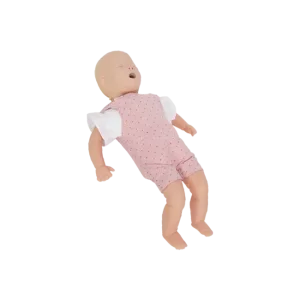
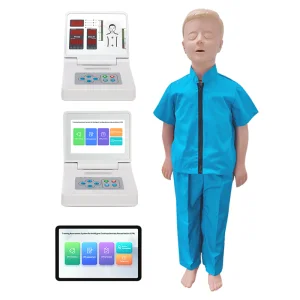
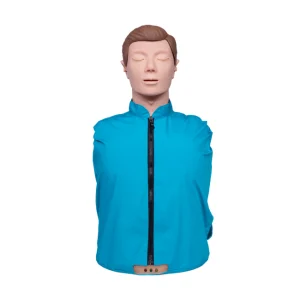
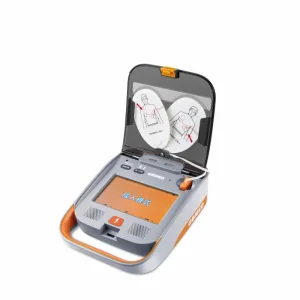
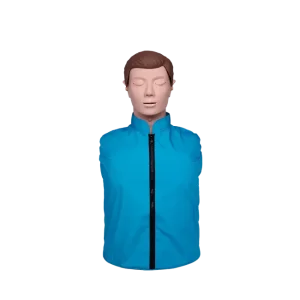
Why global institutions partner with leading China-based manufacturers to deliver clinical simulation solutions.
Modern CPR simulators utilize high-elasticity polymers, thermoset polyurethane, and food-grade thermoplastic elastomers (TPE). Chinese manufacturers lead in material processing pipelines, providing life-like tactile fidelity, realistic chest resistance, and superior durability. Models withstand over 500,000 chest compressions without experiencing structural fatigue or skin tearing.
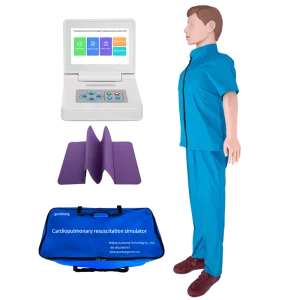
By leveraging China's electronics clusters, simulation hardware features embedded microcontroller units (MCUs) that monitor chest compression depth, frequency, hand placement, and ventilation metrics. Real-time feedback, digital controls, and touch displays interface with proprietary software, allowing trainers to align training with the latest AHA standards.
From initial high-precision injection mold design to software localization, Beijing Guanbang Medical Technology Co., Ltd. utilizes an agile supply chain. Our facilities produce high-end intelligent voice-prompt CPR systems, basic life-saving models, and custom Heimlich maneuver training vests, scaling production to meet high-volume tenders.
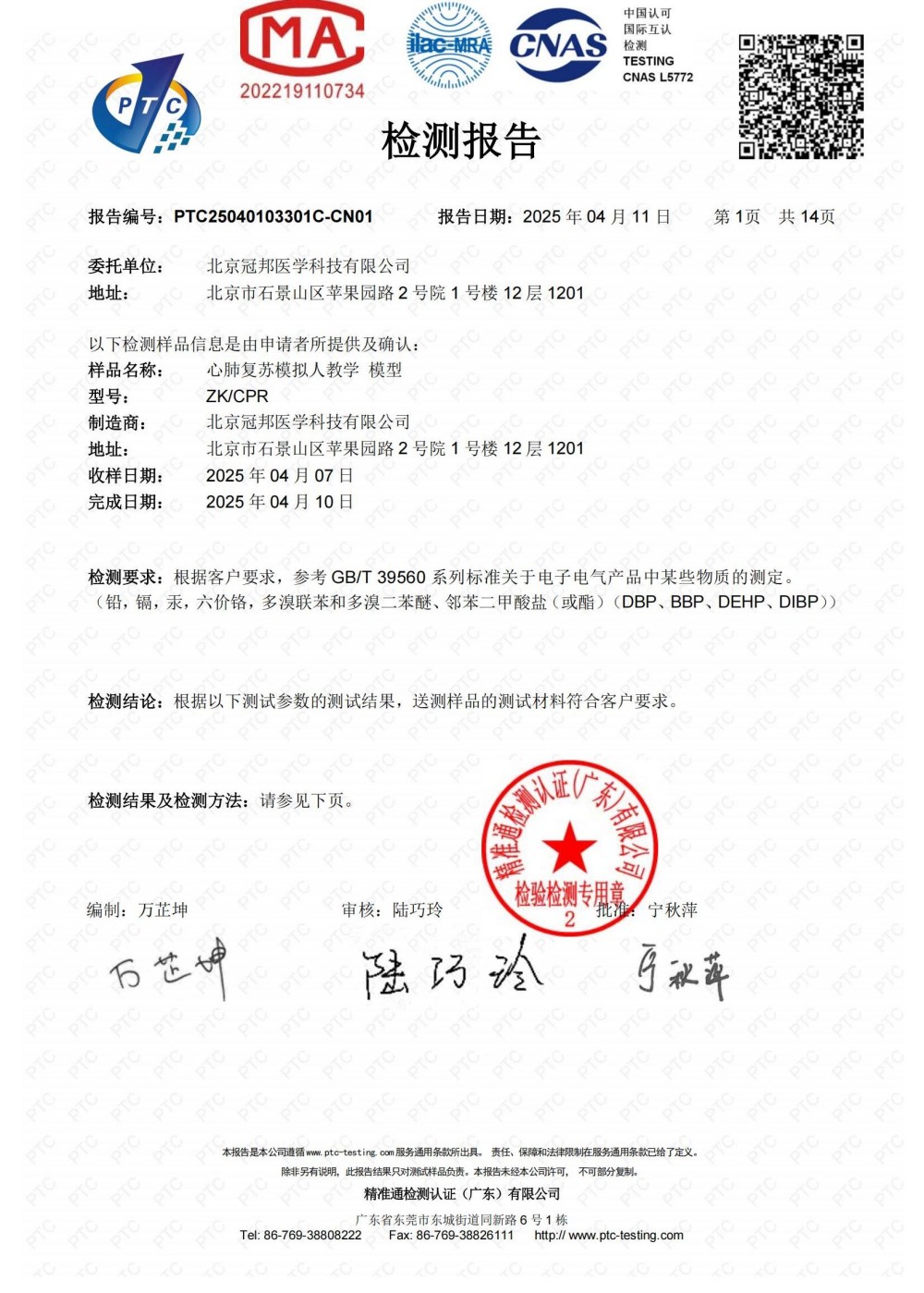
When sourcing clinical simulation models, examine their material certificates (RoHS, REACH) and hardware compliance (CE, FCC). High-fidelity models must integrate sensor-driven feedback systems that dynamically log performance metrics, ensuring standard compliance in institutional clinical training.
An engineering breakdown of integrated sensors and mechanical systems in Guanbang Simulators.
| Simulation Module | Technical Feature | Sensor Mechanism | AHA Guidelines Compliance Standard |
|---|---|---|---|
| Intelligent CPR Manikins | Color Touch Screen Control & Real-time Digital Interface | Optical linear displacement & airflow volume sensors | Meets 2020 AHA directive for real-time corrective feedback |
| AED Training Units | Pre-configured Training Scenarios & Replaceable Voice Chips | Contact sensors for correct electrode placement | Simulates real cardiac events, shocks, and safe rescue protocols |
| Airway Obstruction Models | Simulated anatomical structures for Heimlich rescue | Pneumatic pressure detection systems | Provides tactile feedback for clearing foreign object blockages |
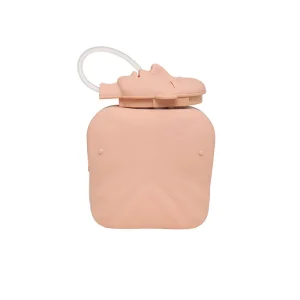
| Pediatric & Infant Manikins | Anatomically correct airway models | Spring-loaded compliance for child-sized chest depths | Calibrated for specific pediatric life support (PALS) depths |
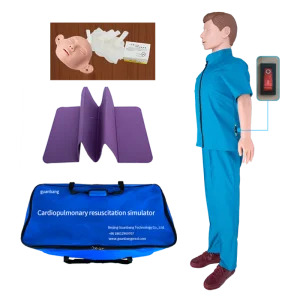
Modern clinical emergency simulation systems require precise physical feedback loops. Inside a premium Guanbang Adult CPR Simulator, a linear displacement sensor tracks compression depth down to the millimeter. Compressions must meet the 50mm to 60mm range to register as "correct" on the connected monitor. Airflow sensors measure tidal volume (500ml-600ml optimal) during rescue breathing to check for stomach distension and airway occlusion.
Using real-time indicators, student performance translates into telemetry data. A custom microcontroller analyzes these signals, generating instant voice prompts or visual graphs on an LCD touch panel. These interfaces support BLS (Basic Life Support) and ALS (Advanced Life Support) instruction in medical colleges and professional rescue teams.
Founded in Beijing in 2016, Beijing Guanbang Medical Technology Co., Ltd. is an innovative enterprise combining research, design, production, and after-sales support. Operating a modern production facility of approximately 10,000 square meters, we manufacture high-quality simulation models for medical education and institutional training programs.
Our products serve healthcare facilities, universities, corporate security programs, and emergency rescue organizations worldwide. With an experienced R&D team and a complete production pipeline, we provide reliable clinical simulation solutions from single-unit training models to comprehensive institutional packages.
Our design team includes technical experts holding master's and doctoral degrees from institutions such as the Chinese Academy of Sciences, Tsinghua University, and Beijing University of Technology. Over 20 research specialists and 60 production staff design and refine our simulator systems.
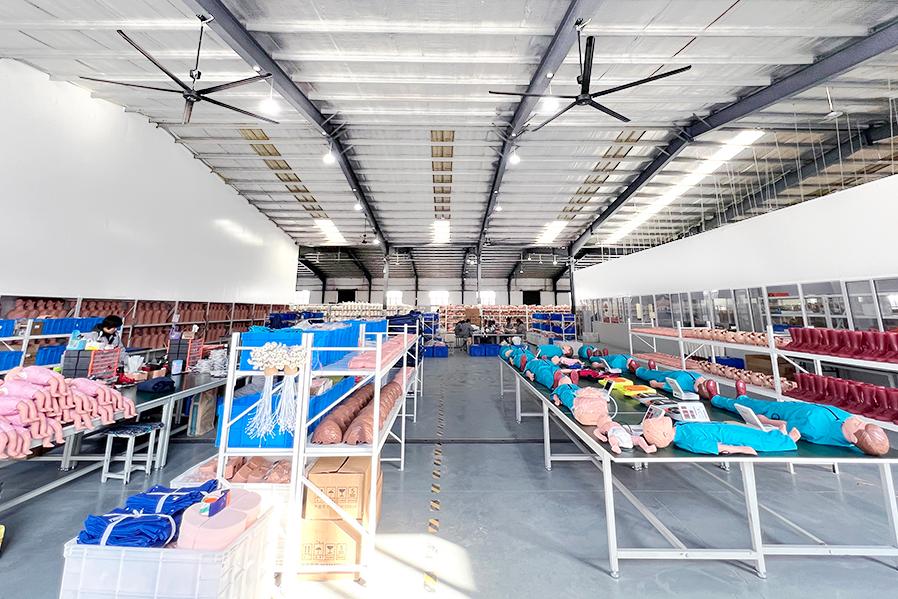
Providing customizable simulators to meet diverse global training requirements.
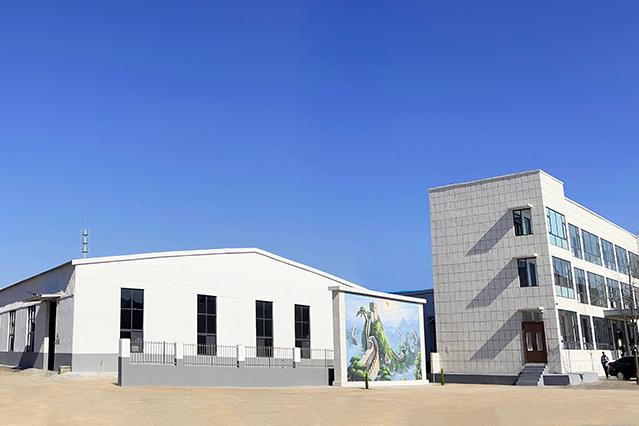
We utilize high-precision CNC mold milling to construct realistic anatomical structures. Custom skin textures and bone structures are integrated into adult, pediatric, and infant manikins to simulate realistic landmarks for electrode placement and hand positions.
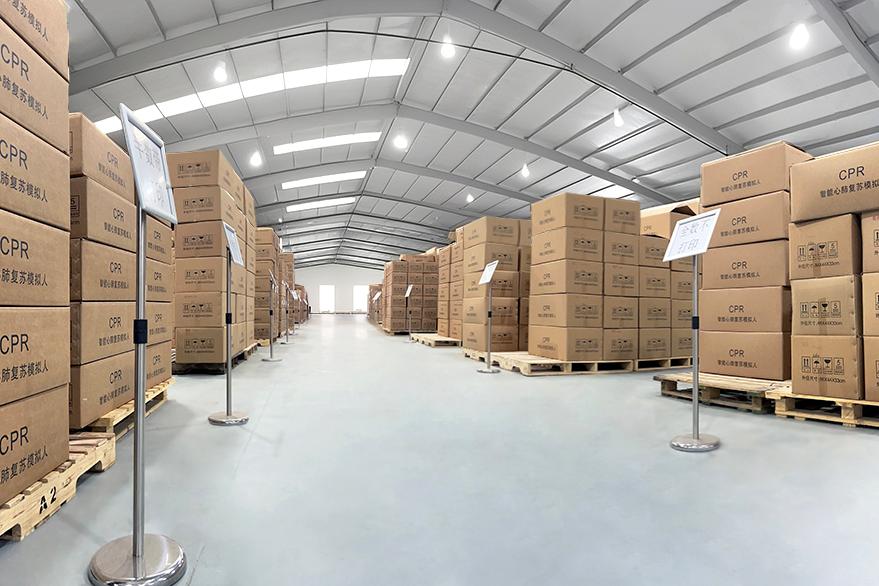
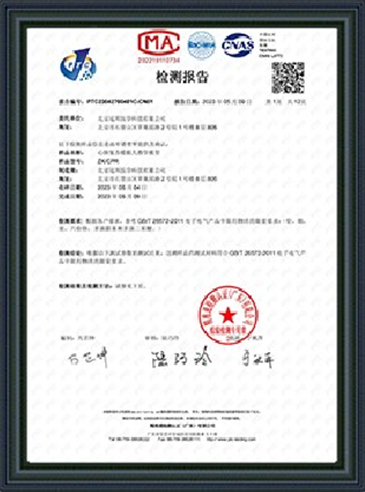
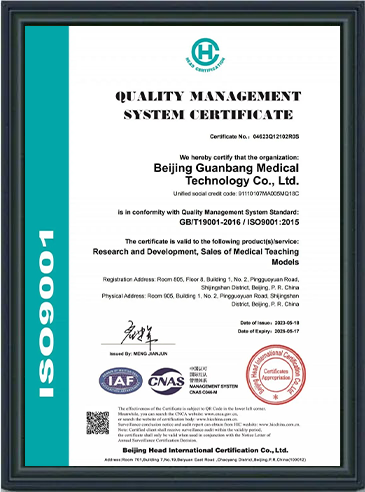
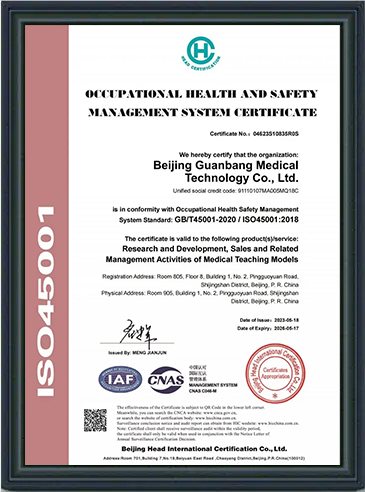
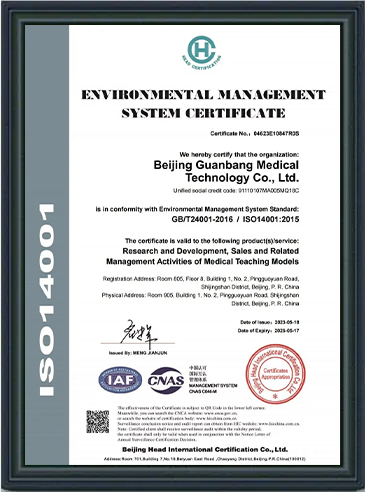
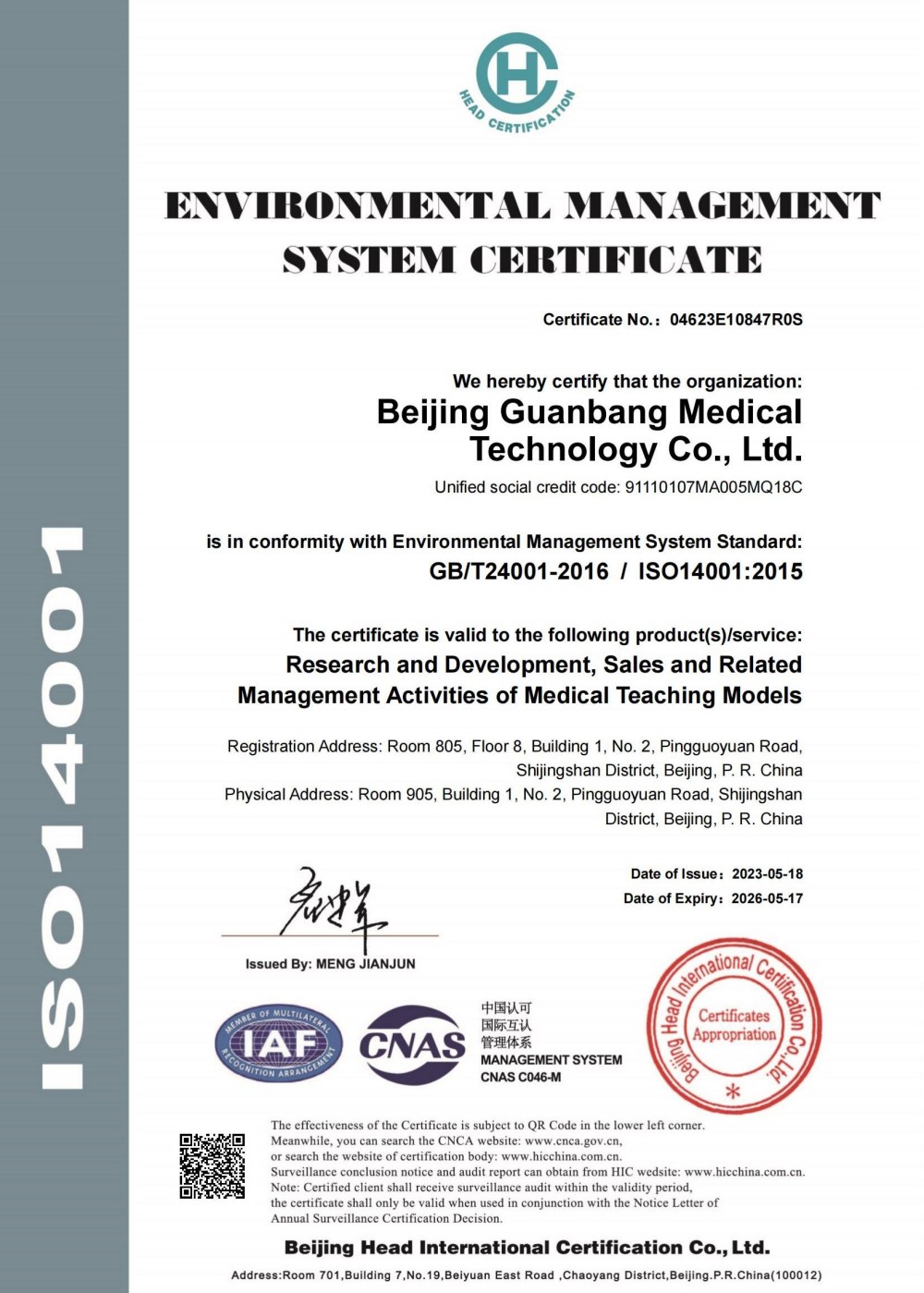
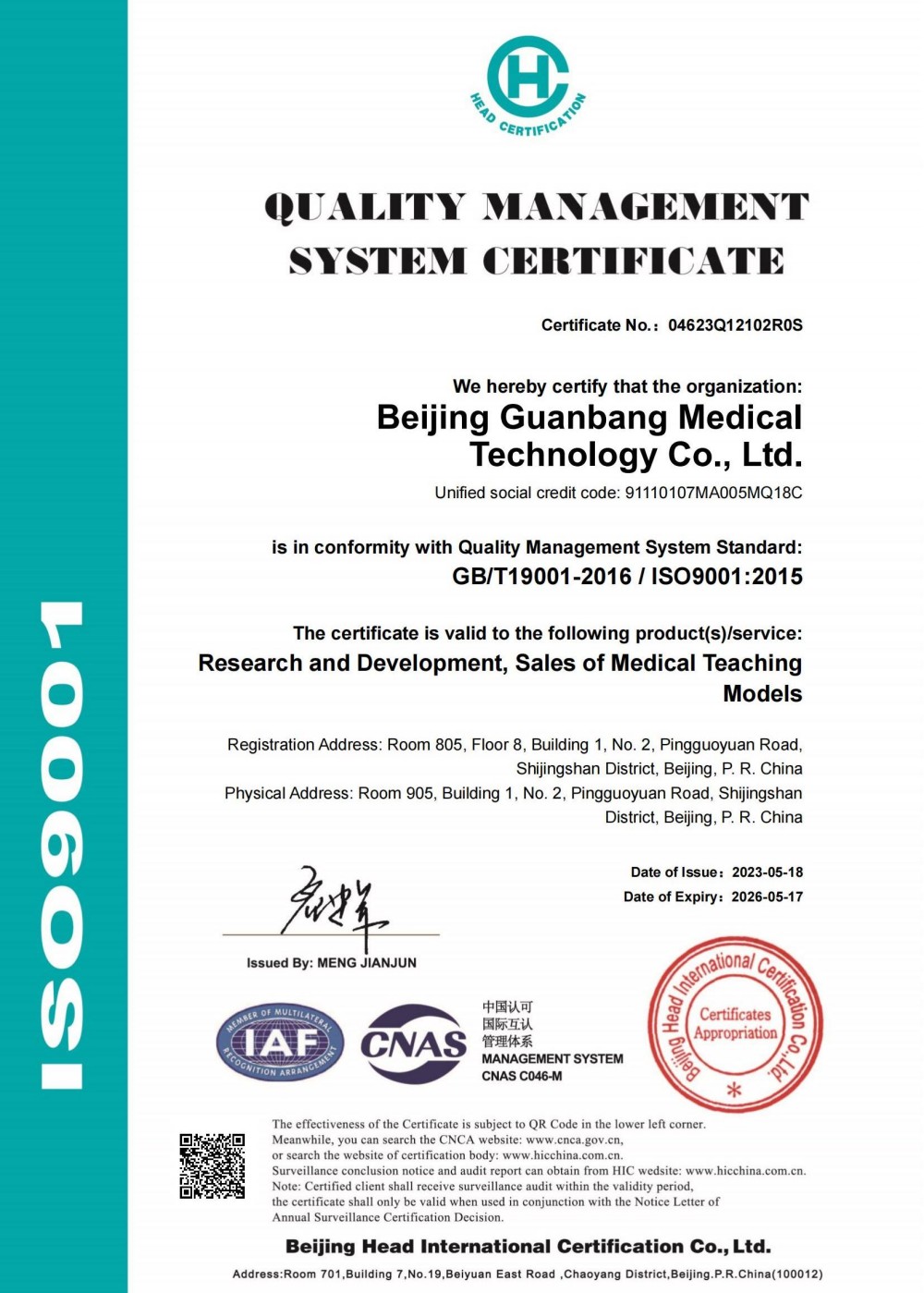
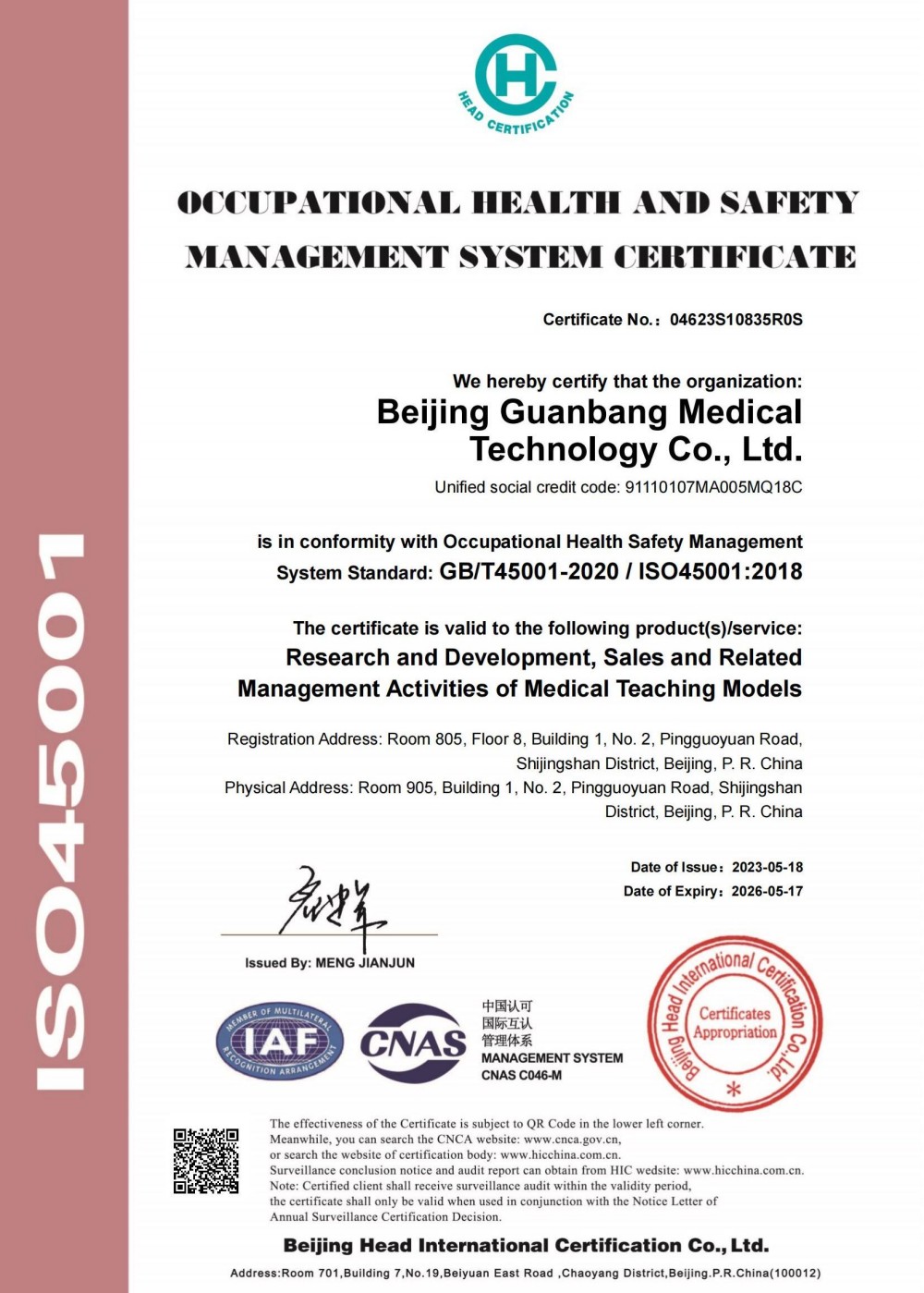
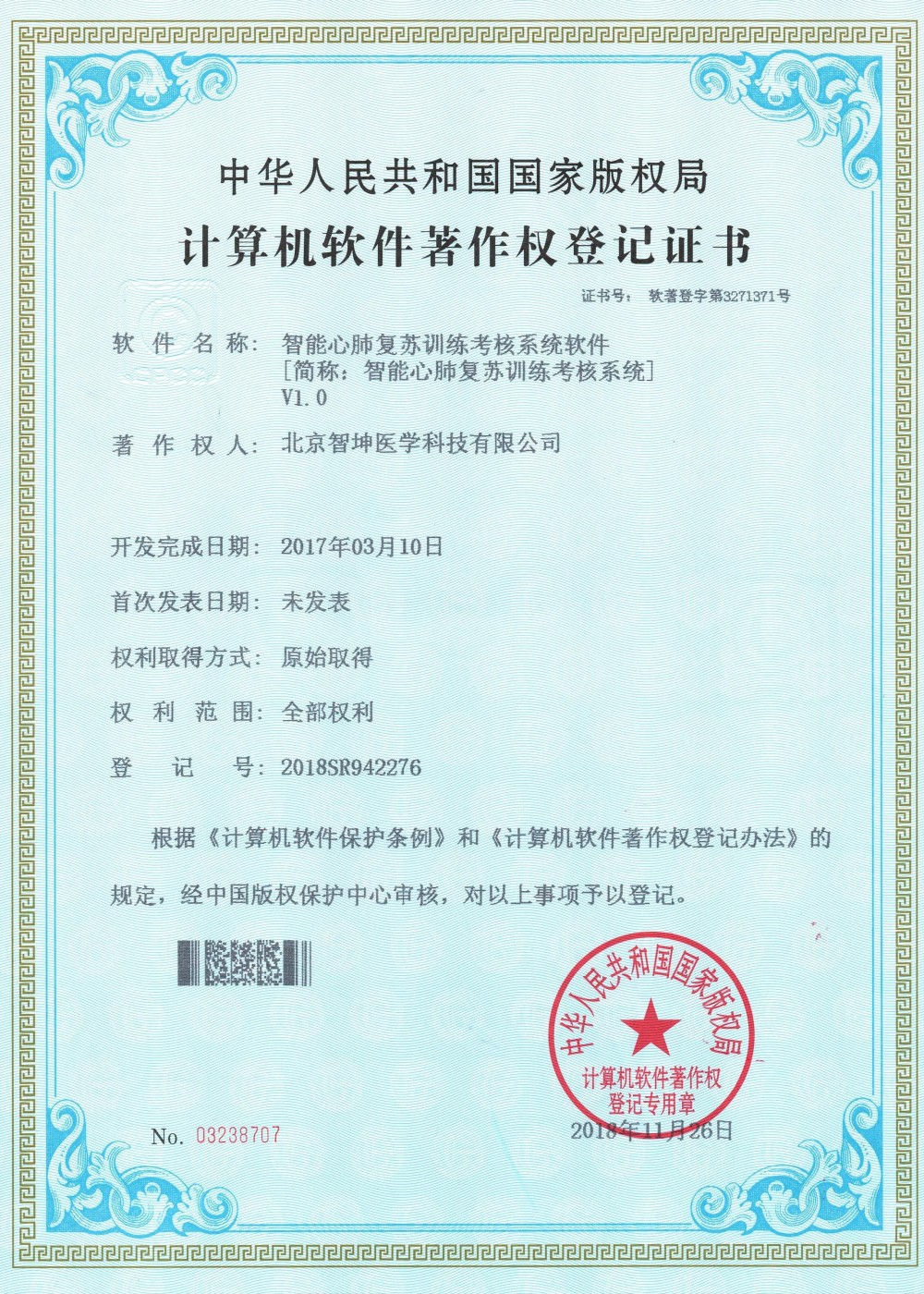
Guanbang holds ISO 9001:2015 Quality Management, ISO 14001:2015 Environmental Management, and ISO 45001:2018 Occupational Health & Safety certifications. Our products hold design patents and specialized software copyrights.
We support global distributors, NGO procurement programs, and corporate customers with specialized design services. Custom capabilities include localized voice feedback systems, custom AED training scripts, tailored software integration, and custom branding options.
Certified manufacturing standards to ensure clinical accuracy and reliable performance.
Expanding rescue and first aid training capabilities through public education initiatives and industry exhibitions.
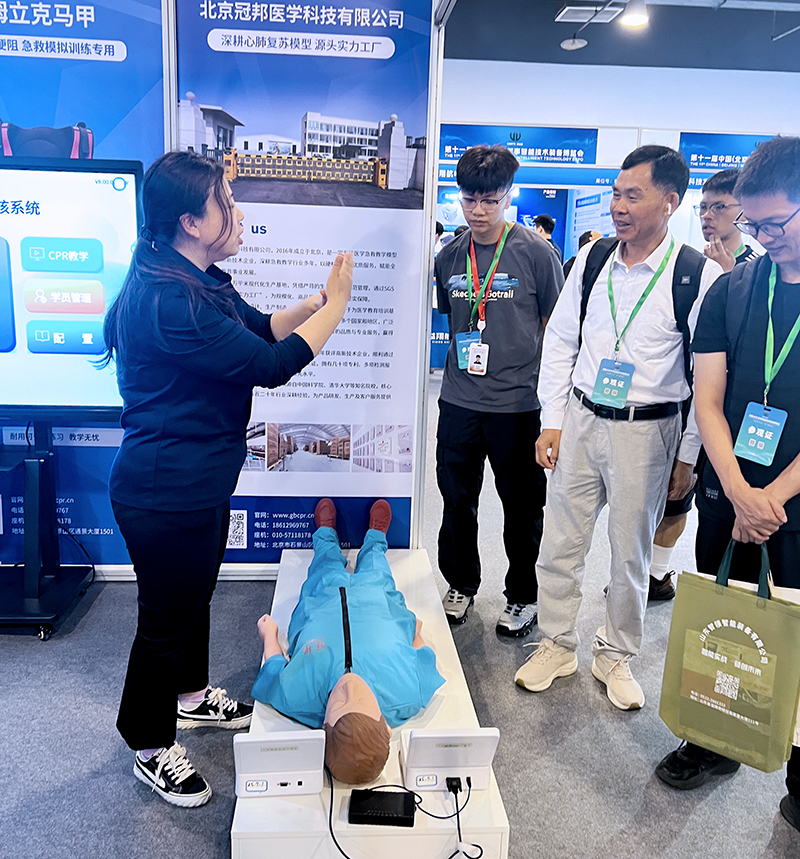
Guanbang presented specialized training systems at the Beijing National Convention Center, demonstrating integrated emergency simulators designed for defense medical units, emergency services, and high-intensity field medical environments.
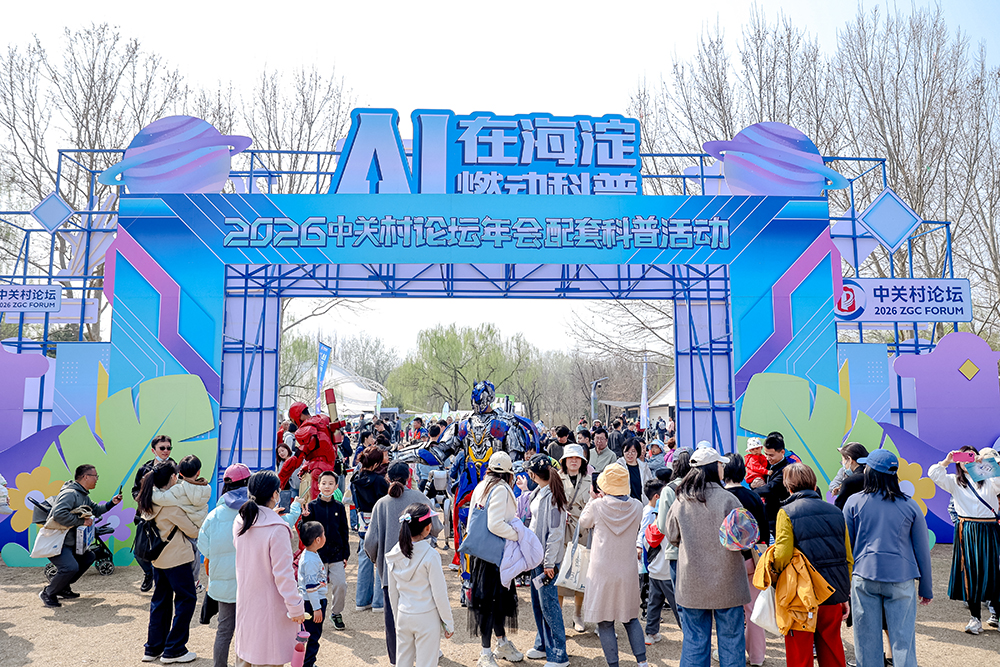
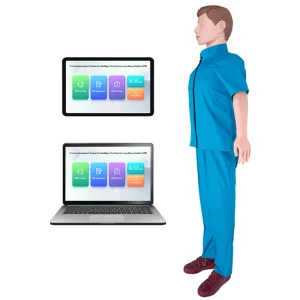
At the 2026 Zhongguancun Forum Annual Meeting supporting program, Guanbang showcased our software-based CPR simulation systems. Our system allows a single instructor to monitor multiple student manikins simultaneously using a central tablet interface, improving training efficiency for large groups.
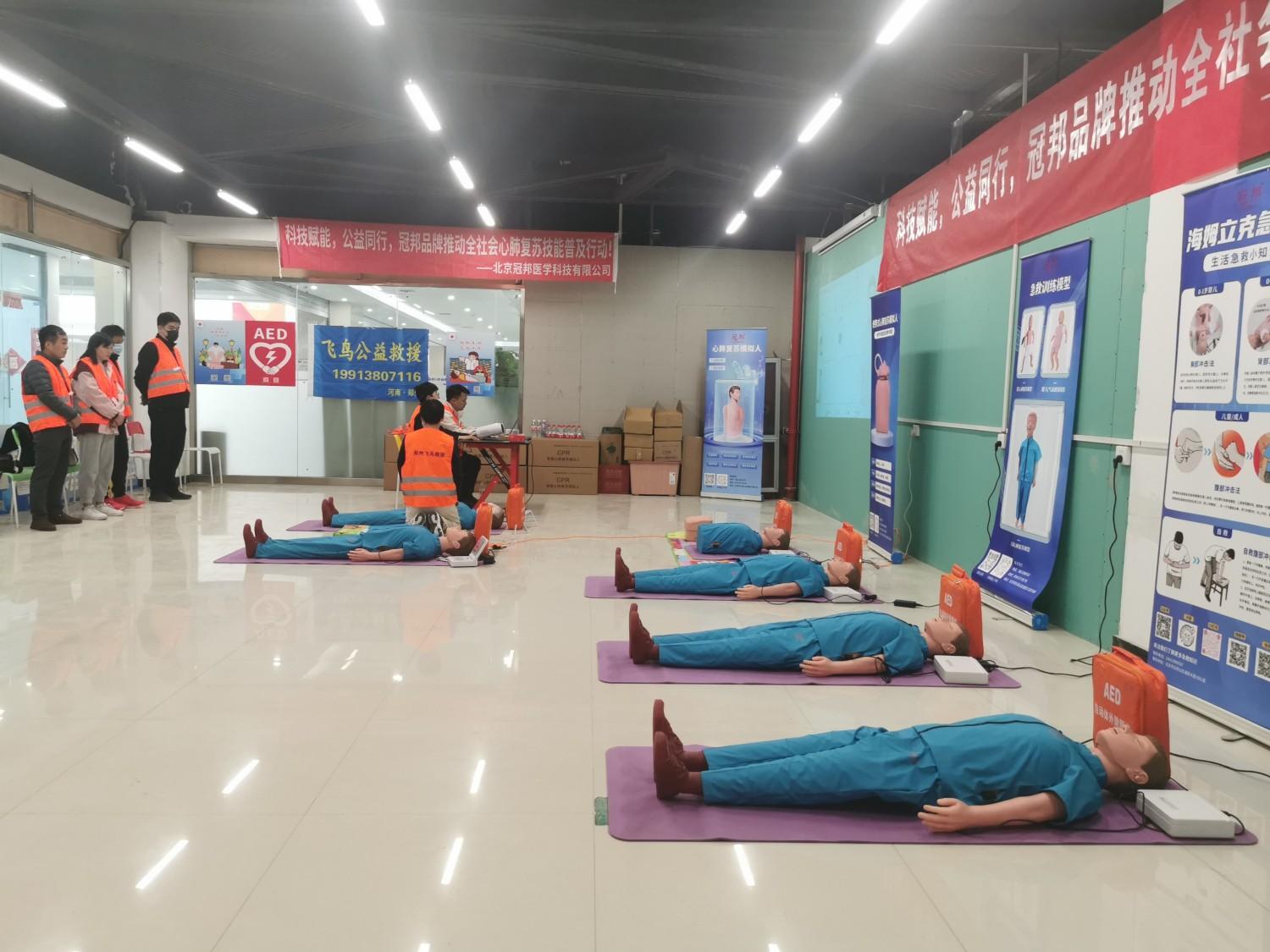
Guanbang partnered with the Feiniao Emergency Team to establish a public emergency training center in Zhengzhou, providing communities and local volunteers with access to clinical-grade simulators for regular first-aid training.
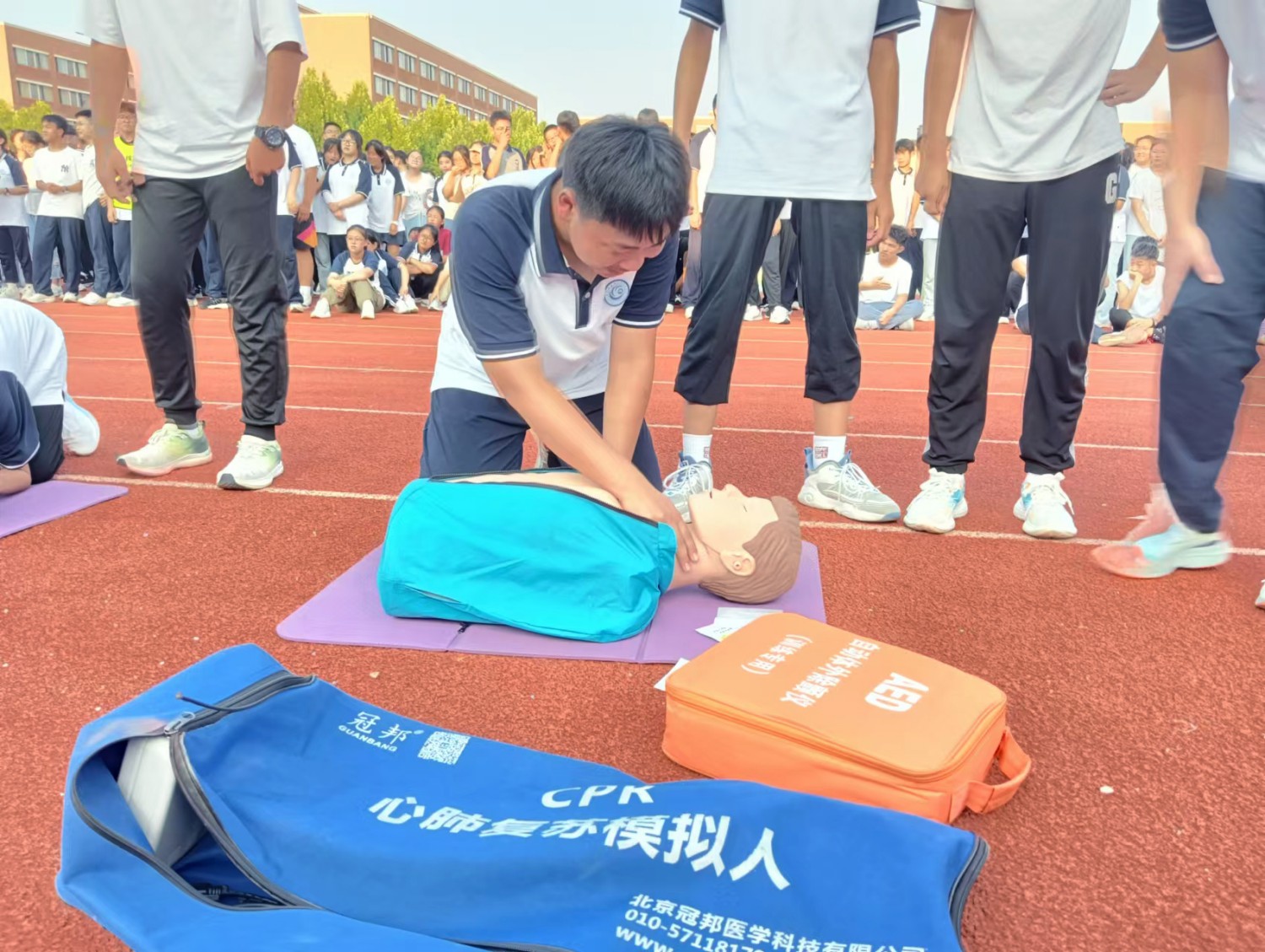
Providing training units to schools and universities to support youth first-aid education programs.
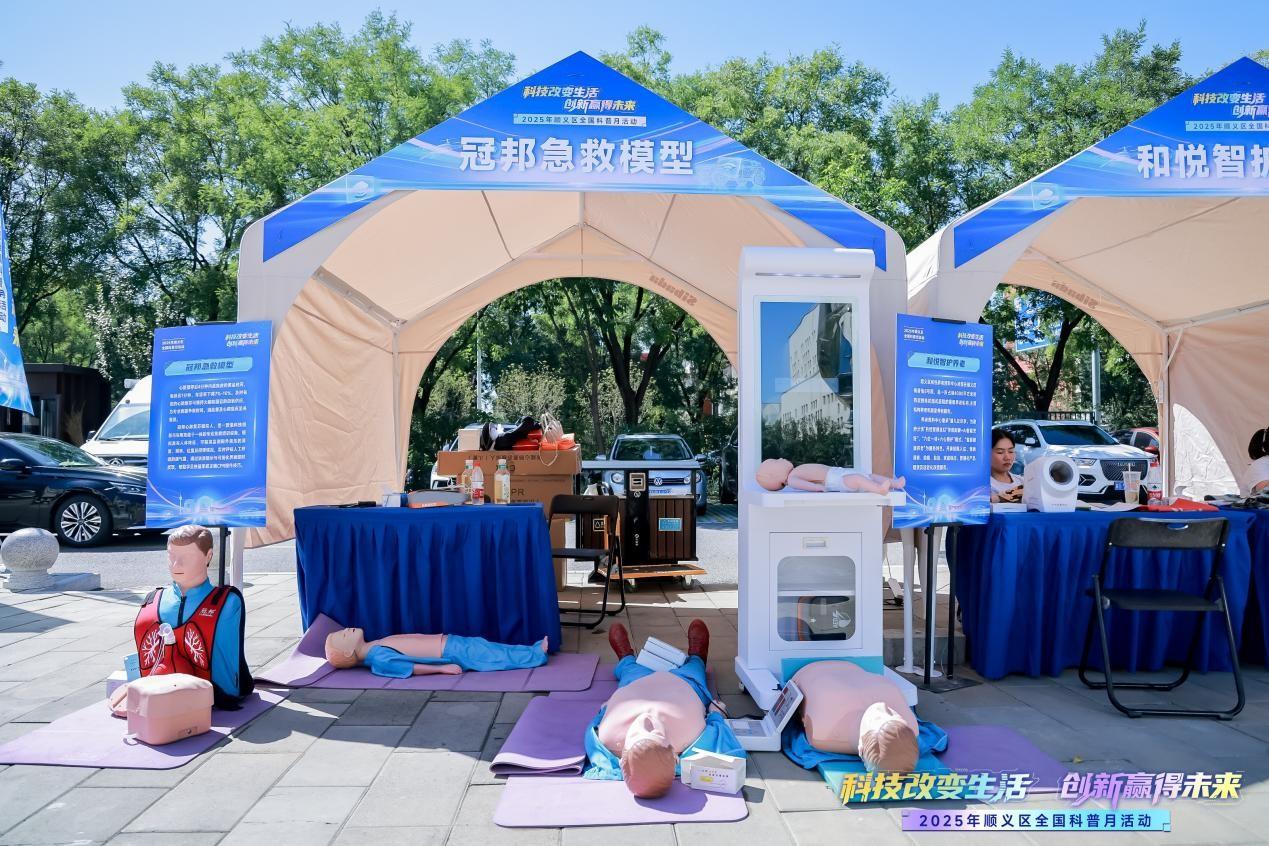
Demonstrating digital cardiopulmonary resuscitation systems to help public participants practice resuscitation depth and pacing.
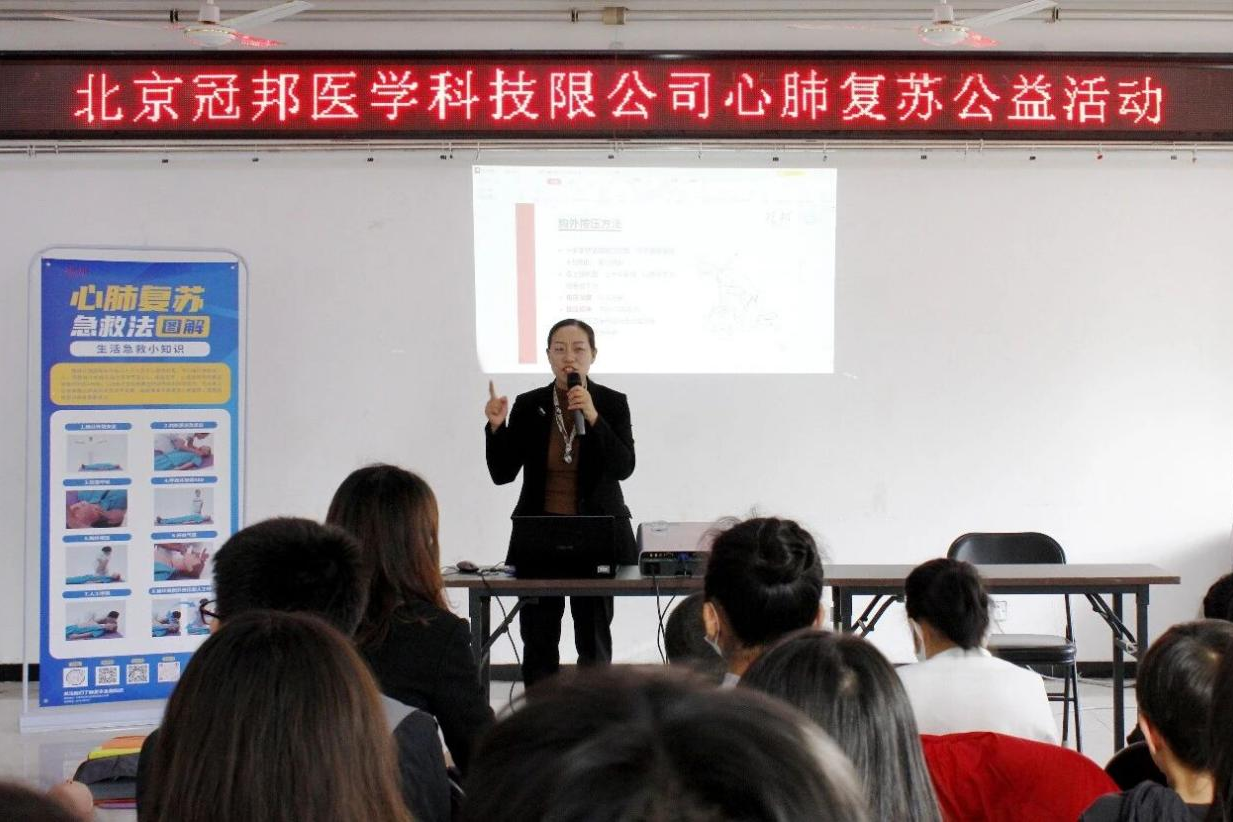
Hosting community programs in Shijingshan District to demonstrate CPR basics and foreign body airway obstruction maneuvers to families.
Addressing emerging trends in global medical education and public emergency preparedness.
Training programs are moving away from manual scoring toward data-driven assessment. Our simulators log compression performance, ventilation efficiency, and rescue speed. This data compiles into detailed performance reports, helping instructors track skill development over time.
Next-generation simulators connect to local and cloud databases. This allows training centers to run multi-student scenarios, organize remote assessments, and sync training modules with updated international clinical guidelines.
Advanced medical training requires high anatomical realism. Guanbang models feature detailed airway anatomy, simulated rib cages, correct chest compliance, and physical feedback systems to ensure realistic compression and airway management training.
Key considerations for institutional procurement, international compliance, and product customization.
Yes. Our CPR simulators are fully compliant with the latest AHA guidelines. They integrate real-time electronic feedback to monitor and correct chest compression depth (5-6 cm), compression rate (100-120 bpm), and chest recoil.
Yes. As a direct manufacturer, we offer localization options for our electronic controllers, touch screen displays, and voice prompt systems to support institutional training requirements across different regions.
Our production facilities are certified under ISO 9001:2015 (Quality), ISO 14001:2015 (Environmental), and ISO 45001:2018 (Occupational Health & Safety). Our products hold design patents, utility patents, and software copyrights.
The MOQ depends on the customization required. For custom branding or packaging on standard models, the MOQ is low. For structural changes, custom electronics, or new injection molds, our engineering team works directly with clients to establish feasible minimums.
We use custom thermoplastic elastomer (TPE) blends and reinforced stainless steel internal structures. This design allows our simulators to handle repeated compression cycles in institutional training environments without material degradation.
Compare our digital control systems, voice-prompt models, and pediatric training simulators.
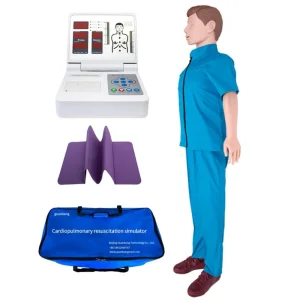
 Guanbang Medical