Explore our industrial-grade CPR and ALS simulation models designed for certified clinical education and critical emergency response training.
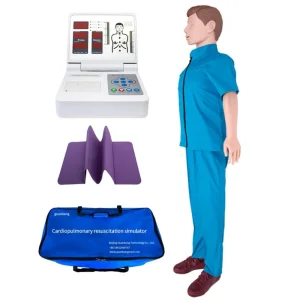
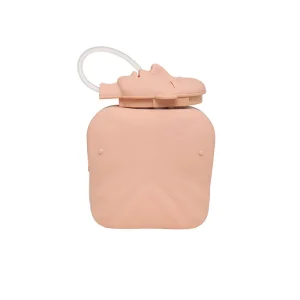
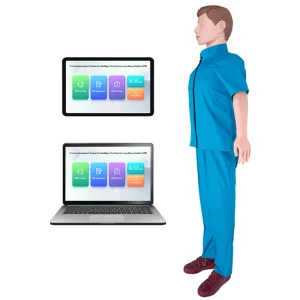
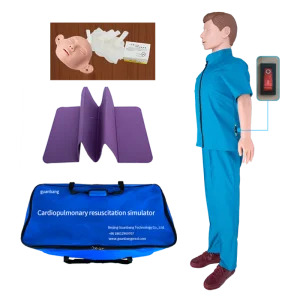
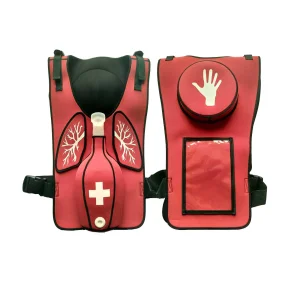
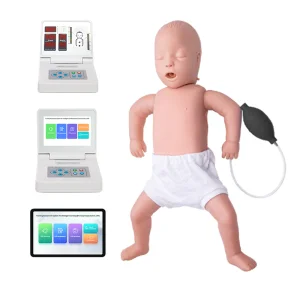
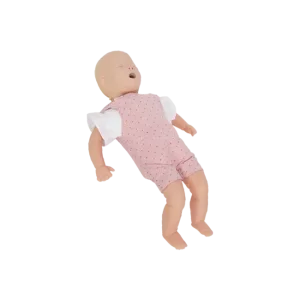
In the rapidly evolving paradigm of medical education, the transition from classical, passive learning to high-fidelity simulation-based training has become the cornerstone of patient safety and clinical excellence. Advanced Life Support (ALS) training demands clinical simulators that replicate real human physiological and pathological responses with extreme accuracy.
Modern ALS manikins are no longer simple static models. They represent integrated diagnostic systems equipped with micro-sensor technology, mechanical lung compliance parameters, electronic feedback, and real-time ECG simulation capabilities. As direct manufacturers, we focus on engineering models that replicate critical airway obstructions, rhythm identification scenarios, and intravenous therapy parameters, giving emergency clinicians the realistic pressure of clinical environments.
"To truly bridge the gap between simulation and the emergency room, tactile fidelity and objective, sensor-driven assessment algorithms must work in tandem."
Our commitment to engineering excellence allows us to deliver bespoke simulator hardware and software configurations tailored to modern emergency curriculum standards.
Custom-molded oral, nasal, and pharyngeal anatomical structures that allow for realistic intubation, LMA placement, and tactile resistance during bag-valve-mask (BVM) ventilations.
Embedded electronic control boards capable of outputting dozens of standard ECG rhythms, including ventricular fibrillation, tachycardia, and heart blocks for realistic defibrillation practices.
Multi-parameter training software with real-time feedback on compression depth, rate, chest recoil, and ventilation volume in full compliance with modern resuscitation criteria.
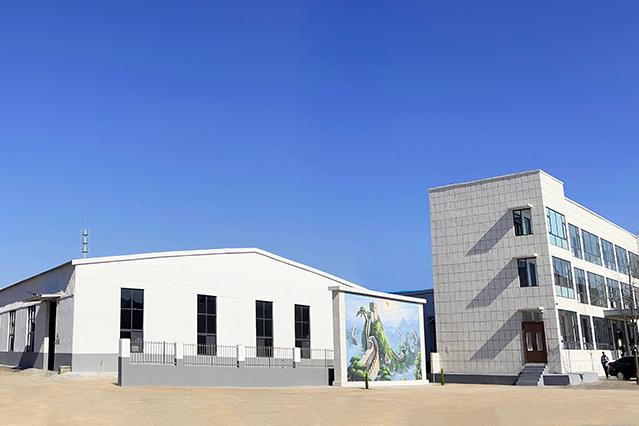
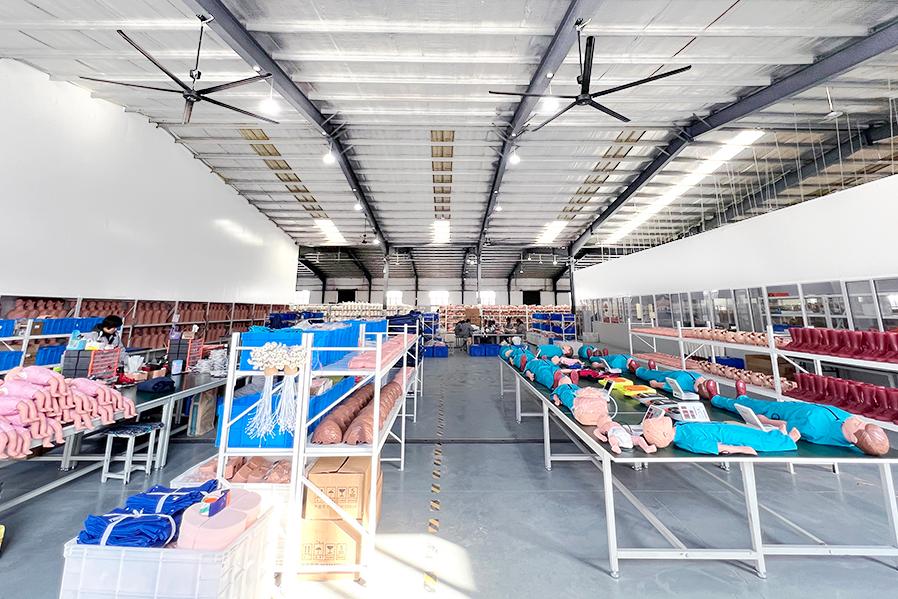
Beijing Guanbang Medical Technology Co., Ltd. was established in 2016, integrating industrial R&D, advanced material engineering, product manufacturing, and globally oriented commercial distribution services. Across our 10,000-square-meter modern production facility, we operate specialized production lines for high-polymer silicone modeling, precision electronics, and medical simulation software.
Our R&D team is comprised of technical professionals holding master's and doctoral degrees from renowned academic institutions such as the Chinese Academy of Sciences (CAS), Tsinghua University, and Beijing University of Technology (BJUT). With over 20 specialized R&D specialists and 60+ skilled production personnel, we have spent nearly two decades mastering material processing and electronic control systems, enabling us to deliver world-class medical simulation solutions.
Leveraging specialized manufacturing hubs to provide highly resilient, cost-effective, and customized clinical education equipment.
From custom skin pigments and chest wall stiffness options to specific local language software integration, our modular assembly line facilitates swift prototype iterations and cost-efficient OEM orders.
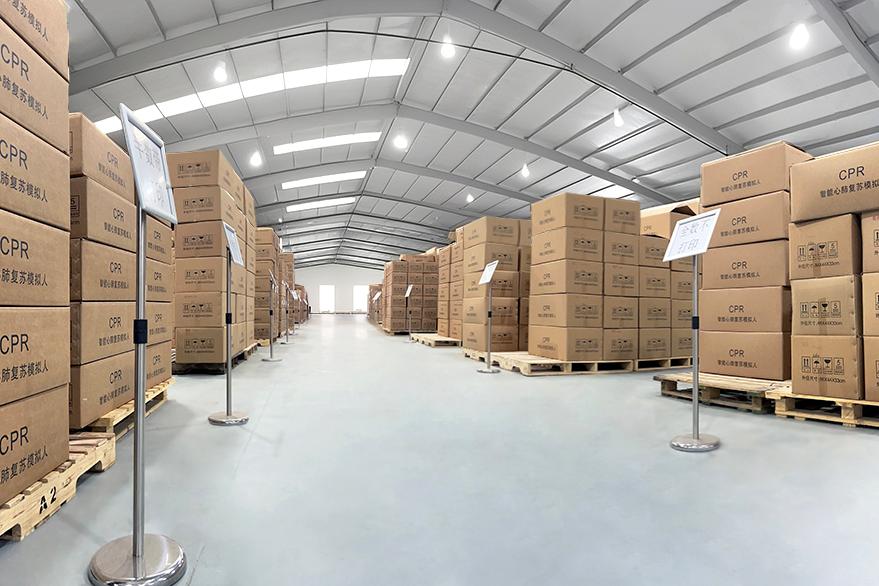
Operating high-speed mold processing centers and professional polymer pouring machinery, our factory produces up to 1,000,000 simulation items annually, cutting down lead times by 30-40% compared to Western competitors.
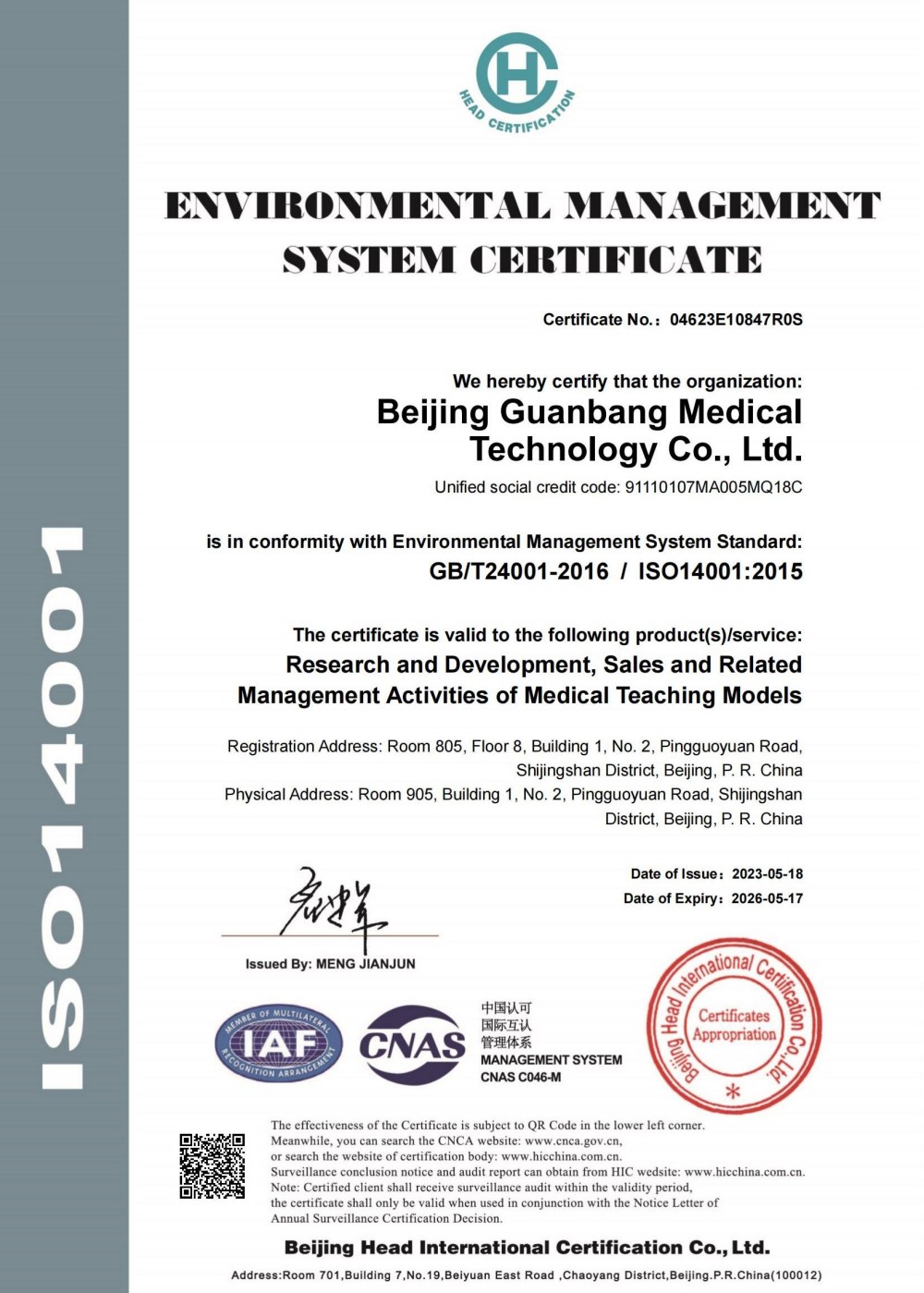
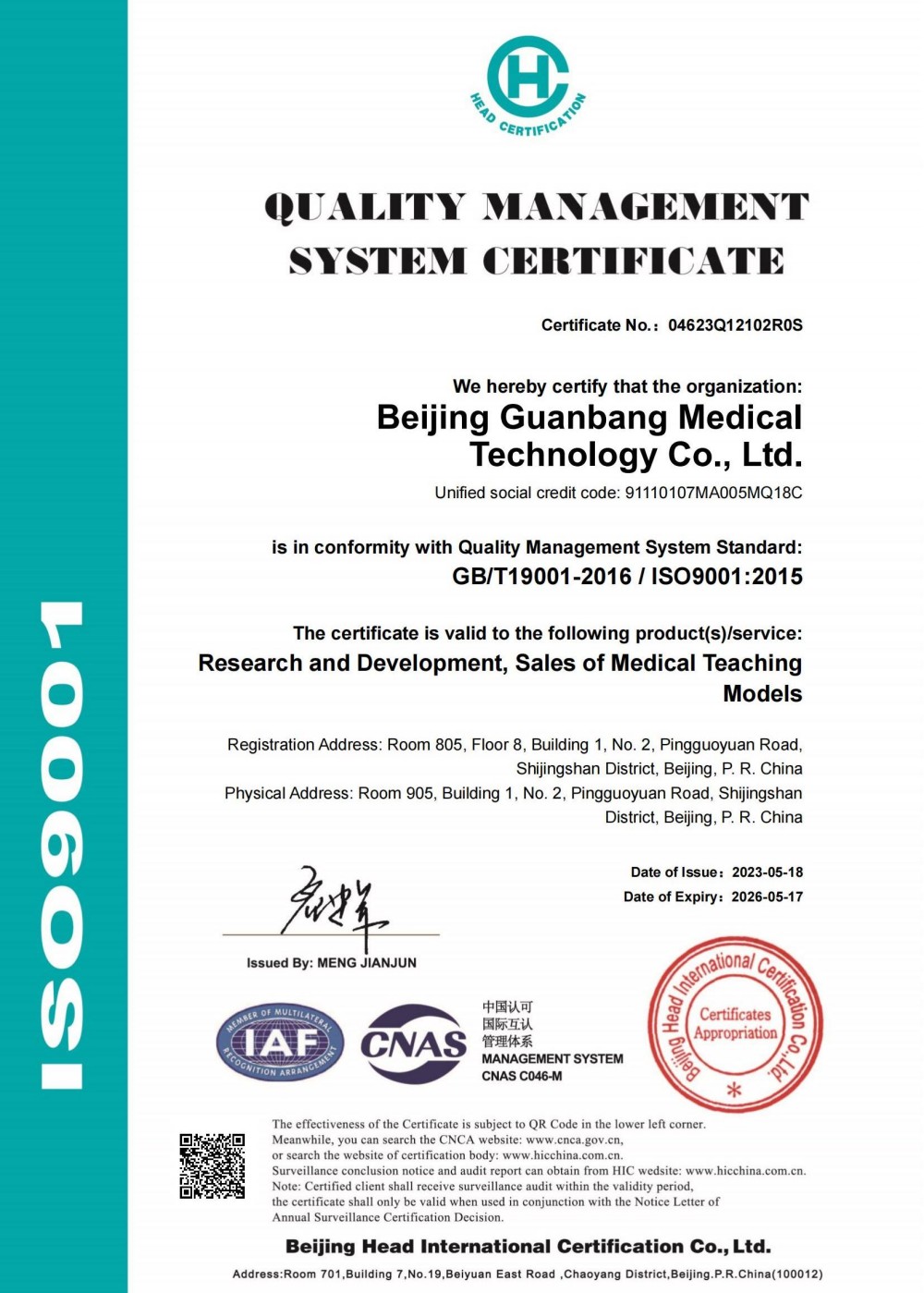
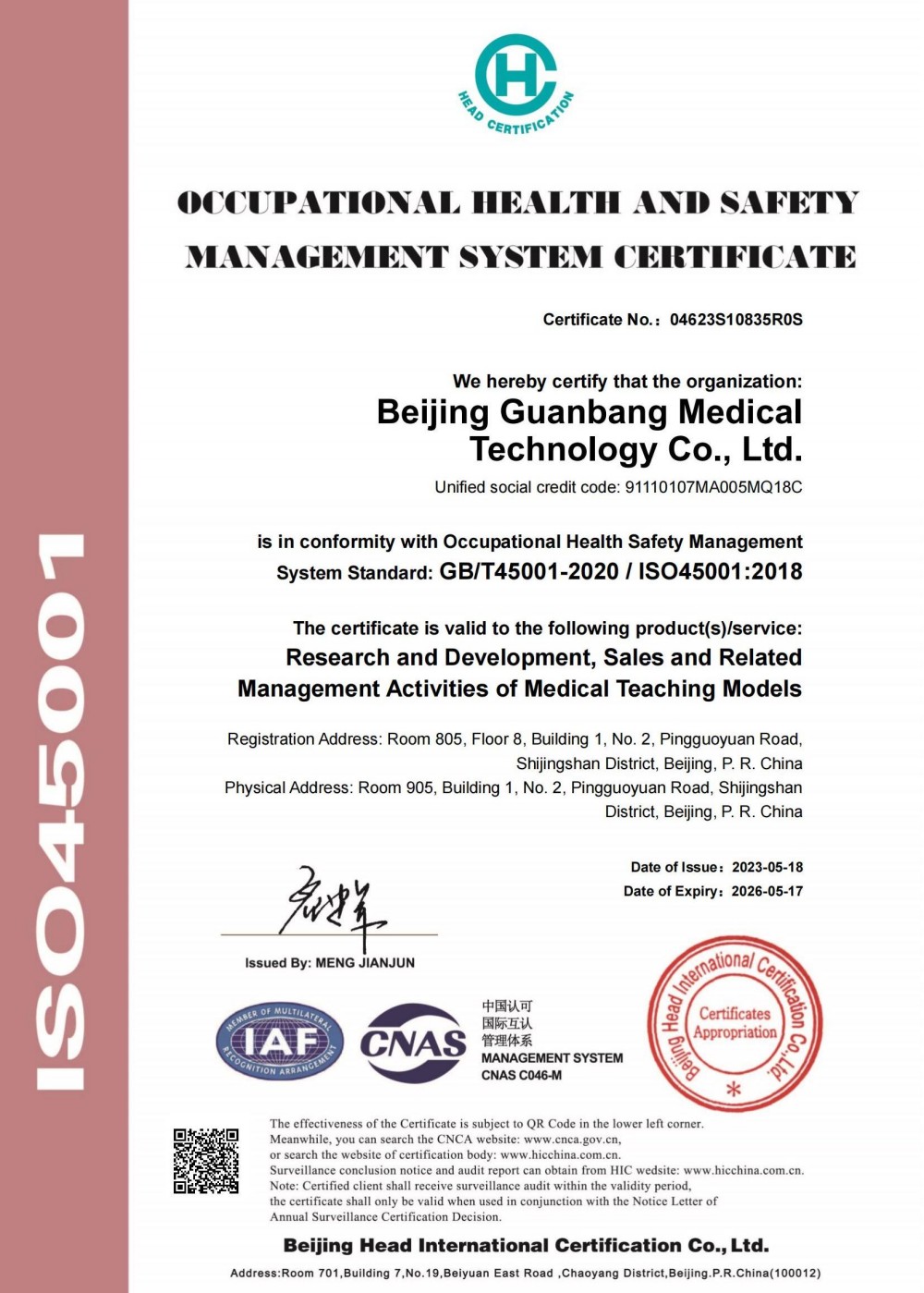
Each batch undergoes testing for mechanical durability, chest spring fatigue testing, and sensor calibration. We hold complete certifications in ISO 9001, ISO 14001, and ISO 45001 systems.
Navigating regional clinical certifications is a top priority for healthcare systems purchasing equipment globally. Our manufacturing guidelines strictly reflect the latest updates from the American Heart Association (AHA) and the European Resuscitation Council (ERC). This guarantees that our CPR compression-to-ventilation indicators, chest compression depth thresholds (5cm - 6cm), and recoil feedback algorithms align with international criteria.
Our firmware supports seamless upgrades to accommodate standard guidelines changes. Software systems are fully localized with multi-language voice outputs, regional electrical plug configurations, and custom regional guidelines profiles, ensuring frictionless deployment in Europe, the Americas, and APAC countries.
Custom-built simulation systems optimized for clinical classrooms, defense medical centers, and community outreach.
Integrating large-scale multi-unit training systems (one instructor system coordinating multiple student terminals) to increase assessment throughput and digitize student performance data logs.
Specially reinforced, rugged models for high-intensity rescue exercises. Highlighted by our participation in the 11th China (Beijing) Military Intelligent Technology & Equipment Expo, providing field-resilient trauma and ALS simulation equipment.
Collaborating with local emergency teams, such as the Zhengzhou Feiniao Emergency Team, to set up public training centers. Supporting local initiatives to raise first-aid literacy through intuitive, voice-prompted portable CPR models.
Demonstrated quality assurance through rigorous validation and international production safety compliance.
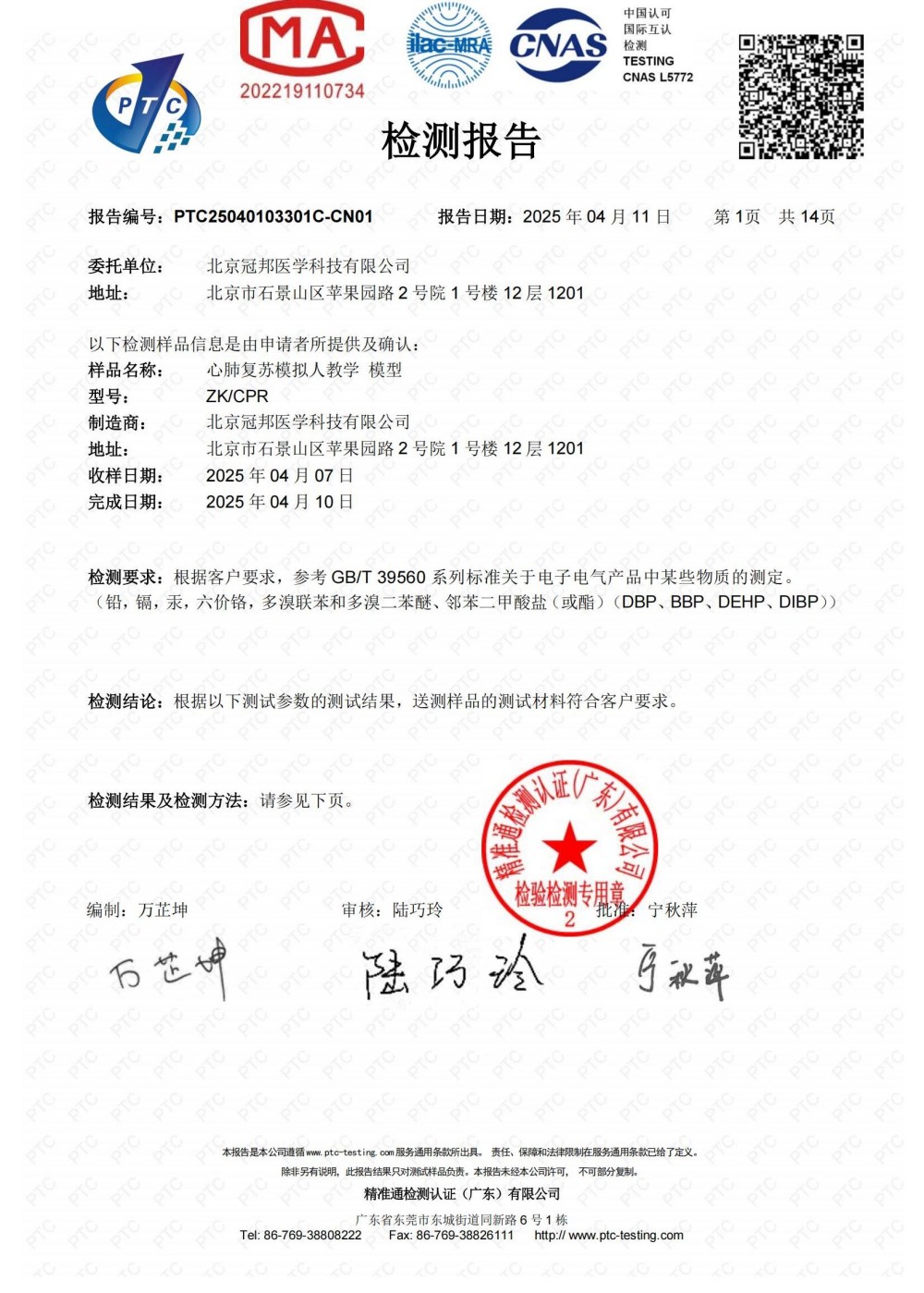
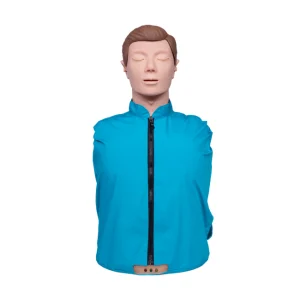
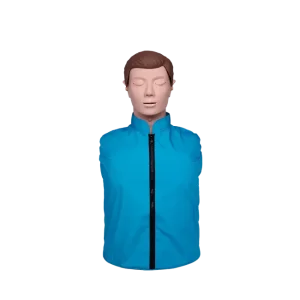
Select advanced, industry-proven CPR and airway models designed to optimize training workflows for professional institutions.
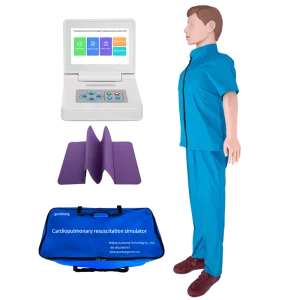
Essential technical and service information regarding our medical simulation products and custom options.
Yes. Our integrated control software and digital systems can be fully customized to match localized resuscitation standards (such as AHA, ERC, or regional national guidelines). We can adjust ventilation volumes, chest compression limits, and voice prompt guidance parameters to align with local requirements.
We use premium, high-fidelity thermoplastic elastomer (TPE) silicone materials for face and body skin parts. This material replicates the elasticity, resistance, and surface feel of real human skin, showing high durability against repeated chest compressions and clinical interventions.
Our manufacturing and operations strictly comply with ISO 9001 (Quality Management), ISO 14001 (Environmental Management), and ISO 45001 (Occupational Health and Safety Management) standards. Furthermore, our clinical simulators hold various utility model patents, design patents, and software copyrights.
For standard models, we maintain a regular inventory to enable rapid dispatch. For customized OEM/ODM simulator builds, lead times typically range from 15 to 30 days depending on the specifications. We offer flexible MOQ frameworks to support both boutique training centers and large-scale government procurement programs.
Yes. We offer robust after-sales technical support, including hardware warranties, firmware updates for digital feedback modules, and replacement skin or internal lung bags. Custom software platforms can receive remote updates whenever training guidelines change.
 Guanbang Medical