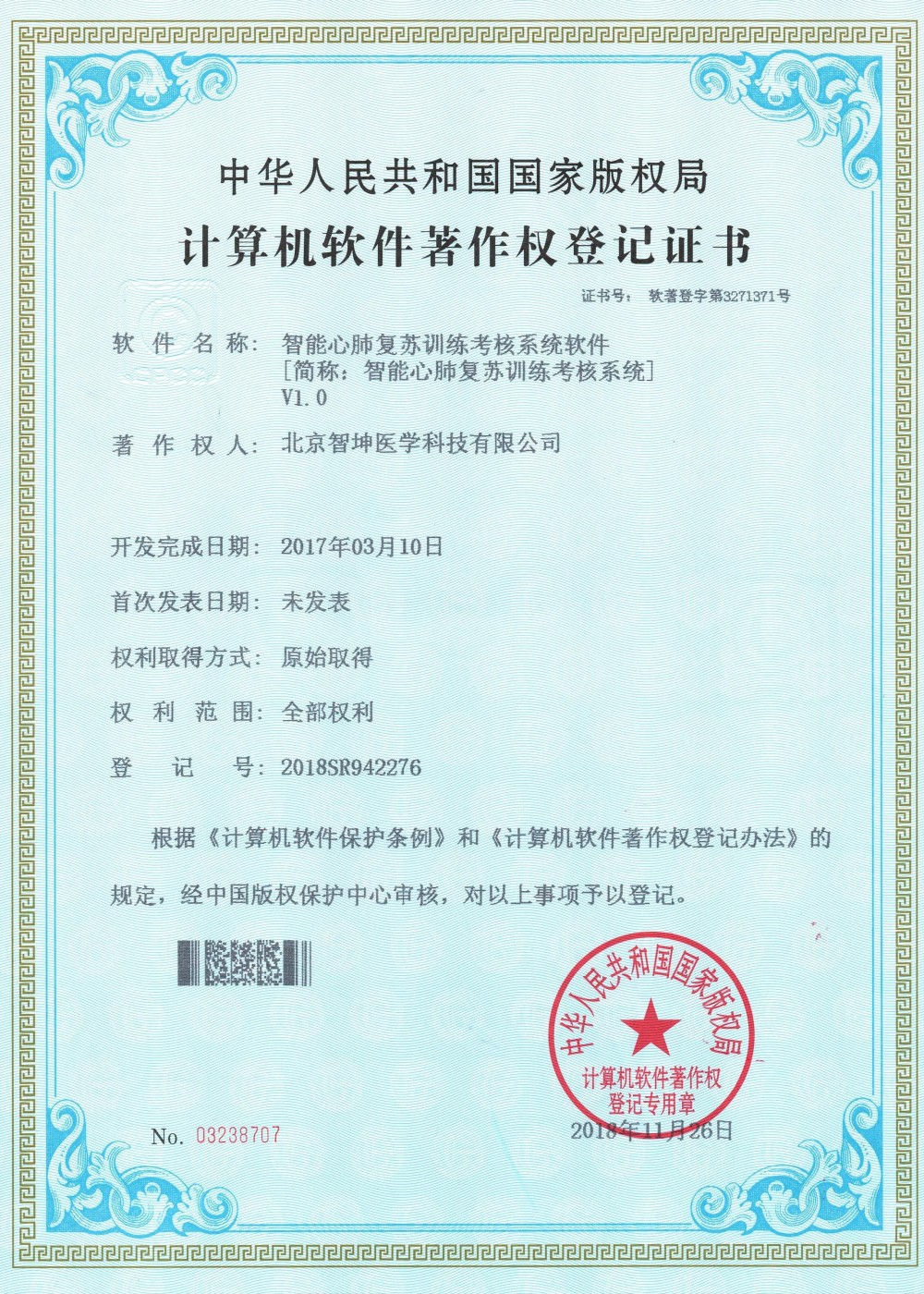
Explore our elite selection of adult, pediatric, and infant emergency simulation devices designed for global clinical protocols and healthcare standards.
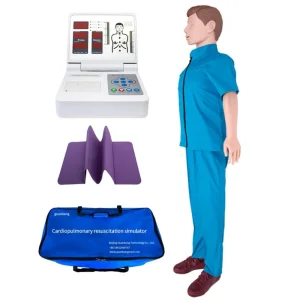
Equipped with precise digital feedback mechanisms to monitor compression depth, rate, and lung inflation efficiency.
Designed for teaching Back Blows and Chest Thrusts to resolve infant airway obstructions according to pediatric emergency guidelines.
Visualizing resuscitation metrics instantly on an intuitive, interactive color control module.
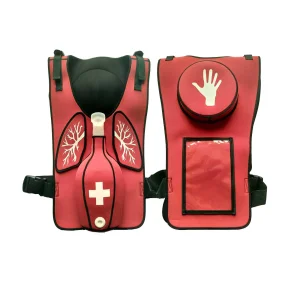
Wearable anti-choking training device allowing students to practice the Heimlich Maneuver with immediate projectile feedback.
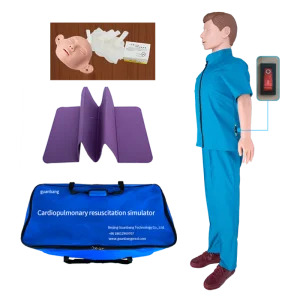
Voice-guided real-time prompts provide instant feedback to correct compression depth and respiration volumes.
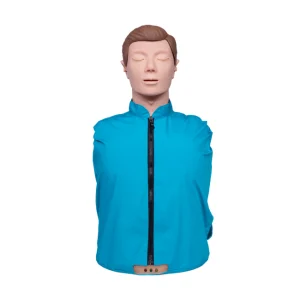
Built-in light and sound indicator boards ensure trainees maintain the precise 100-120 bpm compression rate.
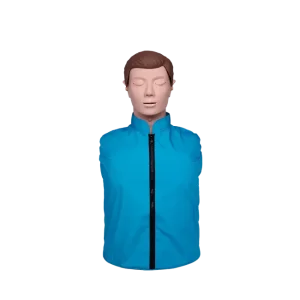
Cost-efficient, robust design that mimics realistic chest rise, airway opening mechanics, and anatomical landmarks.
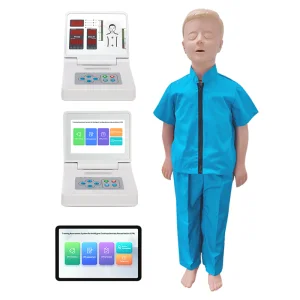
Engineered to simulate pediatric-specific anatomical resistance for realistic junior life support training.
Cardiopulmonary Resuscitation (CPR) training has evolved from elementary physical mock-ups to advanced electronic simulation environments. Modern medical training demands more than a passive dummy; it requires anatomically correct feedback, physiological fidelity, and durable structural engineering. Manufacturers worldwide, inspired by the seminal designs of the "Basic Buddy CPR Manikin" series, have refined the integration of mechanical resilience with digital evaluation systems.
Anatomical accuracy is critical to bridging the gap between simulated classroom training and real-life rescue scenarios. High-fidelity training models must replicate key human features: head tilt/chin lift mechanisms, chest rise and fall during artificial ventilation, and precise ribcage resistance. When emergency responders, medical students, or public citizens practice compressions, the physical feedback they receive trains muscle memory. If a manikin's chest is too rigid or too soft, it can lead to incorrect compression depth in real-world emergencies, putting lives at risk.
Additionally, modern CPR simulator designs address the challenge of sanitary maintenance. Simple lung/airway systems and one-way valves prevent cross-contamination during multi-student rescue breathing practice. These features allow educational centers to scale their training programs efficiently without sacrificing hygiene or incurring high costs for consumables.
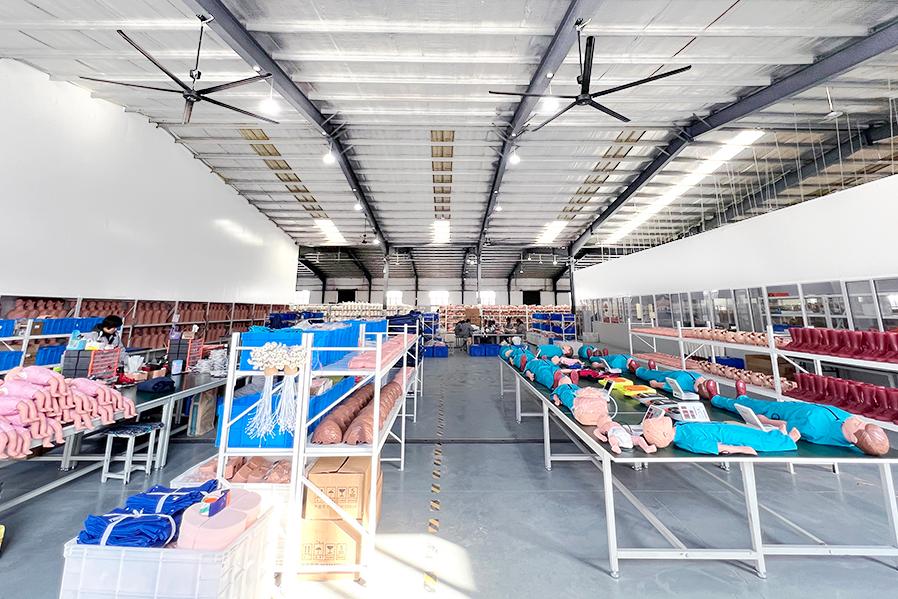
Building the Future of Medical Simulation and Resuscitation Science Since 2016.
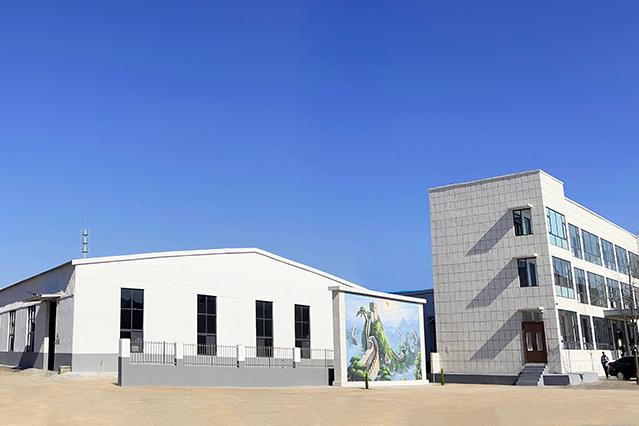
Founded in Beijing in 2016, Beijing Guanbang Medical Technology Co., Ltd. is a leading developer and manufacturer of medical simulation models. Our business encompasses the entire lifecycle of medical training equipment: research and development, design, manufacturing, sales, and service. Spanning a modern production facility of 10,000 square meters, we maintain a complete system that guarantees reliable production capacity and high-quality quality control.
Our core technical leadership team holds master’s and doctoral degrees from renowned research institutions, including the Chinese Academy of Sciences (CAS), Tsinghua University, and the Beijing University of Technology. Backed by 20+ technical specialists and over 60 production personnel, we bring nearly twenty years of industry experience to medical emergency training solutions.
Guanbang’s research focuses on materials science and digital integration. We have developed proprietary polymer formulations that match the texture and elasticity of human skin, providing a realistic feel during training. This focus on material technology, combined with advanced electronic sensors, makes our CPR simulators suitable for both basic education and advanced clinical simulation.
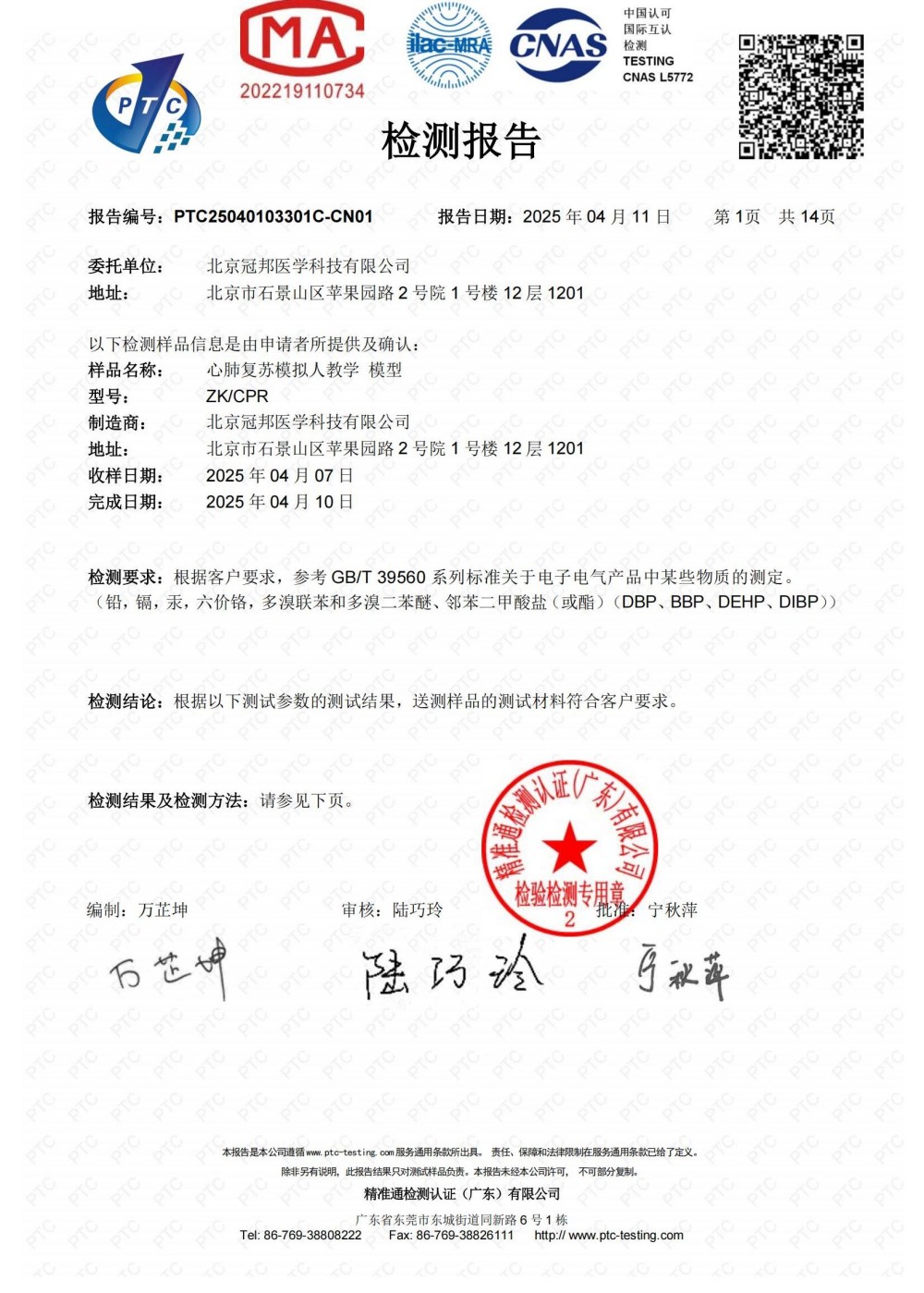
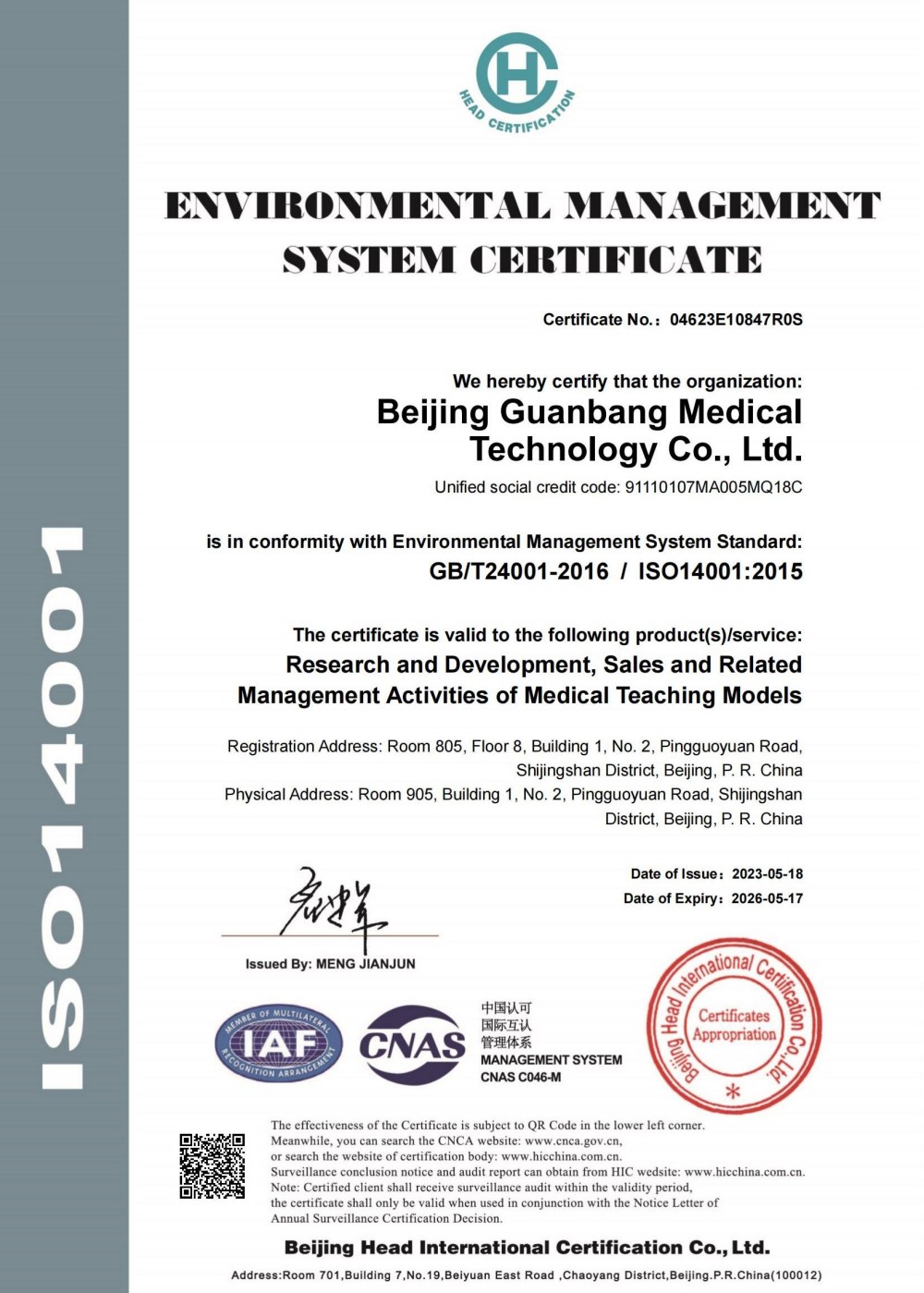
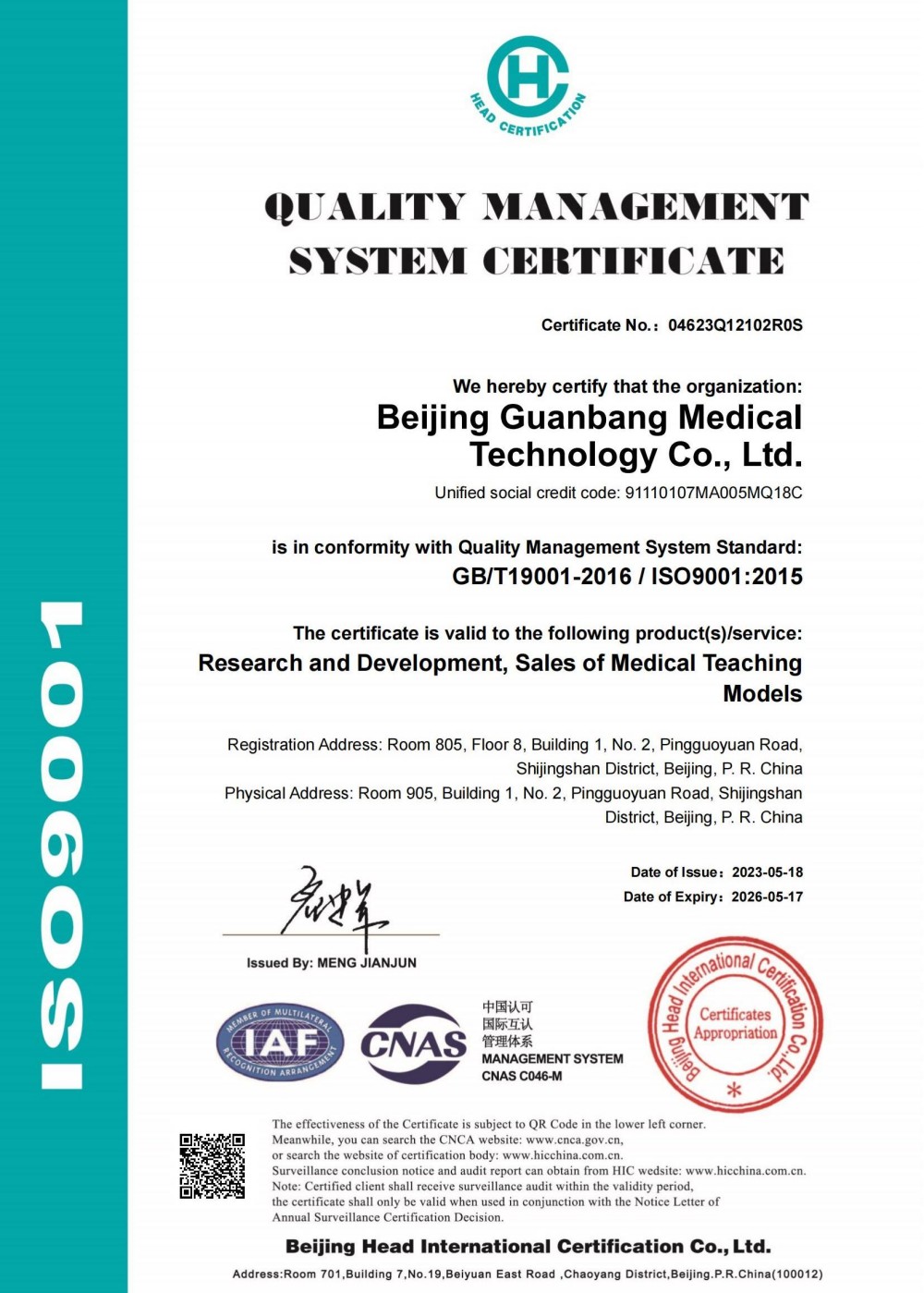
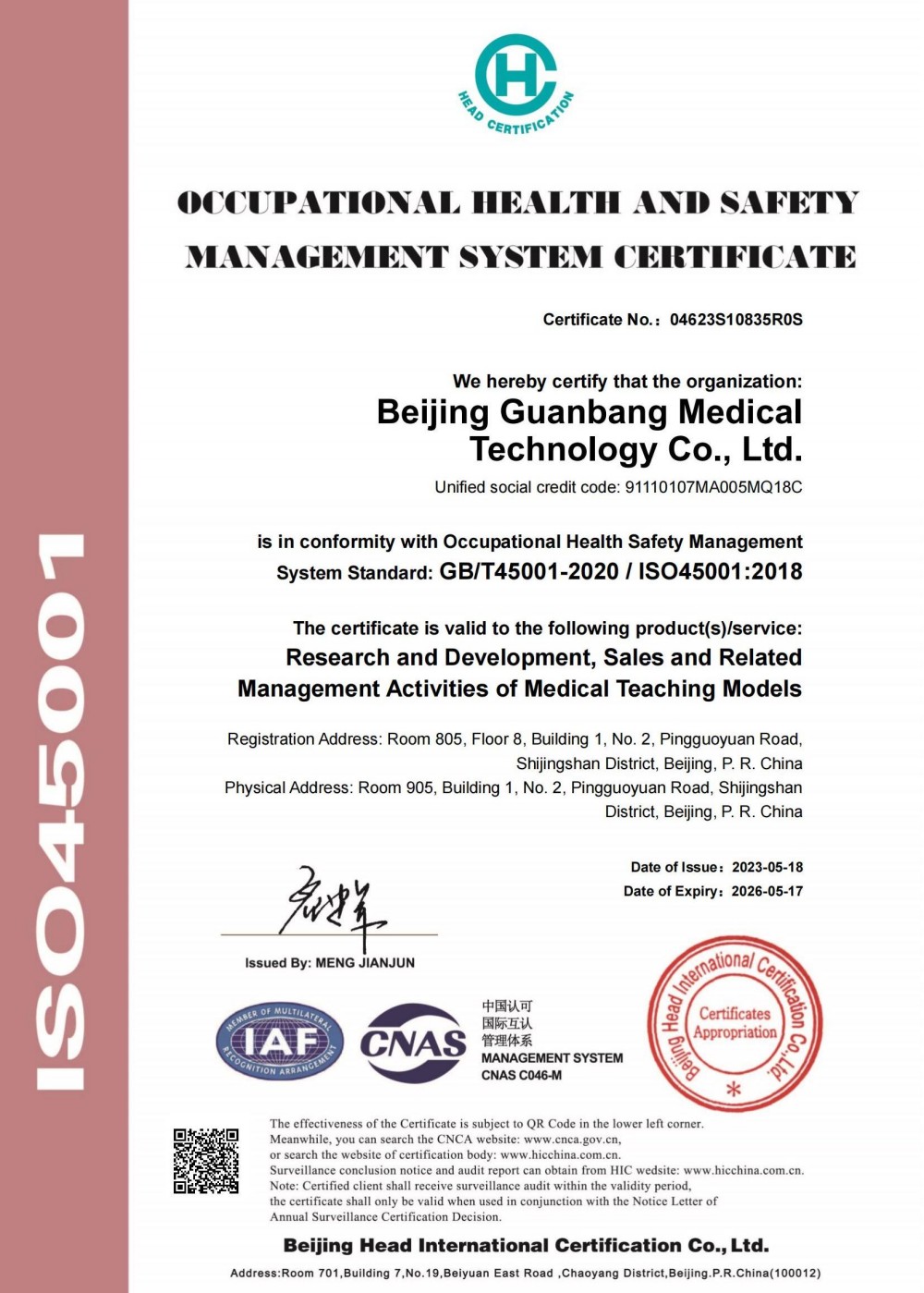
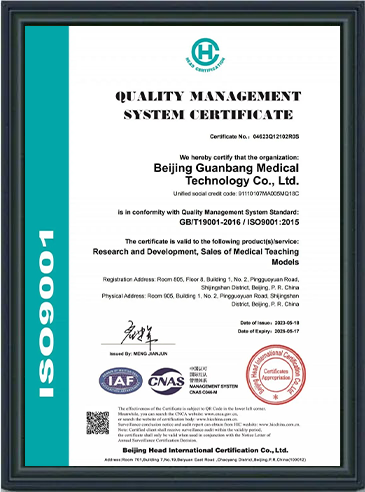
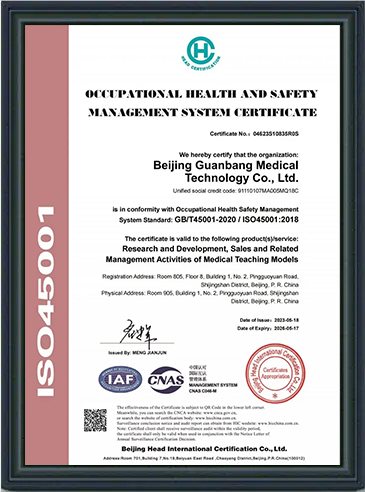
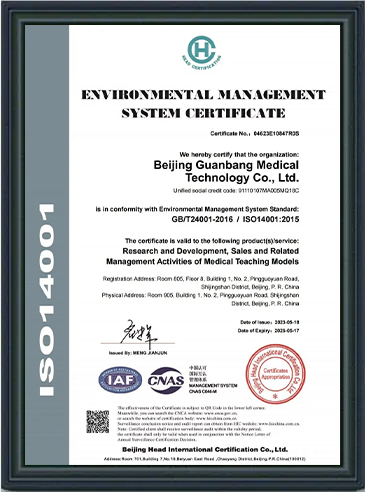
We focus on continuous technological innovation. Guanbang has achieved significant milestones in mold design and material processing technology, enhancing our core R&D capabilities. We hold certifications in quality management, environmental management, and occupational health and safety management. In addition, our growing portfolio of utility model patents, design patents, and software copyrights ensures our simulation equipment is legally compliant and technologically advanced.
Our product catalog features approximately 30 specifications to meet diverse client requirements. This includes AED trainers, Heimlich choking vests, and CPR manikins in infant, pediatric, and adult variations. Our systems range from basic mechanical models for public training to digital systems with wireless app control and real-time evaluation software for medical schools.
For specialized needs, our OEM/ODM custom services tailor simulation scenarios to specific requirements. We adjust skin pigmentation, develop localized software interfaces, and modify sensor sensitivities to match international resuscitation standards. This flexibility allows us to serve healthcare networks and military academies worldwide.
Our design pathways align with AHA guidelines. This ensures correct chest compression depth (5–6 cm for adults) and rate monitoring (100–120 bpm).
Equipped with color touch screens, digital control pads, and voice prompts, our systems provide immediate feedback for training corrections.
We provide comprehensive assistance from early-stage mold modification to global logistics and after-sales support.
Addressing training requirements for clinical education, military operations, and public safety initiatives.
Our systems provide quantitative evaluation metrics for universities, teaching hospitals, and clinical skill labs. Instructors can monitor trainee compression vectors, ventilation volume, and cycle times via integrated software.
We design specialized, rugged simulators for tactical combat casualty care (TCCC). These models withstand environmental extremes, enabling field training under simulated combat conditions.
Our solutions support large-scale public safety initiatives. Lightweight, basic function models allow community centers, schools, and corporate groups to run accessible, high-volume training programs.
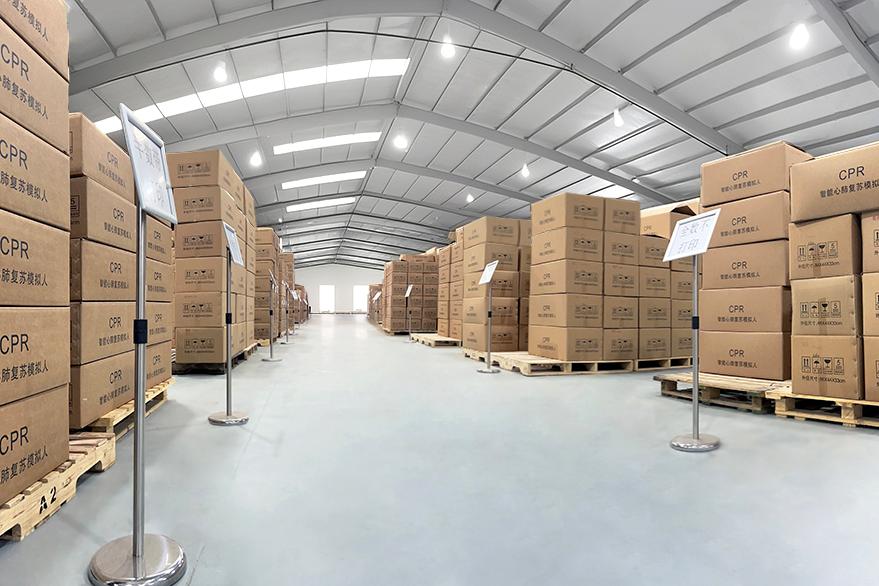
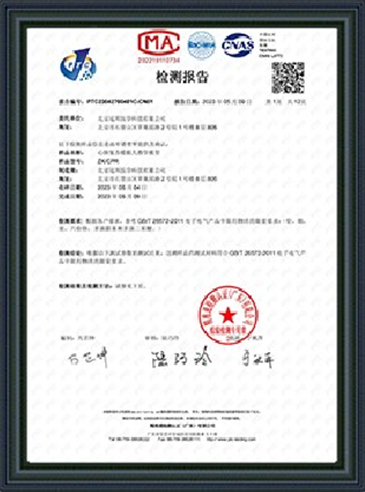
Our production facility operates under global quality management systems, ensuring reliable and consistent products.
Browse our primary equipment ranges for emergency cardiovascular care, airway management, and public access defibrillation.
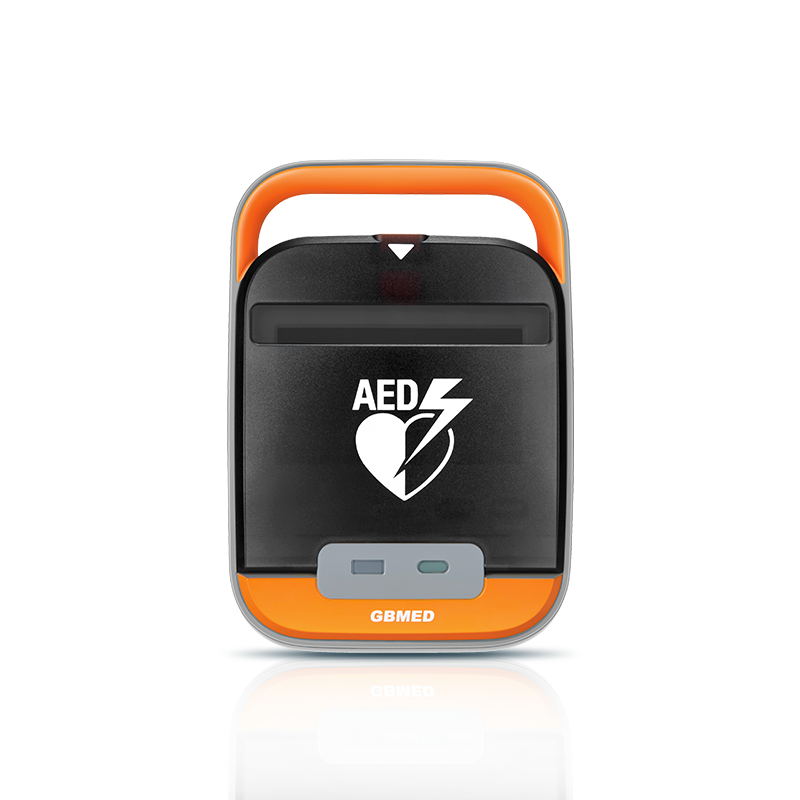
Realistic training systems for automated external defibrillators, teaching visual alignment and shock delivery safety protocol.
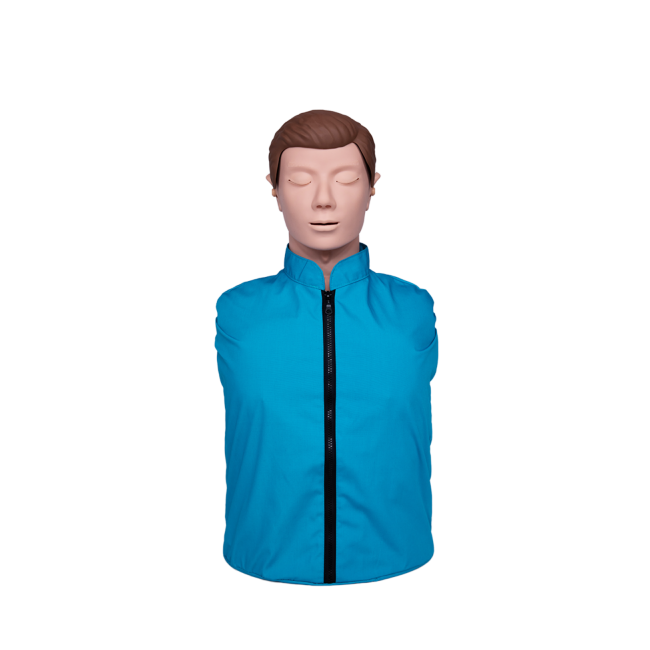
Full-body and half-body CPR manikins designed to match anatomical parameters across adult, child, and infant configurations.
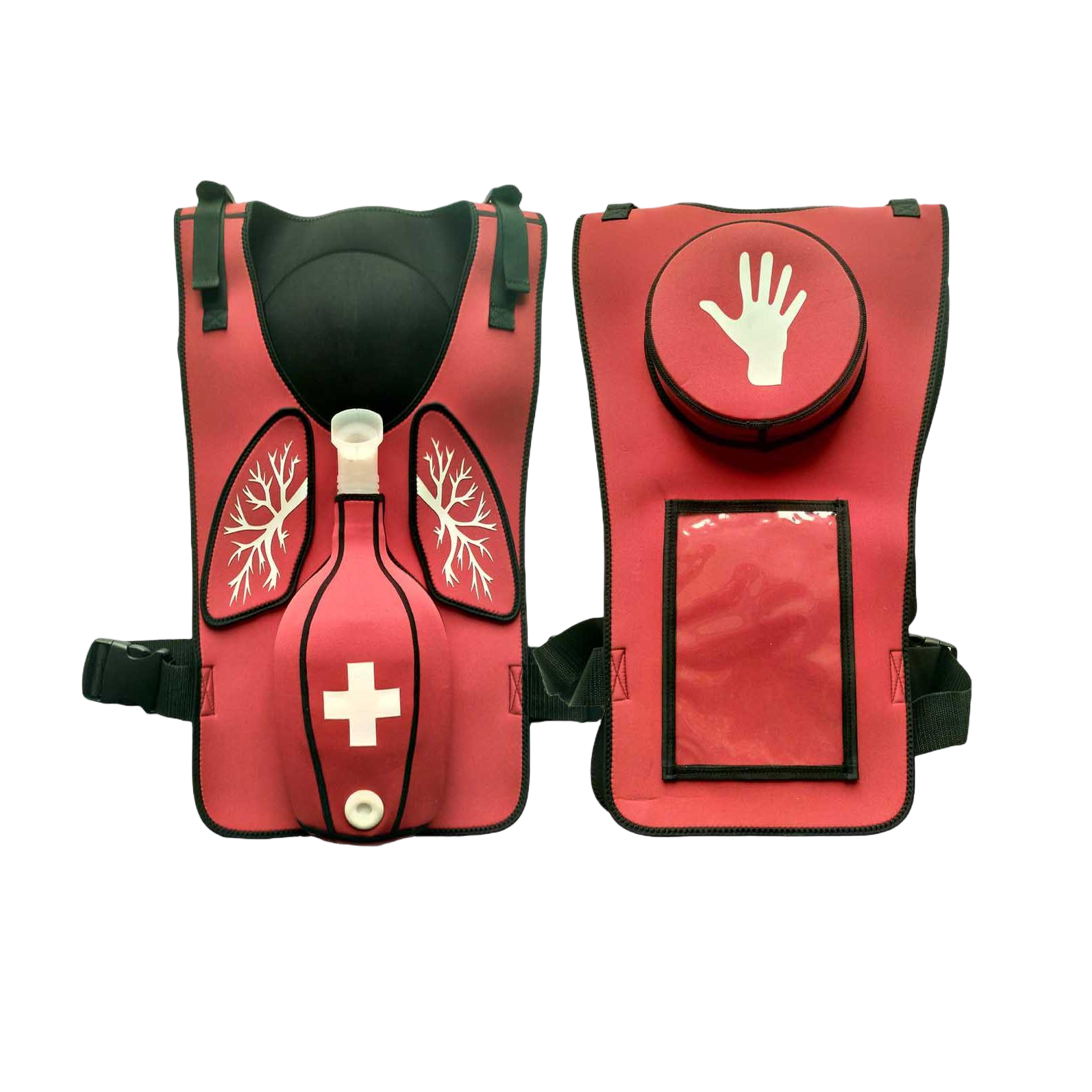
Choking simulators and vests designed to teach clearing obstructions in infant and adult emergency scenarios.
Review Guanbang's recent contributions to emergency training expos, scientific outreach, and community first-aid projects.
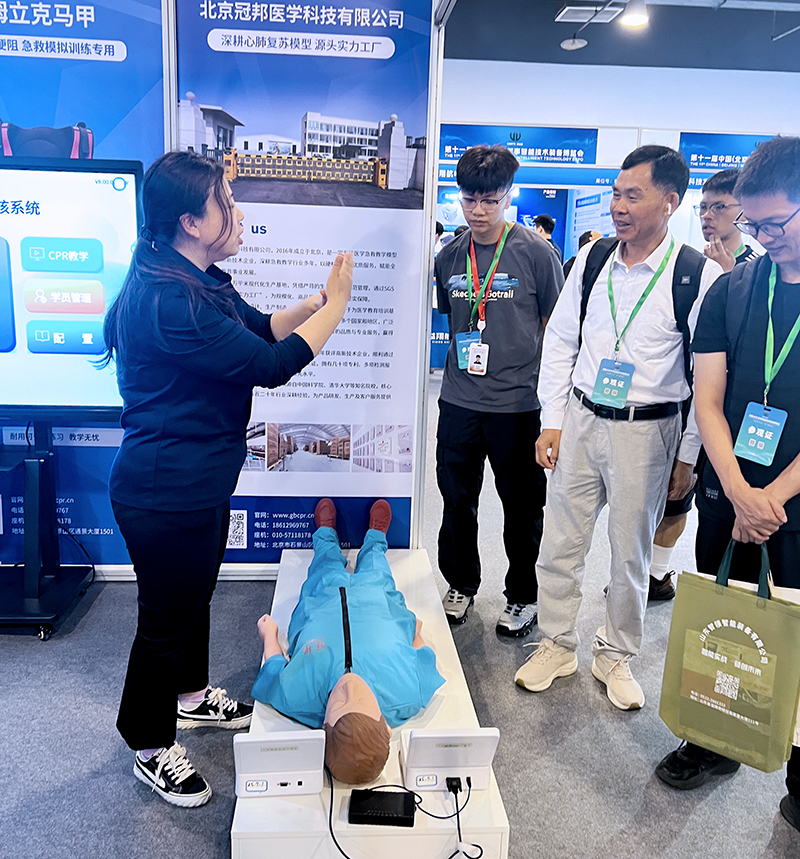
Guanbang presented its tactical medical training models at the Beijing National Convention Center, demonstrating robust, field-ready resuscitation simulators designed for military emergency response applications.
View Details →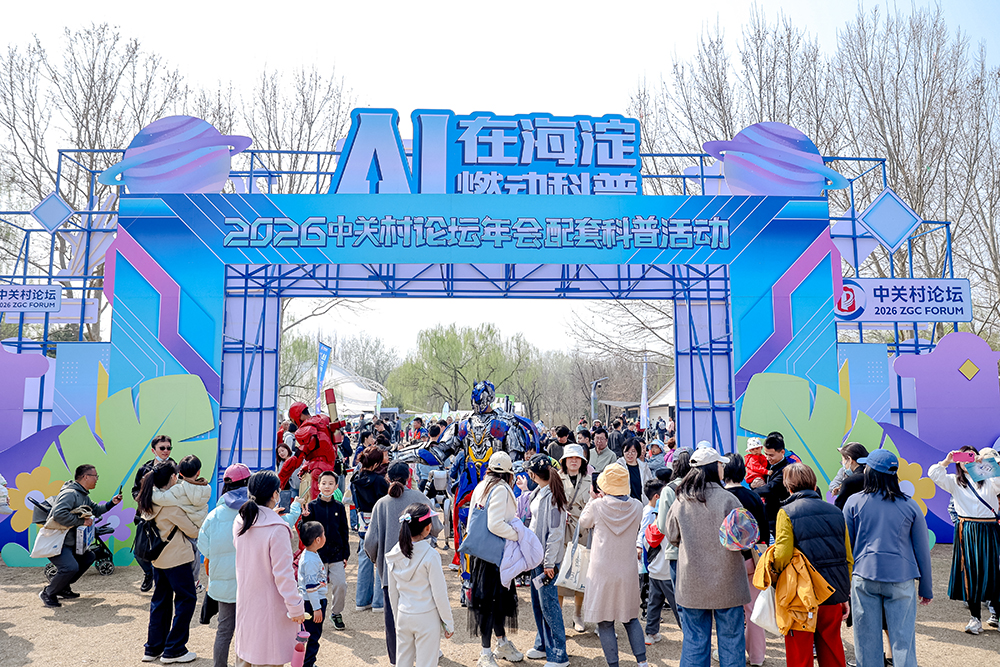
At the 2026 Zhongguancun Forum Annual Meeting, Guanbang demonstrated a multi-manikin training system controlled via a single software interface, simplifying large-group first-aid training.
View Details →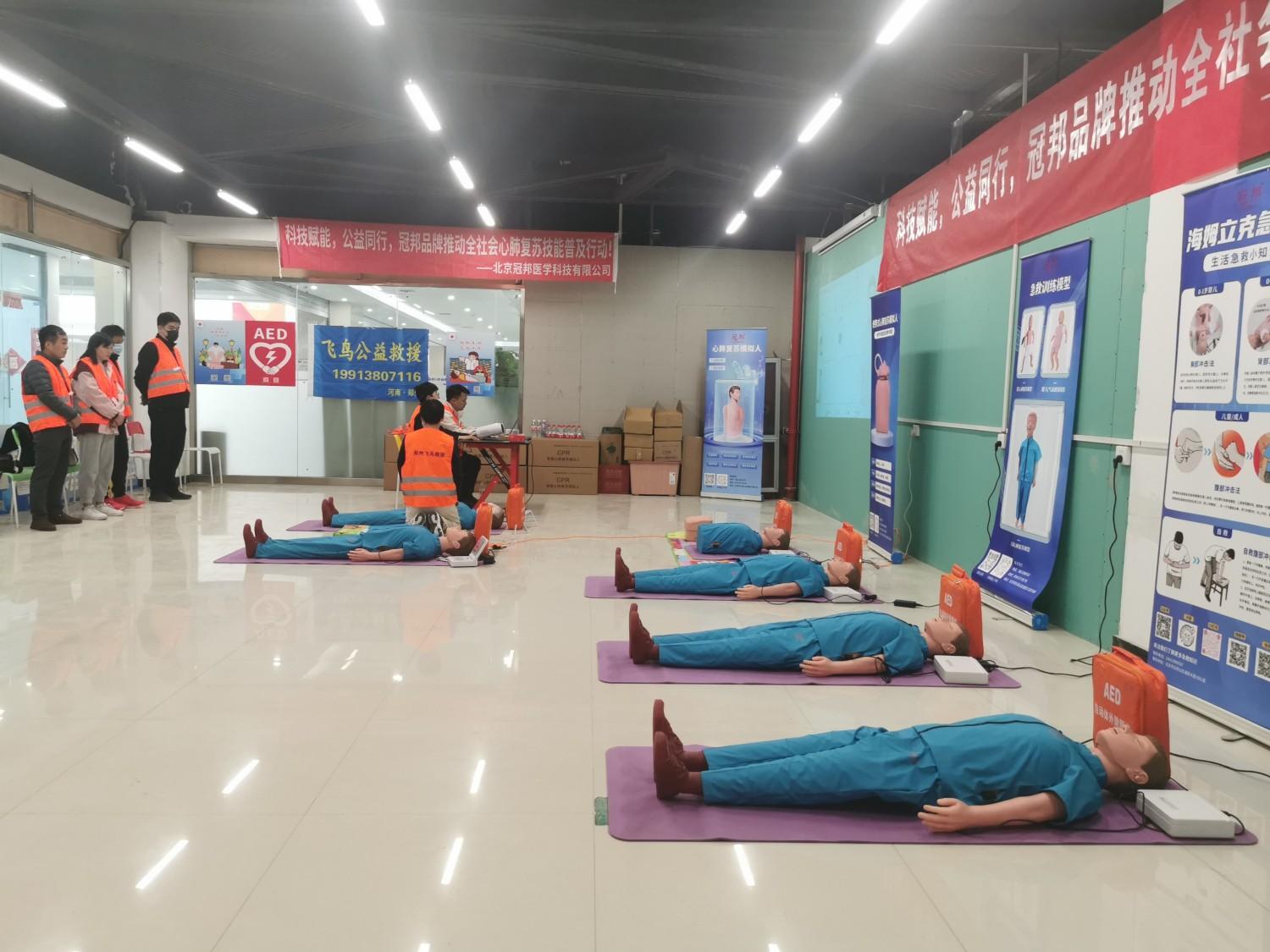
Guanbang partnered with the Feiniao Emergency Team to open a free, public CPR training center, offering hands-on training to help improve local emergency response skills.
View Details →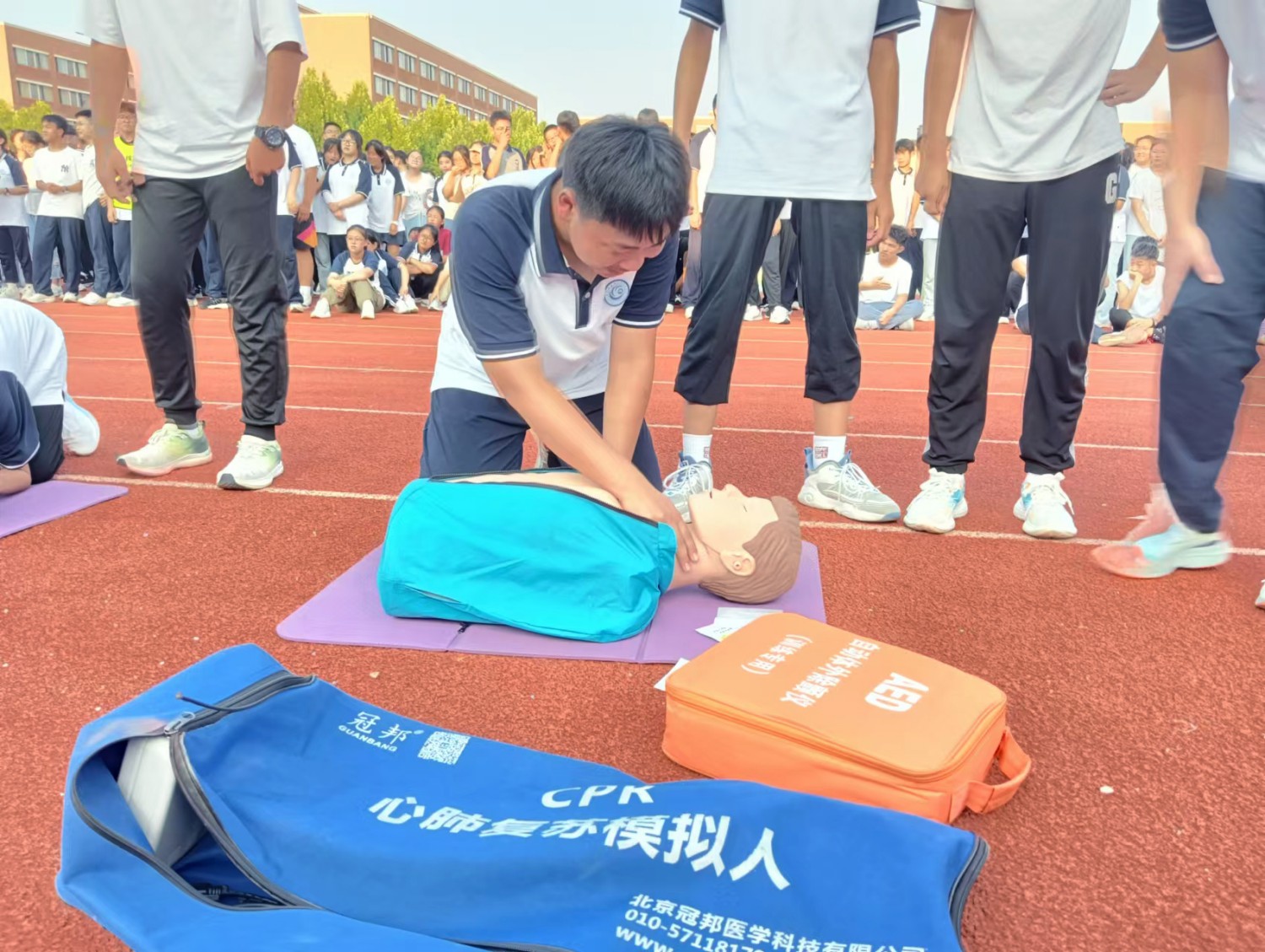
Guanbang introduced its school-optimized CPR manikins to local schools, supporting student emergency education and first-aid certification programs.
View Details →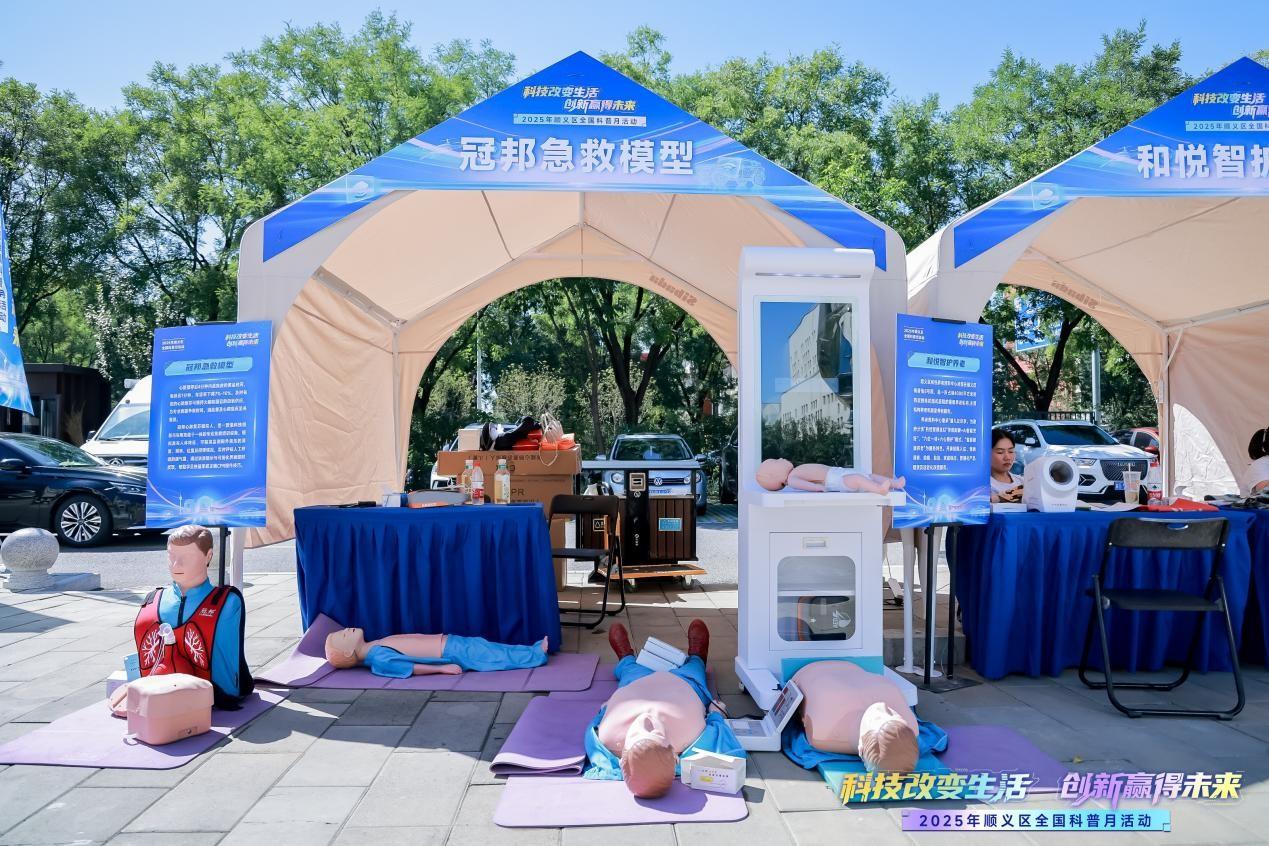
Guanbang's interactive CPR trainers were featured at the Shunyi Science Popularization event, providing hands-on training tools for public attendees.
View Details →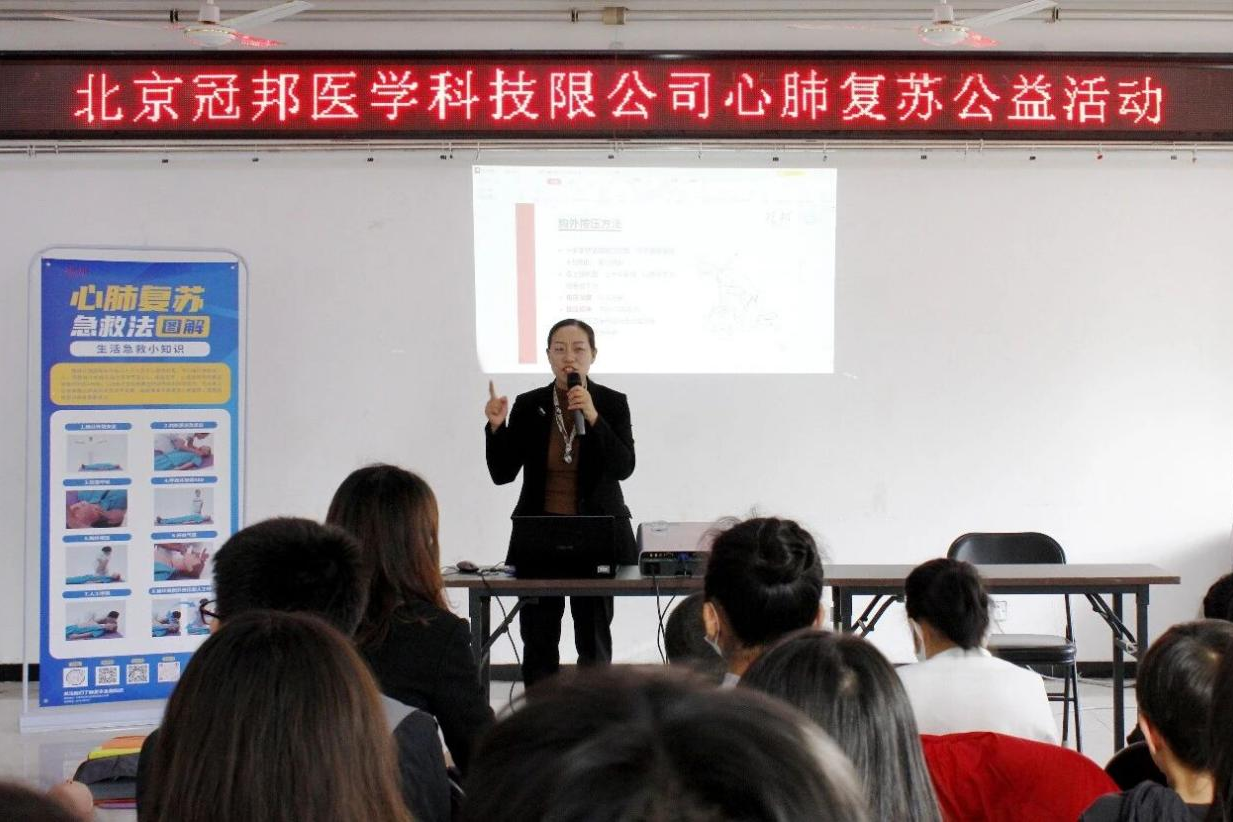
Organized to build emergency awareness from an early age, this community event introduced families to basic pediatric and adult resuscitation steps.
View Details →Key technical details, regulatory compliance, and sourcing information for global procurement managers.
The standard Basic Buddy is a reliable, lightweight mechanical trainer for basic classes. Guanbang models build on this concept by offering both basic mechanical designs and advanced digital feedback models. Our high-end options include electronic sensors, color touch screens, voice feedback, and wireless software integration to support quantitative training metrics.
Yes. All Guanbang CPR simulators are designed to match international resuscitation standards, including the AHA Guidelines for Cardiopulmonary Resuscitation and Emergency Cardiovascular Care. The sensors detect compression depth (5–6 cm for adults), recoil, rate (100–120 bpm), and respiration volume to ensure compliant training.
We use high-grade thermoplastic elastomer (TPE) and premium silicone for the facial skin and chest covering. These materials offer realistic texture and flexibility, resistance to aging, and ease of sanitization, ensuring durability during high-frequency use.
Yes. Through our OEM/ODM customization services, we can configure software parameters, touch-screen interfaces, and voice guides in various languages to meet localized training protocols and regional preferences.
Standard models generally ship within 7 to 15 business days depending on inventory. Custom orders, including special material requests, custom software branding, or unique specifications, typically take 30 to 45 days. Please contact our sales department for specific production timelines.
Select from our digital, voice-enabled, and app-supported models designed for advanced clinical instruction.
Designed for institutional training programs, featuring dual screen output options and comprehensive cycle logs.
Integrated voice alerts guide trainees through airway opening, compression frequency, and mouth-to-mouth steps.
A durable training vest that allows instructors to demonstrate abdominal thrusts safely with tactile feedback.
Provides real-time feedback data and testing scores, ideal for professional certification assessments.
A high-precision simulator designed for professional medical academies and first responder training programs.
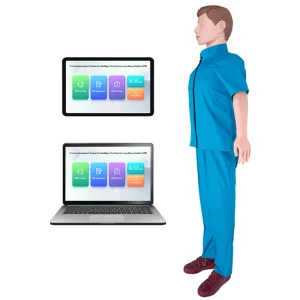
Includes advanced assessment software to monitor multiple training stations from a single host console.
A durable and economical option for high-volume public training classes and community health education programs.
Customizable display software designed to meet the clinical training guidelines of various international markets.
 Guanbang Medical