Explore our premium B2B lineup of electronic cardiopulmonary resuscitation systems and diagnostic training models



Cardiopulmonary Resuscitation (CPR) training has undergone a profound evolution from simple, purely mechanical feedback systems to high-fidelity, sensor-rich simulation equipment. Globally recognized under the legacy terminology of "CPR Annie" or "CPR Resusci Manikins," these devices serve as the foundation of critical care and life support pedagogy. Today's manufacturing landscape demands not only anatomical accuracy, but also compliance with strict international medical standards.
As healthcare systems face strict auditing protocols, training providers must choose manikins that are structurally reliable and capable of producing real-time telemetry data. Whether for basic training programs or advanced multi-patient simulations, these tools must accurately mimic thoracic compliance, realistic airway structures, and cardiovascular indicators.
For B2B procurement managers, government agencies, and clinical institutions, choosing the right manufacturer is about more than just finding the lowest cost. It requires evaluating the supplier's technical expertise, production scale, and long-term regulatory compliance.
Understanding critical requirements across international markets, medical institutions, and government tenders
Manikins must align with current AHA (American Heart Association) and ERC (European Resuscitation Council) guidelines. Accurate compression depths (5-6cm for adults) and ventilation resistance are non-negotiable parameters for institutional procurement.
Different markets have specific physiological representation requirements and software localizations. Elite B2B factories offer customizable digital interfaces, bilingual warning prompts, and tailored physical aesthetics.
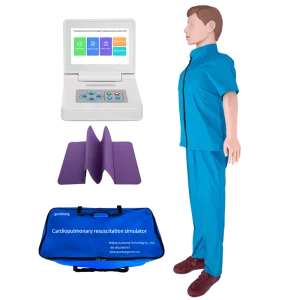
Modern tenders prioritize smart simulators equipped with digital screens, wireless modules, and scoring software. These systems enable instructors to oversee multiple student profiles simultaneously from a single central console.
In B2B medical simulation tenders, the durability of the skin material and internal springs represents over 60% of the long-term ROI. Low-grade PVC models degrade rapidly, causing incorrect feedback readings and premature failure. Top-tier manufacturers like Beijing Guanbang use medical-grade thermoplastic elastomers (TPE) that endure up to 100,000 compression cycles without losing thoracic compliance.
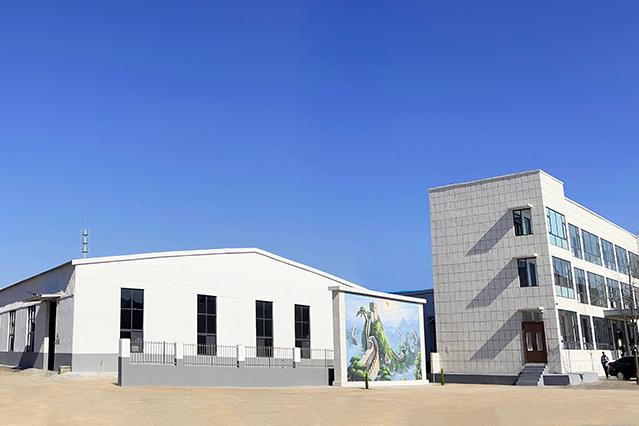
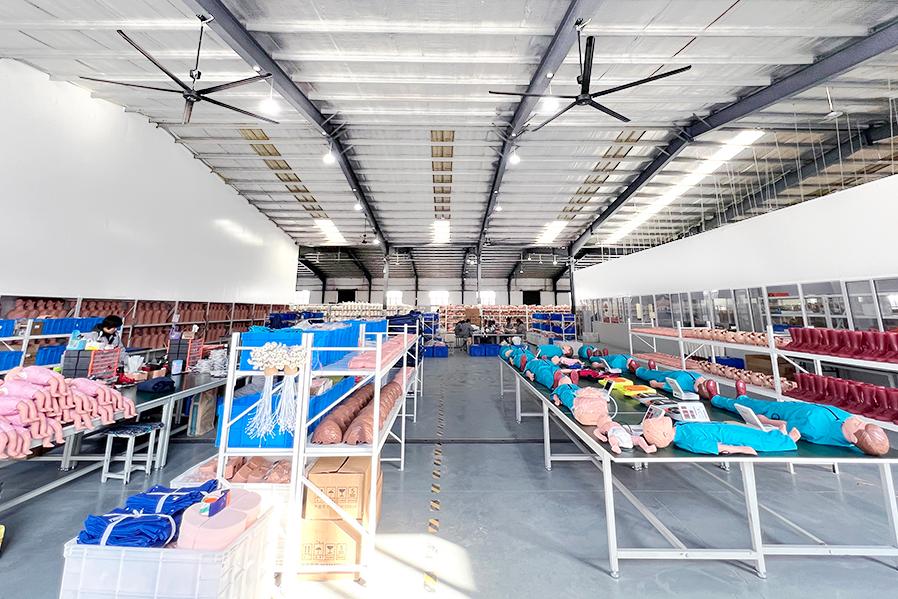
Founded in Beijing in 2016, Beijing Guanbang Medical Technology Co., Ltd. is a high-tech manufacturer specializing in medical training simulators. Our operation covers the entire value chain: research and development, industrial design, manufacturing, global sales, and after-sales support. Based in a modern 10,000-square-meter facility, we provide reliable, scale-driven simulation training solutions for medical education institutions, emergency services, and corporate safety training programs worldwide.
Our core technical strength lies in our engineering team. Our R&D personnel hold advanced degrees from top-tier institutions, including the Chinese Academy of Sciences (CAS), Tsinghua University, and Beijing University of Technology. This strong academic background allows us to integrate advanced electronics, mechanical design, and anatomical medicine into durable, high-performance training systems.
Bridging the gap between standalone emergency hardware and centralized clinical software networks
Using proprietary multi-connection protocols, a single instructor workstation can monitor up to 50 active CPR dummies. Real-time feedback graphs display depth, speed, chest recoil, and ventilation volume for every student simultaneously.
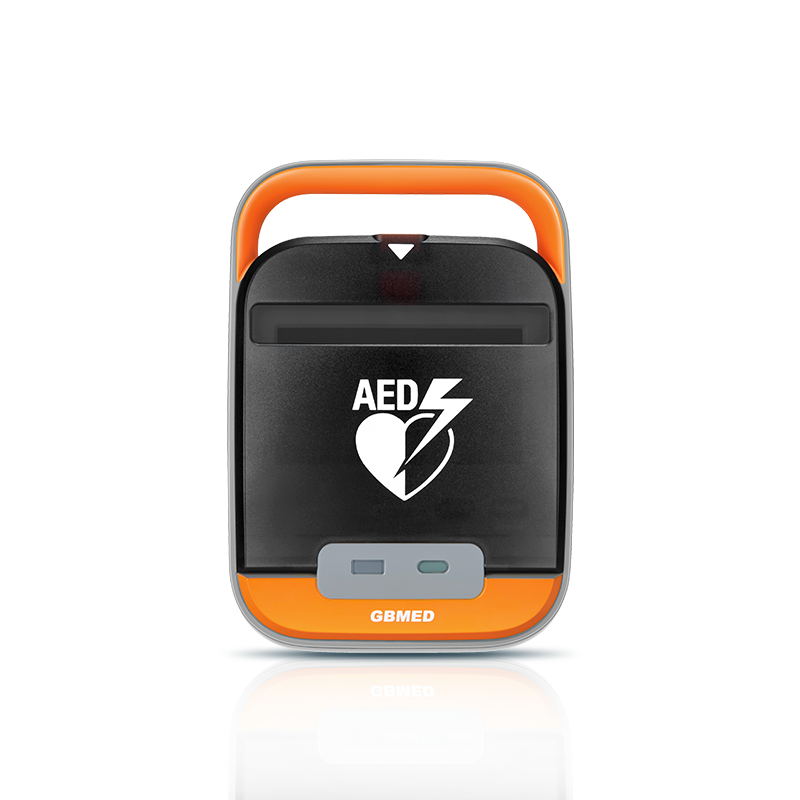
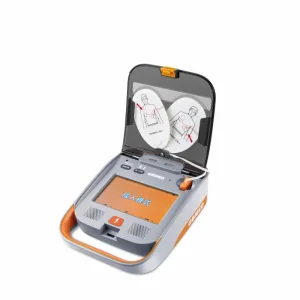
Integrating simulated Automated External Defibrillators (AEDs) with CPR manikins prepares trainees for realistic cardiac arrest scenarios. The simulators guide users through electrode placement, heart rhythm analysis, and safe shock delivery.
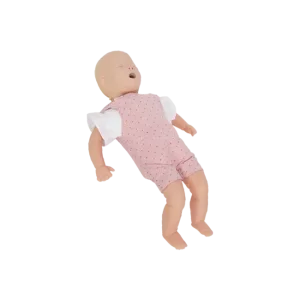
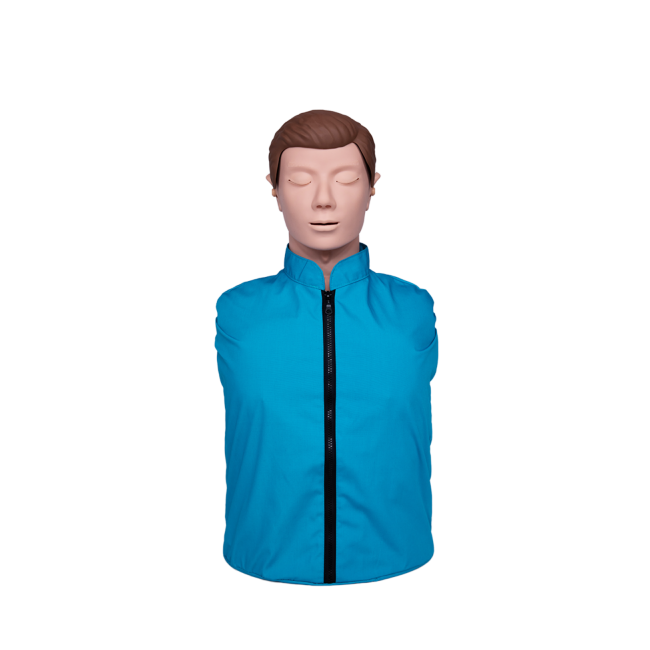
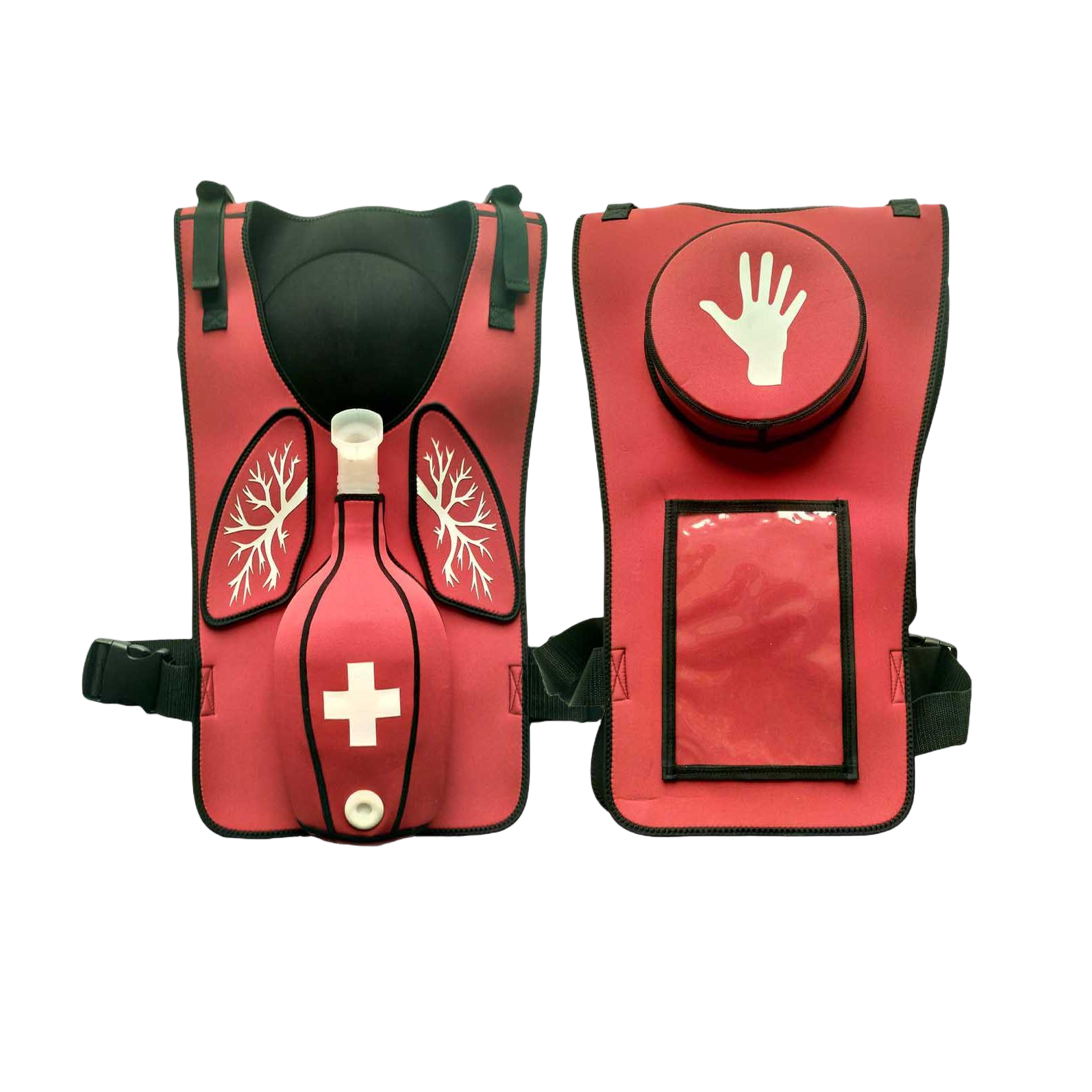
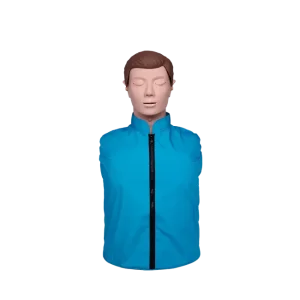
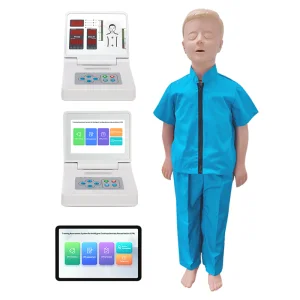
Guanbang offers a comprehensive range of training options, including adult CPR, pediatric CPR, infant airway obstruction (Heimlich maneuver), and trauma assessment models. This diverse lineup allows buyers to source their entire clinical simulation catalog from a single supplier.
Where medical simulation and sensor technology are headed over the next five years
Moving away from microswitches to optical and magnetic sensors. This allows for precise measurement of chest compressions down to the millimeter, helping trainees avoid incorrect techniques like "leaning" on the chest.
Development of next-generation synthetic materials that mimic human tissue. Advanced polymers replicate physical skin texture, joint flexibility, and chest wall compliance, making simulation training more realistic.
Integrating machine learning algorithms to assess trainee fatigue, compression rhythm stability, and airway management. System software dynamically adjusts coaching prompts based on individual performance trends.
To remain at the forefront of the medical simulation industry, Beijing Guanbang invests continuously in mold design and material processing. Our facility handles every step of production, from initial design concepts to high-volume injection molding. This end-to-end control ensures consistent build quality and long-term durability for our products.
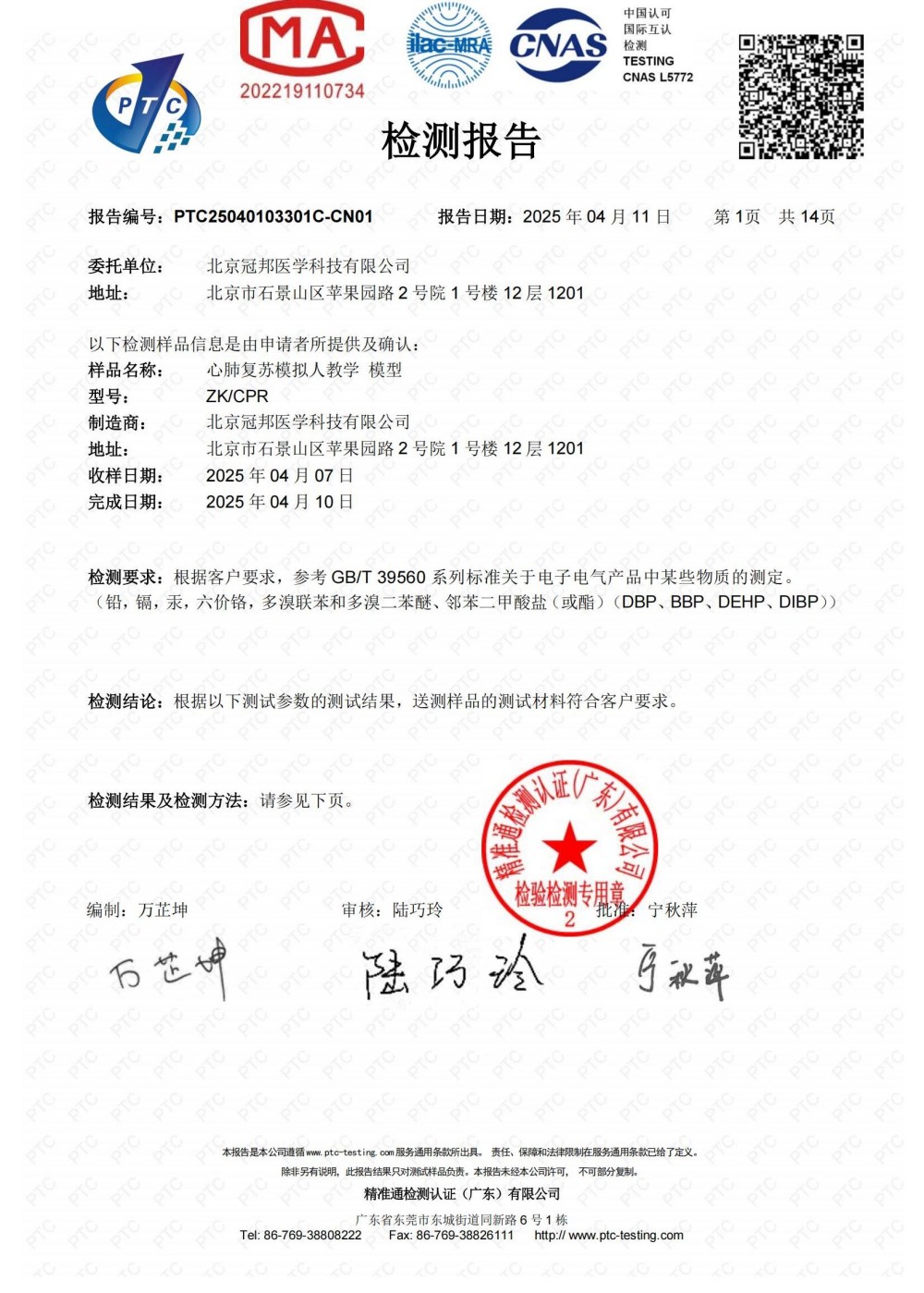
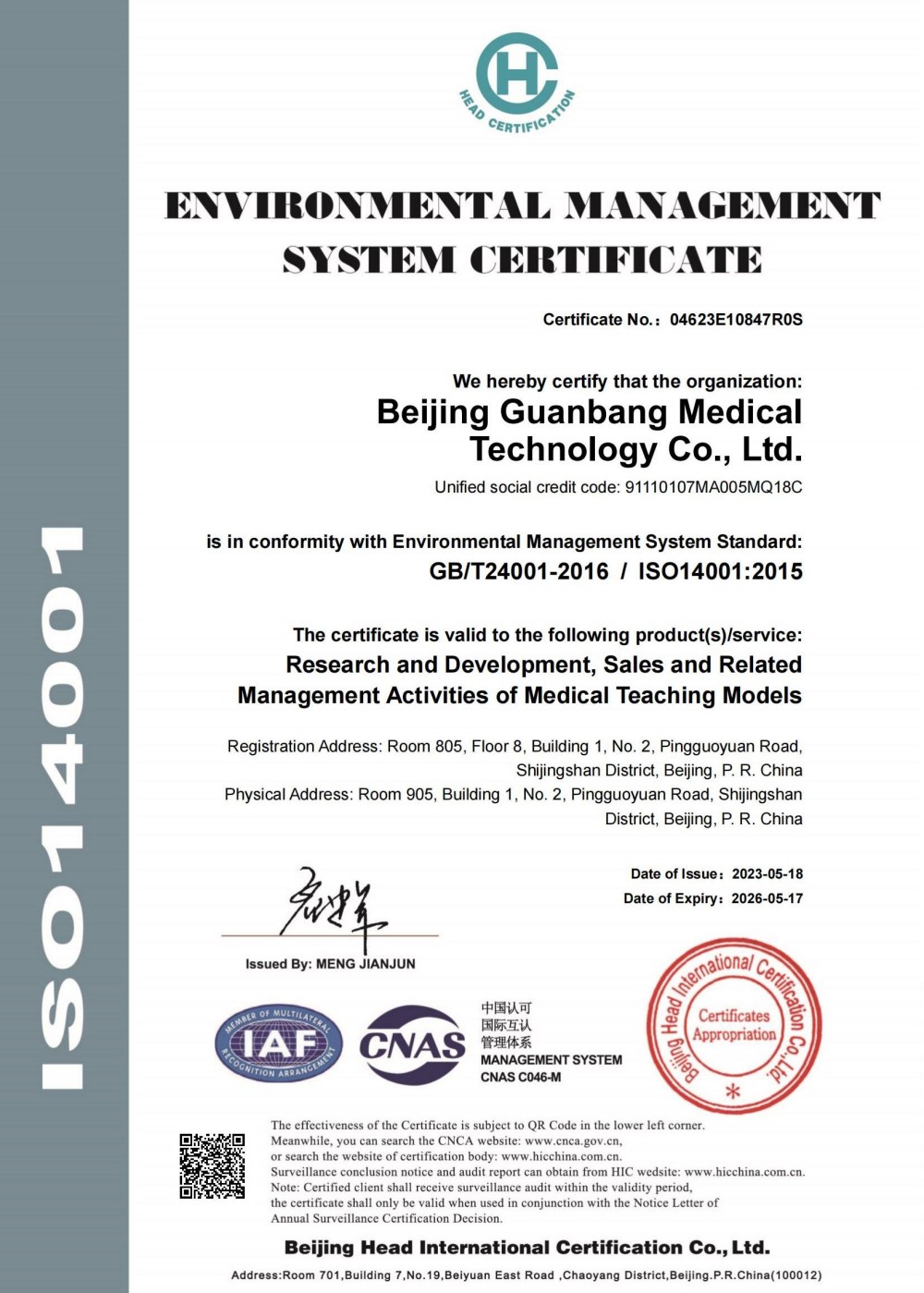
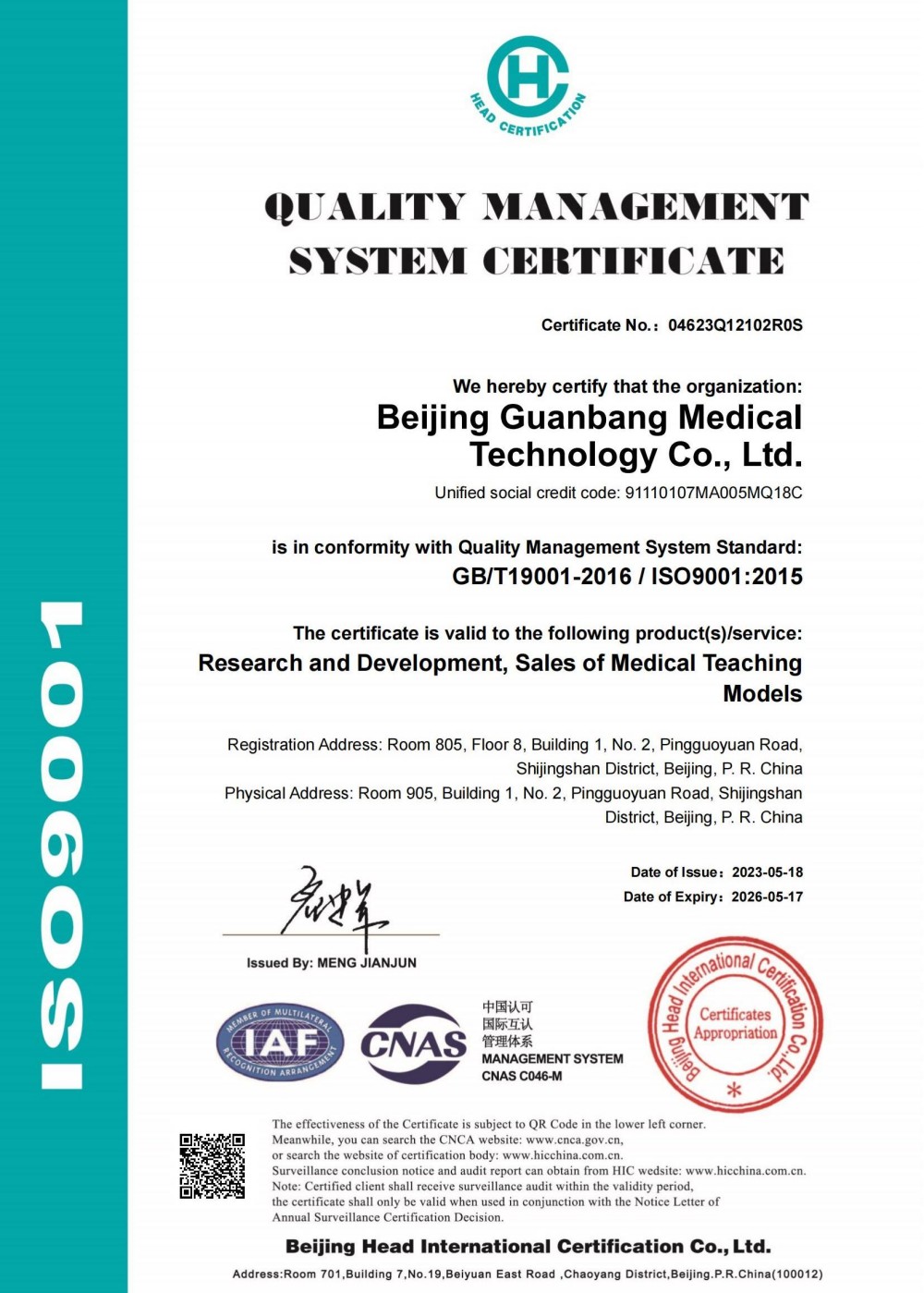
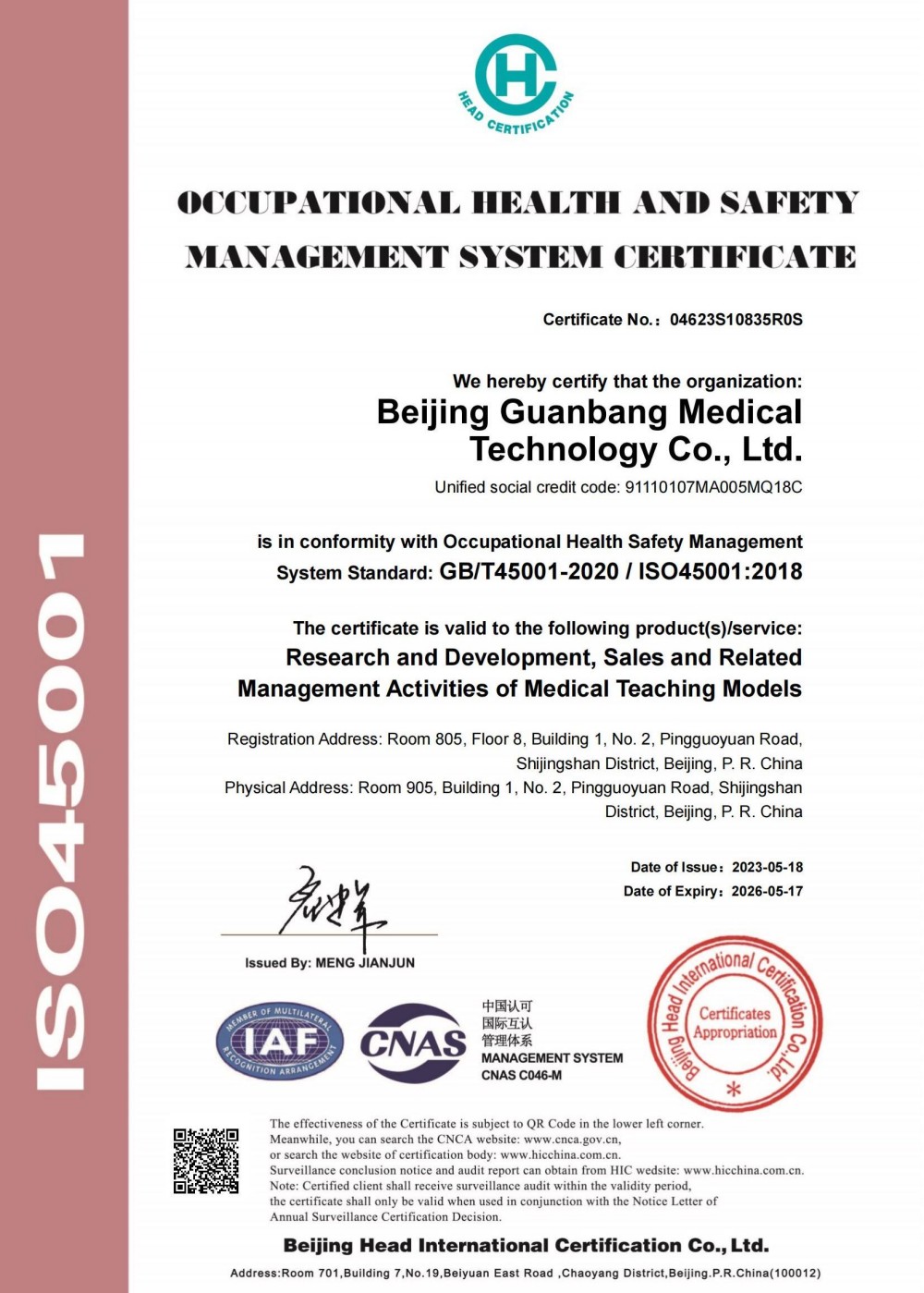
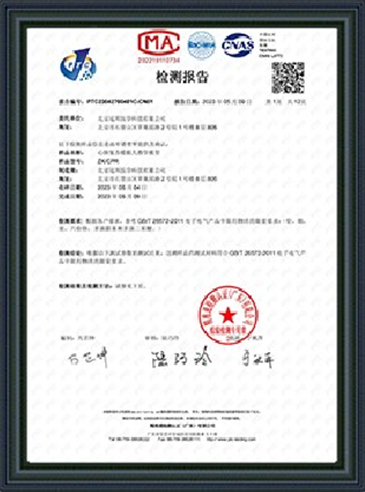
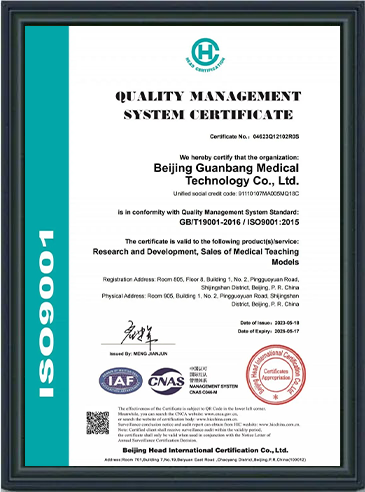
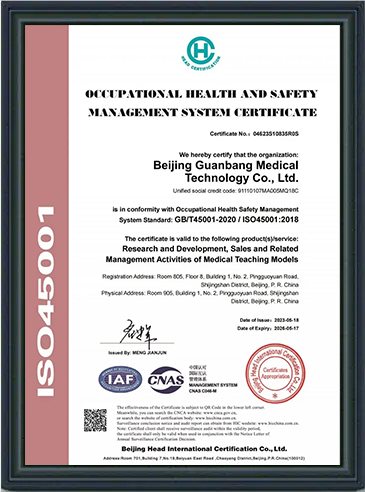
Our commitment to quality is backed by comprehensive certifications, including ISO 9001 (Quality Management), ISO 14001 (Environmental Management), and ISO 45001 (Occupational Health & Safety Management). We also hold multiple utility model patents, design patents, and software copyrights, ensuring that our products meet the highest technical standards.
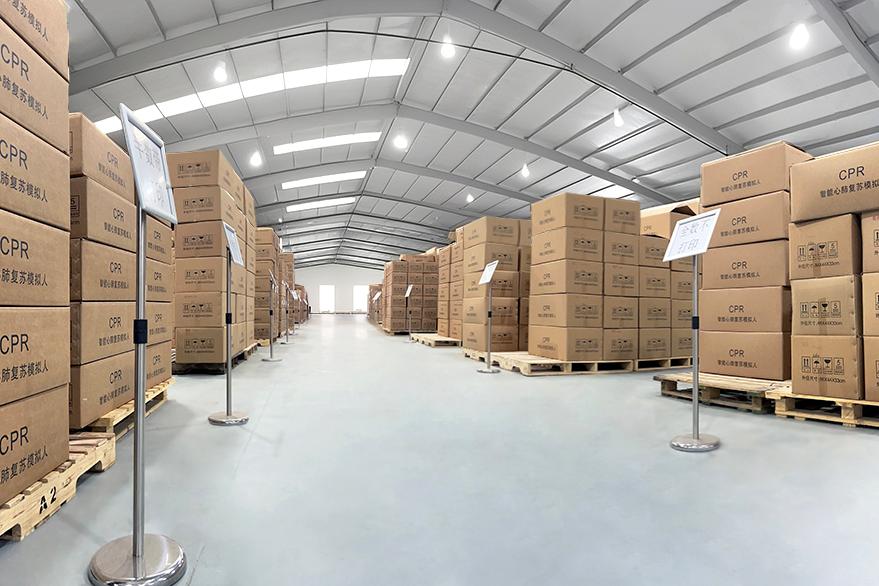
Comprehensive training equipment designed for clinical academies and emergency services
How Beijing Guanbang supports clinical training and public safety initiatives
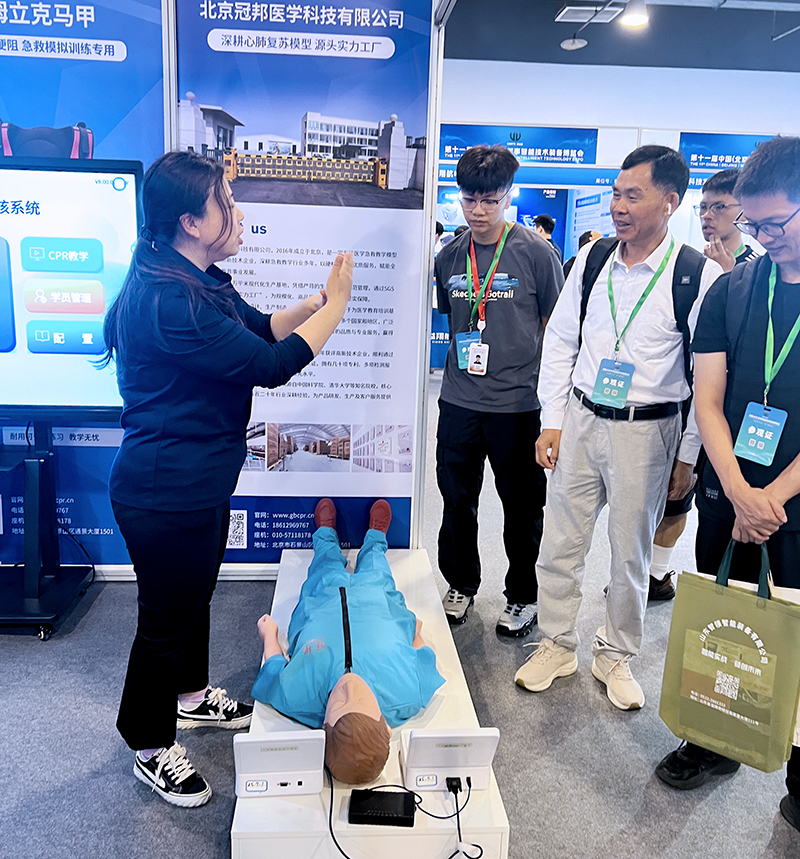
Guanbang presented its latest line of high-durability CPR simulators and tactical emergency response models, designed to meet the rigorous training standards of military and first responder teams.
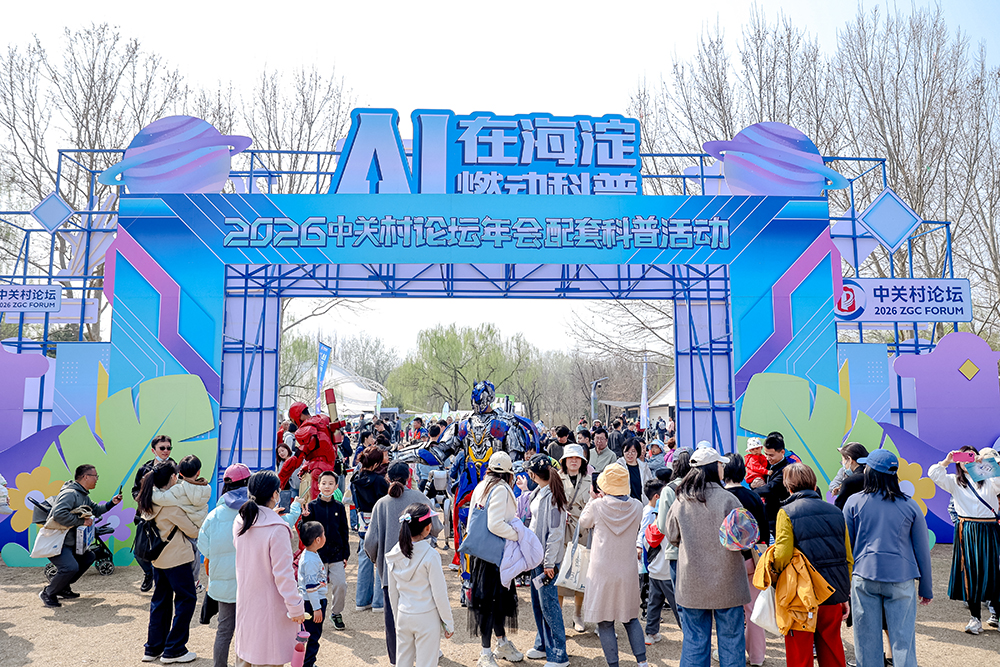
Showcasing the potential of software-integrated medical training, our intelligent CPR simulators demonstrated how digital tracking can improve performance outcomes in large-scale student training.
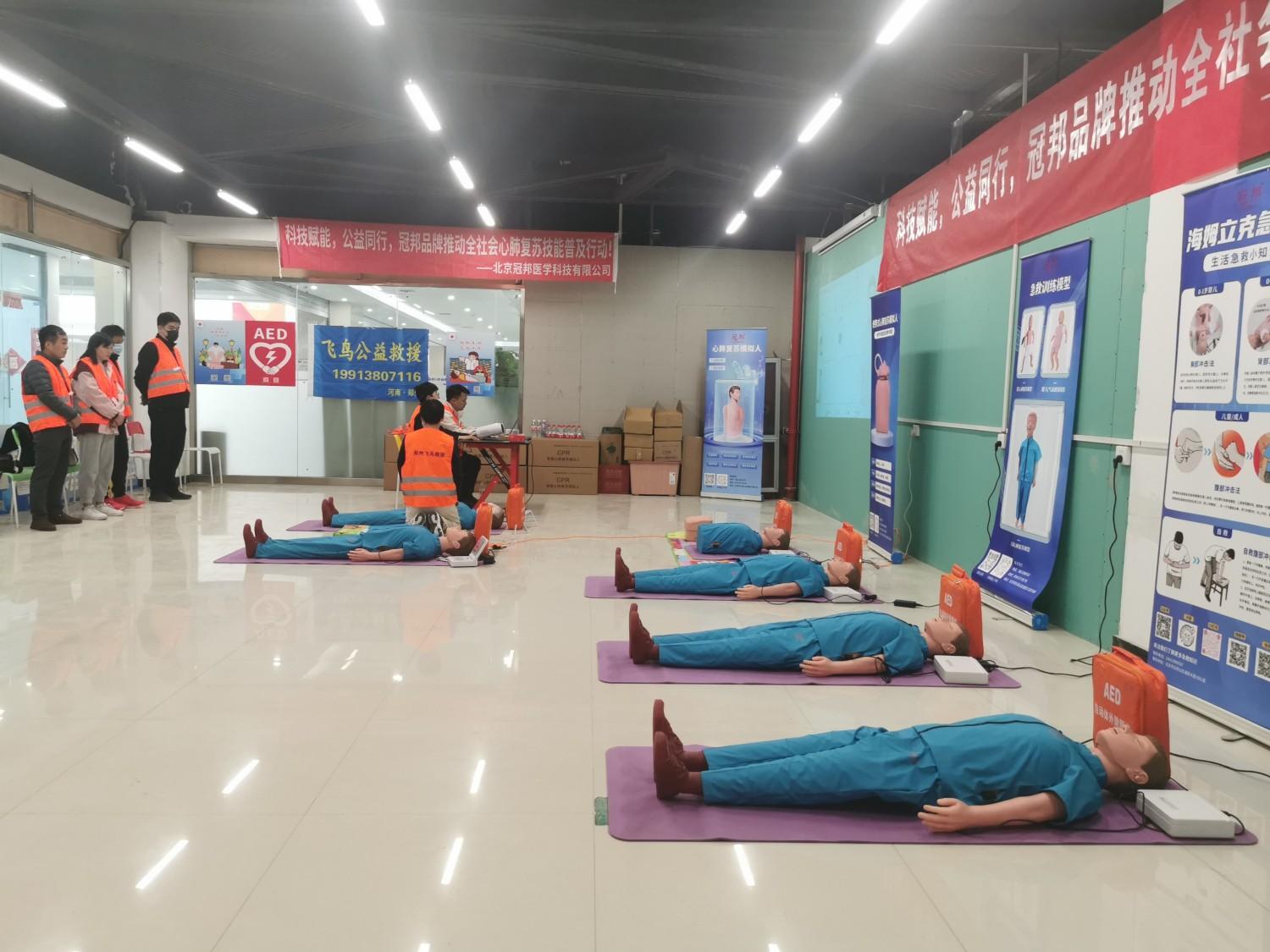
This collaborative center provides the public with free access to professional training equipment, helping local communities learn vital lifesaving skills.
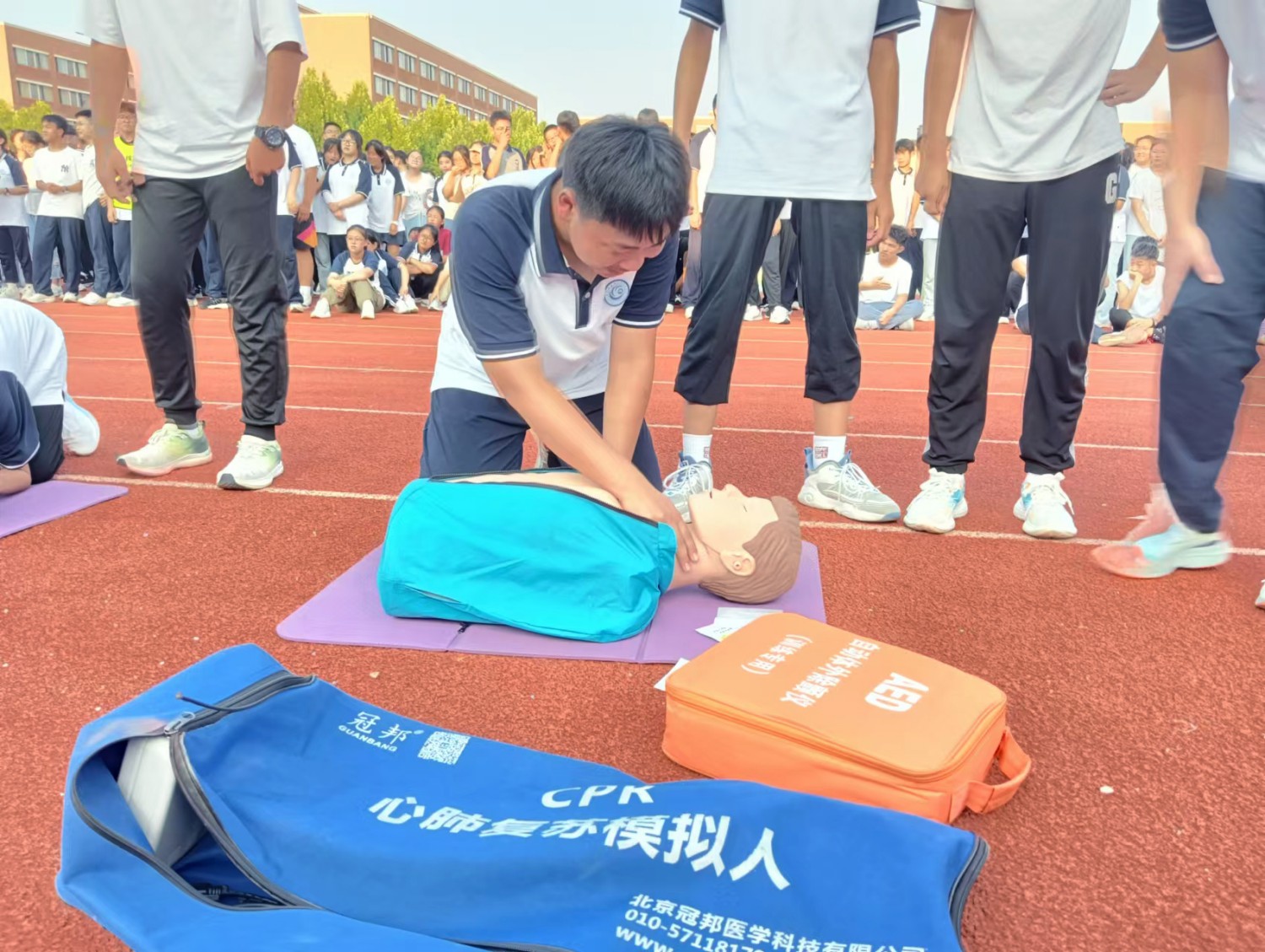
By placing user-friendly CPR simulators in local schools, this initiative helps students gain hands-on experience and build confidence in emergency response situations.
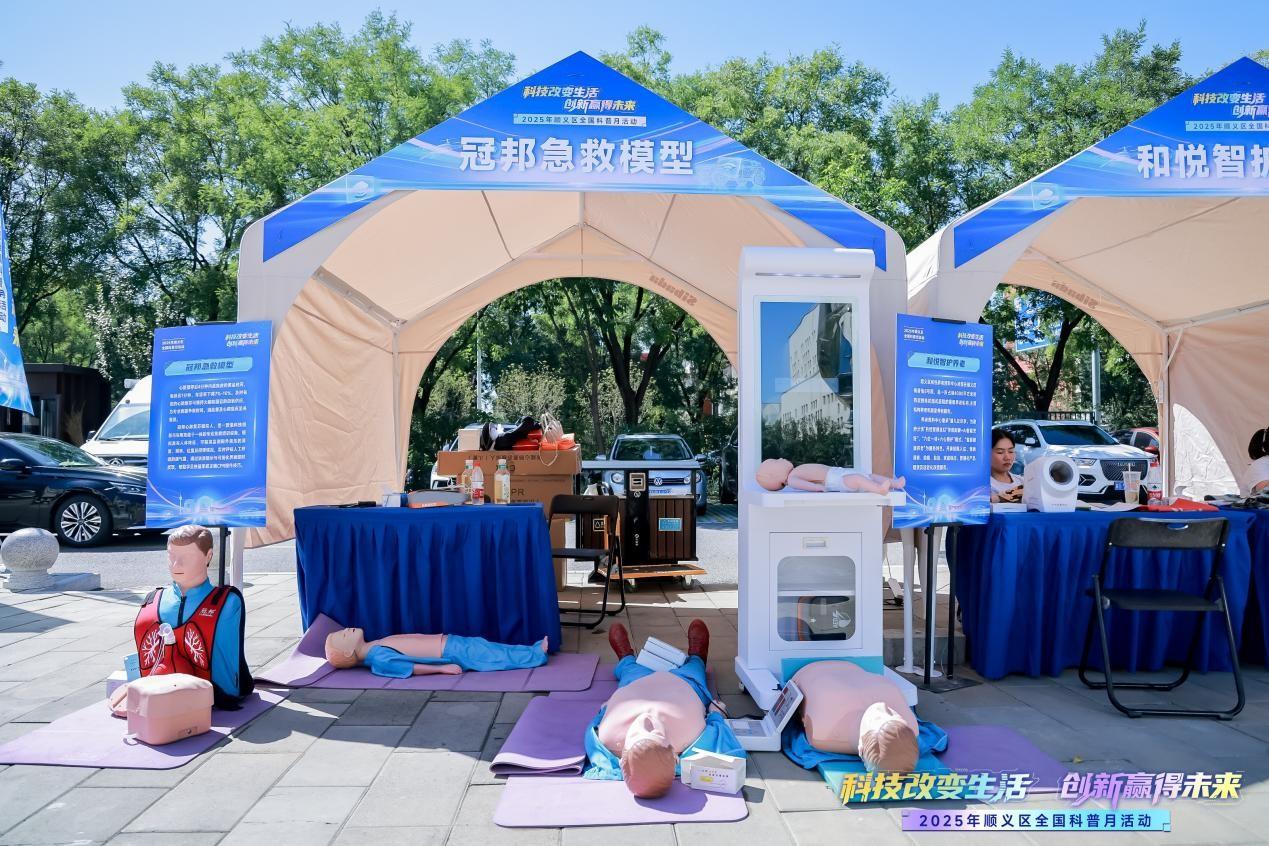
Trainees of all ages used Guanbang's real-time feedback systems to practice proper compression depth and speed, generating strong interest in emergency preparedness.
Essential B2B guide covering material specifications, compliance, and international shipping protocols
Complete your facility setup with our specialized simulators, training software, and patient models
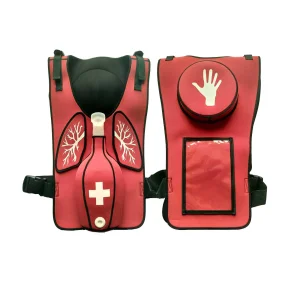
 Guanbang Medical