Explore our premium range of clinical-grade cardiopulmonary resuscitation (CPR) simulators and automated external defibrillator (AED) trainers designed to mimic real-world emergency responses.
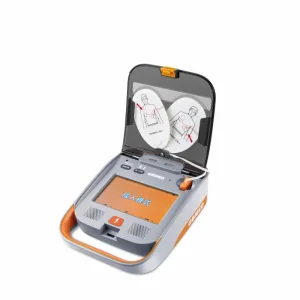
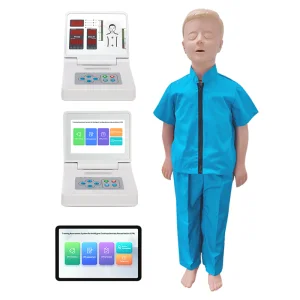
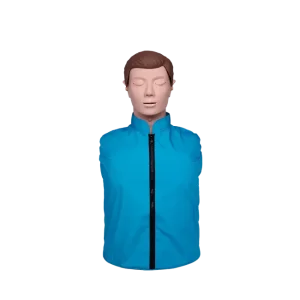
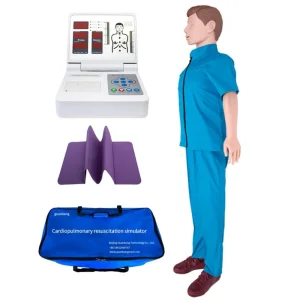
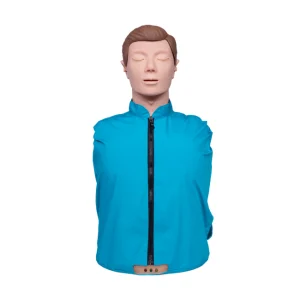
In the high-stakes arena of emergency medicine, the delta between a successful resuscitation and a tragic outcome often measures in seconds and millimeters. High-fidelity medical simulation training serves as the bridge between theoretical knowledge and split-second muscular execution. As a global authority in emergency training models, Beijing Guanbang Medical Technology Co., Ltd. (established in 2016) has pioneered structural innovations that empower medical schools, defense facilities, corporate safety divisions, and municipal rescue teams to deploy state-of-the-art simulation software and anatomically precise physical trainers.
Our commitment to professional expertise is driven by an elite research and development force. Our core technical personnel hold master's and doctoral degrees from renowned global institutions, including the Chinese Academy of Sciences, Tsinghua University, and the Beijing University of Technology. Bringing nearly two decades of clinical and engineering expertise, this elite engineering group focuses on materials science, anatomical modeling, and electronic sensor arrays.
Through pioneering mold design breakthroughs and automated polymer formulation processing, Guanbang has solved a historical challenge in medical simulation: creating models with realistic skin textures and chest compliance that do not degrade under high-frequency chest compressions. Our systems accurately emulate the physiological resistance of human thoracic cavities, offering students feedback loops that replicate real-world scenarios.
Compliance is paramount in healthcare training. Our simulators strictly adhere to the latest guidelines set by the American Heart Association (AHA) and the European Resuscitation Council (ERC) for Basic Life Support (BLS) and Advanced Cardiovascular Life Support (ACLS). This alignment ensures that training programs remain current and accurate.
Our devices feature built-in voice command software, visual indicator panels, and interactive software modules that support multiple languages, enabling seamless local deployment. Whether it's an AED training machine providing real-time instructions in Spanish, German, or Japanese, or a pediatric CPR simulator featuring visual feedback for chest decompression depth, our global systems are built to meet the specific requirements of international markets.
Leveraging China's advanced manufacturing ecosystem to deliver scale, custom engineering, and exceptional value without compromising precision.
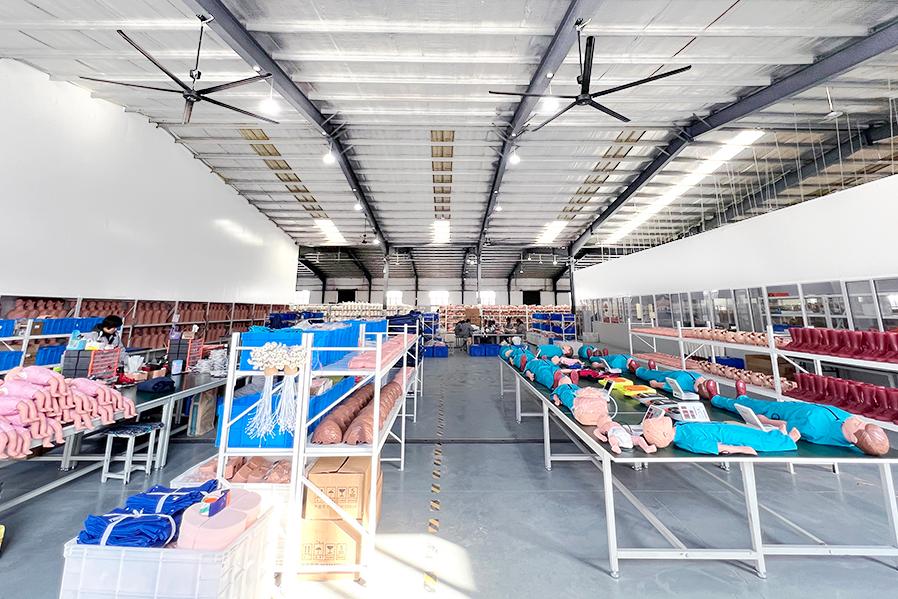
Our expansive manufacturing center features automated cleanrooms, precision molding stations, and advanced electrical testing bays designed to produce thousands of life support training devices monthly.
We formulate custom high-tensile silicone elastomers and thermoplastic rubbers. This ensures realistic skin textures, high durability, and resistance to cleaning agents.
Our high capacity enables us to fulfill large-scale orders for government initiatives, school programs, and non-profit health organizations efficiently.
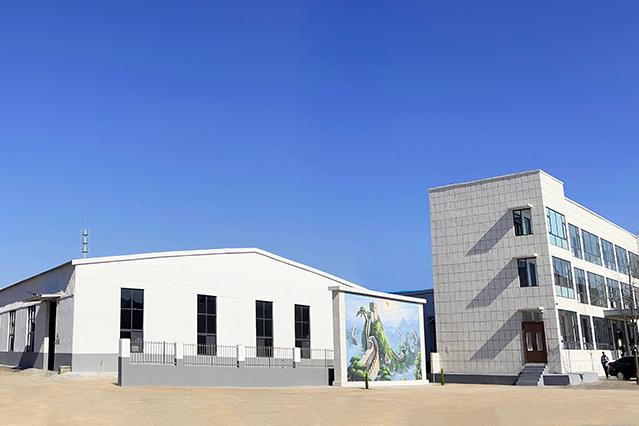
At Beijing Guanbang, design is not merely aesthetic; it is scientific. Partnering with elite researchers, we conduct comprehensive studies on human tissue elasticity, airway clearance angles, and bone structure resistance to optimize our models.
Our software team creates advanced algorithms to measure resuscitation metrics, including compression depth (5cm to 6cm), chest recoil speed, hand placement precision, and mouth-to-mouth ventilation volumes. This research-based approach translates directly to our training devices, helping students build muscle memory that is critical in emergency situations.
Anatomically precise simulators and training devices tailored to diverse education, clinical, and emergency response environments.
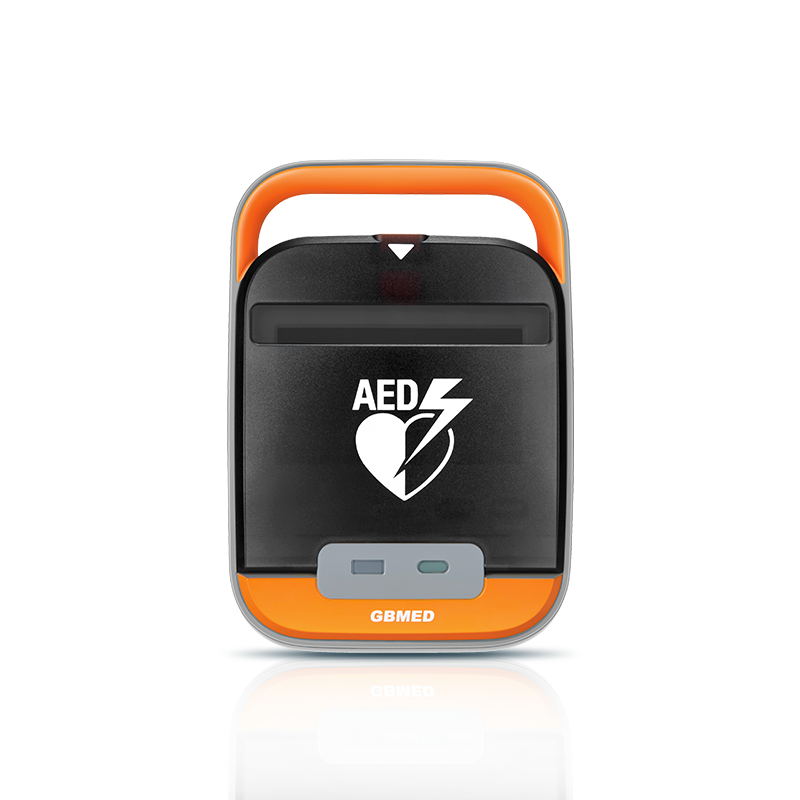
Simulating automated external defibrillators with real-world voice instructions, multiple pre-programmed scenarios, and smart electrode pad connection detection.
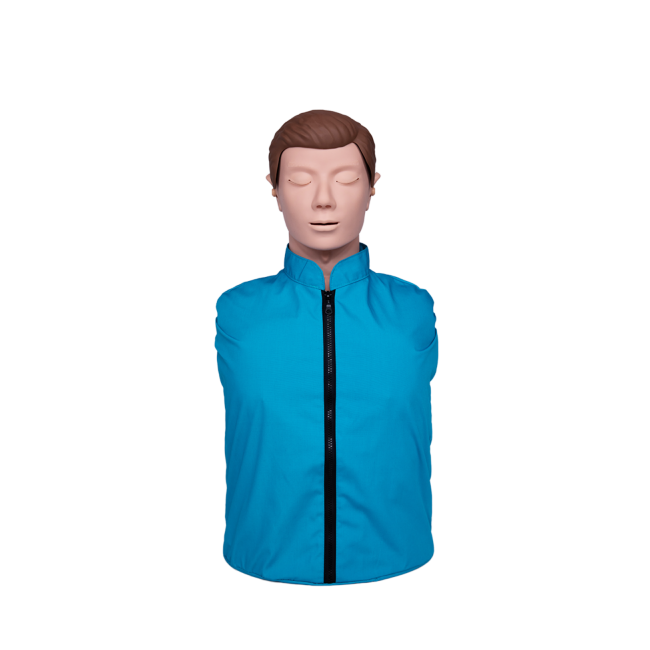
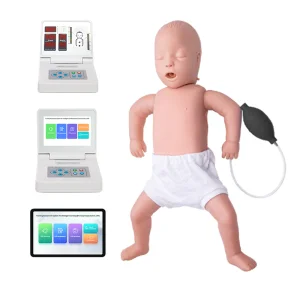
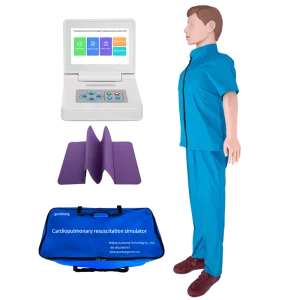
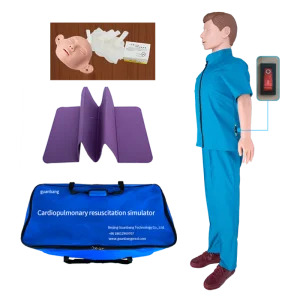
Available in infant, child, and adult sizes, offering smart LED indicators, digital control boxes, and software-connected feedback options for realistic training.
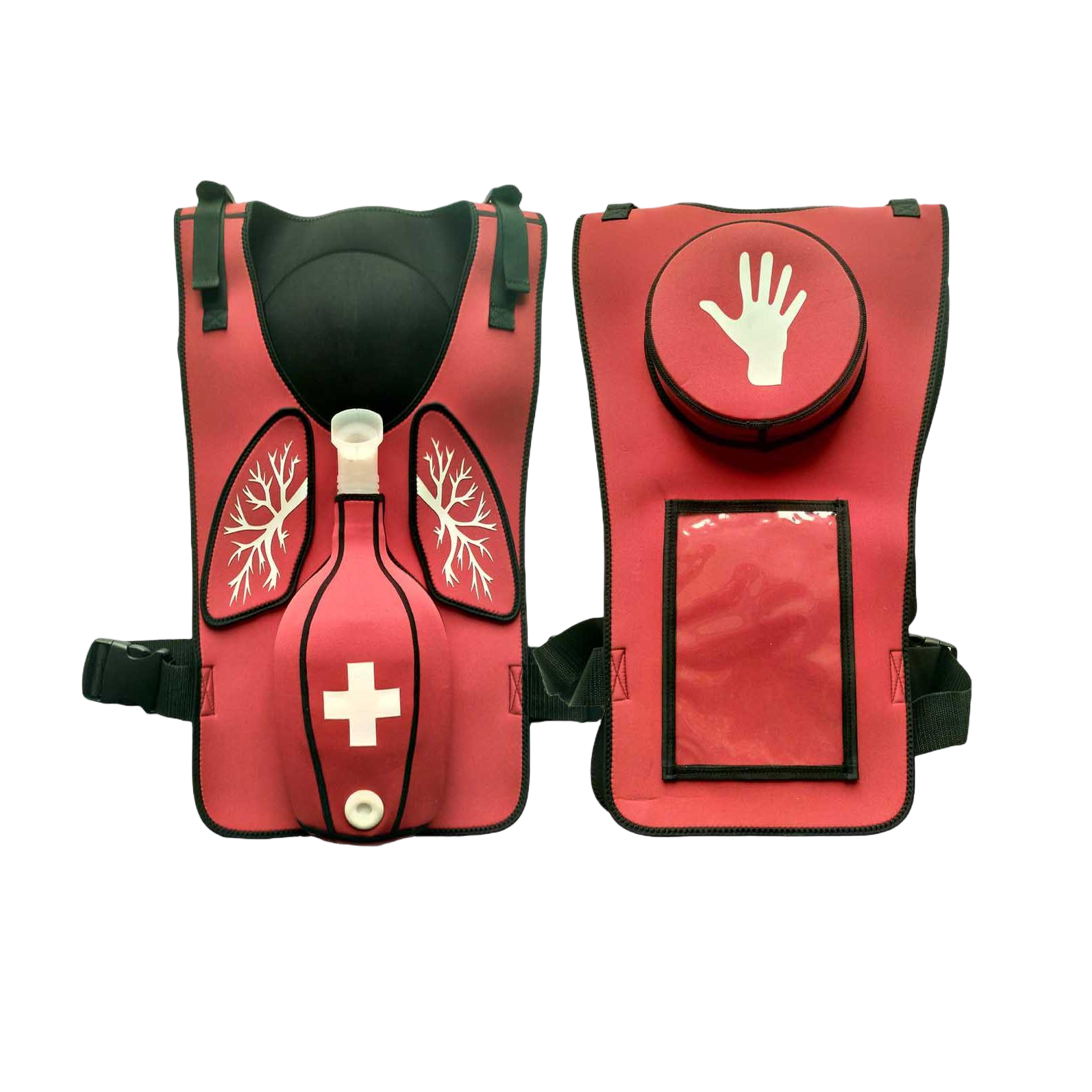
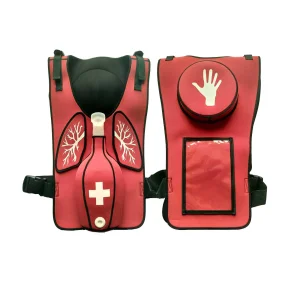
Features realistic Heimlich maneuver training vests, infant choking simulators, and anatomical models designed to teach airway clearing techniques.
From defense exhibitions to public welfare initiatives, Guanbang empowers societies to build reliable emergency response systems.
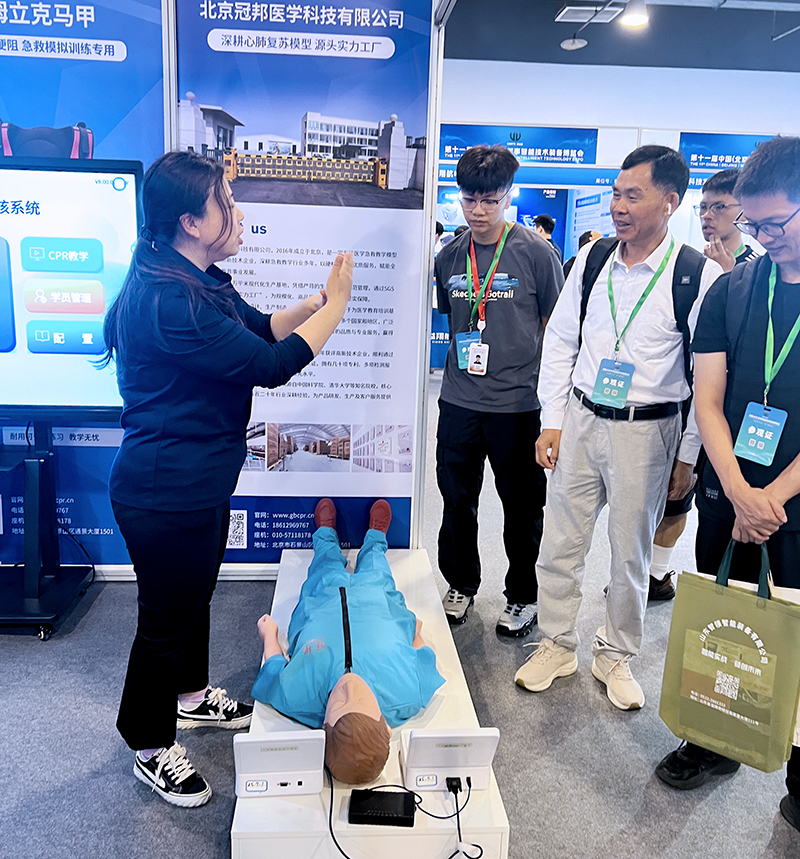
Guanbang presented its battlefield simulation systems, showcasing how ruggedized trauma simulators and smart CPR software support defense-grade emergency response training.
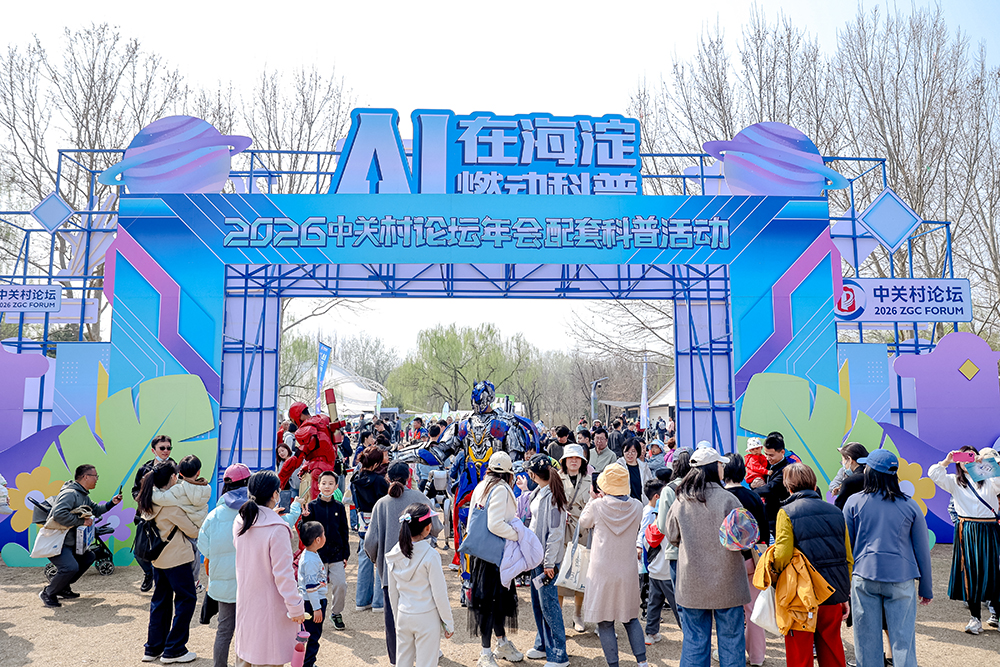
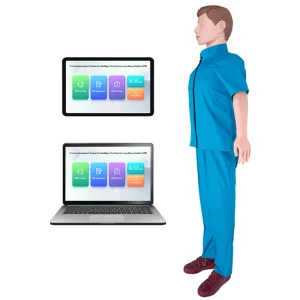
Showcasing the multi-manikin control system at the Zhongguancun Forum, allowing a single instructor to monitor dozens of students simultaneously.
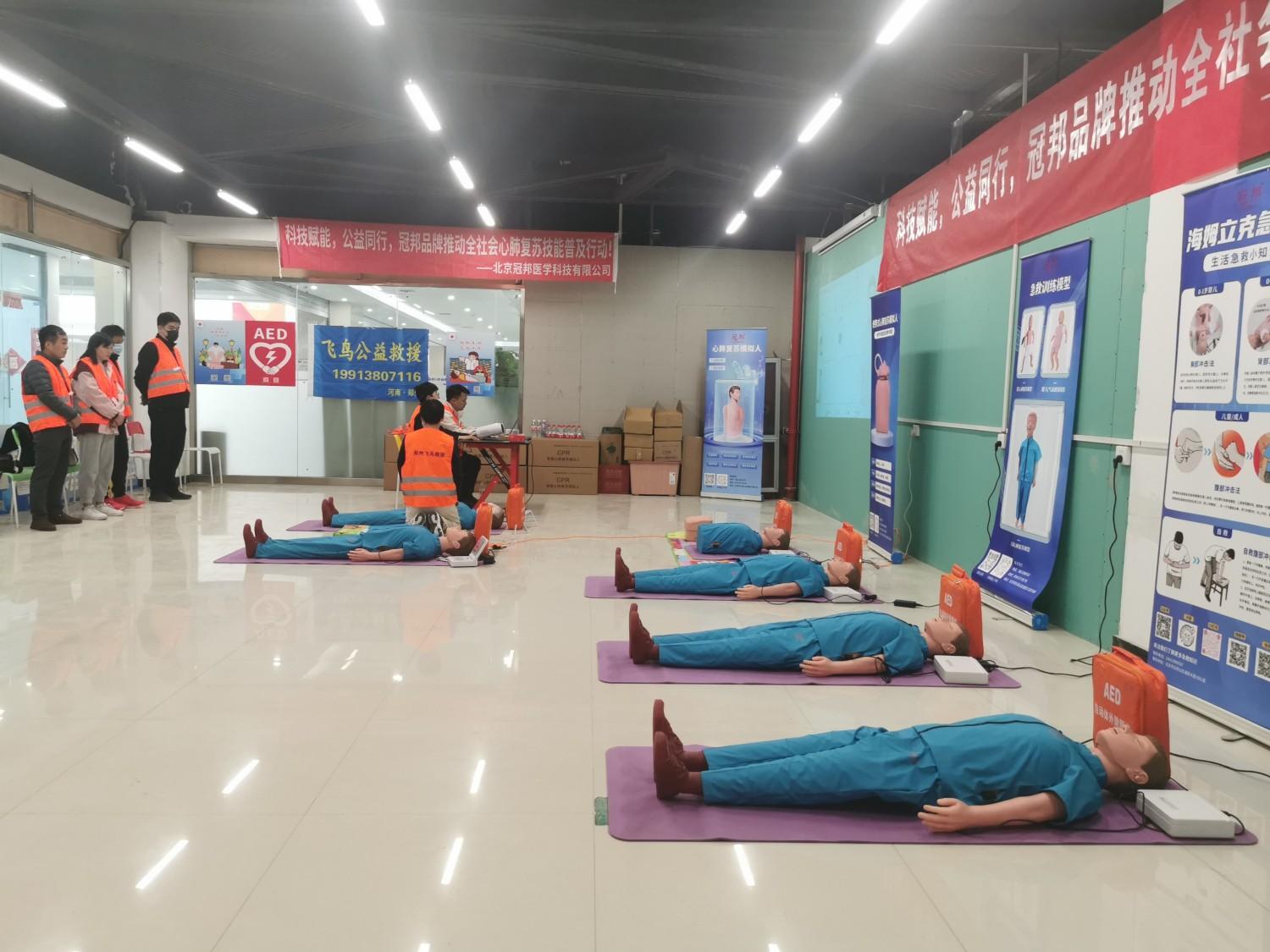
Collaborating to establish a public welfare CPR experience center, making vital life support training accessible to community members free of charge.
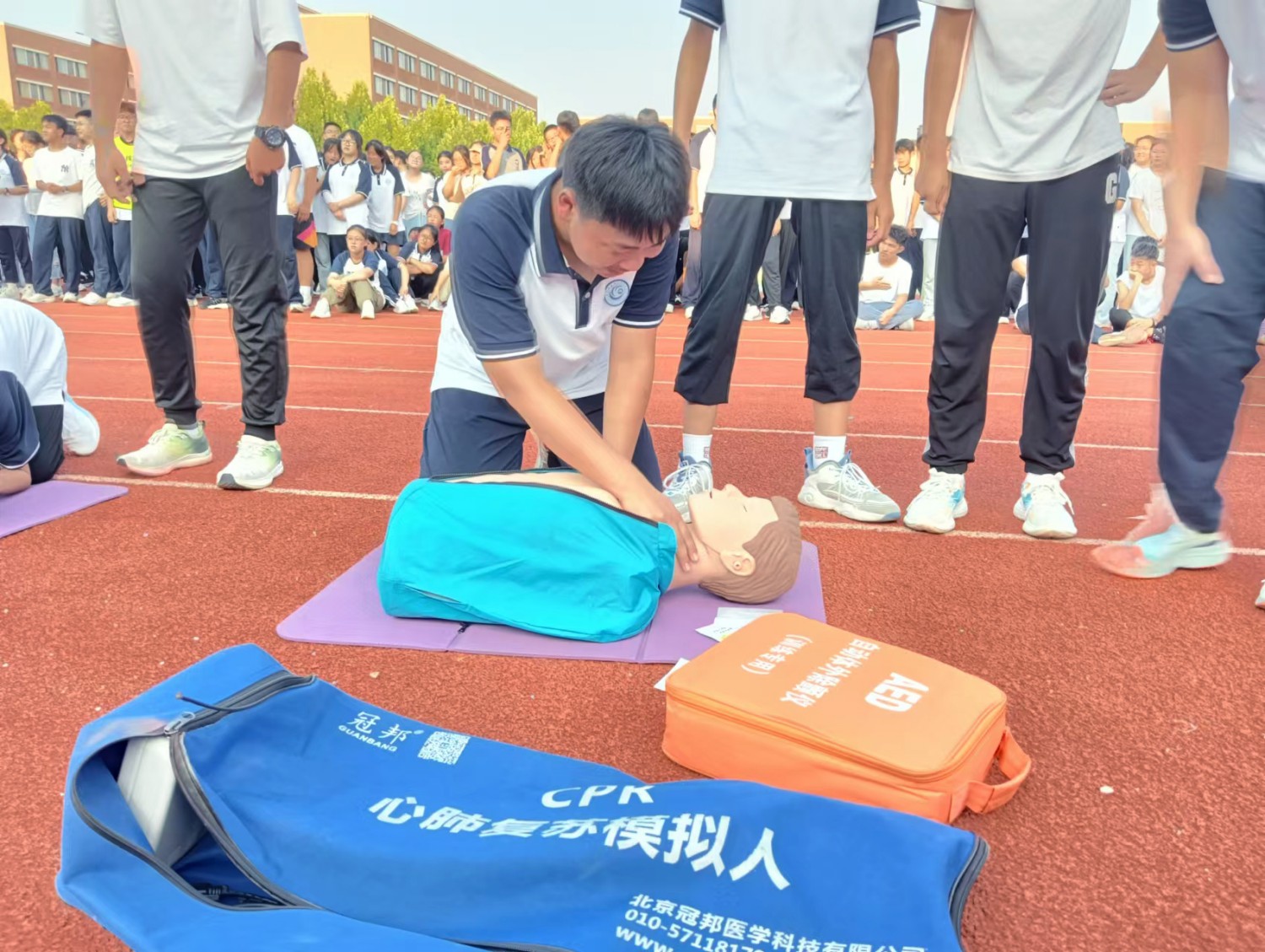
Delivering youth-oriented CPR models and airway obstruction vests to classrooms, teaching school children critical emergency response skills early.
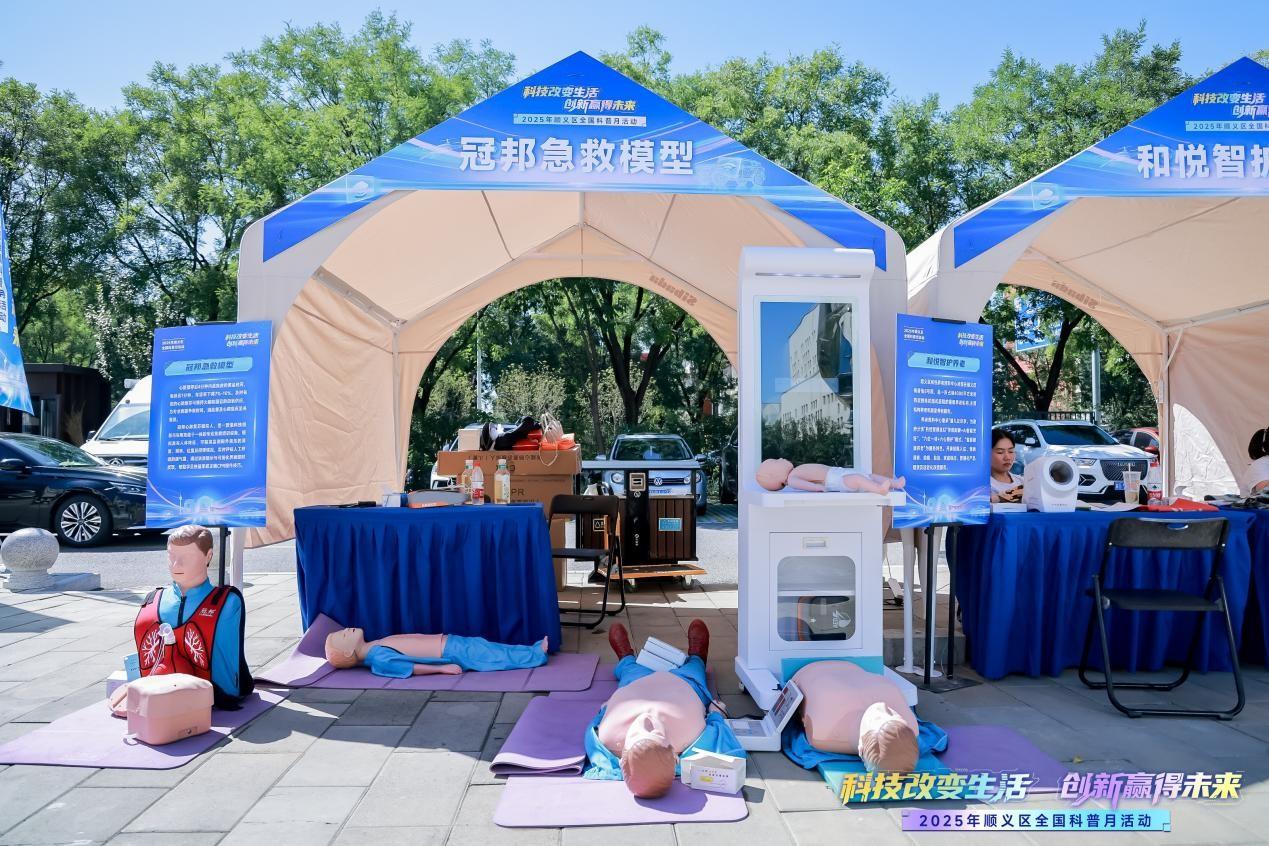
Demonstrating smart CPR manikins that engage community participants through interactive gamified scoring and visual live feedback screens.
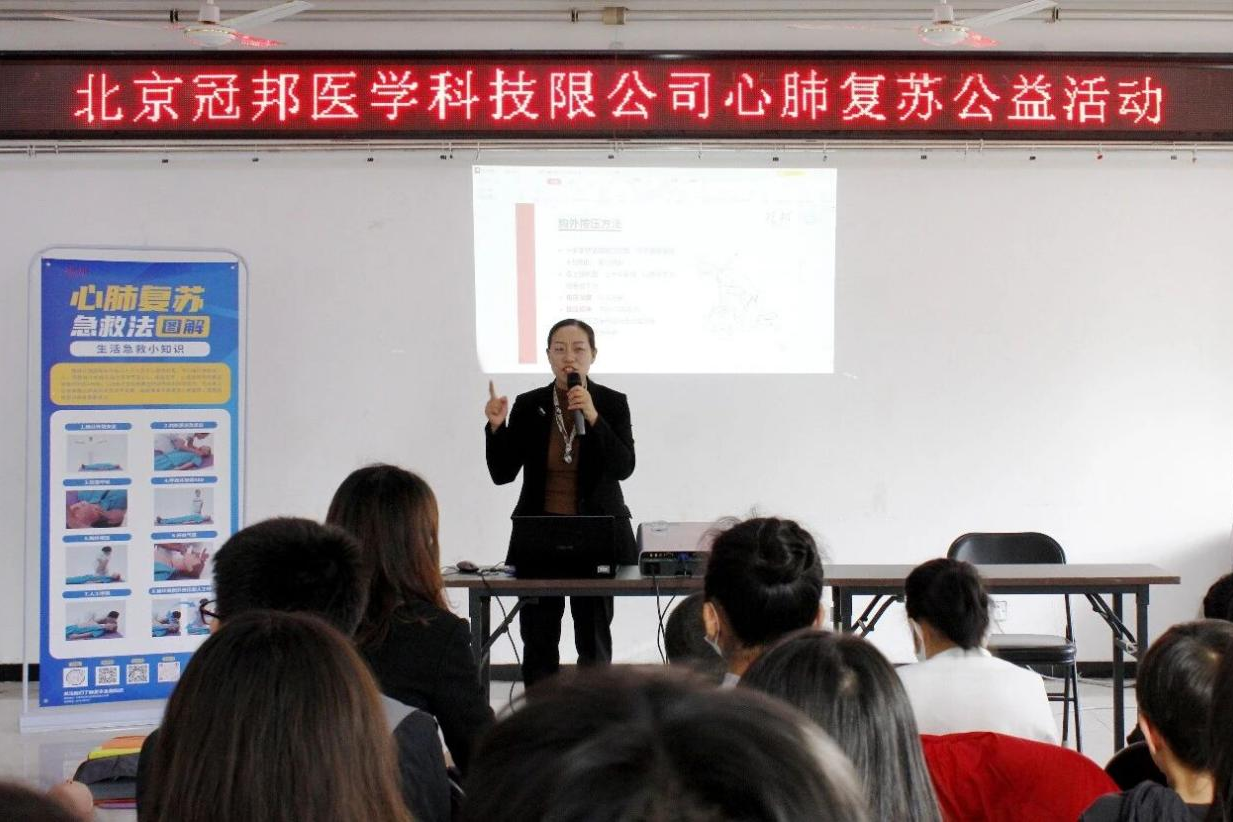
Fostering safety awareness in communities through interactive hands-on training with child CPR manikins and choking rescue vests.
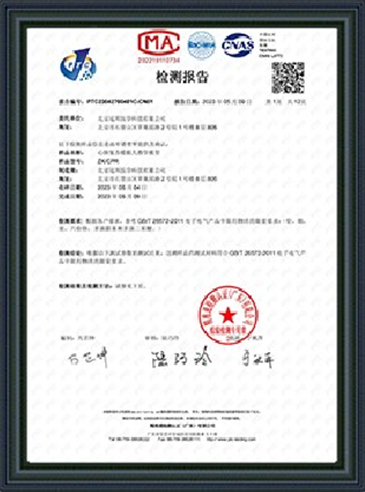
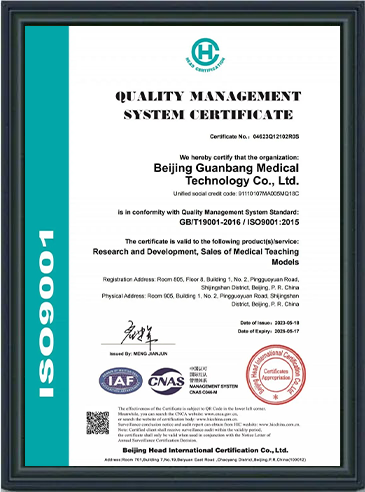
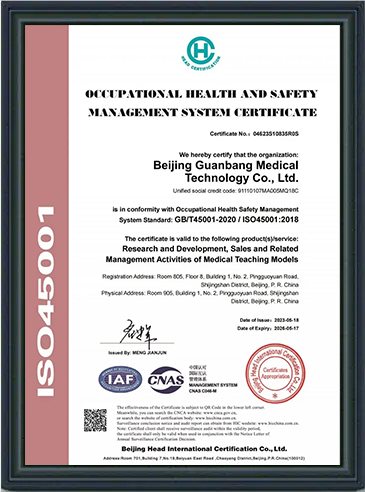
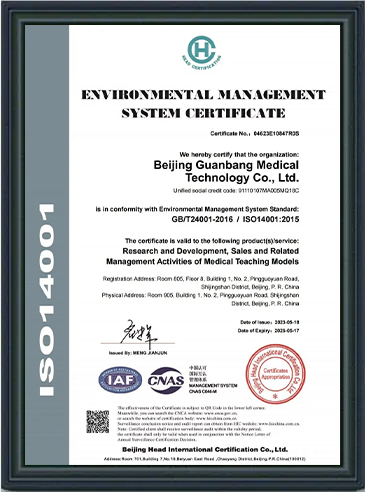
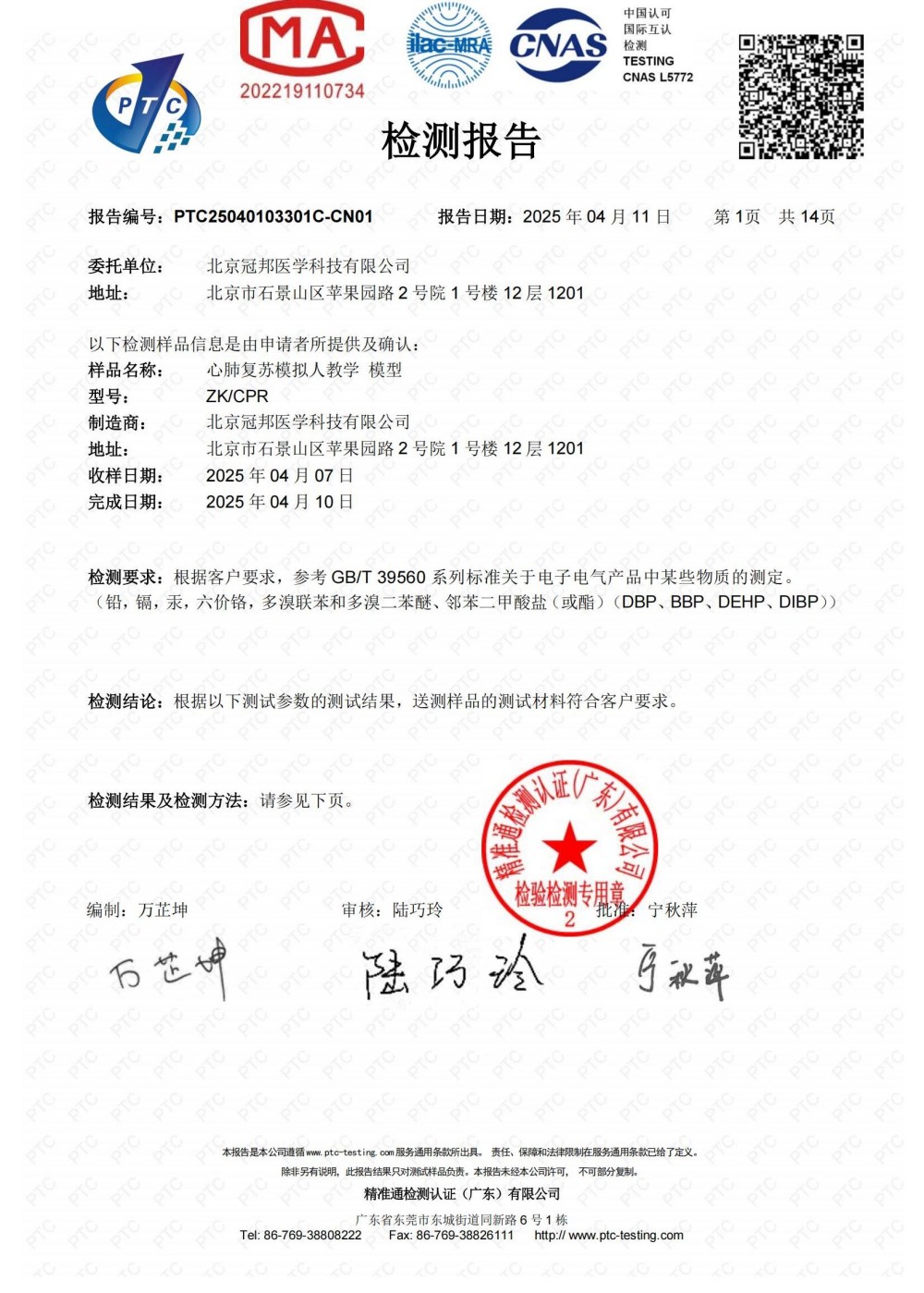
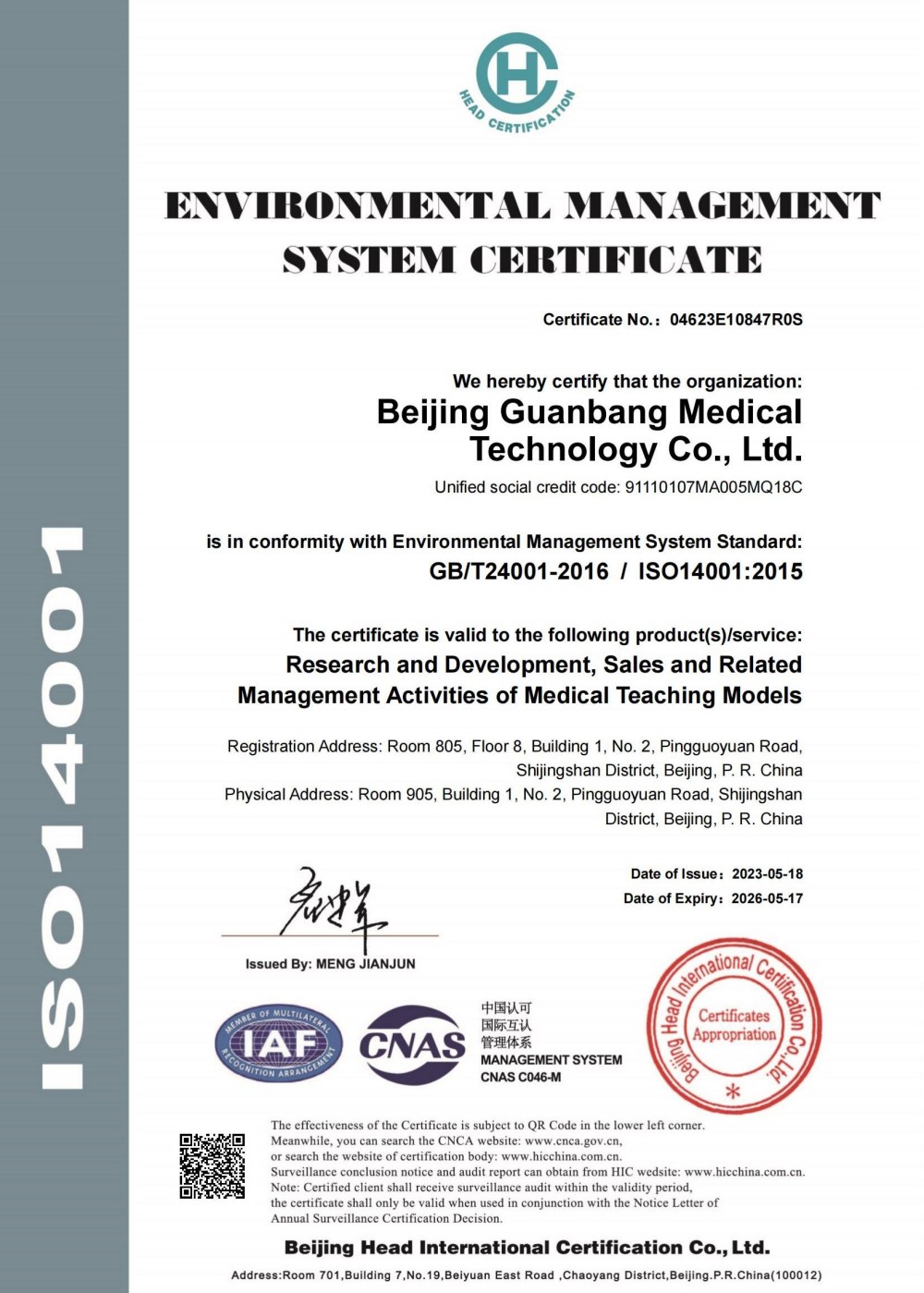
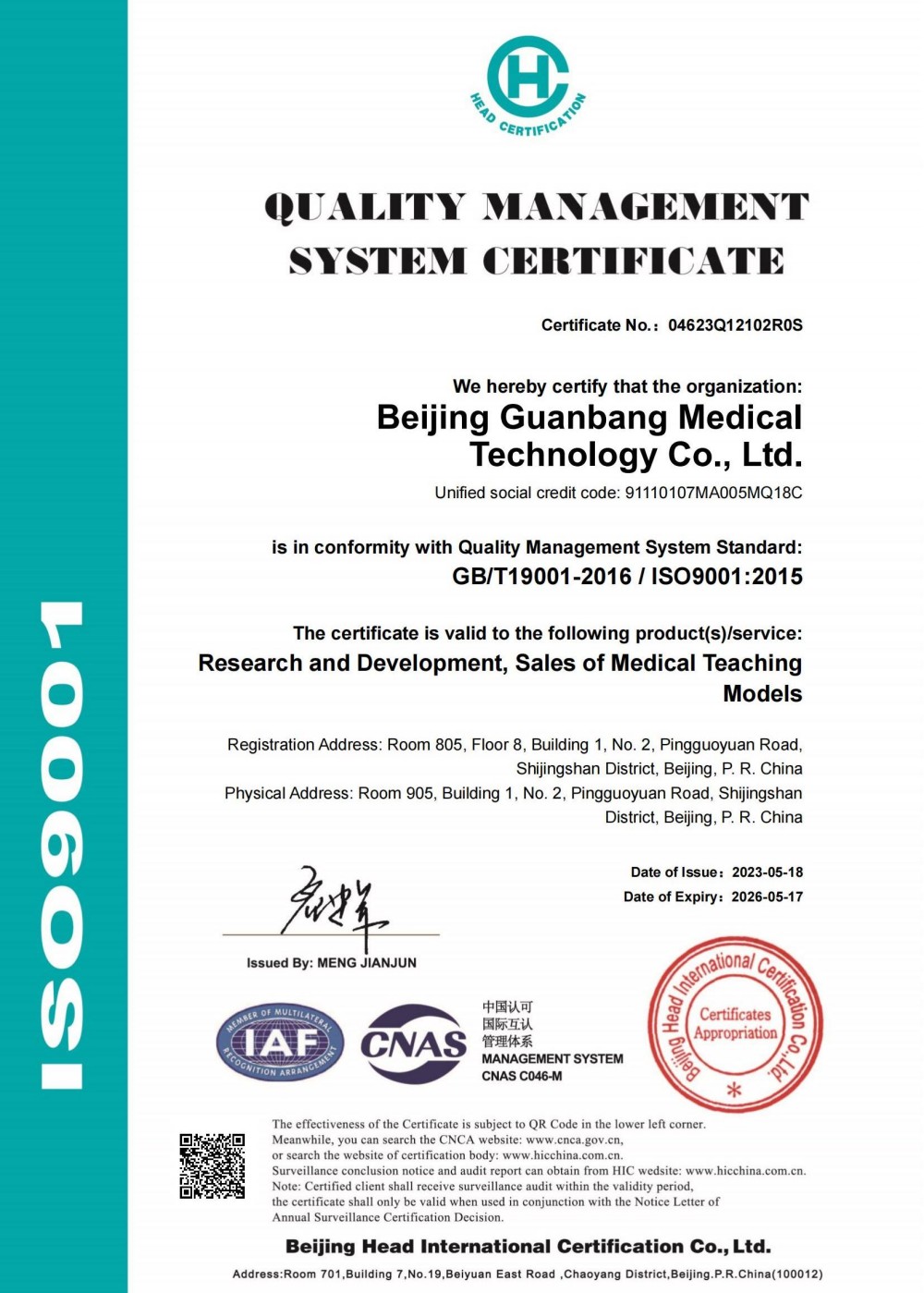
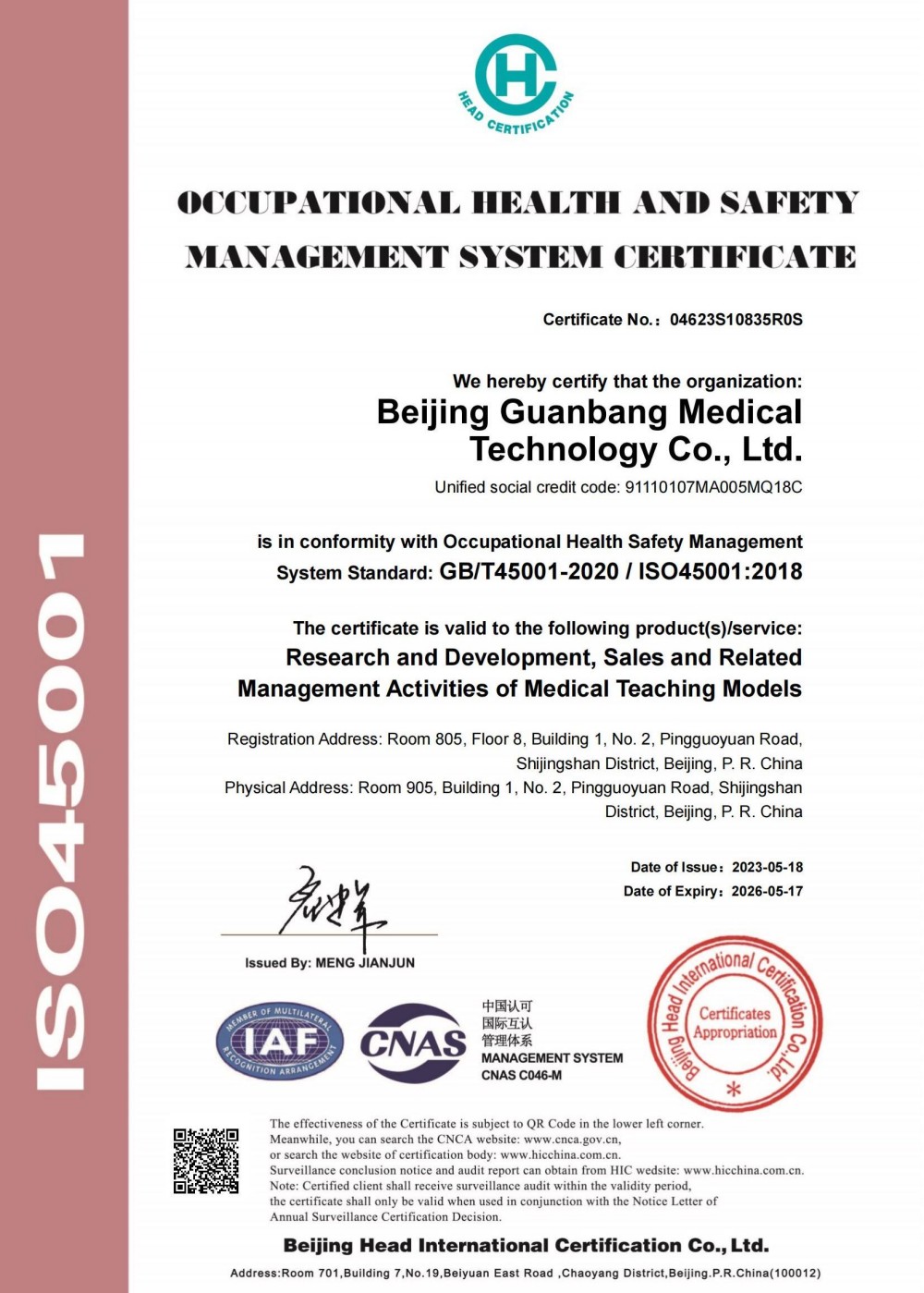
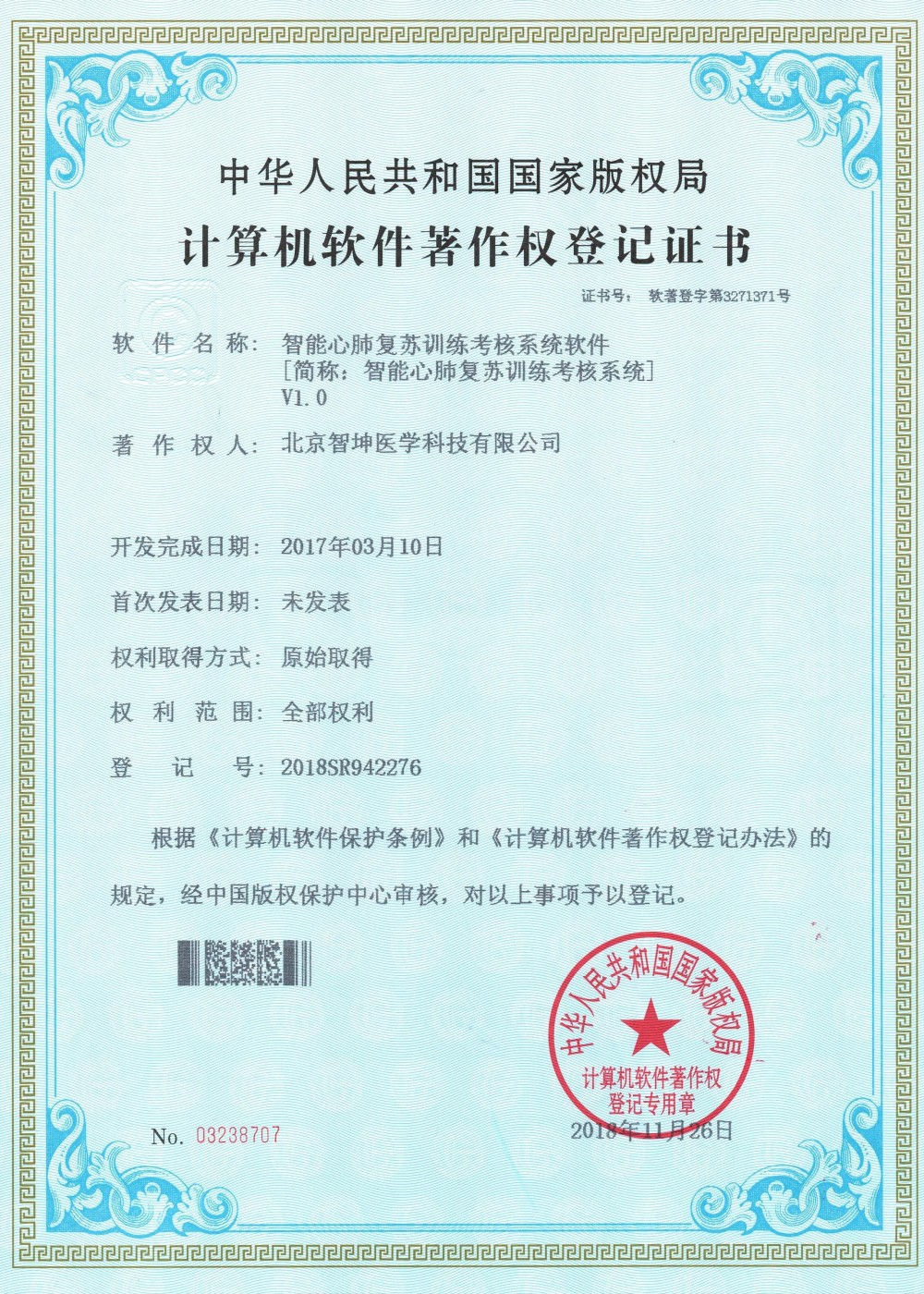
Guanbang maintains certified quality systems, environmental standards, and safety frameworks, backed by numerous patents and design copyrights.
Procuring medical training devices requires careful consideration. Organizations must evaluate products beyond price, focusing on physical durability, software integration, and compliance.
Simulators must fully align with current AHA and ERC protocols. The training devices must support required parameters like 5-6 cm compression depth and real-time ventilation metrics.
Modern setups require systems that connect multiple manikins to a central console. This enables instructors to analyze and record performance metrics efficiently.
Simulators must be constructed using high-quality materials to withstand thousands of practice chest compressions without degradation.
Enterprise buyers often require customized options, such as multi-language voice prompts, custom logos, or specific technical integration.
The medical simulation sector is transitioning from traditional passive rubber models to smart systems featuring real-time diagnostic software and cloud integration. Resuscitation models are evolving rapidly:
Addressing the technical, custom engineering, and shipping questions of global business buyers.
Yes. All Guanbang cardiopulmonary resuscitation models and AED training devices are designed and updated to align with the latest AHA and ERC resuscitation guidelines. They feature precise sensor configurations that verify compression depth (5-6cm), real-time chest recoil, and correct hand alignment, with integrated voice prompts to guide learners.
Yes. Guanbang offers comprehensive customization services. We can update voice prompts in multiple languages, integrate custom software interfaces, apply institutional branding, and adjust hardware elements like skin tone or packaging configurations to suit your region.
Our simulators are built with proprietary thermoplastic rubbers (TPR) and high-grade silicones. These materials replicate human skin textures, can withstand intensive training sessions, and are resistant to tears and typical disinfectant cleaners.
Our company operates a 10,000 square meter factory certified under ISO 9001 Quality Management, ISO 14001 Environmental Management, and OHSAS 18001 Occupational Health and Safety. Our products carry CE certificates, specialized technical patents, and software copyrights.
With an annual capacity of over 1,000,000 units, standard bulk orders are processed and ready to ship within 15 to 30 days. Lead times for highly customized OEM/ODM projects are determined by specific project requirements.
Browse our advanced electronic and digital-control CPR models designed to provide precise evaluation metrics for clinical students and emergency teams.
 Guanbang Medical