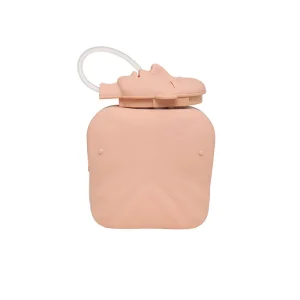
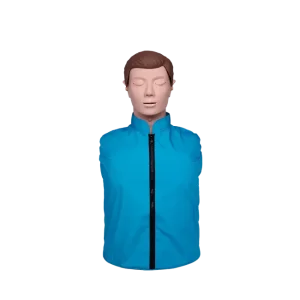
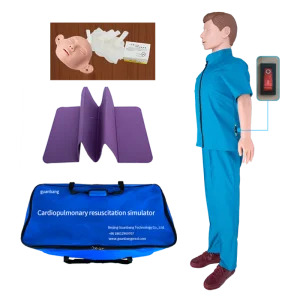
In modern clinical education, medical simulators are evolving from simple physical shapes to interactive high-fidelity bio-mechanisms. Arm manikins, specifically designed for venipuncture, IV infusion, arterial blood gas sampling, and radial pulse measurement, are critical components of simulated clinical workflows. As healthcare institutions demand higher accuracy to prevent medical errors, the manufacturing of clinical medical trainers has entered a new phase driven by material science and smart feedback integrations.
The global market for medical training simulators is seeing a transformation where basic plastic designs are being replaced by advanced self-healing medical-grade silicone elastomers. These advanced formulations mimic human tissue resistance, skin turgor, and the tactile "pop" of entering a vein. Simultaneously, the demand is moving toward systems featuring embedded sensor arrays. These sensors capture live compression depths, infusion pressures, and injection angles, sending real-time data to connected digital control hubs. Leading international training organizations, including the American Heart Association (AHA) and European Resuscitation Council (ERC), now emphasize the importance of using simulators that offer objective performance measurement rather than relying solely on manual observation.
Multi-layered skin, subcutaneous tissue, and venous networks that provide authentic vascular resistance, vascular pressure feedback, and tactile realism for trainees.
Integrating real-time sensor modules to track infusion flow rates, vein entry accuracy, compression depth, and ventilation volume, aligning with digital learning systems.
Using durable, non-toxic, and odorless polymer compounds that extend simulator lifespan while providing clean, realistic, and safe training configurations.
Established in Beijing in 2016, Beijing Guanbang Medical Technology Co., Ltd. is a high-tech manufacturer specializing in clinical training models. Integrating research and development, industrial design, manufacturing, sales, and service, Guanbang provides high-fidelity simulation training models to medical schools, clinical simulation centers, healthcare facilities, and national emergency groups worldwide.
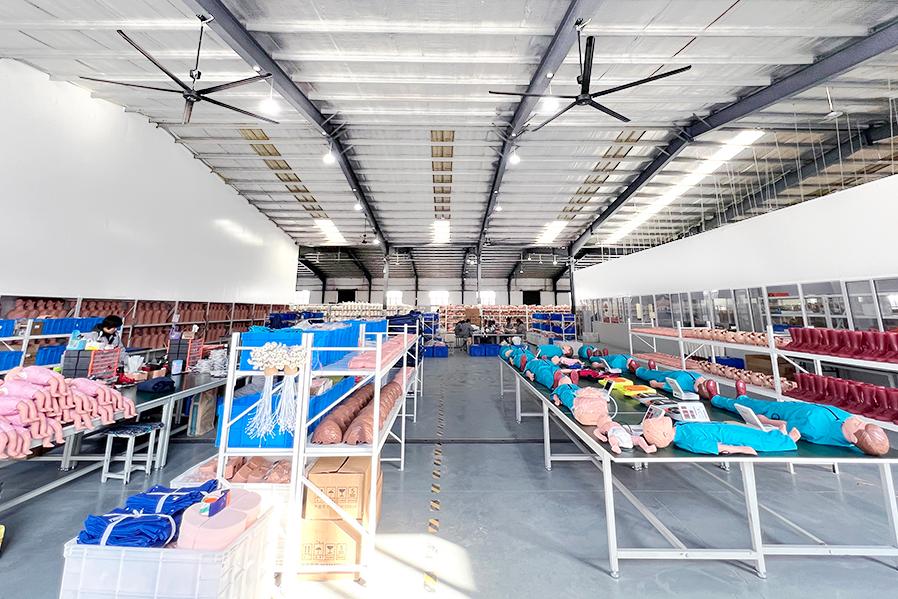
Operating out of a modern 10,000 square meter production facility, Guanbang has built a comprehensive production workflow. This structure spans from industrial mold design and material processing to electrical engineering and quality assurance testing. Backed by key experts holding master's and doctoral degrees from institutions such as the Chinese Academy of Sciences (CAS), Tsinghua University, and Beijing University of Technology, the company delivers reliable medical skills models to international customers.
B2B buyers, institutional procurement officers, and educational distributors prioritize clinical reliability and return on investment (ROI). In medical simulation procurement, buyers assess three core criteria: durability, modularity, and compliance. High-use training scenarios—such as nursing schools and simulation labs—need models that can withstand repetitive needle insertions and chest compressions without quick mechanical breakdown or material leaks.
Guanbang addresses these procurement needs by developing custom medical models using high-grade, puncture-resistant polymer formulations. The modular design of our training arm skins, internal vein tubes, and CPR sensor components allows users to replace worn parts easily. This approach extends the product lifetime while reducing the overall cost of ownership for institutional budgets.
All products are manufactured under certified environmental, quality, and occupational health systems. These models meet strict global medical device compliance standards.
We provide full-service customization for international distributors, tailoring hardware components, electronic sensors, packaging, and digital interfaces to local market requirements.
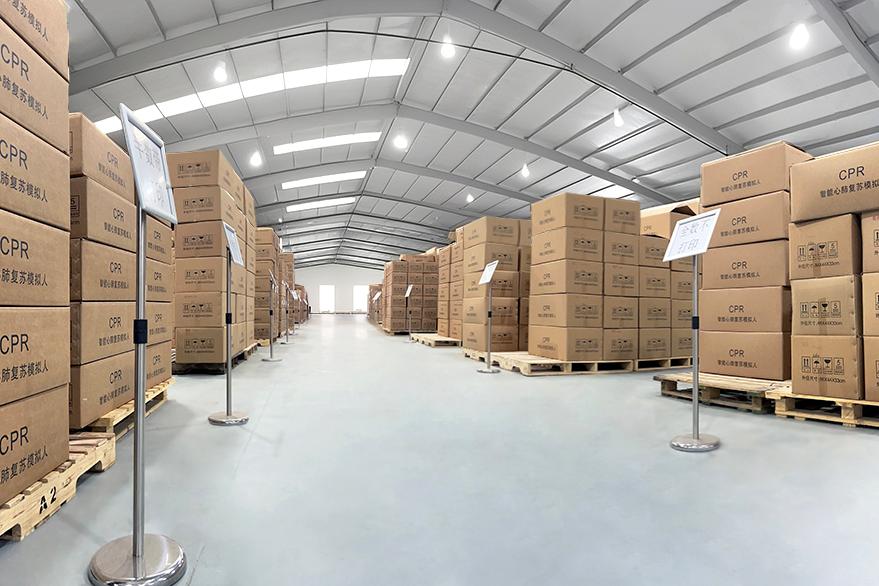
By streamlining our shipping operations, we manage large-volume bulk orders and secure delivery schedules for universities, public healthcare projects, and emergency groups.
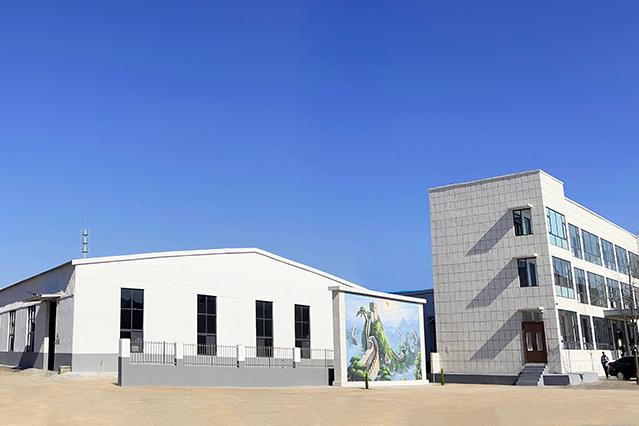
Operating in northern China's industrial corridor, Guanbang utilizes advanced production technologies to support supply chain resilience. Our manufacturing system combines high-precision CNC injection molding, digital silicone formulation blending, and automated assembly of integrated electronics. This system ensures consistent quality across large production runs.
By managing all production steps in-house—from initial industrial design and custom mold fabrication to electrical engineering and packaging—we reduce production times and minimize dependence on third-party suppliers. This end-to-end control allows us to offer competitive factory-direct pricing, protect client IP, and deliver tailored products on schedule.
Our facility maintains active certifications in ISO 9001, ISO 14001, and ISO 45001. By employing lean manufacturing principles, we continuously optimize material efficiency, reduce waste, and verify quality standards across all production batches.
Our engineering team designs custom molds using advanced thermoplastic polymers and composite silicones, ensuring realistic tactile feedback and precise vascular line structures.
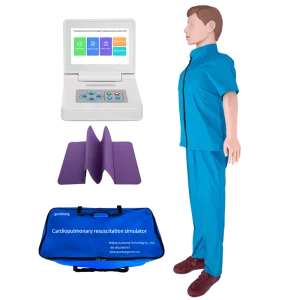
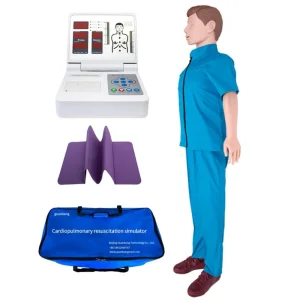
We develop hardware interfaces and software applications that provide instant digital feedback for cardiopulmonary resuscitation (CPR) training and arterial injection training.
Guanbang products comply with ISO safety regulations, AHA training criteria, and environmental protection laws, allowing seamless import to European, North American, and Asian markets.
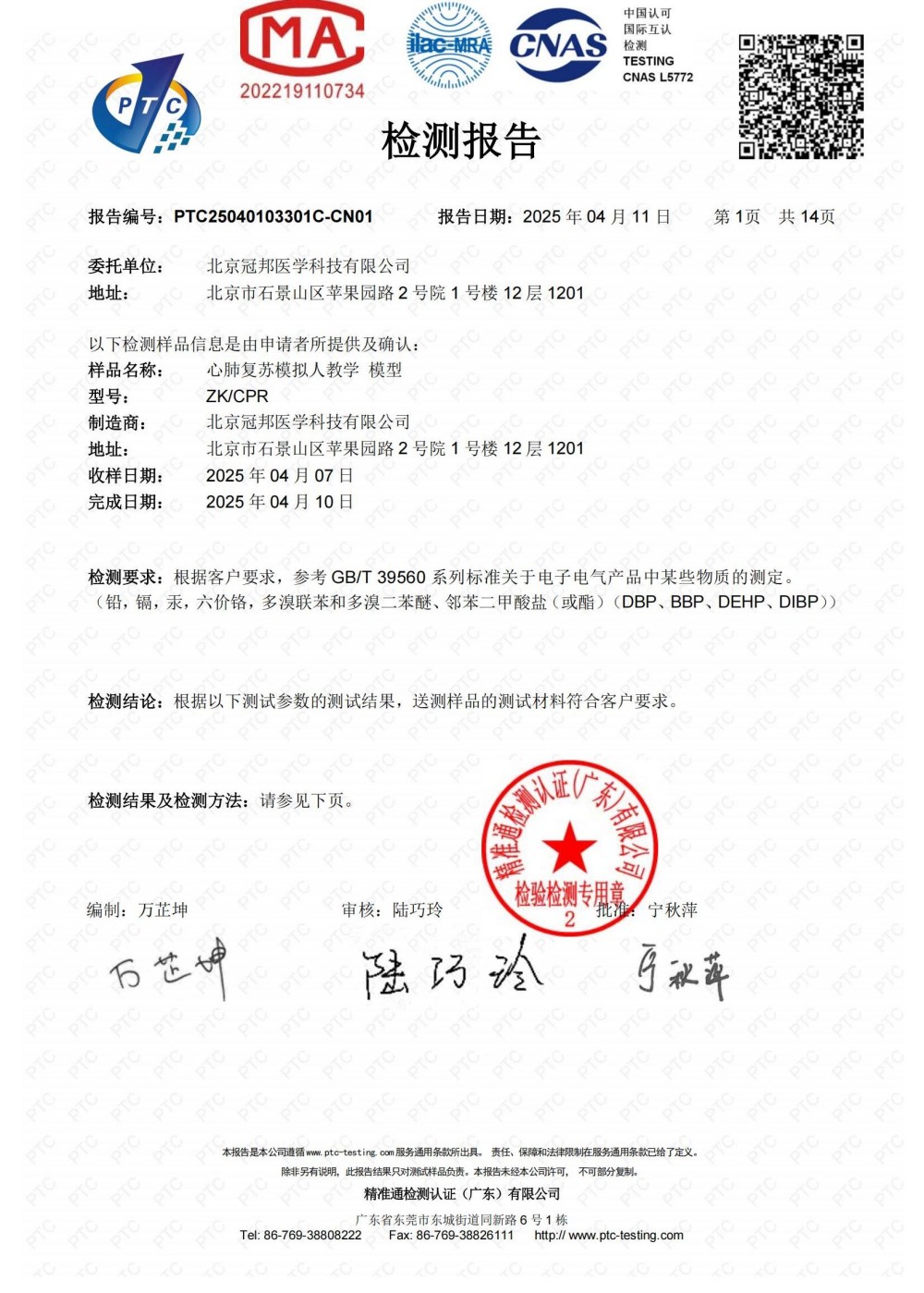
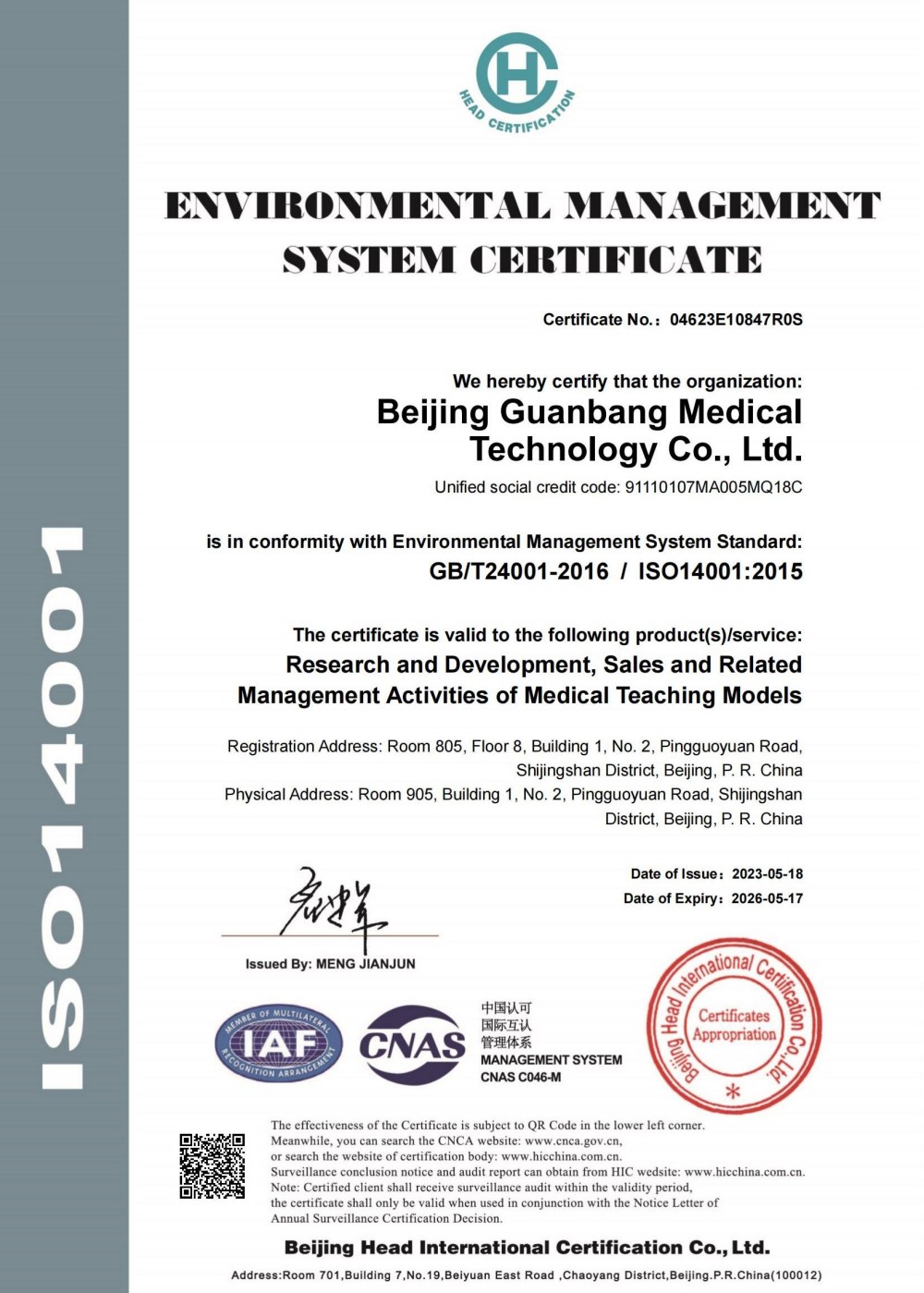
Guanbang designs and optimizes products to align with diverse clinical environments, training requirements, and regulatory standards across international regions. Our simulators adapt to three primary deployment areas:
Medical schools and nursing training institutes use our custom venipuncture arm models to teach blood collection techniques, peripheral IV insertion, and basic anatomy. The models' durable design allows large cohorts of students to complete repeated training sessions efficiently.
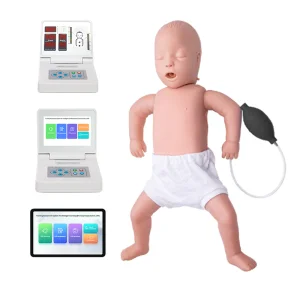
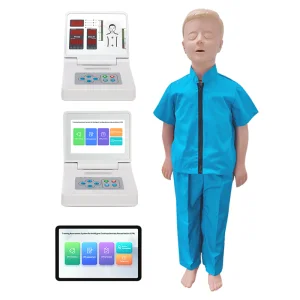
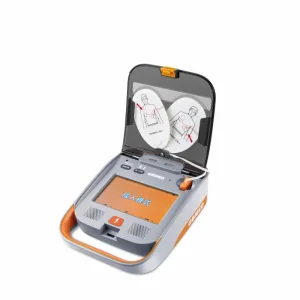
Emergency medical services (EMS) and clinical simulation centers utilize our advanced CPR training systems and AED simulators. By simulating realistic clinical scenarios, trainers can evaluate emergency responses, team coordination, and adherence to resuscitation protocols.
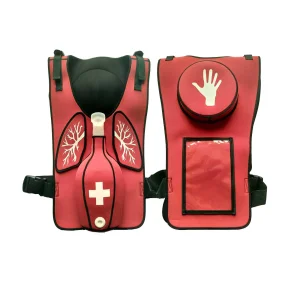
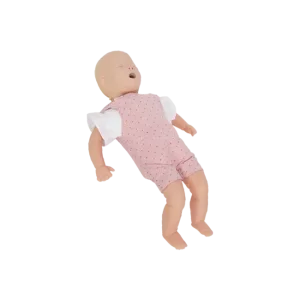
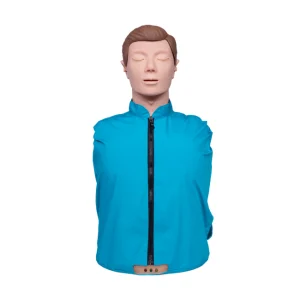
Industrial complexes, municipal programs, and first-responder agencies use our Heimlich training vests and basic CPR models to prepare employees for workplace choking or cardiac emergencies, supporting local health and safety compliance.
 Guanbang Medical