Professional training equipment designed in compliance with modern medical resuscitation standards.
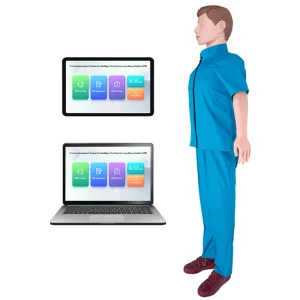
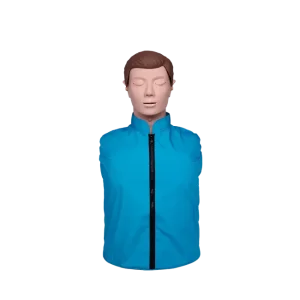
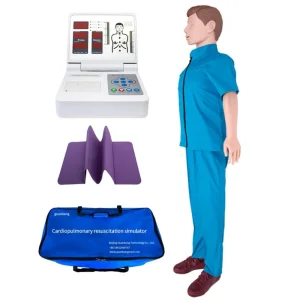
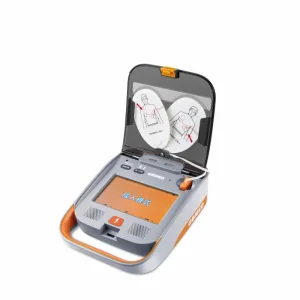
Choking is a major cause of accidental death worldwide. The Heimlich Maneuver and basic airway clearance procedures remain the key first-line treatments for acute airway obstruction. In response to this critical safety challenge, international safety regulators, medical education institutes, and municipal rescue centers are calling for high-fidelity training simulators. The global demand for professional airway clearance training models has expanded from clinical labs to schools, industrial warehouses, military camps, and public centers.
As a result, professional OEM and ODM manufacturers must supply equipment that is highly realistic, durable, and cost-effective. Today's emergency education market requires a move away from basic plastic models to hybrid simulators. These advanced units feature digital pressure sensors, accurate physiological benchmarks, and durable, high-impact polymers that can withstand repeated compression testing in high-stress simulation scenarios.
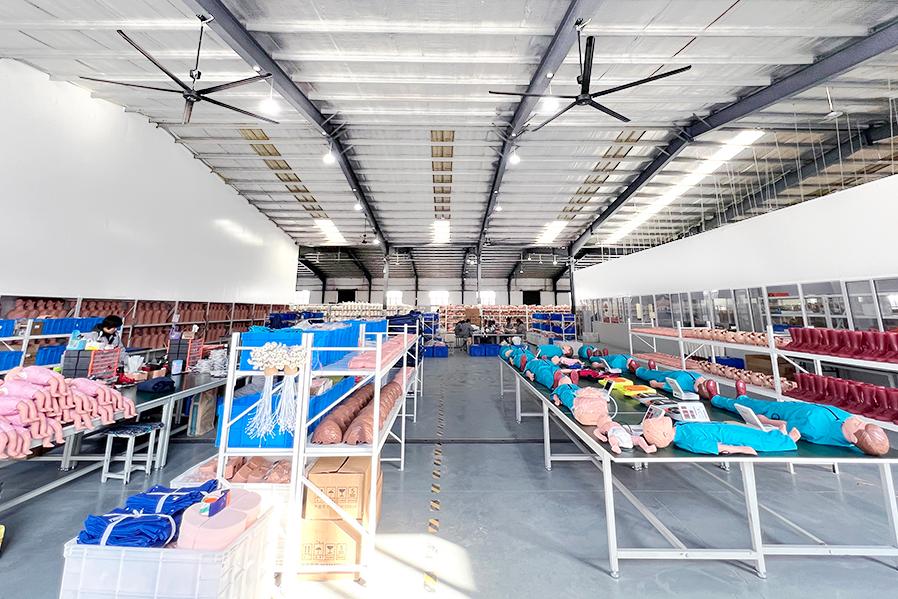
How modern design, advanced material chemistry, and localized production lines deliver global scale.
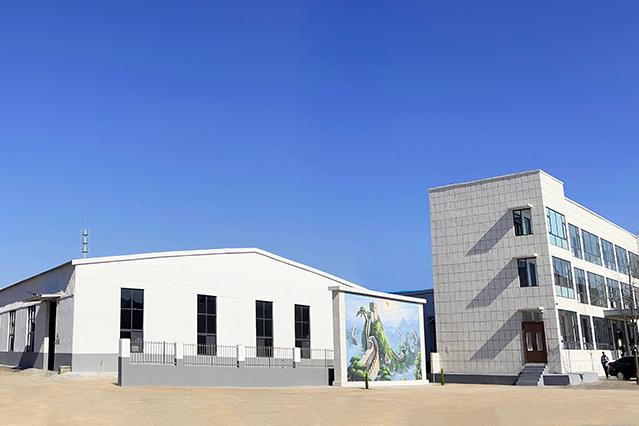
China's medical simulation manufacturing sector has evolved from simple copy production to high-tech, integrated research, design, and manufacturing. Advanced ODM facilities, like Beijing Guanbang Medical Technology Co., Ltd., offer clear cost and performance advantages compared to traditional manufacturers.
Our facility manages the entire design and manufacturing process in-house, supported by a specialized 10,000 square meter factory floor. This unified approach eliminates supply chain bottlenecks, ensuring we maintain precise control over material formulation, mold design, and structural durability.
Combining academic research with advanced manufacturing to deliver premium medical simulation solutions.
Beijing Guanbang Medical Technology Co., Ltd. was established in Beijing in 2016. The company's core R&D team features engineers and technical specialists with advanced degrees from leading domestic academic centers, including the Chinese Academy of Sciences (CAS), Tsinghua University, and the Beijing University of Technology.
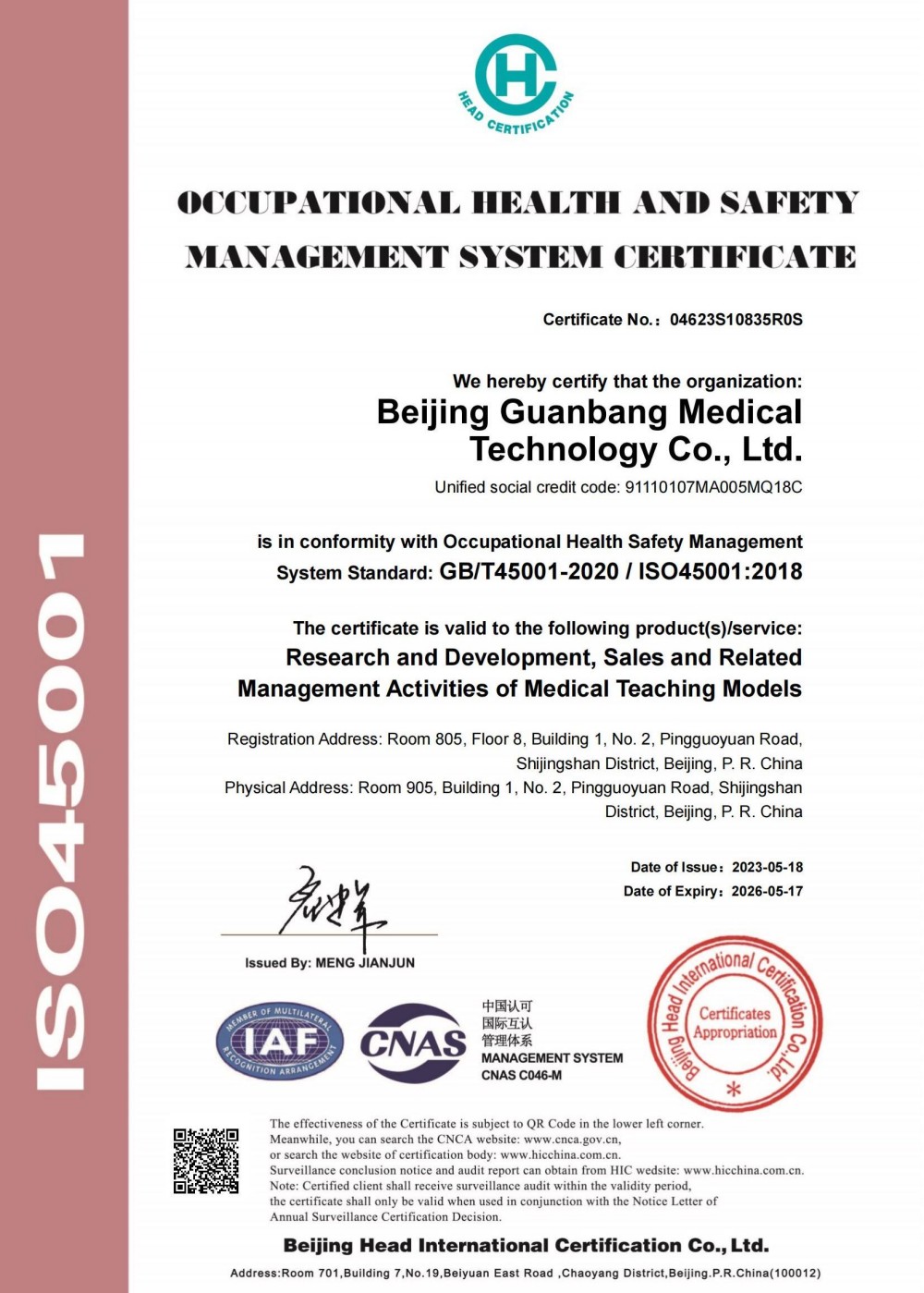
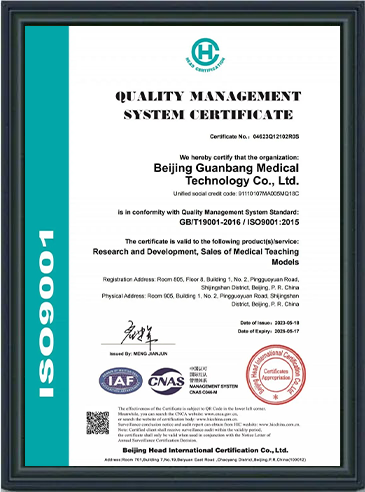
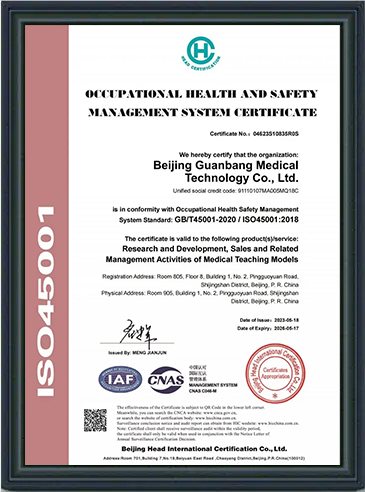
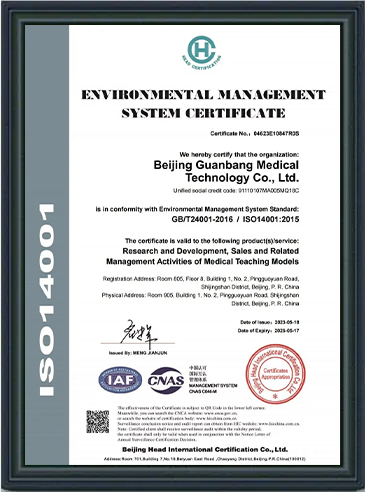
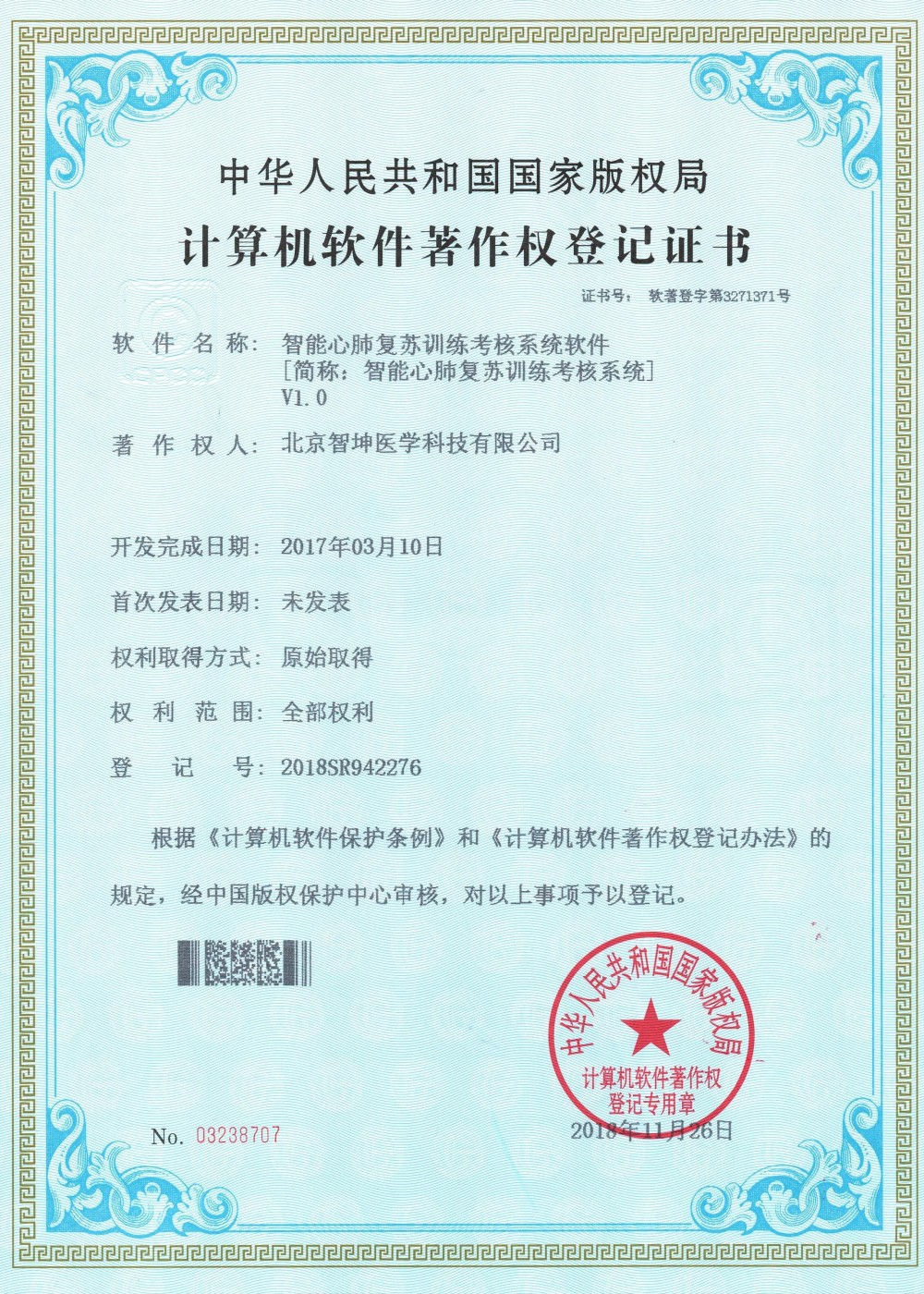
We focus on developing accurate anatomical structures, real-time electronic sensory feedback systems, and durable materials for repeated practice. Guanbang holds numerous design and utility patents, alongside environmental, safety, and ISO quality system certifications. This technical foundation ensures all simulators are built to last and perform consistently under high-use training conditions.
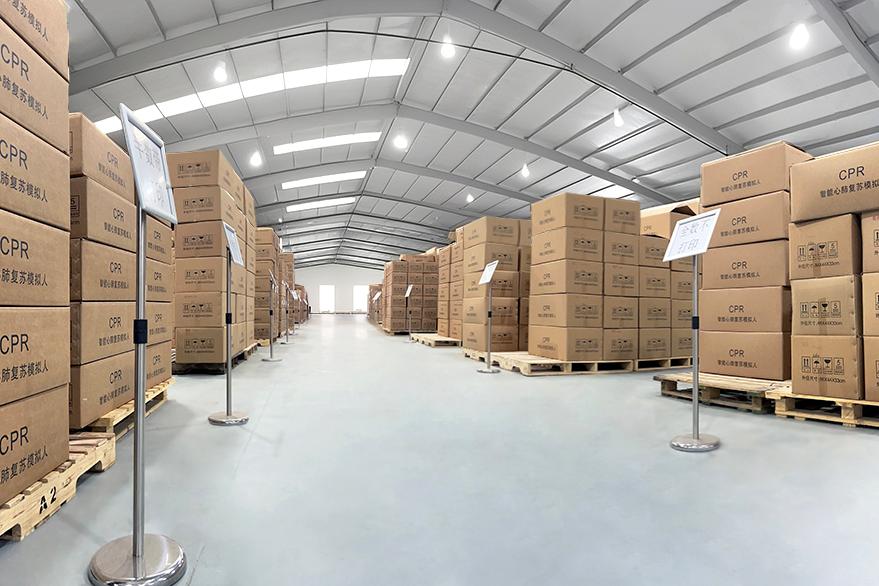
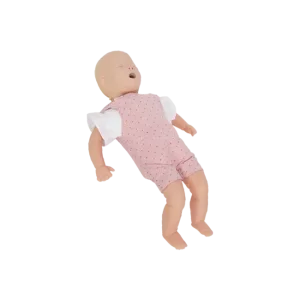
We offer customized branding, custom dimensions, modified pressure thresholds, and integrated electronic indicators for infant, child, and adult product series.
We maintain full compliance with environmental management, quality management, and occupational health and safety standards throughout our production cycles.
We provide global logistics integration, rapid customs compliance, dedicated technical support, and product warranties on all medical simulation models.
From national military exhibitions to municipal emergency services: simulation technology in action.
Emergency simulators must perform reliably across different operational environments, from academic classrooms to tactical training scenarios. Our systems are used in diverse programs worldwide, including academic settings, specialized military training, and public outreach initiatives.
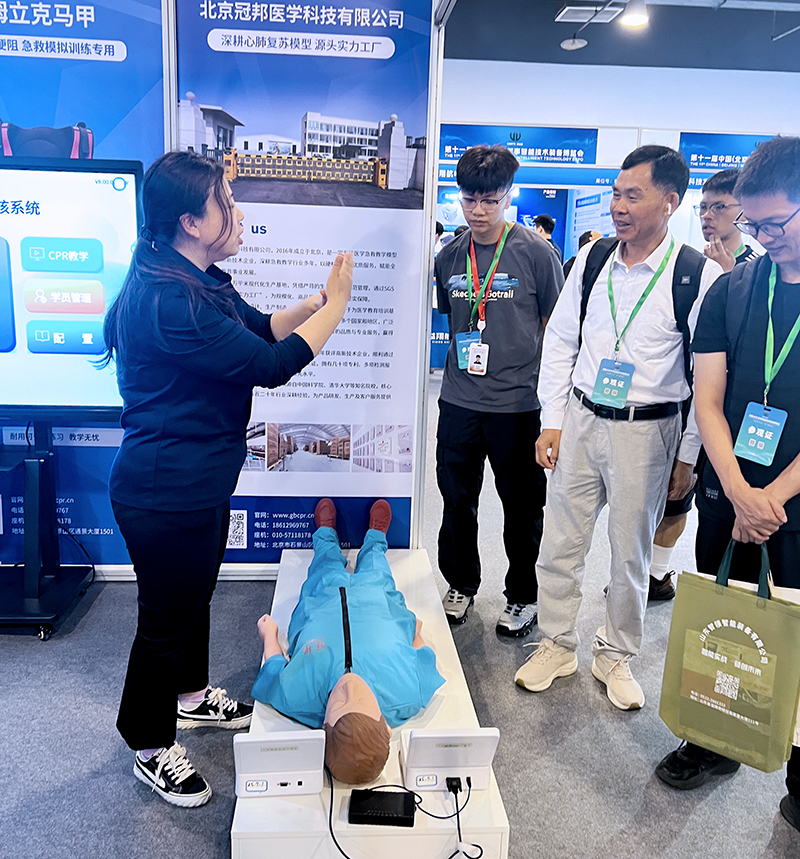
Guanbang demonstrated its high-durability rescue and tactical simulation models at the Beijing National Convention Center, highlighting applications for field medicine and defense response training.
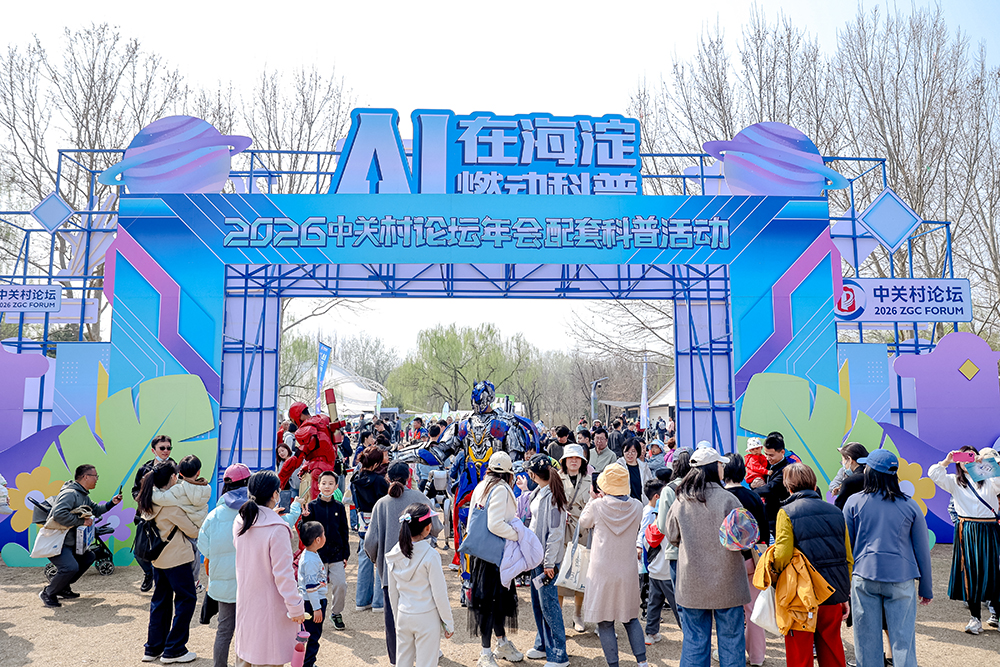
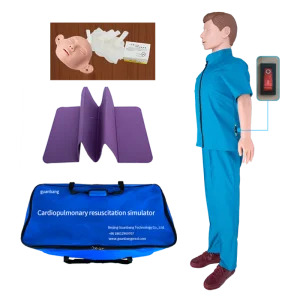
Demonstrated our one-to-many CPR simulation mannequin at the Zhongguancun Forum. This system uses integrated software tracking to allow one instructor to monitor multiple trainees simultaneously.
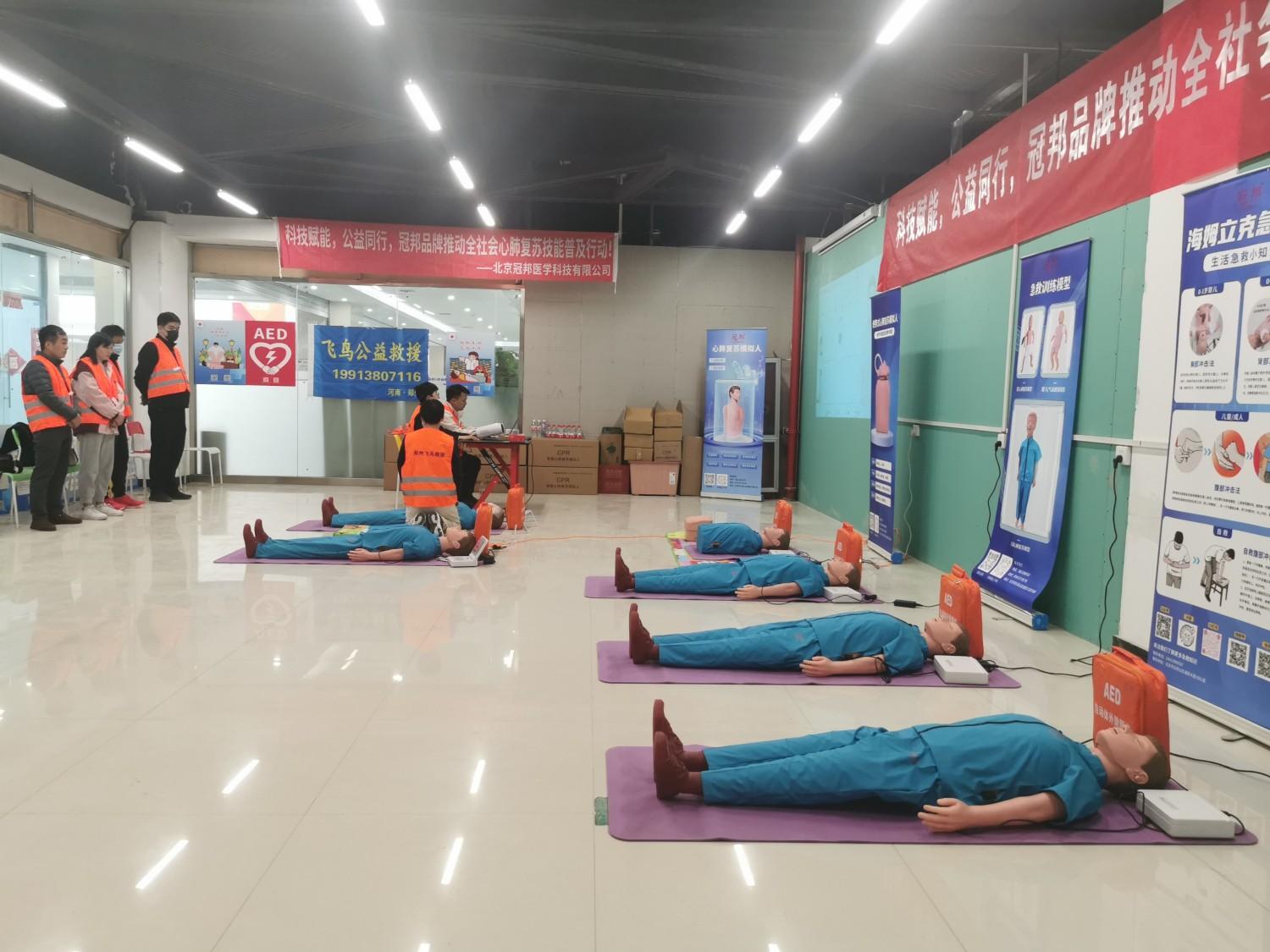
Partnered with the Zhengzhou Feiniao Emergency Team to open a free community education center, equipping local volunteers with professional-grade CPR and Heimlich training models.
Our simulators are also used in schools to build safety awareness, as seen in our "CPR Models Enter Campus" program. Our systems are also used in municipal training initiatives, including the Shunyi Science Popularization Month and the Shijingshan District "Cherish Life" Community Campaign. These programs help make CPR and airway obstruction rescue training more accessible and interactive for participants of all ages.
Important technical specifications and design considerations for commercial buyers.
When procurement offices, medical equipment distributors, and governmental departments source choking training devices, they focus on durability, safety, and certification compliance. Our customizable manufacturing solutions are designed to address these requirements:
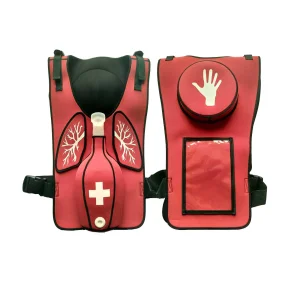
1. Anatomical Realism & Mechanics: High-quality simulators must feature clear anatomical landmarks, including the xiphoid process, ribcage, and substernal notch. This ensures trainees learn to position their hands correctly for abdominal thrusts. Vests and manikins should feature adjustable airways that require correct pressure and volume to clear the simulated obstruction.
2. Material Selection & Safety: Our models are made from medical-grade thermoplastic elastomers (TPE) and premium silicone. These materials are non-toxic, easy to clean, and resistant to degradation from sanitizers, alcohol wipes, and intensive training cycles.
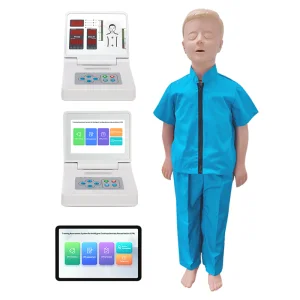
3. Feedback Options: We manufacture systems ranging from mechanical clicker models to smart digital controllers. These digital units integrate with training software to provide real-time metrics on compression depth, thrust velocity, and hand placement accuracy.
How connected sensors, hybrid learning, and data analytics are shaping the future of resuscitation education.
Next-generation simulators use embedded wireless sensors to track thrust force and direction. This data is transmitted to tablets or PCs via Bluetooth, providing immediate feedback to improve trainee technique.
Integrating physical simulators with virtual and augmented reality environments creates highly realistic training scenarios. Trainees can practice physical rescue techniques while interacting with simulated, responsive emergency environments.
Developments in material science are introducing polymers that more closely mimic human tissue response. These self-healing, non-sticky materials are highly durable and resist UV and sweat damage during intensive field training.
Addressing key procurement, technical, and shipping questions for global buyers.
Ensuring reliability and technical excellence across all our product lines.
Explore our full line of training models, from choking rescue vests to pediatric simulators.
 Guanbang Medical