AHA-Compliant Simulators Designed for Professional Clinical and Emergency Scenarios
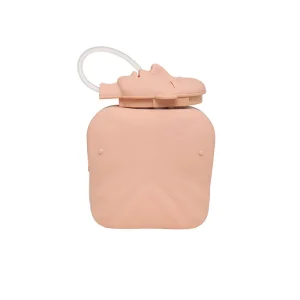
Factory-approved design for emergency simulation, featuring smart feedback tools and real-time response parameters.
View Details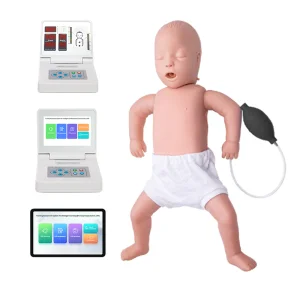
High-fidelity infant model tailored for neonatal emergency training, featuring physiological realistic airway ventilation and chest compression resistance.
View Details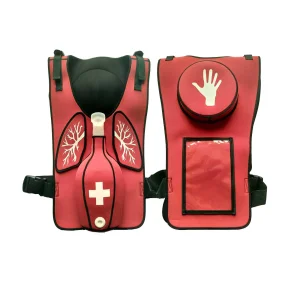
Interactive wearable vest designed to simulate foreign body airway obstructions and abdominal thrust training.
View Details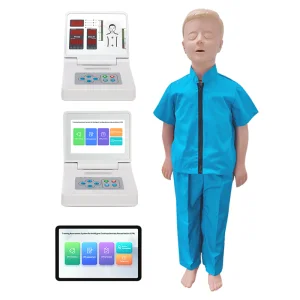
AHA-compliant simulator mirroring child anatomical benchmarks, optimizing pediatric chest compression training accuracy.
View Details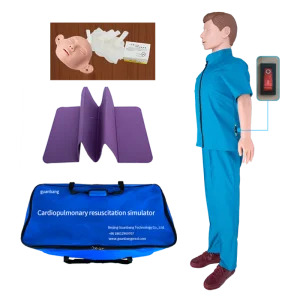
Budget-friendly clinical training mannequin with electronic voice indicators directing compression depths and cycles.
View Details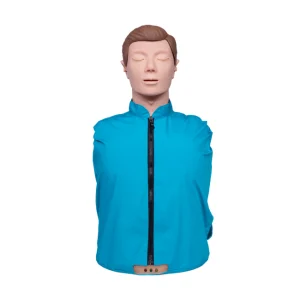
Precision training model embedded with digital tracking indicators to monitor chest recoil and tidal volumes.
View Details
Optimized training device simulating pediatric choking, backing up realistic back blows and chest thrust practices.
View Details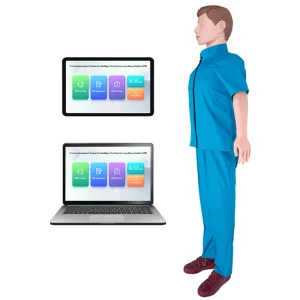
Premium evaluation simulator supported by advanced software diagnostics showing live real-time compression feedback data.
View DetailsIn emergency cardiovascular care (ECC), infant resuscitation presents distinct physiological and procedural challenges compared to adult intervention. Pediatric sudden cardiac arrest is rarely primary cardiac failure; instead, it is typically the terminal event of progressive respiratory failure or shock. Consequently, training healthcare providers and community responders in high-performance cardiopulmonary resuscitation (CPR) demands medical simulation tools that replicate specific pediatric anatomy.
According to the American Heart Association (AHA) and European Resuscitation Council (ERC) guidelines, infant chest compressions must achieve a depth of approximately one-third of the anterior-posterior diameter of the chest—which translates to roughly 1.5 inches (4 cm). Compressing too shallowly yields insufficient cardiac output, while over-compressing risks structural trauma to delicate ribs and visceral organs. Our simulation models integrate sensor technology to help trainees master correct compression depth, optimal rate (100–120 compressions per minute), and complete chest wall recoil.
Beijing Guanbang Medical Technology Co., Ltd. (established in 2016) has built a modern 10,000-square-meter production base to pioneer simulation-based training. Guided by an R&D team with master's and doctoral degrees from institutions such as the Chinese Academy of Sciences (CAS), Tsinghua University, and Beijing University of Technology, the company bridges advanced polymer material science and clinical feedback systems.
By utilizing specialized medical-grade thermoplastic elastomer (TPE) skins, our simulators replicate the realistic tactile response of pediatric and infant tissue. Our manufacturing workflow features advanced mold design and automated calibration pipelines to ensure that every sensor module consistently records physical inputs, helping to bridge the gap between classroom practice and clinical application.
The application of pediatric emergency simulation varies across different international markets:
Medical universities and nursing colleges use Guanbang simulators to train students on infant cardiac assessment and emergency airway management before clinical placements.
Daycare facilities, schools, and community centers deploy our simplified voice-prompt models to teach non-clinical staff basic life support (BLS) and choking response protocols.
Advanced simulation environments connect our software-enabled manikins to multi-device systems, letting instructors evaluate and track compression and ventilation metrics for entire cohorts simultaneously.
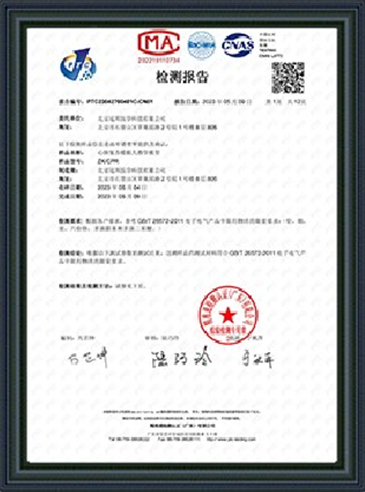
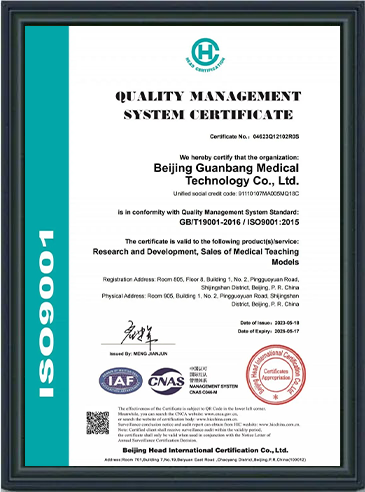
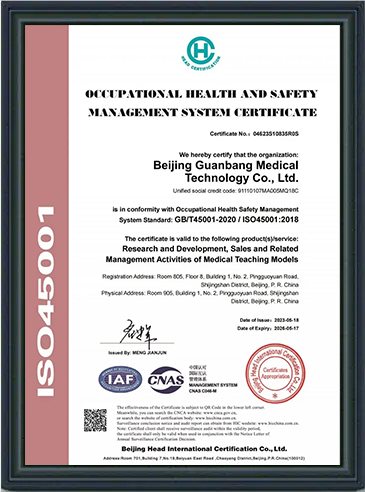
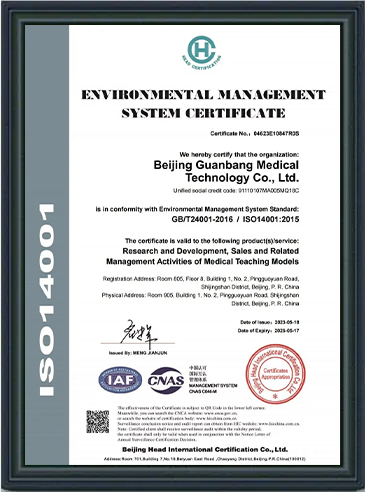
Operating within high-stakes medical education requires strict compliance with international quality standards. Beijing Guanbang Medical Technology maintains certifications in:
Our factory features advanced injection molding, high-precision electronic assembly lines, and rigorous calibration testing. By handling all steps from mold tooling to final packaging under one roof, we can support custom OEM and ODM configurations while maintaining a competitive cost structure.
Simulation technology is transitioning from passive models to interactive training solutions. By integrating IoT connectivity, multiple manikins can interface with a centralized assessment system. Instructors can coordinate large-scale certification training and track individual performance metrics on an intuitive dashboard.
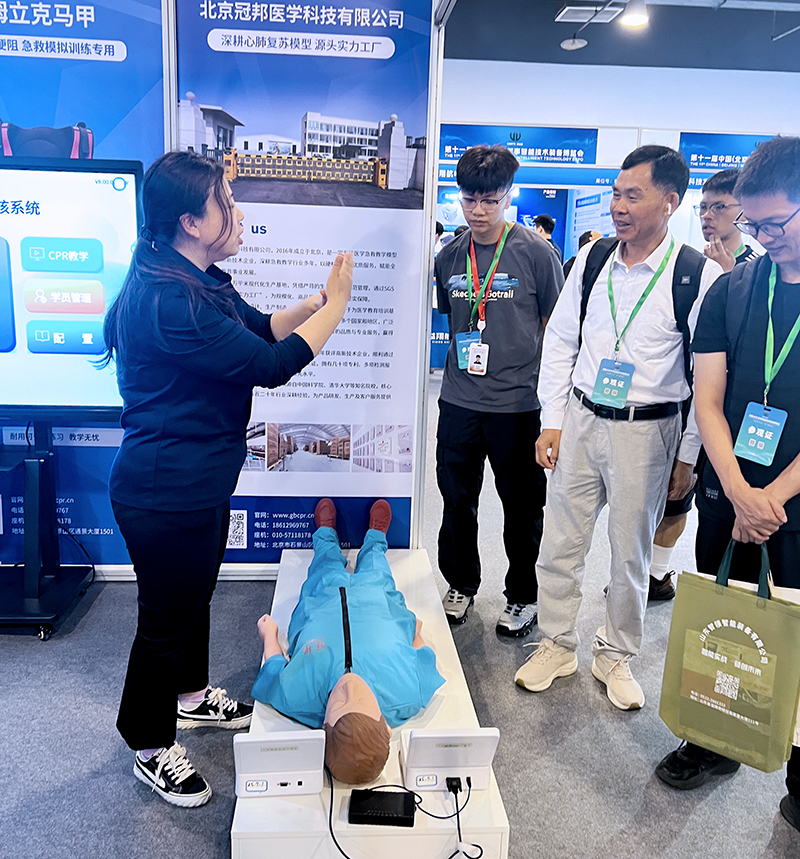
In recent exhibitions, including the 11th China (Beijing) Military Intelligent Technology & Equipment Expo, Guanbang introduced software-supported CPR systems. These solutions utilize wireless communication protocols to stream real-time physiological response data directly to tablets and computers, allowing users to track performance metrics, identify technical errors, and save records for certification compliance.

For distributors, hospital systems, and training institutes, establishing a reliable supply chain is critical. When sourcing medical simulation equipment globally, purchasers should consider key criteria to ensure long-term value:
Manikins must withstand thousands of compression cycles without polymer degradation or spring fatigue. Our custom formulations are tested to survive repetitive impact testing and remain easy to clean.
We provide structural, aesthetic, and functional customization—from skin color adaptations to tailored interface layouts and localized software translations—supporting regional markets.
Every simulator is packed in durable, impact-tested transit bags and hardcases, designed to reduce logistics damage and maintain calibration accuracy during shipping.
Technical & Commercial Answers for Medical Distributors and Procurement Officers
Explore Our Premium Medical Training Equipment Catalog
Factory-approved design for emergency simulation, featuring smart feedback tools and real-time response parameters.
View Details
High-fidelity infant model tailored for neonatal emergency training, featuring physiological realistic airway ventilation and chest compression resistance.
View Details
Interactive wearable vest designed to simulate foreign body airway obstructions and abdominal thrust training.
View Details
AHA-compliant simulator mirroring child anatomical benchmarks, optimizing pediatric chest compression training accuracy.
View Details
Budget-friendly clinical training mannequin with electronic voice indicators directing compression depths and cycles.
View Details
Precision training model embedded with digital tracking indicators to monitor chest recoil and tidal volumes.
View Details
Optimized training device simulating pediatric choking, backing up realistic back blows and chest thrust practices.
View Details
Premium evaluation simulator supported by advanced software diagnostics showing live real-time compression feedback data.
View Details Guanbang Medical