Engineered to comply with standard international CPR guidelines. Premium grade materials and real-time electronic sensor feedback.
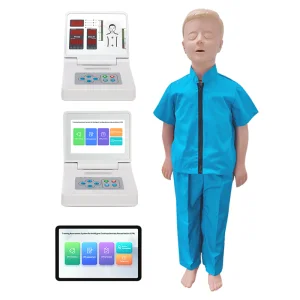
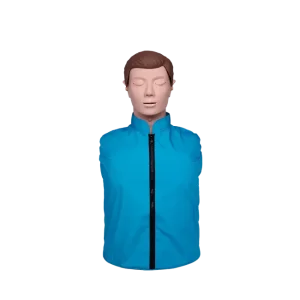
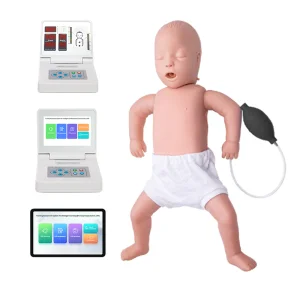
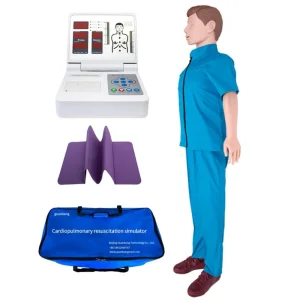
Bridging the gap between physiological accuracy and automated emergency education systems.
The terminology "machine that does CPR" carries dual significance in modern healthcare and medical procurement. Historically, it described automated mechanical chest compression devices used in emergency transport, such as automated CPR pump systems. However, in the realm of advanced clinical education, professional medical procurement, and simulation training, it translates directly to high-fidelity cardiopulmonary resuscitation (CPR) simulators and training systems.
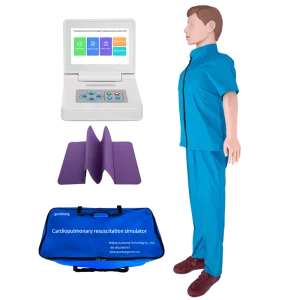
These advanced training platforms are not merely static plastic manikins; they are highly complex medical simulators equipped with microprocessors, pneumatic chambers, biomechanical pressure sensors, and visual touchscreen feedback terminals. In critical emergencies, CPR is only as effective as the practitioner's compliance with American Heart Association (AHA) and European Resuscitation Council (ERC) guidelines. As a result, the global medical education landscape is shifting rapidly from low-fidelity static models to smart, telemetry-driven simulators that measure chest compression depth, recoil, and ventilation volume in real-time.
"Real-time telemetry and physical feedback loops in modern simulators increase student certification success rates by up to 43% compared to traditional, non-electronic models."
Unpacking market trends, demand drivers, and the integration of simulation tech across healthcare sectors.
Global demand is strongly regulated by strict compliance guidelines. In North America and Europe, CPR training centers are mandated to utilize devices equipped with "Instrumented Directive Feedback". Sourcing teams must ensure that their imported wholesale CPR units feature precise sensors capable of detailing whether compressions fall strictly within the 5cm to 6cm depth guideline, with full recoil and ventilations under 600ml.
Emerging markets in Asia-Pacific, Latin America, and Africa are scaling up public access defibrillation programs. The deployment of physical AEDs in transit hubs, universities, and administrative spaces has triggered an immediate correlation in the demand for compatible AED training machines and combined CPR-AED cardiopulmonary simulators to build public emergency response skills.
Military academies, defense sectors, and civil defense agencies represent some of the largest bulk procurers of CPR simulation technology. Military-grade environments demand highly durable, modular CPR mannequins capable of resisting dust, moisture, and extreme field training conditions, leading to the rapid adoption of tactical combat casualty care (TCCC) configured trainers.
Why international brands choose Beijing Guanbang Medical Technology Co., Ltd. for ODM & OEM medical simulation supply chains.
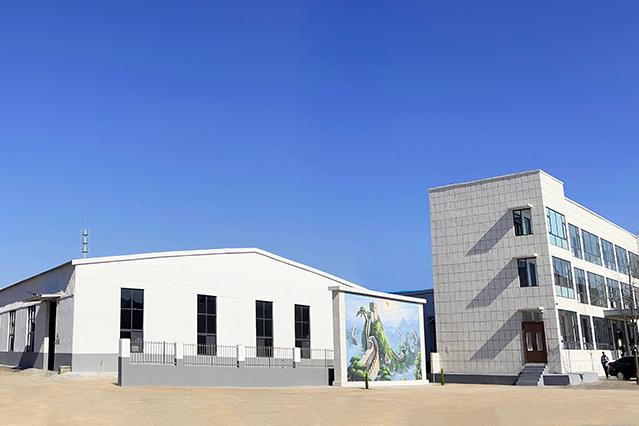
China's dominance in medical training equipment manufacturing is not merely a matter of scale—it is driven by high-tech specialization, advanced tooling, and a robust domestic supply chain. At the forefront of this industrial sector stands Beijing Guanbang Medical Technology Co., Ltd.
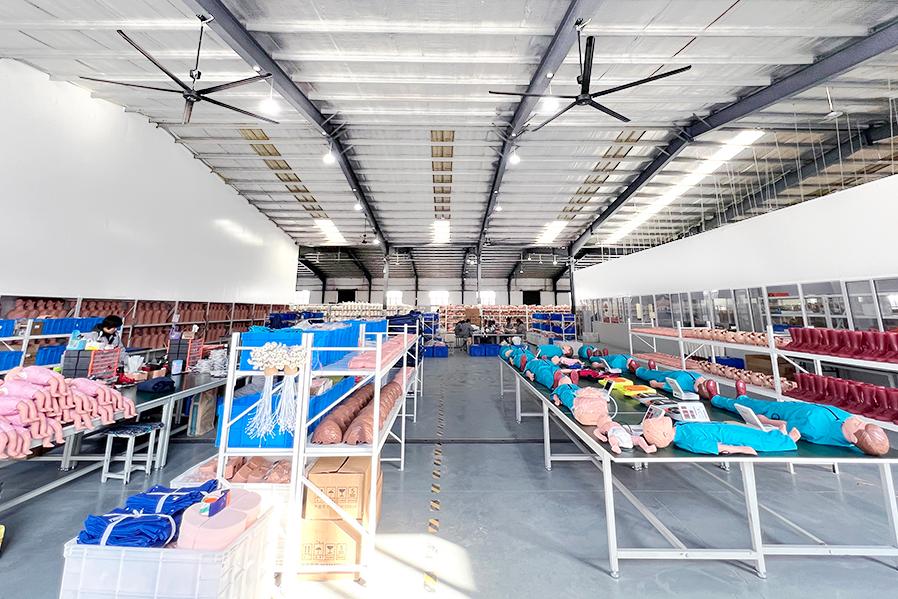
Founded in Beijing in 2016, Guanbang has built an innovative ecosystem combining design, research and development, polymer material science, and mechanical engineering. Operating from a modern production facility spanning over 10,000 square meters, Guanbang manages the entire production cycle from initial CAD model designs and custom injection molding to software architecture implementation.
Our competitive advantage lies in our elite talent pool. The core technical team consists of specialists holding master’s and doctoral degrees from renowned scientific institutes such as the Chinese Academy of Sciences, Tsinghua University, and Beijing University of Technology. This scientific foundation has yielded groundbreaking advancements in realistic skin textures, high-durability chest compression springs, and multi-parameter electronic feedback sensors.
Traditional simulator skin degrades rapidly under heavy training use. Guanbang solved this by developing an eco-friendly thermoplastic elastomer (TPE) compound that mimics human skin texture, flexibility, and touch. Our customized mold design processes ensure that features like anatomical landmarks (sternum, rib cage, suprasternal notch) are highly pronounced, allowing students to learn correct hand placement instinctively.
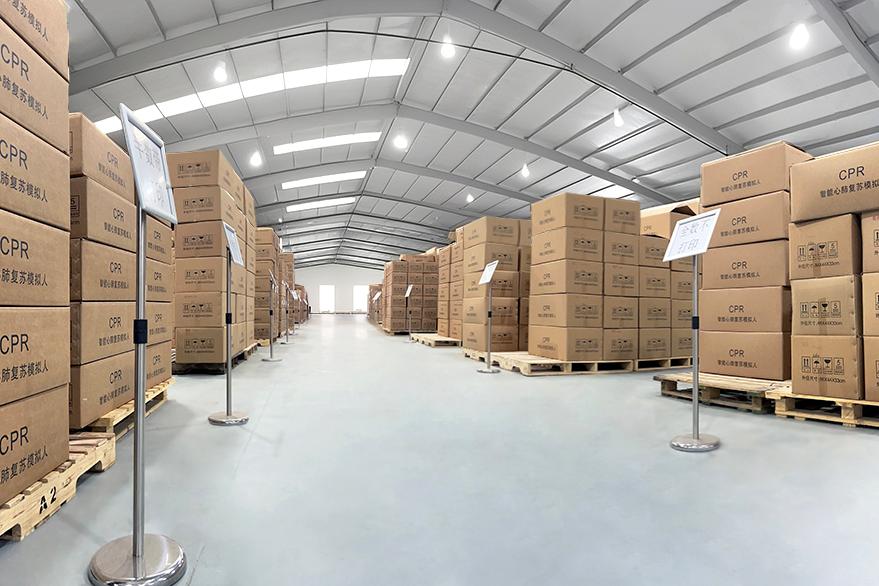
Moreover, our manufacturing facility houses advanced injection molding machinery and automatic calibration rigs that test every simulator's mechanical resistance. This allows us to guarantee that each "machine that does CPR" provides realistic chest stiffness and resistance, simulating real-world patient profiles.
How Guanbang's CPR simulators empower communities, military structures, and academic institutions internationally.
At the 11th China (Beijing) Military Intelligent Technology & Equipment Expo, Guanbang showcased its high-performance medical skills training models. Designed to meet defense standards, our specialized simulators were tested under tactical scenarios where soldiers must apply resuscitation, airway clearing, and wound management in high-stress combat conditions.
During the **Zhongguancun Forum Annual Meeting**, Guanbang presented its intelligent "one-to-many" software-based CPR simulation system. This system allows a single instructor to monitor dozens of students' CPR depth and compression rates simultaneously on a central screen, dramatically increasing the efficiency of public science popularization.
Collaborating with the Zhengzhou Feiniao Emergency Team, Guanbang established a public welfare free CPR experience center. Outfitted with Guanbang touch screen simulators and voice version systems, the facility provides local residents with hands-on, self-guided first aid training, building community confidence in emergencies.
Highly targeted product designs optimized for every learning curve and clinical emergency setting.
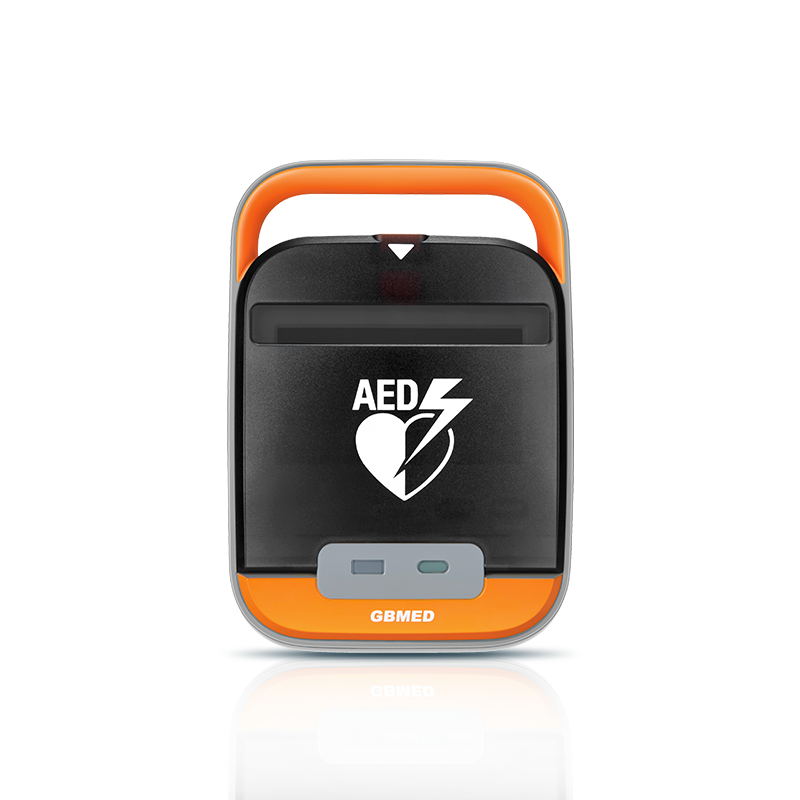
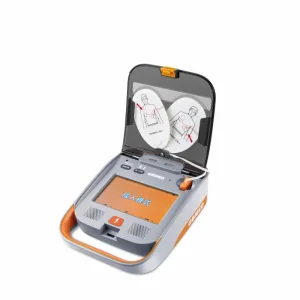
Realistic simulator devices that guide users through proper pad placement, voice prompts, and safety checks before shock delivery.
View Series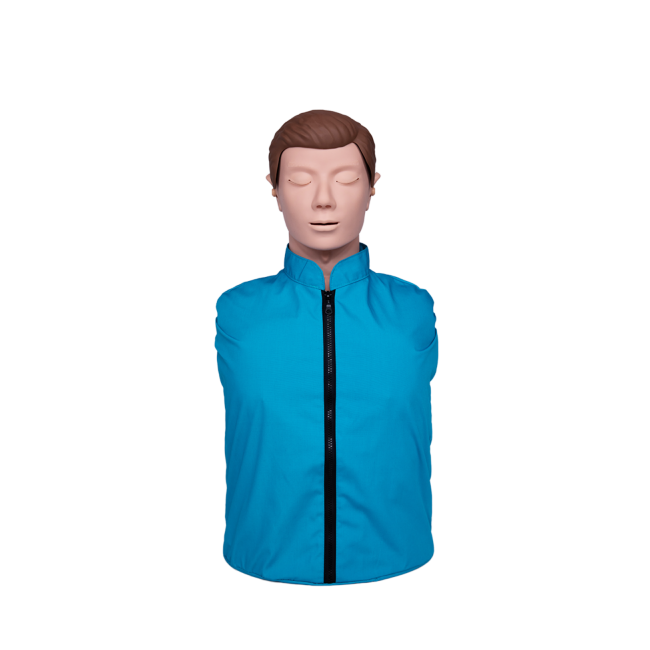
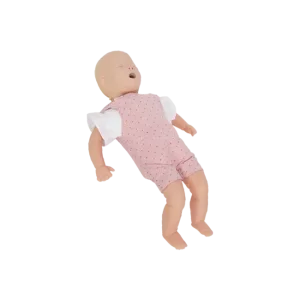
Our flagship line of adult, pediatric, and infant simulator manikins. Fully digitalized models with screen interfaces.
View Series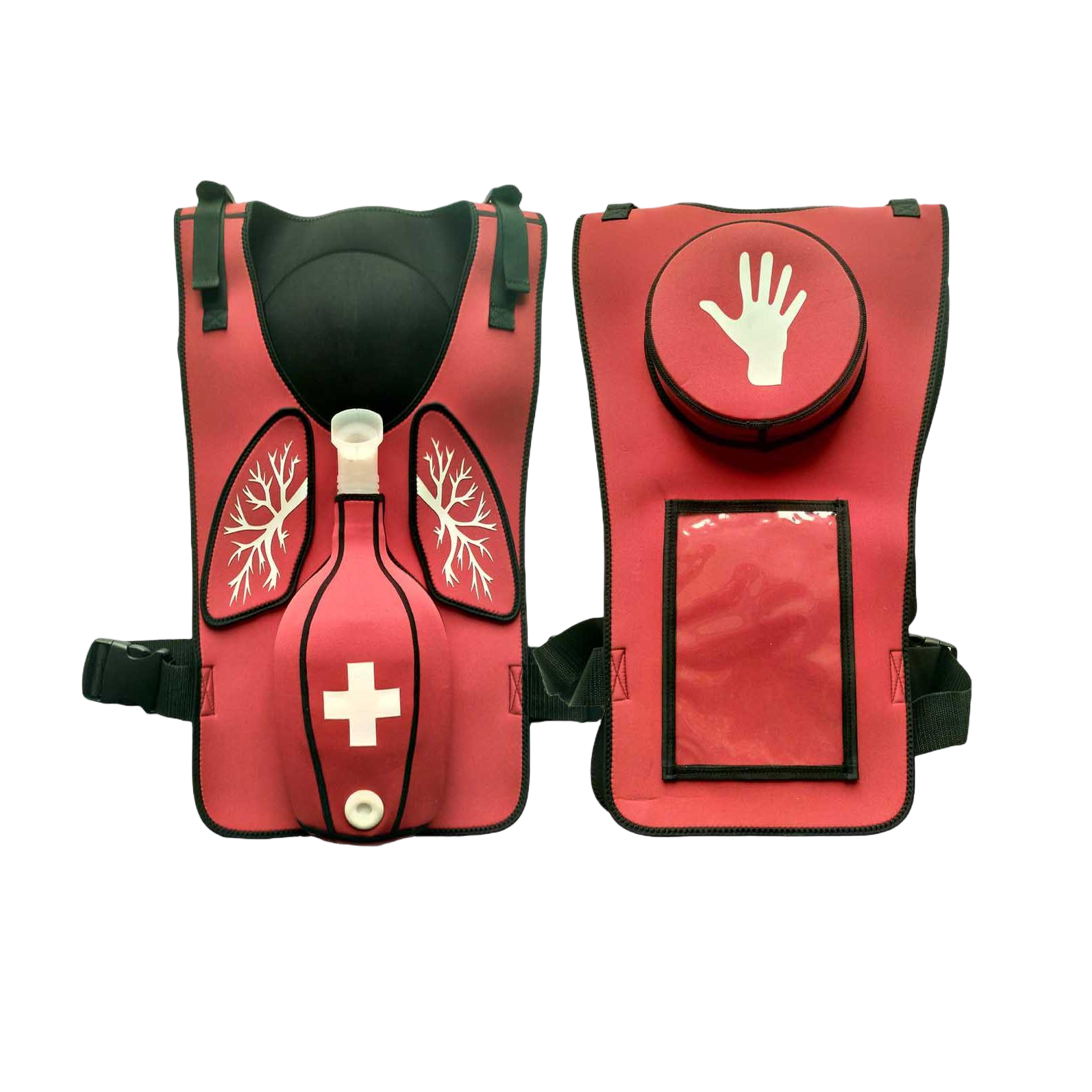
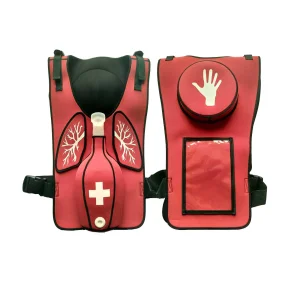
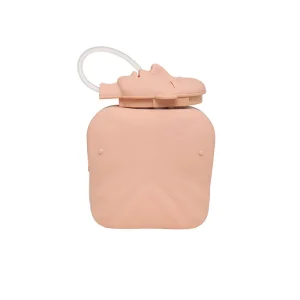
Includes advanced choking models and Heimlich maneuver vests to practice clearing foreign objects from airways.
View SeriesInnovations shaping the future of cardiopulmonary education and procurement.
Manikins are rapidly transitioning from wired connections to unified wireless control systems. Modern multi-channel systems use Bluetooth and Wi-Fi, allowing instructors to manage large classes from a single tablet. Performance data is instantly processed, evaluated, and compiled into exportable PDF scorecards.
High-end CPR simulators are increasingly equipped with built-in color touch screen tablets. These terminals display real-time waveforms showing chest compression depth, frequency, release recoil, inflation volume, and inflation rate, allowing students to adjust their technique during practice.
Next-generation simulators feature realistic physical airways. This requires students to perform a proper chin-lift or jaw-thrust maneuver to open the airway before ventilation can succeed. Biomechanical sensors detect if air enters the stomach rather than the lungs, warning of incorrect technique.
A professional checklist for supply chain officers and medical equipment distributors.
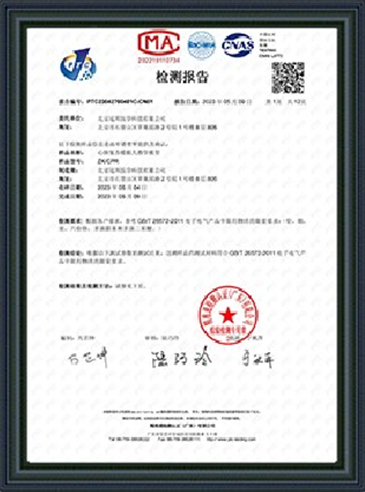
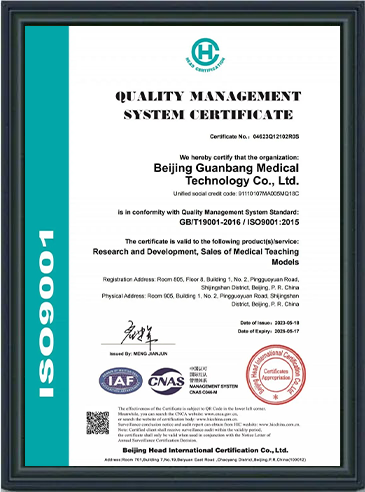
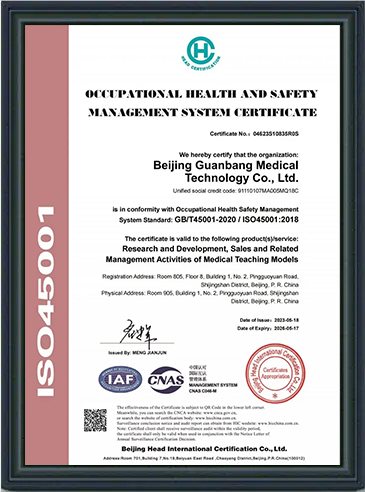
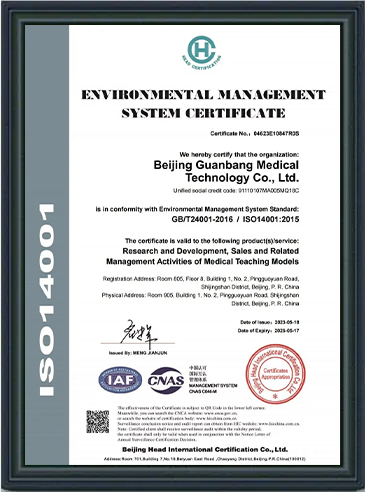
Procuring CPR simulators at a wholesale scale requires careful attention to regional standards, build quality, and certification requirements. When partnering with a supplier, procurement officers should evaluate the following criteria:
Clear, technical answers to the most common inquiries from international medical distributors and training centers.
Bulk pricing, reliable logistics, and customizable options direct from our manufacturing facility.
 Guanbang Medical