Engineered for medical colleges, rescue centers, and enterprise disaster readiness programs across Tokyo. These high-fidelity training machines integrate AHA compliance, multi-scenario simulation, and real-time feedback loops.
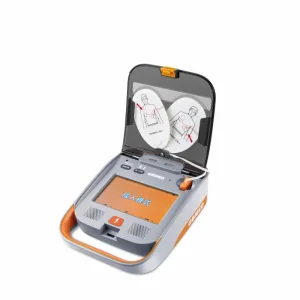
Equipped with customizable bilingual settings, this premium simulator serves Tokyo schools and enterprises with realistic electrical shock scenarios.
Learn More →
Trusted by emergency training centers in Tokyo for Basic Life Support education, featuring robust safety modules.
Learn More →
Optimized for advanced clinical scenarios, offering professional testing and feedback modes for medical schools in Tokyo.
Learn More →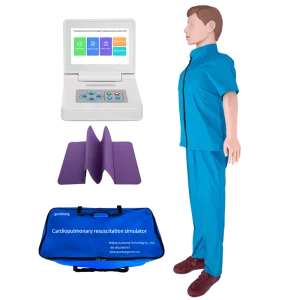
Smart touch screen system monitoring ventilation and compression metrics in real-time, meeting Tokyo's top healthcare standards.
Learn More →As one of the world's most populous and technologically dense metropolitan areas, Tokyo represents the gold standard for public health infrastructure and disaster management. Under Japan's Fire Service Act and metropolitan disaster preparedness guidelines, corporate entities, educational complexes, and transit networks are strictly required to build resilient emergency medical response networks. At the core of these initiatives is the widespread deployment of Automated External Defibrillators (AEDs) and the mandatory certification of staff in Cardiopulmonary Resuscitation (CPR).
However, physical deployment is only the first step. The true bottleneck in emergency survival rates lies in the *readiness of human operators*. Under high-stress scenarios, untrained individuals struggle with correct electrode pad placement, timing, and chest compression depth. This is where advanced AED training devices and high-fidelity CPR simulators become critical. Localized for the Japanese market, our equipment bridges the gap between mechanical intervention and human execution.
Real-time pressure and depth analytics ensure trainees compress exactly to the AHA standard of 5-6 cm. Visual and audio indicators prevent inadequate resuscitation.
Fully compliant with Japan Resuscitation Council (JRC) and American Heart Association (AHA) guidelines, ensuring valid certifications globally.
Essential for Tokyo's multinational corporate offices. Easily switch between Japanese and English audio prompts to accommodate local and foreign staff.
Ensuring a consistent, scalable supply of high-fidelity medical simulators requires an advanced industrial foundation. Beijing Guanbang Medical Technology Co., Ltd. leverages state-of-the-art China Industry 4.0 manufacturing processes to support health authorities and medical distributors in Tokyo and globally. With a massive 10,000 square meter modern production facility, we operate integrated digital design, precision molding, and AI-driven quality inspection pipelines.
Our collaborative model combines R&D insights from elite domestic institutions, including the Chinese Academy of Sciences and Tsinghua University, with precision production mechanics. By adopting automated injection molding, robotic skin-texture bonding, and rigorous sensor testing, we ensure that every CPR manikin and AED trainer matches the exact anatomical weight, tactile response, and electrical conductivity required for lifelike simulation.
Through strategic logistics channels linking our hubs to the Port of Tokyo and Haneda/Narita airports, we guarantee compressed lead times and seamless customs clearance. This structural supply resilience enables Tokyo municipal offices, fire departments, and private corporations to execute nationwide training rollouts without supply chain delays.
Explore our versatile range of resuscitation, airway obstruction, and pediatric life support training models. Engineered for daily high-use cycles in clinical and public training environments.
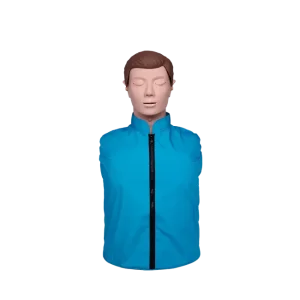
A durable basic-function simulator perfect for high-volume public CPR certification campaigns across Tokyo.
View Product →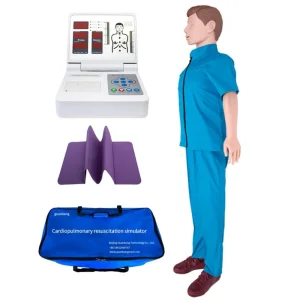
Features a digital display panel evaluating rate, depth, and ventilation ratio to prevent training errors.
View Product →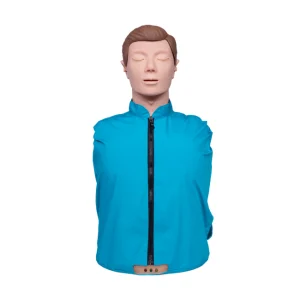
Instant visual light feedback showing correct/incorrect placement and compression levels.
View Product →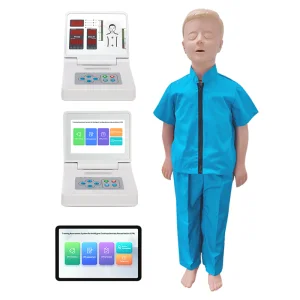
Designed specifically to teach pediatric CPR techniques for schools and daycare centers in Tokyo.
View Product →
Meets strict pediatric resuscitation guidelines with lifelike chest resistance and airway systems.
View Product →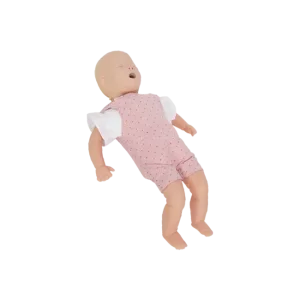
Realistic model allowing back blows and chest thrust practice to clear foreign body airway obstructions.
View Product →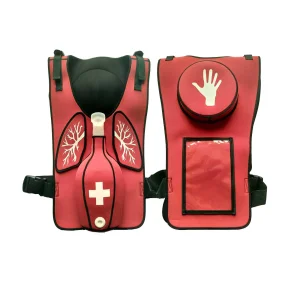
Wearable trainer allowing realistic practice of the abdominal thrust maneuver on active partners.
View Product →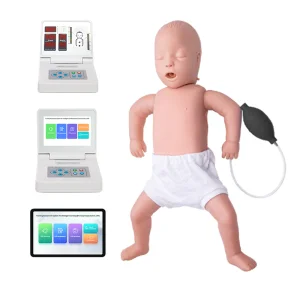
Critical for neonatal resuscitation programs, featuring highly sensitive airway and brachial pulse simulations.
View Product →Beijing Guanbang Medical Technology Co., Ltd. is a national high-tech enterprise established in Beijing in 2016. We specialize in the research, design, production, and global distribution of advanced medical simulators. Over the past decade, we have expanded our manufacturing base to encompass 10,000 square meters, serving thousands of fire departments, corporate offices, public transit systems, and medical universities worldwide.
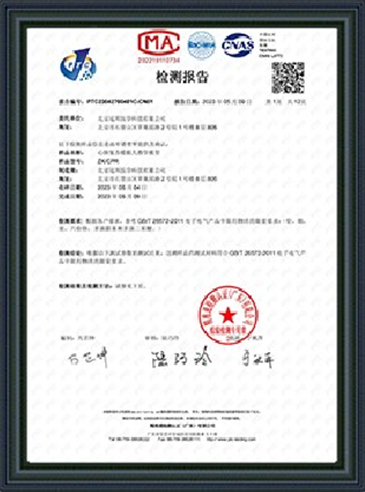
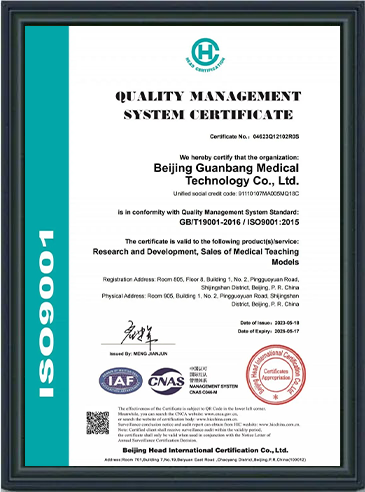
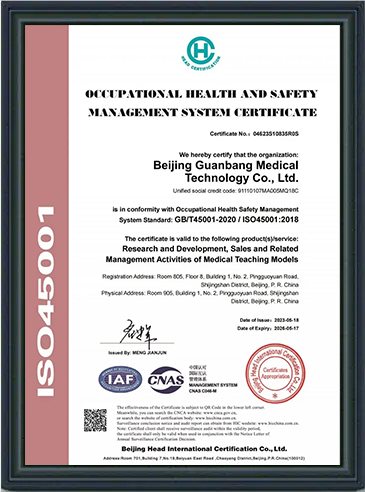
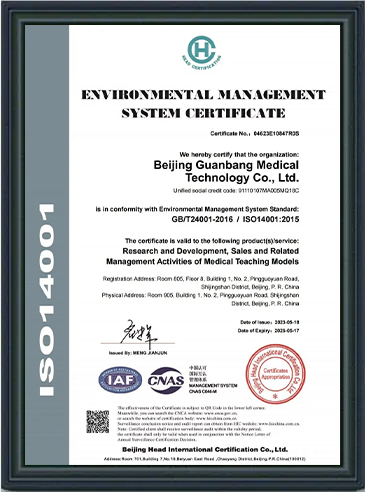
Our core technical and management teams are composed of master’s and doctoral degree holders from elite institutions, including the Chinese Academy of Sciences (CAS), Tsinghua University, and the Beijing University of Technology. Driven by technological innovation, we hold multiple design patents, software copyrights, and quality certifications (ISO 9001, ISO 14001, OHSAS 18001), ensuring our training equipment complies with global standards.
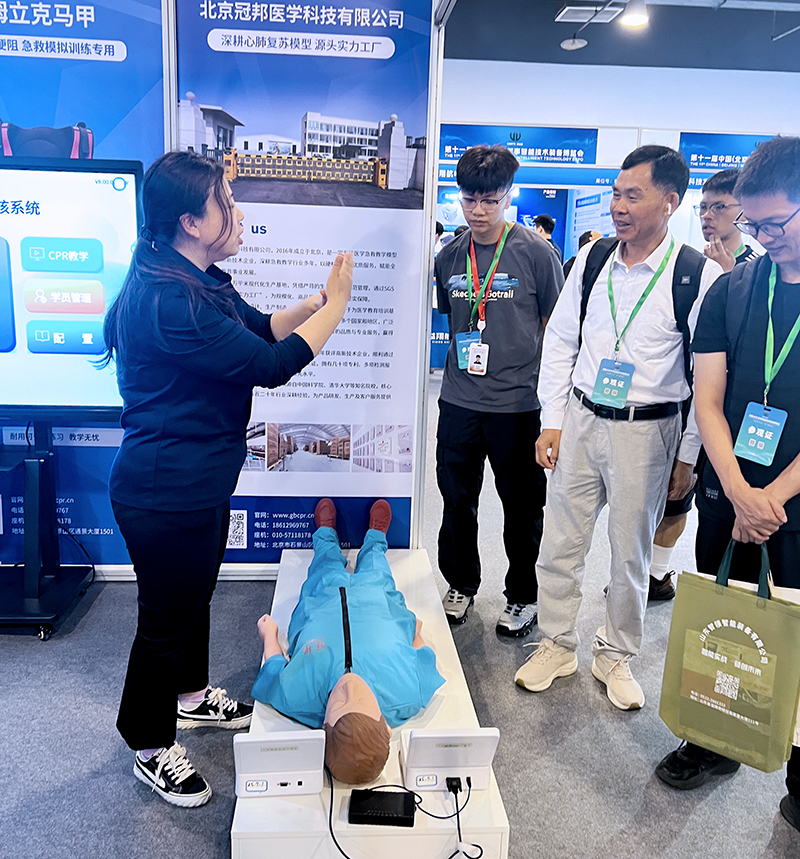
We actively collaborate with emergency teams and showcase our cutting-edge AI-assisted simulators at international expos to push the limits of resuscitation education.
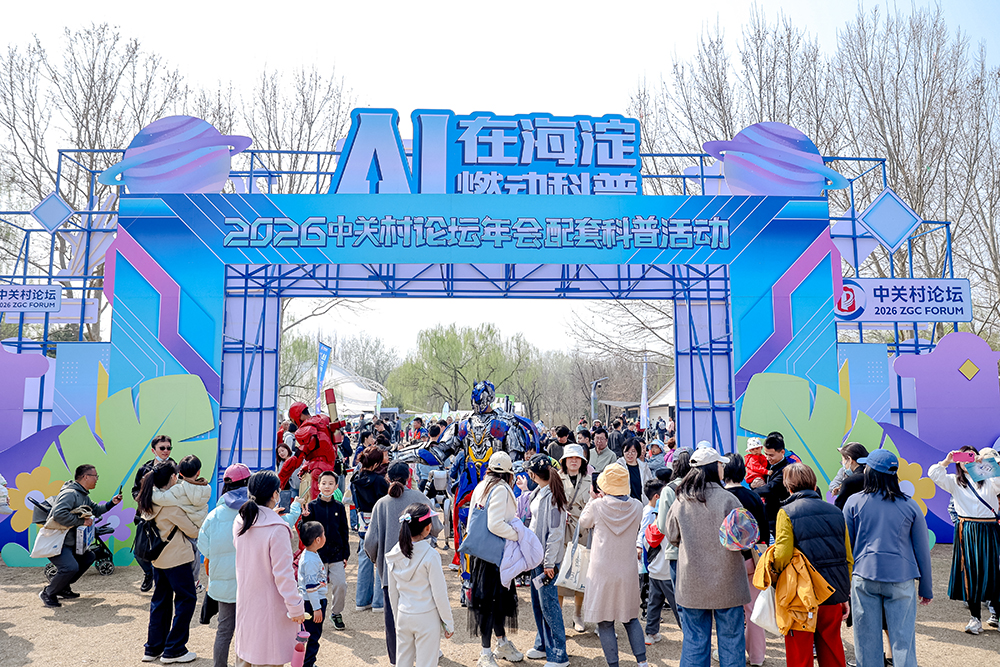
Guanbang demonstrated its high-precision tactical rescue simulators at the Beijing National Convention Center, earning accolades from top military medical units.
Showcasing software-enabled multi-link CPR systems that allow one instructor to monitor and evaluate multiple students simultaneously.
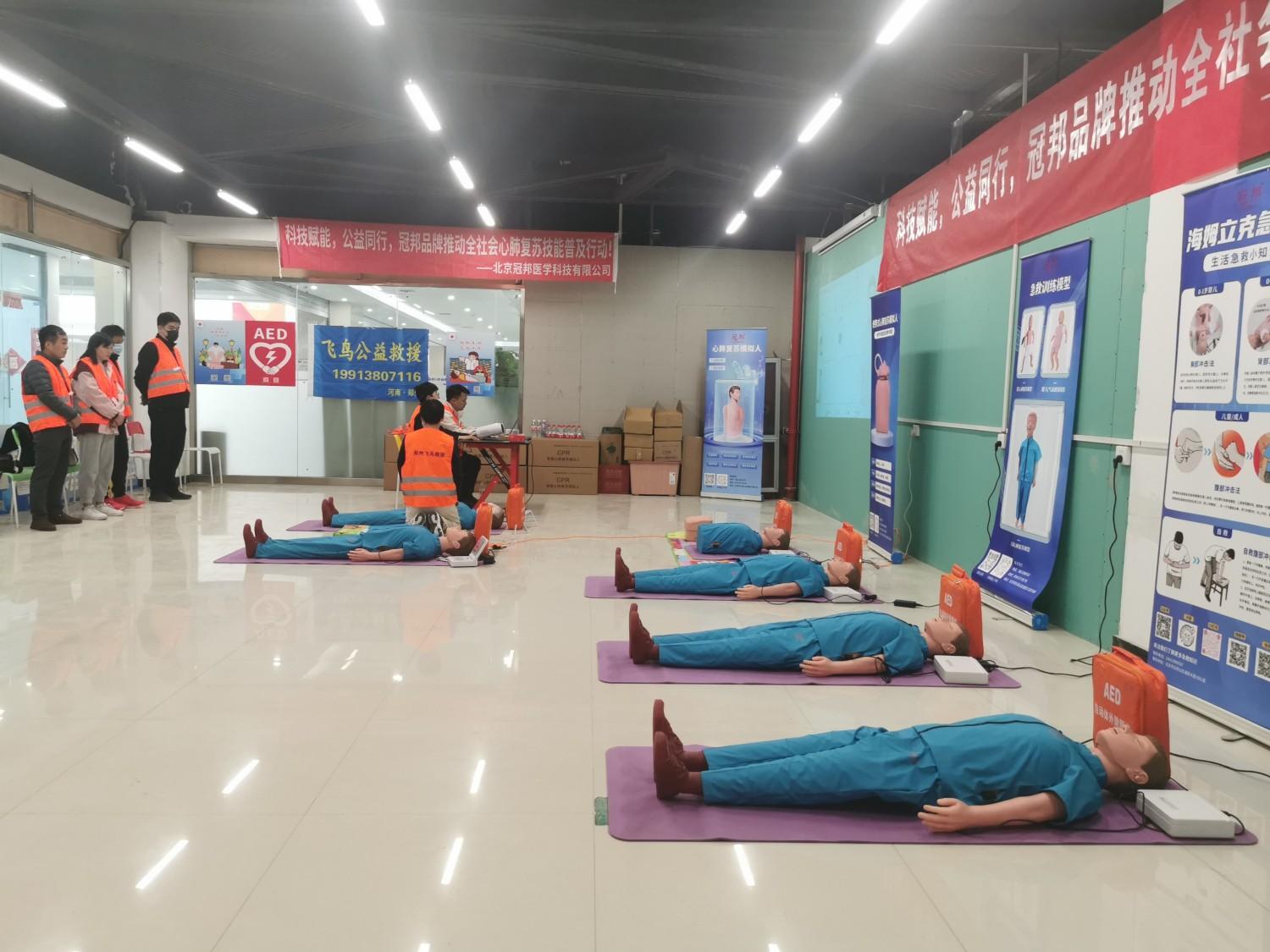
Partnered with emergency response squads to build free public training installations, upgrading regional self-rescue capabilities.
Modern resuscitation science relies heavily on physiological accuracy. An effective AED training device must mimic the exact behavioral, auditory, and visual characteristics of a live defibrillator while keeping the trainee absolutely safe. Our devices feature advanced micro-controllers programmed with up to 10 distinct cardiac scenarios (e.g., ventricular fibrillation, pulseless ventricular tachycardia, and non-shockable rhythms like asystole).
A key technological breakthrough in our simulators is the *capacitive electrode sensor technology*. Unlike traditional trainers that rely on physical buttons to detect if pads are placed, our pads sense proximity to the conductive surface of our specialized CPR manikins. If the pads are misplaced or not firmly pressed, the unit's AI voice module halts progress and guides the user to adjust the pads, ensuring that critical muscle memory is formed.
For organizations operating in commercial hubs like Marunouchi, Roppongi, and Shinjuku, maintaining disaster readiness records is crucial. Our digital-control CPR models store local session metrics. Compliance officers can export performance records indicating pass rates, compression ratios, and average hands-on time. This structured data is key to successfully passing corporate safety audits and maintaining liability protection.
 Guanbang Medical