High-fidelity medical training models designed to meet European Resuscitation Council (ERC) and Spanish emergency service parameters.
Analysis of clinical training dynamics, regional emergency regulations, and standard compliance across Iberia.
In Spain, the demand for high-fidelity airway obstruction and cardiopulmonary resuscitation (CPR) simulators has experienced a significant upward trajectory. This surge is driven by stringent occupational safety regulations and a proactive national stance on public health education. Under the framework of the Spanish National Health System (Sistema Nacional de Salud - SNS) and the guidelines established by the Spanish National Resuscitation Council (Consejo Español de Resucitación Cardiopulmonar - CERCP), mandatory training programs have expanded from traditional clinical settings into schools, hotels, public administration offices, and corporate environments.
Key regional emergency services such as SAMUR-Protección Civil in Madrid, SEM (Sistema d'Emergències Mèdiques) in Catalonia, and the 061 emergency networks in Andalusia and Galicia have elevated their validation criteria for training equipment. Simulators must now deliver objective, real-time performance feedback, particularly regarding thoracic compression depth, recoil, and ventilation volume. This shift has altered the procurement landscape for Spanish training centers, transitioning demand from basic static manikins to smart, feedback-enabled simulator platforms.
Spain's education law (LOMLOE) mandates basic first aid and CPR training in secondary education, creating a massive municipal demand for child/infant airway obstruction models.
Almost all Spanish Autonomous Communities (Comunidades Autónomas) legally require staff in high-traffic public spaces to undergo certified SVB (Soporte Vital Básico) training.
Hotels, restaurants, and sports complexes across Spain are increasingly adopting choking rescue simulators to prevent fatal foreign body airway obstructions (FBAO).
As a response to these dynamics, Beijing Guanbang Medical Technology Co., Ltd. has developed specialized export channels and direct services tailored specifically for the Iberian market. We ensure our product lines correspond seamlessly with Spain's clinical requirements, addressing key training scenarios ranging from adult subdiaphragmatic abdominal thrusts (Heimlich maneuver) to delicate infant back slaps and chest thrusts.
Bridging the gap between high-capacity production and rigorous Western medical qualifications.
Globally, the medical simulation industry is transitioning towards digital integration, bio-mimetic materials, and hybrid simulation frameworks. The American Heart Association (AHA) and the European Resuscitation Council (ERC) emphasize "high-quality CPR" and effective management of foreign body airway obstructions (FBAO) as critical metrics for survival. Simulators must accurately represent anatomical resistance, realistic airway patency, and true-to-life thoracic compliance to ensure training transfers effectively to real-world emergencies.
Established in 2016 in Beijing, China, Beijing Guanbang Medical Technology Co., Ltd. is at the forefront of this industrial shift. Our R&D team consists of core technical experts holding advanced degrees from premier institutions including the Chinese Academy of Sciences and Tsinghua University. Spanning a modern 10,000-square-meter production base, we operate a fully integrated supply chain encompassing mold design, material formulation, sensory electronics integration, and final assembly.
Our global presence is supported by strict quality systems, enabling us to export reliable simulators to key international regions, including the European Union. By controlling the formulation of our proprietary thermoplastic elastomers (TPE), we produce simulators that replicate human skin texture, flexibility, and physical resilience over thousands of repetitive compressions. This durability represents a substantial cost-of-ownership advantage for Spanish corporate training providers and universities.
Where and how our training models are integrated across Spanish sectors.
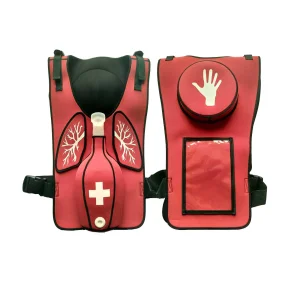
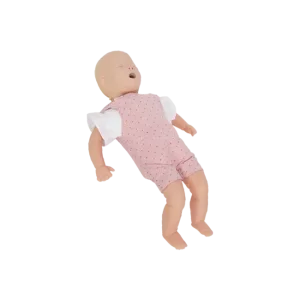
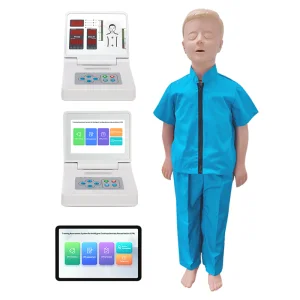
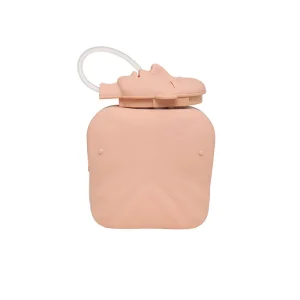
Under current Spanish educational reforms, primary and secondary school teachers must deliver basic life support (BLS) training. Our Infant Airway Infarction Models and Choke Training Vests provide lightweight, cost-effective solutions that can be easily transported between classrooms. Students gain hands-on practice handling airway blockages without needing complex electronic setups.
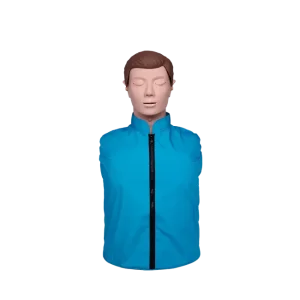
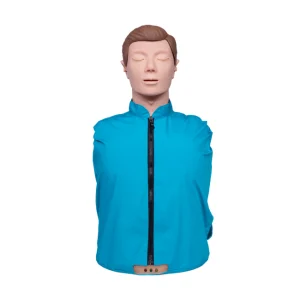
Volunteer groups and civil protection services (Protección Civil) across autonomous regions like Andalusia, Valencia, and Castile-Leon require durable training models for community outreach programs. Our basic-function and voice-version adult CPR simulators offer intuitive guidance for non-medical personnel, facilitating large-scale training events in municipal arenas.
Spanish businesses must comply with the Ley de Prevención de Riesgos Laborales (Law 31/1995 on Occupational Risk Prevention). Businesses in industrial zones—including logistics hubs in Zaragoza and factories in Barcelona—utilize our Portable CPR Simulators to train emergency intervention team members in swift cardiac arrest and choking response.
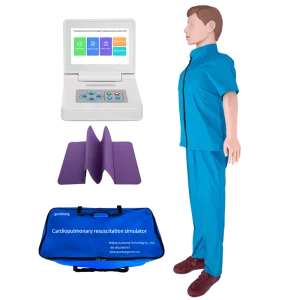
Universities in Madrid, Barcelona, and Seville demand high-fidelity clinical training tools. Our Advanced CPR Simulator with Color Touch Screen Control allows instructors to monitor real-time compression depth, chest recoil, and ventilation rate. This objective performance evaluation aligns with EU training expectations for advanced nursing and medicine programs.
Uncompromising standards in quality, environment, and digital integration.
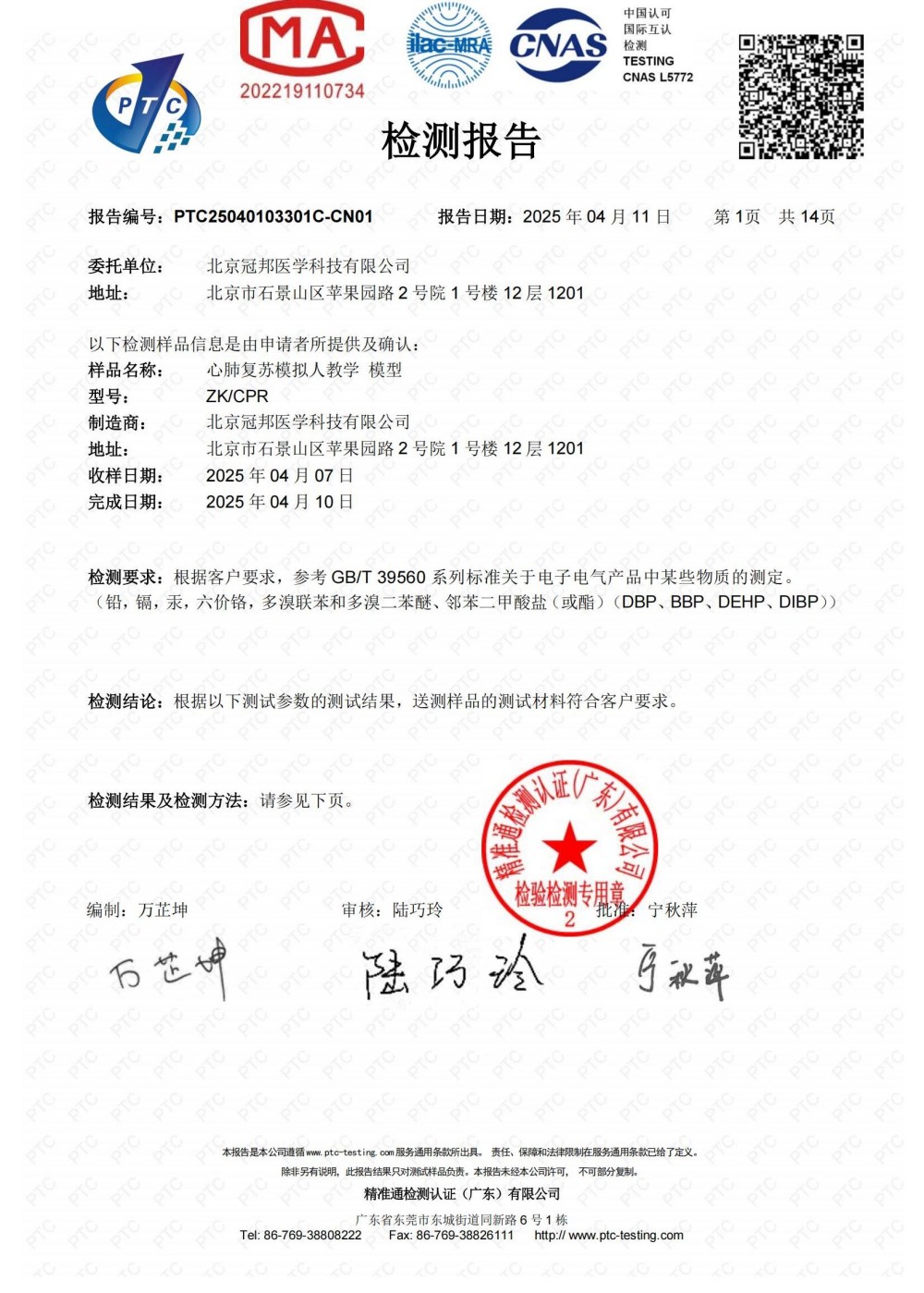
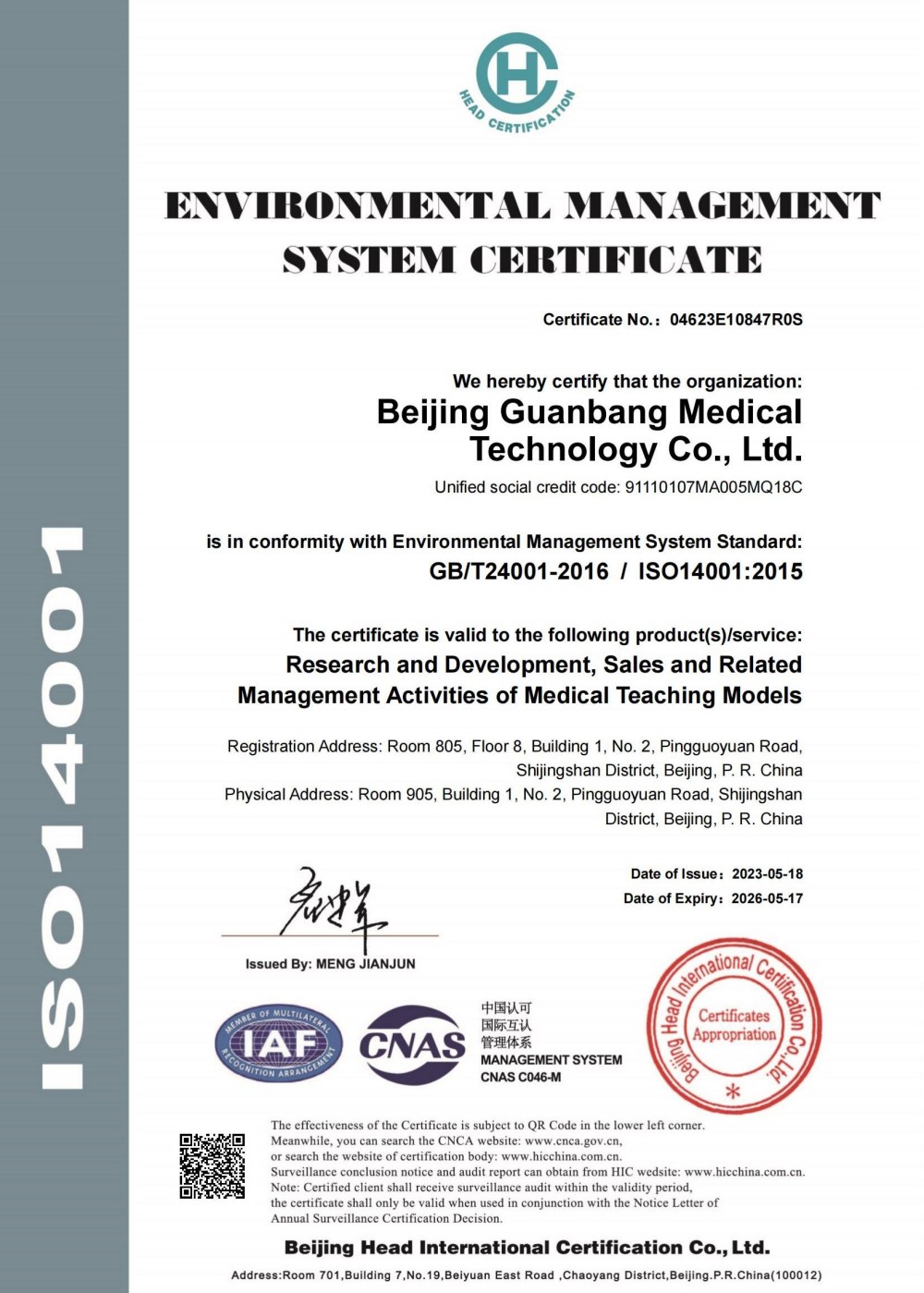
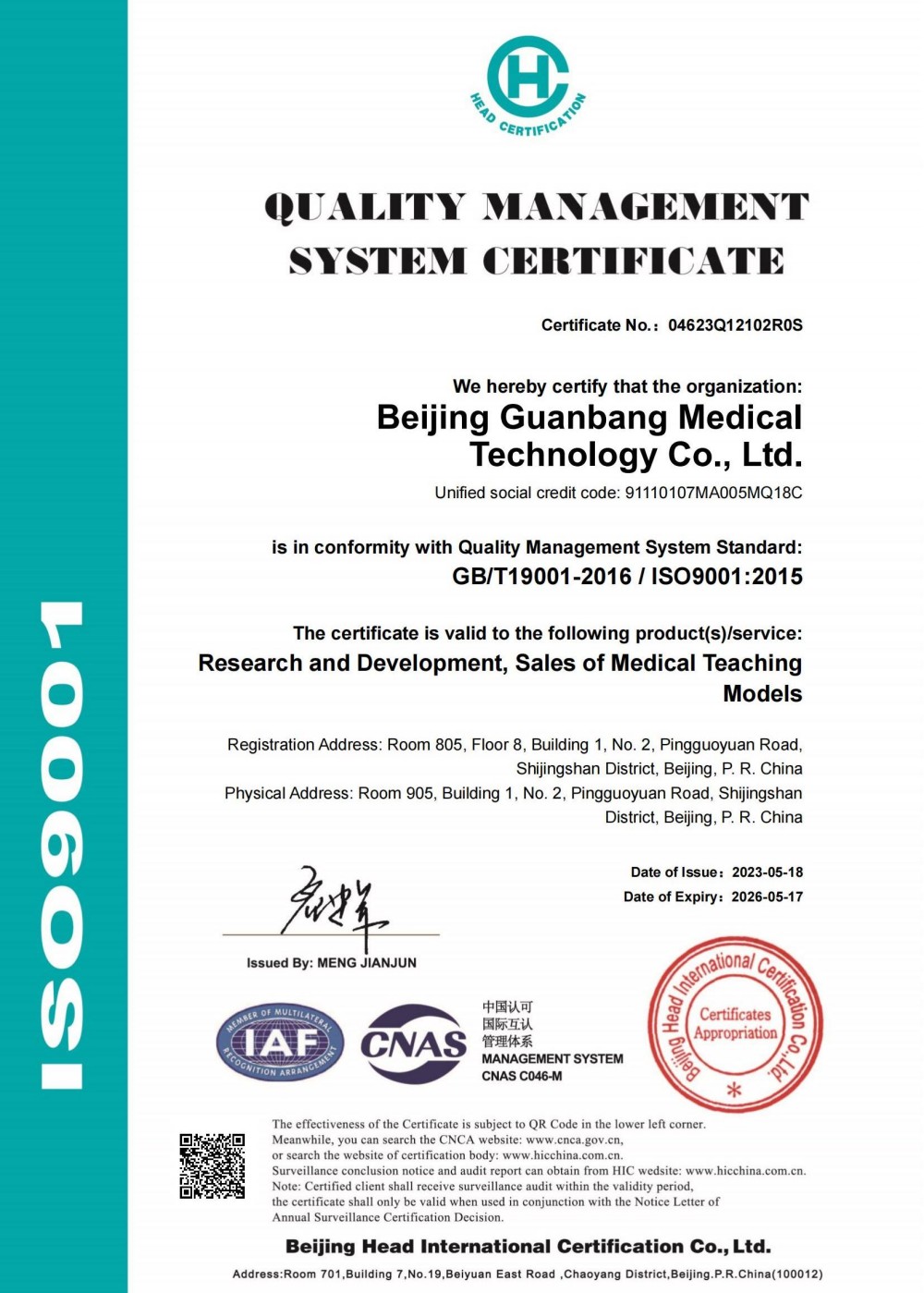
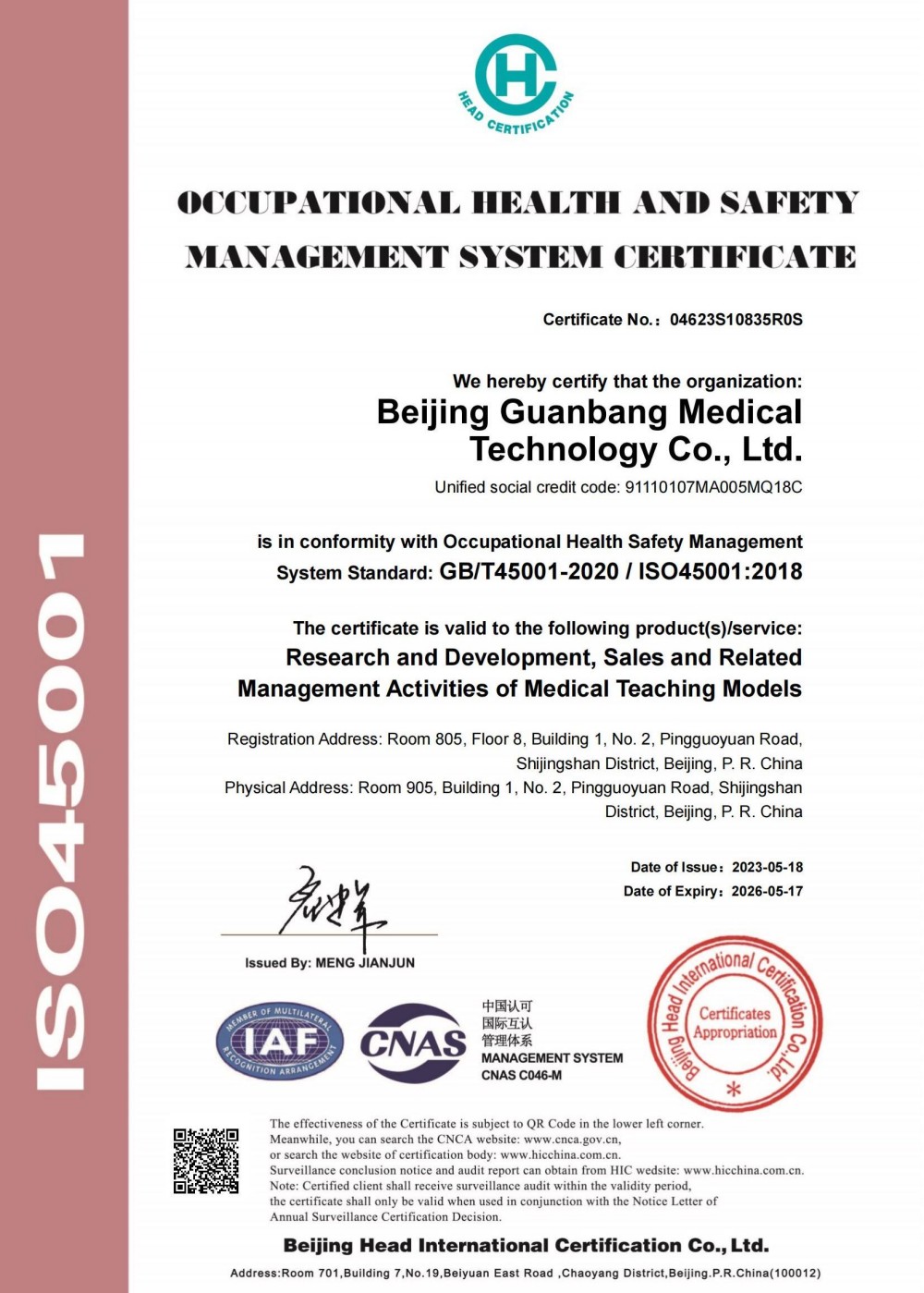
To confidently serve the Spanish medical simulation sector, we align our product development and manufacturing processes with European directives. Beijing Guanbang has established robust manufacturing protocols to secure key international and local Spanish certifications:
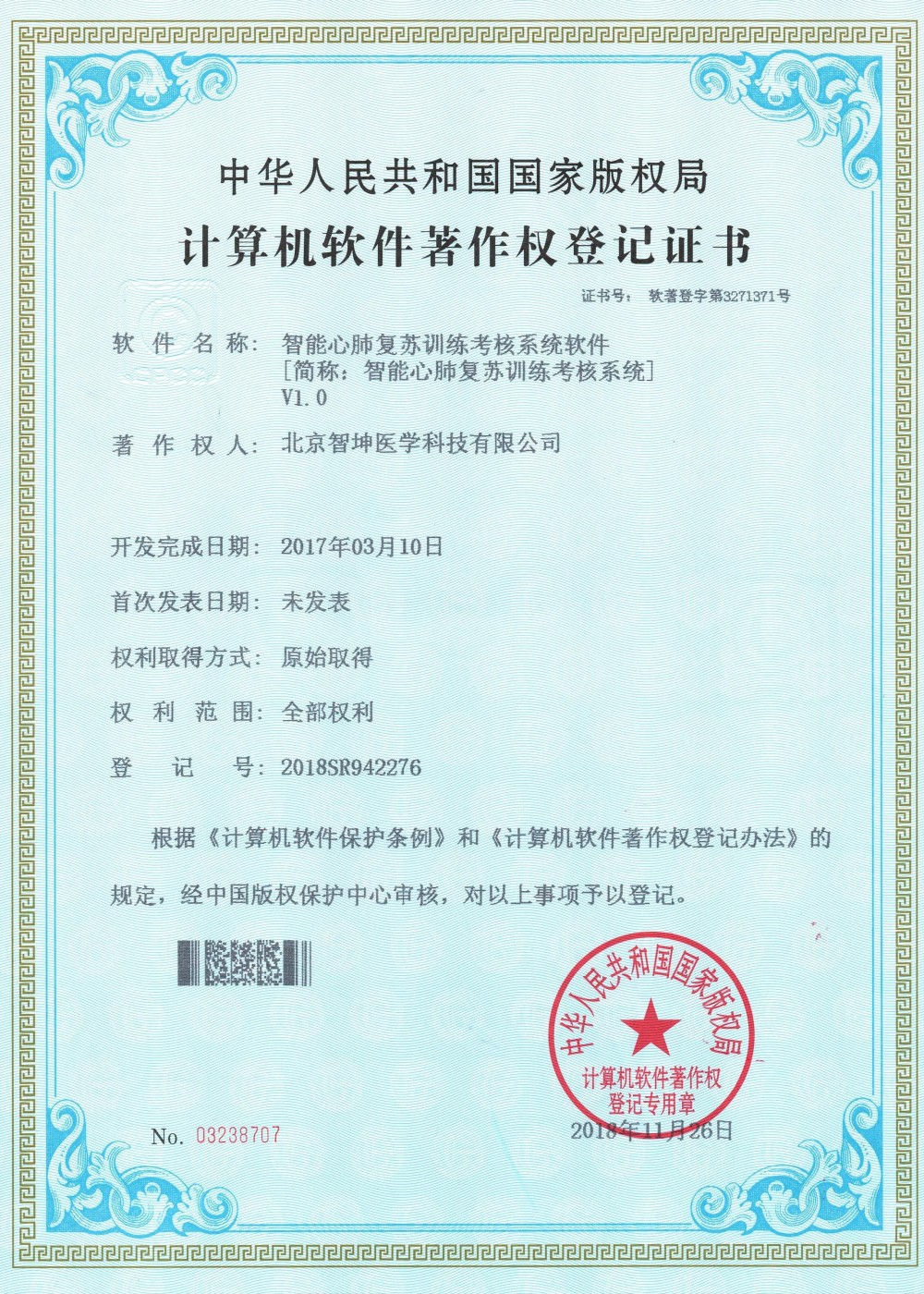
Our development pipeline is geared toward integrating AI-driven feedback mechanisms. By incorporating pressure-sensing matrices and optoelectronic arrays, our next-generation simulators will reconstruct a 3D simulation of thoracic movement. These models will connect directly to local cloud infrastructures, enabling Spanish instructors to track training scores and track certification trends across regional centers.
Important information regarding procurement, customization, and local Spanish compliance.
Select from basic trainers to advanced interactive feedback systems, tailored for Spain's medical training centers.
 Guanbang Medical